


About

Kruger National Park is both the first national park established in South Africa as well as the largest in the country. The park extends across an area of 7,523 square miles (19,458 sq km) making it the sixth-largest national park across the entire continent of Africa.
Because of the large expanse of the park, Kruger provides access through 9 different gates. It is 220 miles (360 km) long and reaches a width of 56 miles (90 km) wide.
Although a safari guide can help with both navigation and wildlife spotting, Kruger National Park allows for self-guided safari drives. The roads are paved and fairly easy to navigate. However, it becomes more challenging to spot wildlife when your eyes are also focused on the road.
Kruger National Park is part of the collaborative effort between Zimbabwe and Mozambique known as the Great Limpopo Transfrontier Park. It is a peace park that includes Kruger, Gonarezhour National Park in Zimbabwe, and Limpopo National Park in Mozambique. Travelers can spend several days experience the abundant wildlife available in the three parks. Together these parks create the largest protected area in Africa.
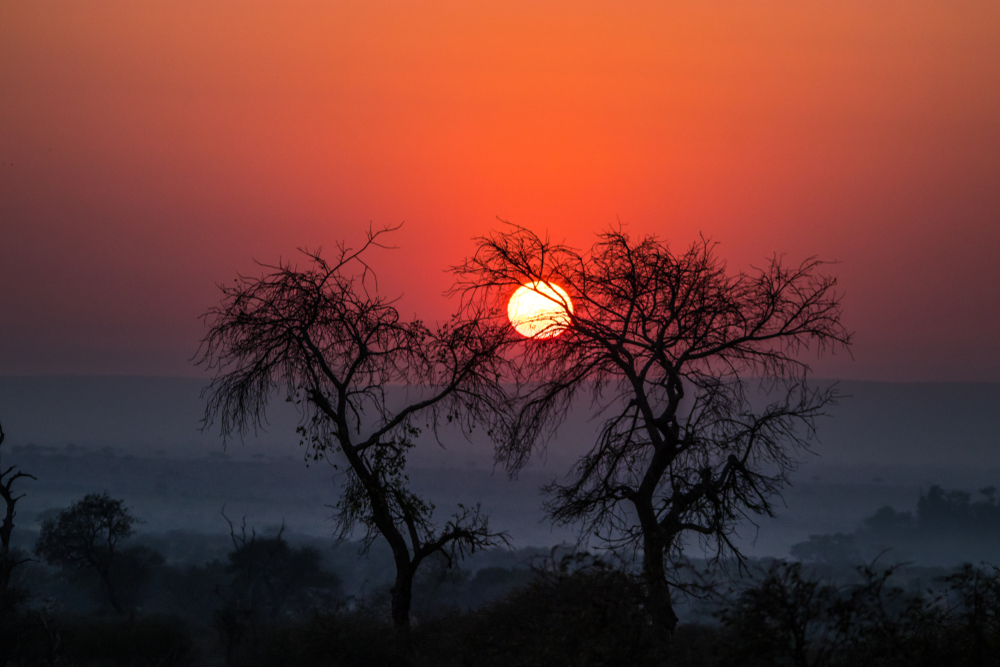
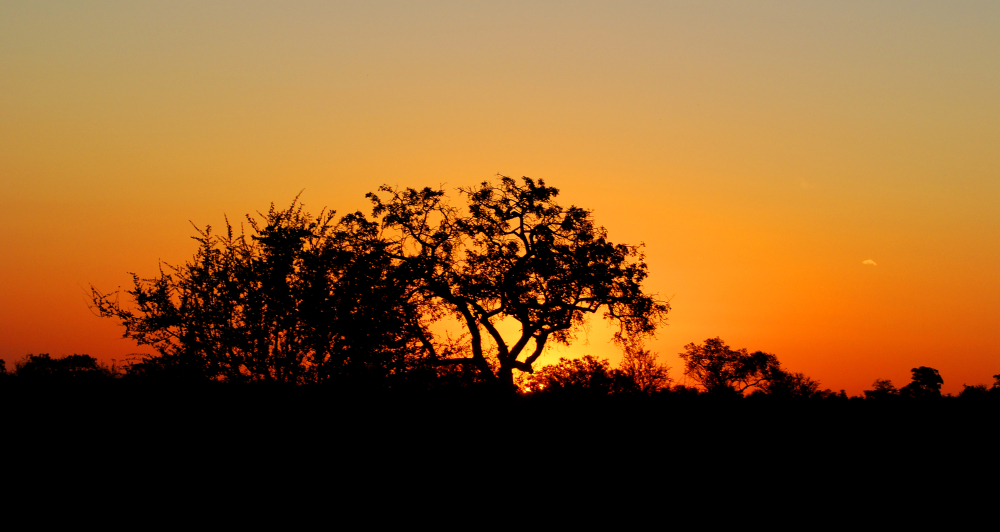
The national park is part of the Kruger to Canyons Biosphere as recognized by UNESCO. The vegetation of the park features four key areas: thorn trees with red bush-willow veld, knob-thorn, and marula veld, red bush-willow, and mopane veld, and shrub mopane veld.
The park has elevation changes ranging from the lowest spot at 660 feet (200 m) to the highest point at 2,760 feet (840 m). The highest point is known as Khandzalive. There are six different rivers running through the park which include: Sable, Olifants, Crocodile, Letaba, Luvuvhu, and the Limpopo River.
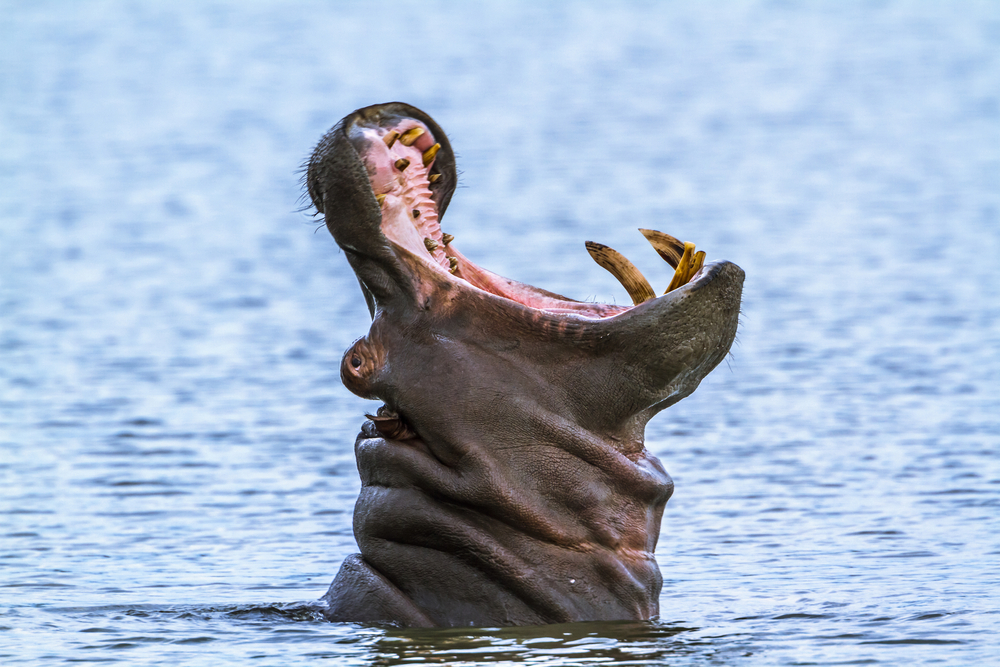
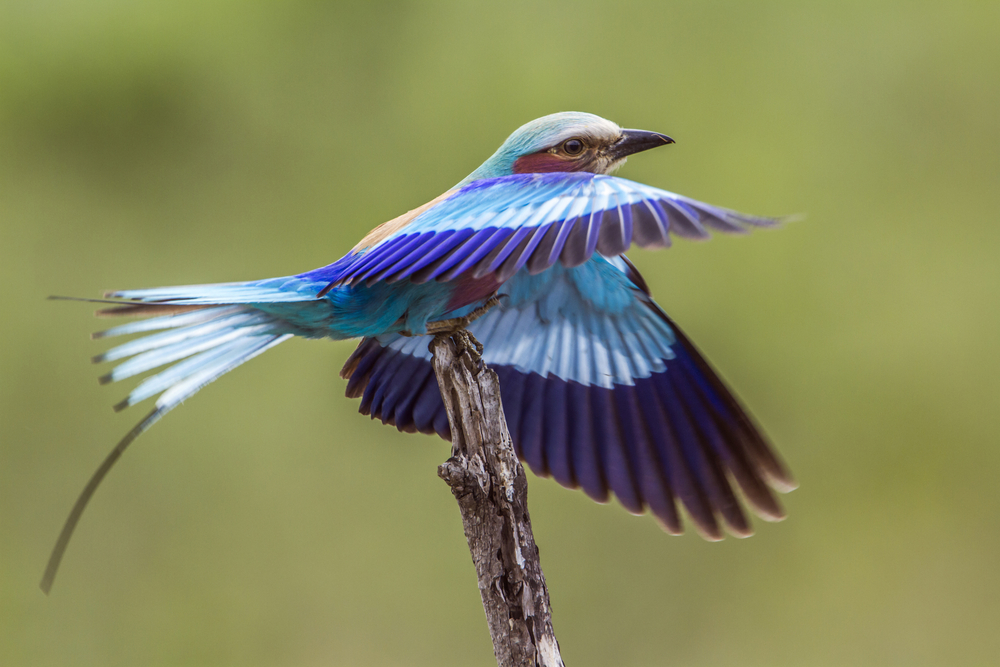
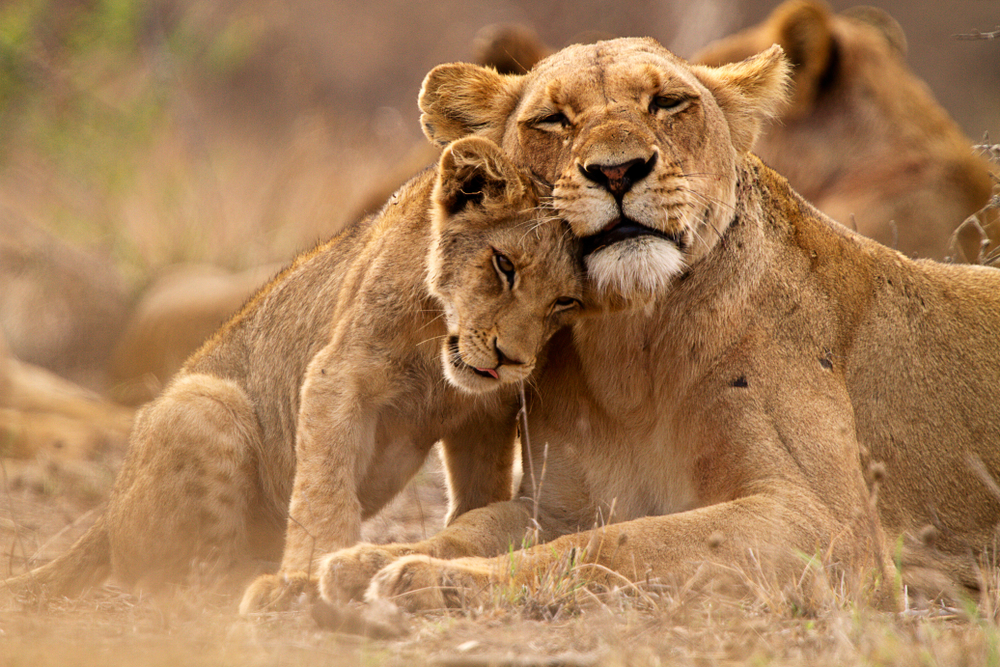
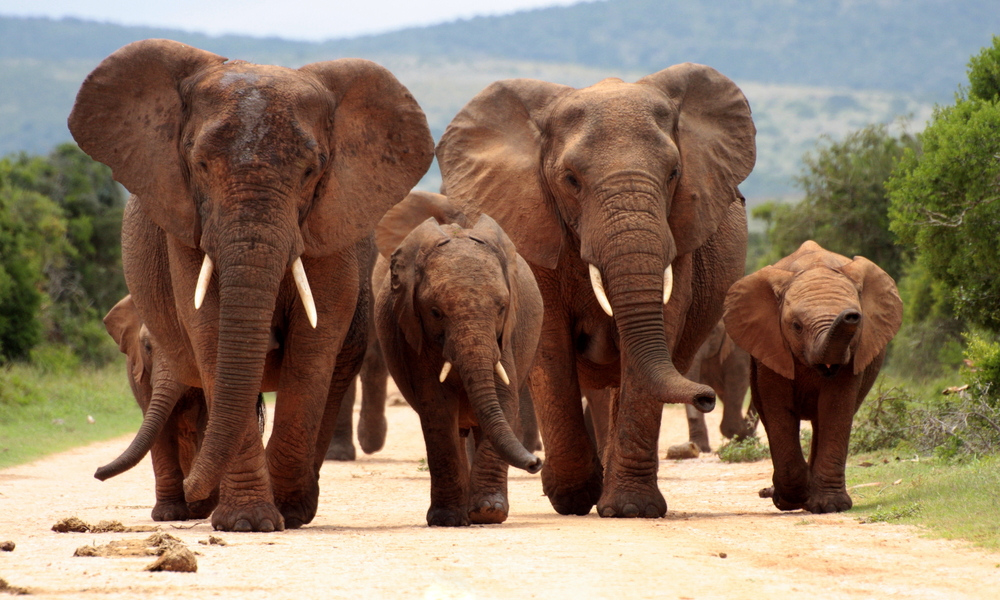
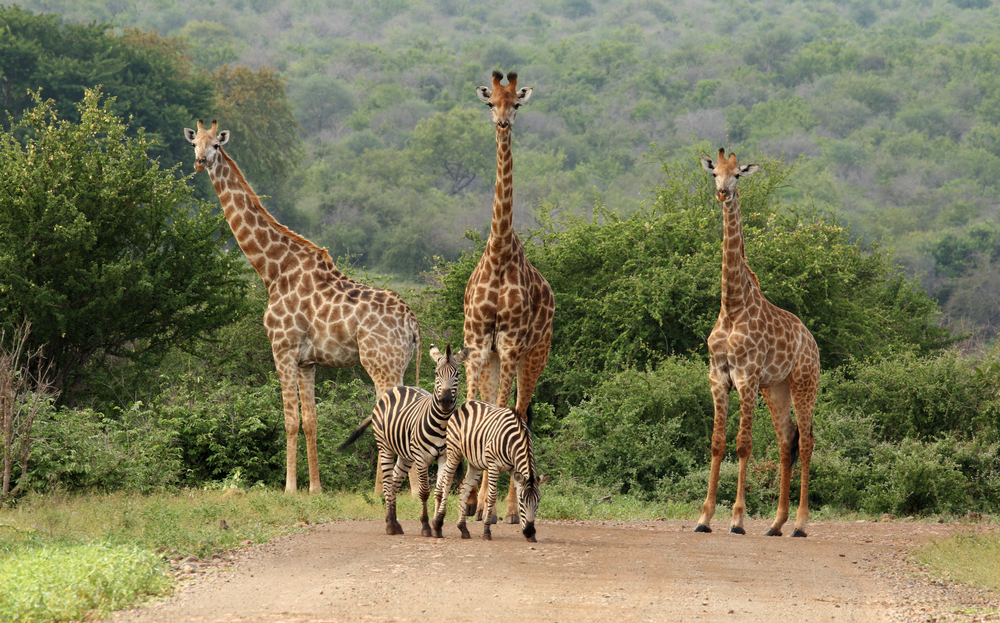
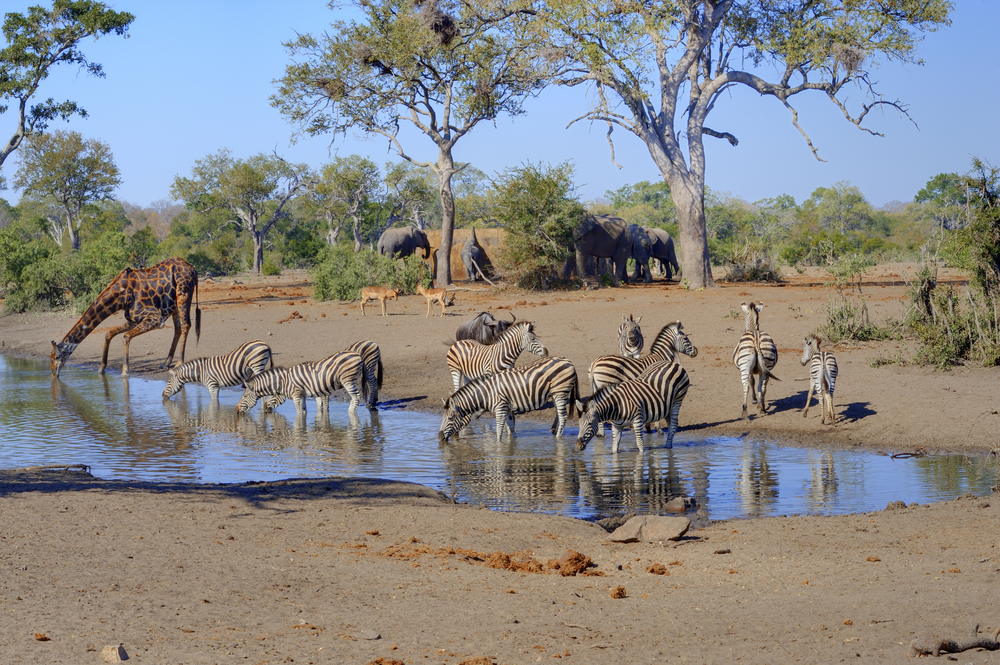
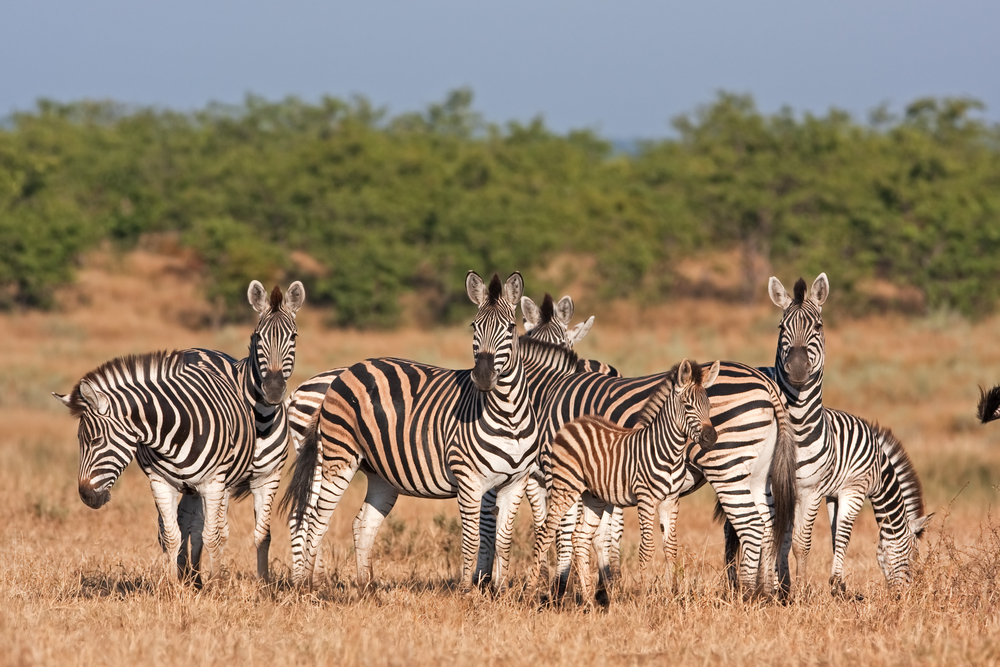
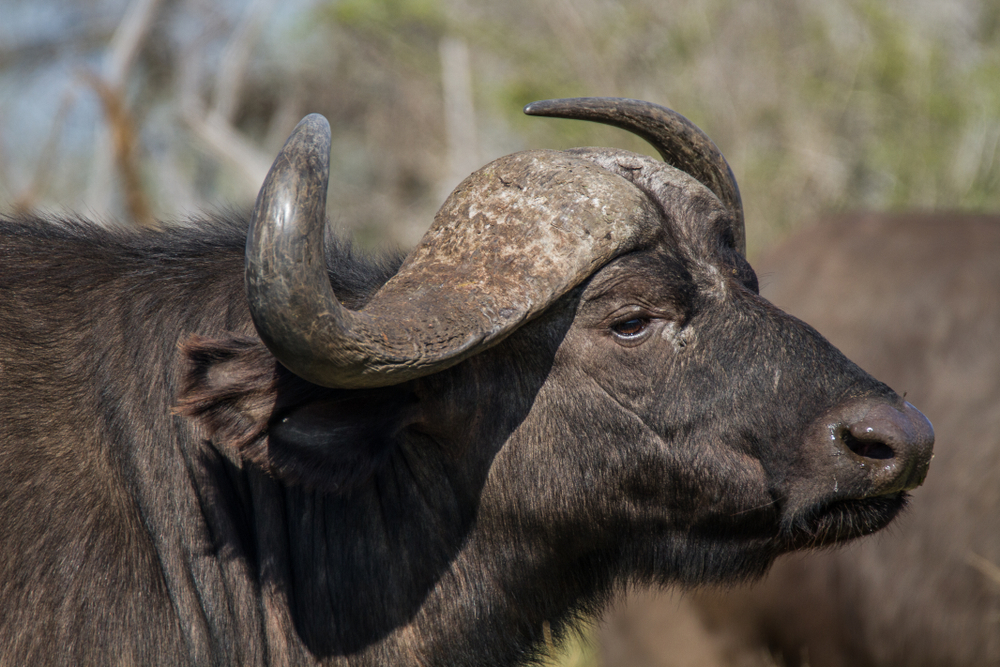
Kruger is home to 147 species of large mammals, which is more than any other game reserve. Bird-lovers will also thrive in Kruger with approximately 517 species of birds found throughout the park. The black mamba, rock python, and crocodiles sit atop the 114 species of reptiles calling the national park home.
Photos
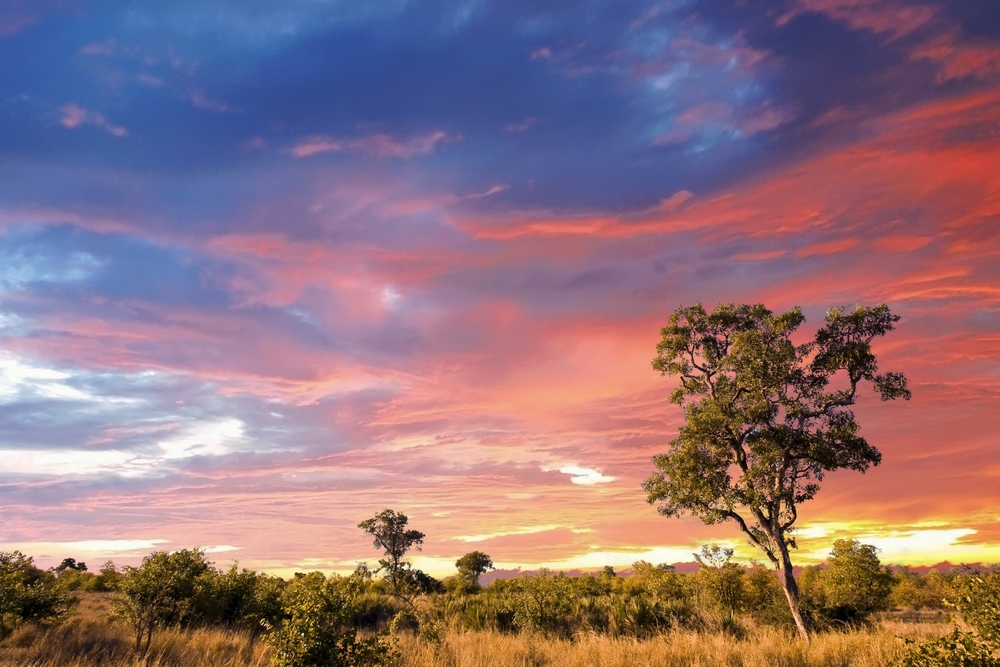
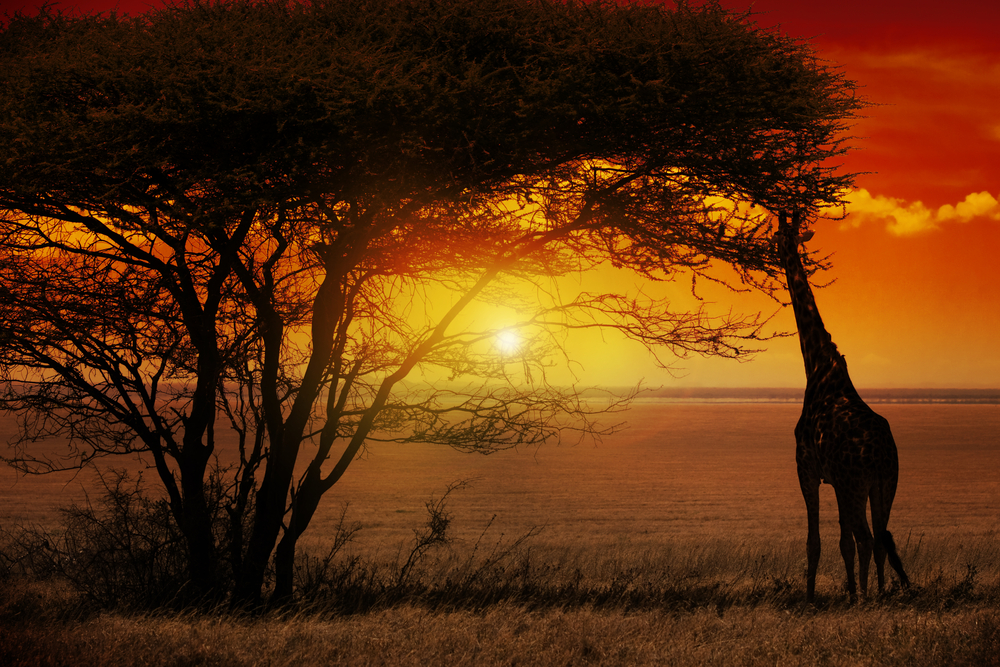




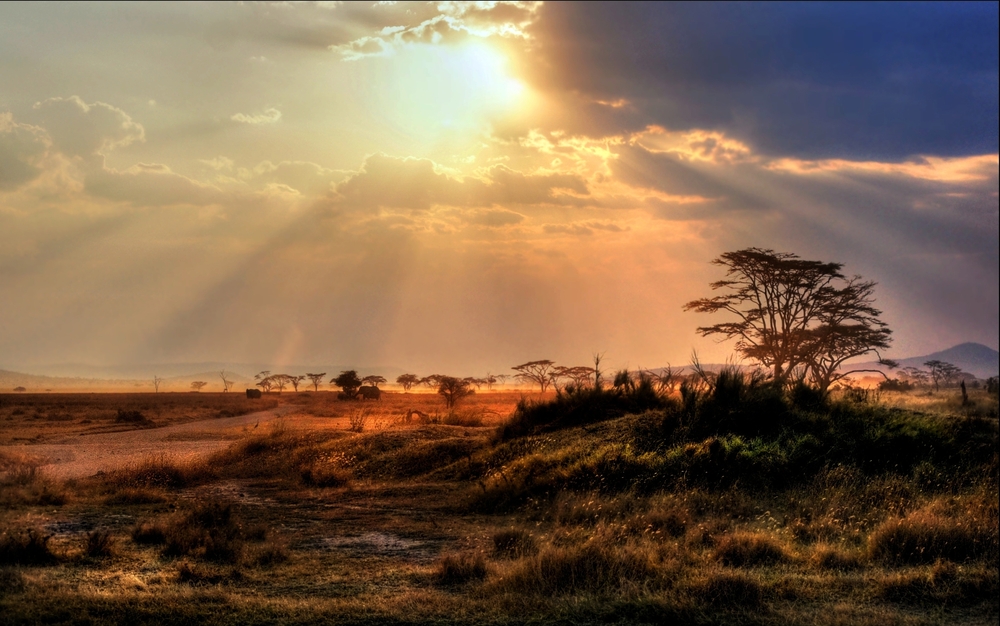
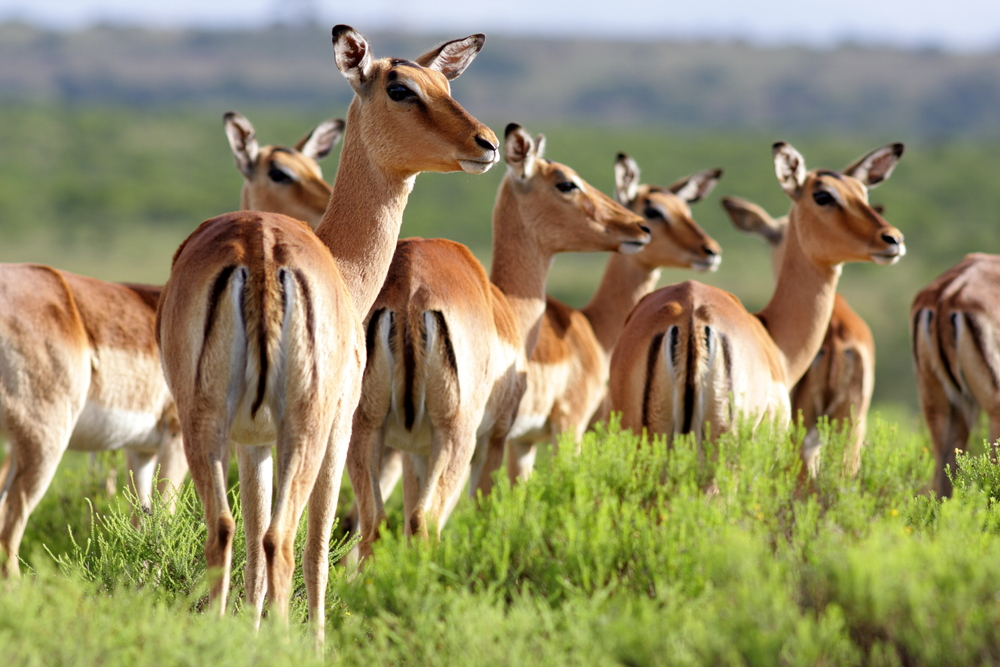
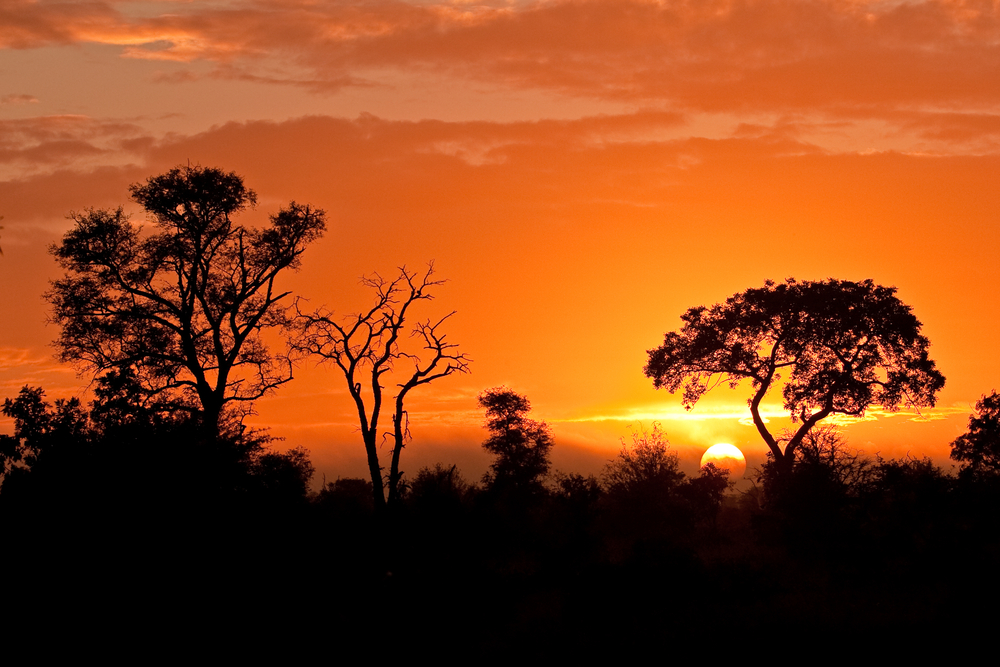
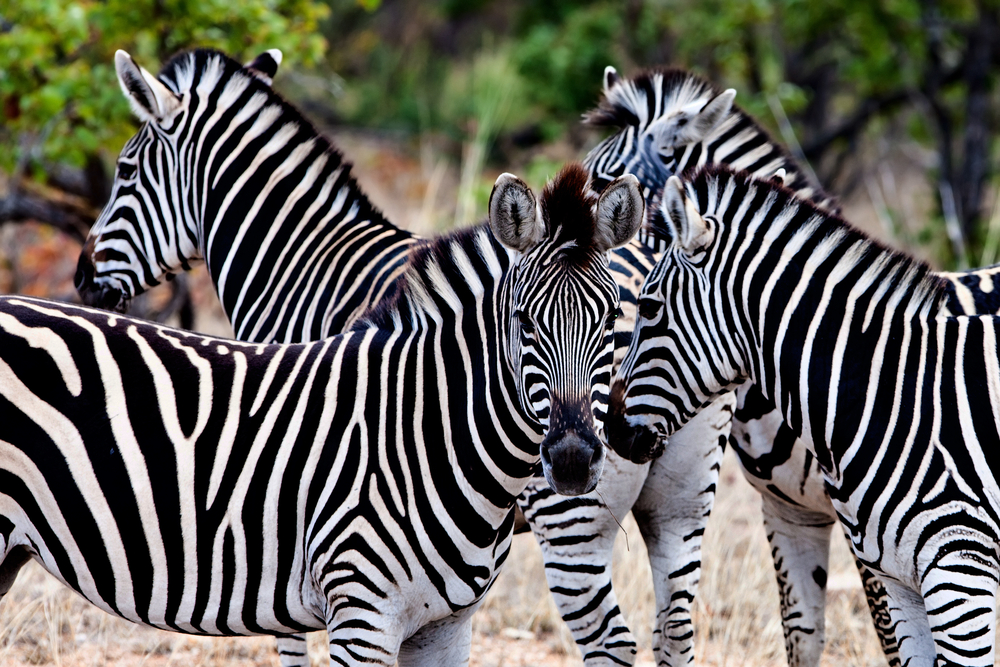
Things to See
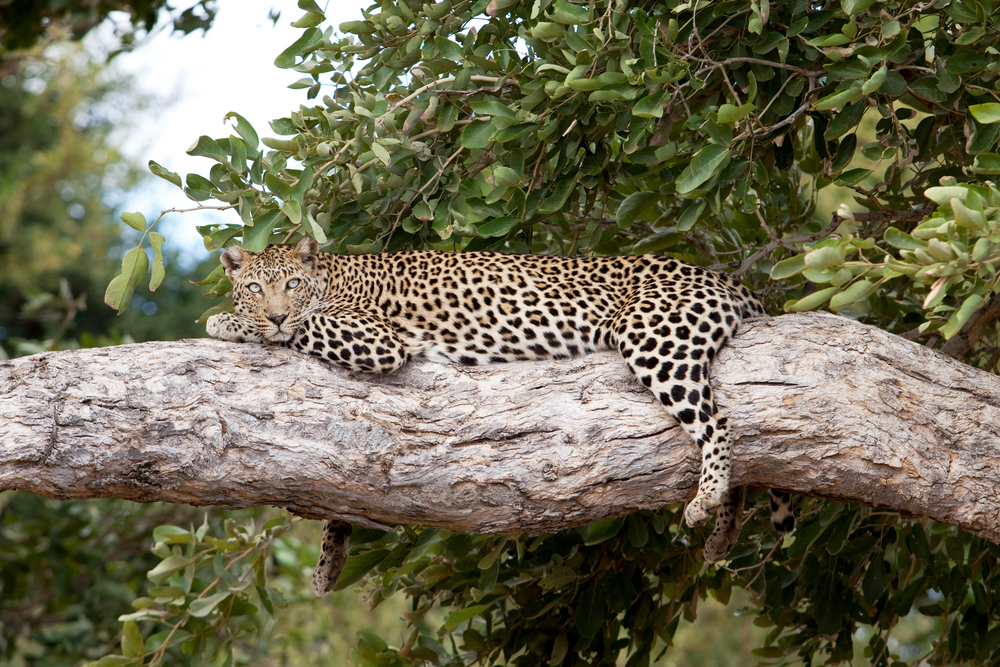
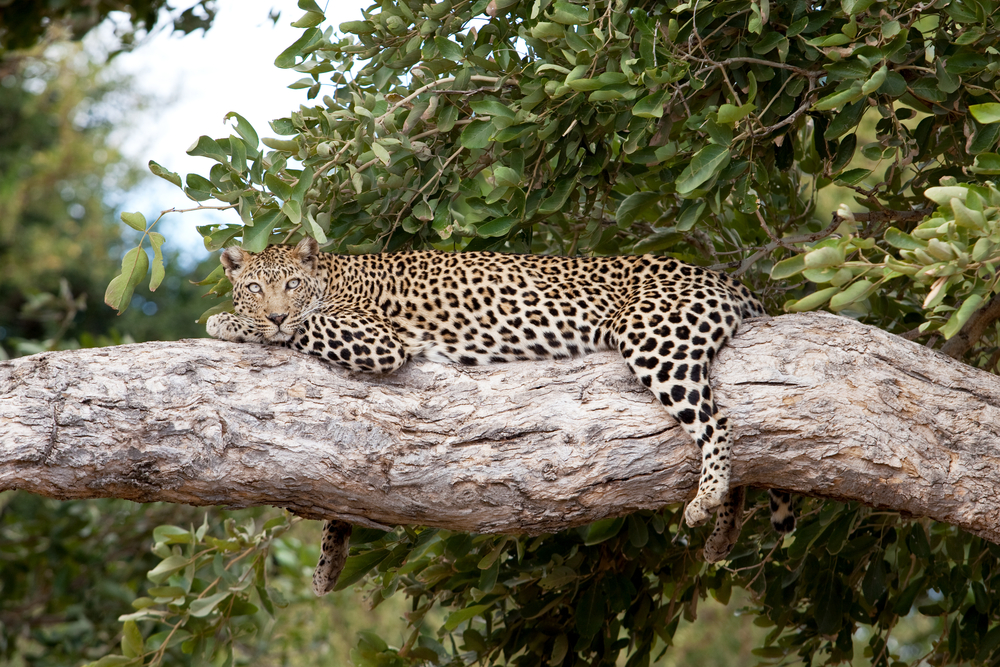
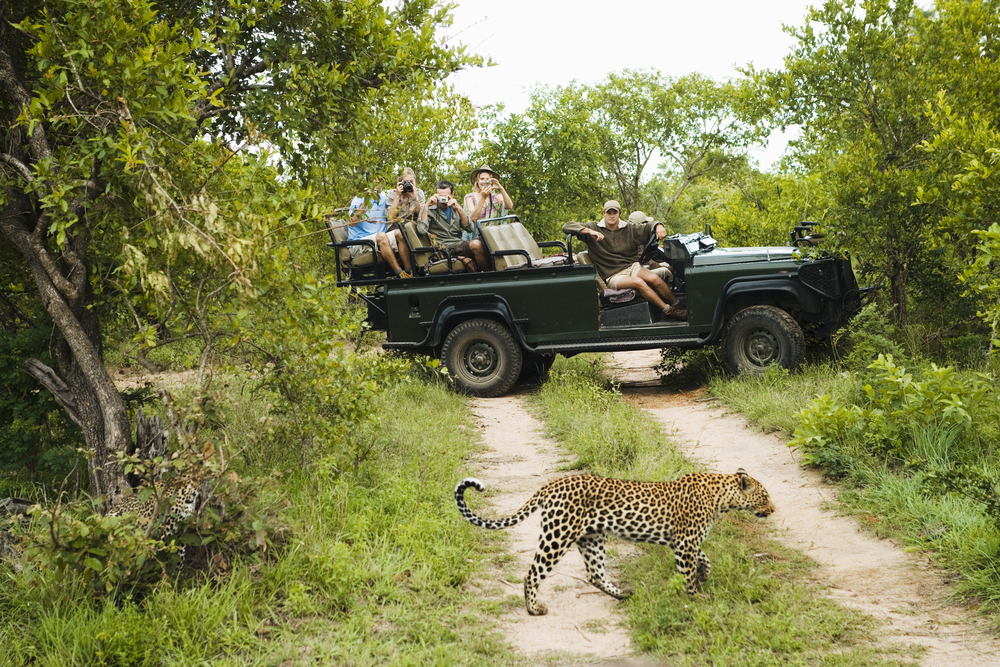
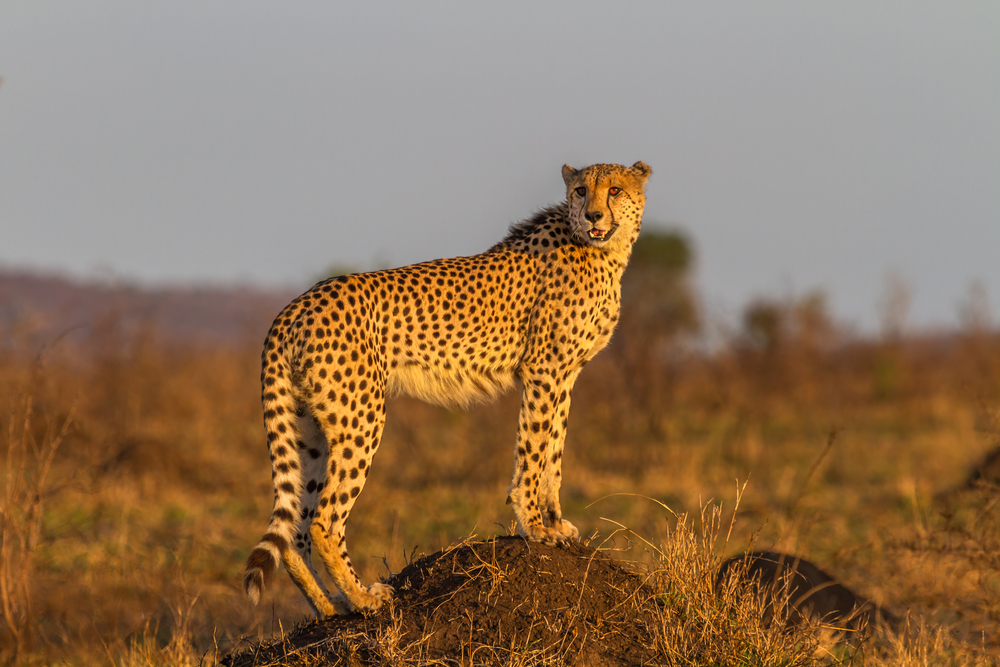
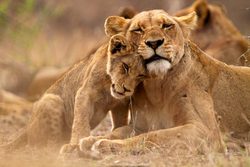 Without question, a safari throughout the park is the highlight for Kruger National Park. It represents one of the largest collections of wildlife throughout the continent. The predators of the park include lion, leopard, cheetah, hyena, wild dog, and the crocodile.
Kruger National Park Trails
The wilderness trails have no guarantees of wildlife sightings and matter of fact sightings can be more challenging. These trails are for exploring the wilderness and landscapes versus animal viewing. The best chance of wildlife sightings is for some of the bigger species such as elephants.

Sources
- Britannica, Kruger National Park, https://www.britannica.com/place/Kruger-National-Park, retrieved June 2020.
- South Africa National Parks, Kruger, https://www.sanparks.org/parks/kruger/, retrieved July 2019
- Kruger Park, http://www.krugerpark.co.za/, retrieved July 2019.
- Rhino Africa, Kruger National Park, https://www.rhinoafrica.com/en/destinations/kruger-national-park/2651, retrieved June 2020.