

About
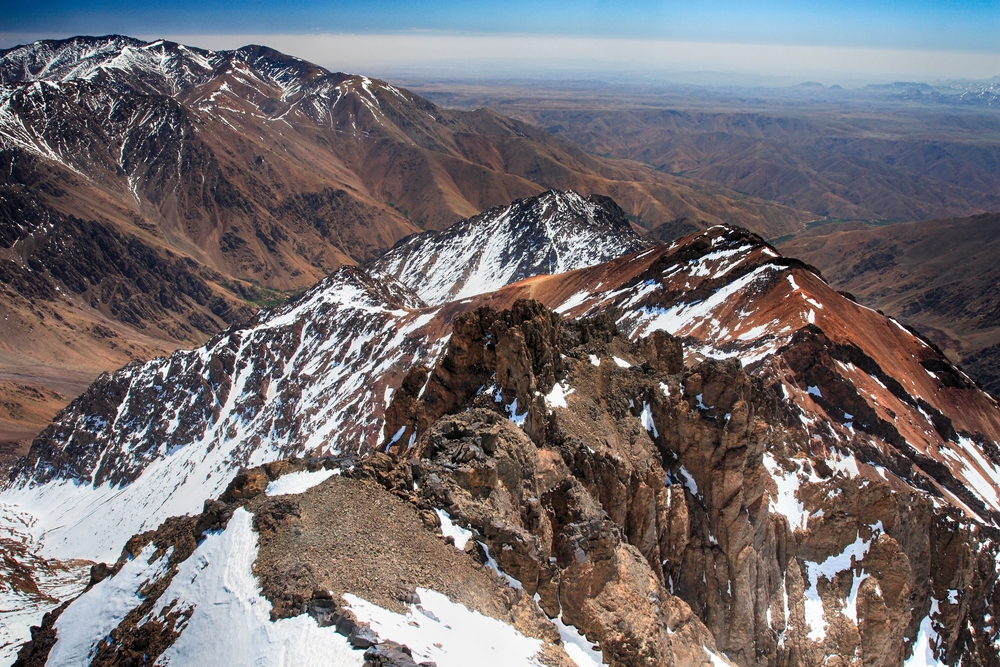
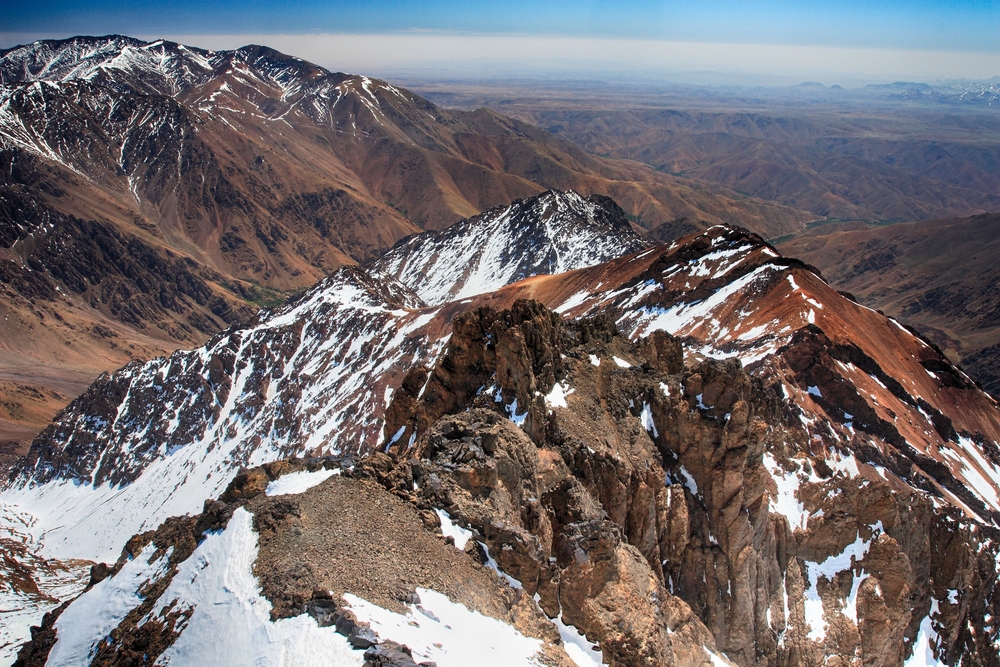
Located in the High Atlas Mountains of central Morocco, Toubkal National Park protects some of the most dramatic mountain landscapes in North Africa. The park covers approximately 147 square miles (380 sq km) and surrounds Mount Toubkal, the highest peak in North Africa at 13,671 feet (4,167 meters).
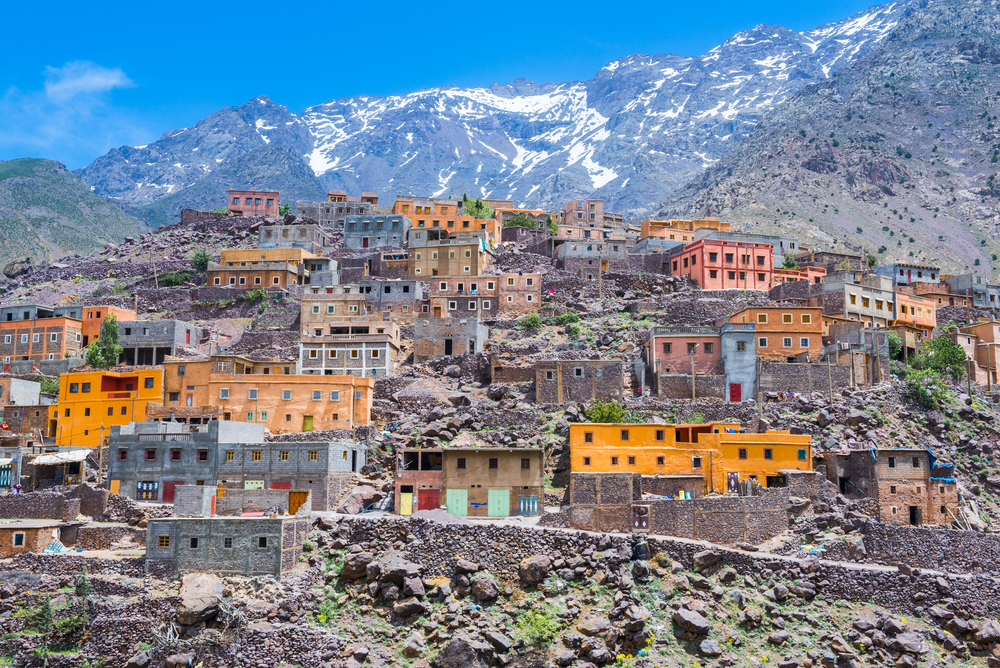
Situated south of Marrakesh, the park lies within the rugged High Atlas range where traditional Berber villages remain closely connected to the surrounding mountains. Toubkal National Park was established in 1942 and remains one of Morocco’s most important destinations for trekking, mountaineering, and mountain conservation.
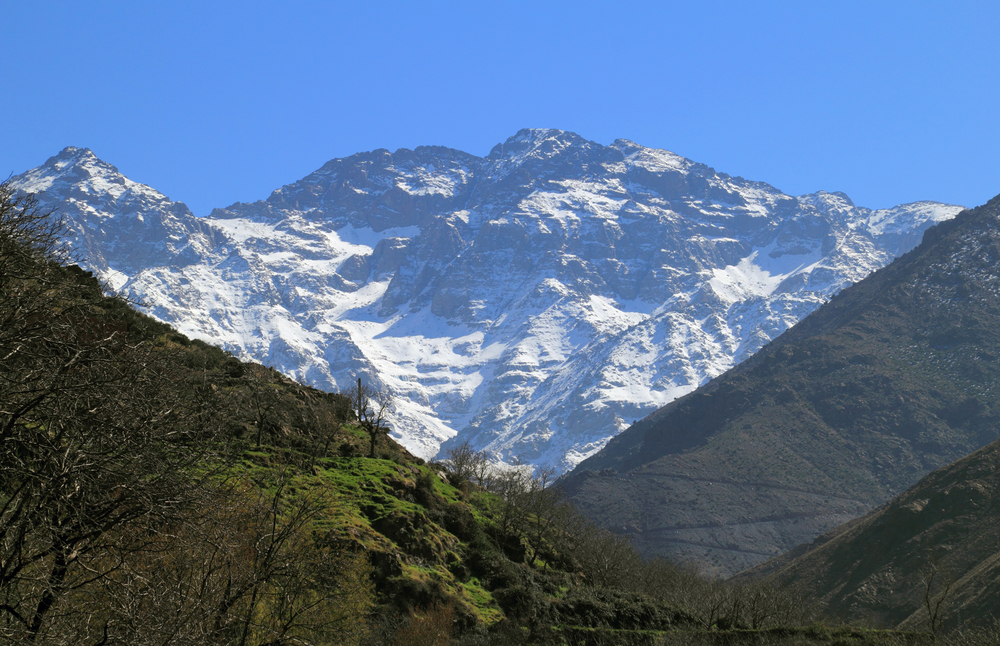
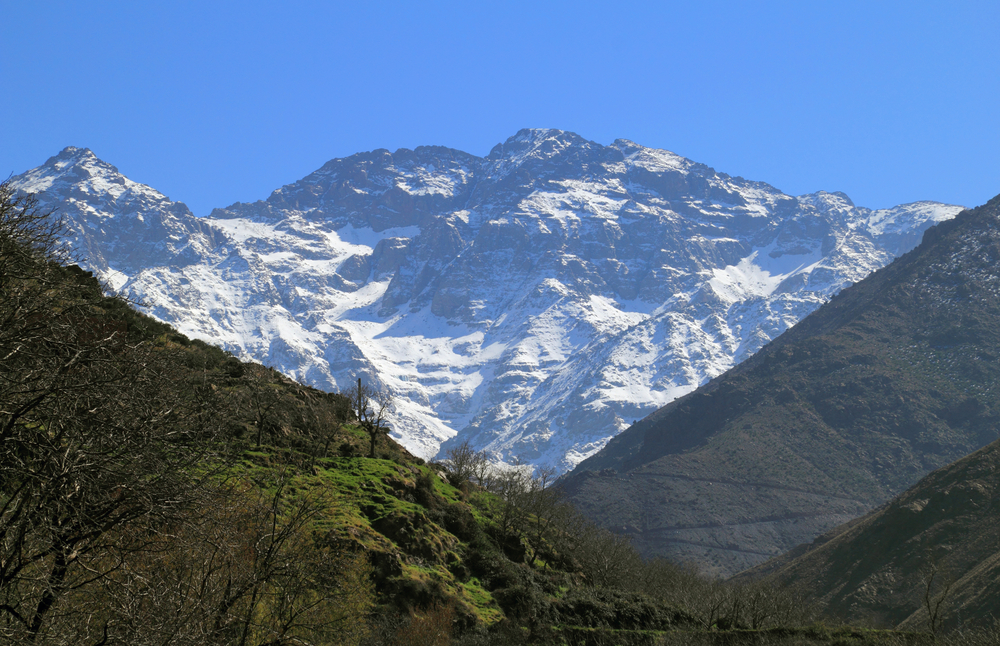
Toubkal National Park is best known for Mount Toubkal and the challenging trekking routes that attract hikers from around the world. Climbing Mount Toubkal is considered one of the most accessible major mountain ascents globally because technical climbing equipment is usually unnecessary during favorable seasons.
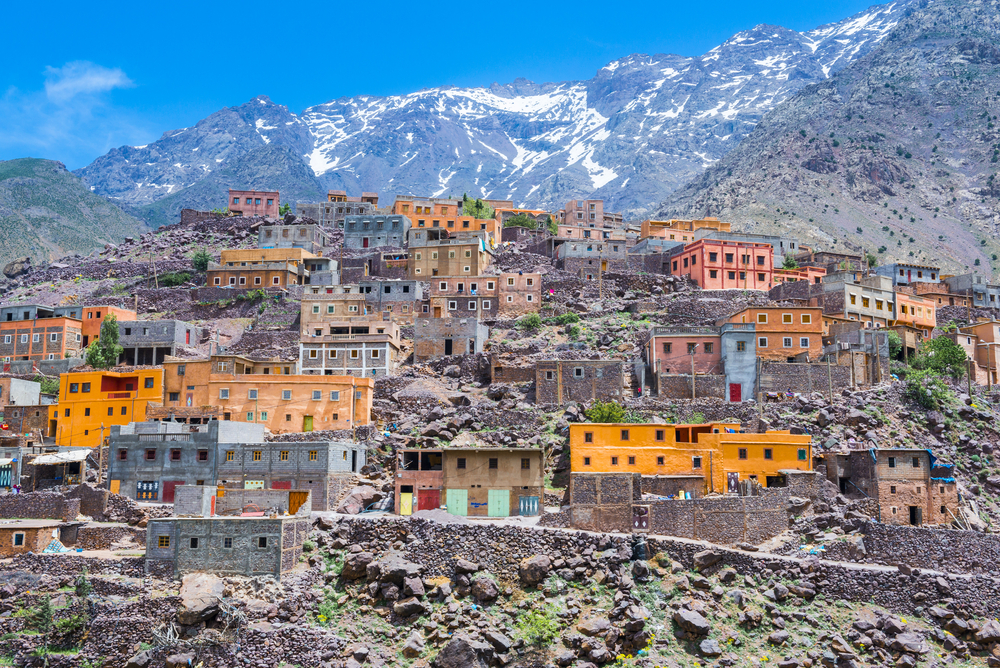
Visitors are drawn to the park for its panoramic mountain scenery, dramatic valleys, and opportunities to experience traditional Amazigh, or Berber, culture. Trekking routes pass through remote villages, terraced farmland, and rocky mountain passes before reaching snow-covered peaks. In winter, the higher elevations transform into a snowy alpine environment that contrasts sharply with Morocco’s desert landscapes and coastal cities.
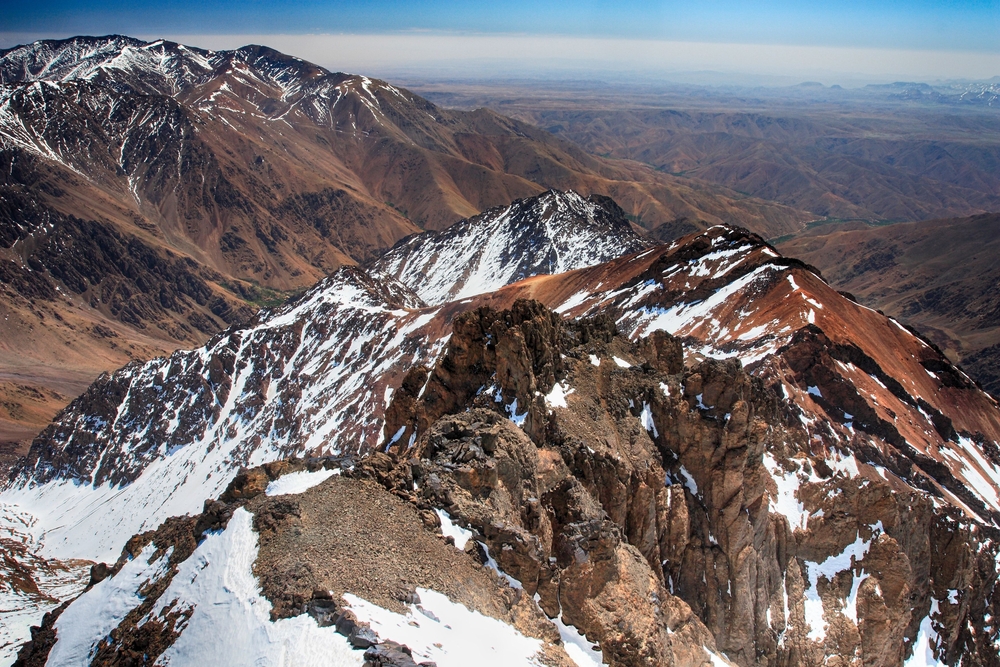
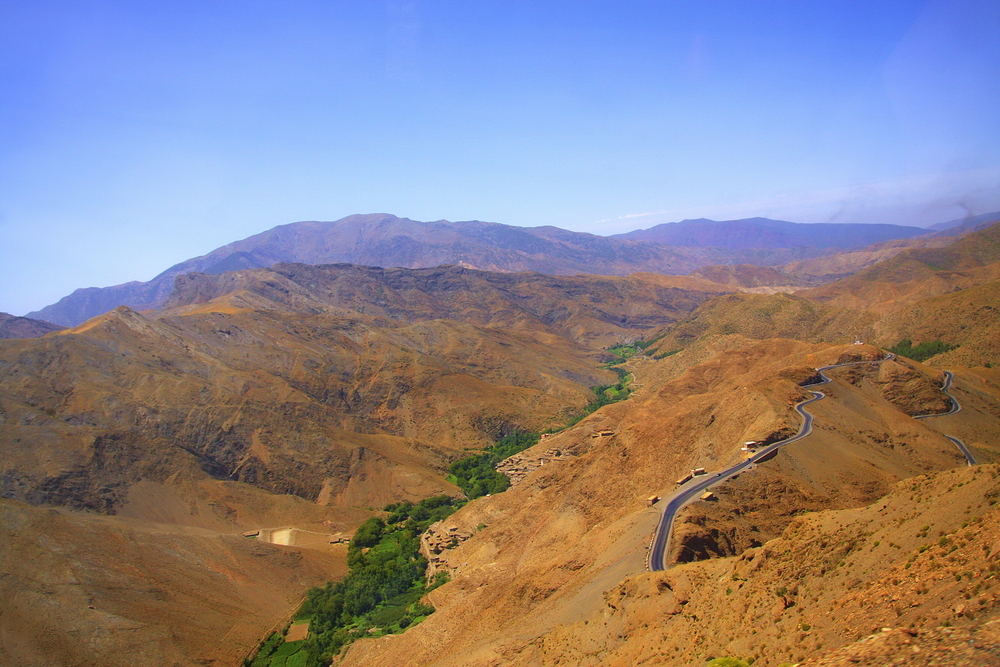
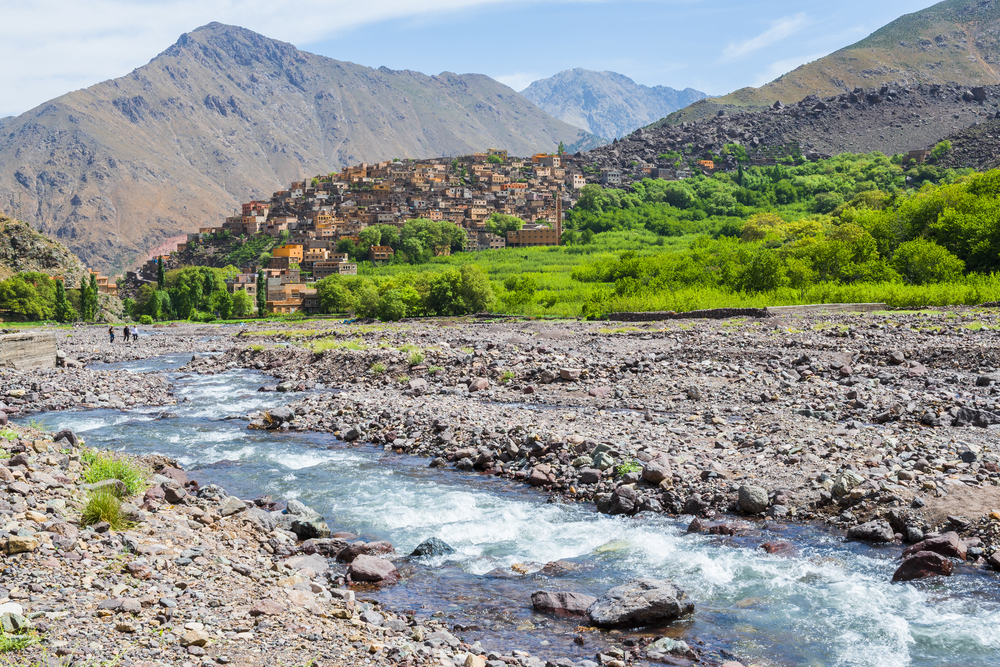
The geography of Toubkal National Park is dominated by steep mountain ridges, rocky valleys, high plateaus, and glacially shaped terrain. Deep river valleys cut through the mountains and support small villages and agricultural terraces that have existed for centuries. Vegetation changes significantly with elevation.
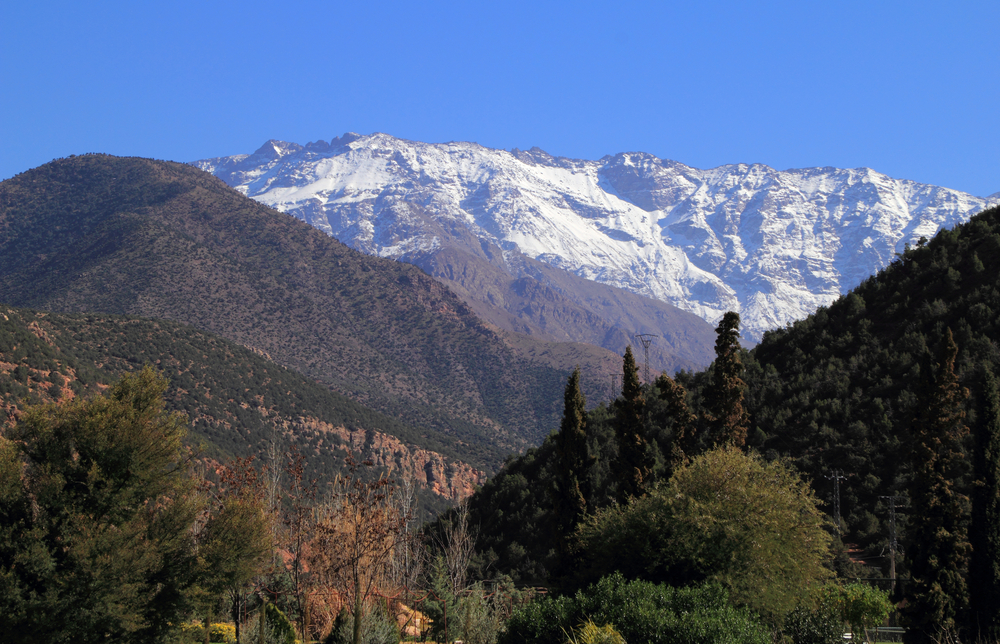
Lower slopes contain juniper forests, walnut trees, shrubs, and cultivated farmland, while higher elevations become increasingly barren and alpine in character. Seasonal snow covers many of the upper peaks during winter and spring, feeding rivers that flow toward surrounding communities. The dramatic changes in elevation create spectacular viewpoints across the Atlas Mountains and distant desert plains.
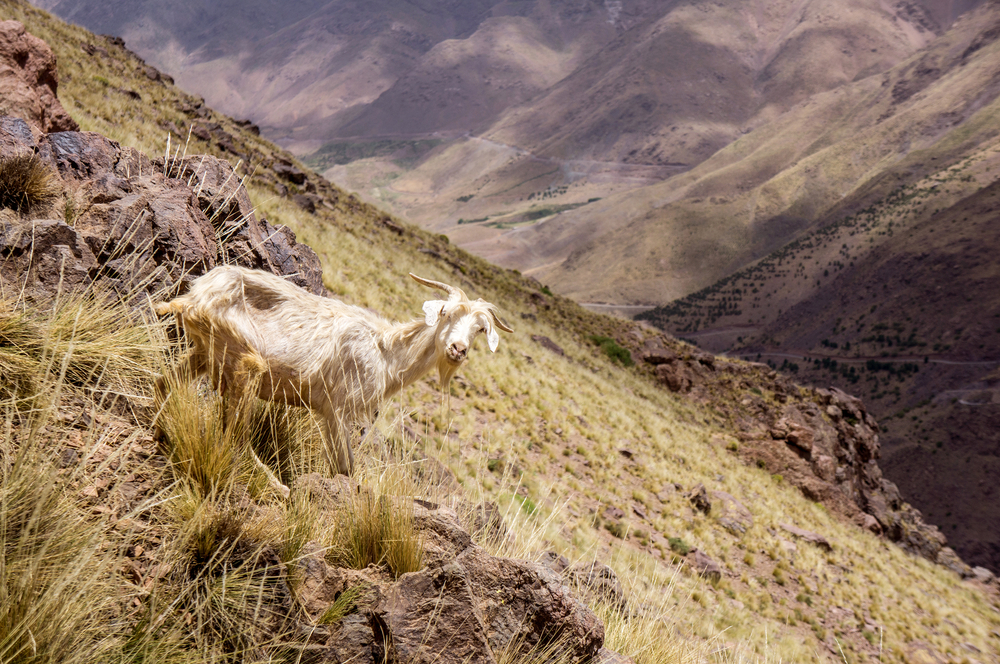
Wildlife in Toubkal National Park is adapted to mountain environments and semi-arid conditions. Barbary macaques inhabit some forested areas while foxes, wild boars, and small mammals move through valleys and rocky slopes. Birdlife includes golden eagles, Bonelli’s eagles, ravens, and numerous mountain songbirds that thrive in high-altitude habitats. Reptiles and amphibians are also found near streams and wetter valleys.
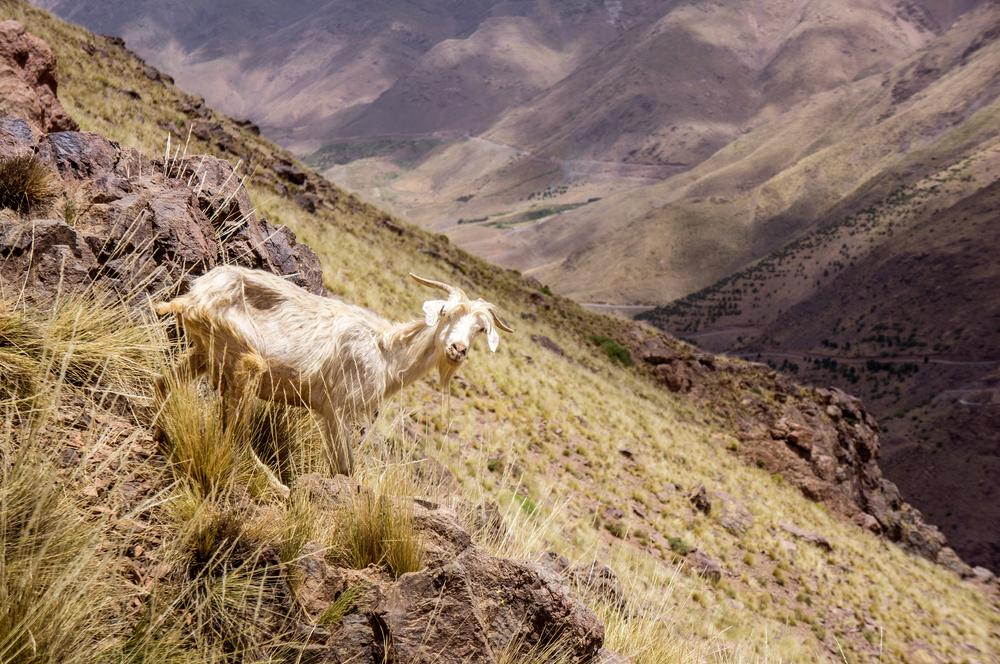
Although the park is more famous for scenery and trekking than large mammals, its ecosystems remain important for preserving biodiversity within the Atlas Mountains. Traditional farming practices in surrounding villages have also shaped the landscape while maintaining relatively sustainable relationships with the natural environment.
Toubkal National Park plays a vital role in protecting fragile mountain ecosystems and preserving water resources for nearby communities. The Atlas Mountains act as important watersheds for central Morocco, and the park helps safeguard forests, rivers, and alpine habitats threatened by erosion, overgrazing, and climate change.
Compared to mountain parks such as Mont Blanc Massif or Rocky Mountain National Park, Toubkal National Park offers a unique blend of North African culture, rugged mountain scenery, and accessible trekking adventures. Its combination of towering peaks, traditional villages, and dramatic landscapes makes it one of Morocco’s most treasured natural areas. Toubkal National Park continues to inspire climbers, hikers, and conservationists while preserving the beauty and ecological importance of the High Atlas Mountains.
Photos
Things to See
Things To Do
Engaging Toubkal
Toubkal National Park Trails
The majority of hiking trails begin in the town of Imlil. Imenane, Mizane, and Azzadene are valleys that all offer nice hikes which also help with acclimatization before trekking up Toubkal.

FAQ’s
What is Toubkal National Park known for?
Toubkal National Park, situated in the High Atlas Mountains of Morocco, is renowned for its rugged mountain landscapes, including North Africa’s highest peak, Mount Toubkal. The park is named after this towering summit, which rises to an elevation of 4,167 meters (13,671 feet) above sea level.
Visitors flock to Toubkal National Park for its exceptional hiking and trekking opportunities, with trails ranging from leisurely strolls through picturesque valleys to challenging ascents of Mount Toubkal itself. Along the way, trekkers are treated to stunning vistas of snow-capped peaks, alpine meadows, and traditional Berber villages nestled among the mountains.
The park is also home to a rich diversity of flora and fauna, including endemic plant species adapted to the harsh mountain environment, as well as Barbary macaques and various bird species.
In addition to hiking, Toubkal National Park offers opportunities for mountaineering, rock climbing, and cultural experiences, allowing visitors to immerse themselves in the natural beauty and cultural heritage of the High Atlas Mountains.
Sources
- Journey Beyond Travel, Learning about Toubkal National Park, https://www.journeybeyondtravel.com/blog/morocco-trekking-toubkal-park.html, retrieved October 2019.
- Lonely Planet, Toubkal National Park, https://www.lonelyplanet.com/morocco/toubkal-national-park, retrieved October 2019.
- Marocecotourism, The National Park of Toubkal, https://www.marocecotourisme.com/en/moroccan_national_parks_toubkal.php, retrieved October 2019.
- Rough Guides, Trekking in Toubkal National Park, https://www.roughguides.com/destinations/africa/morocco/high-atlas/toubkal-massif/trekking-toubkal-national-park/, retrieved October 2019.
- Tozome, Toubkal National Park Travel Guide, https://tozome.com/articles/
toubkal-national-park-the- complete-travel-guide/ , retrieved July 2021.