

About
Basaseachic Falls National Park, known as Parque Nacional Cascada de Basaseachic in Spanish, is located in the Sierra Madre Occidental in the state of Chihuahua, Mexico.
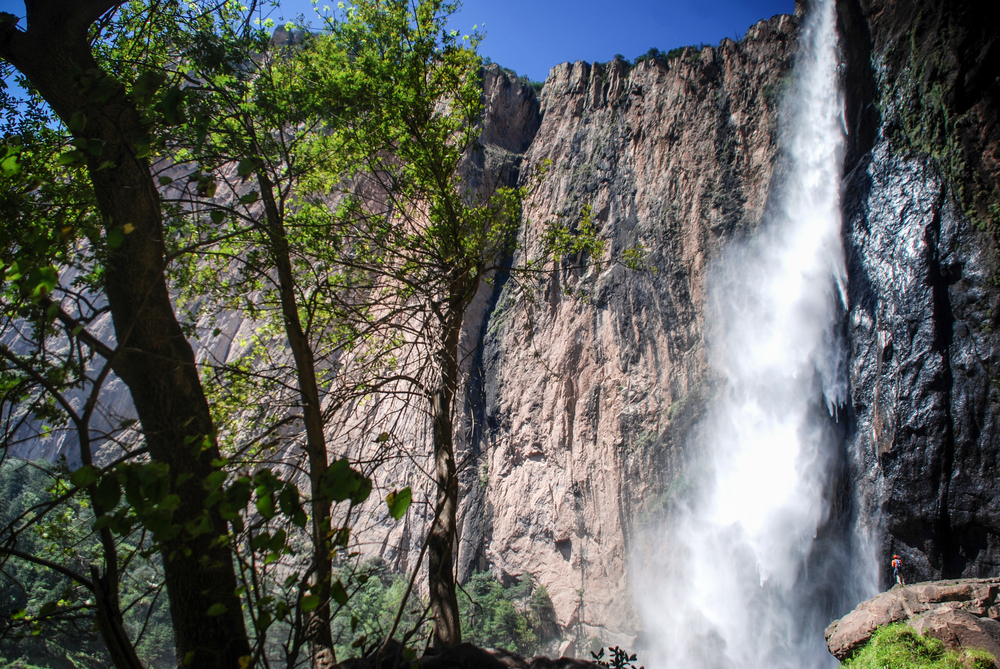
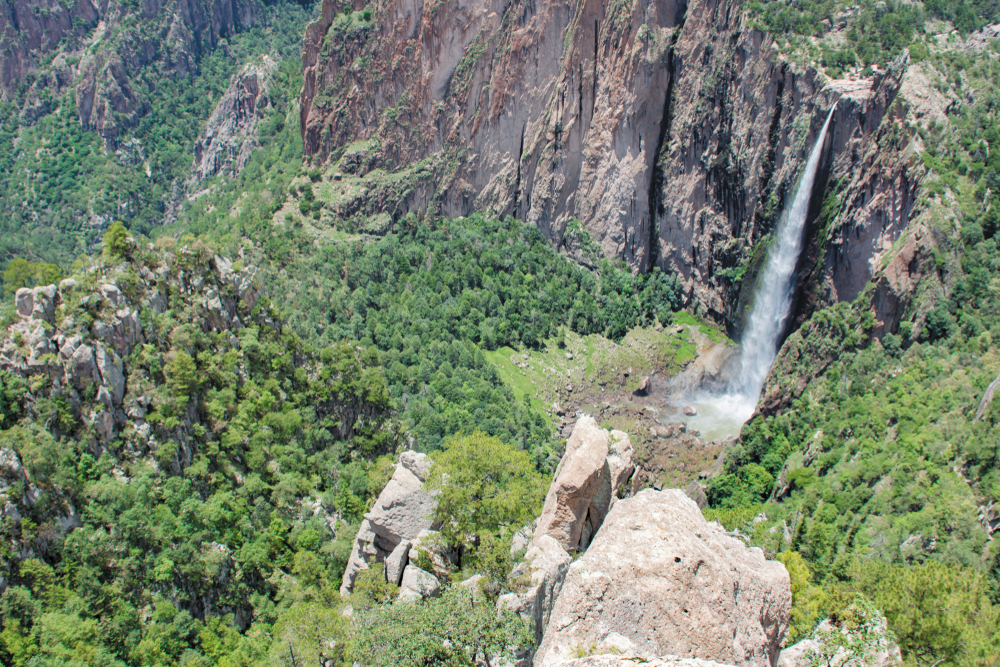
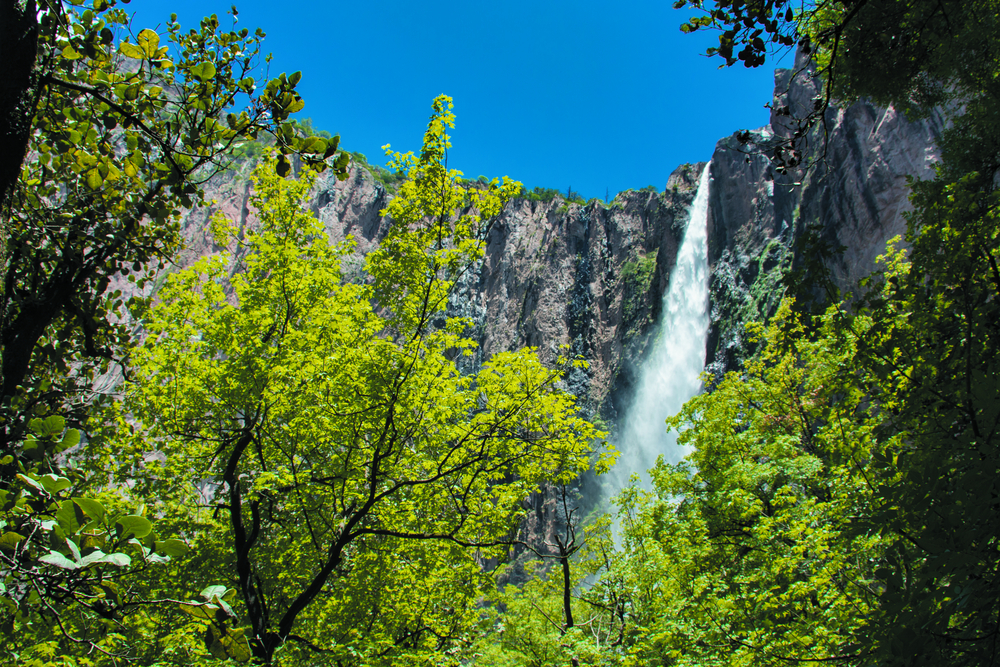
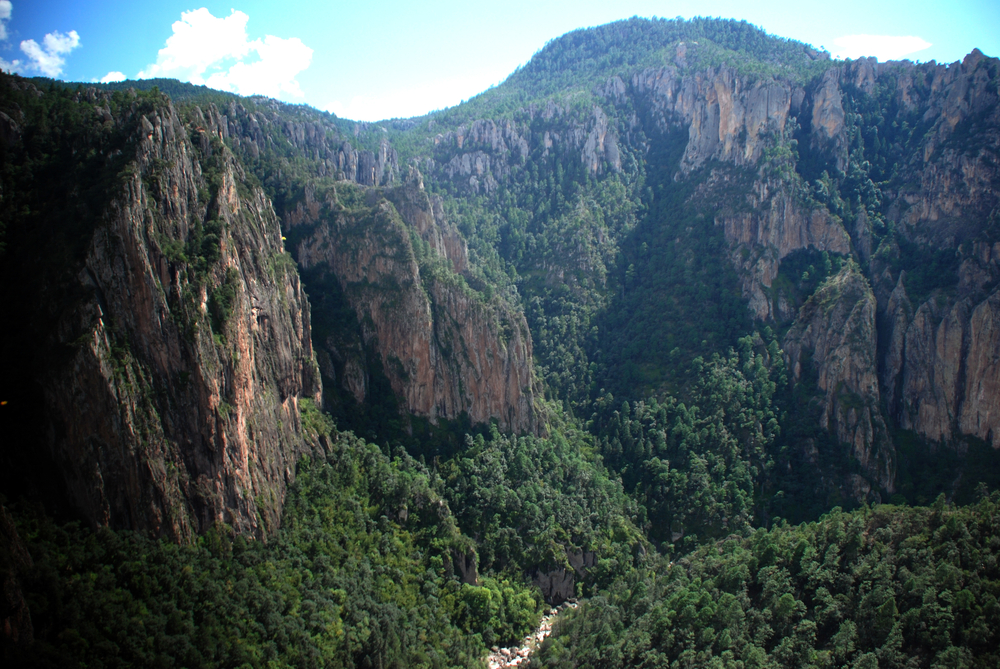
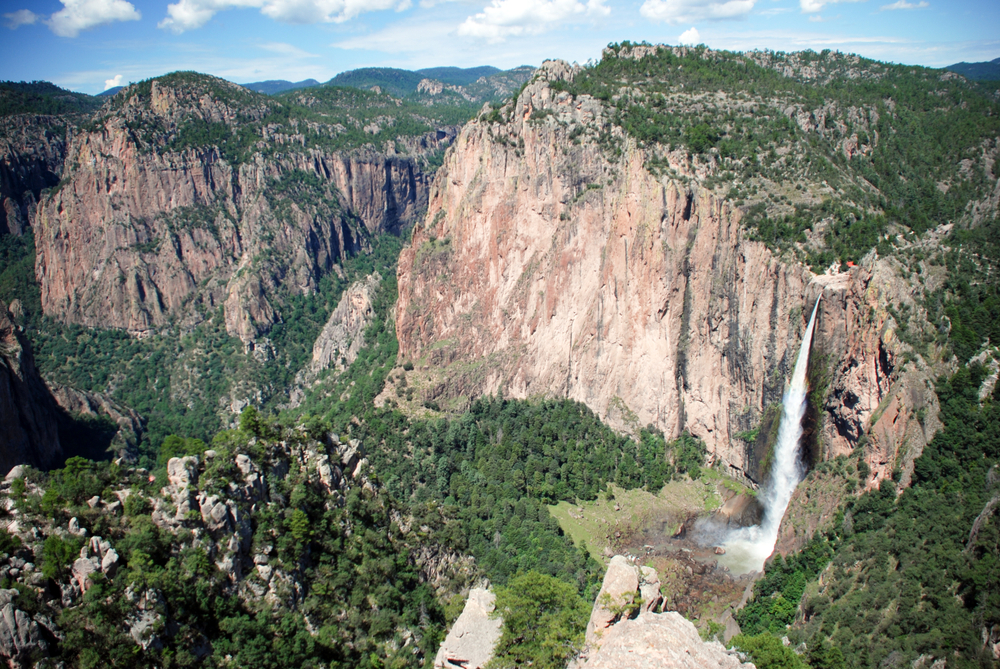
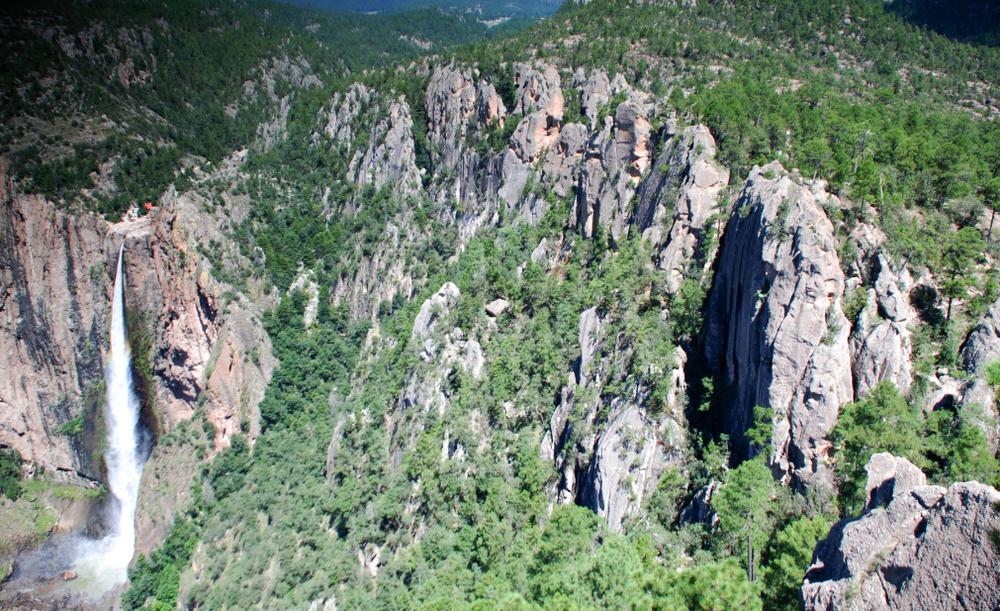
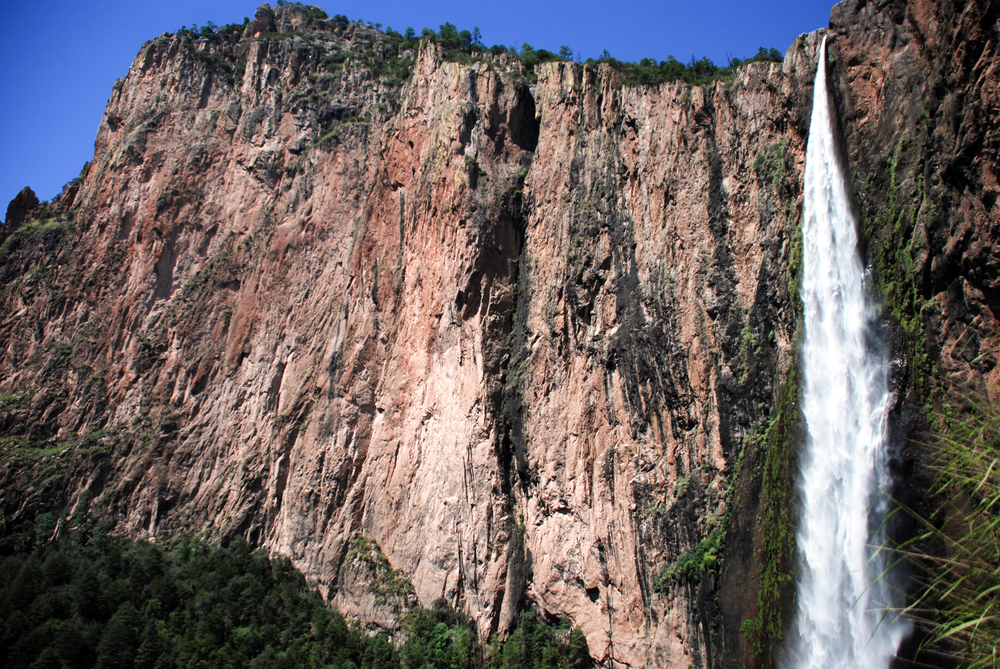
Covering an area of approximately 23 square miles (around 60 square kilometers), the park is home to Basaseachic Falls, one of Mexico’s tallest waterfalls, plunging 807 feet (246 meters) into the Candameña Canyon. The rugged landscape is characterized by steep cliffs, deep canyons, and pine-oak forests, making it one of the most visually striking regions in northern Mexico.
The terrain is shaped by volcanic activity and erosion, creating dramatic rock formations and sheer escarpments that define the canyon system. The Candameña River feeds the waterfall, but its flow varies significantly throughout the year, with the falls appearing most powerful during the rainy season.
The vegetation in the park is typical of the Sierra Madre Occidental’s highland forests, consisting of extensive stands of pine and oak trees. In the higher elevations, juniper and fir trees can be found, while the canyon floors and lower slopes feature a mix of desert shrubs and cacti.
The park’s varied elevation and climate create diverse microhabitats, supporting a wide range of plant life. The contrast between the lush, forested plateaus and the more arid canyon depths adds to the park’s scenic appeal.
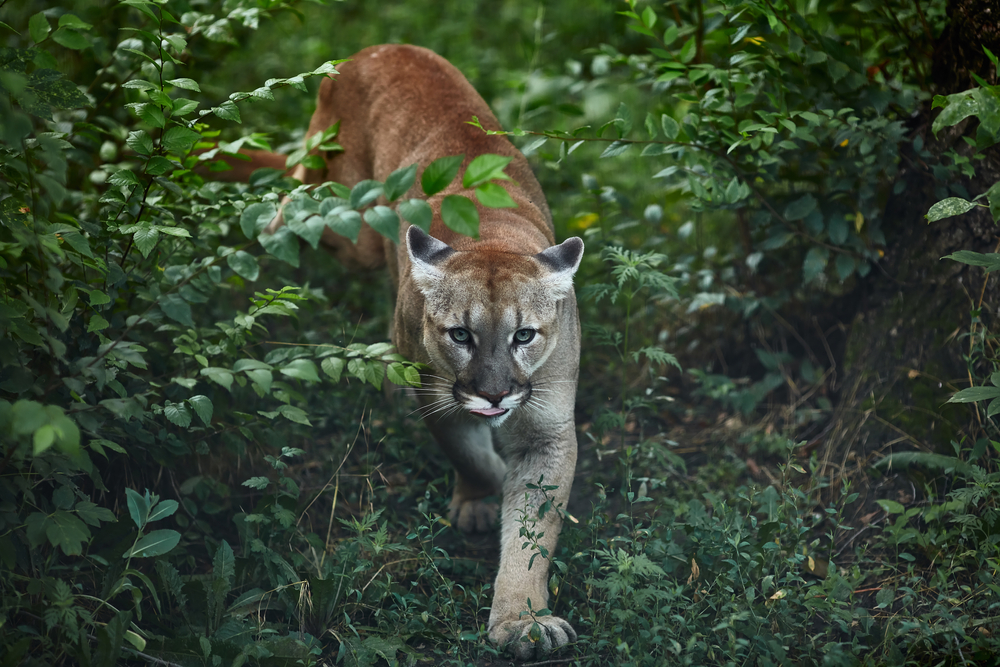
The park is home to a diverse array of wildlife, including some of Mexico’s most iconic species. Among the mammals that roam the region are cougars, bobcats, and white-tailed deer. The elusive jaguar has also been spotted in the remote parts of the park, highlighting its importance as a protected habitat. Smaller mammals such as ringtails, squirrels, and skunks are commonly seen.
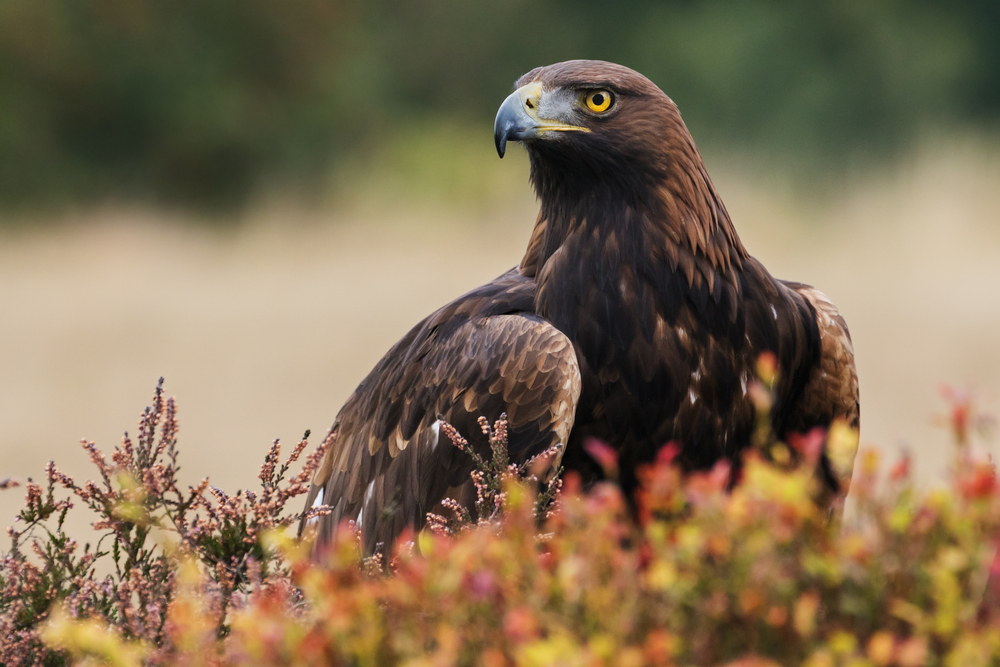
The birdlife is equally impressive, with golden eagles, peregrine falcons, and the strikingly colorful elegant trogon among the notable species. The thick forests and canyon walls provide ideal nesting sites for raptors, while the undergrowth supports a variety of songbirds and hummingbirds.
One of the main attractions of Basaseachic Falls National Park is the waterfall itself, which draws visitors for its breathtaking height and the stunning backdrop of the Candameña Canyon. Several viewpoints, such as Mirador La Ventana and Mirador Piedra Volada, offer spectacular panoramic views of the falls and surrounding cliffs.
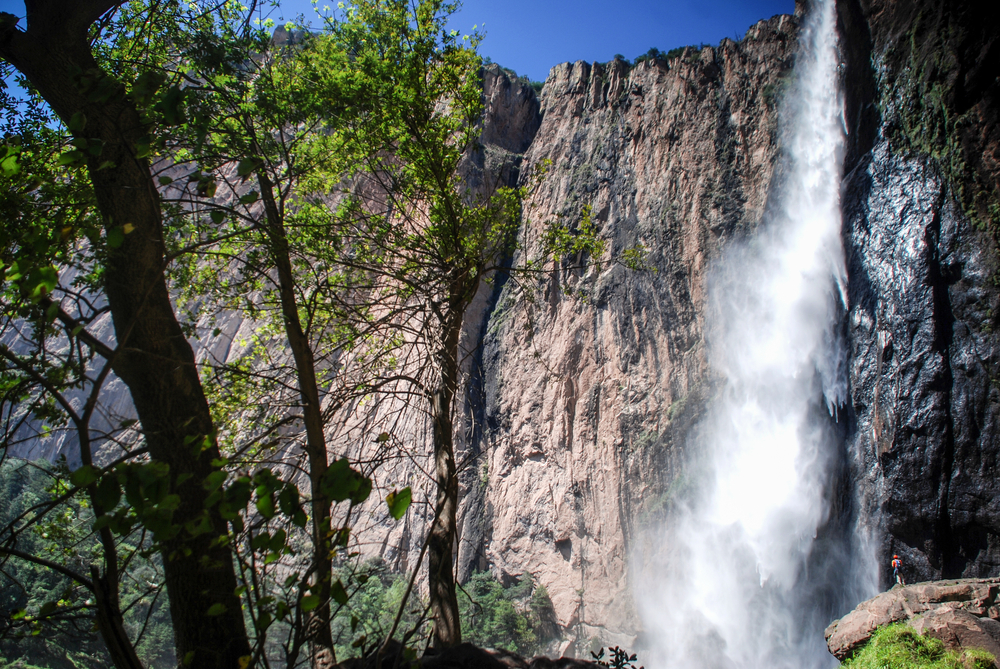
The park is a favorite destination for hikers, with trails that wind through pine forests and descend into the depths of the canyon. Some trails provide access to the base of the falls, offering an up-close perspective of the towering cascade. Rock climbing and rappelling are popular among adventurers, given the rugged cliffs and dramatic drop-offs.
Visitors can also explore other natural wonders within the park, including the smaller yet equally scenic Candameña Falls. The surrounding region is rich in Rarámuri (Tarahumara) culture, and visitors may encounter indigenous communities that maintain traditional ways of life in the mountains. Birdwatching, photography, and camping are among the other activities enjoyed within the park.
Conservation efforts focus on preserving the park’s fragile ecosystems, particularly in protecting wildlife from habitat loss and preventing deforestation in the surrounding areas. Illegal logging and human encroachment pose challenges, but government and local conservation groups are working to maintain the integrity of the park.
The protection of large predators such as jaguars is a key success in the park’s conservation efforts, as their presence indicates a healthy and functioning ecosystem. Basaseachic Falls National Park remains one of northern Mexico’s most significant natural treasures, offering visitors a chance to experience its breathtaking landscapes and remarkable biodiversity.
Photos
Things to See
Basaseachic Falls Trails
Basaseachic Falls is the leading attraction within the park and almost all hiking is directed at seeing and experiencing this waterfall. Although some of the panoramic views of the canyon walls are also impressive.

Park Protection
Basaseachic Falls National Park was created to protect the dramatic canyon wilderness surrounding Basaseachic Falls in Chihuahua’s Sierra Madre Occidental. The park safeguards pine-oak forests, rugged cliffs, river corridors, and the Barranca de Candameña, one of the deep canyon landscapes of the Sierra Tarahumara. Wildlife protected here includes mountain lions, white-tailed deer, collared peccaries, fox squirrels, rattlesnakes, and diverse birdlife such as Mexican jays, acorn woodpeckers, Montezuma quail, and mountain trogons.
The park’s defining feature is Basaseachic Falls, a 246-meter waterfall recognized as one of Mexico’s tallest. Its steep canyon walls, mixed conifer-oak forests, and varied microclimates support an important refuge for northern Mexico’s mountain biodiversity. Together, Basaseachic Falls National Park protects an exceptional waterfall landscape, canyon ecosystems, forest wildlife, and one of the most scenic natural landmarks in Mexico.
FAQ’s
What is the main reason people visit Basaseachic Falls National Park?
Basaseachic Falls National Park is primarily visited for its dramatic waterfall, deep canyon scenery, pine-oak forests, rugged cliffs, and hiking opportunities. Located in the Sierra Madre Occidental of Chihuahua, Mexico, the park is best known for Cascada de Basaseachic, a 246-meter waterfall that drops into Candameña Canyon.
CONANP identifies Basaseachic Falls as Mexico’s highest active waterfall, while the surrounding landscape includes major scenic features such as El Gigante, Piedra Volada, and the canyon system.
What animals can visitors hope to see in Basaseachic Falls National Park?
Basaseachic Falls National Park supports a meaningful variety of mammals, reptiles, amphibians, and mountain-forest wildlife. The best-documented species include mammals such as cougar, white-tailed deer, Mexican fox squirrel, collared peccary, raccoon, hooded skunk, and reptiles such as Texas horned lizard, rock rattlesnake, and black-tailed rattlesnake.
Some of the most notable animals found in Basaseachic Falls National Park include:
- Cougar
- White-tailed Deer
- Collared Peccary
- Mexican Fox Squirrel
- Antelope Jackrabbit
- Raccoon
- Hooded Skunk
- Wild Boar
- Coyote
- Gray Fox
- Bobcat
- Ringtail
- Common Gray Fox
- Mexican Cottontail
- Desert Cottontail
- Rock Squirrel
- Cliff Chipmunk
- Deer Mouse
- Woodrat Species
- Pocket Gopher Species
- Mexican Vole
- Shrew Species
- Bat Species
- Long-eared Bat Species
- Myotis Bat Species
- Striped Skunk
- Badger
- Weasel Species
- Porcupine
- Opossum
- Texas Horned Lizard
- Rock Rattlesnake
- Black-tailed Rattlesnake
- Gopher Snake
- Coachwhip
- Kingsnake Species
- Whipsnake Species
- Spiny Lizard Species
- Fence Lizard Species
- Whiptail Lizard Species
- Alligator Lizard Species
- Skink Species
- Tree Lizard Species
- Madrean Alligator Lizard
- Plateau Striped Whiptail
- Mountain Patch-nosed Snake
- Terrestrial Garter Snake
- Canyon Tree Frog
- Mexican Spadefoot Toad
- Various Canyon and Forest Invertebrates
What birds can visitors hope to see in Basaseachic Falls National Park?
Basaseachic Falls National Park supports a rich bird community associated with pine-oak forests, cliffs, canyons, and Sierra Madre mountain habitats. The park is known for species such as Mexican jay, Steller’s jay, acorn woodpecker, canyon towhee, broad-billed hummingbird, Montezuma quail, mountain trogon, and turkey vulture.
Some of the most popular birds seen in Basaseachic Falls National Park include:
- Mexican Jay
- Steller’s Jay
- Acorn Woodpecker
- Canyon Towhee
- Mourning Dove
- Broad-billed Hummingbird
- Montezuma Quail
- Mountain Trogon
- Turkey Vulture
- Red-tailed Hawk
- Zone-tailed Hawk
- Cooper’s Hawk
- Sharp-shinned Hawk
- Northern Goshawk
- Golden Eagle
- Peregrine Falcon
- American Kestrel
- Great Horned Owl
- Western Screech-Owl
- Northern Pygmy-Owl
- Common Raven
- Band-tailed Pigeon
- White-winged Dove
- Elegant Trogon
- Arizona Woodpecker
- Hairy Woodpecker
- Ladder-backed Woodpecker
- Northern Flicker
- Western Wood-Pewee
- Dusky Flycatcher
- Cordilleran Flycatcher
- Cassin’s Kingbird
- Plumbeous Vireo
- Hutton’s Vireo
- Bridled Titmouse
- Mexican Chickadee
- White-breasted Nuthatch
- Brown Creeper
- Canyon Wren
- Bewick’s Wren
- Blue-gray Gnatcatcher
- Western Bluebird
- Hermit Thrush
- American Robin
- Painted Redstart
- Grace’s Warbler
- Red-faced Warbler
- Hepatic Tanager
- Black-headed Grosbeak
- Lesser Goldfinch
Is Basaseachic Falls National Park worth visiting?
Yes, Basaseachic Falls National Park is absolutely worth visiting, especially for travelers interested in waterfalls, canyon scenery, hiking, photography, and northern Mexico’s mountain landscapes.
The park offers one of Mexico’s most impressive waterfalls, sweeping views into Candameña Canyon, pine-oak forests, rock formations, and access to scenic trails. The main hesitation is that it is remote compared with many better-known Mexican attractions, and some roads, hikes, or viewpoints may require extra planning. However, visitors who enjoy natural scenery and less-crowded destinations often find it one of Chihuahua’s most rewarding protected areas.
What is the best time to visit Basaseachic Falls National Park?
Weather and Climate
The best time to visit Basaseachic Falls National Park is generally from October through May.
Typical conditions include:
- Spring: 45–80°F (7–27°C)
- Summer: 55–85°F (13–29°C), with seasonal rains
- Fall: 45–75°F (7–24°C)
- Winter: 25–60°F (-4–16°C), with cold nights possible
During the cooler months:
- Hiking is more comfortable.
- Canyon views are often clear.
- Temperatures are better for longer walks.
- Photography conditions are excellent.
Late summer and early fall can offer stronger waterfall flow after seasonal rains, but trails may be wetter and travel conditions can vary.
How many days do you need to visit Basaseachic Falls National Park?
Recommended Length of Stay
Most visitors should plan for 1 to 2 days.
- Half day: Main waterfall viewpoints and short walks.
- 1 day: Waterfall overlooks, canyon viewpoints, and nearby trails.
- 2 days: More complete exploration, photography, and hiking.
- 3+ days: Extended Copper Canyon region exploration.
A full day is enough for most visitors, while two days allows more time for hiking, photography, and exploring the surrounding Sierra Tarahumara landscape.
How do you get to Basaseachic Falls National Park?
International Access
Basaseachic Falls National Park is located in western Chihuahua, Mexico, near the community of Basaseachi and the municipality of Ocampo.
The main international airport for most visitors is:
- Chihuahua International Airport, officially General Roberto Fierro Villalobos International Airport (CUU)
Most visitors:
- Fly into Chihuahua City.
- Rent a vehicle or arrange a guided transfer.
- Drive west toward Cuauhtémoc and the Sierra Tarahumara region.
- Continue to Basaseachi and the park entrance.
Driving from Chihuahua City
The drive from Chihuahua City to Basaseachic Falls National Park is approximately 175–200 miles (280–320 km), depending on the route, and typically takes about 4.5 to 6 hours by vehicle.
Driving from Creel
Many visitors combine the park with Mexico’s Copper Canyon region and travel from:
- Creel, Chihuahua
Travel time from Creel is usually around 3 to 4 hours by road.
Main Attractions
The park’s signature destination is:
- Basaseachic Falls
Other nearby highlights include:
- Candameña Canyon
- El Gigante
- Piedra Volada
- Pine-oak forest viewpoints
- Canyon hiking trails
Travel Notes
A personal vehicle, rental car, or guided tour is usually the best way to reach the park. Roads in the region can be winding and mountainous, so daytime driving is recommended. Visitors should confirm local road conditions before traveling, especially during rainy periods.
Who is involved in protecting and supporting Basaseachic Falls National Park?
Conservation and Park Management
Several organizations and agencies help protect and support Basaseachic Falls National Park:
- Comisión Nacional de Áreas Naturales Protegidas (CONANP) – manages Mexico’s federal protected areas, including Basaseachic Falls National Park.
- Secretaría de Medio Ambiente y Recursos Naturales (SEMARNAT) – oversees environmental policy and protected-area governance in Mexico.
- Local Chihuahua tourism and conservation partners – support visitor access, interpretation, and regional promotion.
- Local communities in the Sierra Tarahumara region – contribute to tourism services, cultural continuity, and stewardship.
- Rarámuri communities – maintain deep cultural connections to the broader Sierra Tarahumara landscape.
What makes Basaseachic Falls National Park unique?
Basaseachic Falls National Park is unique because it combines one of Mexico’s tallest waterfalls with the dramatic canyon landscapes of the Sierra Madre Occidental. Its mix of pine-oak forest, cliffs, deep ravines, rock formations, and remote mountain scenery makes it one of northern Mexico’s most visually impressive national parks.
Sources
- Britannica, Chihuahua, https://www.britannica.com/place/Chihuahua-state-Mexico, retrieved September 2019.
- Revolvy, Basaseachic Falls, https://www.revolvy.com/page/Basaseachic-Falls, retrieved September 2019.
- Sygic Travel, Basaseachic Falls, https://travel.sygic.com/en/poi/basaseachic-falls-poi:41163, retrieved September 2019.
- Trans-Americas Journey, Camping and Hiking at Basaseachic Falls, https://trans-americas.com/copper-canyon-mexico-basaseachic-falls/, retrieved July 2020.