

About
Chyulu Hills National Park, the park is located in southeastern Kenya between Tsavo West National Park and Amboseli National Park. The park covers approximately 286 square miles (741 sq km) and protects a portion of the Chyulu Hills volcanic range, which stretches for nearly 60 miles (100 km) across the landscape.
Established in 1983, Chyulu Hills National Park preserves one of Kenya’s most scenic and ecologically important mountain ecosystems. The park forms part of a larger conservation landscape that supports wildlife movement between Amboseli and Tsavo, making it a critical wildlife corridor in southern Kenya.
Chyulu Hills National Park is best known for its rolling green hills, volcanic landscapes, and breathtaking views of Mount Kilimanjaro. The hills were famously described by author Ernest Hemingway as the “Green Hills of Africa,” a name that continues to capture the beauty of the region. Visitors are drawn to the park’s scenic hiking opportunities, lava caves, wildlife viewing, and panoramic vistas.
The park offers a quieter alternative to Kenya’s more heavily visited safari destinations, allowing travelers to experience dramatic landscapes and abundant wildlife in a peaceful setting. The combination of volcanic features and sweeping mountain scenery creates one of East Africa’s most visually striking environments.
The geography of Chyulu Hills National Park is shaped by relatively recent volcanic activity. The hills consist of a chain of volcanic cones, lava flows, craters, and underground lava tubes that formed over the last few hundred thousand years. One of the park’s most remarkable features is the Leviathan Cave system, among the longest lava tubes in Africa.
Elevations range from dry lowland plains to lush montane habitats on the upper slopes. Vegetation varies accordingly and includes grasslands, acacia woodlands, montane forests, and dense thickets. The porous volcanic soils allow rainwater to filter underground, feeding natural springs that provide vital water sources for wildlife and surrounding communities.
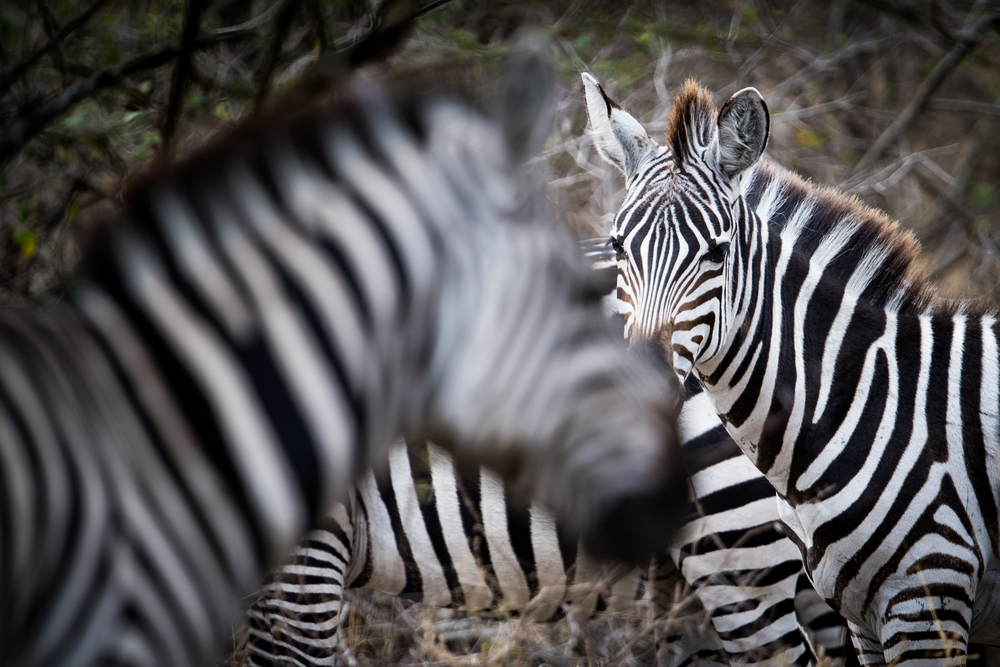
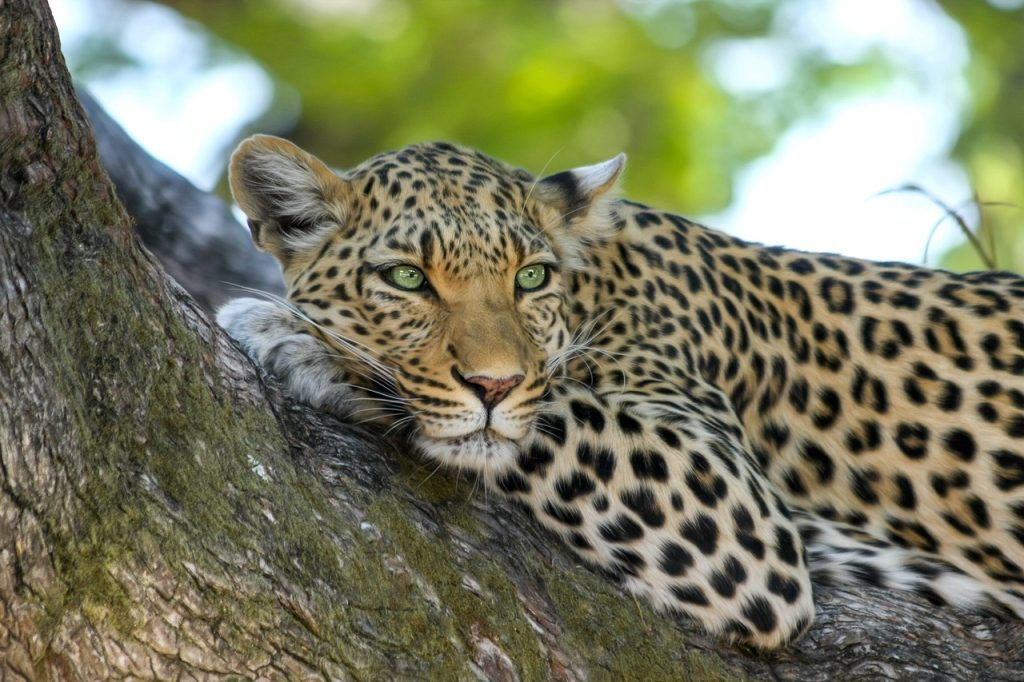
Wildlife thrives throughout Chyulu Hills National Park. Large mammals include elephant, African buffalo, giraffe, zebra, eland, bushbuck, and several species of antelope. The park is also home to predators such as lion, leopard, cheetah, and spotted hyena. Because the hills connect larger protected ecosystems, wildlife frequently moves through the area as part of broader regional migrations.
Birdlife is equally diverse, with numerous raptors, hornbills, sunbirds, turacos, and forest species inhabiting the park’s varied habitats. The combination of mountain forests and open plains supports a rich diversity of species and provides excellent opportunities for wildlife observation.
Chyulu Hills National Park plays a vital conservation role by protecting watersheds, volcanic ecosystems, and one of Kenya’s most important wildlife corridors. The park helps maintain ecological connectivity between Amboseli and Tsavo, allowing large mammals to move across the landscape in search of food, water, and breeding opportunities.
Its forests and underground water systems also contribute significantly to regional water resources. The park’s conservation importance is often compared to mountain landscapes such as Aberdare National Park and Mount Elgon National Park, though its volcanic origins and extensive lava formations make it uniquely distinctive. Today, Chyulu Hills National Park remains one of Kenya’s most beautiful protected areas, preserving a remarkable blend of geology, wildlife, and natural heritage.
Things to See
Things To Do
Engaging Chyulu Hills National Park
