

About
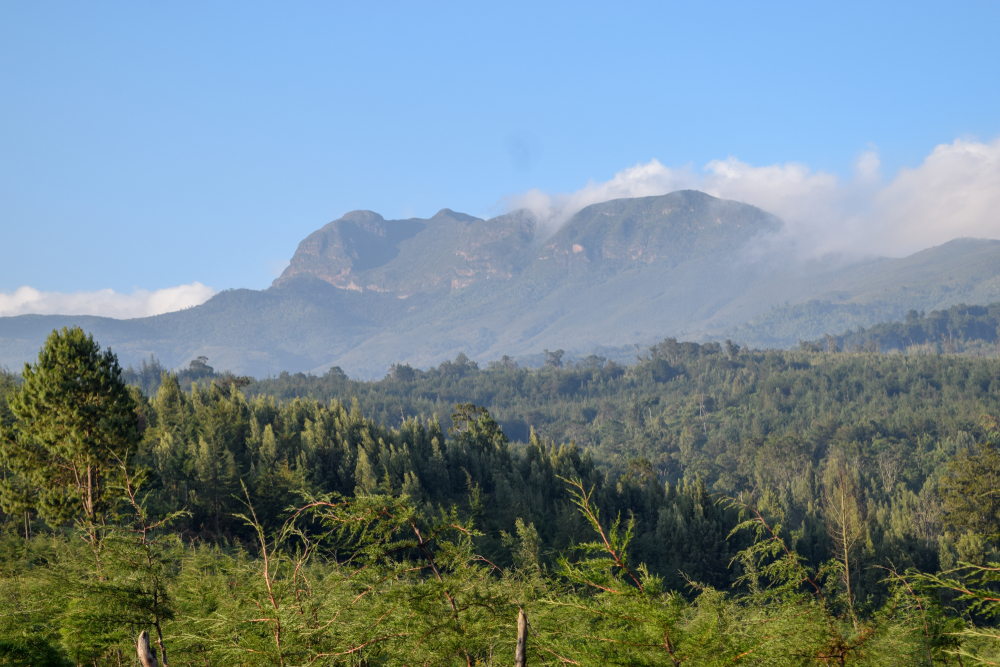
Aberdare National Park is located in central Kenya, forming part of the Aberdare Mountain Range just west of Mount Kenya. The park covers approximately 295 square miles (767 sq km), encompassing a dramatic landscape of high-altitude terrain that rises from around 7,000 feet to over 13,000 feet (2,100 to 4,000 meters) above sea level.
While it does not directly border another national park, it lies close to Mount Kenya National Park, together contributing to one of the most important highland ecosystems in East Africa. Its cool climate, mist-covered peaks, and dense vegetation set it apart from the more commonly known savanna parks of Kenya.
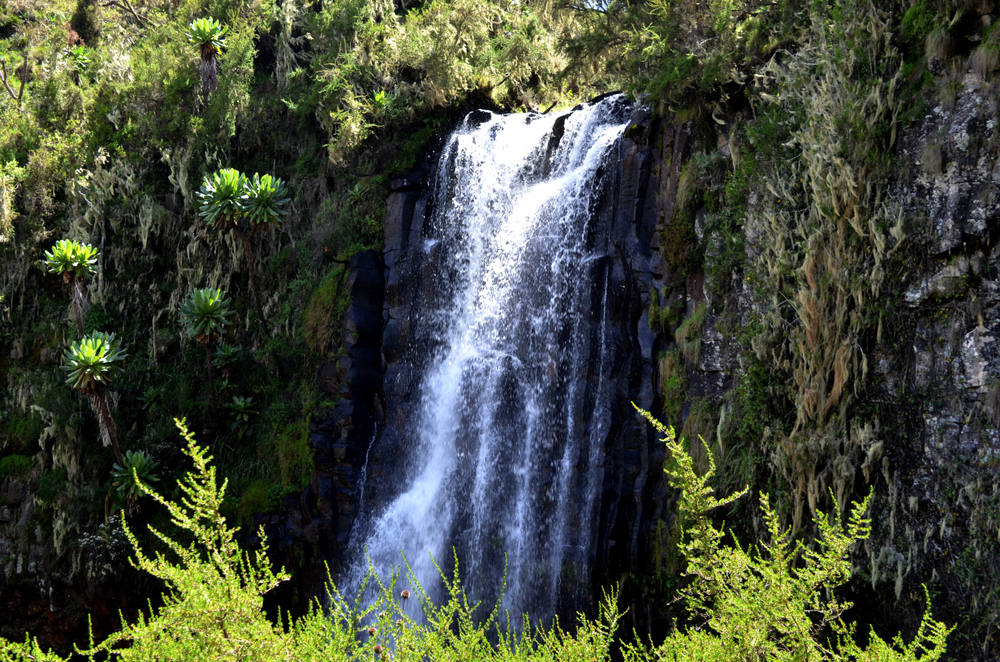
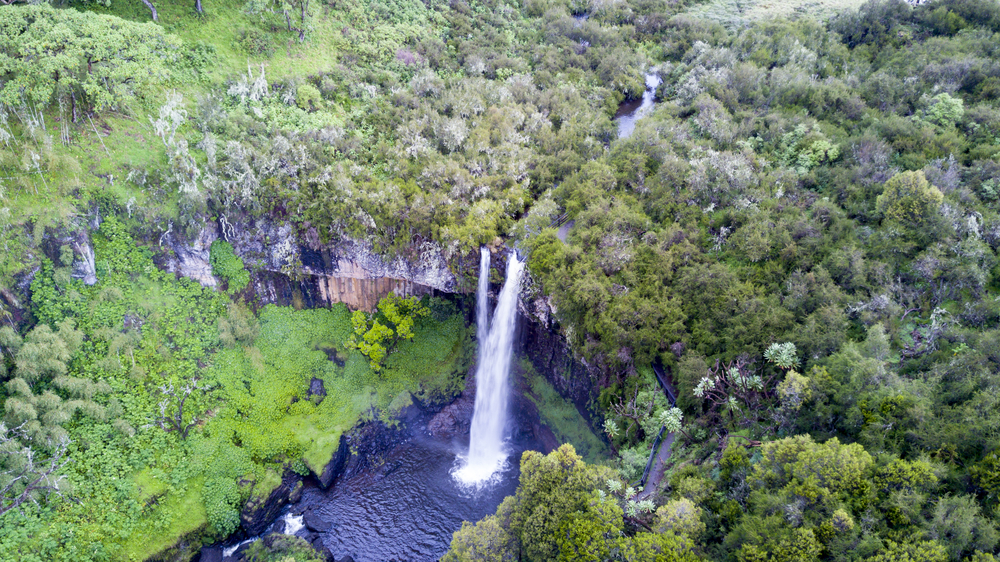
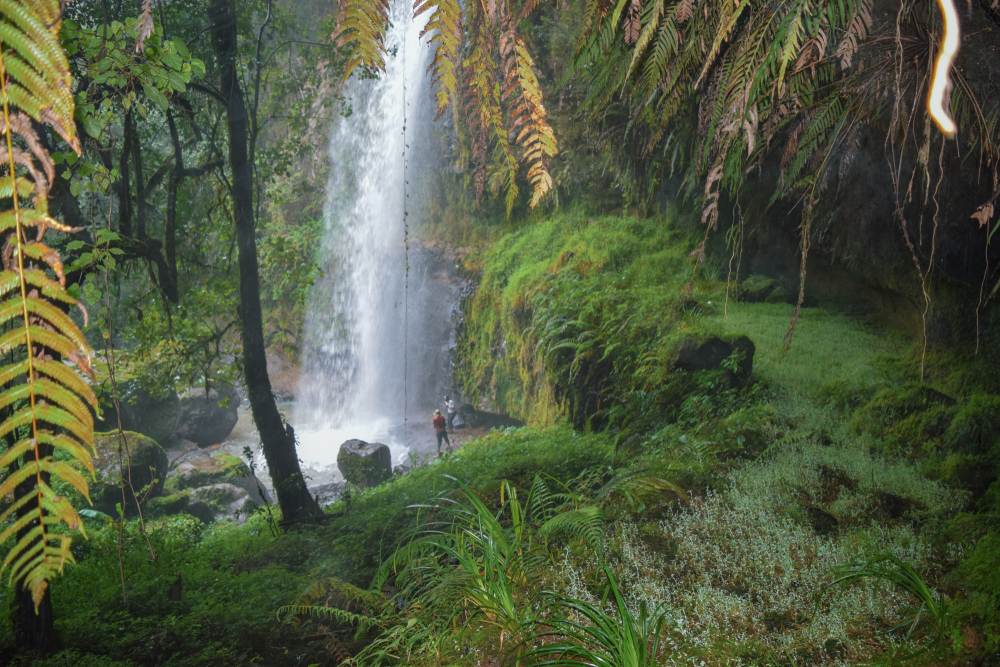
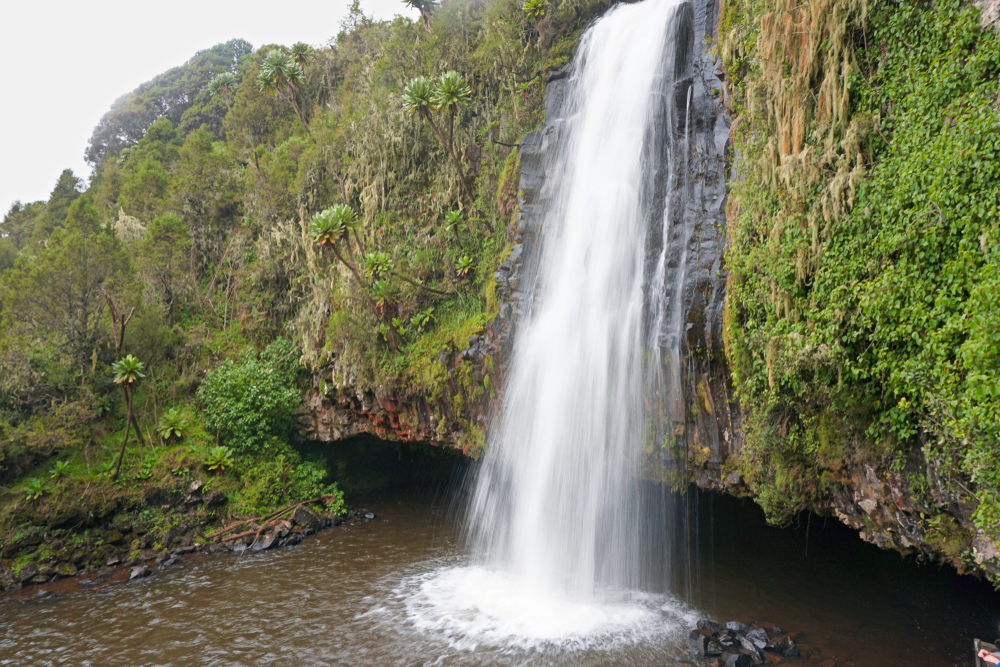
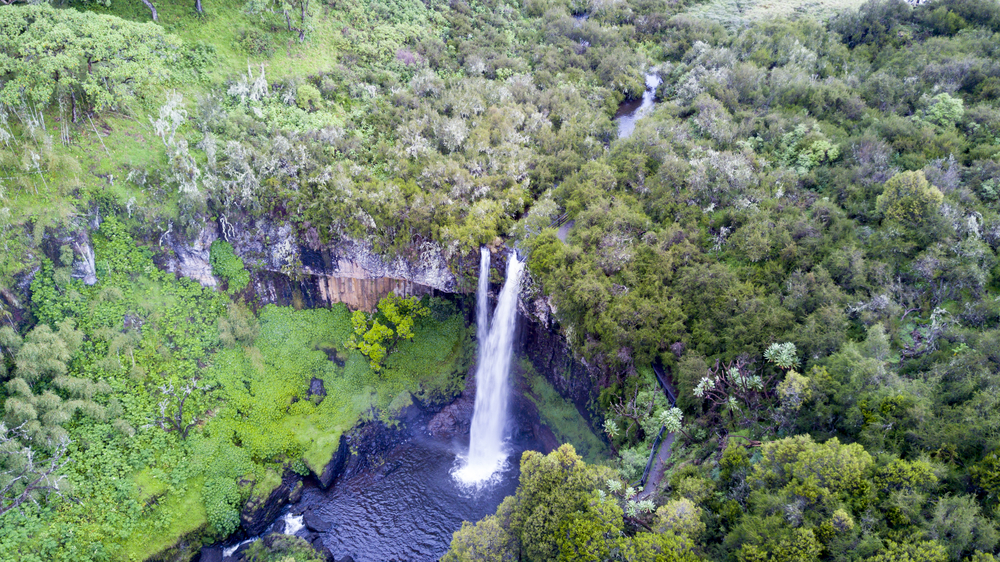
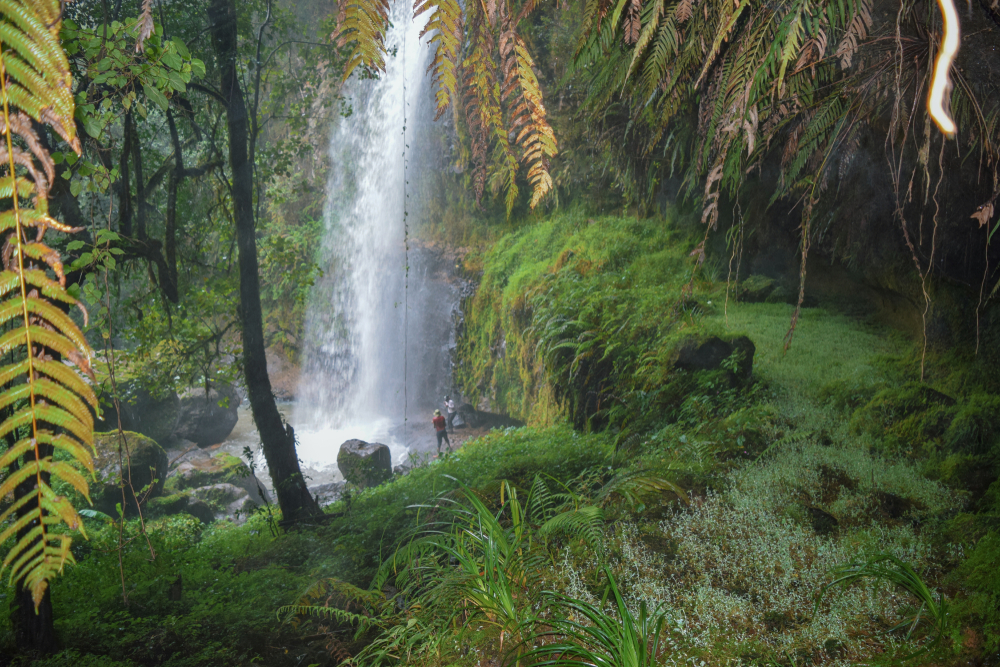
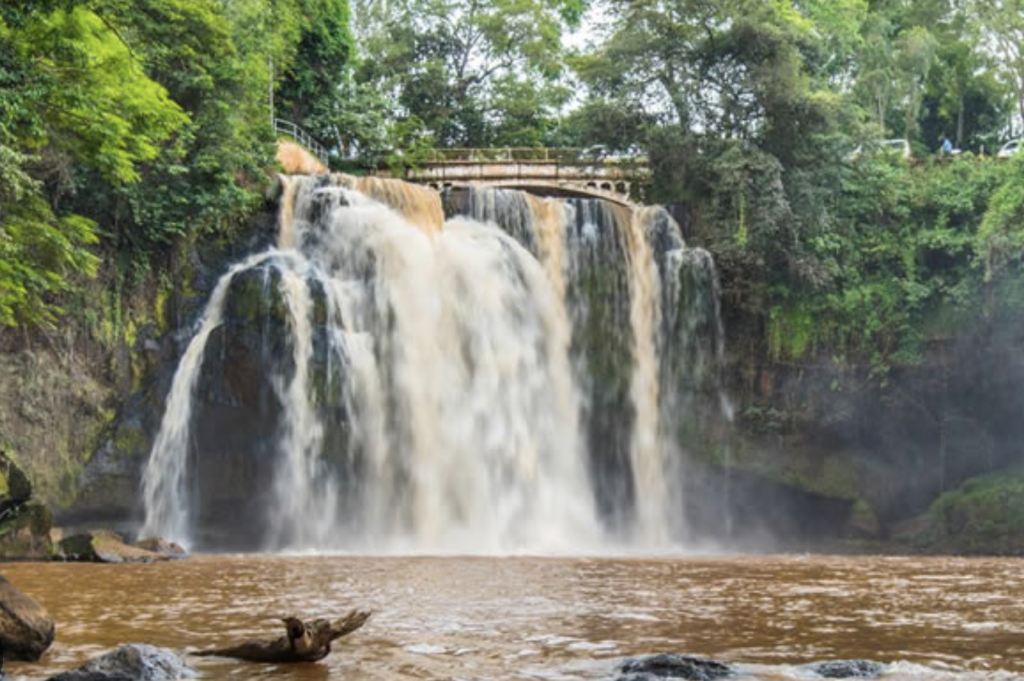
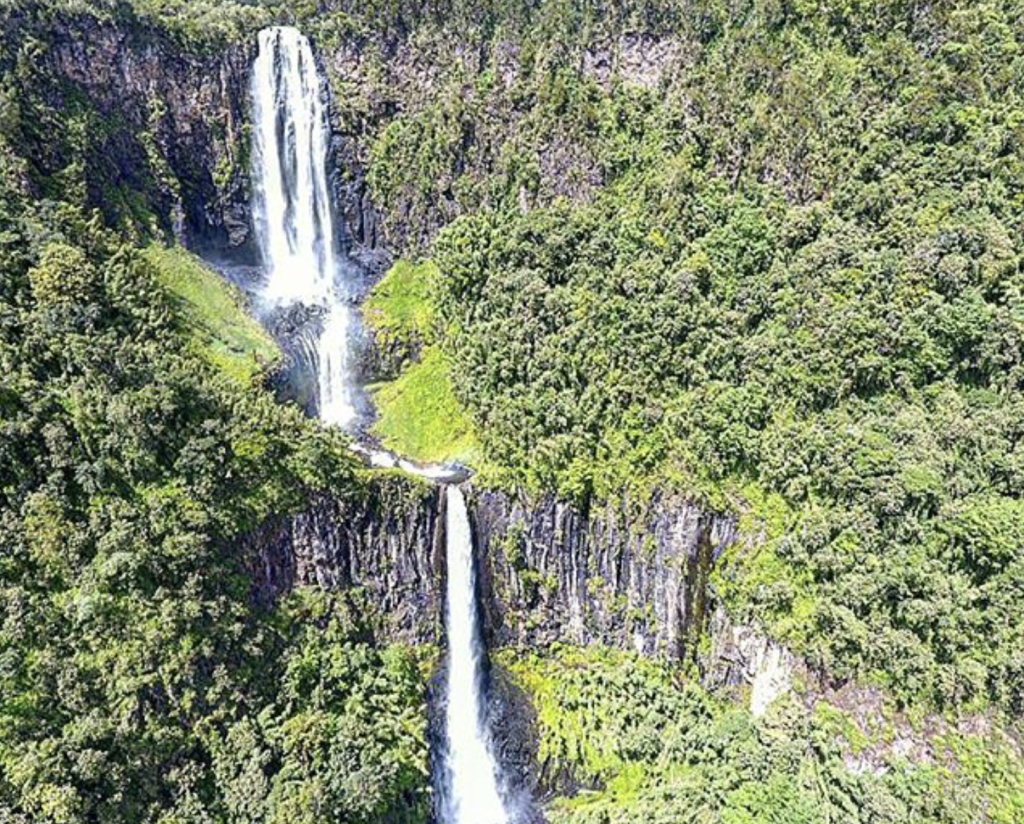
Aberdare National Park is best known for its lush forests, spectacular waterfalls, and unique wildlife viewing experiences. Among its most iconic features are the towering waterfalls that cascade down steep escarpments, including Karuru Falls, one of the tallest in Kenya.
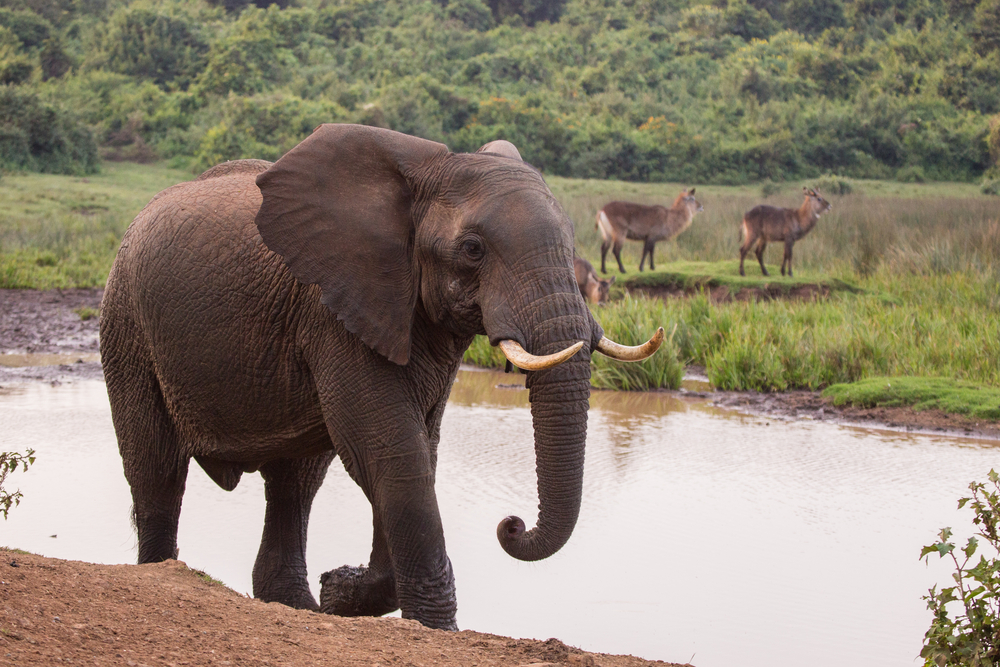
The park is also famous for its historic tree lodges, such as The Ark and Treetops, where visitors can observe wildlife gathering at illuminated waterholes, often throughout the night. This immersive and intimate style of wildlife viewing offers a completely different perspective compared to traditional game drives, allowing guests to witness natural behavior in a quiet, undisturbed setting.
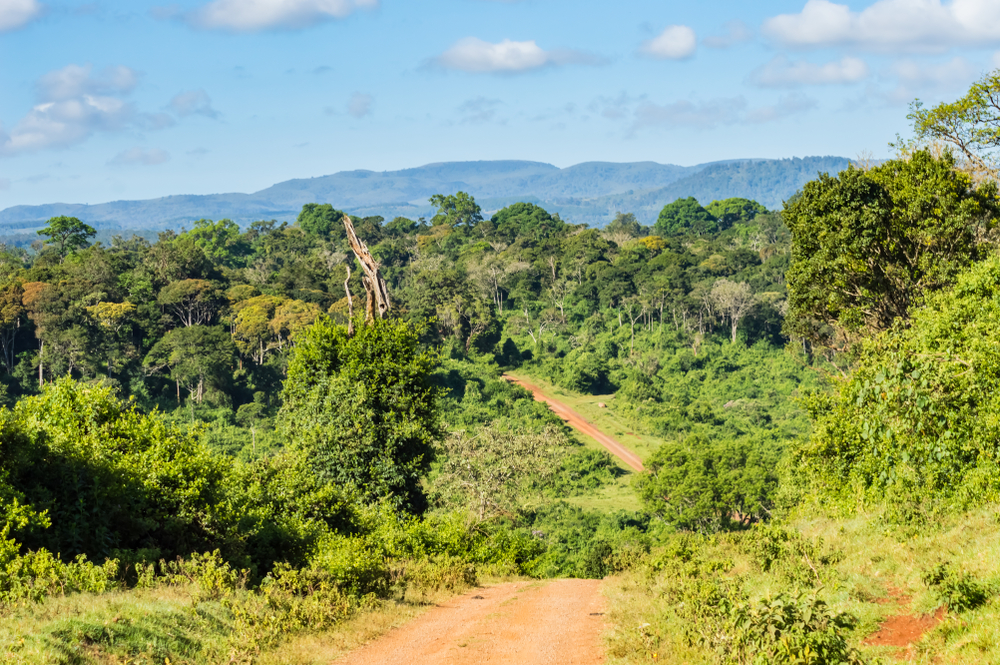
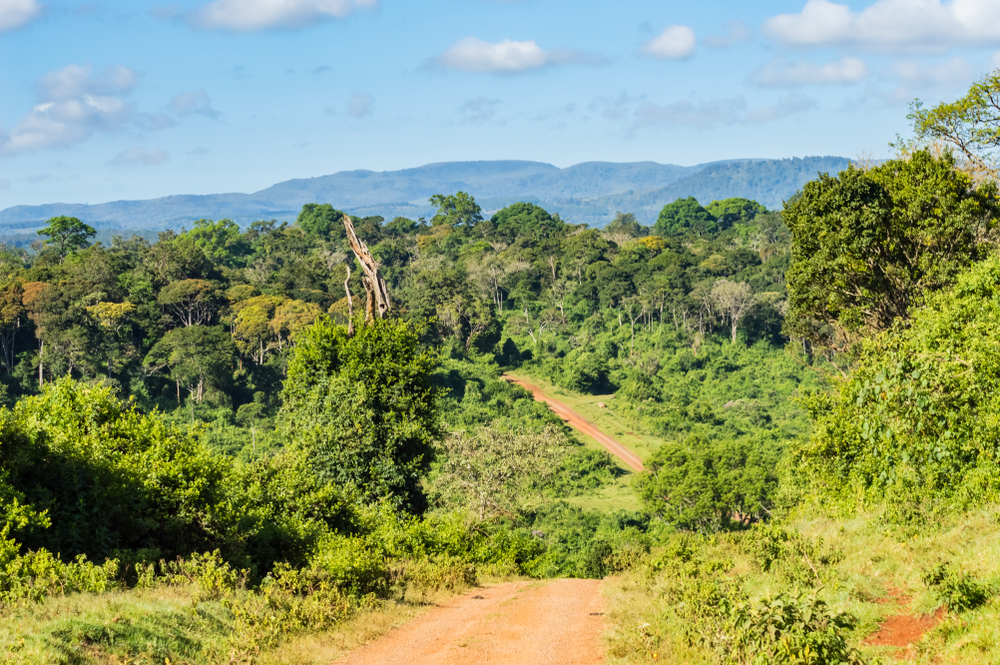
The geography of Aberdare is defined by a striking mix of steep ridges, deep valleys, and rolling moorlands shaped by volcanic activity and erosion over thousands of years. Dense montane forests dominate the lower elevations, gradually giving way to bamboo zones and then to open moorlands covered in grasses, heather, and giant lobelias at higher altitudes.
Mist frequently drifts through the forest, creating an almost mystical atmosphere, while rivers and streams cut through the terrain, feeding the park’s numerous waterfalls and sustaining its rich biodiversity. This layered landscape supports a wide range of habitats within a relatively compact area.
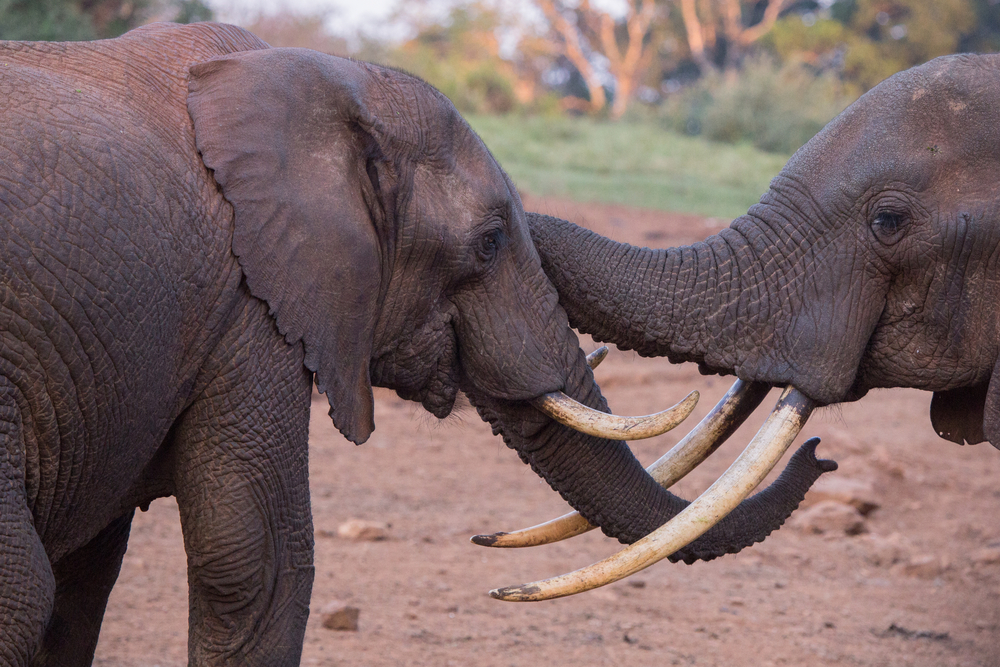
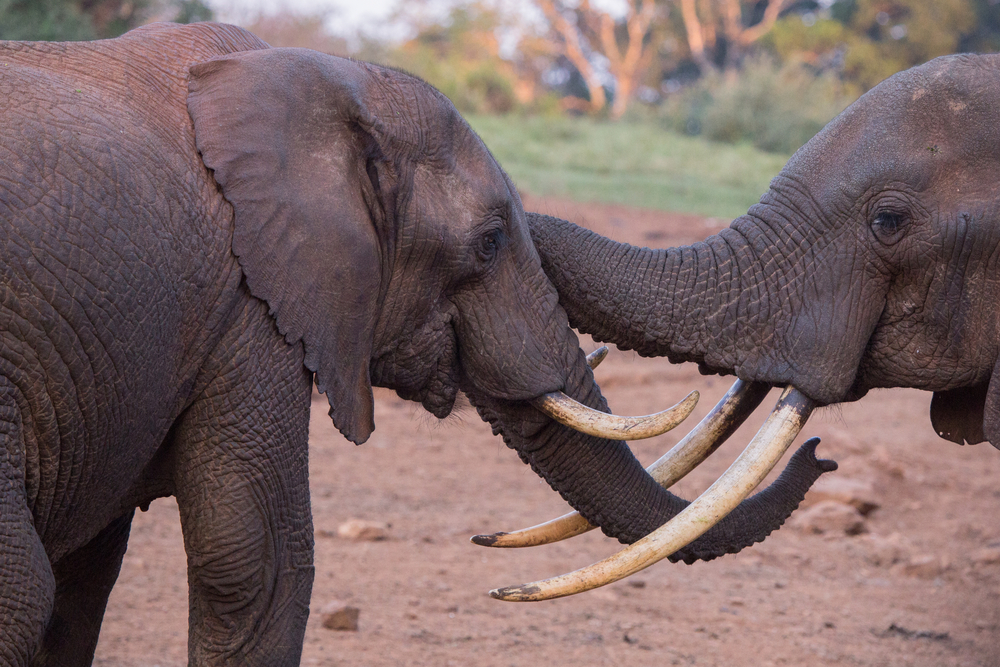
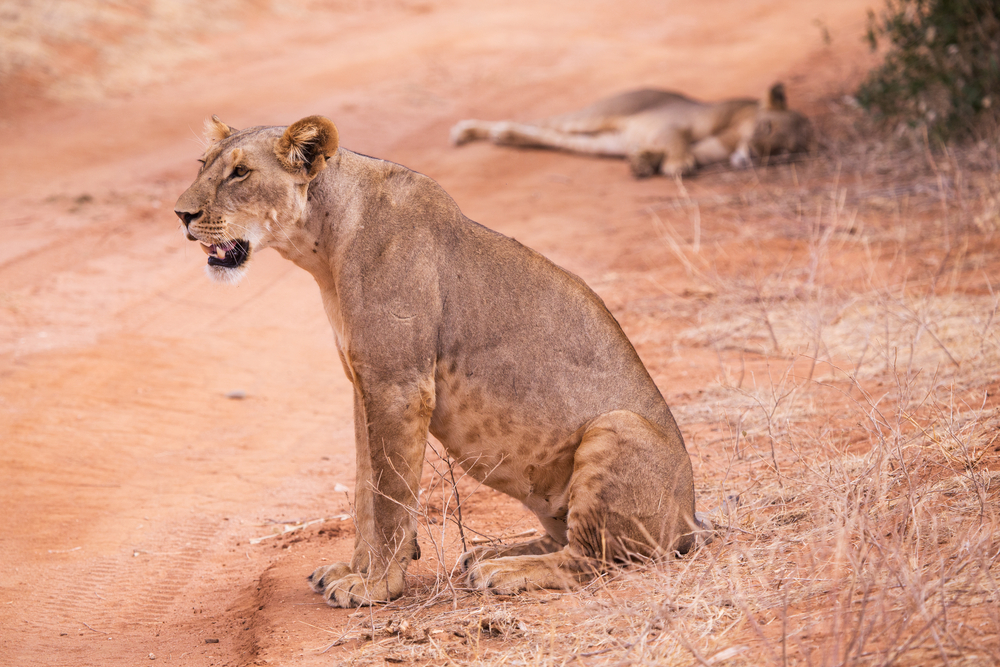
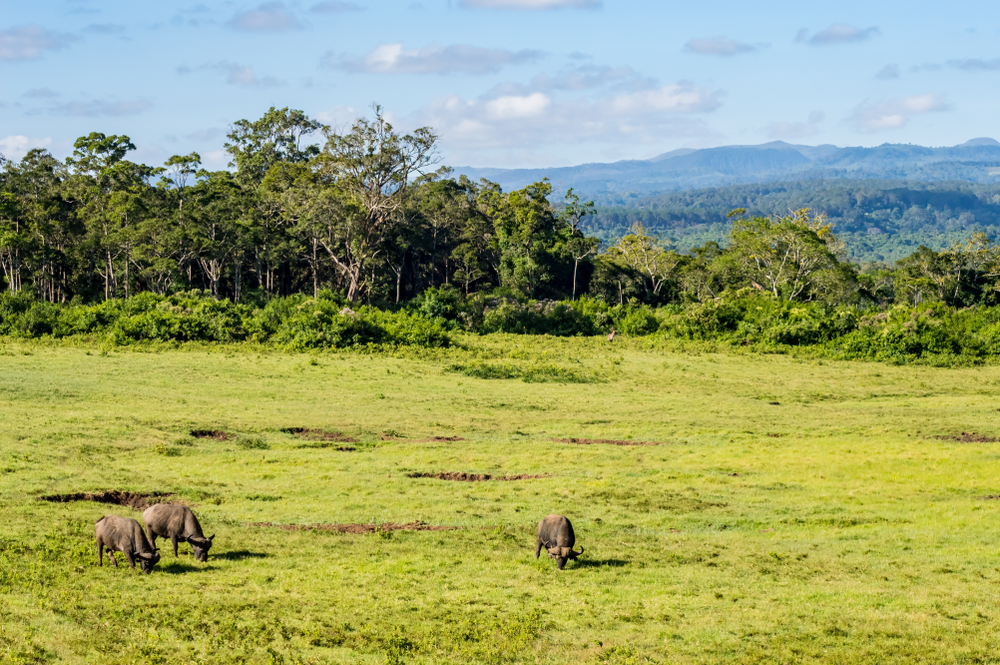
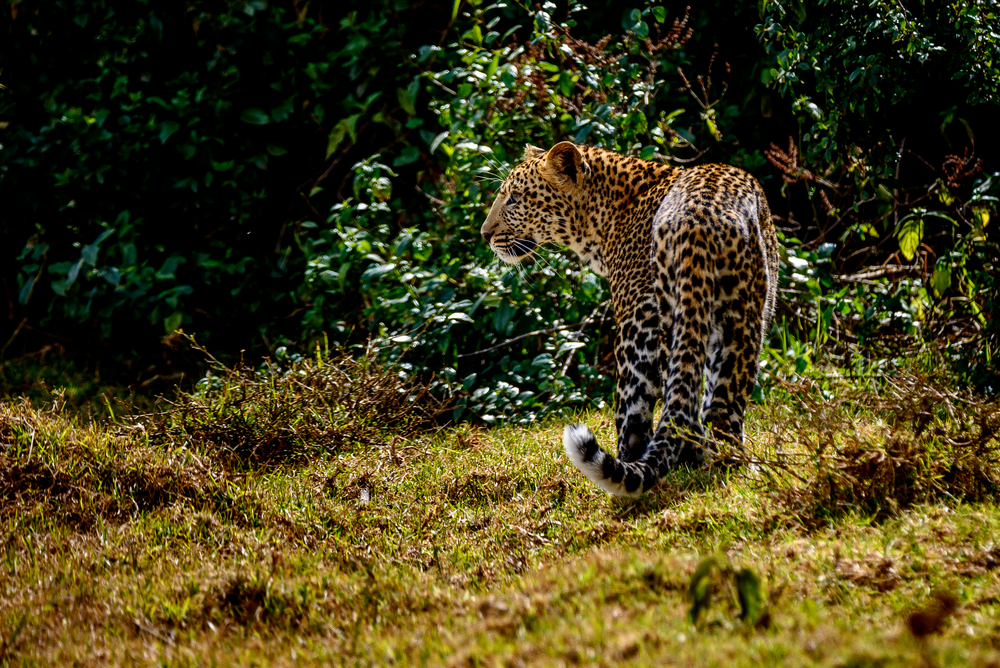
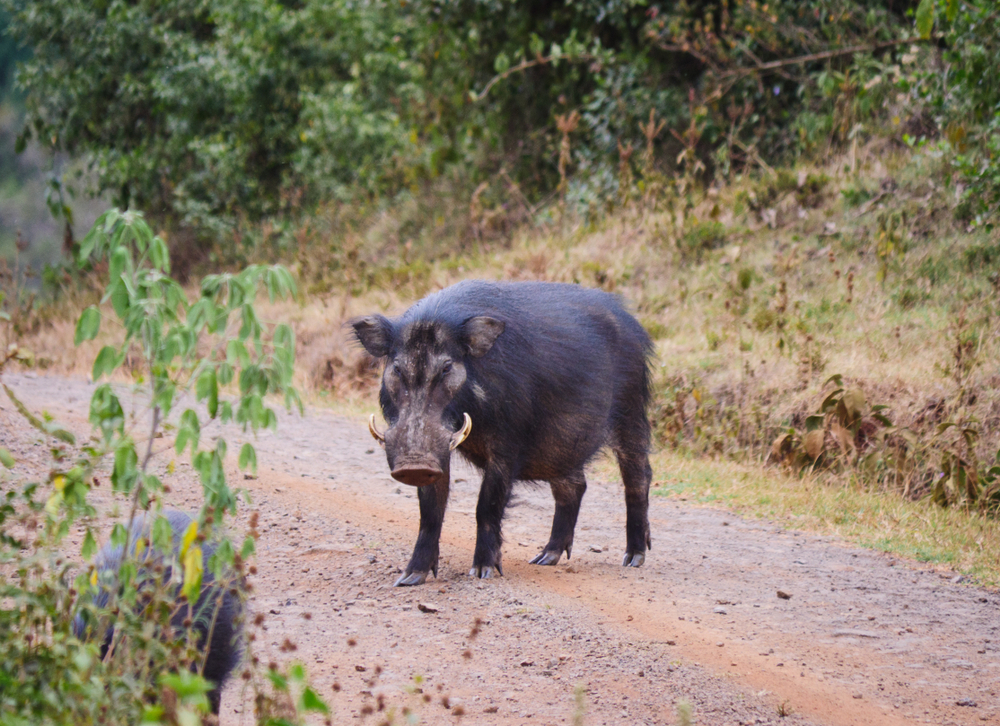
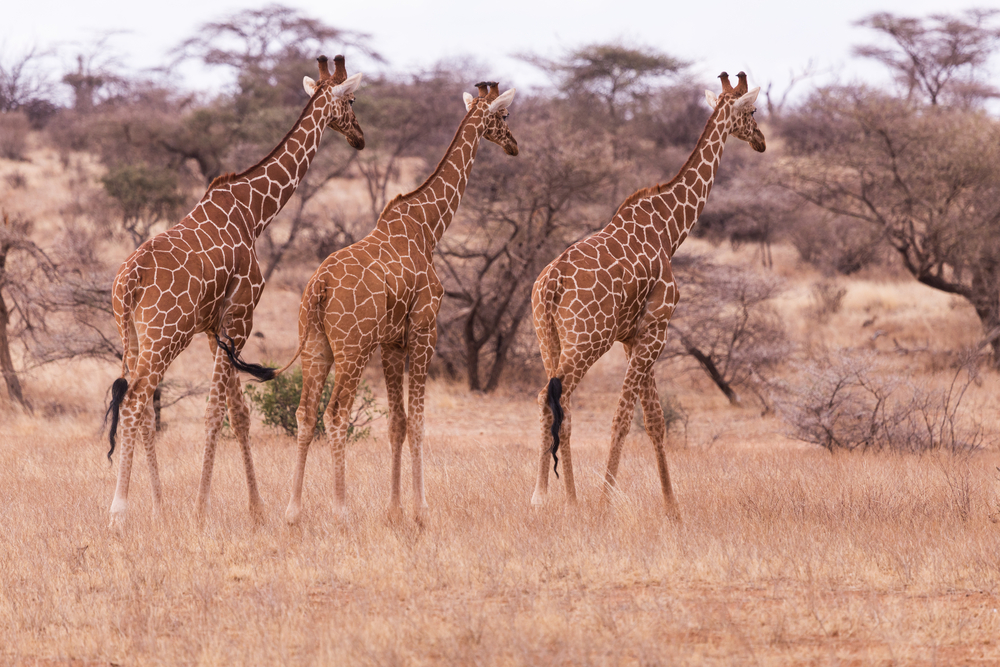
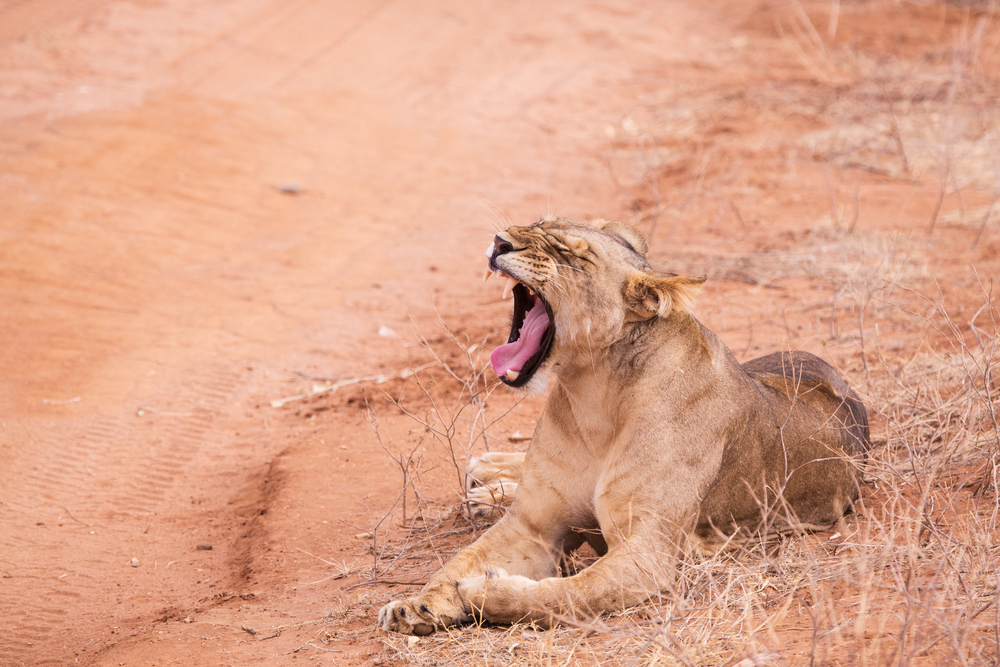
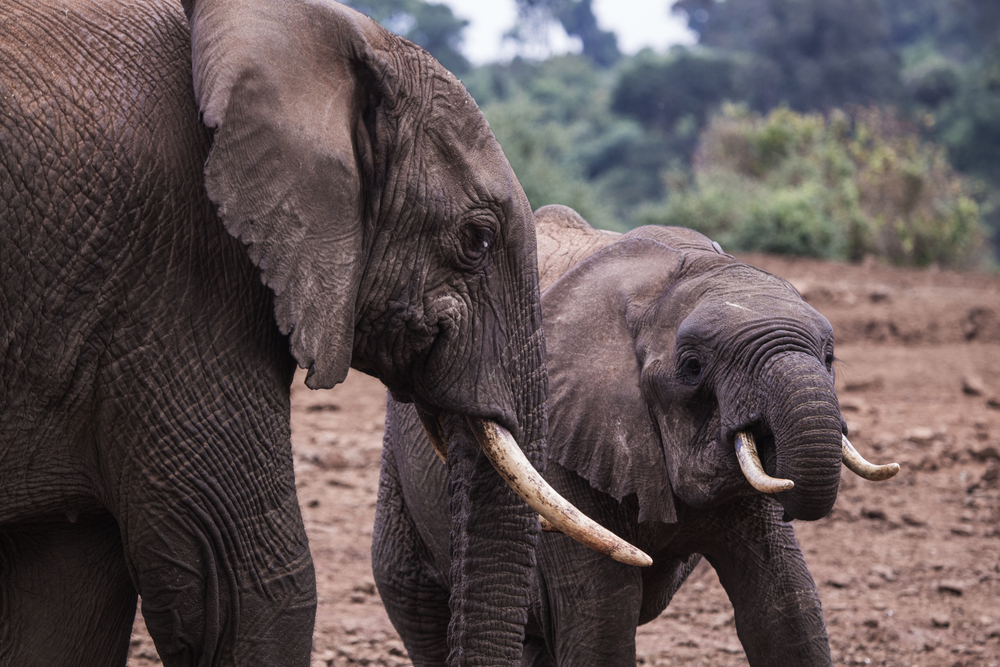
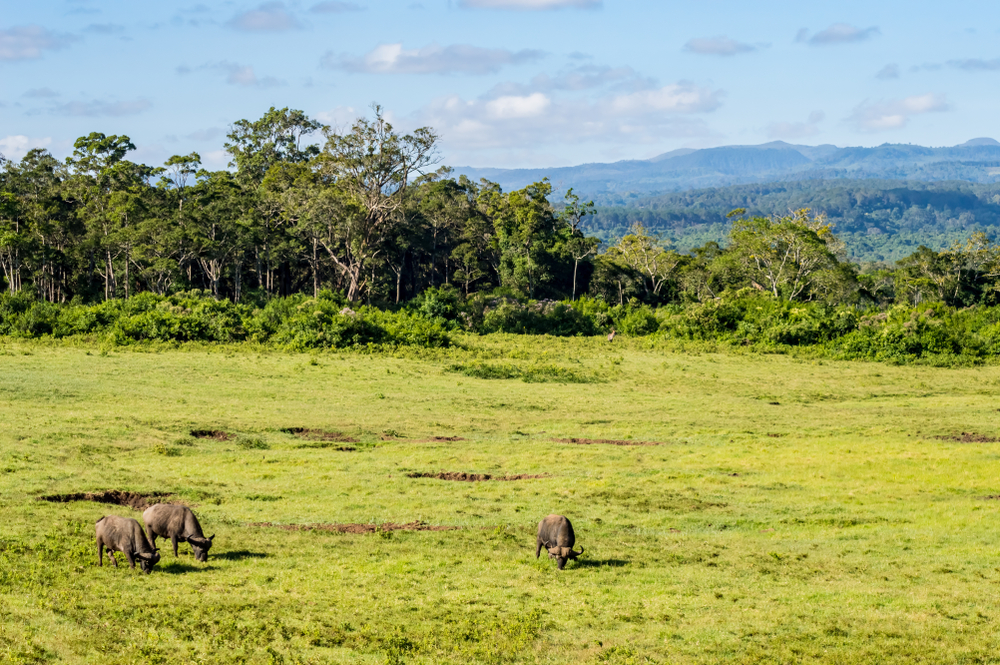
Wildlife in Aberdare National Park is both diverse and specialized, with several species adapted to its forested and high-altitude environment. The park is home to elephants, buffalo, and leopards, as well as rarer and more elusive species such as the bongo, a striking forest antelope that is considered one of Kenya’s most endangered animals.
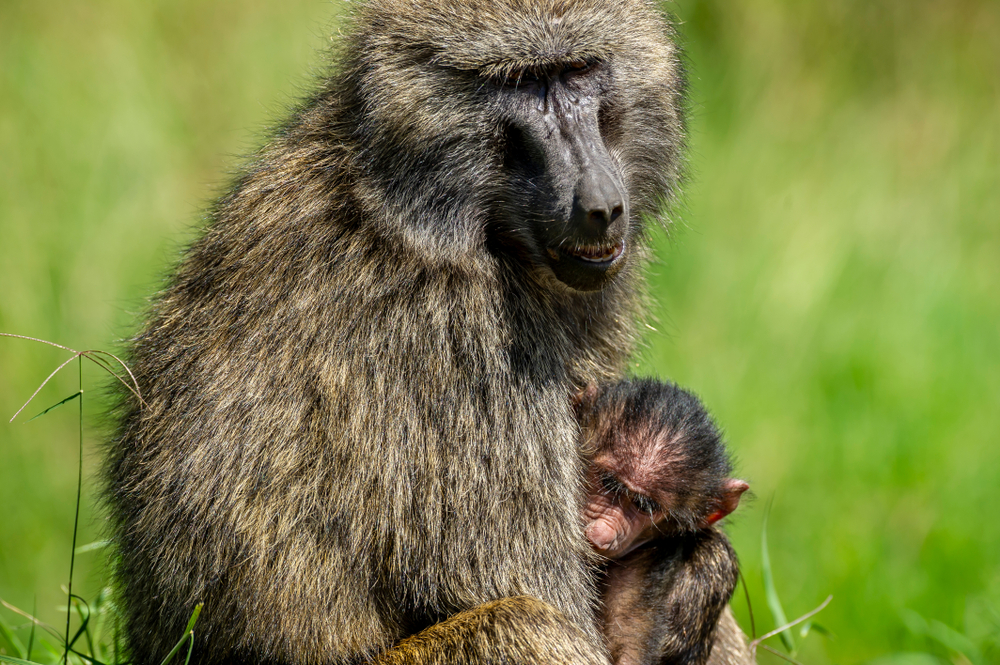
Black rhinos are also protected within the park, highlighting its importance as a conservation stronghold. Primates such as colobus monkeys and baboons are commonly seen, while birdlife is abundant, with numerous forest and highland species contributing to the park’s ecological richness. The dense vegetation can make wildlife harder to spot compared to open savannas, but it also adds to the sense of discovery and adventure.
Aberdare National Park plays a vital role in protecting Kenya’s central highland ecosystems, which are critical for water catchment and biodiversity. The park’s forests act as a natural reservoir, supplying water to surrounding communities and supporting agriculture in the region. Its conservation efforts help safeguard endangered species and maintain ecological balance in a landscape that is under increasing pressure from human activity.
On a global level, Aberdare represents the importance of preserving diverse habitats beyond the iconic savannas often associated with Africa. Its misty forests, cascading waterfalls, and unique wildlife create a powerful reminder of the richness and variety of the natural world, inspiring both appreciation and a commitment to conservation.
Photos

Things to See
 Big 5
Big 5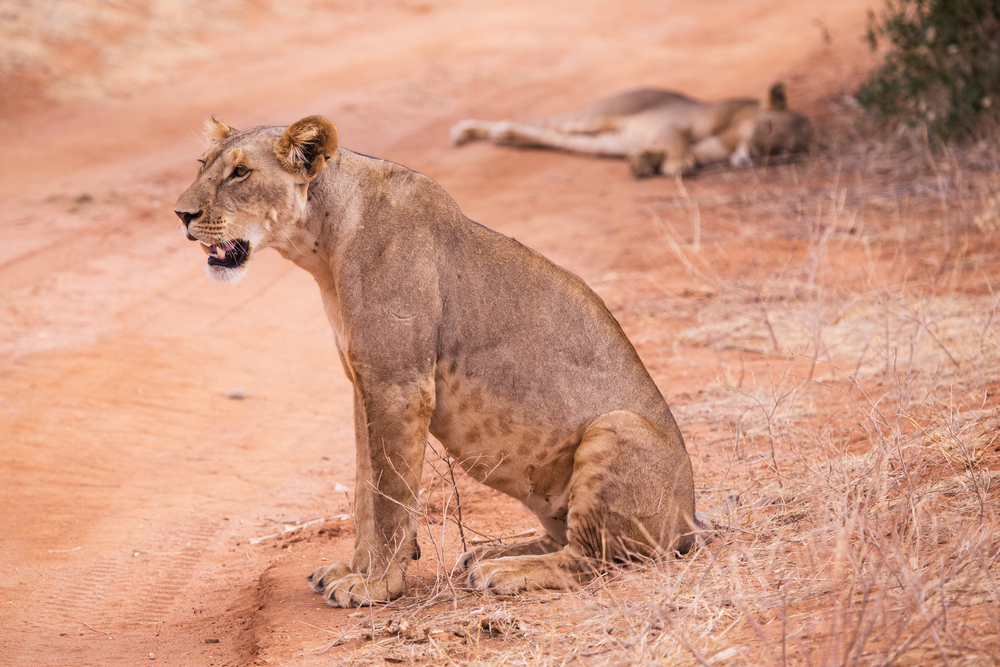
Things To Do
Engaging Aberdare

Aberdare National Park Trails
Aberdare National Park is a wildlife destination where the primary activity is safaris. That said, there are walking safaris with an armed KWS guide. There are trails that may be engaged allowing visitors to see more of the park.
FAQ’s
What other national parks are close to Aberdare?
Aberdare is a Kenyan national park and there are a few other national parks that are reasonably close as you look at expanding your outdoor adventures:
- Mount Kenya National Park: Home to Africa’s second-highest peak, Mount Kenya, offering diverse landscapes and rich biodiversity, including glaciers and alpine meadows.
- Hell’s Gate National Park: Famous for its geothermal activity, towering cliffs, and scenic gorges, offering hiking, cycling, and wildlife viewing opportunities.
- Lake Nakuru National Park: Renowned for its flamingo-filled shores and rhino sanctuary, showcasing diverse birdlife and iconic African wildlife against a stunning backdrop.
- Nairobi National Park: A unique wildlife sanctuary located near Kenya’s capital, offering close encounters with a variety of species, including lions, giraffes, and zebras.
- Mount Longonot National Park: Known for its volcanic crater and panoramic views of the Great Rift Valley, popular for hiking, birdwatching, and scenic landscapes.
What is Aberdare National Park most known for?
Aberdare National Park is most known for its diverse landscapes, including dense forests, waterfalls, moorlands, and alpine meadows, as well as its rich biodiversity, including rare and endangered species like the mountain bongo and the black rhinoceros.
Sources
- AJ Kenya Safari, The Ultimate Guide to Aberdare National Park, https://ajkenyasafaris.com/things-todo/aberdare-national-park/, retrieved July 2020.
- Britannica, Aberdare National Park, https://www.britannica.com/place/Aberdare-National-Park, retrieved July 2020.
- Discover Africa, Mount Kenya and the Aberdares, https://www.discoverafrica.com/safaris/kenya/mount-kenya-and-aberdares/, retrieved July 2020.
- Kenya National Parks, Aberdare National Park, https://www.kenyanationalparks.com/aberdare-national-park.html, retrieved July 2020.
- Kenya Safari, Aberdare National Park, http://www.kenyasafari.com/aberdare-national-park-kenya-travel-guide.html, retrieved July 2020.
- Kenya Wildlife Service, Aberdare National Park, http://www.kws.go.ke/content/aberdare-national-park, retrieved July 2020.