

About
Located in southeastern Kenya, Tsavo West National Park forms part of one of Africa’s largest protected ecosystems together with neighboring Tsavo East National Park. The park covers approximately 3,500 square miles (9,065 sq km) and stretches between Nairobi and the coastal city of Mombasa.
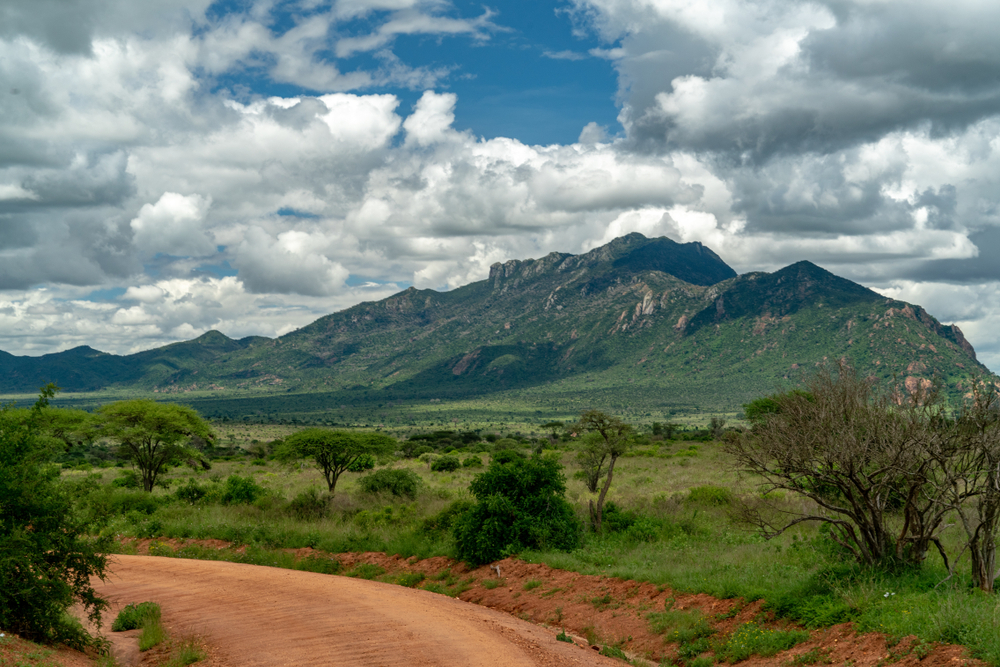
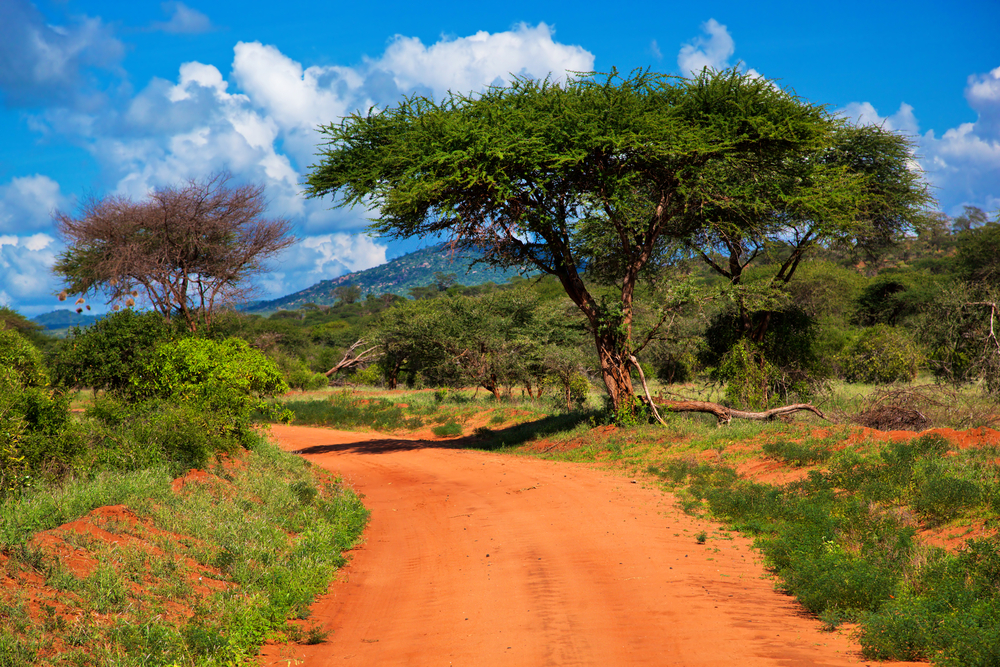
Tsavo West is known for its rugged terrain, volcanic landscapes, and diverse habitats that contrast sharply with the flatter plains of Tsavo East. The park’s combination of mountains, lava flows, wetlands, and savannah creates one of Kenya’s most scenic safari destinations.
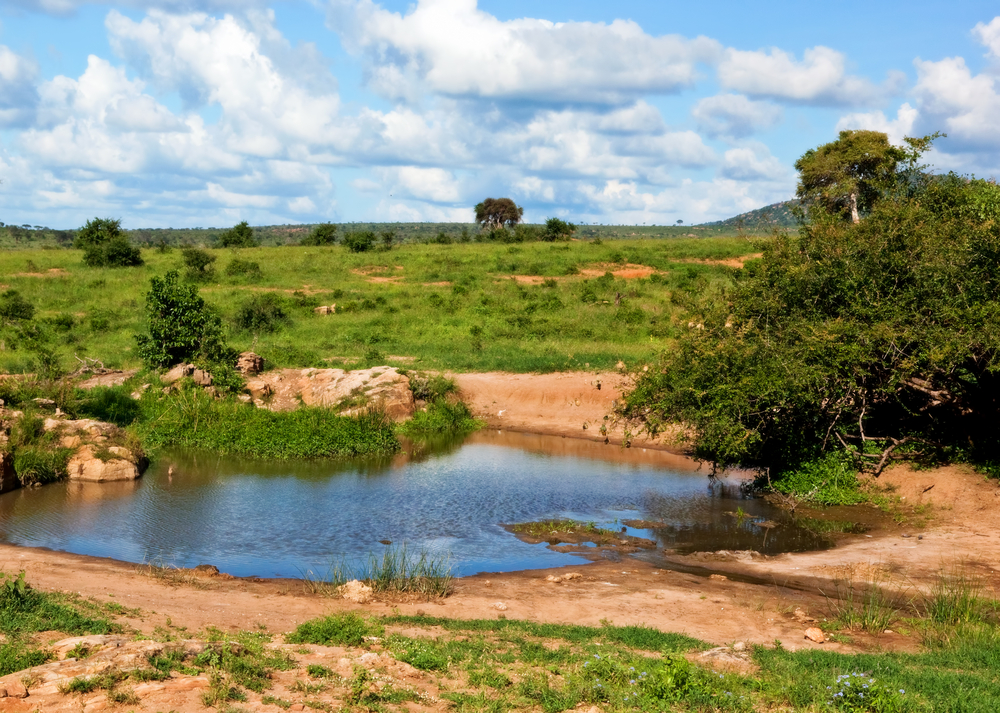
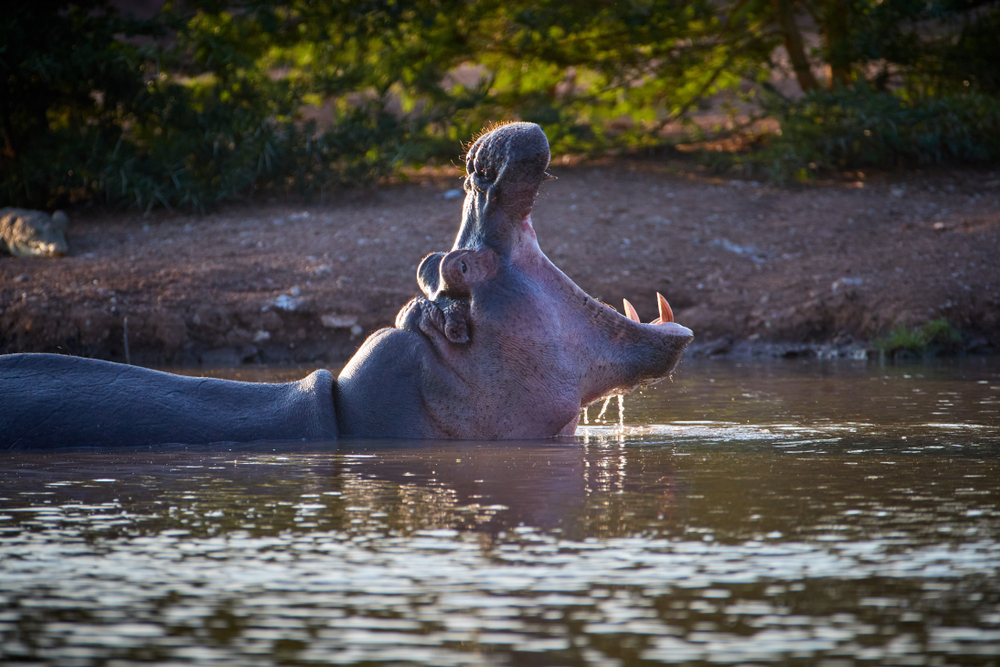
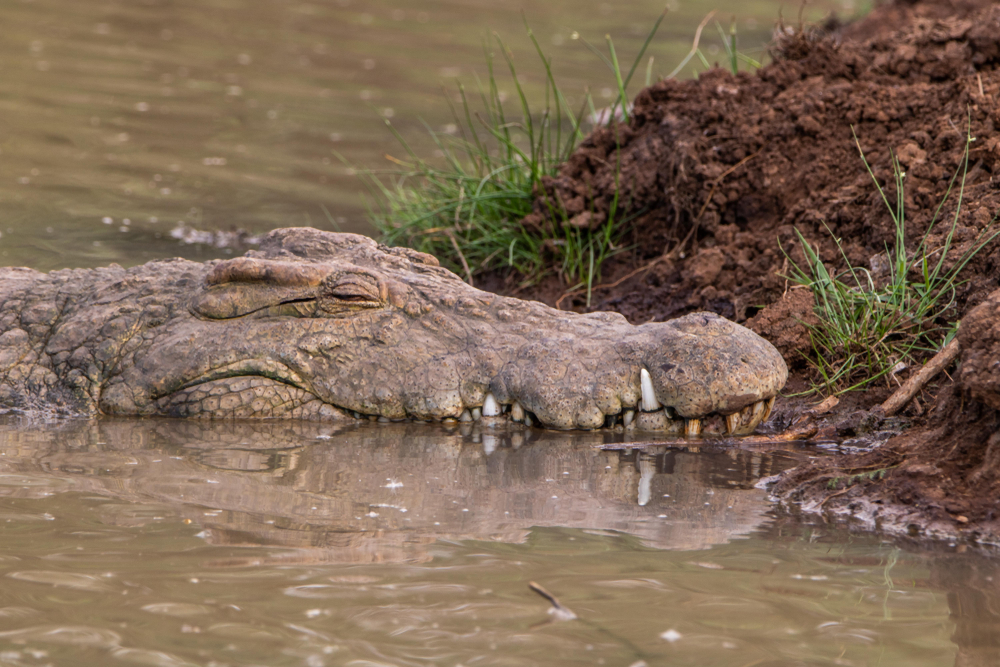
Tsavo West National Park is best known for its dramatic scenery, volcanic features, and excellent wildlife viewing opportunities. One of the park’s most famous attractions is Mzima Springs, a series of crystal-clear pools fed by underground water flowing from the Chyulu Hills. Hippos, crocodiles, fish, and aquatic birds gather around these springs, creating one of the park’s most popular wildlife viewing areas.
Visitors are also drawn to the Shetani Lava Flow, a vast black volcanic field formed by relatively recent volcanic activity. Tsavo West offers classic safari experiences combined with spectacular landscapes that often feel more rugged and varied than many other East African parks. The park’s quieter atmosphere and wide-open wilderness appeal to travelers seeking a more peaceful safari experience.
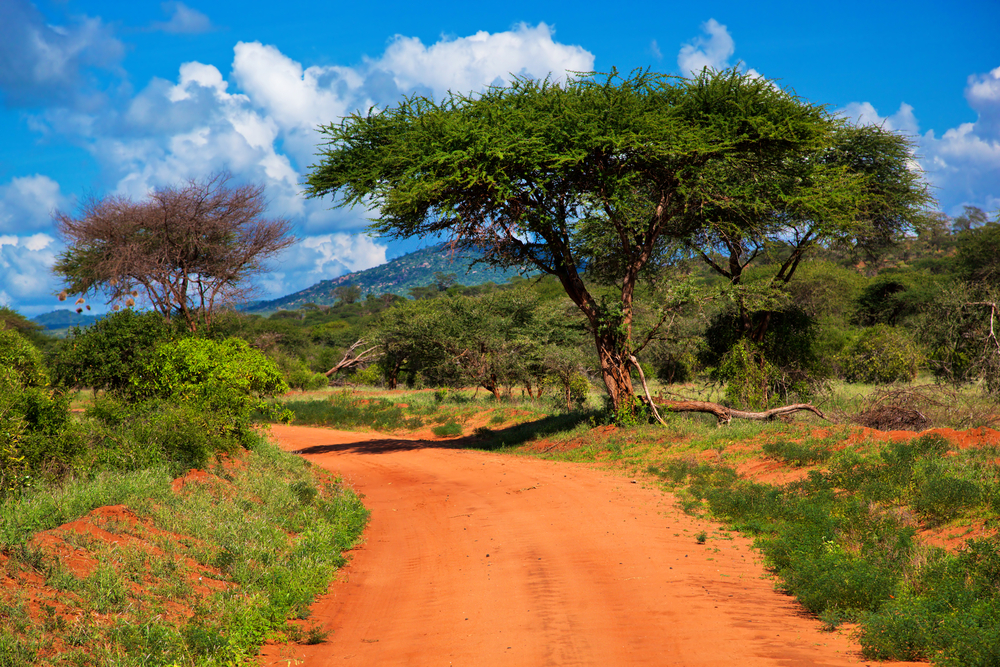
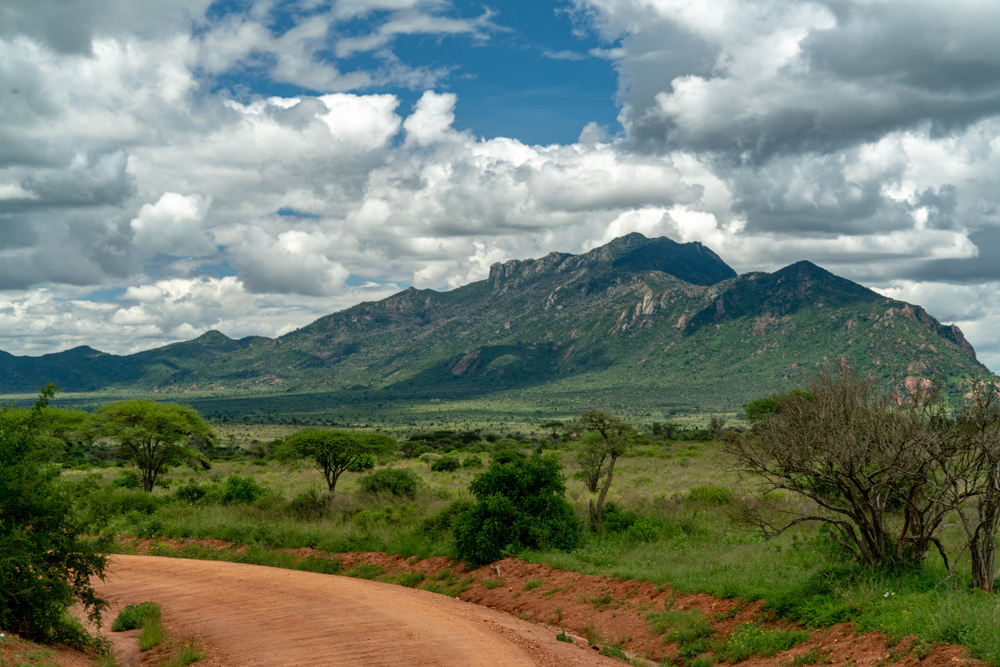
The geography of Tsavo West National Park is incredibly diverse. Volcanic hills, lava plains, rocky ridges, open savannah, acacia woodland, and permanent springs shape the landscape across the park. The Chyulu Hills rise along the park’s northern edge and provide sweeping views across the surrounding wilderness.
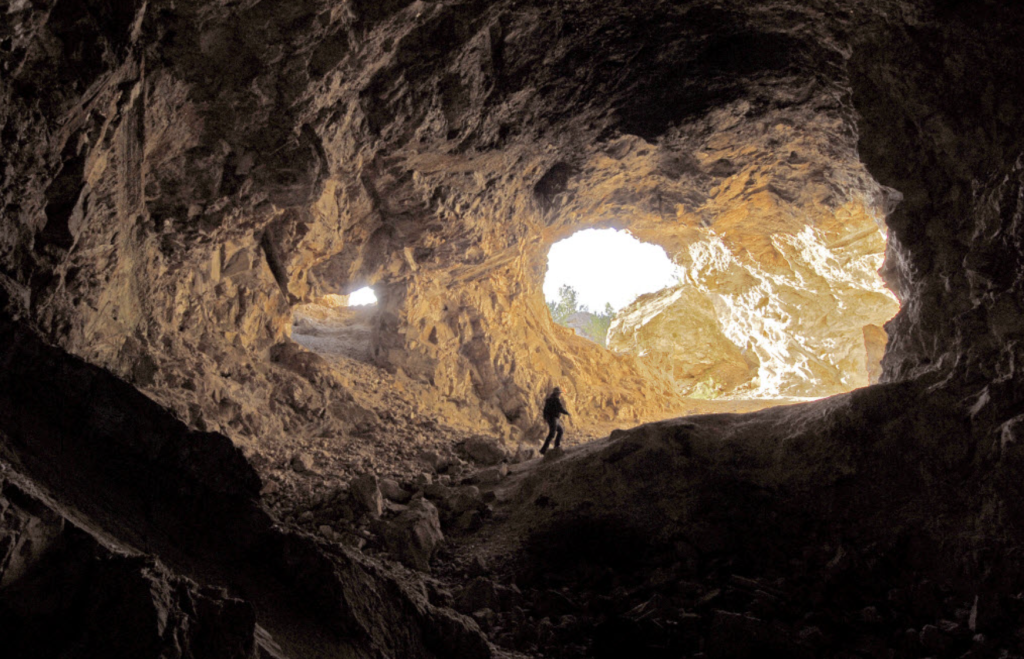
Dense vegetation near water sources contrasts with dry plains and volcanic terrain found elsewhere in the park. Massive baobab trees and thorny bushland dominate many sections while seasonal rivers support greener habitats during rainy periods. The park’s volcanic history remains visible through lava flows, craters, caves, and underground water systems that sustain wildlife even during drought conditions.
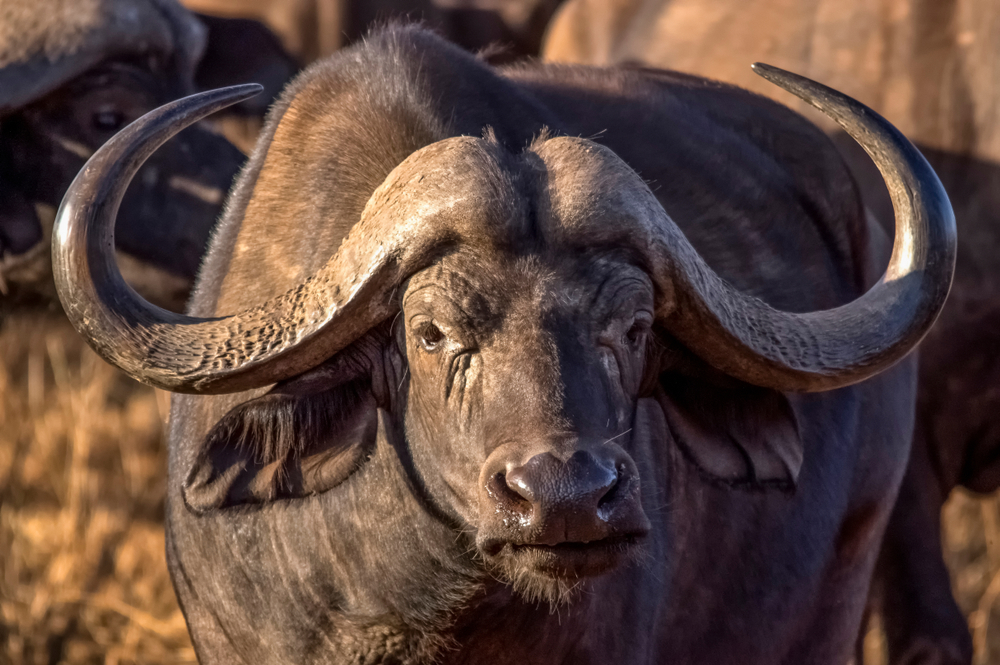
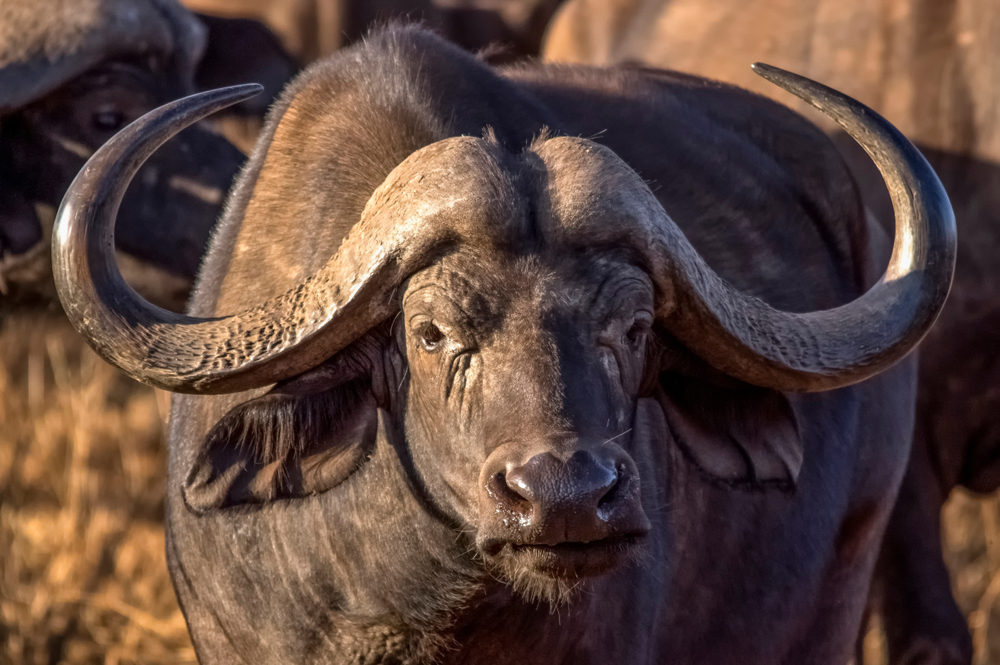
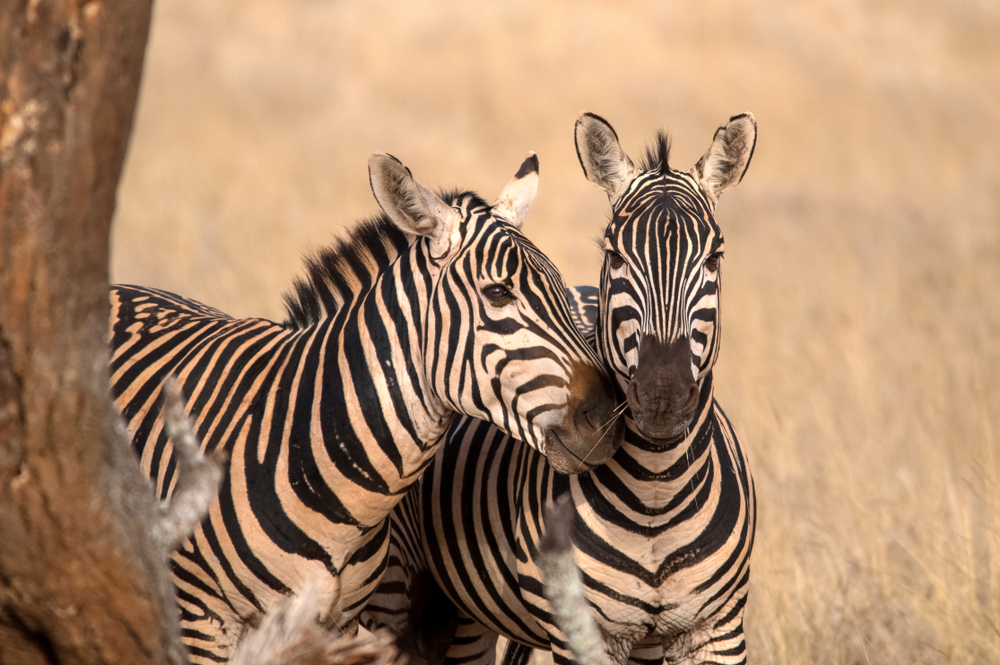
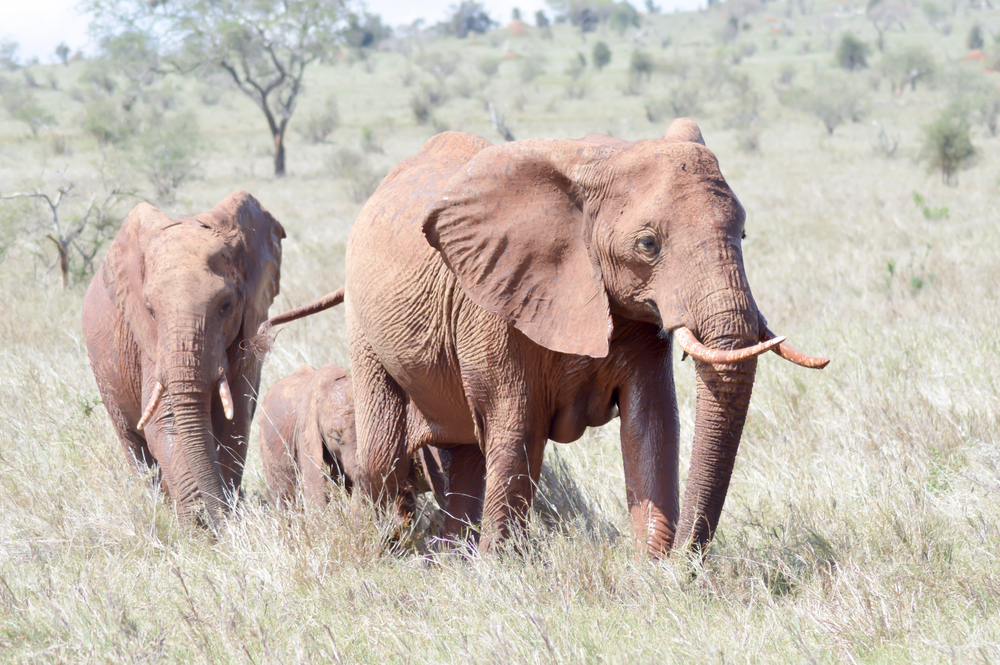
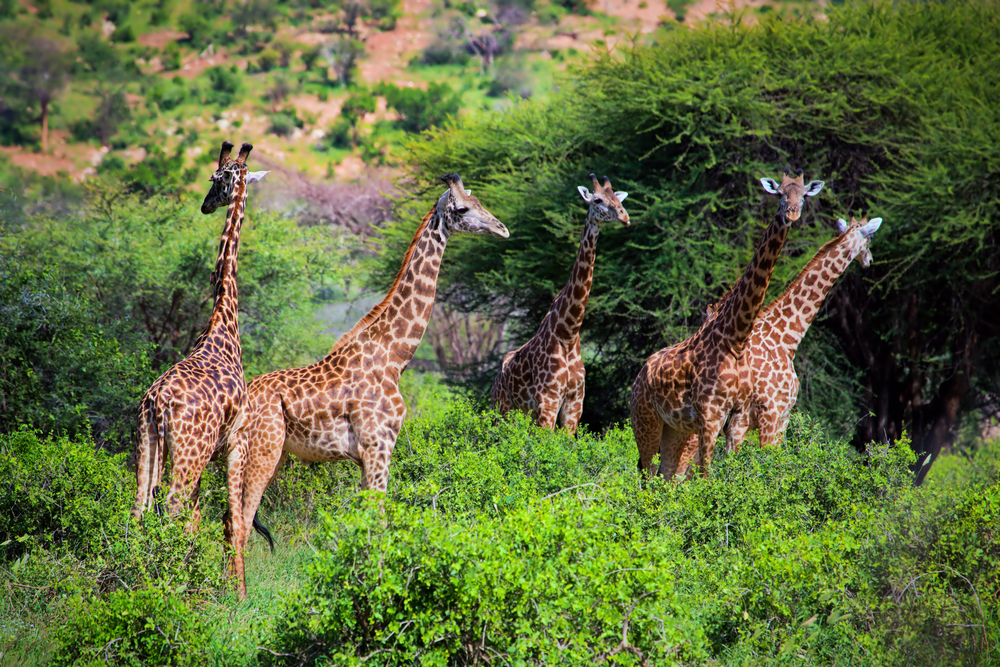
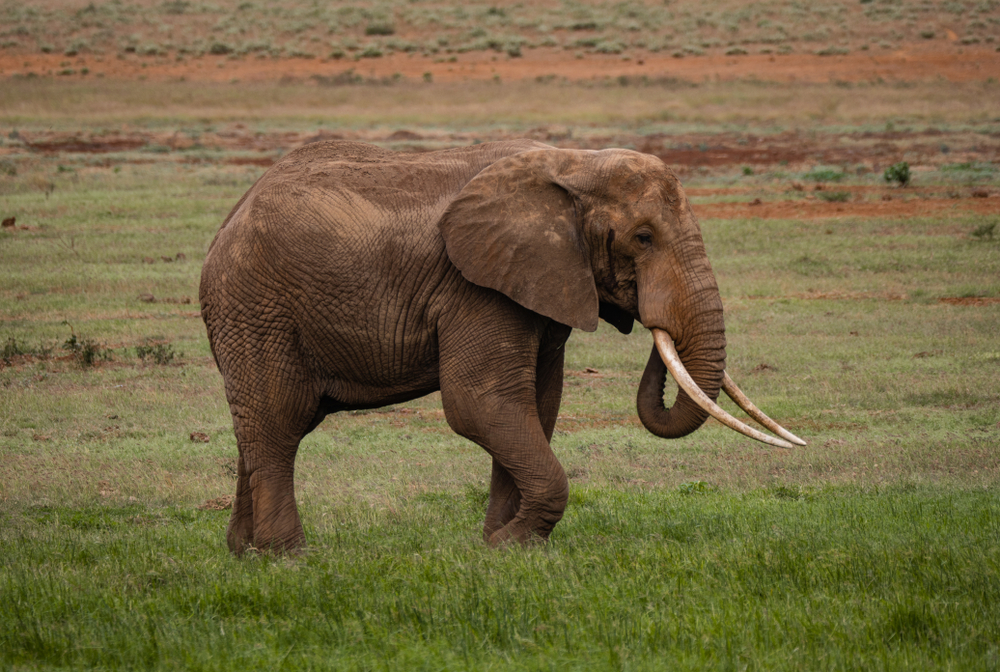
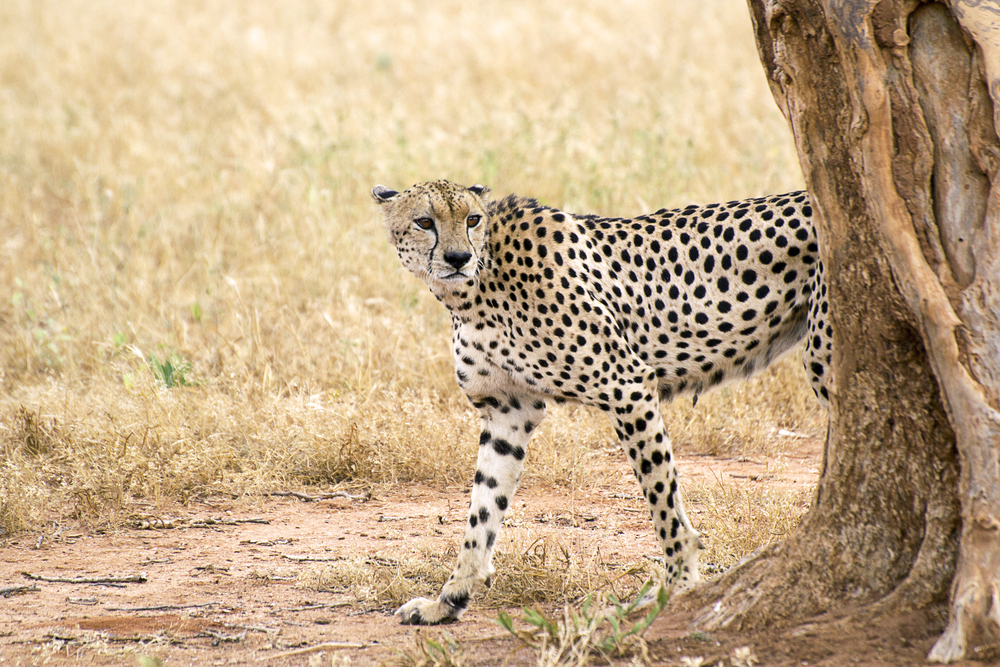
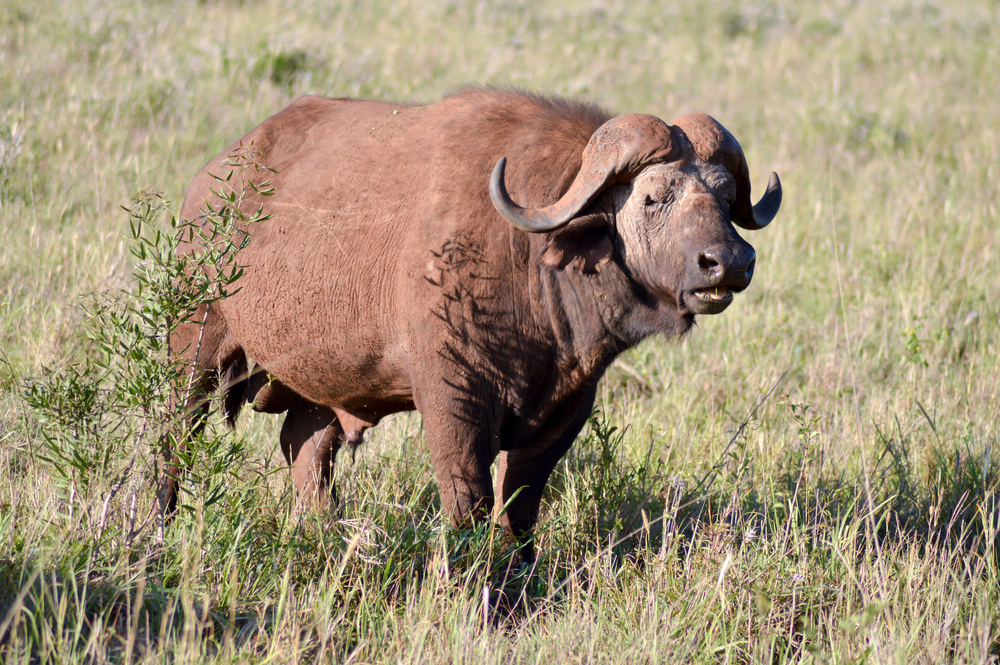
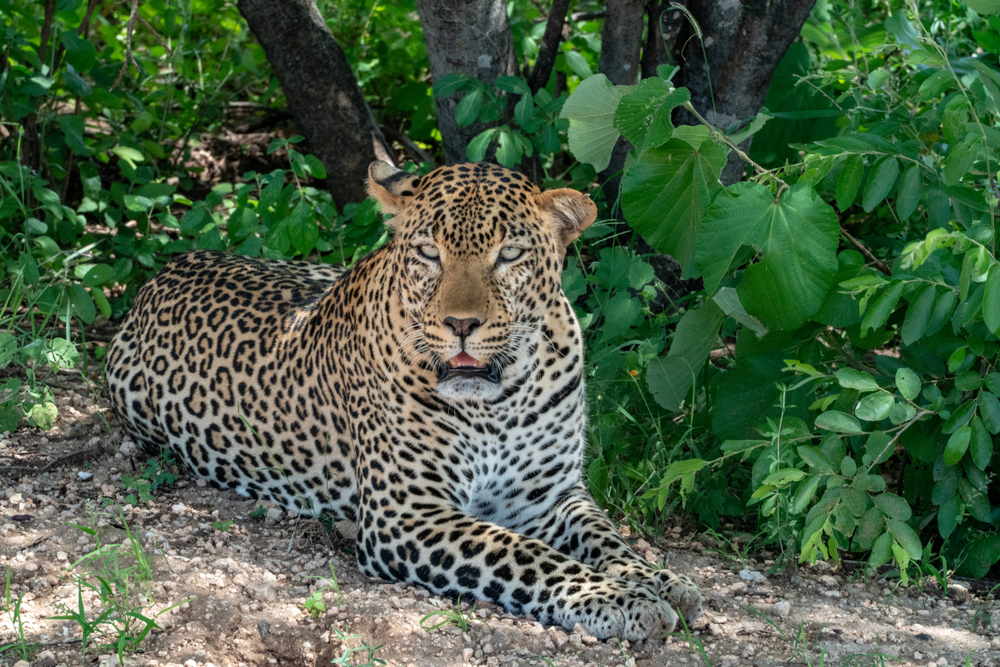
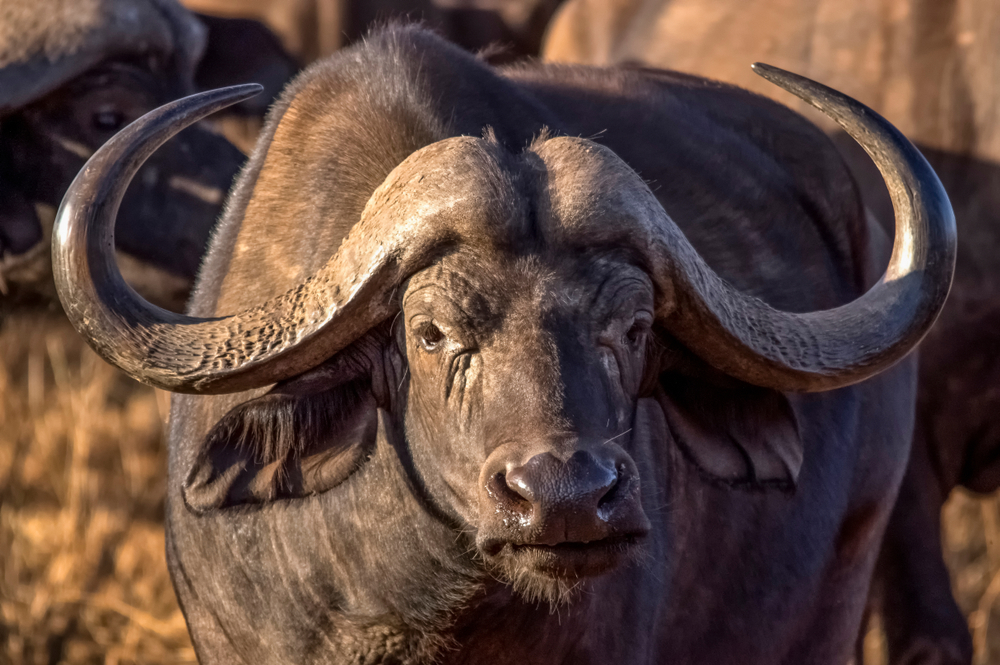
Tsavo West National Park supports a remarkable diversity of wildlife. African elephants are among the park’s signature species and are often seen moving through woodland and grassland habitats covered in red dust from the region’s iron-rich soils. Lions, leopards, cheetahs, buffalo, giraffes, zebras, hippos, crocodiles, and numerous antelope species inhabit the park.
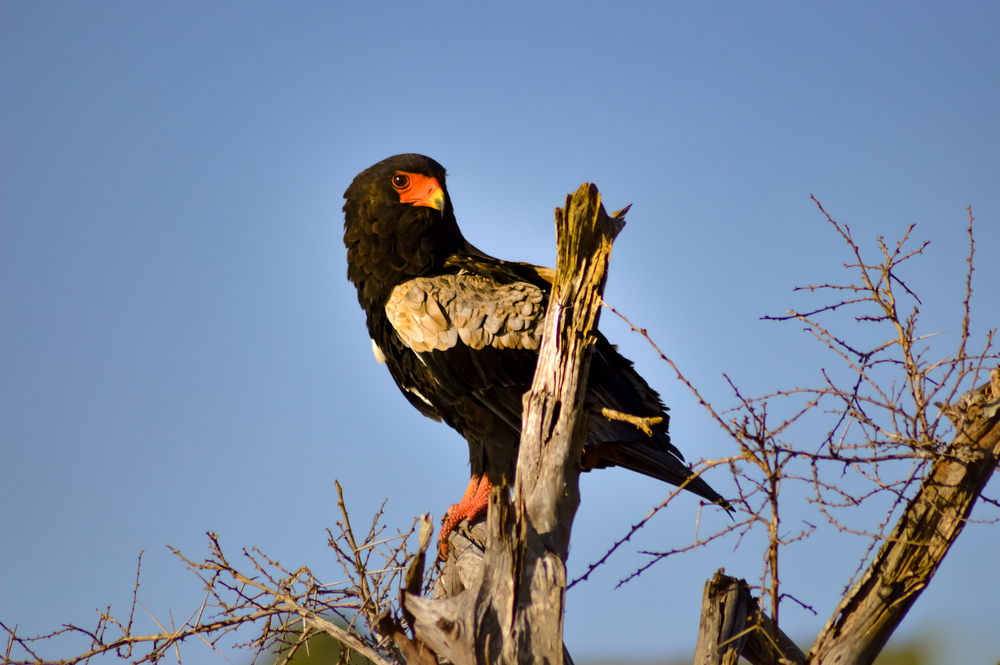
Rhinos are also protected within a secure sanctuary area established to support black rhino conservation. Birdlife is abundant with more than 600 recorded species, making the park one of Kenya’s top birdwatching destinations. Eagles, hornbills, kingfishers, bee-eaters, and migratory birds thrive across the park’s wetlands and woodland ecosystems.
Tsavo West National Park plays a vital role in conserving large-scale wildlife habitats and migration corridors across southeastern Kenya. Together with Tsavo East, it forms one of the largest protected wildlife systems in Africa. The park safeguards important elephant populations and protects volcanic landscapes and water systems critical to biodiversity.
Compared to heavily visited parks such as Maasai Mara National Reserve or Serengeti National Park, Tsavo West offers a more rugged and secluded safari experience with extraordinary geological diversity. Its combination of wildlife, volcanic scenery, and remote wilderness makes it one of Kenya’s most remarkable conservation areas. Tsavo West National Park remains a powerful example of East Africa’s natural beauty and ecological importance.
Photos

Things to See
Things To Do
Engaging Tsavo West
Tsavo West National Park Trails
There are no trails for self-guided hiking in the national park. However, there are guided walks along the Tsavo River. This is a great way to personally take in the landscapes of the area with chances for wildlife viewing as well.

Park Protection
Tsavo West National Park was created to protect the rugged volcanic landscapes, savannas, acacia woodlands, lava fields, wetlands, and river ecosystems of southeastern Kenya. Together with neighboring Tsavo East, it forms one of the largest protected wildlife ecosystems in the world. The park provides critical habitat for several threatened and endangered species, including the endangered African savanna elephant, the endangered African wild dog, and the critically endangered black rhinoceros.
It also supports important populations of lions, leopards, cheetahs, buffalo, giraffes, hippos, crocodiles, lesser kudus, and more than 600 species of birds. Its springs, rivers, and marshes provide essential water sources that sustain wildlife throughout the year in this predominantly semi-arid environment.
The park is especially significant for protecting a remarkable concentration of volcanic features, including lava flows, cinder cones, and the dramatic Shetani Lava Flow. It also preserves the famous Mzima Springs, where crystal-clear groundwater emerging from the Chyulu Hills supports lush wetlands rich in fish, crocodiles, hippopotamuses, and waterbirds.
Tsavo West forms a vital wildlife corridor linking Kenya’s coastal and inland ecosystems and is an essential component of the greater Tsavo Conservation Area. Together, Tsavo West National Park safeguards endangered wildlife, unique volcanic landscapes, critical freshwater habitats, and one of East Africa’s most important conservation landscapes.
FAQ’s
What is Tsavo West National Park most known for?
Tsavo West National Park is renowned for its dramatic landscapes, diverse wildlife, and fascinating geological features.
From the iconic Mzima Springs to the imposing lava flows of Shetani, every corner of the park offers a unique experience.
Visitors flock to Tsavo West to witness the breathtaking vistas of the Chyulu Hills, spot the famous “red elephants,” and explore the labyrinthine lava caves. The park’s rich history, coupled with its natural splendor, makes it a favorite destination for safari enthusiasts and nature lovers alike.
How does Tsavo West differ from Tsavo East?
Tsavo West and Tsavo East, though part of the same ecosystem, offer distinct experiences for visitors.
While Tsavo East is characterized by vast open plains and the Galana River, Tsavo West boasts rugged terrain, volcanic landscapes, and dense vegetation.
Tsavo West is also home to the Ngulia Rhino Sanctuary, a protected area dedicated to the conservation of endangered black rhinos, which is not found in Tsavo East.
Additionally, Tsavo West features a series of natural attractions such as Mzima Springs and the Chyulu Hills, setting it apart from its eastern counterpart.
What is unique to Tsavo West and not in Tsavo East?
Tsavo West National Park is distinguished by its diverse array of geological features and unique attractions not found in Tsavo East.
One of its standout features is the Mzima Springs, a series of crystal-clear pools fed by underwater springs, providing a vital water source for wildlife.
Tsavo West is also known for the Shetani Lava Flows, vast expanses of hardened lava that offer a stark contrast to the surrounding savannah.
The park is also home to the Ngulia Rhino Sanctuary, a haven for endangered black rhinos.
Additionally, the park’s proximity to the Chyulu Hills provides opportunities for hiking and exploring ancient lava caves, offering a truly immersive experience in the heart of Kenya’s wilderness.
What is the main reason people visit Tsavo West National Park?
Tsavo West National Park is primarily visited for its dramatic volcanic landscapes, diverse wildlife, natural springs, lava fields, scenic mountains, and authentic safari experiences. Located in southeastern Kenya, Tsavo West forms part of the greater Tsavo Conservation Area, one of the largest wildlife ecosystems in Africa.
Visitors come to see elephants, lions, leopards, rhinos, and buffalo, explore volcanic terrain, visit the famous Mzima Springs, and experience one of Kenya’s most scenic national parks.
What animals can visitors hope to see in Tsavo West National Park?
Tsavo West National Park supports more than 60 mammal species and is one of Kenya’s premier safari destinations.
Some of the most notable animals found in Tsavo West National Park include:
- African Bush Elephant
- African Lion
- African Leopard
- African Buffalo
- Black Rhinoceros
- Cheetah
- Spotted Hyena
- Striped Hyena
- African Wild Dog (rare)
- Black-backed Jackal
- Side-striped Jackal
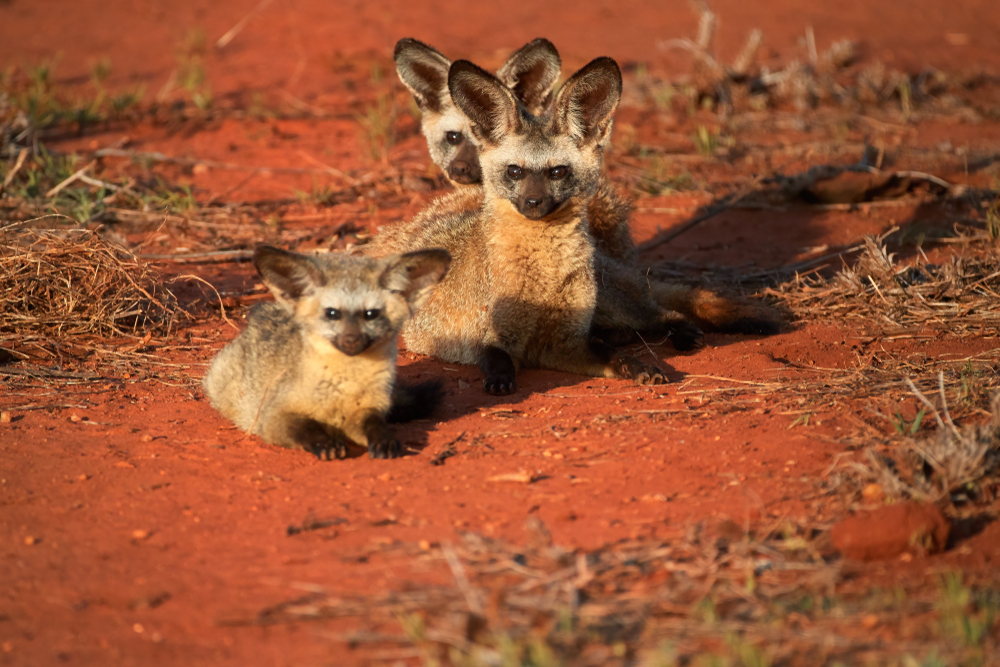
- Bat-eared Fox
- Serval
- Caracal
- African Wildcat
- Honey Badger
- African Civet
- Large-spotted Genet
- Banded Mongoose
- Dwarf Mongoose
- Common Warthog
- Hippopotamus
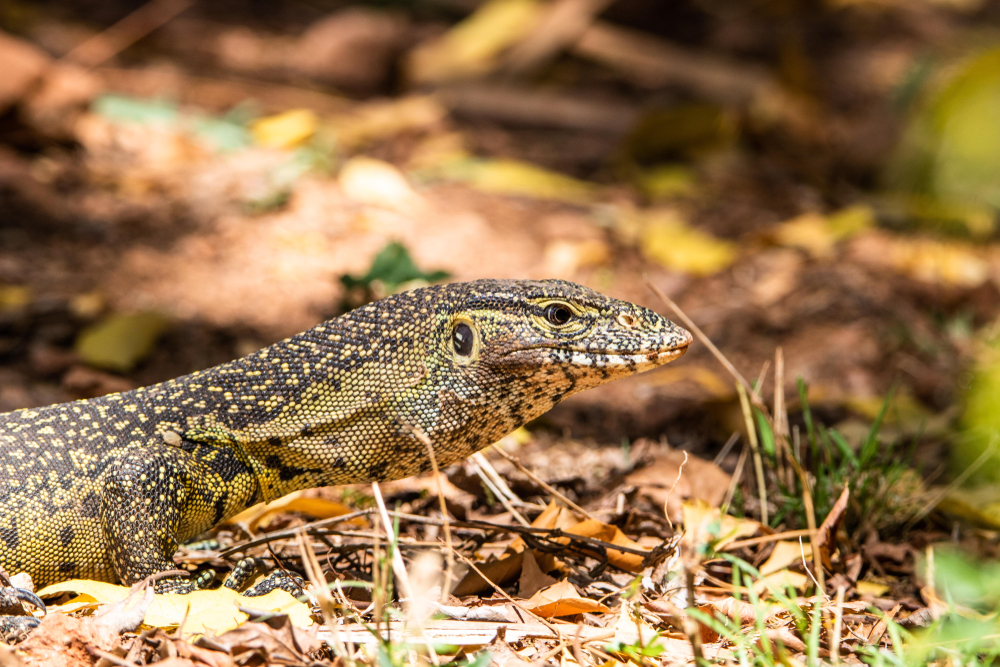
- Nile Crocodile
- Plains Zebra
- Masai Giraffe
- Blue Wildebeest
- Coke’s Hartebeest
- Eland
- Greater Kudu
- Lesser Kudu
- Waterbuck
- Bushbuck
- Impala
- Grant’s Gazelle
- Thomson’s Gazelle
- Gerenuk
- Beisa Oryx
- Kirk’s Dik-dik
- Steenbok
- Duiker Species
- Reedbuck
- Suni
- Vervet Monkey
- Olive Baboon
- Porcupine
- African Hare
- Rock Hyrax
- Spring Hare
- African Clawless Otter
- Various Bat Species
What birds can visitors hope to see in Tsavo West National Park?
Tsavo West National Park is home to more than 600 bird species, making it one of East Africa’s finest birdwatching destinations.
Some of the most popular birds seen in Tsavo West National Park include:
- Secretary Bird
- Martial Eagle
- Crowned Eagle
- African Fish Eagle
- Tawny Eagle
- Verreaux’s Eagle
- Bateleur
- Steppe Eagle
- Lappet-faced Vulture
- White-backed Vulture
- Rüppell’s Vulture
- Hooded Vulture
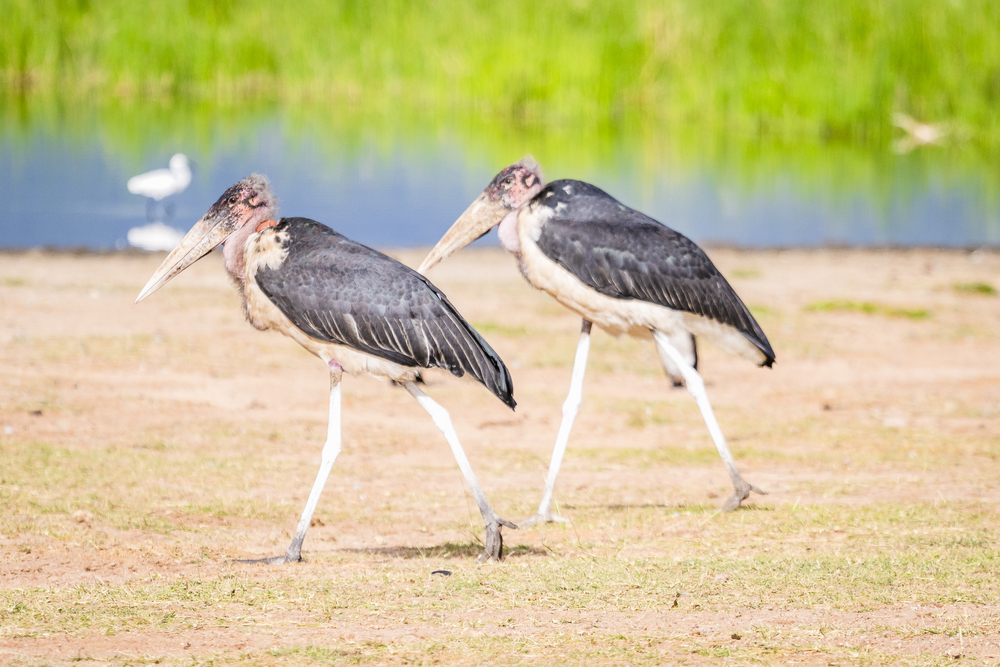
- Marabou Stork
- Saddle-billed Stork
- Yellow-billed Stork
- Woolly-necked Stork
- Grey Crowned Crane
- Kori Bustard
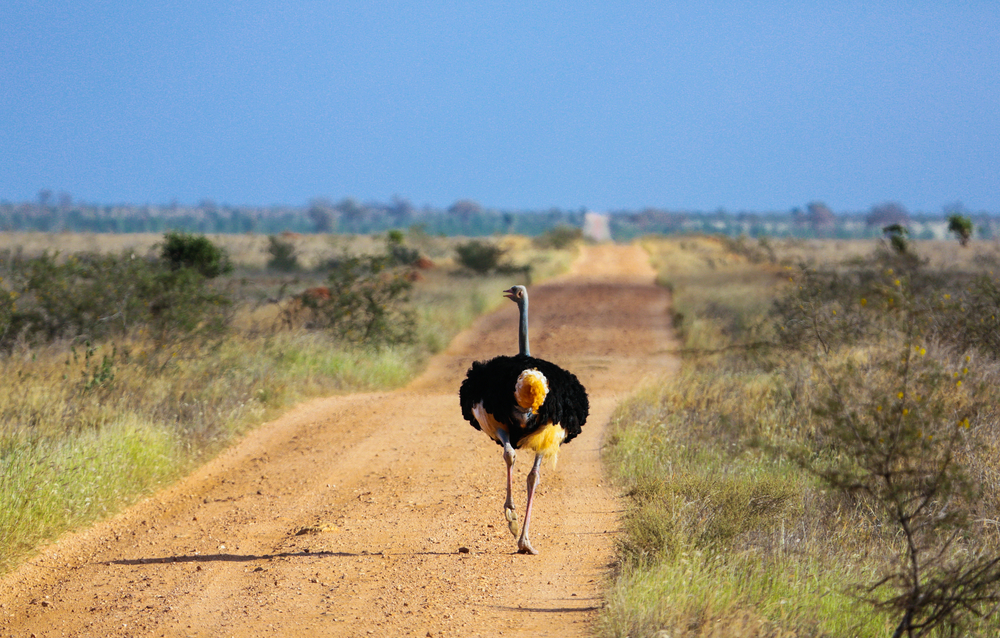
- Ostrich
- Southern Ground Hornbill
- Von der Decken’s Hornbill
- Red-billed Hornbill
- Crowned Hornbill
- Lilac-breasted Roller
- European Roller
- Carmine Bee-eater
- Little Bee-eater
- White-fronted Bee-eater
- Woodland Kingfisher
- Pied Kingfisher
- Malachite Kingfisher
- Giant Kingfisher
- African Jacana
- Spur-winged Lapwing
- Crowned Lapwing
- Egyptian Goose
- Sacred Ibis
- Hadada Ibis
- Hamerkop
- Black-headed Heron
- Grey Heron
- Goliath Heron
- Great Egret
- Little Egret
- African Spoonbill
- Speckled Mousebird
- Superb Starling
- Golden-breasted Starling
- Yellow-billed Oxpecker
- Red-billed Oxpecker
Is Tsavo West National Park worth visiting?
Yes, Tsavo West National Park is absolutely worth visiting and is considered one of Kenya’s most scenic safari destinations.
The park offers exceptional wildlife viewing combined with volcanic landscapes, lava flows, springs, mountains, and dense vegetation. Many visitors appreciate the diversity of habitats and the opportunity to experience a less crowded safari than some of Kenya’s more famous reserves.
The primary hesitation is that vegetation can be denser than in Tsavo East, occasionally making wildlife more difficult to spot. However, the dramatic scenery more than compensates for this challenge.
What is the best time to visit Tsavo West National Park?
The best time to visit Tsavo West National Park is during the dry seasons:
- June through October
- January through March
Typical conditions include:
- Dry season: 65–88°F (18–31°C)
- Wet season: 68–92°F (20–33°C)
During the dry season:
- Wildlife concentrates near water sources.
- Roads are generally more accessible.
- Vegetation is less dense.
- Game viewing improves significantly.
Birdwatchers may also enjoy the wetter months when migratory species are present.
How many days do you need to visit Tsavo West National Park?
Most visitors should plan for 2 to 4 days.
- 1 day: Major highlights and wildlife viewing.
- 2 days: Comprehensive safari experience.
- 3–4 days: Wildlife photography, birding, and exploration.
- 5+ days: Combined visits with Tsavo East and Amboseli.
A two- or three-day stay allows visitors to experience the park’s major attractions.
How do you get to Tsavo West National Park?
Tsavo West National Park is located between Nairobi and Mombasa in southeastern Kenya.
The nearest major airports include:
- Jomo Kenyatta International Airport
- Moi International Airport
Most visitors arrive by:
- Safari vehicle.
- Domestic flight.
- Rail and road combination.
Driving from Nairobi
The most common route is:
- Nairobi to Tsavo West: approximately 4–5 hours.
Visitors typically enter through gates such as:
- Mtito Andei Gate
- Chyulu Gate
Driving from Mombasa
Travel time from Mombasa is:
- Approximately 3–4 hours.
This makes Tsavo West a popular safari extension from Kenya’s coast.
Air Access
Several airstrips serve the park, including:
- Kilaguni Airstrip
- Kamboyo Airstrip
- Finch Hattons Airstrip
Flights from Nairobi typically take about one hour.
Mzima Springs
The park’s most famous attraction is:
- Mzima Springs
Known for:
- Crystal-clear freshwater pools.
- Hippopotamus viewing.
- Nile crocodiles.
- Underwater observation chamber.
- Beautiful walking trails.
The springs produce millions of gallons of fresh water daily and are one of Kenya’s most famous natural attractions.
Shetani Lava Flow
Another unique attraction is:
- Shetani Lava Flow
Features include:
- Extensive black volcanic rock.
- Evidence of relatively recent volcanic activity.
- Dramatic desert scenery.
Chyulu Hills
The nearby:
- Chyulu Hills
provide spectacular scenery and panoramic views toward:
- Mount Kilimanjaro
on clear days.
Ngulia Rhino Sanctuary
One of Kenya’s most important rhino conservation areas is:
- Ngulia Rhino Sanctuary
The sanctuary helps protect endangered black rhinos and offers visitors one of the best opportunities to see them in Kenya.
Travel Times
Typical travel times include:
- Nairobi to Tsavo West: 4–5 hours by road.
- Mombasa to Tsavo West: 3–4 hours by road.
- Nairobi to park airstrips: approximately 1 hour by flight.
- Mtito Andei Gate to Mzima Springs: approximately 1 hour.
Who is involved in protecting and supporting Tsavo West National Park?
Several organizations help protect and support Tsavo West National Park:
- Kenya Wildlife Service – manages Tsavo West National Park.
- Tsavo Trust – supports wildlife conservation and anti-poaching efforts.
- African Wildlife Foundation – supports regional conservation initiatives.
- Big Life Foundation – supports elephant protection and wildlife conservation across the Tsavo ecosystem.
- Local communities including the Taita People, Kamba People, and Maasai People.
Can you see Mount Kilimanjaro from Tsavo West?
Yes. On clear days, visitors can enjoy stunning views of Mount Kilimanjaro from several areas within the park.
What makes Tsavo West National Park unique?
Tsavo West National Park is unique because it combines classic African safari wildlife with dramatic volcanic scenery, freshwater springs, lava flows, rhino conservation areas, and views of Africa’s highest mountain.
Few safari destinations offer such a diverse mix of wildlife, geology, and landscapes. The combination of red elephants, black lava fields, crystal-clear springs, and iconic East African scenery makes Tsavo West one of Kenya’s most distinctive national parks.
Sources
Here are sources you can explore for more information:
- AllTrails. Tsavo West National Park. https://www.alltrails.com/kenya/taita-taveta/tsavo-west-national-park, retrieved July 2026.
- Encyclopaedia Britannica. Tsavo National Parks. https://www.britannica.com/place/Tsavo-National-Parks, retrieved July 2026.
- Kenya Wildlife Service (KWS). Tsavo West National Park. https://www.kws.go.ke/parks/tsavo-west-national-park, retrieved July 2026.
- Pilot Guides. Tsavo West National Park. https://www.pilotguides.com/, retrieved July 2026.
- Protected Planet (UNEP-WCMC & IUCN). Tsavo West National Park. https://www.protectedplanet.net/, retrieved July 2026.
- SafariBookings. Tsavo West National Park. https://www.safaribookings.com/tsavo-west, retrieved July 2026.
- Wikipedia. Tsavo West National Park. https://en.wikipedia.org/wiki/Tsavo_West_National_Park, retrieved July 2026.
- World Wildlife Fund (WWF). Northern Zanzibar–Inhambane Coastal Forest Mosaic. https://www.worldwildlife.org/ecoregions/at0123, retrieved July 2026.