

About
Amboseli National Park is located in southern Kenya near the border with Tanzania, covering approximately 151 square miles (392 sq km). Though relatively small in size, the park is part of a much larger ecosystem that extends across the Kenya–Tanzania border, linking with protected areas surrounding Mount Kilimanjaro.
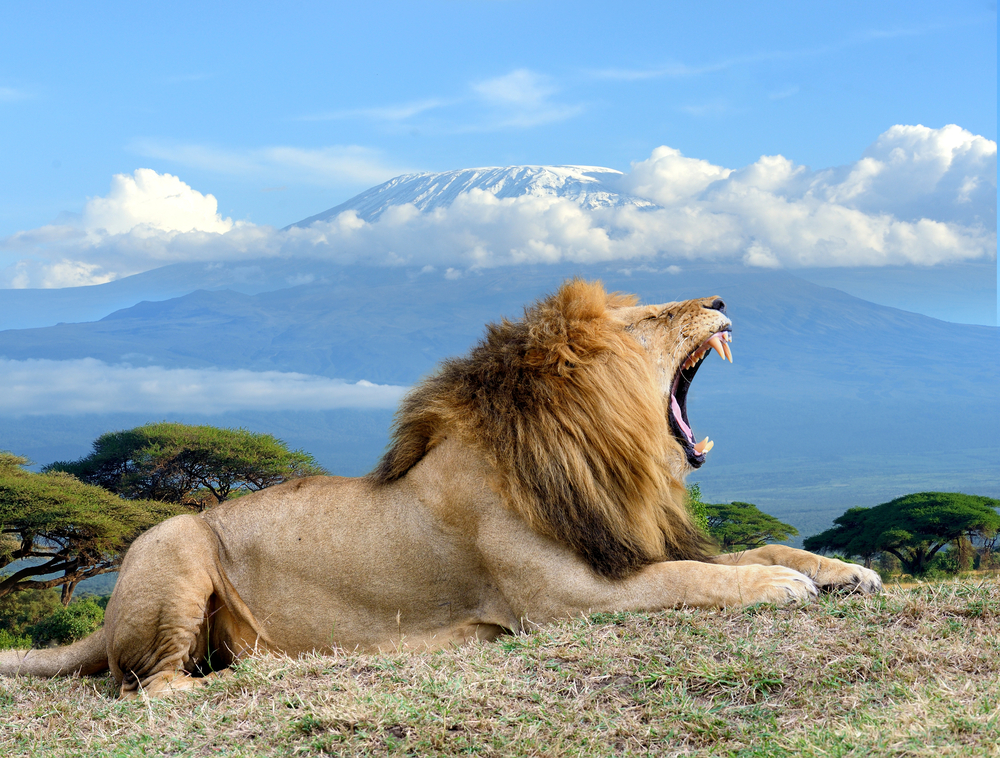
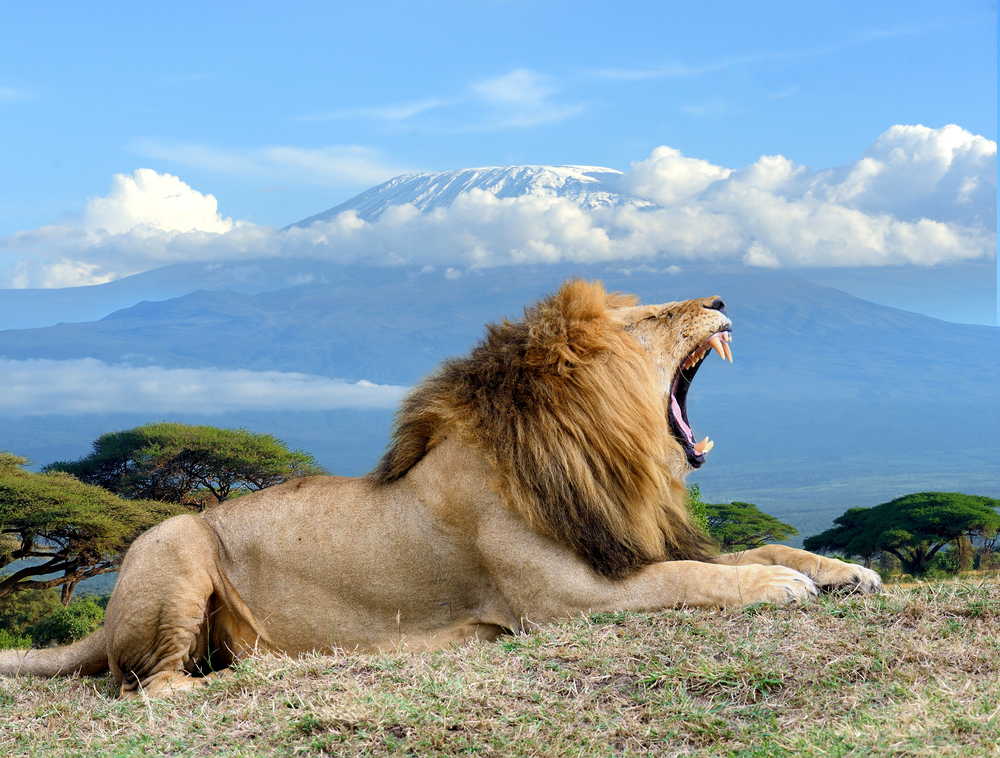
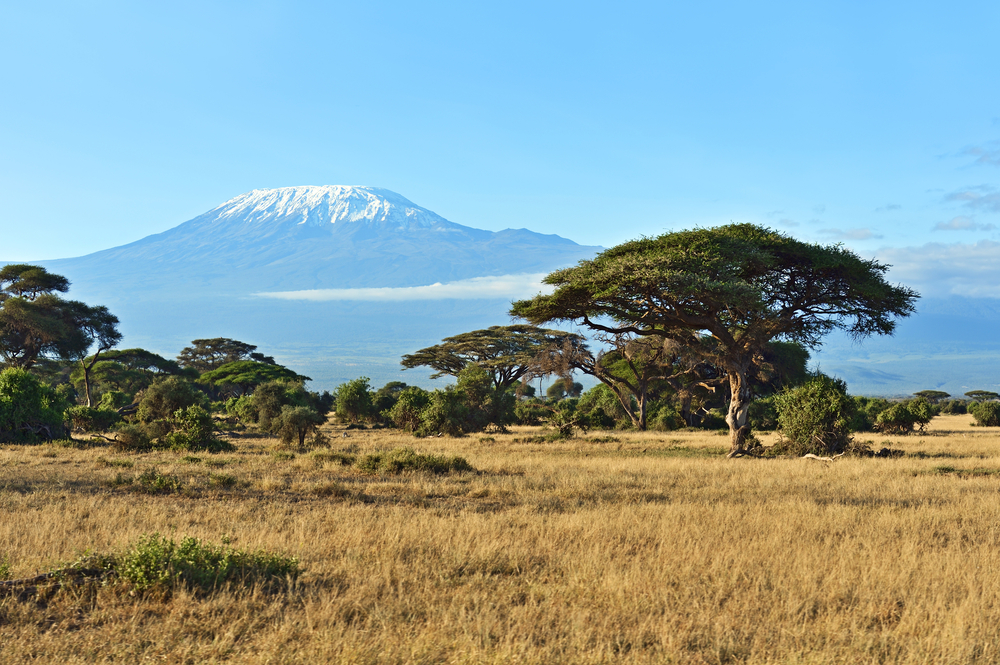
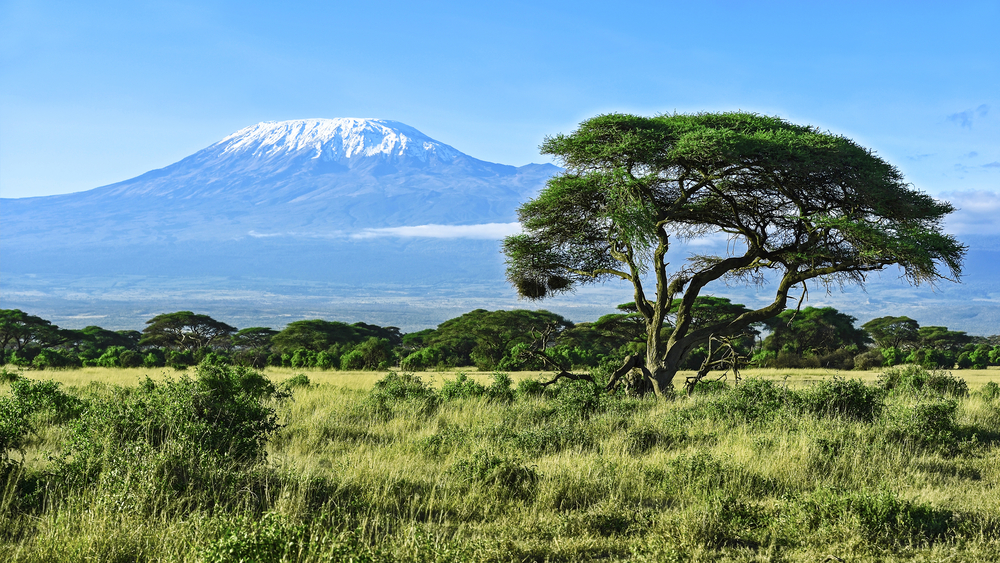
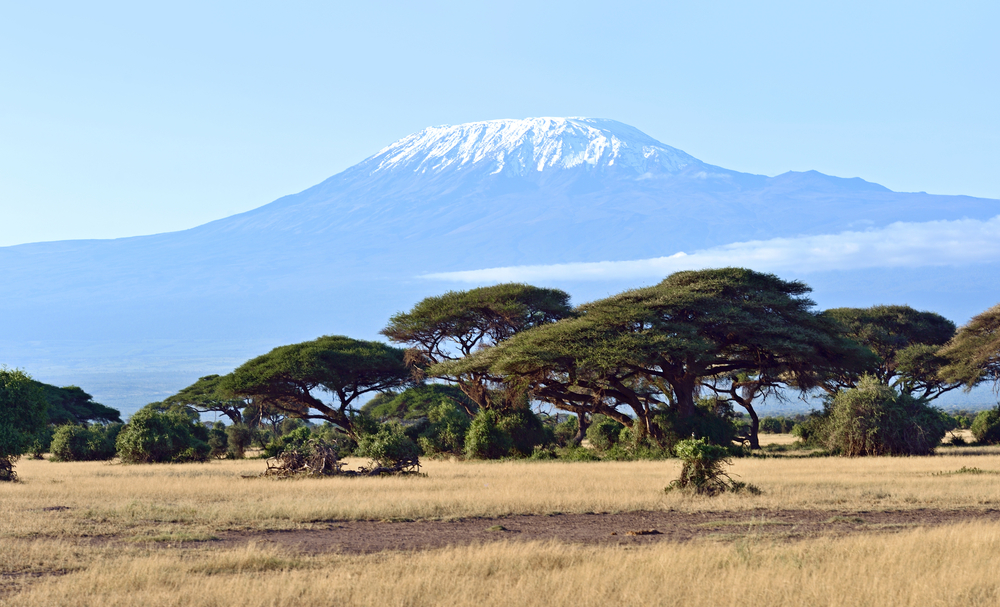
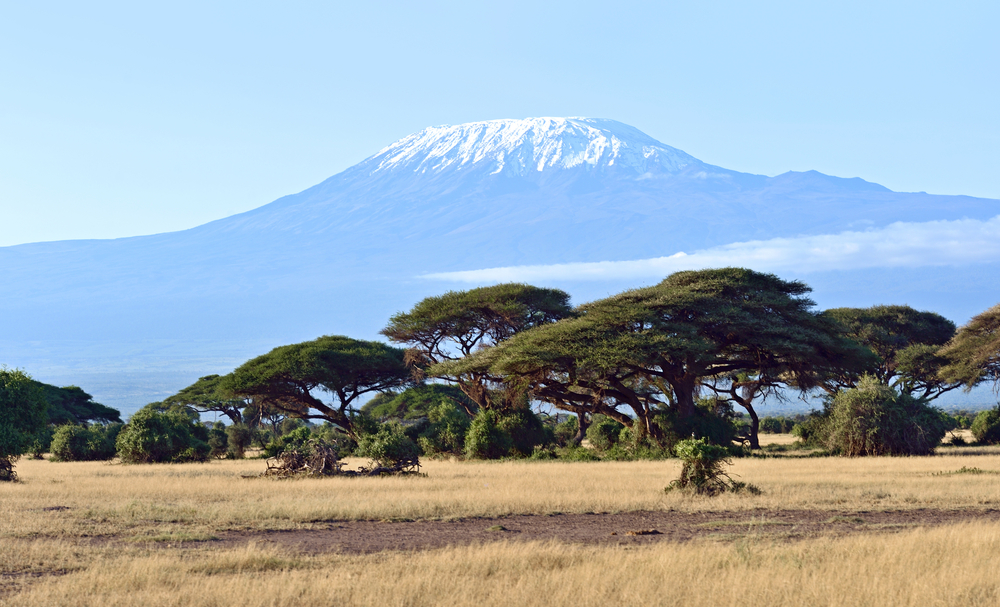
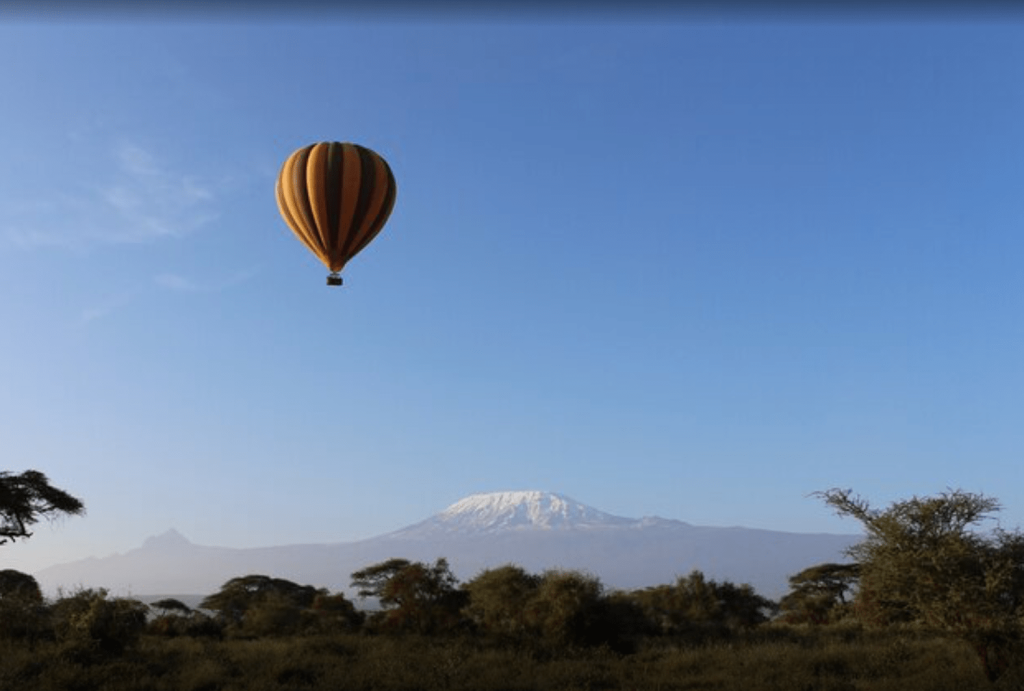
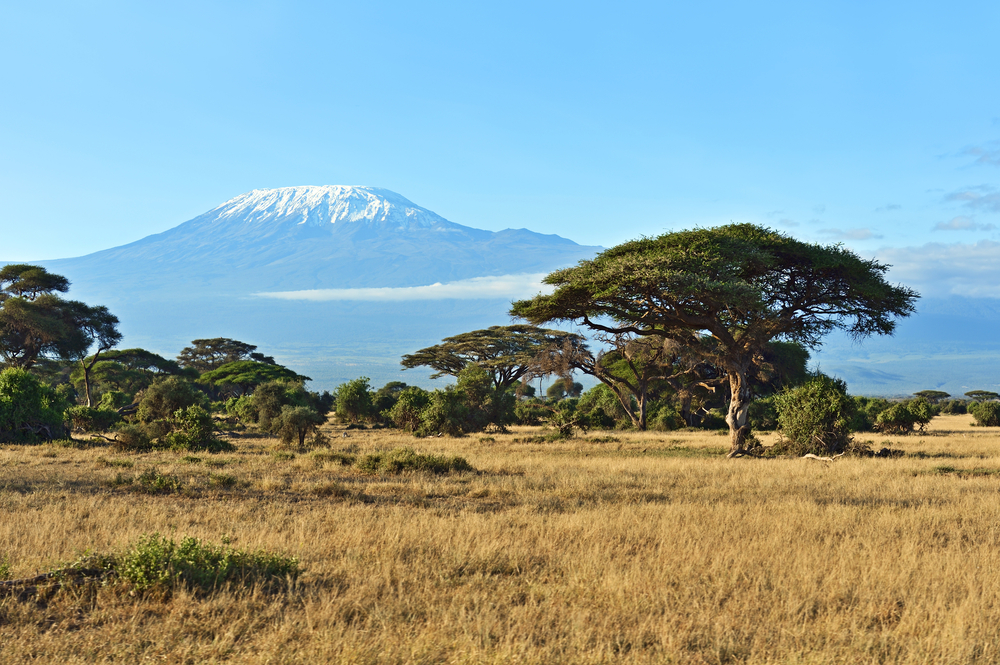
This iconic mountain, Africa’s highest peak, rises dramatically just beyond the park’s boundary and provides one of the most recognizable backdrops in all of Africa. Amboseli’s open landscapes and accessibility make it one of Kenya’s most popular and visually striking national parks.
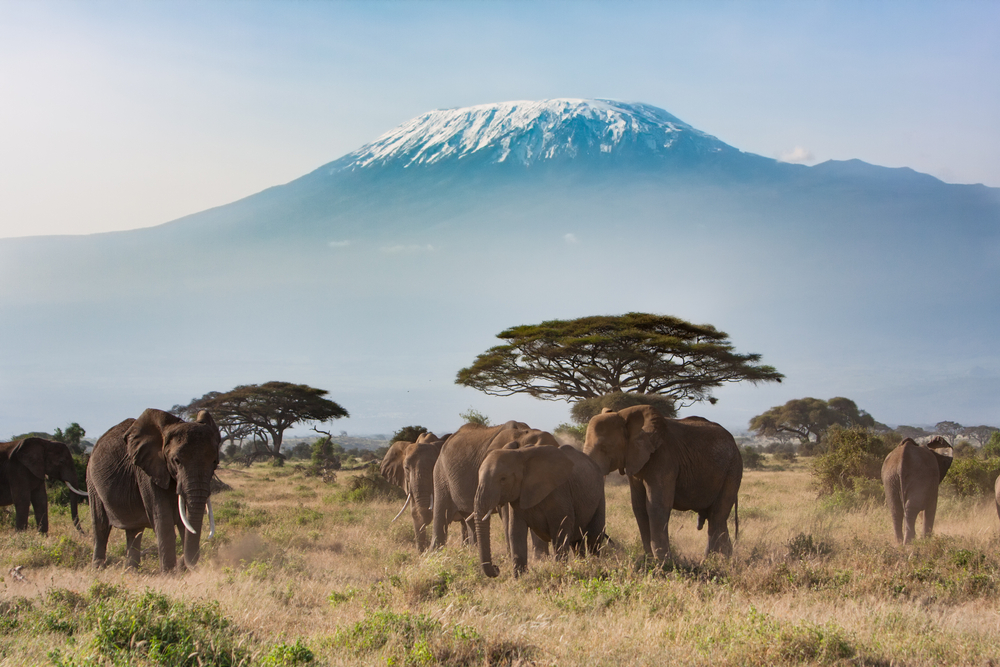
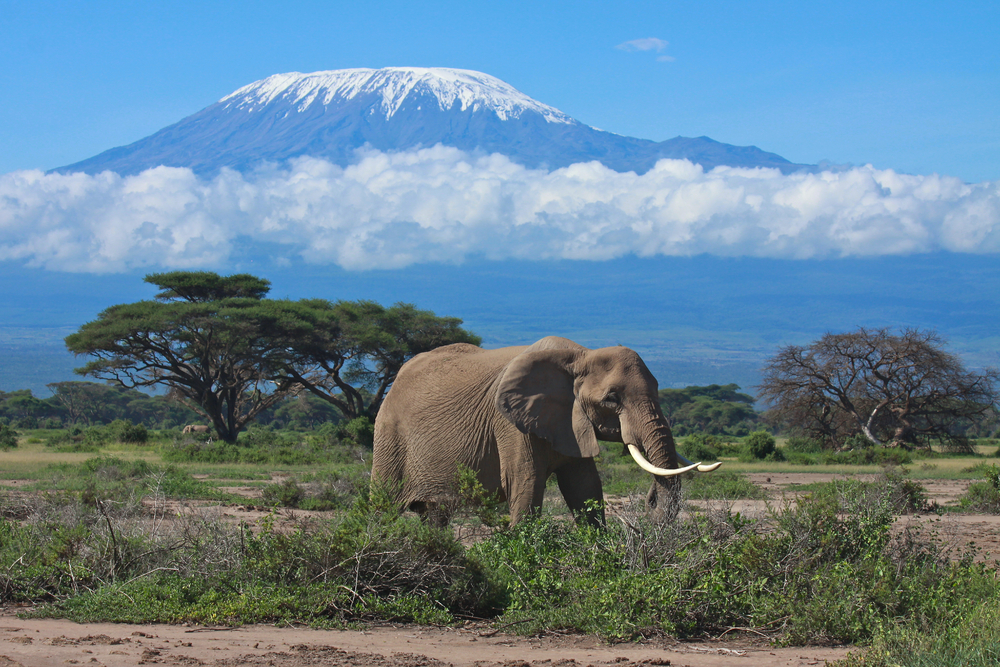
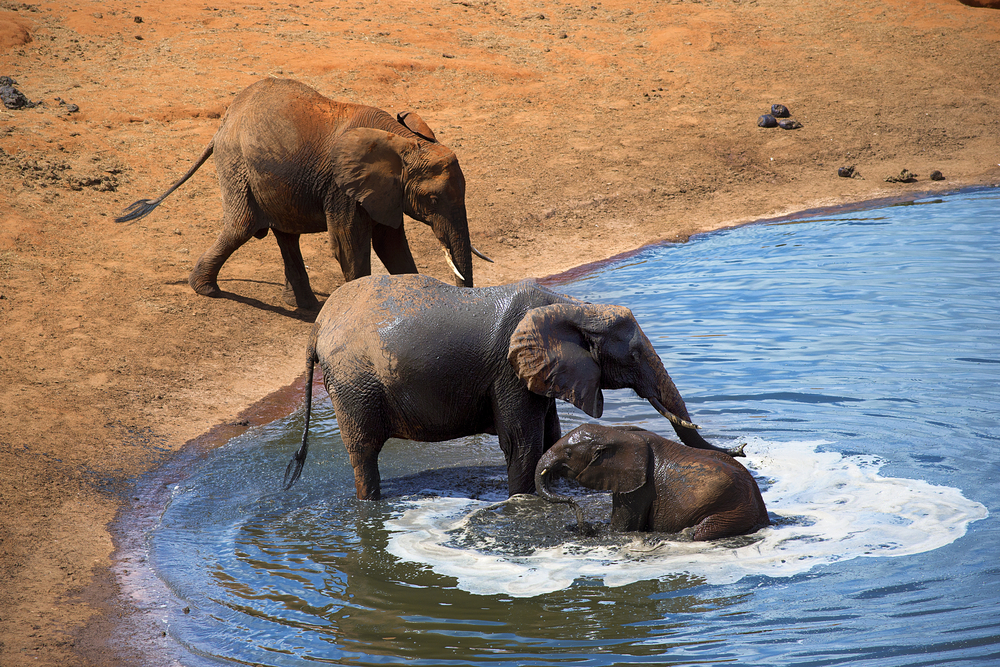
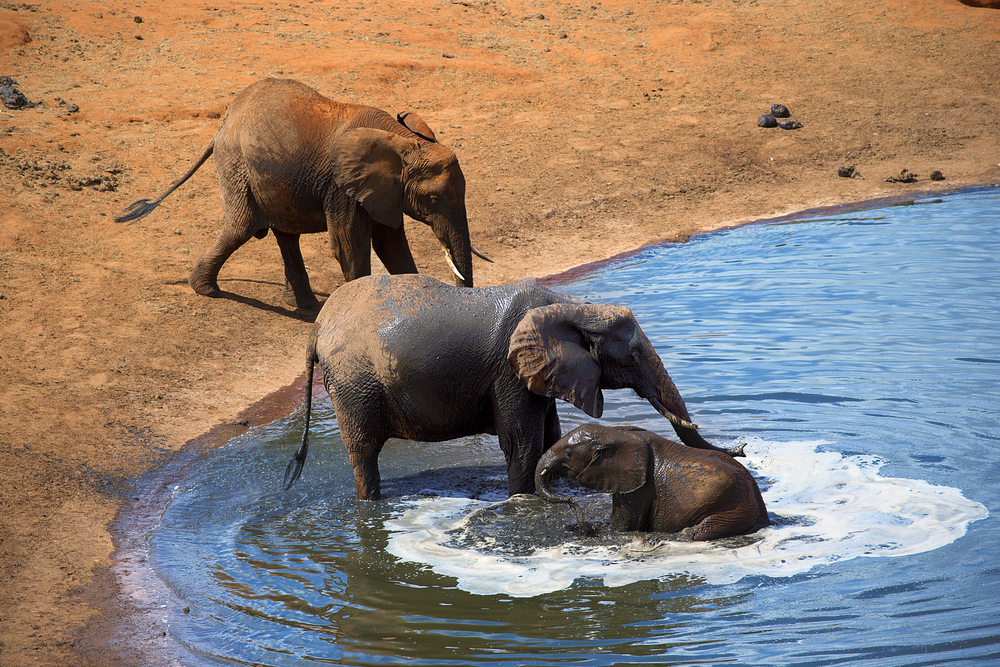
Amboseli is best known for its large herds of free-ranging African elephants, many of which have been the subject of long-term research and are among the most studied elephant populations in the world. These elephants, often seen moving gracefully across the plains with Mount Kilimanjaro towering behind them, create some of the most iconic wildlife images anywhere.
The park is also famous for its sweeping views, dramatic light conditions, and seasonal dust that adds a cinematic quality to the landscape, particularly at sunrise and sunset. Its relatively open terrain allows for excellent wildlife viewing, making it a favorite destination for photographers and safari enthusiasts.
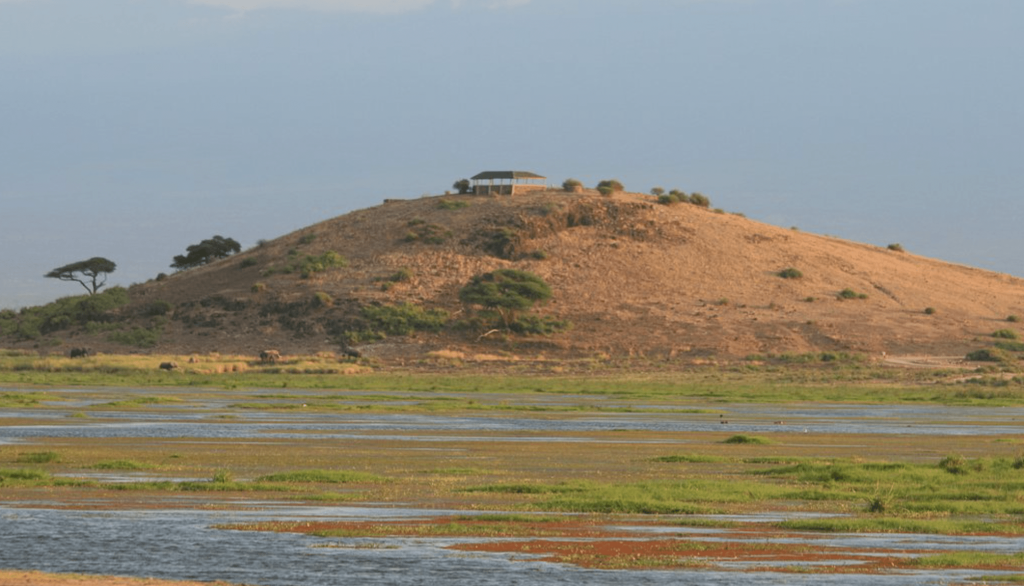
The geography of Amboseli is defined by a mix of dry lakebeds, open savannas, acacia woodlands, and lush wetlands fed by underground water flowing from the melting snows of Mount Kilimanjaro. The remnants of an ancient lake basin form the park’s central plains, which can appear dusty and arid for much of the year.
In contrast, the wetlands provide a constant source of water, supporting green vegetation and attracting a wide variety of animals. These contrasting environments create a dynamic ecosystem where life persists even during dry seasons, and where the interplay between water and aridity shapes the park’s character.
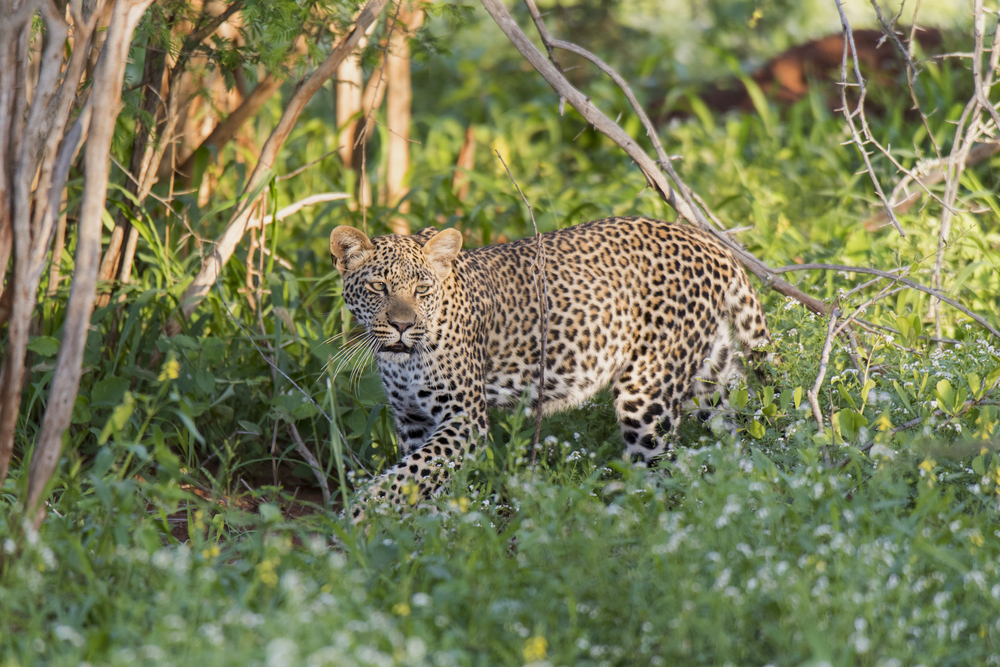
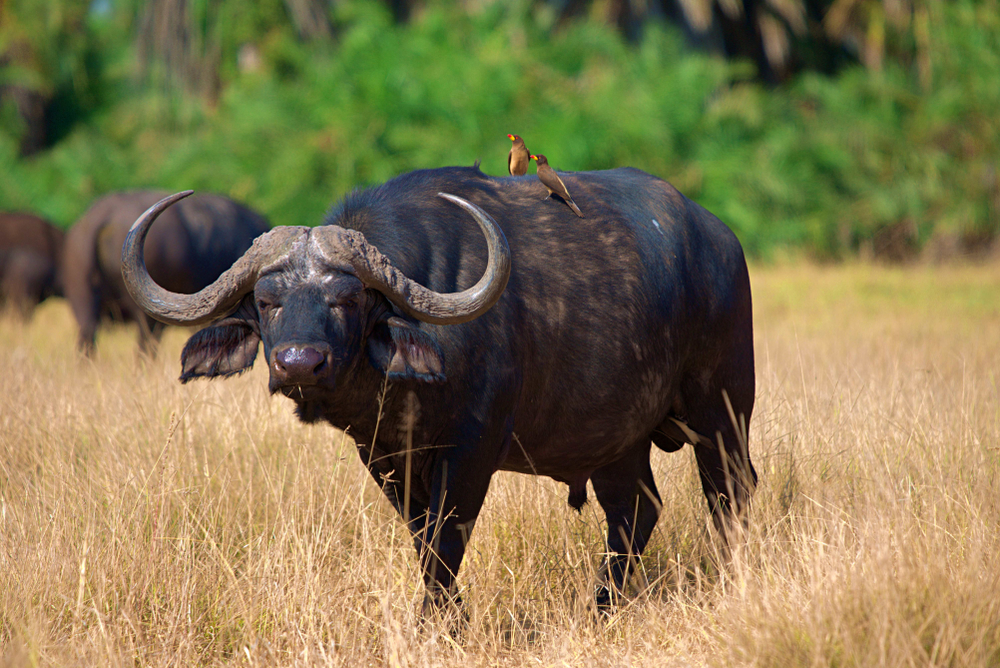
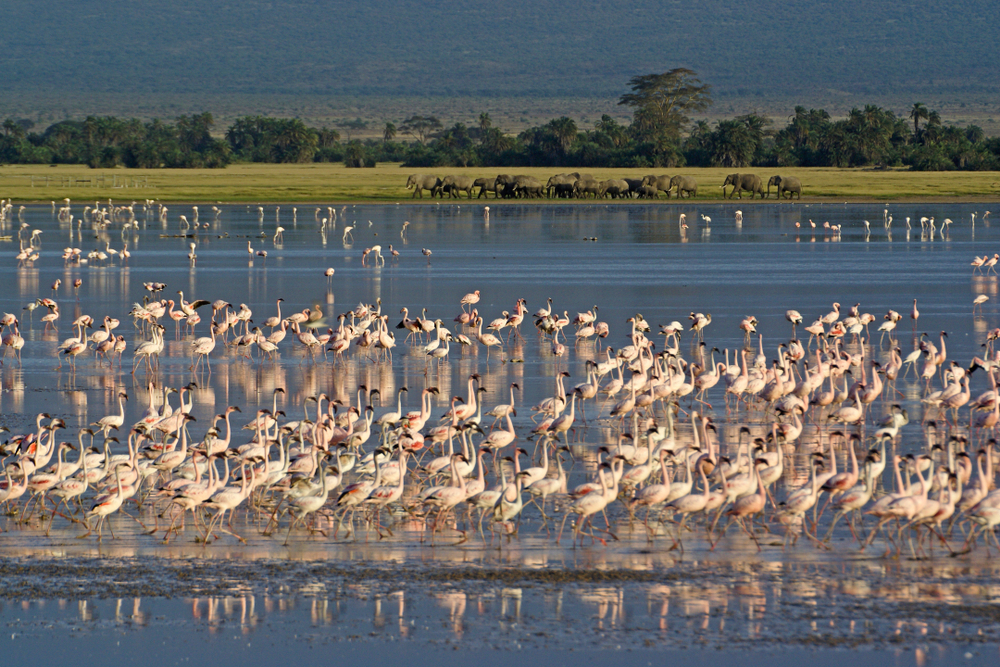
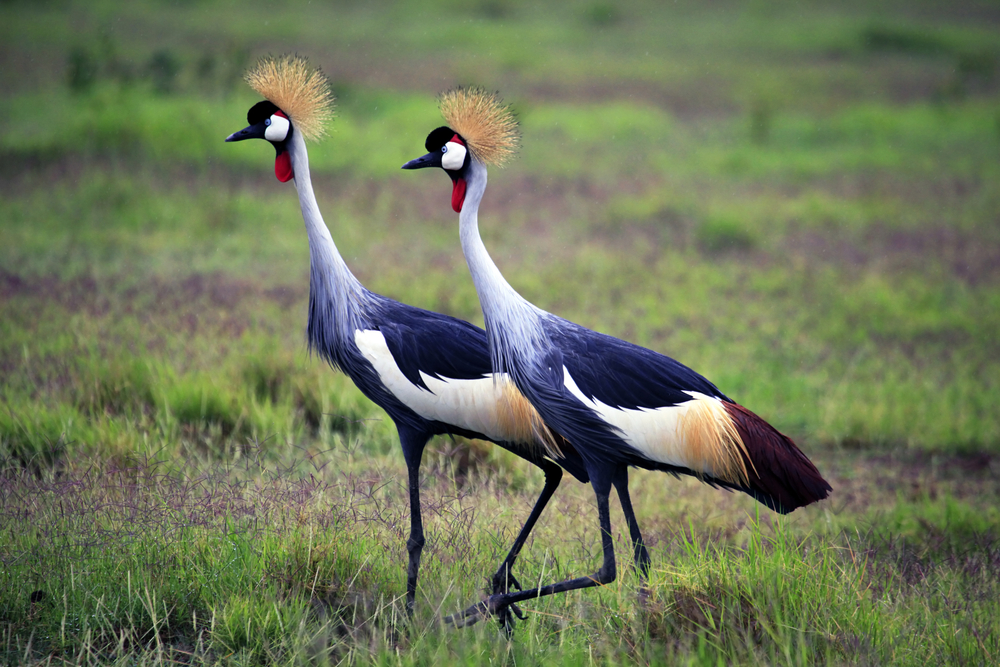
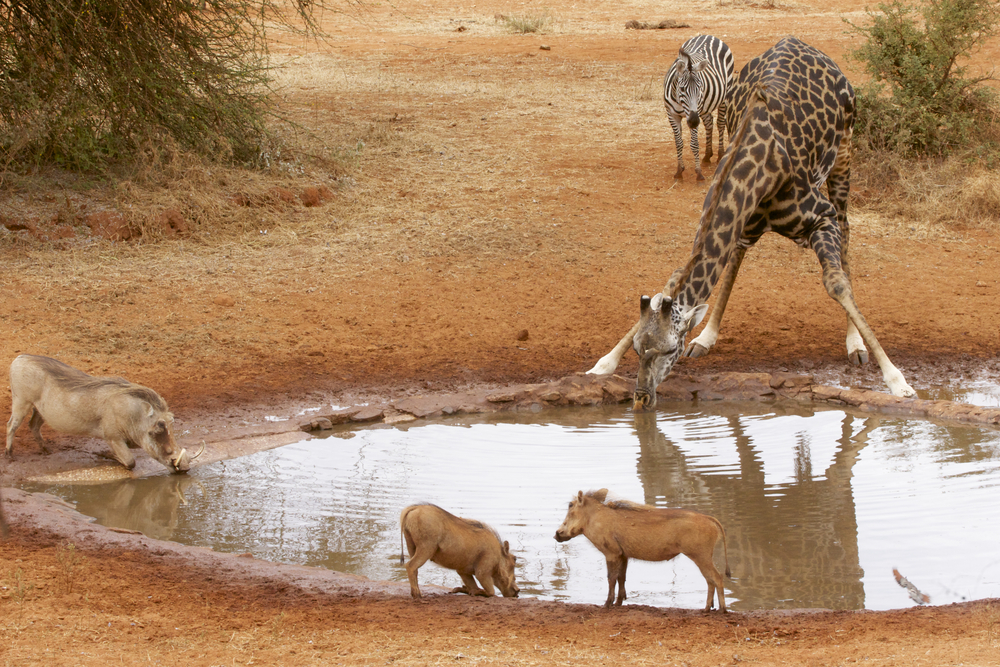
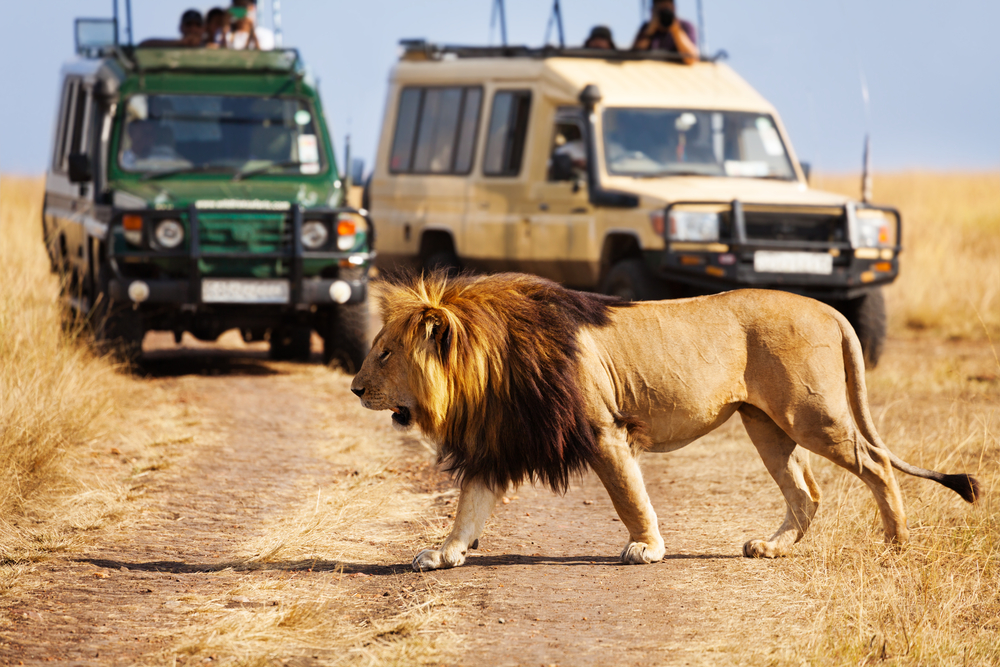
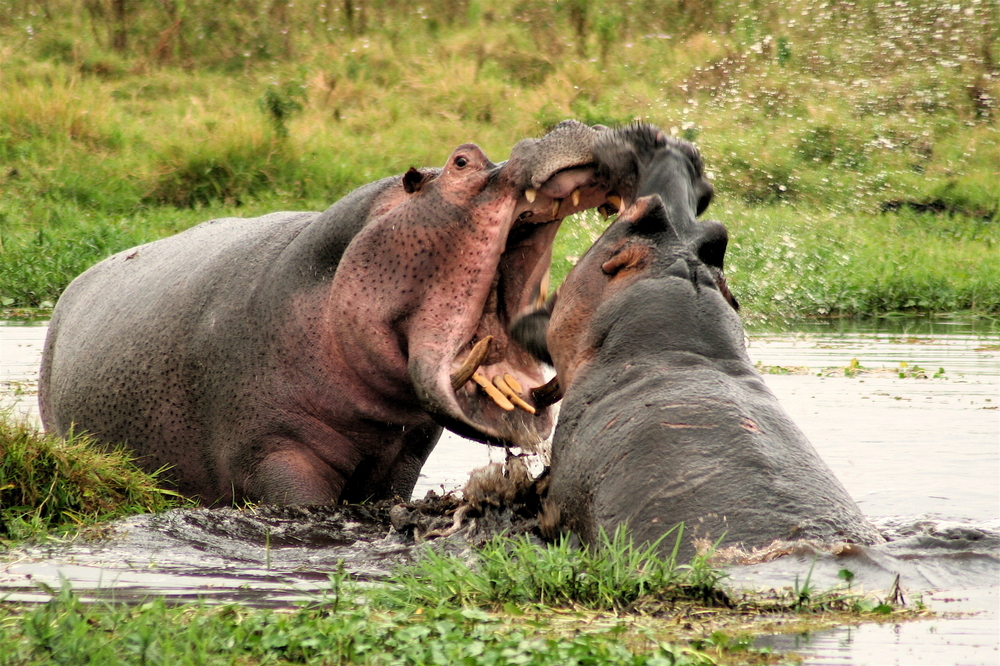
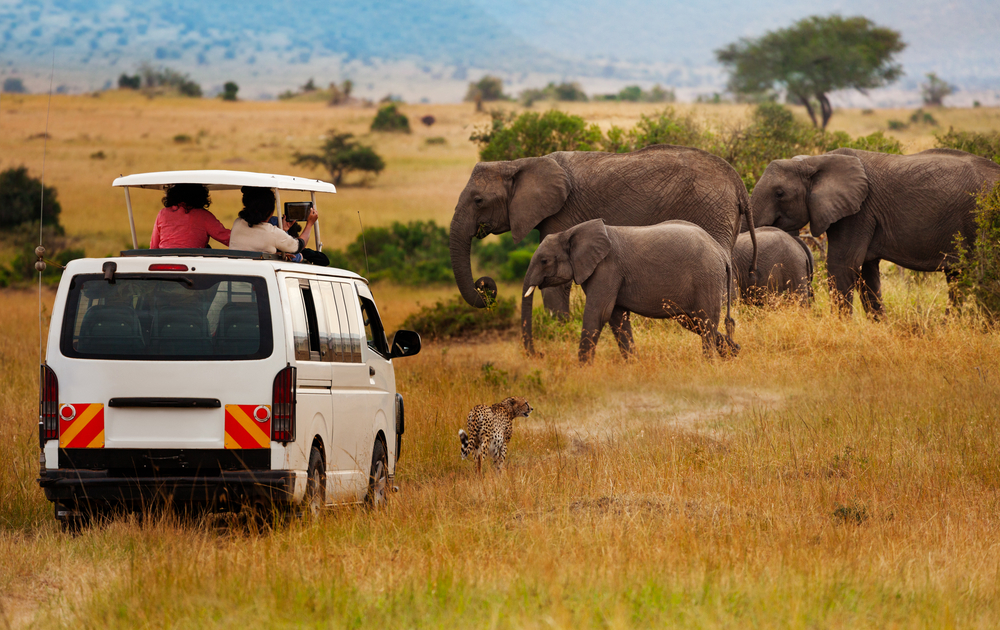
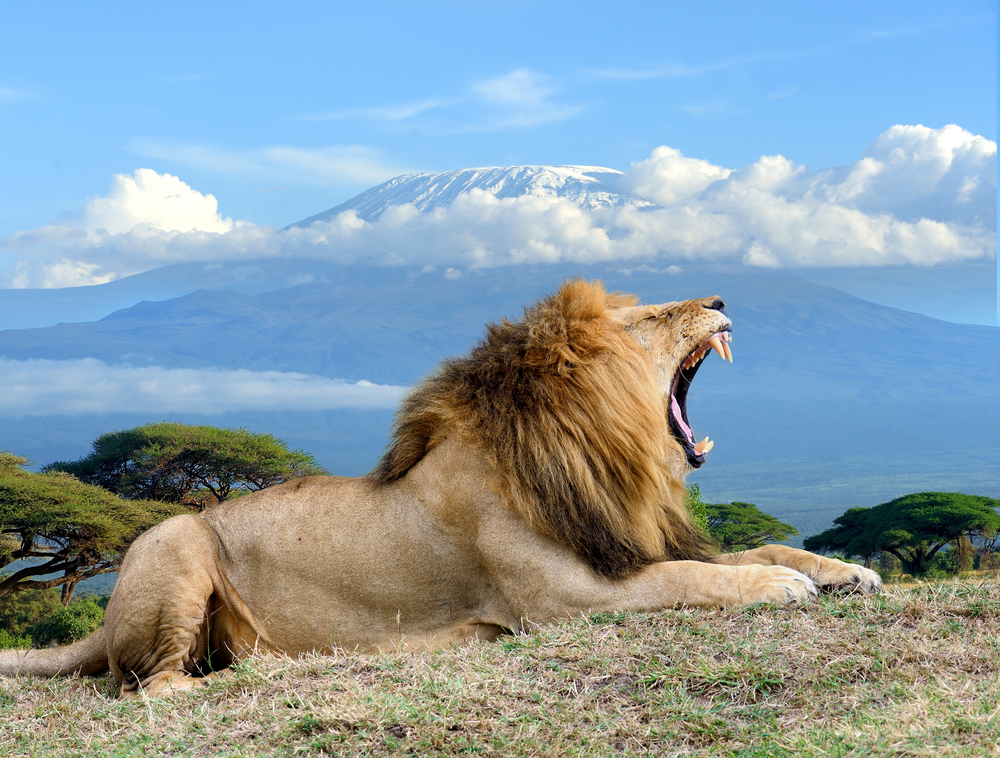
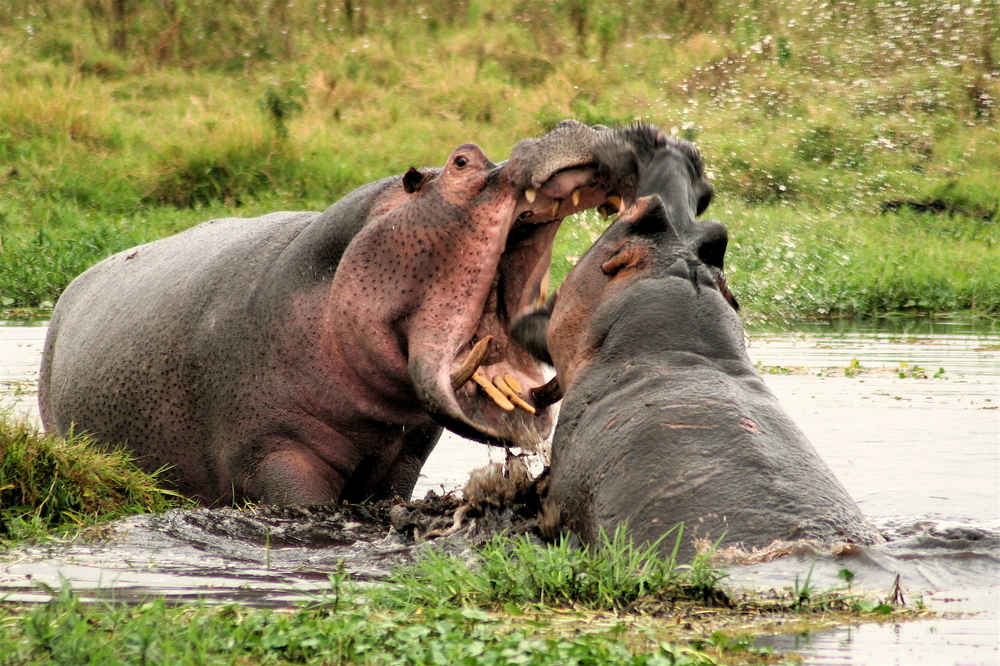
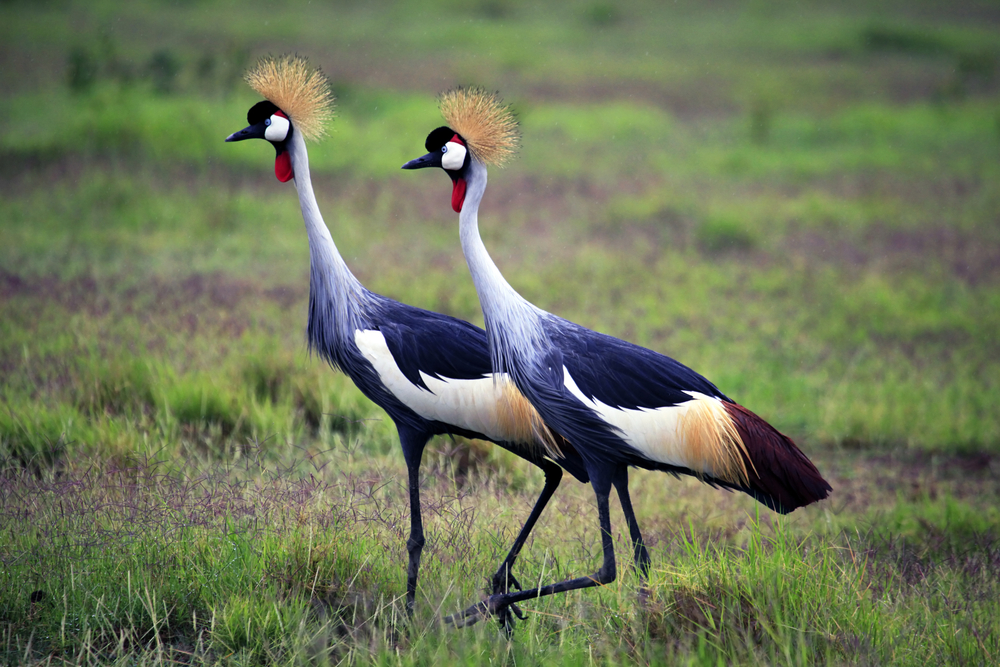
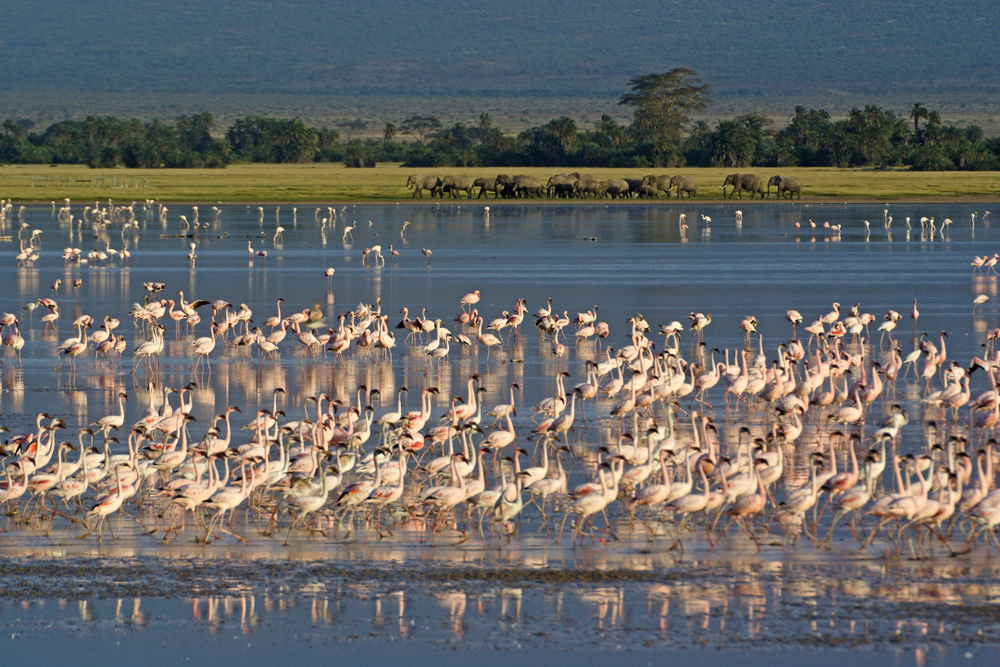
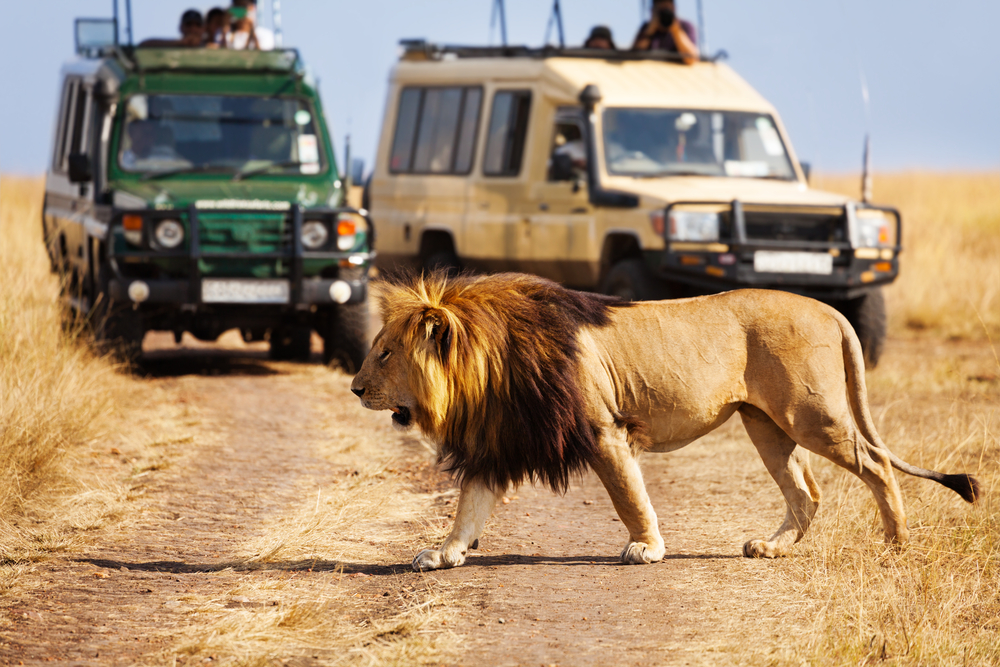
Wildlife in Amboseli National Park is both abundant and diverse. In addition to its famous elephants, the park is home to lions, cheetahs, hyenas, and a variety of herbivores including zebras, wildebeest, buffalo, and giraffes. The wetlands attract numerous bird species, making Amboseli an important site for birdwatching, with flamingos, pelicans, and many migratory birds frequently observed.
Smaller animals, such as jackals and various reptiles, also thrive in this environment. The open landscape ensures that wildlife sightings are frequent and often occur against the stunning backdrop of Mount Kilimanjaro, enhancing the overall experience.
Amboseli National Park plays a vital role in conserving a fragile ecosystem that supports both wildlife and local communities. Its wetlands are crucial for maintaining biodiversity in an otherwise dry region, while its protection helps sustain migratory routes and habitats for numerous species.
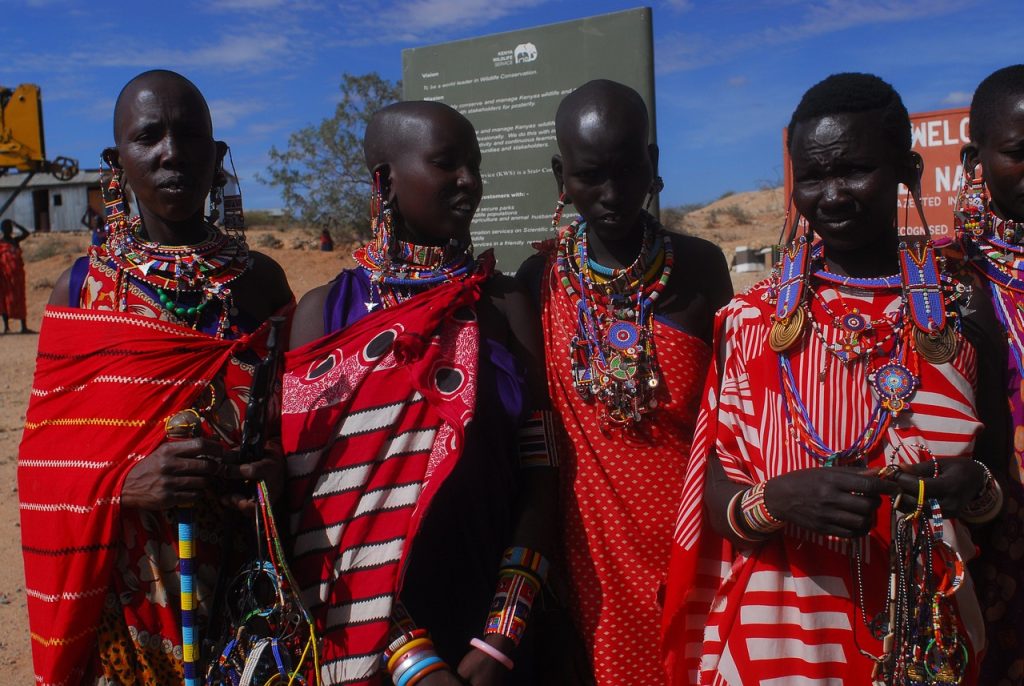
The park also represents a model of coexistence between conservation efforts and the traditions of the Maasai people, who have lived in harmony with this land for generations. On a global scale, Amboseli highlights the importance of preserving iconic landscapes that not only support wildlife but also inspire a deep connection to nature. Its blend of natural beauty, ecological significance, and cultural heritage makes it one of Africa’s most treasured conservation areas.
Photos

Things to See
Things To Do
Engaging Amboseli
Amboseli National Park Trails
Amboseli is wildlife wilderness with predator species roaming throughout the park. There are no hiking trails within the area. However, there are guided walking safaris that allow visitors an opportunity to have a more intimate encounter with the nature of the park.
Park Protection
Amboseli National Park was created to protect the open savannas, seasonal wetlands, acacia woodlands, and groundwater-fed marshes of southern Kenya at the foot of Mount Kilimanjaro. The park provides critical habitat for several threatened and endangered species, including the endangered African savanna elephant, the endangered African wild dog, and the critically endangered white-backed vulture. Amboseli is internationally renowned for its large, free-ranging elephant population, which has been the subject of one of the world’s longest-running elephant research programs.
The park also supports lions, cheetahs, leopards, buffalo, giraffes, zebras, wildebeest, and more than 420 species of birds. Its permanent wetlands, fed by underground water flowing from Mount Kilimanjaro, provide an essential year-round refuge for wildlife in an otherwise semi-arid landscape.
The park is especially significant for protecting one of Africa’s most iconic wildlife landscapes, where large elephant herds roam beneath the snow-capped backdrop of Mount Kilimanjaro. Its marshes sustain wildlife through prolonged dry seasons and support one of East Africa’s highest concentrations of large mammals.
Amboseli also forms part of a broader transboundary ecosystem connecting Kenya and Tanzania, allowing seasonal wildlife movements across the Amboseli-Kilimanjaro landscape. Together, Amboseli National Park safeguards endangered wildlife, vital wetland ecosystems, internationally important elephant populations, and one of Africa’s most recognizable conservation landscapes.
FAQ’s
What is Amboseli National Park most known for?
Amboseli National Park in Kenya is most known for its stunning views of Mount Kilimanjaro, Africa’s tallest peak, which rises majestically just across the border in Tanzania.
The park is renowned for its iconic imagery of elephants roaming the savannah against the backdrop of Kilimanjaro’s snow-capped summit. Amboseli’s vast plains are dotted with acacia trees and swamps, providing habitat for diverse wildlife, including large herds of elephants, as well as lions, cheetahs, wildebeests, zebras, giraffes, and numerous bird species.
Visitors also come to Amboseli for its opportunities to interact with Maasai communities and experience their vibrant culture through cultural tours and homestays. The park’s conservation efforts, stunning landscapes, abundant wildlife, and cultural experiences make it one of the most popular and iconic destinations for safari adventures in East Africa.
What are the other closest national parks to Amboseli?
The other closest national parks to Amboseli National Park in Kenya include:
- Tsavo West National Park: Located to the east of Amboseli, Tsavo West is known for its diverse landscapes, including volcanic cones, lava flows, and the stunning Mzima Springs.
- Tsavo East National Park: Also situated to the east of Amboseli, Tsavo East is one of the largest national parks in Kenya and is characterized by vast open plains, the Yatta Plateau, and the Galana River.
- Chyulu Hills National Park: Positioned northeast of Amboseli, Chyulu Hills is renowned for its picturesque scenery, ancient lava flows, and underground caves. It offers opportunities for hiking, horseback riding, and birdwatching.
These national parks, along with Amboseli, form part of Kenya’s extensive conservation network and collectively contribute to the preservation of the region’s diverse wildlife and ecosystems.
What is the main reason people visit Amboseli National Park?
Amboseli National Park is primarily visited for its large elephant herds, spectacular views of Mount Kilimanjaro, and outstanding wildlife photography opportunities. Located in southern Kenya near the Tanzania border, Amboseli is one of Africa’s most iconic safari destinations.
Visitors come to observe elephants at close range, photograph wildlife against the backdrop of Africa’s highest mountain, enjoy excellent birdwatching, and experience one of Kenya’s most accessible and scenic national parks.
What animals can visitors hope to see in Amboseli National Park?
Amboseli National Park supports approximately 80 mammal species and more than 40 reptile species. The park’s wetlands, grasslands, woodlands, and seasonal lakes provide habitat for a diverse array of wildlife.
Some of the most popular mammals found in Amboseli National Park include:
- African Elephant
- Lion
- Leopard
- Cheetah
- Spotted Hyena
- Black-backed Jackal
- Side-striped Jackal
- African Wildcat
- Serval
- Caracal
- African Civet
- Honey Badger
- Plains Zebra
- Blue Wildebeest
- Masai Giraffe
- African Buffalo
- Hippopotamus
- Eland
- Greater Kudu
- Impala
- Thomson’s Gazelle
- Grant’s Gazelle
- Waterbuck
- Bohor Reedbuck
- Bushbuck
- Common Duiker
- Steenbok
- Warthog
- Bush Pig
- Vervet Monkey
- Olive Baboon
- Sykes’ Monkey
- Bat-eared Fox
- Porcupine
- Cape Hare
- Scrub Hare
- White-tailed Mongoose
- Slender Mongoose
- Banded Mongoose
- Dwarf Mongoose
- Egyptian Mongoose
- Large-spotted Genet
- Small-spotted Genet
- Ground Squirrel Species
- Tree Squirrel Species
- Fruit Bat Species
- Pipistrelle Bat Species
- Free-tailed Bat Species
- Rodent Species
- Various Small Mammals
What birds can visitors hope to see in Amboseli National Park?
Amboseli National Park is one of East Africa’s premier birdwatching destinations, with more than 420 recorded bird species. The park’s marshes, seasonal lakes, grasslands, and woodlands attract both resident and migratory birds.
Some of the most popular birds seen in Amboseli National Park include:
- African Fish Eagle
- Secretarybird
- Kori Bustard
- Saddle-billed Stork
- Yellow-billed Stork
- Marabou Stork
- Woolly-necked Stork
- African Openbill
- Grey Crowned Crane
- Black Crowned Crane
- Greater Flamingo
- Lesser Flamingo
- African Spoonbill
- Sacred Ibis
- Hadada Ibis
- Glossy Ibis
- Hamerkop
- Goliath Heron
- Grey Heron
- Purple Heron
- Great Egret
- Little Egret
- Spur-winged Goose
- Egyptian Goose
- Knob-billed Duck
- White-faced Whistling Duck
- African Jacana
- Black Crake
- Martial Eagle
- Bateleur
- Tawny Eagle
- Verreaux’s Eagle
- Wahlberg’s Eagle
- African Hawk-Eagle
- White-backed Vulture
- Rüppell’s Vulture
- Lappet-faced Vulture
- Hooded Vulture
- Pied Kingfisher
- Giant Kingfisher
- Malachite Kingfisher
- Woodland Kingfisher
- Lilac-breasted Roller
- European Roller
- Southern Ground Hornbill
- Von der Decken’s Hornbill
- Red-billed Hornbill
- Yellow-billed Hornbill
- Superb Starling
- Fischer’s Lovebird
Is Amboseli National Park worth visiting?
Yes, Amboseli National Park is absolutely worth visiting and is considered one of Kenya’s premier safari destinations.
The park is world-famous for its large elephant herds and iconic views of Mount Kilimanjaro rising behind the savanna. Few places in Africa offer such consistently spectacular wildlife photography opportunities. Visitors often rank Amboseli alongside Masai Mara National Reserve and Tsavo National Park as one of Kenya’s top safari experiences.
Because the park is relatively compact, wildlife viewing is often excellent even during shorter visits.
What is the best time to visit Amboseli National Park?
The best time to visit Amboseli National Park is during the dry seasons:
- June to October
- January to February
During these months:
- Wildlife concentrates around permanent water sources.
- Roads are generally in excellent condition.
- Visibility is better due to shorter vegetation.
- Views of Mount Kilimanjaro are often clearest.
The rainy seasons bring lush landscapes, migratory birds, and fewer visitors.
How many days do you need to visit Amboseli National Park?
Most visitors should plan for 2 to 3 days.
- 1 day: Highlights and major wildlife viewing.
- 2 days: Comprehensive safari experience.
- 3 days: Additional game drives, photography, and birdwatching.
- 4+ days: Ideal for wildlife photographers and elephant enthusiasts.
Amboseli is frequently combined with other Kenyan safari destinations.
How do you get to Amboseli National Park?
Most visitors access Amboseli National Park from Nairobi.
Typical access options include:
- Fly into Nairobi.
- Drive approximately 4 to 5 hours to the park.
- Take a domestic charter or scheduled safari flight to an airstrip within Amboseli.
The park is one of the most accessible safari destinations in Kenya.
Is Amboseli National Park safe for tourists?
Yes, Amboseli National Park is generally considered very safe for tourists.
Visitors should:
- Follow guide instructions.
- Maintain safe distances from wildlife.
- Remain in vehicles unless instructed otherwise.
- Use licensed safari operators.
- Follow park regulations.
As with all safari destinations, wildlife encounters represent the primary safety concern.
Who is involved in protecting and supporting Amboseli National Park?
Several organizations help protect Amboseli National Park:
- Kenya Wildlife Service (KWS) – manages the park and oversees wildlife conservation.
- Amboseli Trust for Elephants – conducts world-renowned elephant research and conservation programs.
- Big Life Foundation – supports anti-poaching efforts and wildlife conservation throughout the Amboseli ecosystem.
- African Conservation Centre – works with local communities and supports conservation initiatives.
- Local Maasai communities that play a vital role in protecting wildlife habitat surrounding the park.
Can you see the Big Five in Amboseli National Park?
Amboseli National Park is home to four of Africa’s Big Five animals:
- Lion
- Leopard
- African Elephant
- African Buffalo
Rhinoceroses are generally absent from the park, so Amboseli is not considered a complete Big Five destination. However, it is one of Africa’s best places to observe elephants.
Sources
Here are sources you can explore for more information:
- AllTrails. Amboseli National Park. https://www.alltrails.com/kenya/kajiado/amboseli-national-park, retrieved July 2026.
- Amboseli National Park. Official Website. https://www.amboseli.com/, retrieved July 2026.
- Encyclopaedia Britannica. Amboseli National Park. https://www.britannica.com/place/Amboseli-National-Park, retrieved July 2026.
- Kenya Travel Tips, https://www.kenyatraveltips.com, retrieved July 2021.
- Kenya Wildlife Service (KWS). Amboseli National Park. https://www.kws.go.ke/parks/amboseli-national-park, retrieved July 2026.
- Magical Kenya, Amboseli National Park, https://magicalkenya.com/places-to-visit/wilderness-areas/amboseli-national-park/, retrieved June 2020.
- Pilot Guides. Amboseli National Park. https://www.pilotguides.com/, retrieved July 2026.
- Protected Planet (UNEP-WCMC & IUCN). Amboseli National Park. https://www.protectedplanet.net/, retrieved July 2026.
- SafariBookings. Amboseli National Park. https://www.safaribookings.com/amboseli, retrieved July 2026.
- The Sane Travel, 7 Reasons to Visit Amboseli National Park, https://thesanetravel.com/travels/kenya/reasons-to-visit-amboseli-national-park, retrieved June 2020.
- Wikipedia. Amboseli National Park. https://en.wikipedia.org/wiki/Amboseli_National_Park, retrieved July 2026.
- William, J.G., National Parks of East Africa, HarperCollins Publisher, 1995.