About

Dolomiti Bellunesi National Park, locally known as Parco nazionale delle Dolomiti Bellunesi, is located in northern Italy. The park covers an area of 12 square miles (32 sq km). The national park is home to the Dolomites which actually extend well beyond the boundaries of the national park.

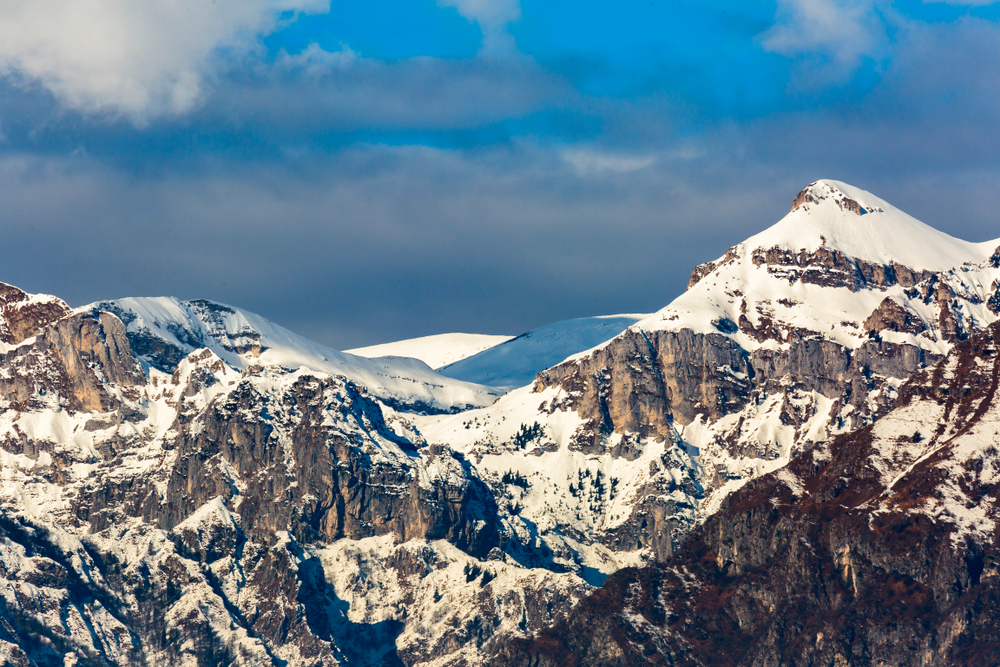
The Dolomites are some of the most renowned mountains in the world are arguably one of the most beautiful ranges. Alpi Feltrine, Monti del Sole, Pramper, Schiara, Spiz di Mezzodi, and Talvena are all ranges found within the park boundaries. The highest point in all of the Dolomites is the Marmolada peak reaching a summit of 10,968 feet (3,343 m).

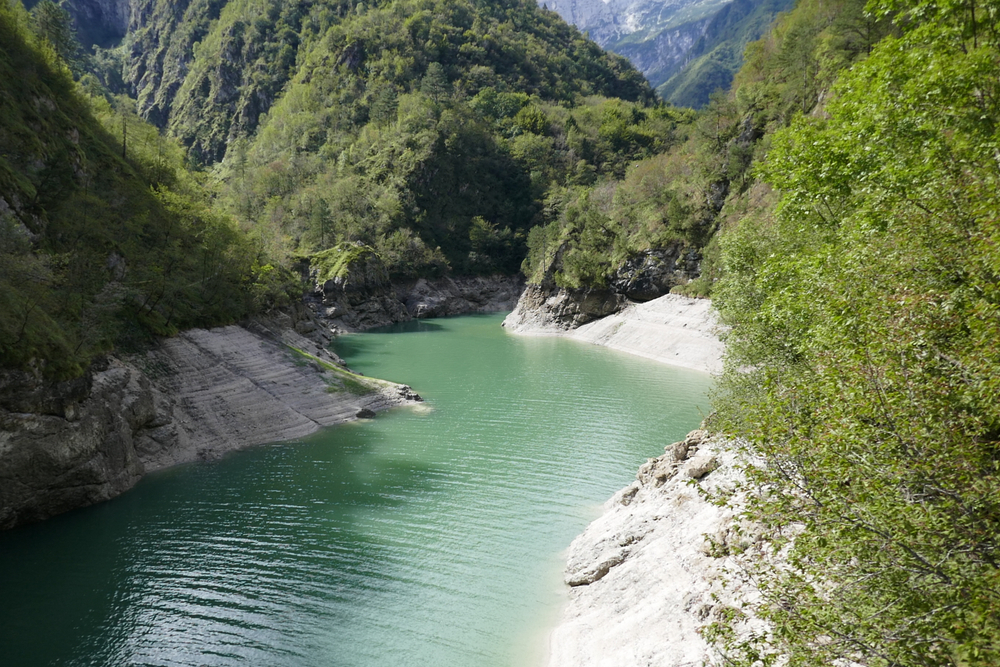
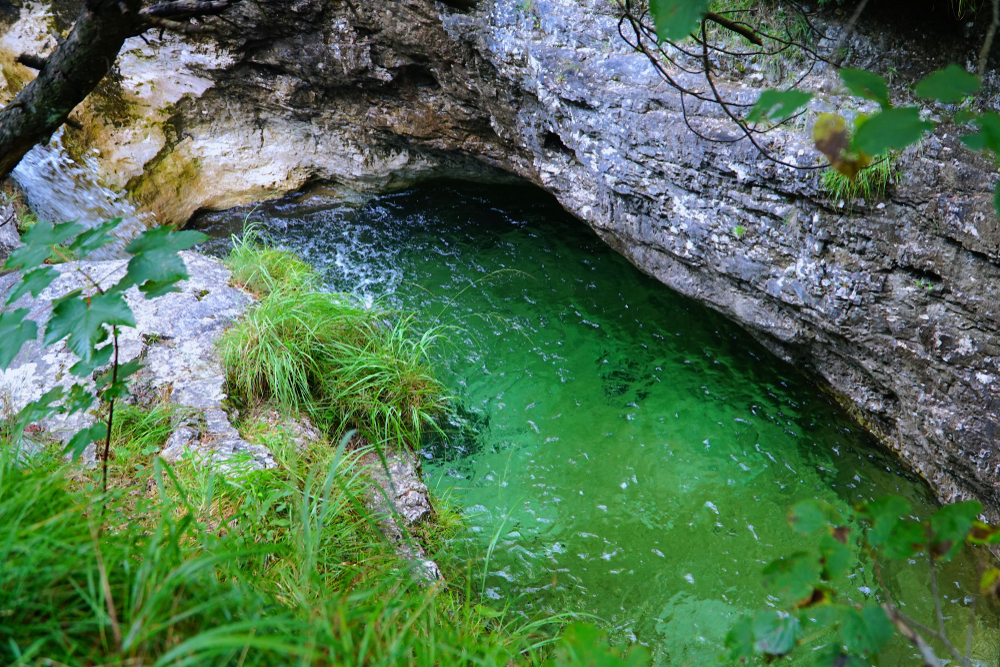
In addition to the majestic mountains, the national park landscape includes springs, swamps, rivers, and canyons. Mouflon, roe deer, chamois, and red deer are some of the larger mammalian species with marmot, stoat, and marten accounting for the more commonly experienced small mammals.

The Golden Eagle is the primary predator in the area and this magnificent bird has been known to catch and carry off deer from the sides of mountains. There are another 15 or so species of birds found in the national park.

Things to See

Dolomiti Bellunesi National Park is an awe-inspiring place many varying landscapes that leave visitors mesmerized. The Dolomite mountains are a pinnacle sight for those that appreciate the significance of beautiful mountains.

It is imperative that you get out of the car and engage the Dolomites personally whether biking, hiking, trekking, or exploring. This is an excellent place to commune with nature, turn off the world, and appreciate the majestic beauty of creation.

Dolomites

The Dolomites is one of the most renowned collections of mountain ranges throughout all of Europe.  The range extends from the Southern Limestone Alps in the west to the Piave Valley in the east.  The northern border is set from the Puster Valley with the southern border set by the Sugana Valley. The tallest of the Dolomite mountains is Marmolada.

There are 26 different mountain ranges that combine together to create the stunning Dolomites of Italy.  The Dolomites extend beyond the boundaries of Dolomiti Bellunesi.

Dolomiti Bellunesi National Park Trails

The majority of trails in the Dolomiti Bellunesi National Park are rated moderate to challenging or difficult.  However, there are an abundant collection of trails for exploring the national park.  There are more trails to experience the Dolomites outside of the national park.

placeholder

Paternkofel Trail

This is a 9.2-mile (14.8 km) trail that travels out along the Three Peaks providing panoramic views of the surrounding Dolomites.  It takes about 5.5 to 6 hours to complete this adventure.

placeholder

Monte Specie/Strudelkopf Trail

This is a shorter 5.8-mile (9.3 km) loop trail that meanders through an amazing forest while also providing views of the surrounding Dolomites. 

It is a moderate rated trail which an elevation change of 1,250 feet (381 m).  This is an excellent adventure into the stunning landscape of the forested Dolomites.

placeholder

Forcella Popena Trail

This is a 5.5-mile (8.85 km) loop trail that has a moderate rating.  It provides views of the surrounding Dolomites while also featuring a mountain lake and the landscape around it.

placeholder

Tre Cime di Laveredo Capanna Trail

This is a challenging 10-mile (16.09 km) loop trail with an elevation change of 3,382 feet (1,030 m).  It features views of some of the most rugged, jagged, and astounding peaks within the Dolomites. 

This trail gives you the epitome of the Dolomite’s experience while also providing a solid workout.  The trail is often employed by backpackers with plans for overnight stays.

placeholder

Alta Via 1

Rating: Challenging

Distance and Elevation Gain: Varies, as the entire route is over 75 miles (120 km) long with significant elevation changes

Description: Part of a longer trek across the Dolomites, sections within the park offer dramatic mountain scenery, alpine meadows, and panoramic views.

It’s a multi-day hike, with rifugios along the way for overnight stays.

placeholder

Val Canzoi to Monte Pavione

Rating: Moderate to Challenging

Distance and Elevation Gain: 6 miles (9.7 km) round trip, with an elevation gain of about 2,600 feet (792 meters)

Description: This trail takes hikers up to the summit of Monte Pavione, offering spectacular views of the Belluno Dolomites.

The path winds through forests and meadows, with a challenging final ascent.

placeholder

The Cadini del Brenton

Rating: Easy to Moderate

Distance and Elevation Gain: 3 miles (5 km) round trip, with minimal elevation gain

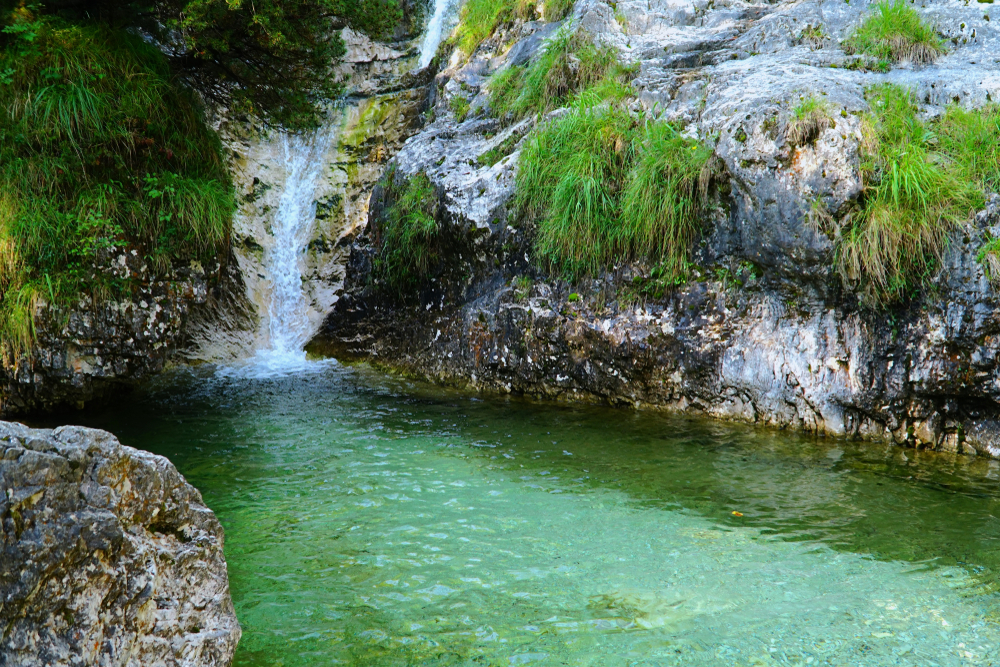
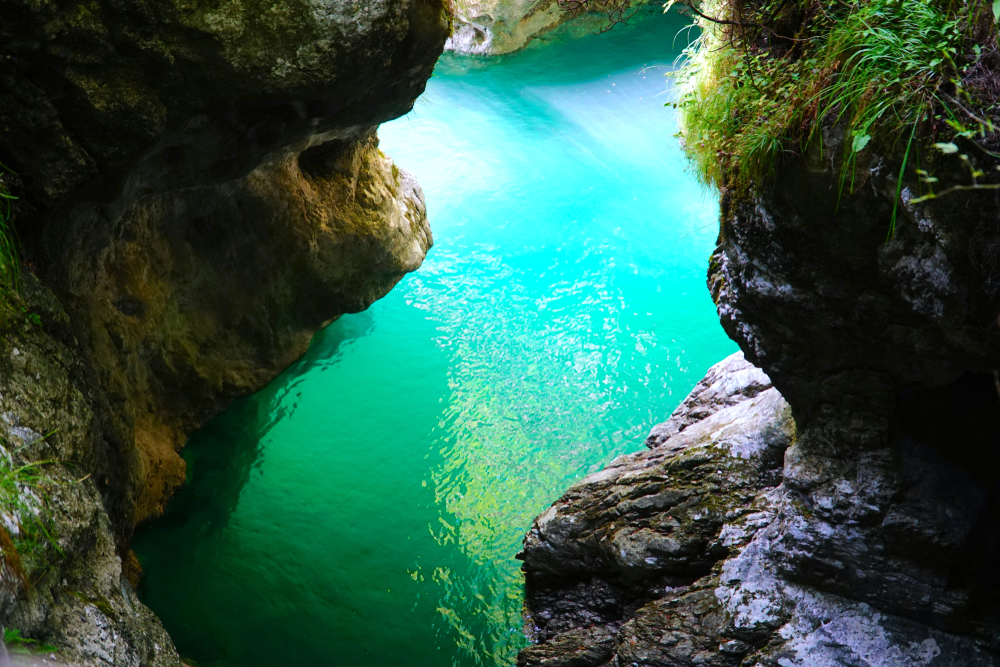
Description: Ideal for families and casual hikers, this scenic trail leads to the stunning Cadini del Brenton series of natural pools and waterfalls, carved into the limestone by the Brenton River.

The crystal-clear waters and surrounding forest create a peaceful natural retreat.

placeholder

Gusela del Vescovà Loop

Rating: Moderate

Distance and Elevation Gain: 5 miles (8 km) loop, with an elevation gain of about 1,300 feet (396 meters)

Description: This loop trail offers varied landscapes, including forests, alpine pastures, and panoramic views of the Dolomites.

It’s well-marked and accessible, making it a popular choice for a day hike.

placeholder

Sentiero delle Cascate

Rating: Easy

Distance and Elevation Gain: 2 miles (3.2 km) round trip, with an elevation gain of about 200 feet (61 meters)

Description: This gentle trail takes hikers through a forest to a series of beautiful waterfalls.

It’s especially popular in spring and early summer when the water flow is at its peak. The trail is well-suited for families and offers picnic areas along the way.

Park Protection

Dolomiti Bellunesi National Park protects a region of the larger Dolomite mountain range.  The Dolomites are one of the most revered mountain ranges in the world.  The Italian government knew that it was imperative that portions of these majestic mountains be protected from human encroachment for future generations.

The national park also protects the habitat of roe deer, chamois, red deer and many other wildlife species.  We must do what we can to help these species thrive in their natural habitat.

Sources