About

Caesarea National Park is just north of the central midway part of Israel along the Mediterranean coastline.  The national park encompasses an area around the city making one of the smaller national parks.

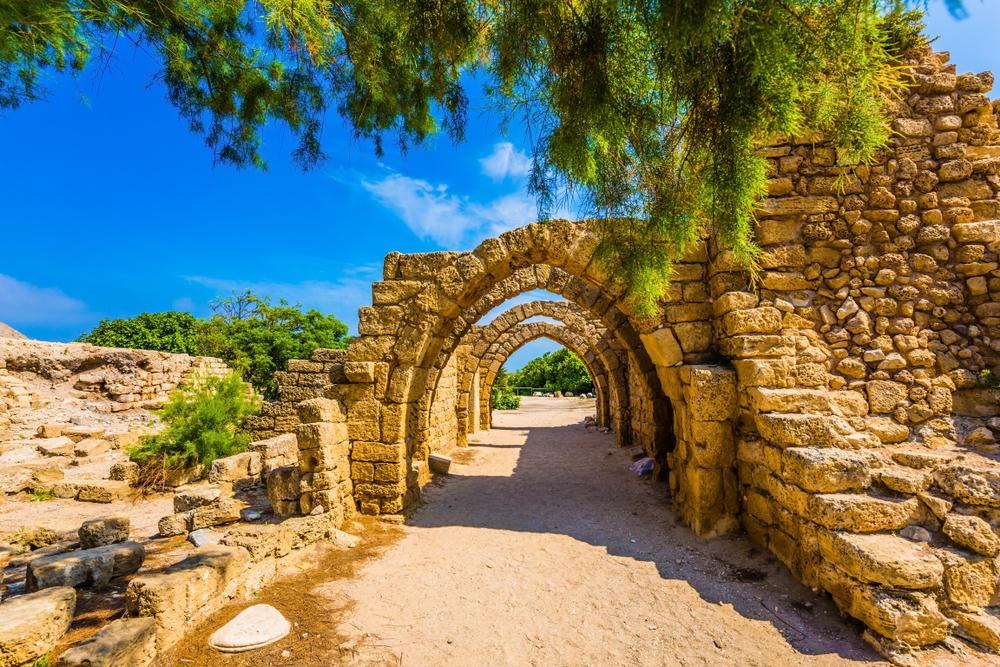
The ancient city of Caesarea Maritima was constructed during the reign of Herod the Great around 10-9 BCE.  The city was fortified by the Romans, early Christians, Muslims, and then again by Christian Crusaders.

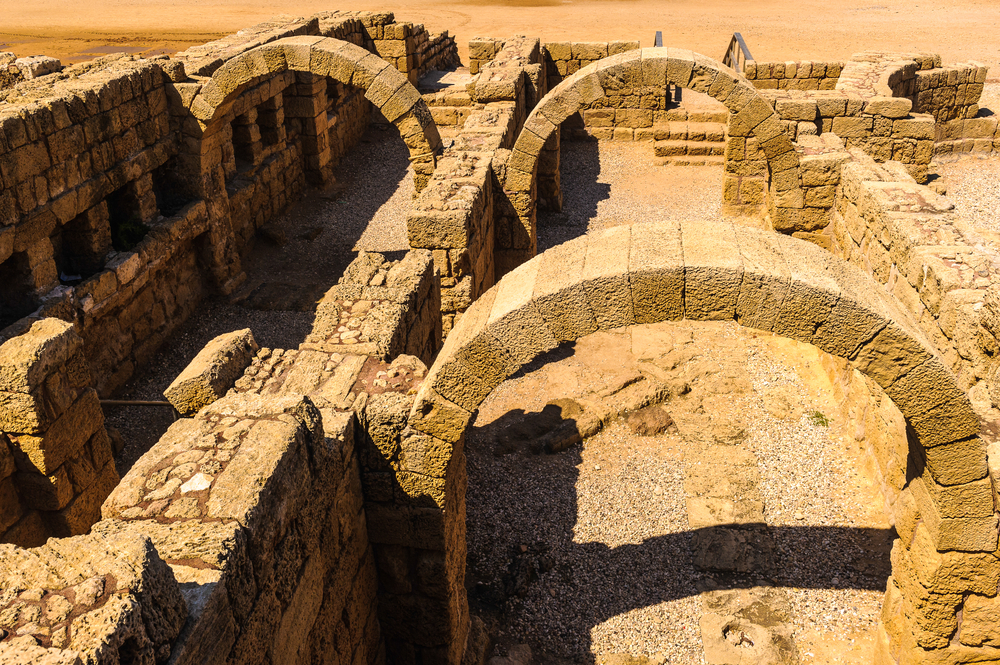
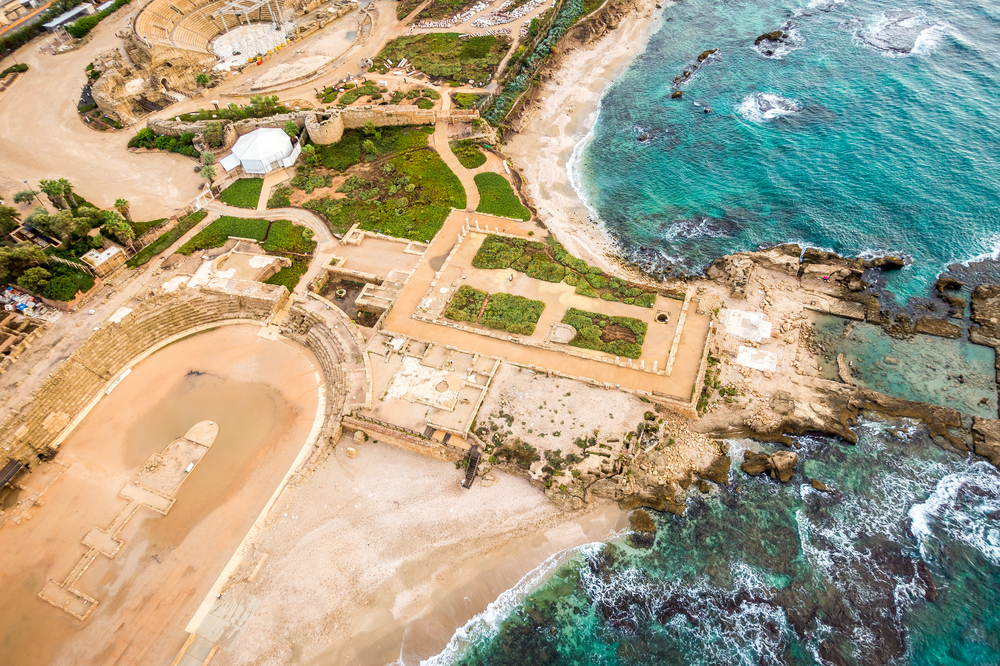
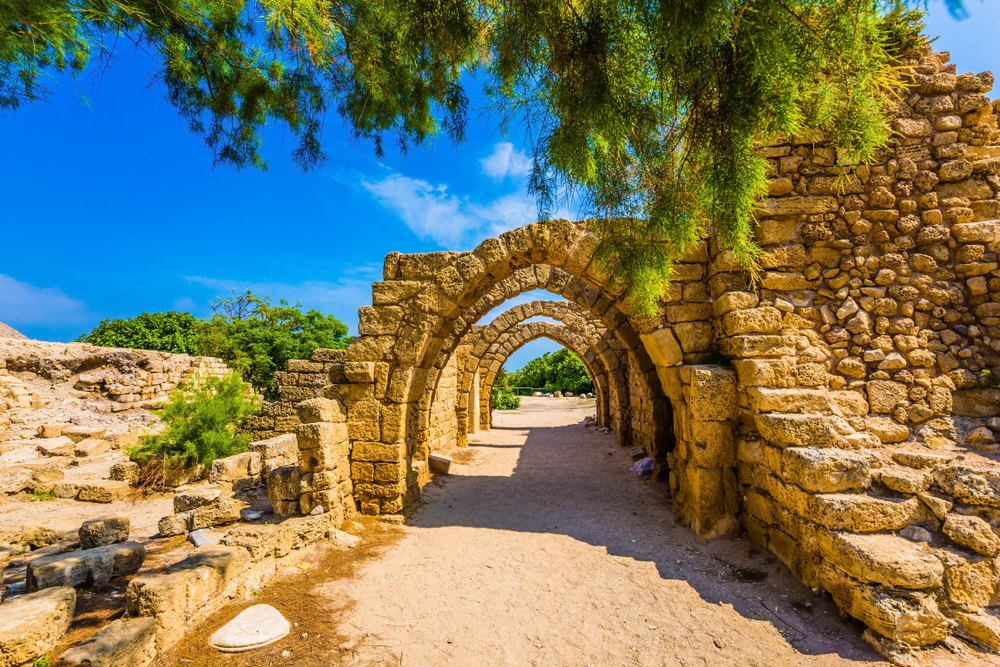
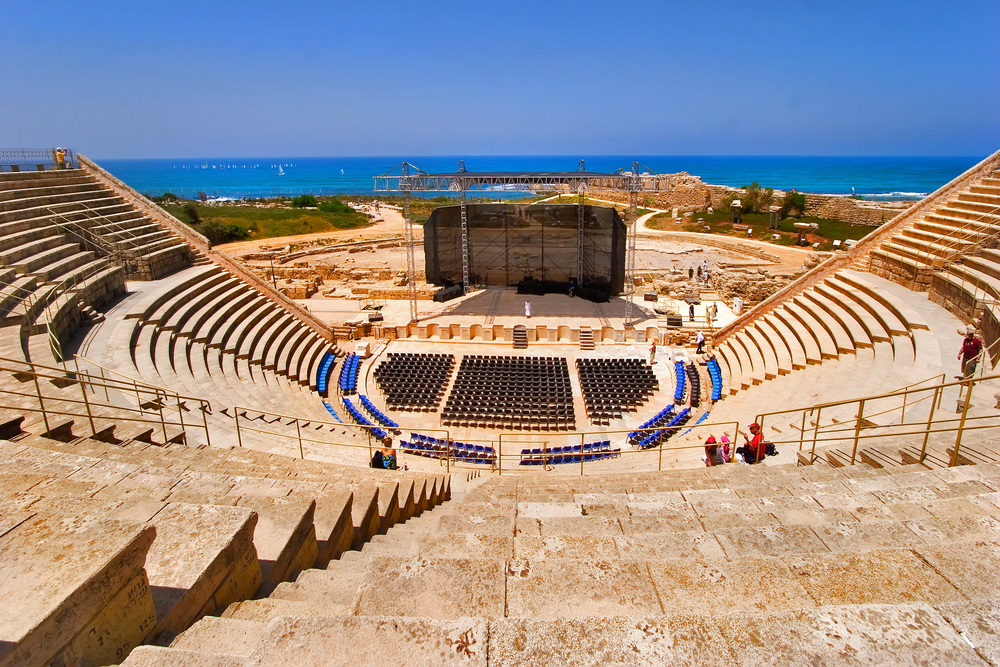
The ruins include an amphitheater, a Roman aqueduct, the Herodian hippodrome, and much more.  One of the archaeological finds was a limestone block that featured an inscription noting Pilate.  Pilate is renowned for his part in the crucifixion of Jesus Christ.  This is the only archaeological find featuring his name.

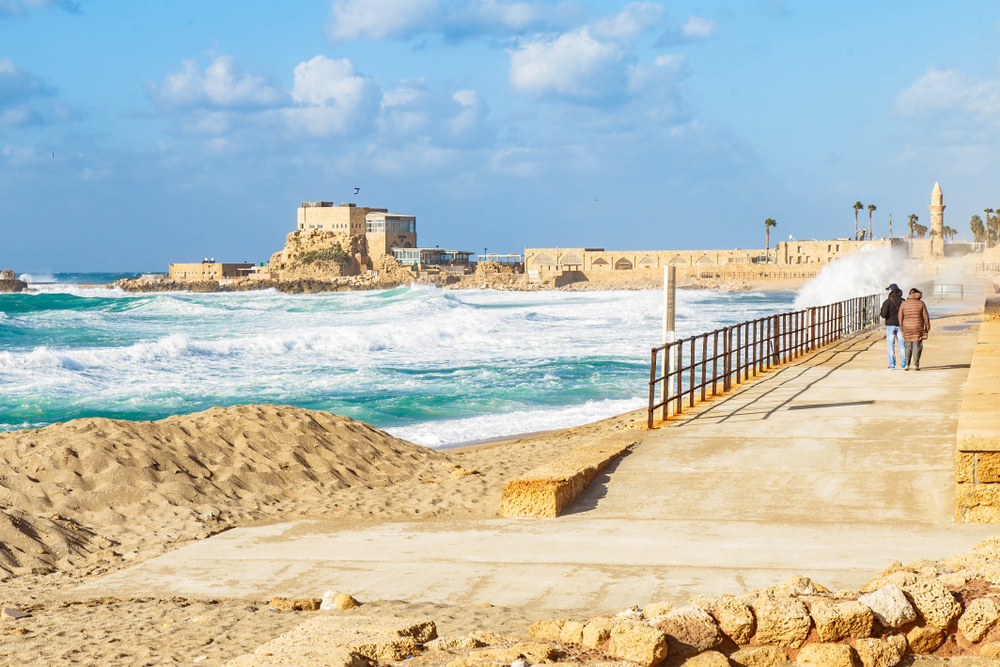
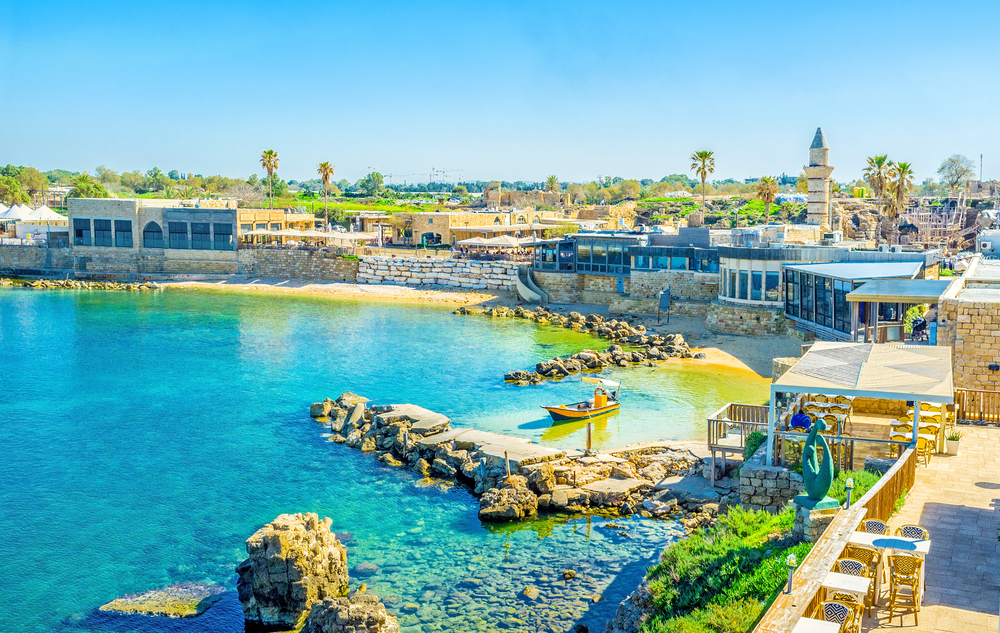
The ancient city ruins are surrounded by beautiful beaches that complement the stunning nature of the archaeological site.  There is also an underwater museum where visitors are able to dive and experience the ruins of the city which are underwater.

A museum is located within the park boundaries.  The museum is an excellent opportunity for history enthusiasts to explore and learn all of the significant history and changes that have occurred within the city over the years. Caesarea is the only place in the world where visitors can discover and explore the architectural handiwork of the Romans and how they engineered the port.

History of Caesarea spans from the days of King Herod the Great up through the Crusader period.

Things to See

The ruins of Caesarea are the highlight of the national park.  This historical and cultural iconic ancient city is an excellent glimpse into the architecture and mindset of Herod the Great.  This historical site is one of the more popular tourist attractions for Israel 

Things To Do

Engaging Caesarea National Park
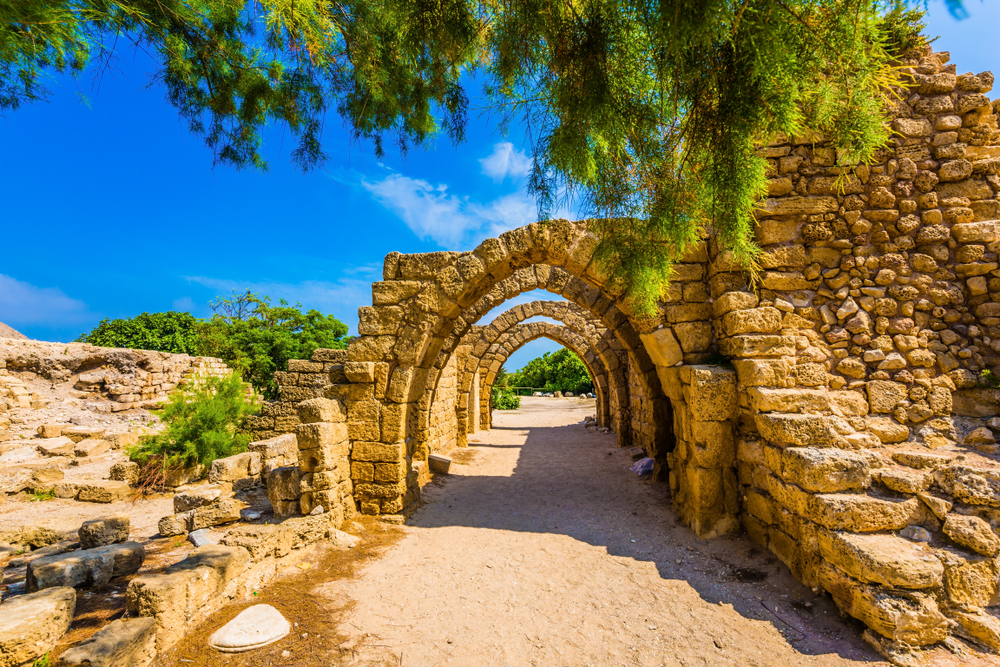
Exploring Archaeological Ruins

Discover the ancient ruins of Caesarea National Park, including the well-preserved amphitheater, hippodrome, and Roman aqueduct. Wander through the remnants of ancient streets, marveling at the architectural achievements of past civilizations and gaining insights into the city’s rich history and cultural heritage.

Amphitheater Performances

Experience the arts and culture of ancient Caesarea by attending performances at the park’s well-preserved amphitheater. From theatrical productions to musical concerts, the amphitheater offers a unique opportunity to immerse yourself in the vibrant cultural scene of antiquity amidst stunning historical surroundings.

Promenade Walks

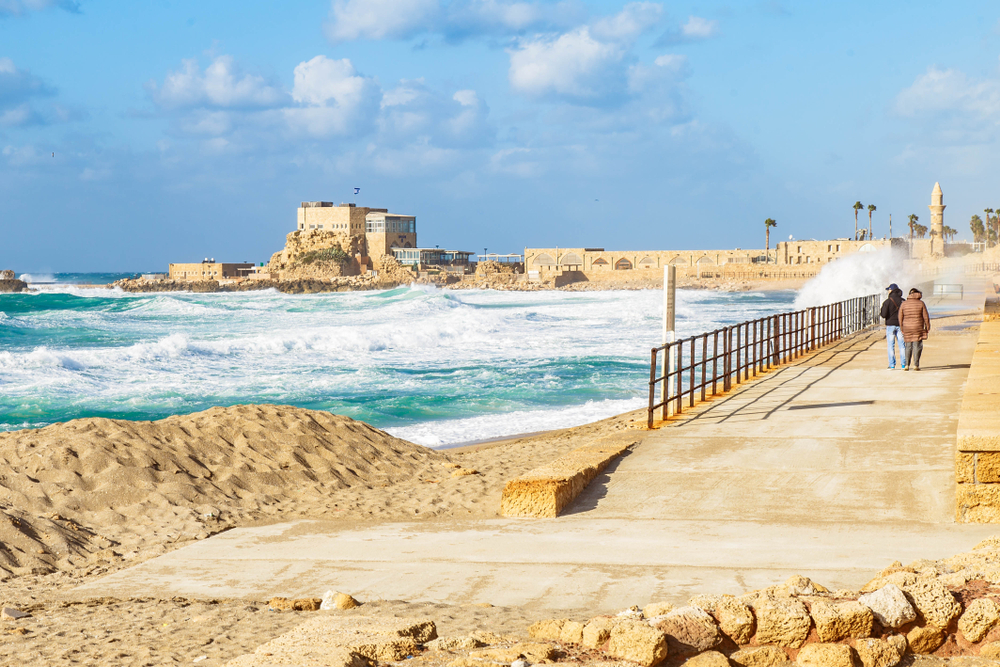
Enjoy scenic views of the Mediterranean Sea as you stroll along the park’s picturesque promenade. Take in the fresh sea breeze, soak up the sunshine, and admire panoramic vistas of the coastline and ancient ruins, creating a tranquil and rejuvenating experience.

Caesarea National Park Trails

There are really not any trails associated with the national park.  There are plenty of places to walk around and roam about the ruins of the city.  However, there are some trails you may explore.

placeholder

City Exploration

Meander around the city and check out the amphitheater and other ruins only take about half a day.  It is an easy stroll through a significant site of cultural history.

placeholder

Port to Hippodrome Trail

This is a short easy rated trail only traveling 0.87-miles (1.40 km) while traveling along the shoreline out to the Hippodrome. This trail provides views of the waterways as well as the aspects of the city.  It is a comfortable stroll and accessible to everyone.

placeholder

Observation Trail

This is a short easy hike of 0.55-mile (0.88 km) with a small bit of elevation change.  The short hike leads to a vista that allows hikers to look back out over the city and shoreline.

placeholder

Beach Trail

This trail follows the shoreline and provides views of most of the cityscape facets.  It covers a distance of 1.36 miles (2.19 km) while allowing hikers to see most of the significant and lesser historical structures.

placeholder

The Walls Trail:

This is a short 0.31-mile (0.49 km) trek that leads to various views of the historical structures as you explore the outline of the city.  This is easy and accessible to almost everyone.

placeholder

The Roman Aqueduct Trail

Rating: Easy

Distance and Elevation Gain: 1 mile (1.6 km) round trip, minimal elevation gain.

Description: This trail leads to the impressive Roman Aqueduct that once supplied water to the ancient city of Caesarea.

Walking along this path, visitors can marvel at the ancient engineering and enjoy picturesque views of the Mediterranean Sea. The trail is suitable for all ages and offers a tangible connection to the past.

placeholder

The Herodian Port Promenade

Rating: Easy

Distance and Elevation Gain: 0.5 miles (0.8 km) loop, minimal elevation gain.

Description: Wander through the ancient Herodian port, once a bustling hub of commerce and culture.

This promenade takes you past key archaeological discoveries, including Herod’s Palace, the Roman amphitheater, and the Crusader fortifications, with interpretive signs providing historical context.

placeholder

The Hippodrome Circuit

Rating: Easy

Distance and Elevation Gain: 0.3 miles (0.5 km) round trip, minimal elevation gain.

Description: This short circuit offers an up-close look at the ancient Hippodrome, where chariot races and athletic competitions were held.

Visitors can almost hear the roar of the crowd as they walk alongside the original seating rows and racing track.

placeholder

The Byzantine Street Walk

Rating: Easy

Distance and Elevation Gain: 0.4 miles (0.6 km) one way, minimal elevation gain.

Description: Explore the remains of a bustling Byzantine street, lined with reconstructed shops and public buildings.

This path provides insights into daily life in ancient Caesarea, with archaeological remains that tell tales of commerce, religion, and public affairs.

placeholder

The Crusader Walls Path

Rating: Easy

Distance and Elevation Gain: 0.6 miles (1 km) loop, minimal elevation gain.

Description: Encircling part of the ancient city, this path takes visitors along the impressive Crusader walls and moat.

The trail offers panoramic views of the archaeological park and the Mediterranean, highlighting the strategic importance of Caesarea throughout history.

Park Protection

Caesarea National Park was established for cultural and historical purposes.  The park protects the historical Roman architecture and influence on the region. The park also protects the astounding coastline and underwater ruins which may be explored.

FAQ’s

What is Caesarea National Park known for?

Caesarea National Park is renowned for its rich historical and archaeological significance. It was once a prominent ancient city and harbor built by King Herod the Great in the first century BCE.

The park is known for its well-preserved ruins, including an ancient amphitheater, hippodrome, aqueduct, and Herodian harbor.

Visitors to Caesarea can explore these archaeological treasures, gaining insights into the city’s vibrant past as a bustling center of trade, culture, and political power in the ancient world.

Additionally, the park offers stunning coastal scenery, with panoramic views of the Mediterranean Sea, making it a popular destination for history enthusiasts and nature lovers alike.

Sources