

About
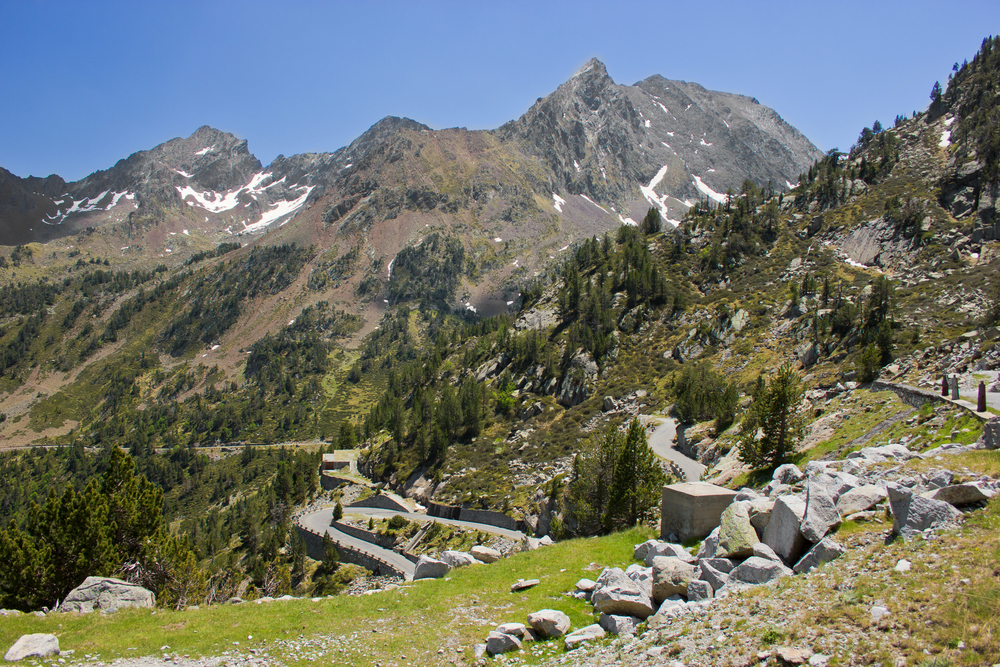
Pyrenees National Park is located in the departments (state or province like) of Hautes-Pyrenees and Pyrenees-Atlantiques. The national park is part of the larger Pyrenees mountain range which extends along the border and into the country of Spain.
Ordesa and Monte Perdido National Park is the complementary protected area of the Pyrenees in Spain. The plant life is similar in both parks and is made with scots pine, downy oak, silver birch, silver fir, willows, and common ash. Mountain pine takes over as the majority of the forest when elevations exceed 6,561 feet (2,000 m).
The flowering plants that occur in the meadows at elevations between 5,577 and 9,942 feet (1,700 and 3,000 m) include bellflower, Pyrenean violet, long-leafed butterwort, and of course the edelweiss which is used as one of the symbols for the park.
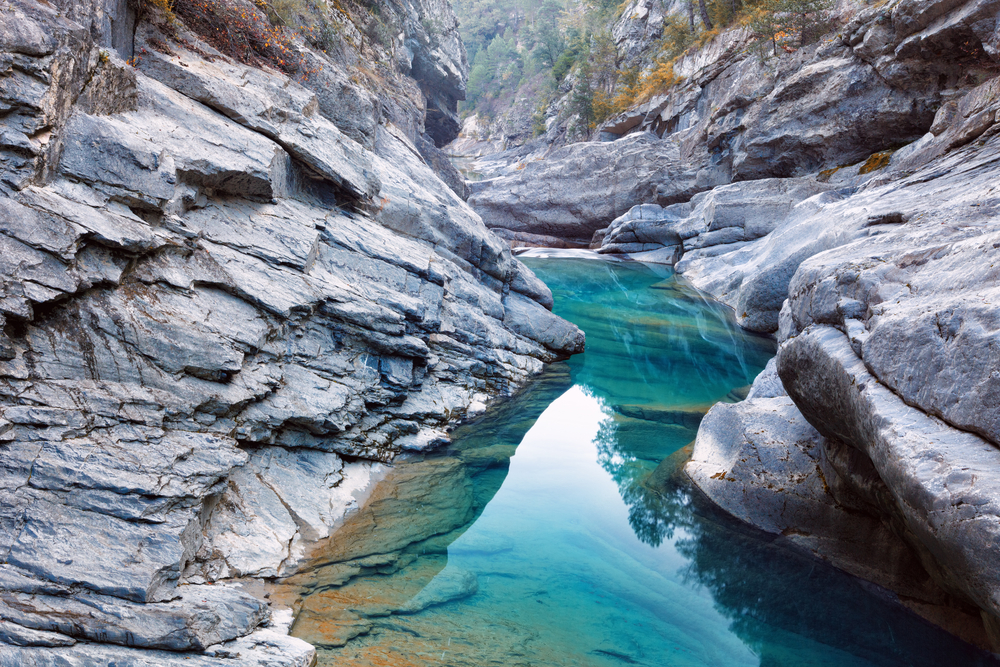
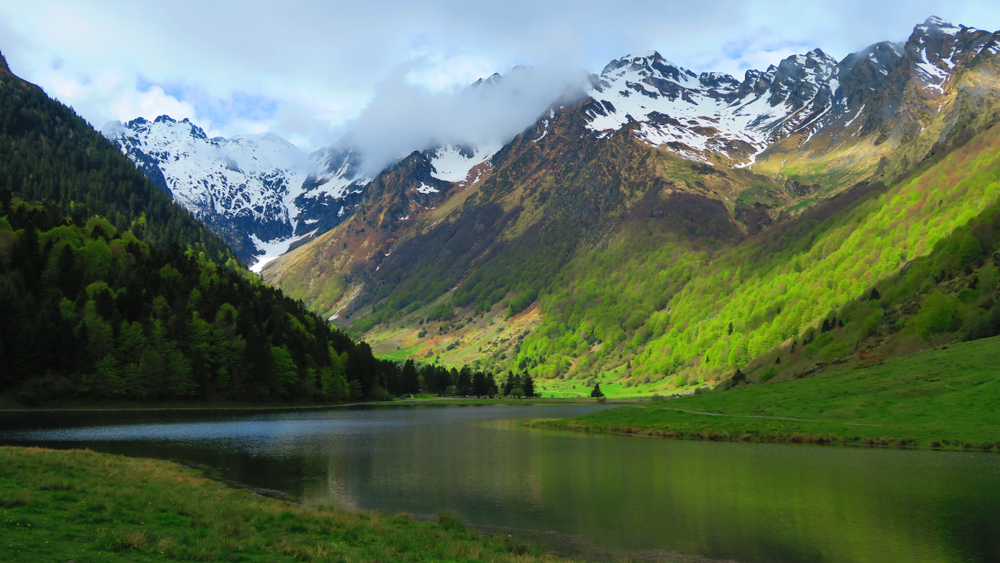
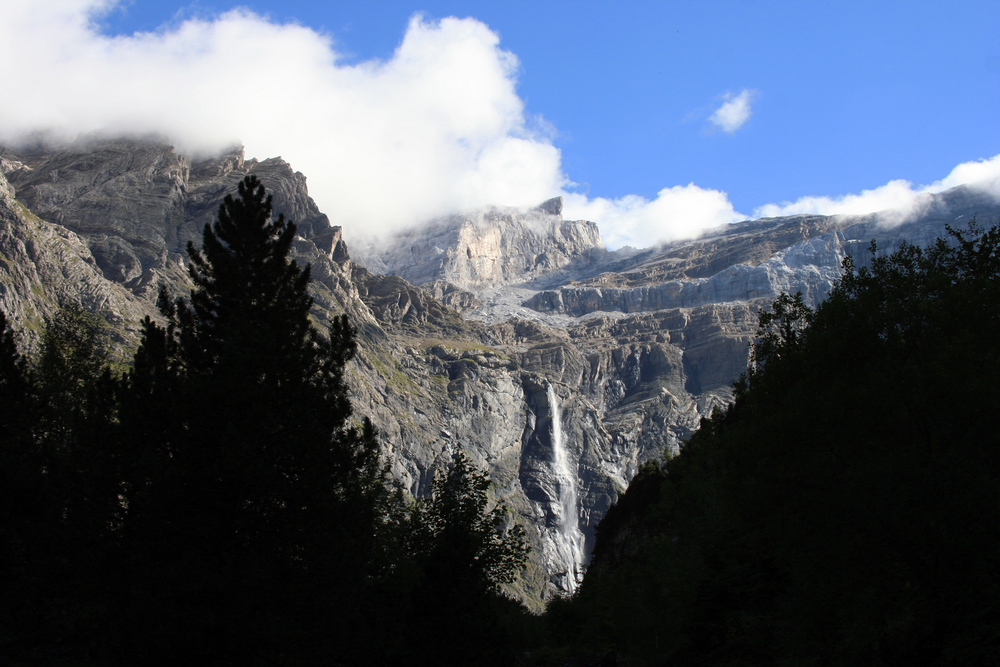
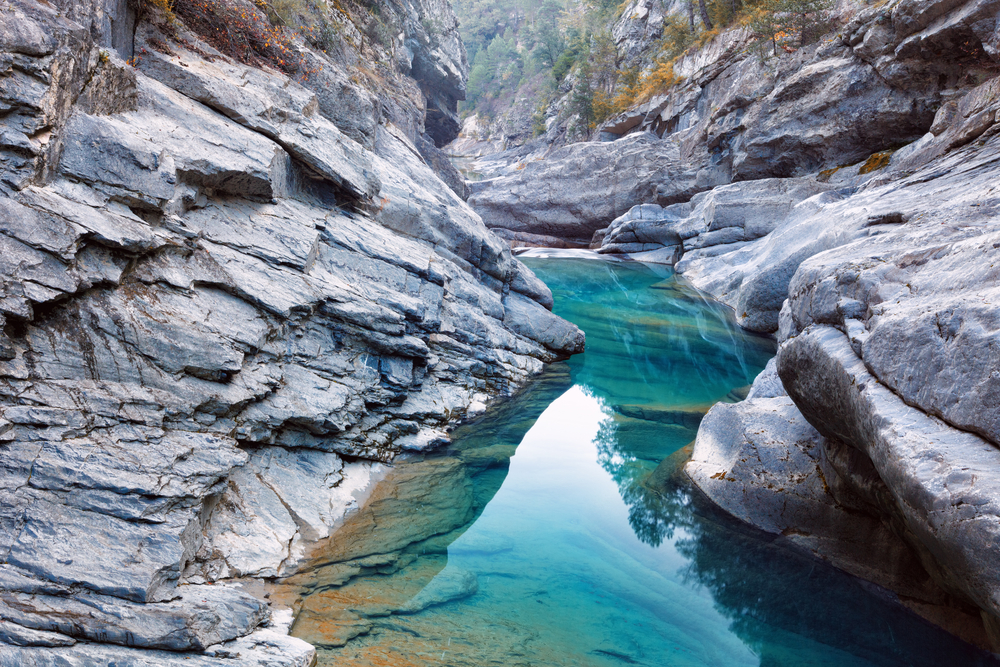
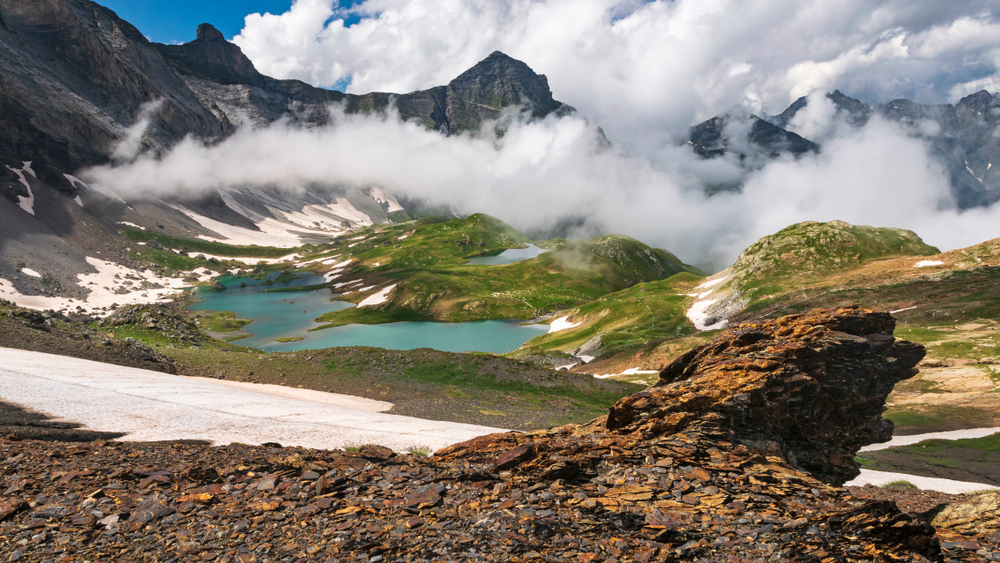
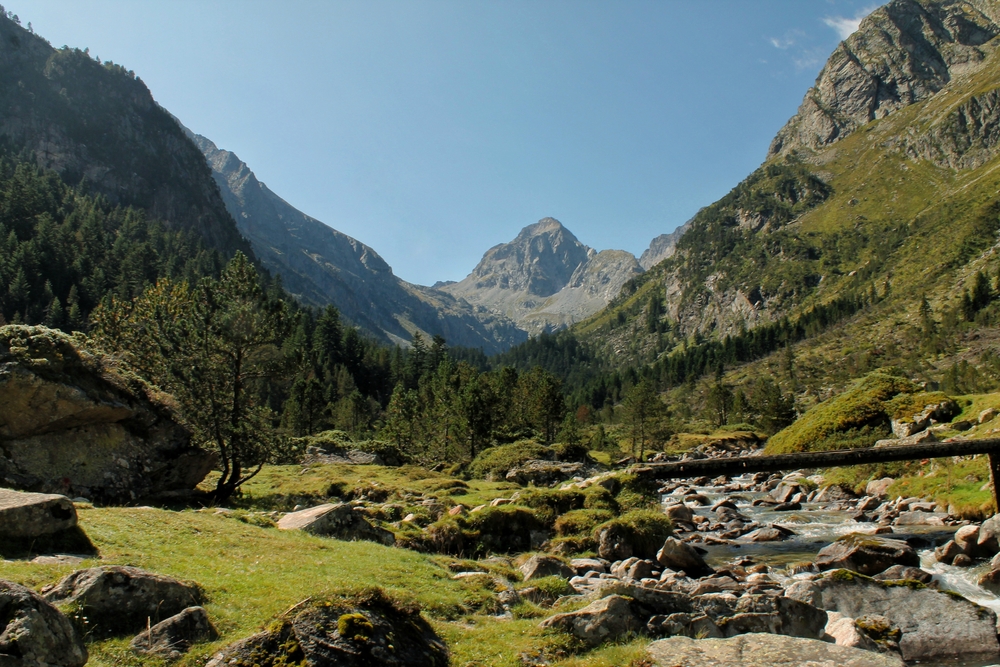
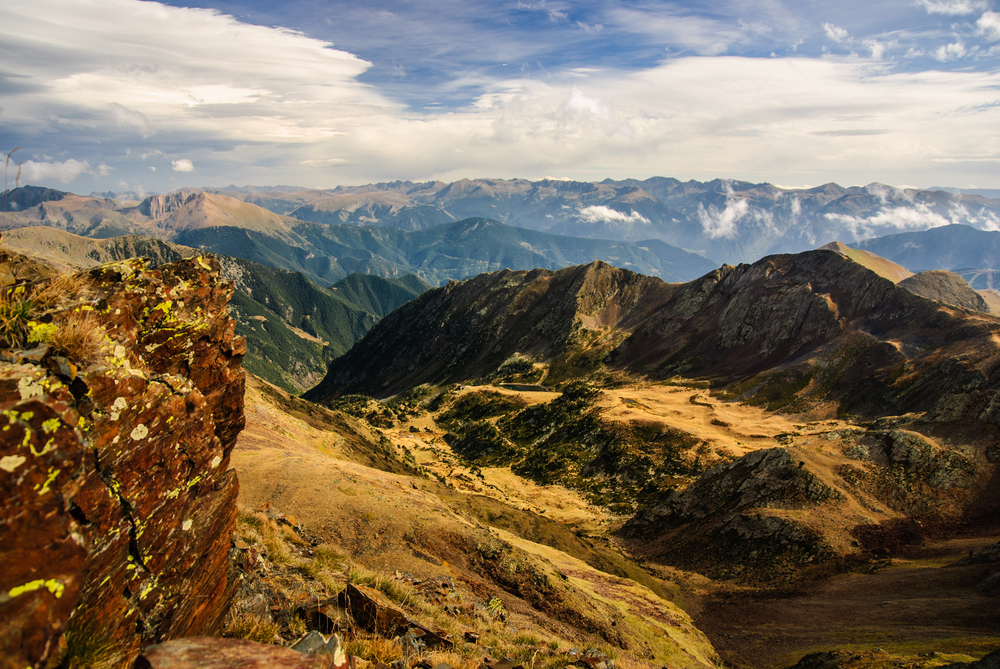
The Pyrenees feature glacial lakes, river ravines, cascading waterfalls, and a variety of flora and fauna to fulfill the nature lover’s passions. It is both a UNESCO World Heritage site and a biosphere reserve.
Wildlife of the Pyrenees includes the chamois, boar, red squirrel, brown bear, marmot, badger, red fox, groundhog, and the weasel. The skies feature the Egyptian vulture, the bearded vulture, and the majestic golden eagle. The golden eagle is known to carry off prey larger than itself; it is a magnificent predator.
Photos
Things to See
Pyrenees National Park Trails
There are over 135 trails that meander through, about, and over the Pyrenees. This is a tremendous national park for those who are hikers and love nature and wilderness. Because of the altitude and elevation changes, many of the trails are rated as difficult.

Sources
- All Trails, Best Trails in Pyrenees National Park, https://www.alltrails.com/parks/france/occitanie/parc-national-des-pyrenees, retrieved June 2020.
- Britannica, Pyrenees, https://www.britannica.com/place/Pyrenees, retrieved August 2019.
- Embark, Pyrenees National Park, http://www.embark.org/france/adventures/pyrenees-national-park, retrieved August 2019.
- France, Pyrenees, https://ca.france.fr/en/pyrenees, retrieved August 2019.
- National Geographic, Pyrenees National Park, France, https://www.nationalgeographic.com/travel/parks/pyrenees-france/, retrieved August 2019.
- Lonely Planet, Parc National des Pyrenees, https://www.lonelyplanet.com/france/parc-national-des-pyrenees, retrieved August 2019.
- UNESCO, Pyrenees – Mont Perdu, https://whc.unesco.org/en/list/773/, retrieved August 2019.