About

Morne Diablotin National Park is located in the northwestern region of the island country of Dominica. The park encompasses an area of 12.88 square miles (33.36 sq km) creating the second largest park.

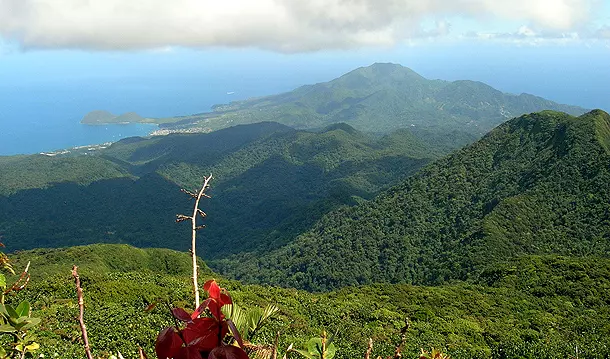
Morne Diablotin is the focal point of the park.  The mountain reaches a summit of 4,747 feet (1,447 m) making it the tallest point on the island and the second tallest point in the Lesser Antilles. The mountain was created from volcanic activity, however, it has not had any activity for over 30,000 years.

The runoff of the mountain serves as the source of the Toulaman River which flows across the island entering the sea on the northeast side of the island.  For those who venture up to the summit, they will be rewarded with panoramic views of Dominica’s other mountains as well as the island of Martinique.

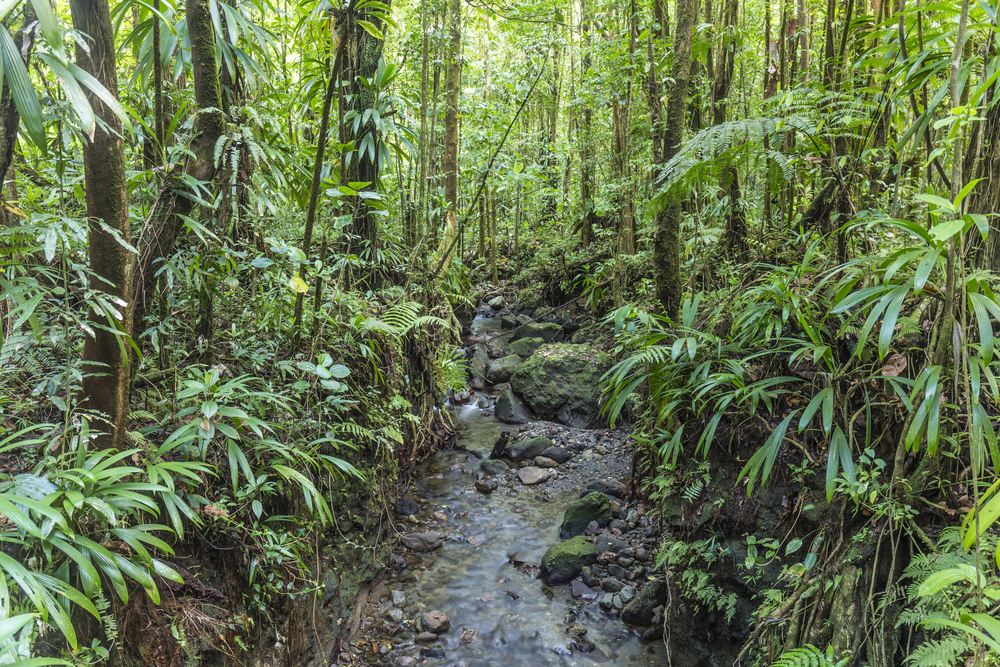
The majority of vegetation is accounted for by rainforest, montane forest, and the elfin woodlands located in the higher elevations. The mountain palm, fern, and other rainforest vegetation blanket the floor beneath the rainforest and montane forest.

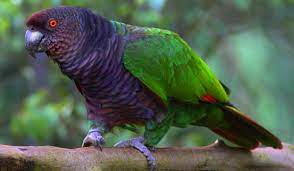
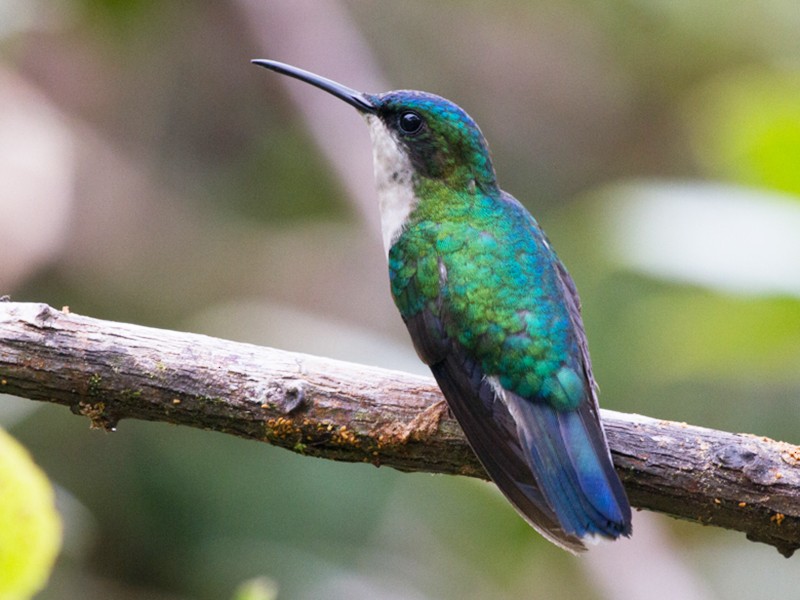
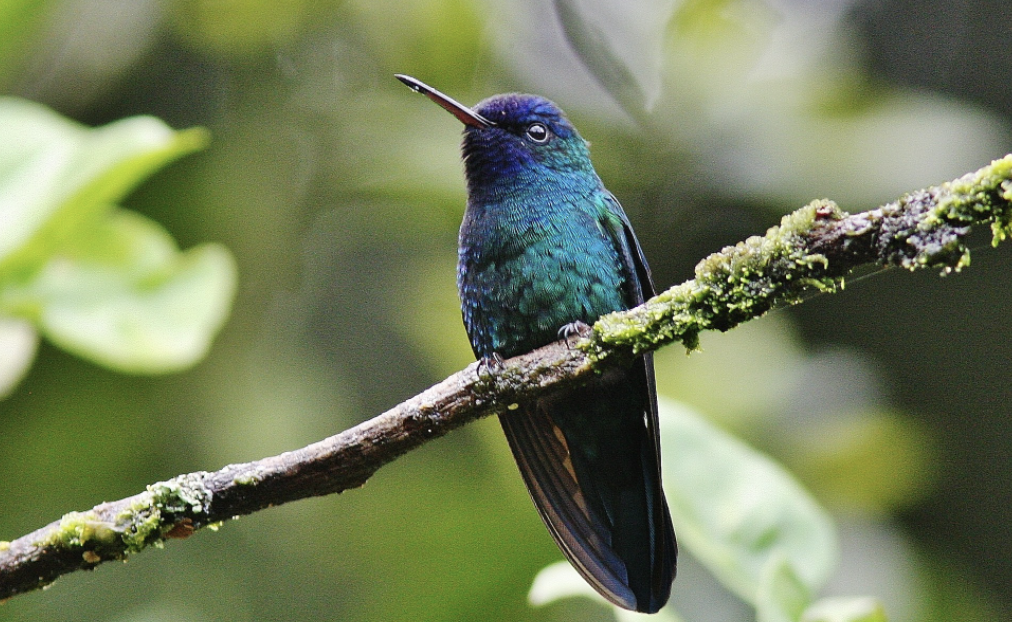
The park is not known for its wildlife, but it is home to the critically endangered sisserou parrot which is endemic to the island along with the Jaco red-necked parrot which is also endemic.  The blue-headed hummingbird is endemic to Dominica and a couple of neighboring islands.  

Accordingly, the park is more popular for bird-watchers who enjoy witnessing endemic and rare species.

Things to See

The highlights of the park occur from either summiting the island’s tallest mountain or seeing one of the endemic species of birds.

Sisserou Parrot

The parrot is also known as the Dominica amazon or the imperial amazon.  It stands 19 inches (48 cm) tall from the tip of the tail to the top of its head and weighs up to 32 oz (900 g) making it one of the larger species within the genus.
It is the national bird of the country and is even displayed on the Dominican flag.  It is critically endangered with estimates showing only around 50 birds left in the country. 

As a birdwatcher, it would certainly be a highlight to see one of these beautiful parrots before they go extinct.

Popular Species

Popular Species

Morne Diablotin National Park is home to a rich array of species, many of which are endemic to Dominica and thrive in its lush rainforest and mountainous terrain.

Hispaniolan boa (Chilabothrus striatus) – This large, non-venomous snake is commonly found in the park’s forests, where it preys on small mammals and helps maintain ecological balance.

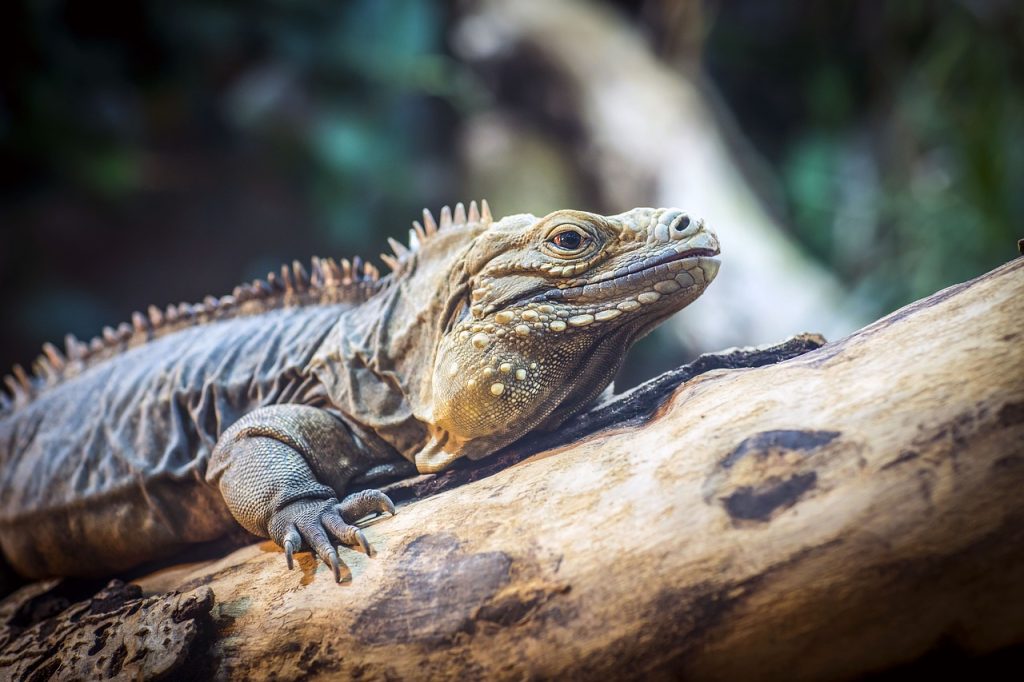
Lesser Antillean iguana (Iguana delicatissima) – A critically endangered species endemic to the Lesser Antilles, this large herbivorous lizard can often be seen basking in the park’s sunlit clearings.

Imperial Amazon parrot (Amazona imperialis) – Endemic to Dominica and critically endangered, this parrot is a symbol of the island and thrives in the park’s high-altitude rainforests.

Crab-eating raccoon (Procyon cancrivorus) – This nocturnal mammal, found near streams and forests, is known for its diet of crabs and other small animals within the park’s waterways.

Red-legged tortoise (Chelonoidis carbonarius) – Often seen in the park’s lower forests, this herbivorous tortoise contributes to seed dispersal by feeding on fruits and plants.

Mountain chicken frog (Leptodactylus fallax) – A critically endangered amphibian, this large frog is native to Dominica and thrives in the moist, cool environment of the park’s rainforests.

Common coqui (Eleutherodactylus coqui) – A small, tree-dwelling frog known for its loud call, this species is often found in the park’s dense, humid vegetation near water sources.

Giant land crab (Cardisoma guanhumi) – This large crab species inhabits the park’s wetlands and forested areas, contributing to the nutrient cycle by scavenging plant and animal matter.

Tree fern (Cyathea arborea) – A prominent plant species in the park’s rainforests, tree ferns create a lush canopy and provide shelter for a variety of wildlife.

Sphaerodactylus lizard (Sphaerodactylus vincenti) – A small, agile lizard that inhabits the park’s dense forests, it is commonly seen on the forest floor hunting for insects.

Bird Species

Bird Species

Morne Diablotin National Park is a sanctuary for numerous bird species, including several endemics that thrive in its high-altitude rainforests and coastal cliffs.

Imperial Amazon parrot (Amazona imperialis) – Endemic to Dominica, this critically endangered parrot with vibrant green and purple feathers is known for its elusive nature and striking appearance.

Red-necked Amazon parrot (Amazona arausiaca) – Also endemic to Dominica, this colorful parrot is commonly seen flying over the park’s forests, recognized by its bright red and green plumage.

Plumbeous warbler (Setophaga plumbea) – A small, endemic warbler that forages in the park’s dense forest understory, feeding on insects and small invertebrates while making its melodious calls.

Rufous-throated solitaire (Myadestes genibarbis) – This medium-sized bird is known for its rich, flutelike song and is often found in the park’s cloud forests, perched on moss-covered branches.

Bridled quail-dove (Geotrygon mystacea) – A rare dove species found on the forest floor, it is recognized by its white facial markings and shy behavior in the park’s dense foliage.

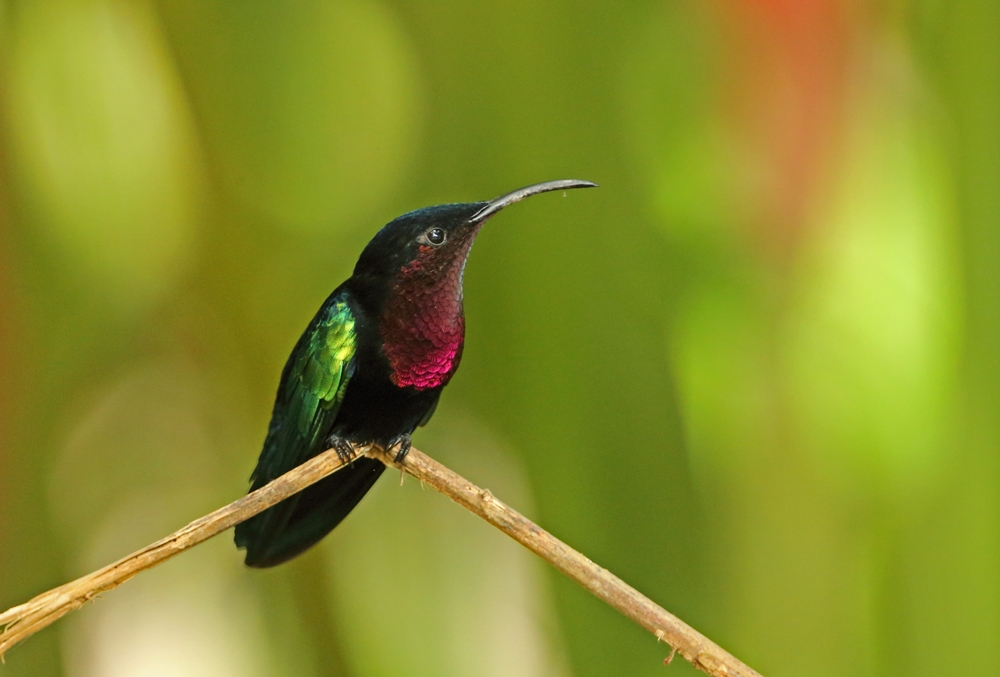
Purple-throated carib (Eulampis jugularis) – A striking hummingbird with iridescent plumage, this species frequents the park’s forests and meadows, feeding on nectar from native flowers.

Lesser Antillean swift (Chaetura martinica) – This fast-flying bird is often seen darting through the park’s open skies, hunting insects in mid-air with incredible agility and speed.

Antillean euphonia (Euphonia musica) – A small, brightly colored bird, often spotted in the park’s forests, it feeds on fruits and plays a role in seed dispersal.

Black-crowned night heron (Nycticorax nycticorax) – This wading bird is often seen in the park’s wetlands, hunting for fish and small aquatic creatures in the early morning and evening hours.

Brown trembler (Cinclocerthia ruficauda) – This bird is known for its distinctive “trembling” behavior, frequently seen in the park’s underbrush, flipping leaves and twigs in search of insects.

Things To Do

Engaging Morne Diablotin National Park
Hiking

One of the most rewarding and challenging experiences in Morne Diablotin National Park is hiking to the summit of Morne Diablotin, the highest peak in Dominica at 4,747 feet (1,447 meters).

The trail, known for its steep and rugged terrain, takes approximately six to eight hours round-trip and winds through lush montane and cloud forests. Along the way, hikers will encounter a variety of tropical plants, mosses, and ferns, as well as breathtaking views of the surrounding island.

Reaching the summit offers a great sense of accomplishment, with panoramic vistas of Dominica’s pristine landscapes. This hike is recommended for experienced adventurers seeking an immersive nature experience.

Hiking

One of the most rewarding and challenging experiences in Morne Diablotin National Park is hiking to the summit of Morne Diablotin, the highest peak in Dominica at 4,747 feet (1,447 meters).

The trail, known for its steep and rugged terrain, takes approximately six to eight hours round-trip and winds through lush montane and cloud forests. Along the way, hikers will encounter a variety of tropical plants, mosses, and ferns, as well as breathtaking views of the surrounding island.

Reaching the summit offers a great sense of accomplishment, with panoramic vistas of Dominica’s pristine landscapes. This hike is recommended for experienced adventurers seeking an immersive nature experience.

Morne Diablotin National Park Trails

Hiking and birdwatching are the primary activities of the national park.  The majority of those venturing into the park look to ascend to the top of Morne Diablotin which features a few different routes to the peak.

placeholder

Syndicate Natural Trail

The trail is rated easy and only covers a distance of 0.8 miles ( km).  It treks along the rainforest floor at the base of the mountain providing a good chance to see the Jaco red-necked parrot or the sisserou parrot which are the islands’ two endemic species.

placeholder

Morne Diablotin Ascent

It takes approximately 3 hours to ascend to the top of the mountain.  Although it is not rated difficult, there are parts of the trek up that are steep making it challenging for some.  Meandering through the forest as you ascend provides an opportunity for birdwatching and the views from the top over the island are worth the endeavor.

Park Protection

The national park was created to protect the wilderness vegetation surrounding Morne diablotin which is the home of the endangered sisserou parrot. 

Sources