About

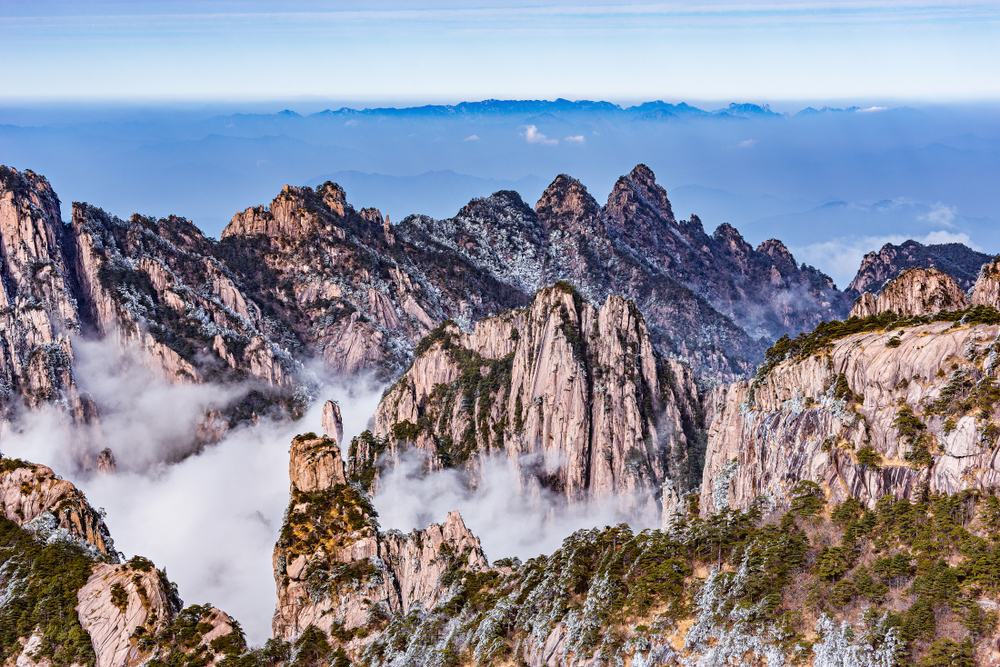
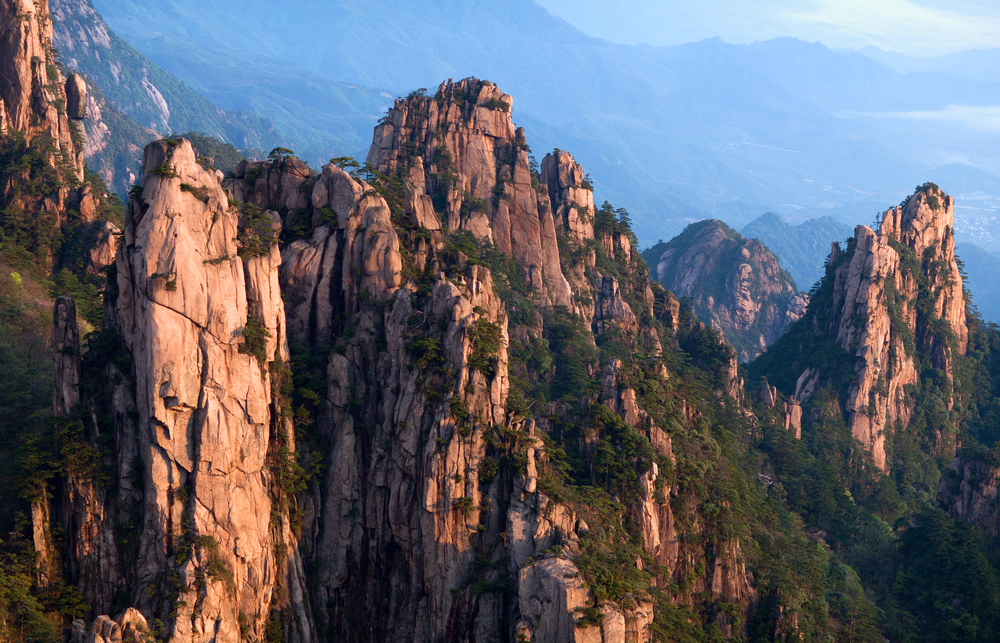
Huangshan National Park is located in the south part of the Anhui province of eastern China. The national park covers an area of 62 square miles (160.5 sq km). Huangshan is a mountain range with peaks reaching a height of 6,115 feet (1,864 m).

Huangshan translated “yellow mountain,” showcases the three highest peaks of Lotus Peak, Bright Peak, and Celestial Peak. Lotus is the tallest and represents the highest point in the national park.

The vegetation changes as the rise in altitude occur. Below 3,600 feet (1,100 m), the mesic forest dominates the vegetation. Deciduous forest covers the area between that and tree line at 5,905 feet (1,800 m). Alpine grassland covers the rest.

Over half of the fern species found in China are accounted for by Huangshan National Park and the surrounding region. There is biodiversity of plant life that is great with the park.

Visitors can take the cable car from the base to the summit area. Hiking up is possible but more challenging to those who are not up for the climb.

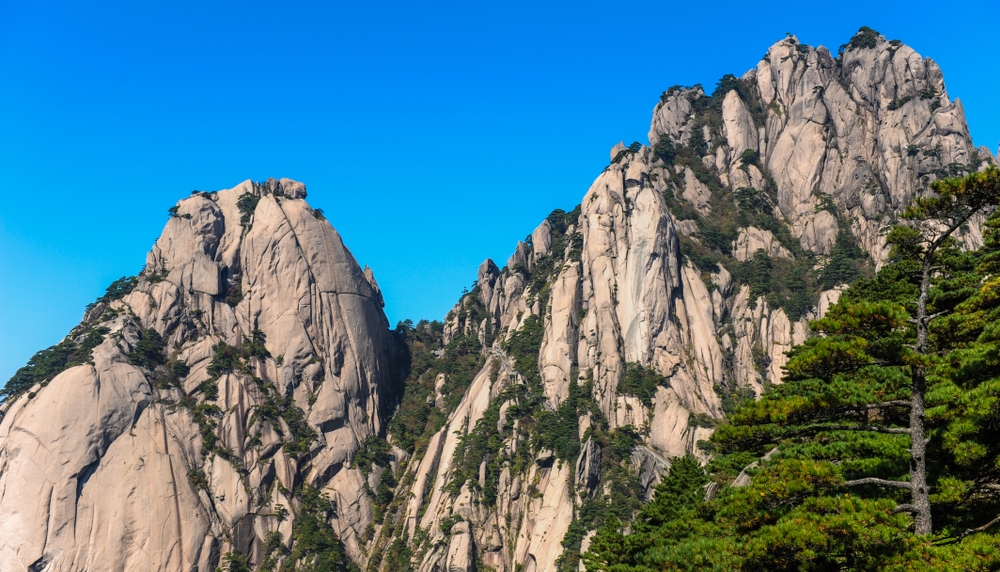
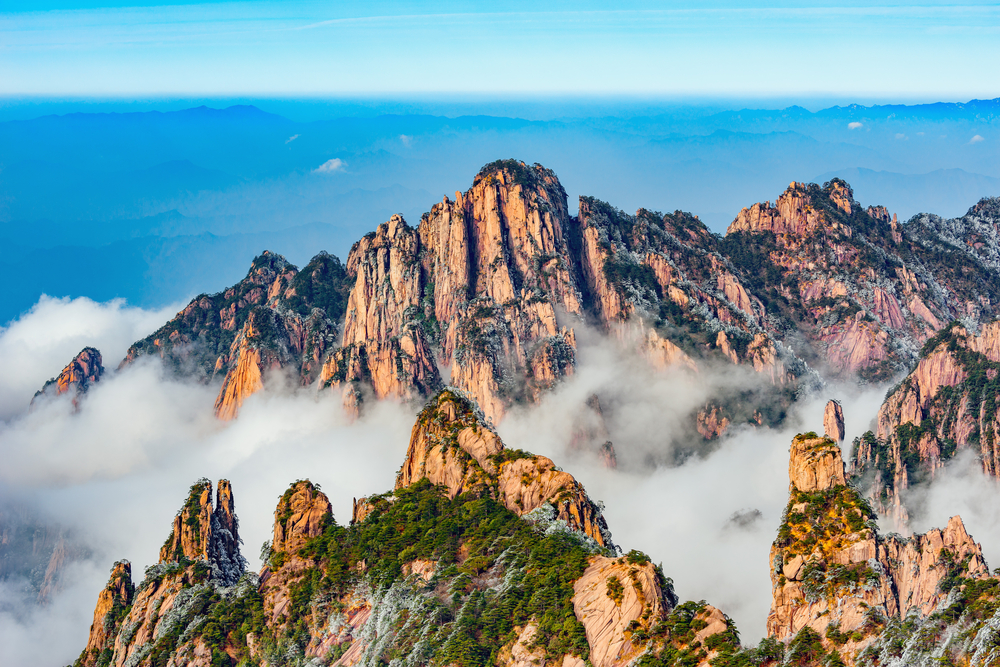
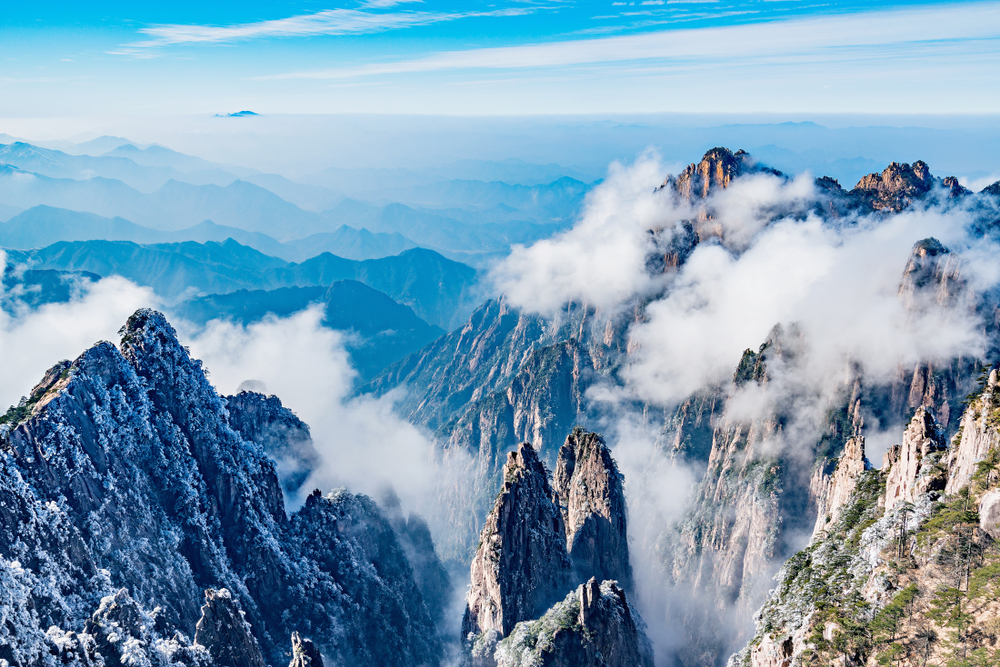
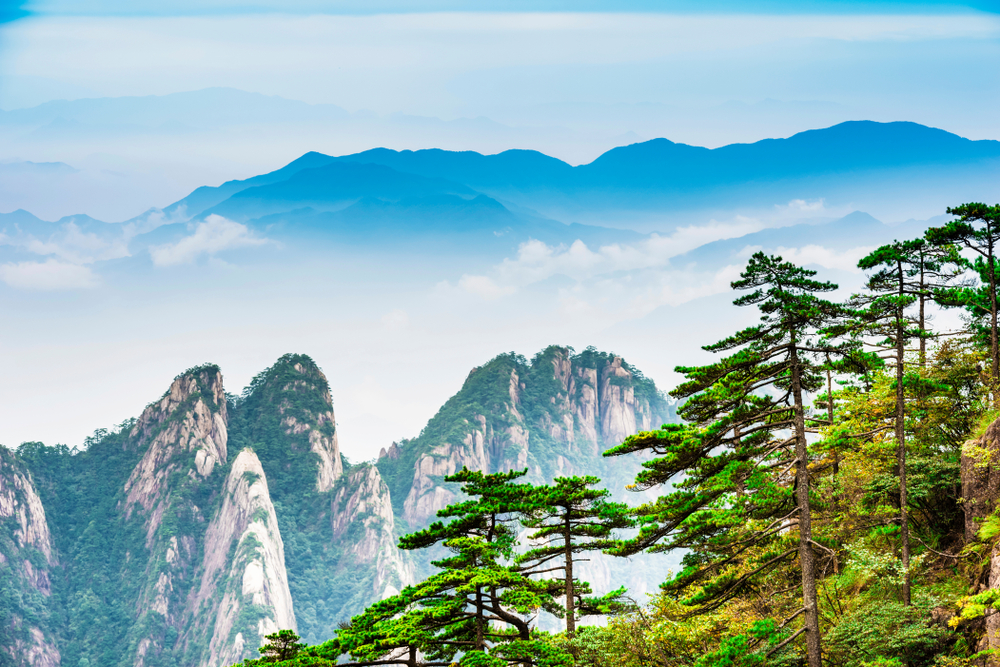
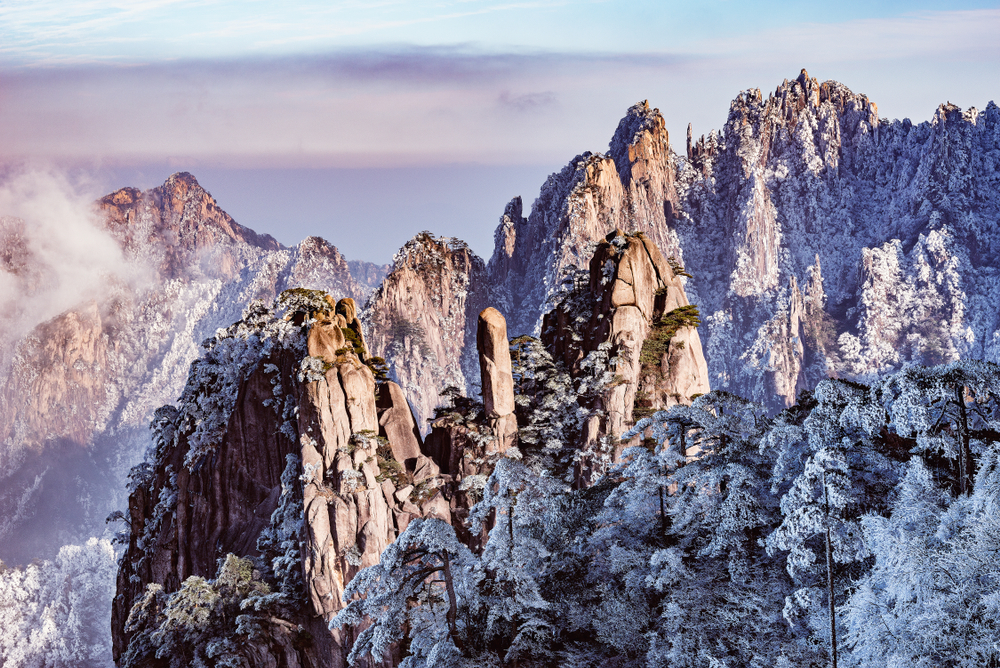
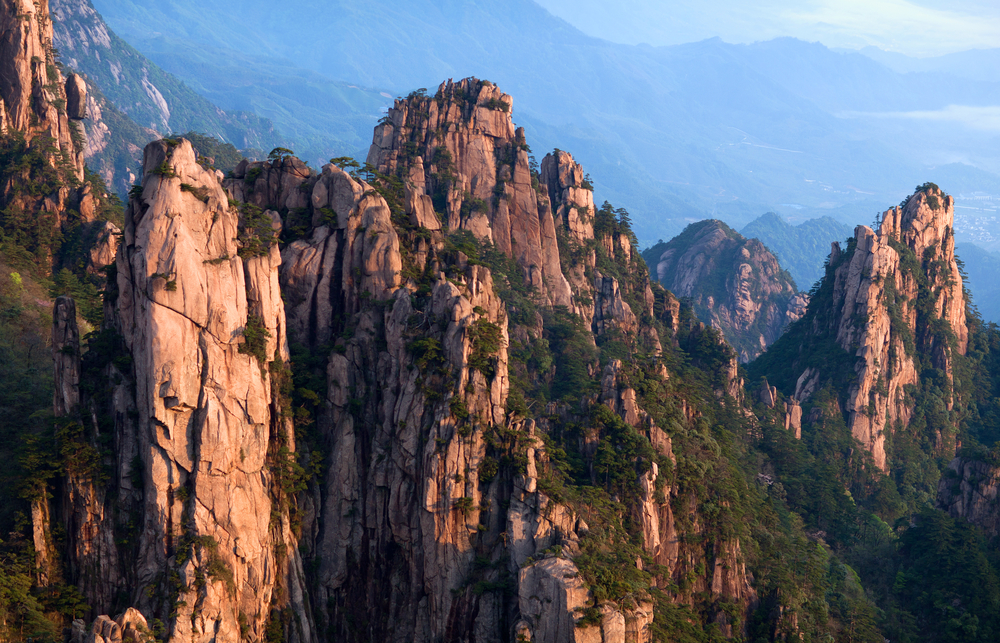
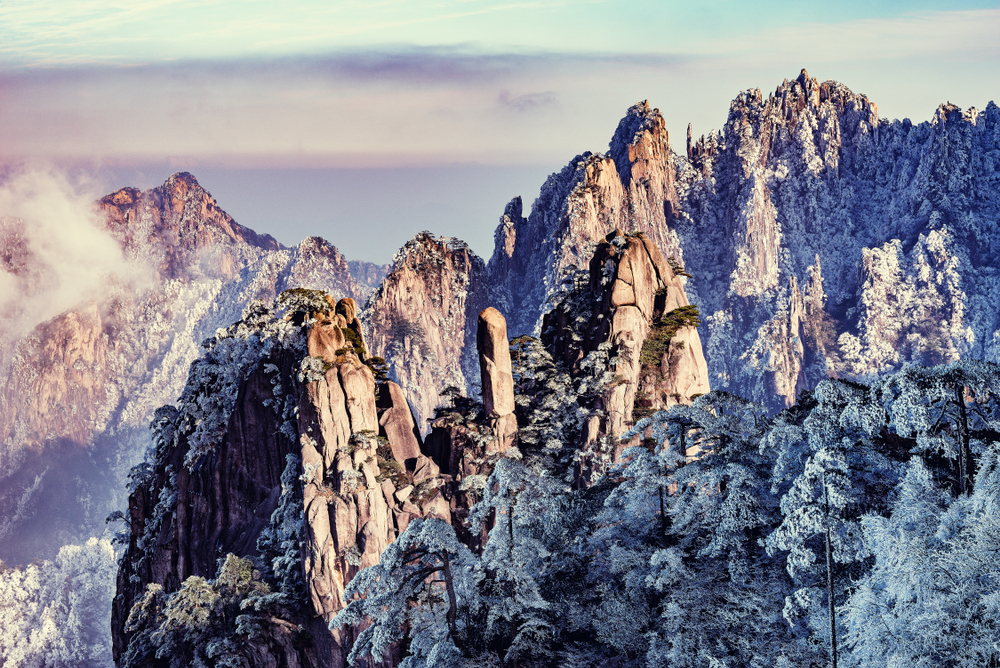
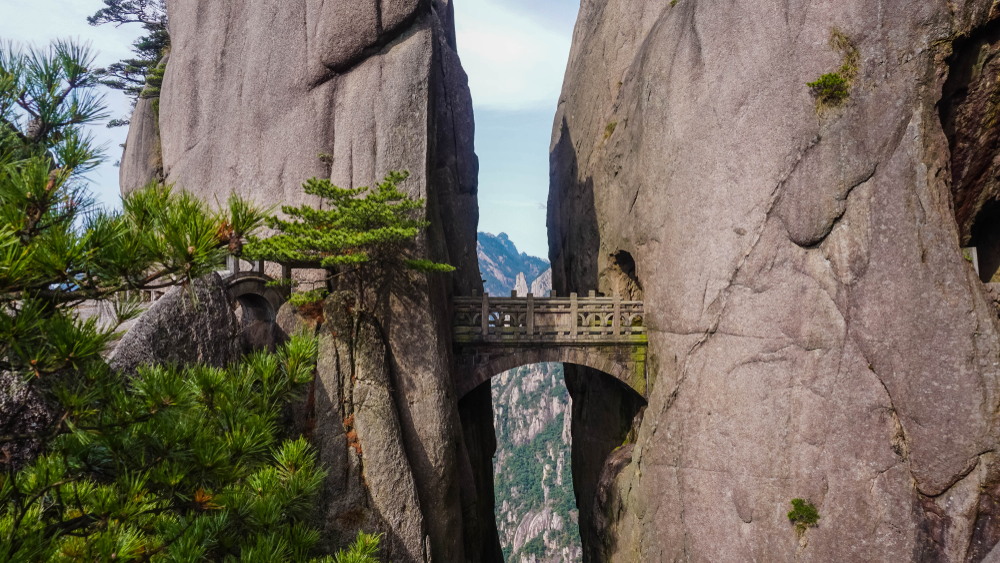
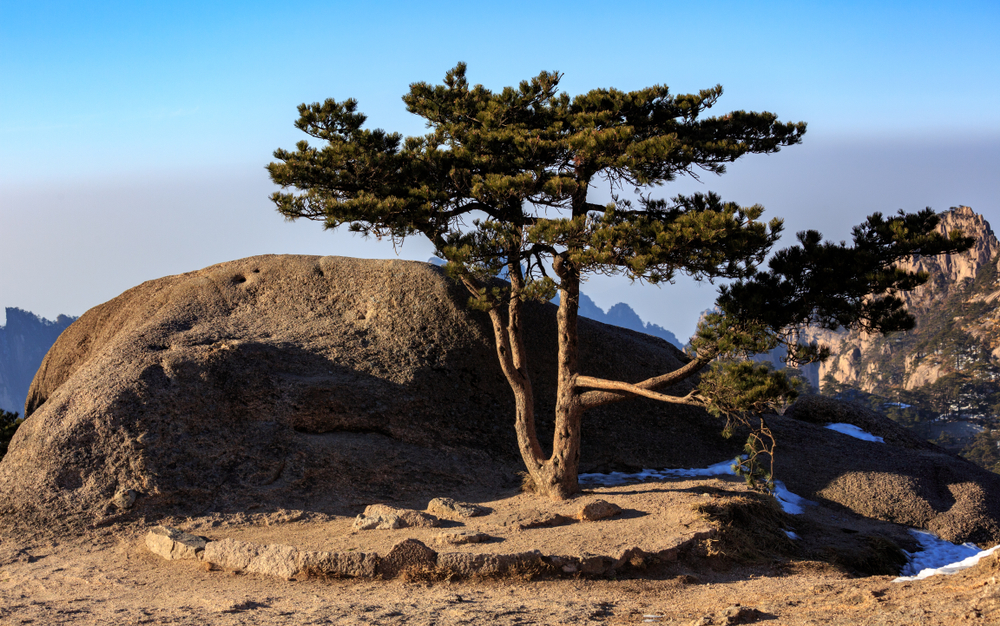
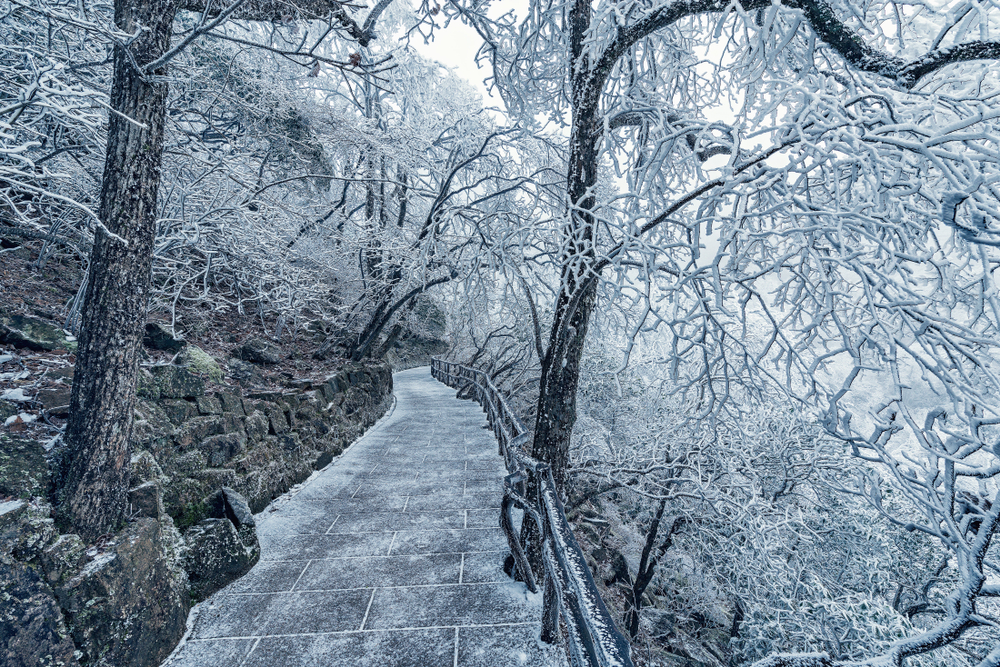
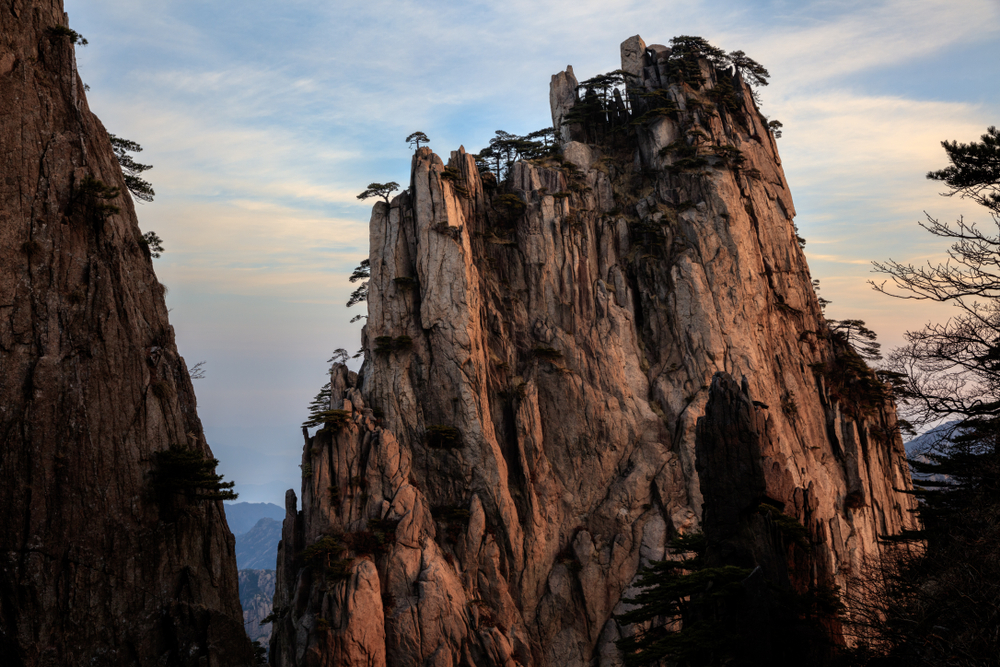
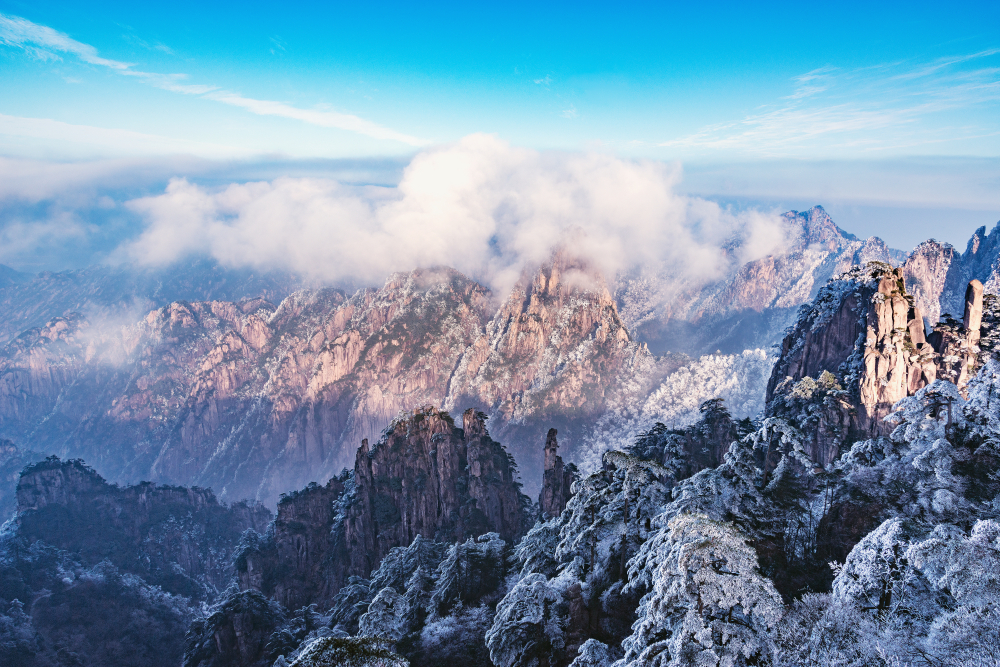
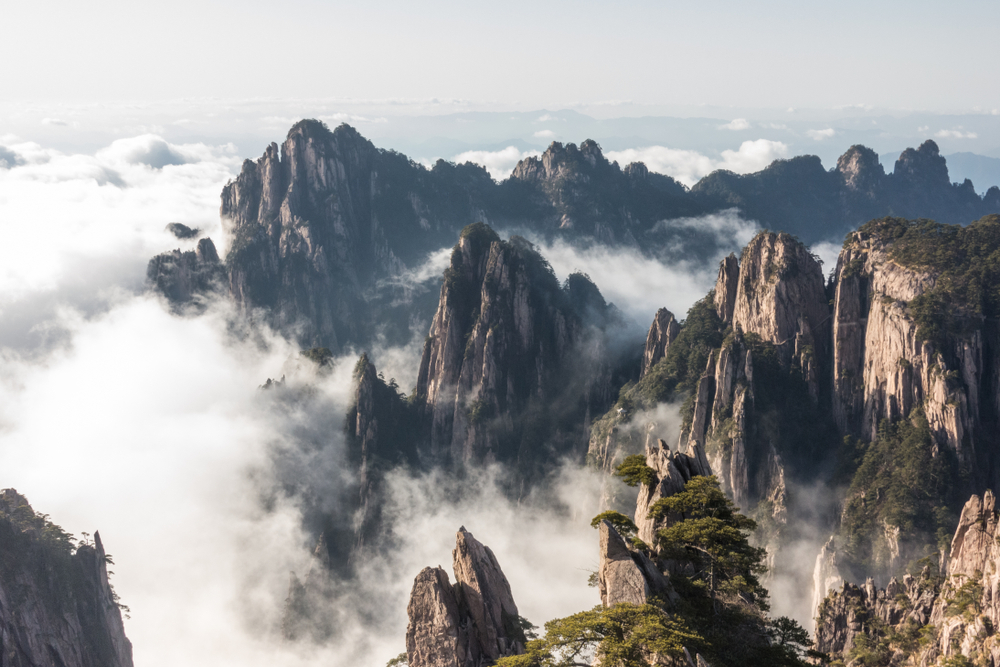
Huangshan National Park is renowned for the scenic views it affords to visitors of the park. It is renowned for granite peaks, oddly-shaped pine trees, clouds amongst the peaks and trees, hot springs, and amazing snow-covered tops. It is a UNESCO World Heritage Site and one of the leading tourist destinations in all of China.

Things to See

The mountain range of Huangshan is an inspiration to artists, photographers, and poets. The aesthetically beautiful scenery leaves most people standing in awe of the majestic scenes created by the sculpted trees, granite peaks, and rolling clouds.

Buddha’s Light is a naturally occurring optical phenomenon created by the mist from the clouds and their interaction with either the sunlight or moonlight.

The hot springs are said to help with different skin conditions and illnesses, but to most, they offer some of the most scenic hot tubs in the world.

Lotus Peak

Lotus Peak

Lotus Peak is the highest point in Huangshan National Park, rising to an elevation of 1,864 meters. Revered for its striking resemblance to a lotus flower, this peak offers some of the most breathtaking views of the surrounding mountains and valleys.

The ascent to the summit is challenging yet rewarding, with rugged paths winding through ancient pine trees and past sheer granite cliffs. On clear days, climbers can enjoy panoramic views that stretch for miles, making Lotus Peak a favorite among photographers and nature enthusiasts.

Bright Summit Peak

Bright Summit Peak is the second highest in the range and one of the most accessible peaks in Huangshan. Standing at 1,840 meters, it is located at the heart of the park and is a popular spot for both sunrise and sunset views.

The relatively flat top of the peak provides ample space for visitors to gather and admire the ethereal beauty of the sea of clouds that often envelops the mountain.

Celestial Capital Peak

Celestial Capital Peak

Celestial Capital Peak (Tiandu Peak), standing at 1,829 meters, is known for its sheer cliffs and precipitous ascent. The name translates to “Capital of Heaven,” hinting at the otherworldly views from its summit. The climb involves navigating steep stairs and ladders, making it one of the more thrilling experiences in Huangshan. Adventurous hikers are rewarded with stunning vistas of the rugged terrain and the famous “flying-over rock” that balances miraculously on the edge of the cliff.

Popular

Popular

Huangshan is not known for its wildlife, but it is available with some diverse species.  Here are some hopeful species that visitors wish to see:

Giant Panda

The beloved giant panda, an emblem of conservation, occasionally roams Huangshan National Park, feasting on bamboo shoots and captivating visitors with its playful antics.

Golden Pheasant

The resplendent golden pheasant, with its vibrant plumage, graces the forests of Huangshan National Park, adding a splash of color to the serene landscape.

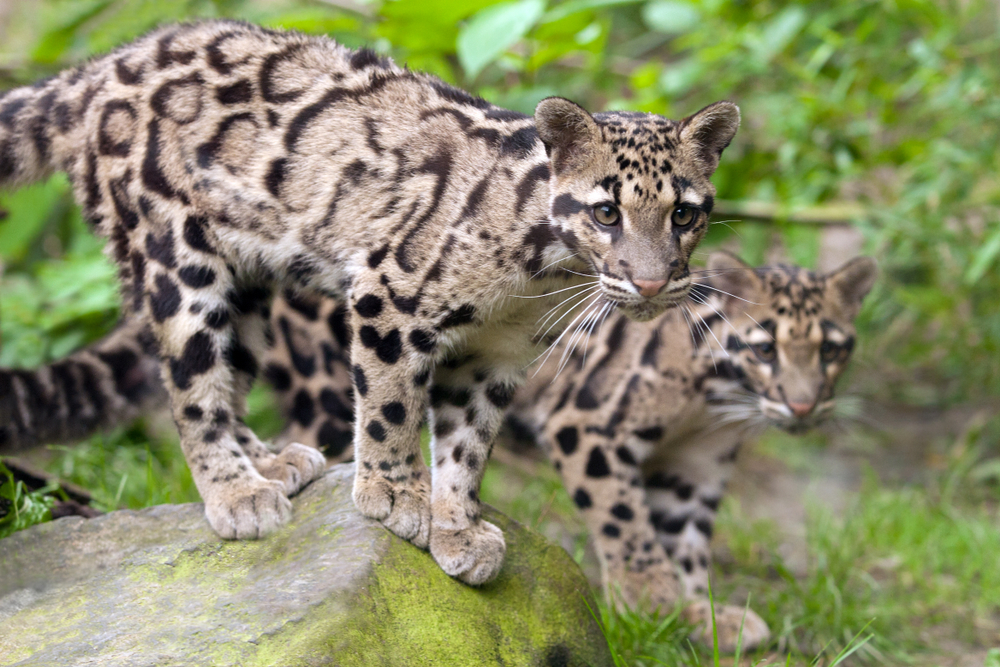
Clouded Leopard

The elusive clouded leopard, a symbol of mystery, prowls through the dense foliage of Huangshan National Park, displaying its agile movements and nocturnal prowess.

Red-crowned Crane

The elegant red-crowned crane, revered in Chinese culture, dances gracefully in the wetlands of Huangshan National Park, symbolizing longevity and prosperity.

Giant Salamander

The giant salamander, a living fossil, inhabits the streams and rivers of Huangshan National Park, embodying resilience and adaptation in its aquatic habitat.

Chinese Muntjac

The diminutive Chinese muntjac, a shy forest dweller, hides amidst the underbrush of Huangshan National Park, nibbling on leaves and fruits under the cover of darkness.

Crested Ibis

The majestic crested ibis, once on the brink of extinction, finds sanctuary in Huangshan National Park, its white plumage soaring gracefully over lush valleys.

Golden Takin

The golden takin, a symbol of strength and determination, roams the rugged slopes of Huangshan National Park, foraging for alpine vegetation with its impressive horns.

Chinese Serow

The elusive Chinese serow, a mountain goat-antelope hybrid, navigates the steep cliffs and rocky outcrops of Huangshan National Park, blending seamlessly into its rocky habitat.

Tufted Deer

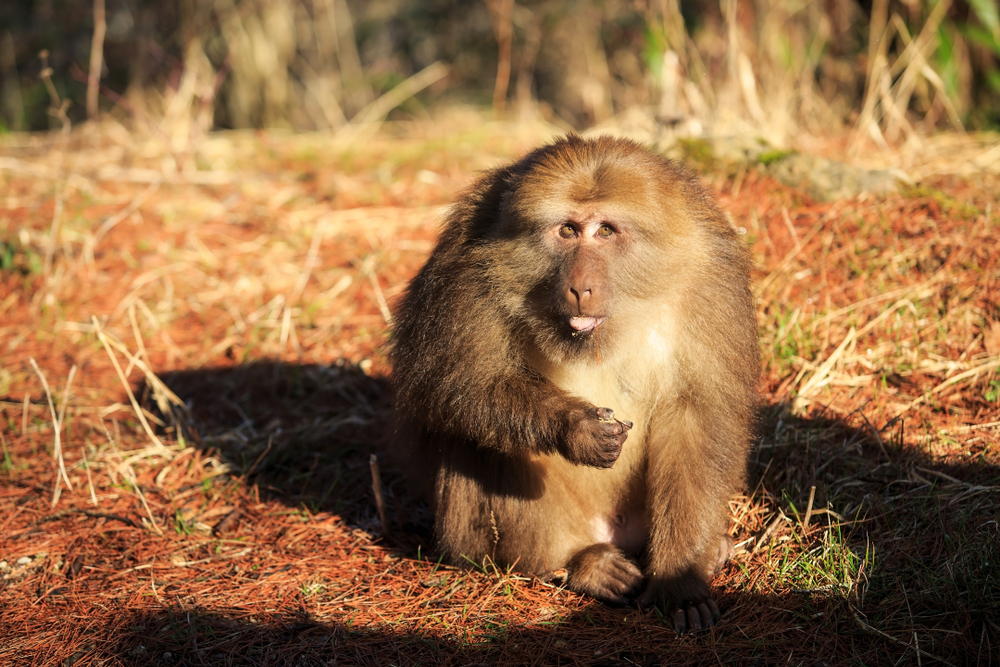
The tufted deer, distinguished by its tuft of hair and elegant antlers, roams the forests of Huangshan National Park, grazing on leaves and grasses.

Things To Do

Engaging Huangshan National Park
Hiking

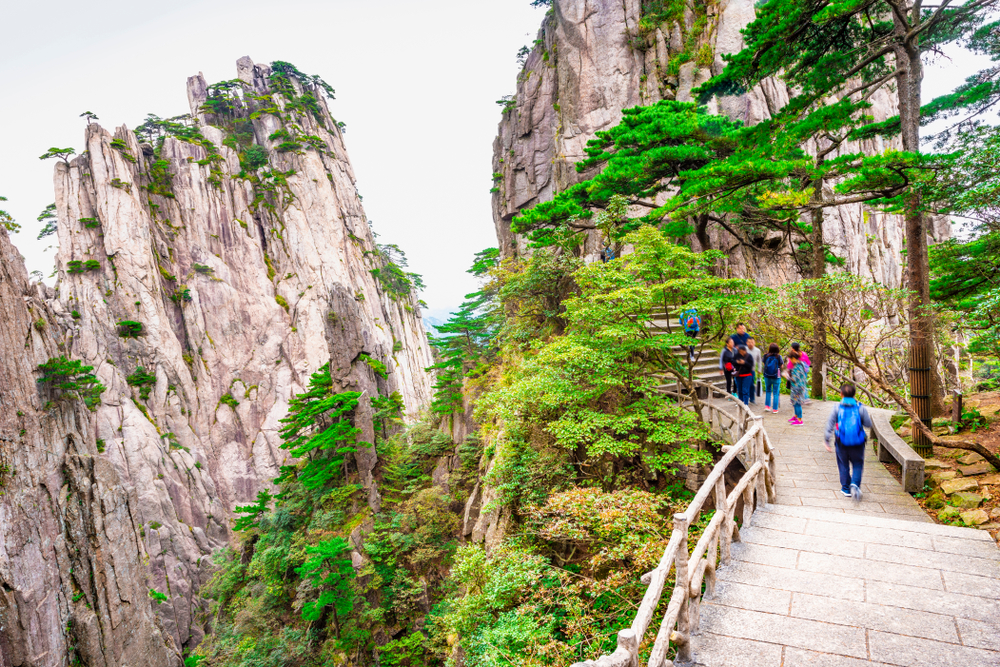
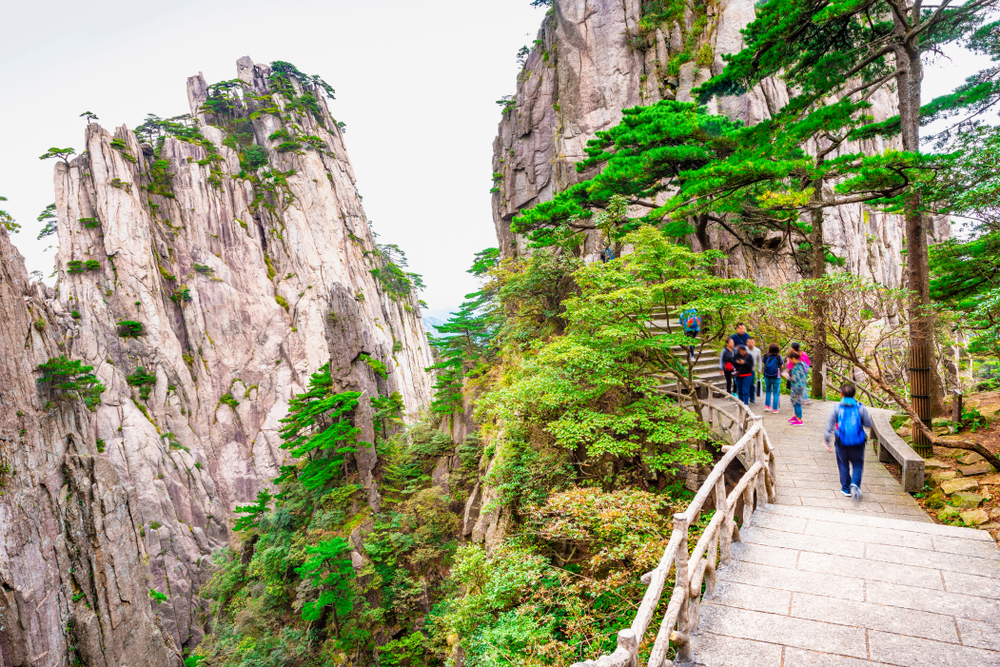
Huangshan National Park offers a network of well-maintained trails that cater to both casual walkers and serious hikers. These trails wind through stunning scenery of granite peaks, pine trees, and cloud-shrouded vistas.

Hiking in Huangshan is particularly unique due to the ever-changing weather conditions that can dramatically transform the landscape within moments. Popular routes like the Eastern Steps provide a more gradual climb, while the Western Steps offer a steeper challenge. Both routes are lined with viewpoints that offer breathtaking panoramas of the iconic jagged peaks.

Cable Car Rides

For those who prefer a less strenuous way to enjoy the beauty of Huangshan, cable car rides are available. These rides provide a relaxing ascent to some of the park’s highest points, offering passengers a bird’s-eye view of the scenery below.

Cable cars like the Eastern Steps Cableway and the Western Steps Cableway are perfect for those who want to save their energy for exploring the summits or for visitors who are limited in mobility but still wish to experience the majesty of the mountains.

Hiking

Huangshan National Park offers a network of well-maintained trails that cater to both casual walkers and serious hikers. These trails wind through stunning scenery of granite peaks, pine trees, and cloud-shrouded vistas.

Hiking in Huangshan is particularly unique due to the ever-changing weather conditions that can dramatically transform the landscape within moments. Popular routes like the Eastern Steps provide a more gradual climb, while the Western Steps offer a steeper challenge. Both routes are lined with viewpoints that offer breathtaking panoramas of the iconic jagged peaks.

Cable Car Rides

For those who prefer a less strenuous way to enjoy the beauty of Huangshan, cable car rides are available. These rides provide a relaxing ascent to some of the park’s highest points, offering passengers a bird’s-eye view of the scenery below.

Cable cars like the Eastern Steps Cableway and the Western Steps Cableway are perfect for those who want to save their energy for exploring the summits or for visitors who are limited in mobility but still wish to experience the majesty of the mountains.

Huangshan National Park Trails

The mystique of Huangshan beckons the hikers to come and explore and learn about the striking mountains that are enchantingly blanketed with clouds and forests. There are a variety of trails that explore the mountainous region.

placeholder

Huangshan West Path

This is an easy rated trail that will ascend 515 feet (156.97 m) over 3.6 miles (5.79 km).  The cloud forest, striking rock faces, and the mountainous landscapes are all part of the views hikers will experience.  It is a great taste of the region.

placeholder

Nine Dragons Fall Trail

This is a trail out to a waterfall while meandering through the forest.  The 1.9-mile (3.06 km) trail ascends 656 feet (199.95 m) with chances of seeing wildflowers along the way.

placeholder

Flying Rock Trail

This is a short 2.0 mile (3.21 km) loop trail that ascends 675 feet (205.74 m) along the way.  The trail comes to a unique rock formation as well as an astounding panoramic view over the area below.  There are chances to see wildlife and wildflowers.

placeholder

Huangshan Trail: This difficult rated trail travels 10.1 miles (16.25 km) with an ascent of 4,803 feet (1,463.95 m).  The trail up the mountains provides a series of scenic views while also having chances of seeing wildlife and wildflowers.  It is a challenging endeavor and hikers should be in good physical condition.

placeholder

The Eastern Steps

Rating: Moderate

Distance and Elevation Gain: 4.3 miles (7 km) one way with about 3,280 feet (1,000 meters) elevation gain

Description: This trail is a popular ascent route offering a direct path to the East Sea scenic area and the famous Beginning-to-Believe Peak.

Hikers will experience steep stairs and breathtaking views of unique granite formations, ancient pines, and potentially a sea of clouds.

The trail combines natural beauty with physical challenge, making it a rewarding journey to the mountain’s higher regions.

placeholder

The Western Steps Trail

Rating: Difficult

Distance and Elevation Gain: 8.7 miles (14 km) one way with about 3,937 feet (1,200 meters) elevation gain

Description: The Western Steps are longer and more challenging than the Eastern Steps but offer equally stunning views and less crowded paths.

This trail passes through several famous spots, including the Cloud-Dispelling Pavilion and the Fairy-Walking Bridge, leading hikers through diverse landscapes and offering panoramic vistas of the surrounding mountains.

placeholder

Bright Top Peak

Rating: Moderate

Distance and Elevation Gain: 0.6 miles (1 km) one way from the cable car station with about 164 feet (50 meters) elevation gain

Description: Bright Top Peak is one of Huangshan’s highest peaks and a central point offering 360-degree views. The trail to the summit is relatively short but steep, leading to breathtaking panoramic vistas of the surrounding sea of clouds, rugged peaks, and lush valleys. It’s a must-visit for photographers and nature lovers.

placeholder

Lotus Peak

Rating: Moderate to Difficult

Distance and Elevation Gain: 1 mile (1.6 km) one way with about 984 feet (300 meters) elevation gain from the nearest path junction

Description: As Huangshan’s highest peak, Lotus Peak offers an exhilarating climb culminating in expansive views of the entire mountain range.

The trail is steep and requires a good level of fitness, but the reward is unparalleled views of the iconic jagged granite peaks piercing through a sea of clouds, especially stunning at sunrise.

placeholder

Lotus Peak Trail

Rating: Moderate to Difficult

Distance and Elevation Gain: 1 mile (1.6 km) one way with about 984 feet (300 meters) elevation gain from the nearest path junction

Description: As Huangshan’s highest peak, Lotus Peak offers an exhilarating climb culminating in expansive views of the entire mountain range.

The trail is steep and requires a good level of fitness, but the reward is unparalleled views of the iconic jagged granite peaks piercing through a sea of clouds, especially stunning at sunrise.

placeholder

Xihai Grand Canyon

Rating: Moderate

Distance and Elevation Gain: Varies, up to 4.7 miles (7.5 km) for the full loop with significant elevation changes

Description: The Xihai (West Sea) Grand Canyon offers a spectacular loop trail featuring deep valleys, towering peaks, and dense forests.

The trail includes a combination of stairs, paths, and occasional narrow passages, with stunning viewpoints along the way.

It’s an immersive experience into Huangshan’s dramatic landscapes, showcasing the park’s natural beauty and geological diversity.

placeholder

The Eastern Steps

Rating: Moderate

Distance and Elevation Gain: 4.3 miles (7 km) one way with about 3,280 feet (1,000 meters) elevation gain

Description: This trail is a popular ascent route offering a direct path to the East Sea scenic area and the famous Beginning-to-Believe Peak.

Hikers will experience steep stairs and breathtaking views of unique granite formations, ancient pines, and potentially a sea of clouds.

The trail combines natural beauty with physical challenge, making it a rewarding journey to the mountain’s higher regions.

placeholder

The Western Steps Trail

Rating: Difficult

Distance and Elevation Gain: 8.7 miles (14 km) one way with about 3,937 feet (1,200 meters) elevation gain

Description: The Western Steps are longer and more challenging than the Eastern Steps but offer equally stunning views and less crowded paths.

This trail passes through several famous spots, including the Cloud-Dispelling Pavilion and the Fairy-Walking Bridge, leading hikers through diverse landscapes and offering panoramic vistas of the surrounding mountains.

placeholder

Bright Top Peak

Rating: Moderate

Distance and Elevation Gain: 0.6 miles (1 km) one way from the cable car station with about 164 feet (50 meters) elevation gain

Description: Bright Top Peak is one of Huangshan’s highest peaks and a central point offering 360-degree views. The trail to the summit is relatively short but steep, leading to breathtaking panoramic vistas of the surrounding sea of clouds, rugged peaks, and lush valleys. It’s a must-visit for photographers and nature lovers.

placeholder

Lotus Peak

Rating: Moderate to Difficult

Distance and Elevation Gain: 1 mile (1.6 km) one way with about 984 feet (300 meters) elevation gain from the nearest path junction

Description: As Huangshan’s highest peak, Lotus Peak offers an exhilarating climb culminating in expansive views of the entire mountain range.

The trail is steep and requires a good level of fitness, but the reward is unparalleled views of the iconic jagged granite peaks piercing through a sea of clouds, especially stunning at sunrise.

placeholder

Lotus Peak Trail

Rating: Moderate to Difficult

Distance and Elevation Gain: 1 mile (1.6 km) one way with about 984 feet (300 meters) elevation gain from the nearest path junction

Description: As Huangshan’s highest peak, Lotus Peak offers an exhilarating climb culminating in expansive views of the entire mountain range.

The trail is steep and requires a good level of fitness, but the reward is unparalleled views of the iconic jagged granite peaks piercing through a sea of clouds, especially stunning at sunrise.

placeholder

Xihai Grand Canyon

Rating: Moderate

Distance and Elevation Gain: Varies, up to 4.7 miles (7.5 km) for the full loop with significant elevation changes

Description: The Xihai (West Sea) Grand Canyon offers a spectacular loop trail featuring deep valleys, towering peaks, and dense forests.

The trail includes a combination of stairs, paths, and occasional narrow passages, with stunning viewpoints along the way.

It’s an immersive experience into Huangshan’s dramatic landscapes, showcasing the park’s natural beauty and geological diversity.

Park Protection

Huangshan National Park was created to protect the captivating landscapes of the Juangshan mountain range.  The clouded forest and rock formations have been inspiration for poets, artists, and nature lovers for many decades.  The Chinese government established this as a protected area to help ensure that it the enchanting landscapes are available in their pristine condition for future generations.

FAQ’s

What is Huangshan National Park known for?

Huangshan National Park is renowned for its majestic granite peaks, ancient pine trees, and captivating scenery. Apart from pandas, the park is known for its stunning natural landscapes, including dramatic cliffs, deep ravines, and serene hot springs.

Visitors flock to Huangshan to hike its scenic trails, marvel at the sunrise over the sea of clouds, and explore its cultural heritage sites, such as ancient temples and traditional villages. The park’s ethereal beauty has inspired generations of artists and poets, earning it the title of “the loveliest mountain of China.”

Huangshan National Park offers a tranquil retreat from the hustle and bustle of city life, inviting visitors to immerse themselves in the breathtaking beauty of nature.

When is the best time to visit Huangshan National Park?

The best time to visit Huangshan National Park is during the spring (April to June) and autumn (September to November) when the weather is mild and comfortable.

Average temperatures during these seasons range from 50°F to 70°F (10°C to 21°C) during the day, providing ideal conditions for outdoor activities such as hiking and sightseeing. Spring and autumn also offer clear skies and less rainfall, allowing visitors to fully enjoy the park’s natural beauty and scenic vistas.

What is Huangshan National Park known for?

Huangshan National Park is renowned for its majestic granite peaks, ancient pine trees, and captivating scenery. Apart from pandas, the park is known for its stunning natural landscapes, including dramatic cliffs, deep ravines, and serene hot springs.

Visitors flock to Huangshan to hike its scenic trails, marvel at the sunrise over the sea of clouds, and explore its cultural heritage sites, such as ancient temples and traditional villages. The park’s ethereal beauty has inspired generations of artists and poets, earning it the title of “the loveliest mountain of China.”

Huangshan National Park offers a tranquil retreat from the hustle and bustle of city life, inviting visitors to immerse themselves in the breathtaking beauty of nature.

When is the best time to visit Huangshan National Park?

The best time to visit Huangshan National Park is during the spring (April to June) and autumn (September to November) when the weather is mild and comfortable.

Average temperatures during these seasons range from 50°F to 70°F (10°C to 21°C) during the day, providing ideal conditions for outdoor activities such as hiking and sightseeing. Spring and autumn also offer clear skies and less rainfall, allowing visitors to fully enjoy the park’s natural beauty and scenic vistas.

Sources