About

Giant Panda National Park is located in Central China stretching across Sichuan, Ningxia, and Shaanxi provinces.  The national park is in development and will encompass 67 existing panda reserves.

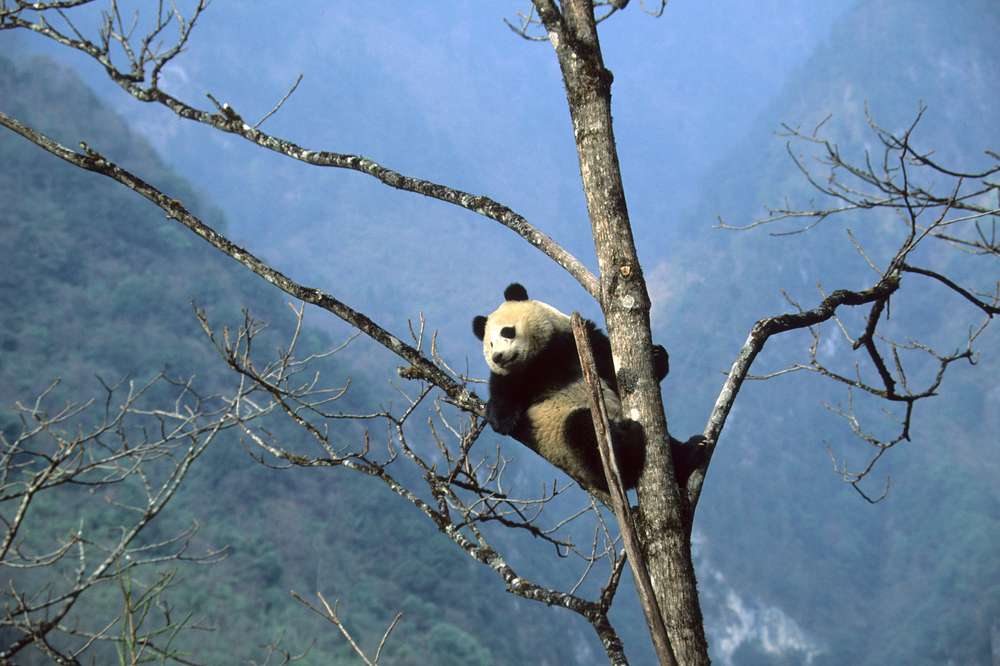
The giant panda is an iconic symbol of China and one of the most adorable creatures across the globe.  This national park features a population of 1,864 giant pandas.  The national park accounts for 80% of the Chinese giant panda population. Apart from the small number of pandas located in zoos around the world, all other giant pandas are found within China.

Connecting the 67 existing reserves and establishing protected areas between them allows the pandas to navigate between the different regions and hopefully crossbreed and strengthen the panda population. This stipe is an investment in the panda population and a focused effort to help the species thrive.

Things to See

Giant pandas are often one of the highlights of zoos that are fortunate enough to display these beautiful creatures.  They are probably the most popular wildlife species within and of China’s animal diversity.

Accordingly, the giant panda is the highlight of the park as well.  The mountainous and forested landscapes are only enhancements to the giant panda and wilderness experience.

Giant Panda

The Giant Panda is probably considered one of the cutest of all bear species.  It is not hard to find videos of giant pandas on Youtube and other video sources of giant pandas playing in the snow, rolling around, and just apparently being goofy.  People often characterize them as the playful bears.


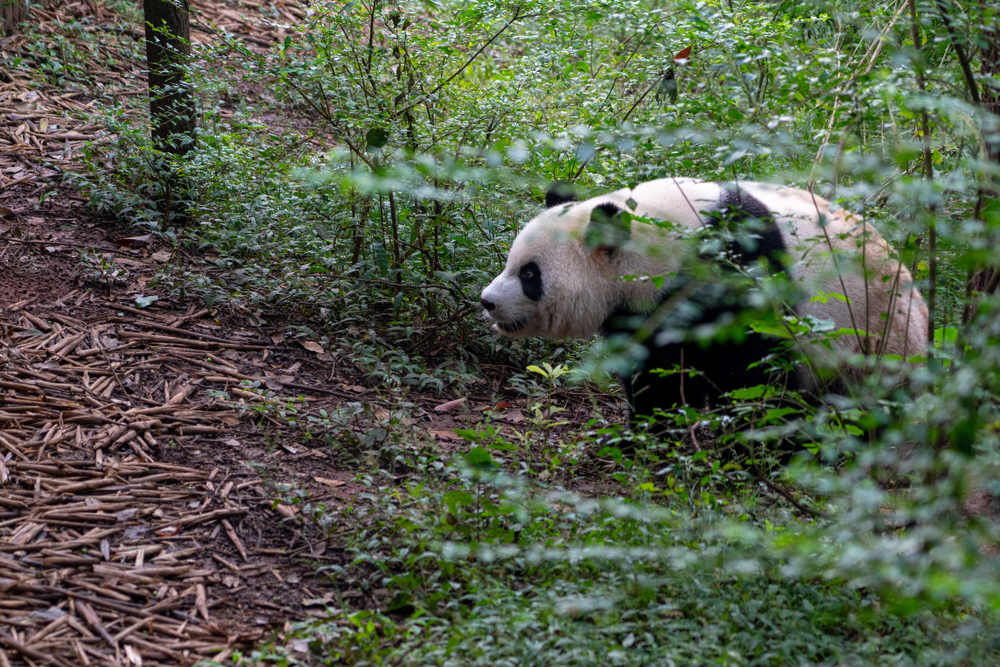
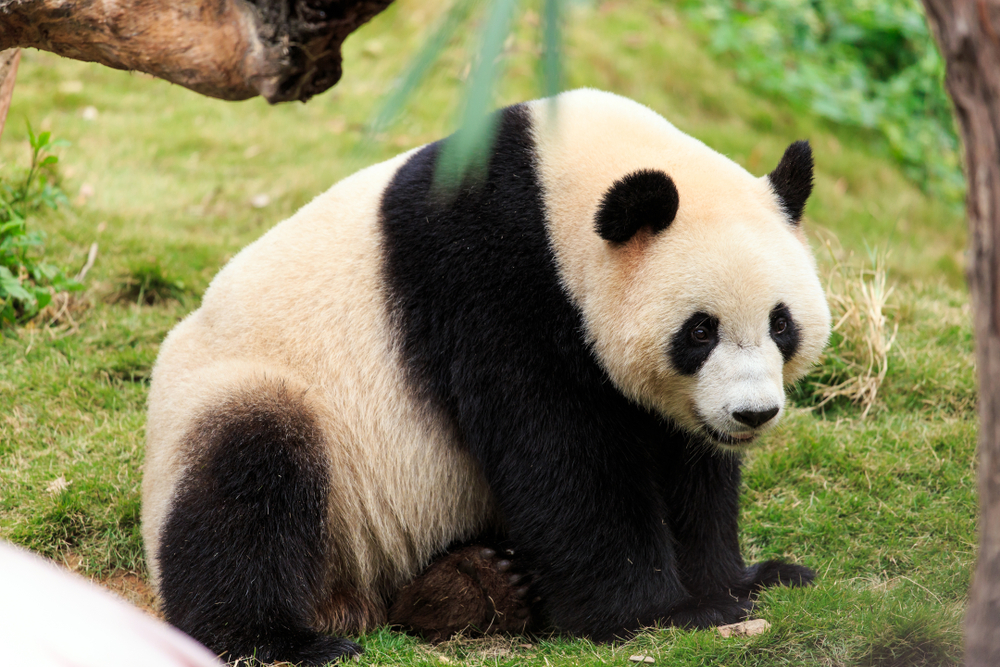
The giant panda is renowned for its black and white coloring. The predominantly white head is highlighted by black patches around the eyes as well as black pointy ears.  The arms and legs are usually all black with the main part of the body displaying white fur.  You might say they are large furry dominoes.

Adult giant pandas typically reach a length between 3 feet 11 inches to just over 6 feet (1.2 – 1.8 m). The males can weigh as much as 350 lbs (160 kg) while females are smaller weighing as little as 150 lbs (70 kg) although usually closer to 220 lbs (110 kg).

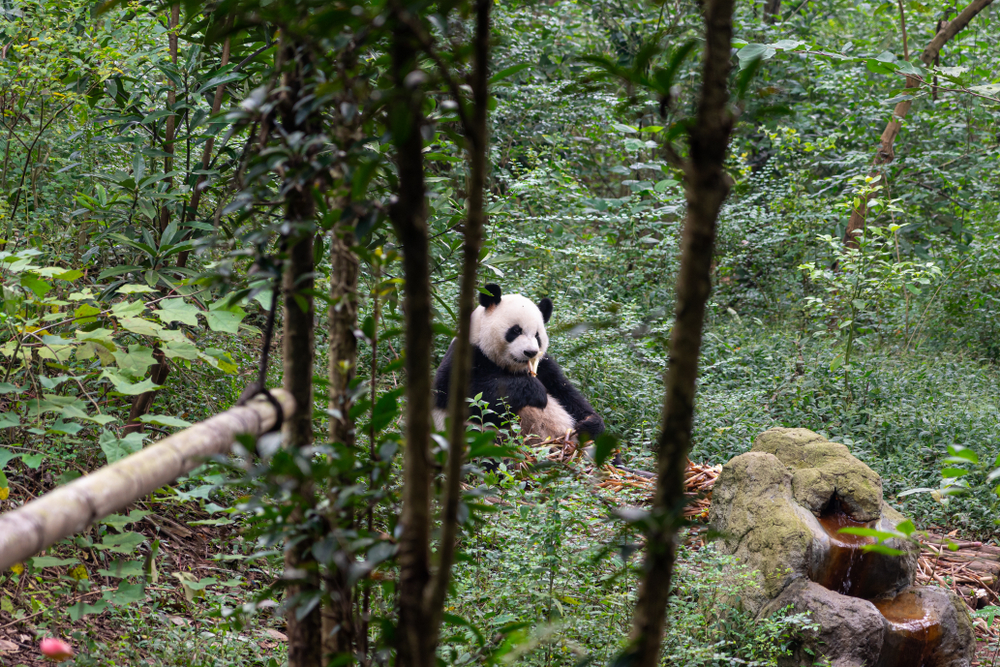
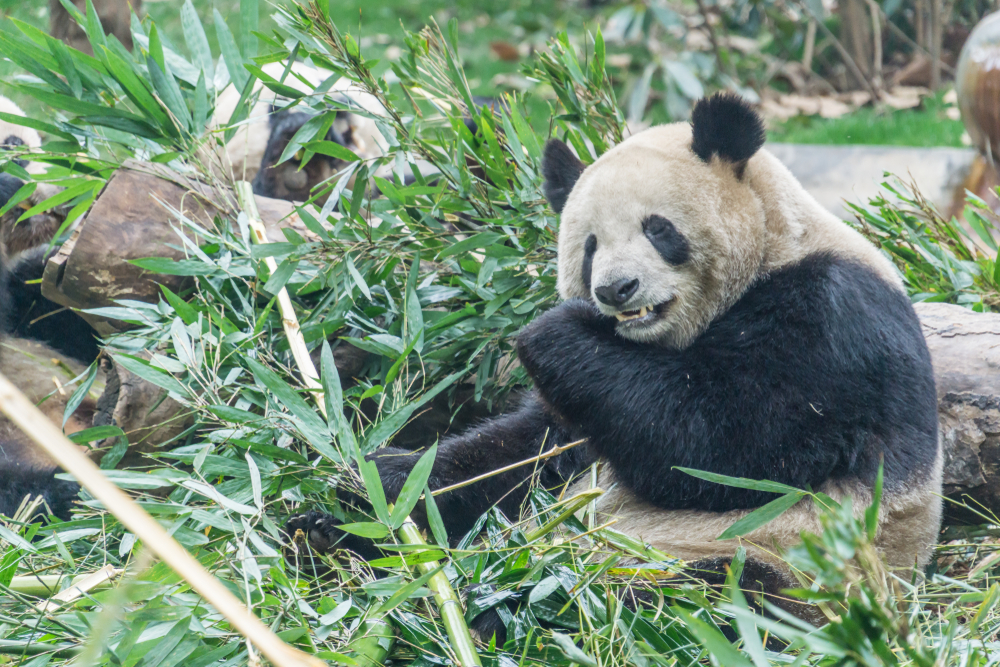
The giant panda is like the otter in that it seems like it is always playing even when it comes to eating.  The favorite food is bamboo and it will eat between 20 to 30 lbs (9 to 14 kg) a day.

Giant Pandas

Giant Pandas

Giant pandas (Ailuropoda melanoleuca) are iconic symbols of conservation and are beloved worldwide for their distinctive black and white fur, round faces, and gentle demeanor.

Native to China, these charismatic bears primarily feed on bamboo, consuming up to 30 pounds (14 kilograms) of bamboo shoots and leaves daily.

Despite their large size, giant pandas are solitary animals, except during the breeding season. Due to habitat loss, poaching, and low reproductive rates, giant pandas are classified as vulnerable by the International Union for Conservation of Nature (IUCN).

In Giant Panda National Park, efforts are focused on the protection and preservation of this endangered species. While the exact number of giant pandas in the park fluctuates due to breeding programs and conservation efforts, it is estimated that there are around 1,864 giant pandas remaining in the wild, with a significant portion living in protected reserves like Giant Panda National Park.

Popular

Popular

Giant Panda National Park is a bastion of biodiversity, safeguarding not only the iconic giant panda but also a multitude of other fascinating species within its bounds.

Red Panda
Smaller and more elusive than their giant cousins, Red Pandas are arboreal, feeding on bamboo and showcasing the rich ecological tapestry of the park.

Golden Snub-nosed Monkey
Distinguished by its striking blue face and golden fur, the Golden Snub-nosed Monkey thrives in the park’s cold environments, living in large, complex social groups.

Takin
The Takin, often called a ‘gnu goat’, mystifies with its bulky body and unique appearance, embodying the park’s wild and untamed nature.

Chinese Serow
A rugged, goat-like antelope, the Chinese Serow navigates the steep terrain with ease, a symbol of resilience and adaptability in the park’s ecosystems.

Snow Leopard
The elusive Snow Leopard, with its beautiful spotted coat, patrols the higher altitudes, playing a critical role as a top predator in the ecosystem.

Asiatic Black Bear
With its distinctive white chest patch, the Asiatic Black Bear forages through the park’s forests, contributing to the biodiversity and ecological balance.

Pere David’s Deer
Once thought extinct in the wild, Pere David’s Deer is a conservation success story, with the park providing a sanctuary for their continued survival.

Crested Ibis
The Crested Ibis, once near extinction, now thrives in the park, a beacon of conservation efforts and a symbol of hope for endangered species.

Chinese Monal
A stunning bird with iridescent plumage, the Chinese Monal is one of the park’s avian treasures, thriving in its alpine habitats.

Sichuan Takin
Closely related to the Takin, the Sichuan Takin is another of the park’s unique bovids, adapted to life in the rugged mountainous terrain.

Giant Panda National Park’s diverse inhabitants, from the arboreal Red Panda to the majestic Snow Leopard, highlight the importance of conservation and the interconnectedness of ecosystems.

Things To Do

Engaging Giant Panda National Park

Panda Viewing

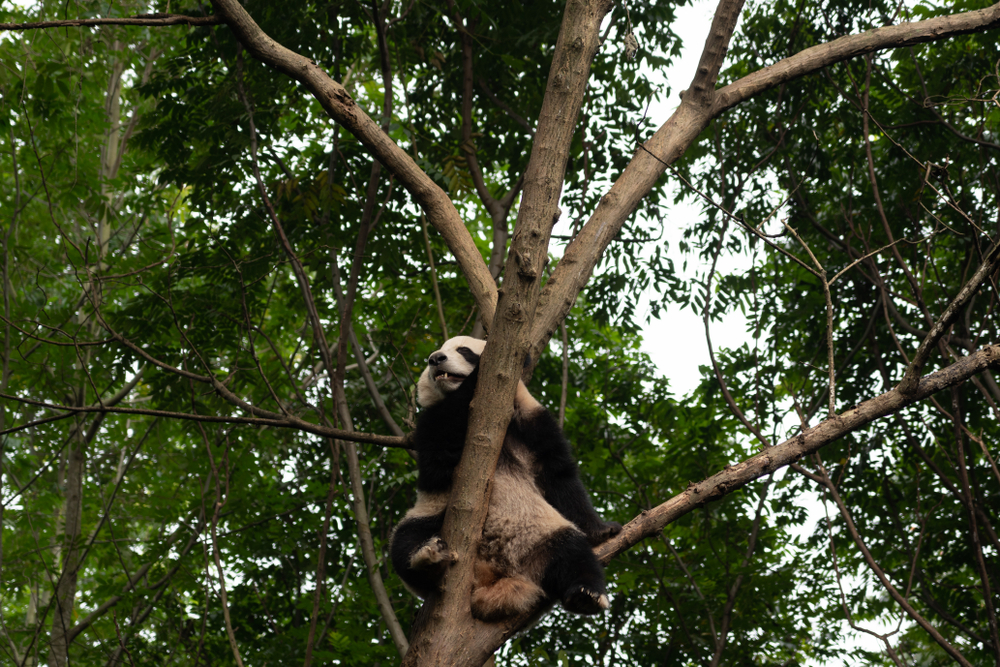
Observe the iconic giant pandas in their natural habitat at Giant Panda National Park. Visit designated panda reserves within the park to catch glimpses of these beloved creatures as they eat bamboo, play, and nap. Giant pandas are most active in the morning and late afternoon, offering prime viewing opportunities during these times.

Hiking Trails

Explore the park’s scenic hiking trails amidst lush forests and pristine landscapes. Choose from a variety of trails ranging from easy walks to more challenging hikes, offering opportunities to immerse yourself in nature and discover the park’s diverse flora and fauna.

Panda Viewing

Observe the iconic giant pandas in their natural habitat at Giant Panda National Park. Visit designated panda reserves within the park to catch glimpses of these beloved creatures as they eat bamboo, play, and nap. Giant pandas are most active in the morning and late afternoon, offering prime viewing opportunities during these times.

Hiking Trails

Explore the park’s scenic hiking trails amidst lush forests and pristine landscapes. Choose from a variety of trails ranging from easy walks to more challenging hikes, offering opportunities to immerse yourself in nature and discover the park’s diverse flora and fauna.

Giant Panda National Park Trails

The trails of the national park are not known at this time.  If hiking opportunities are part of the national park, we will update you here on the more popular trail options.  The larger national park is still in development and we are confident that walking safaris and hiking will be part of the adventure offered in the national park.

placeholder

Wolong Nature Reserve Trail

Rating: Moderate

Distance and Elevation Gain: Varies, approximately 5 miles (8 km) with varied elevation gain

Description: Within the heart of the Giant Panda National Park, the Wolong Nature Reserve offers trails that meander through lush bamboo forests, home to wild giant pandas.

While spotting a panda in the wild is rare, hikers can enjoy the rich biodiversity of the area, including various bird species and other wildlife. The terrain can be rugged, offering a genuine nature experience.

placeholder

Shenshuping Panda Base Path

Rating: Easy

Distance and Elevation Gain: 2 miles (3.2 km) round trip with minimal elevation gain

Description: This easy, family-friendly path around the Shenshuping Panda Base in Wolong allows visitors to observe giant pandas in semi-natural enclosures.

The trail is well-paved and offers educational insights into panda conservation efforts. It’s an excellent opportunity for visitors of all ages to learn about and see giant pandas up close.

placeholder

Laba River Panda Habitat Trail

Rating: Moderate to Difficult

Distance and Elevation Gain: Varies, up to 10 miles (16 km) with significant elevation gain

Description: Traversing the remote areas of the Laba River valley, this trail offers adventurers a chance to explore prime panda habitat. The path is less traveled and requires good physical condition.

Hikers can immerse themselves in the dense bamboo forests and may encounter signs of panda activity, although sightings are rare.

placeholder

Bifengxia Panda Base Walk

Rating: Easy

Distance and Elevation Gain: 1.5 miles (2.4 km) with minimal elevation gain

Description: This gentle walk around the Bifengxia Panda Base is perfect for those looking to see pandas without a strenuous hike.

The area is part of the larger Giant Panda National Park initiative and offers close-up views of pandas in care.

The walk is accessible and suitable for visitors of all ages, providing insights into panda behavior and conservation.

placeholder

Qingcheng Mountain Panda Habitat Trail

Rating: Moderate

Distance and Elevation Gain: 6 miles (9.7 km) round trip with about 1,000 feet (305 meters) elevation gain

Description: Though not directly within the Giant Panda National Park, Qingcheng Mountain offers trails through areas known for panda habitats.

The hike is scenic, with Taoist temples along the way and lush vegetation. While the primary attraction is the cultural and natural beauty, the area contributes to the broader ecosystem supporting panda conservation.

placeholder

Wolong Nature Reserve Trail

Rating: Moderate

Distance and Elevation Gain: Varies, approximately 5 miles (8 km) with varied elevation gain

Description: Within the heart of the Giant Panda National Park, the Wolong Nature Reserve offers trails that meander through lush bamboo forests, home to wild giant pandas.

While spotting a panda in the wild is rare, hikers can enjoy the rich biodiversity of the area, including various bird species and other wildlife. The terrain can be rugged, offering a genuine nature experience.

placeholder

Shenshuping Panda Base Path

Rating: Easy

Distance and Elevation Gain: 2 miles (3.2 km) round trip with minimal elevation gain

Description: This easy, family-friendly path around the Shenshuping Panda Base in Wolong allows visitors to observe giant pandas in semi-natural enclosures.

The trail is well-paved and offers educational insights into panda conservation efforts. It’s an excellent opportunity for visitors of all ages to learn about and see giant pandas up close.

placeholder

Laba River Panda Habitat Trail

Rating: Moderate to Difficult

Distance and Elevation Gain: Varies, up to 10 miles (16 km) with significant elevation gain

Description: Traversing the remote areas of the Laba River valley, this trail offers adventurers a chance to explore prime panda habitat. The path is less traveled and requires good physical condition.

Hikers can immerse themselves in the dense bamboo forests and may encounter signs of panda activity, although sightings are rare.

placeholder

Bifengxia Panda Base Walk

Rating: Easy

Distance and Elevation Gain: 1.5 miles (2.4 km) with minimal elevation gain

Description: This gentle walk around the Bifengxia Panda Base is perfect for those looking to see pandas without a strenuous hike.

The area is part of the larger Giant Panda National Park initiative and offers close-up views of pandas in care.

The walk is accessible and suitable for visitors of all ages, providing insights into panda behavior and conservation.

placeholder

Qingcheng Mountain Panda Habitat Trail

Rating: Moderate

Distance and Elevation Gain: 6 miles (9.7 km) round trip with about 1,000 feet (305 meters) elevation gain

Description: Though not directly within the Giant Panda National Park, Qingcheng Mountain offers trails through areas known for panda habitats.

The hike is scenic, with Taoist temples along the way and lush vegetation. While the primary attraction is the cultural and natural beauty, the area contributes to the broader ecosystem supporting panda conservation.

Park Protection

The combination of these over 60 panda reserves is a dedicated commitment by the Chinese government to invest and protect these magnificent creatures.  The good news is there is evidence that it appears that the population is growing.  The IUCN has upgraded the species from endangered to threatened.  Although this improvement is positive, there is much the world needs to do to help secure the survival of the species.

FAQ’s

What is Giant Panda National Park known for apart from pandas?

iant Panda National Park is known for its diverse ecosystem, which includes a variety of flora and fauna apart from pandas. The park boasts lush forests, pristine rivers, and abundant wildlife such as golden monkeys, takins, and red pandas.

It is also recognized for its conservation efforts aimed at protecting endangered species and preserving their natural habitats. Visitors can enjoy activities such as birdwatching, hiking, and exploring the park’s scenic landscapes, offering unique opportunities to experience China’s rich biodiversity beyond its iconic giant pandas.

When is the best time to visit Giant Panda National Park?

The best time to visit Giant Panda National Park is during the spring (March to May) or autumn (September to November) when the weather is mild and comfortable. During these seasons, temperatures range from 50°F to 70°F (10°C to 21°C) during the day, providing pleasant conditions for outdoor activities such as hiking and wildlife viewing.

Additionally, spring and autumn offer lush green landscapes and blooming flora, enhancing the scenic beauty of the park. Visiting during these times also avoids the peak tourist crowds and extreme temperatures of summer and winter, ensuring a more enjoyable and tranquil experience in Giant Panda National Park.

What is Giant Panda National Park known for apart from pandas?

iant Panda National Park is known for its diverse ecosystem, which includes a variety of flora and fauna apart from pandas. The park boasts lush forests, pristine rivers, and abundant wildlife such as golden monkeys, takins, and red pandas.

It is also recognized for its conservation efforts aimed at protecting endangered species and preserving their natural habitats. Visitors can enjoy activities such as birdwatching, hiking, and exploring the park’s scenic landscapes, offering unique opportunities to experience China’s rich biodiversity beyond its iconic giant pandas.

When is the best time to visit Giant Panda National Park?

The best time to visit Giant Panda National Park is during the spring (March to May) or autumn (September to November) when the weather is mild and comfortable. During these seasons, temperatures range from 50°F to 70°F (10°C to 21°C) during the day, providing pleasant conditions for outdoor activities such as hiking and wildlife viewing.

Additionally, spring and autumn offer lush green landscapes and blooming flora, enhancing the scenic beauty of the park. Visiting during these times also avoids the peak tourist crowds and extreme temperatures of summer and winter, ensuring a more enjoyable and tranquil experience in Giant Panda National Park.

Sources