About

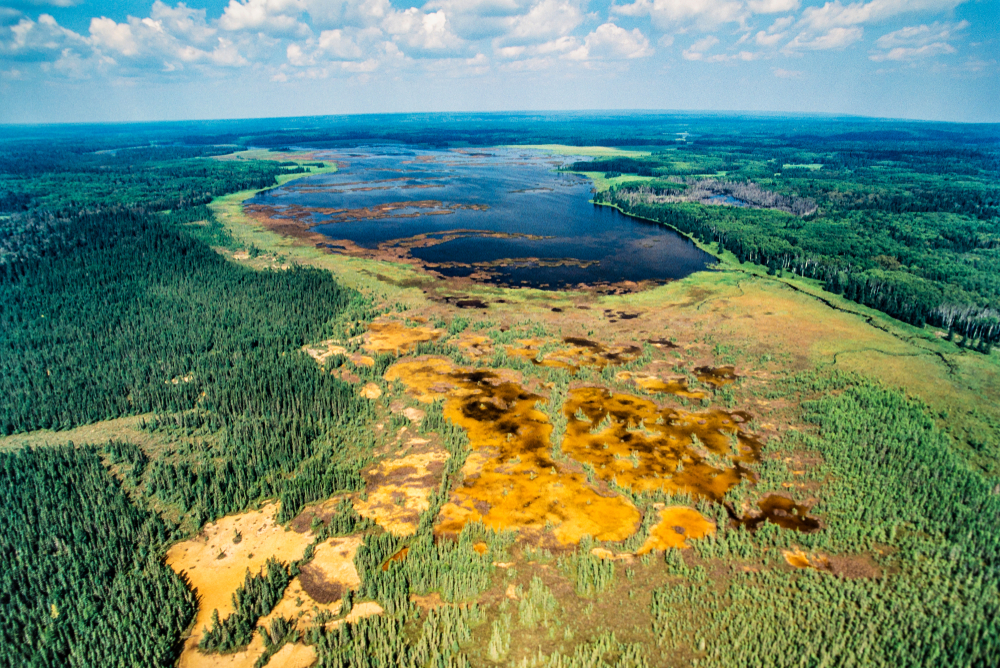
Riding Mountain National Park is located in the southwestern corner of Manitoba, Canada. The park covers an area of 1,146 square miles (2,969 sq km).

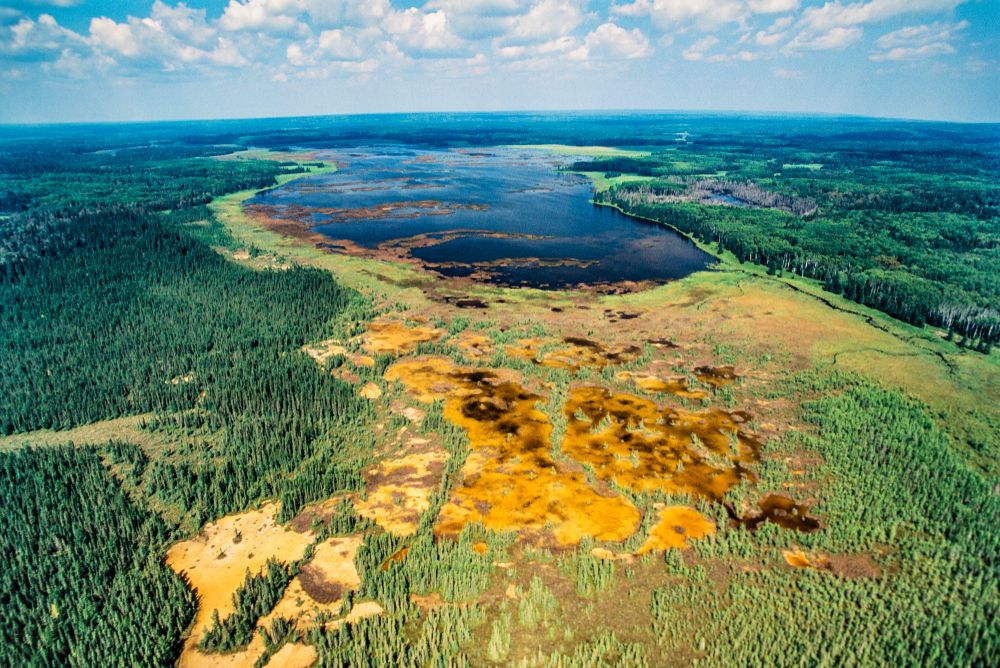
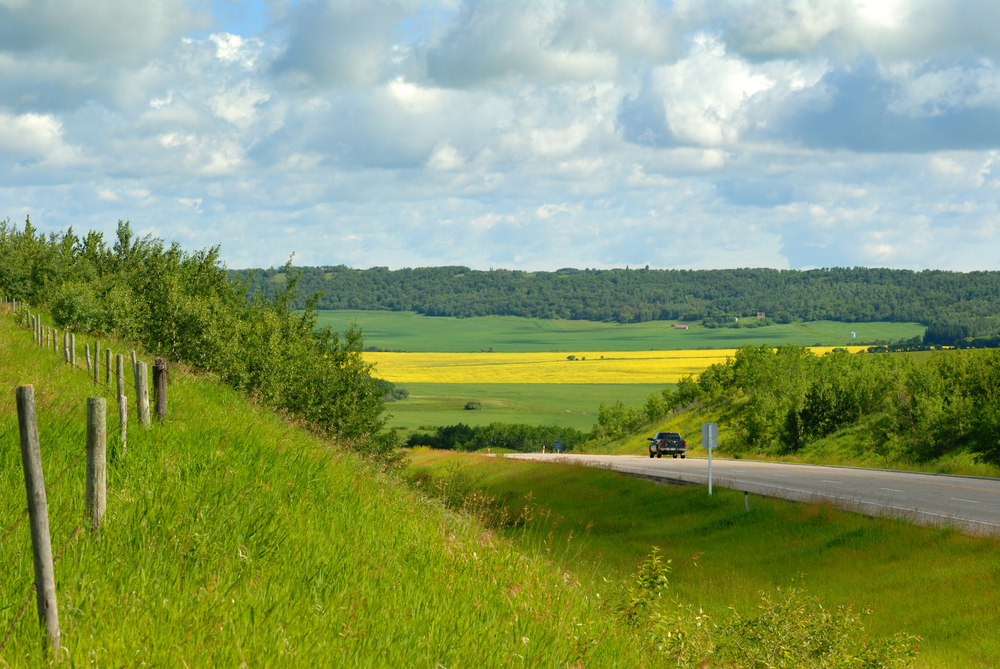
Much of the neighboring area is represented by prairie grasslands and farmlands.  Things change quite dramatically as you approach the protected area of the park.  The national park is comprised of three different habitats.

The three habitats of Riding Mountain National Park include eastern deciduous forests, grasslands, and upland boreal. The area is designated as a UNESCO Biosphere Reserve adding to the significance of the protected area.

The elevation of the park shoots up 1,499 feet (457 m) as you shift from the neighboring farmland.  Riding Mountain is the tallest spot in the park.

There are several lakes within the national park as well as streams and rivers.  Leveraging the waterways are some of the best ways to engage the area with boating, canoeing, kayaking, and fishing.

The forests are comprised of alder, bur oak, fir, pine, poplar, spruce, and tamarack.  The poplar is one of the predominant species that create a habit that is rich with wildlife. There are 233 species of birds that nest or migrate through the park, of course, Canada geese and common loons are some of the favored sightings.

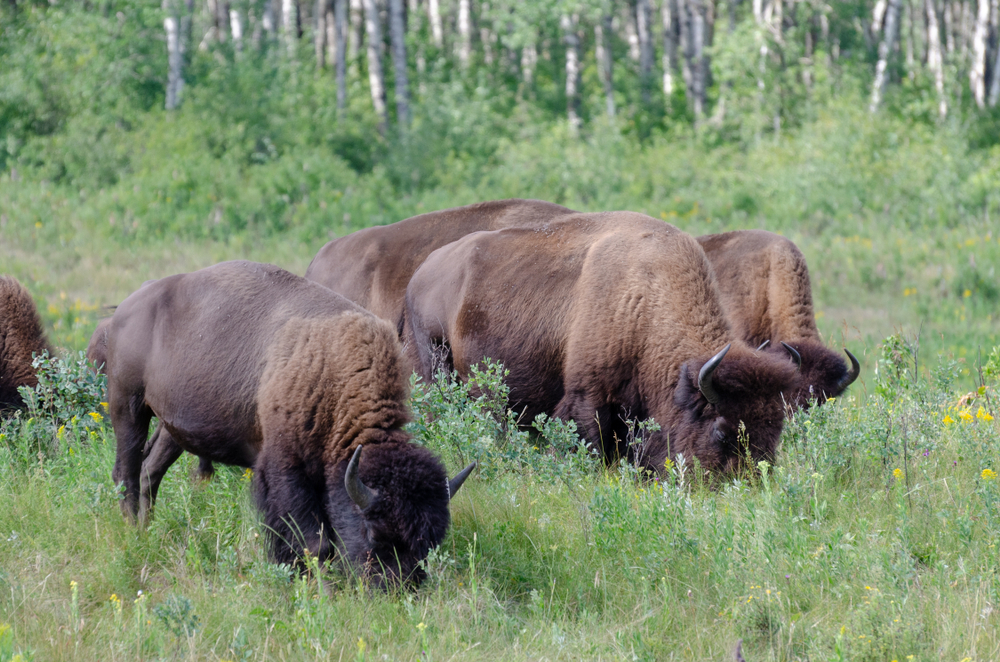
The park is renowned for its black bears featuring one of the largest populations across the entire North American continent.  Other popular species include beaver, bison, cougar, coyote, elk, lynx, moose, timber wolf, and white-tailed deer.

Things to See

The wildlife is one of the highlights of the park with sightings being quite favorable.  The lush grasslands combined with the cover of the neighboring forests make this an ecosystem rich with animals.

Black Bear

The black bear is a medium-sized bear and one of the most populous species across the globe.  The range and prevalence of the black bear are broader than its larger cousin the grizzly or brown bear.

Riding Mountain has one of the largest populations of black bears compared to any national park in Canada or the larger North America. Although no guarantees, this creates greater odds of having a black bear sighting during your exploration of the park.

Popular

Popular

Riding Mountain National Park, nestled in the heart of Manitoba, Canada, is a biodiverse oasis where prairies, forests, and wetlands converge, hosting an array of wildlife species that offer visitors a rich tapestry of natural encounters amidst the park’s stunning landscapes.

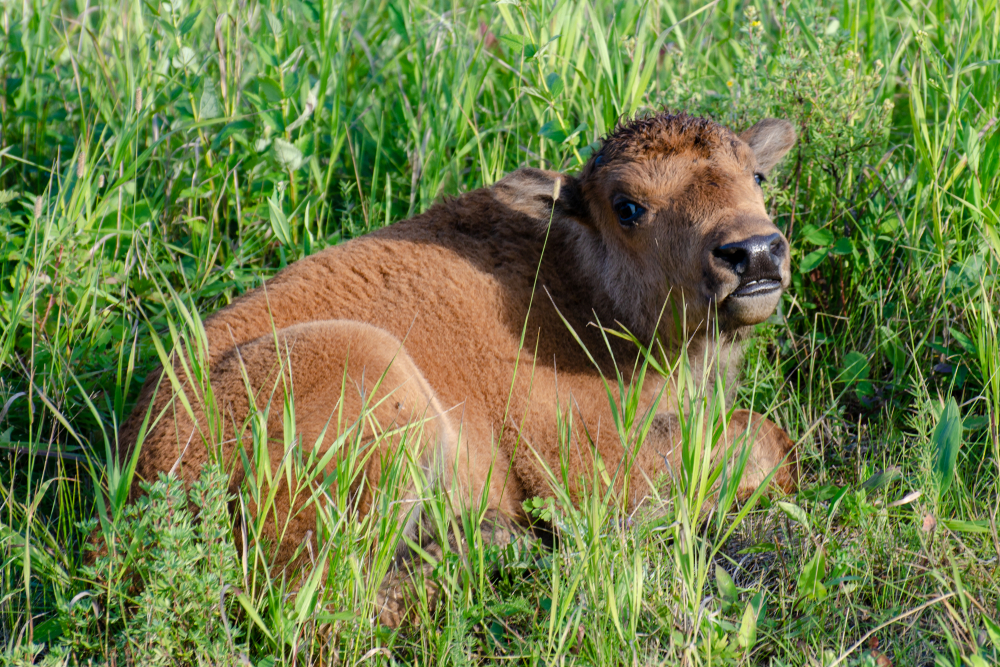
Bison Once near extinction, bison herds within the park are a powerful symbol of conservation, roaming the grasslands in a display of their historic presence.

Black Bear Common throughout Riding Mountain, black bears are versatile foragers, adapting to the park’s varied habitats and reminding visitors of the wilderness beyond.

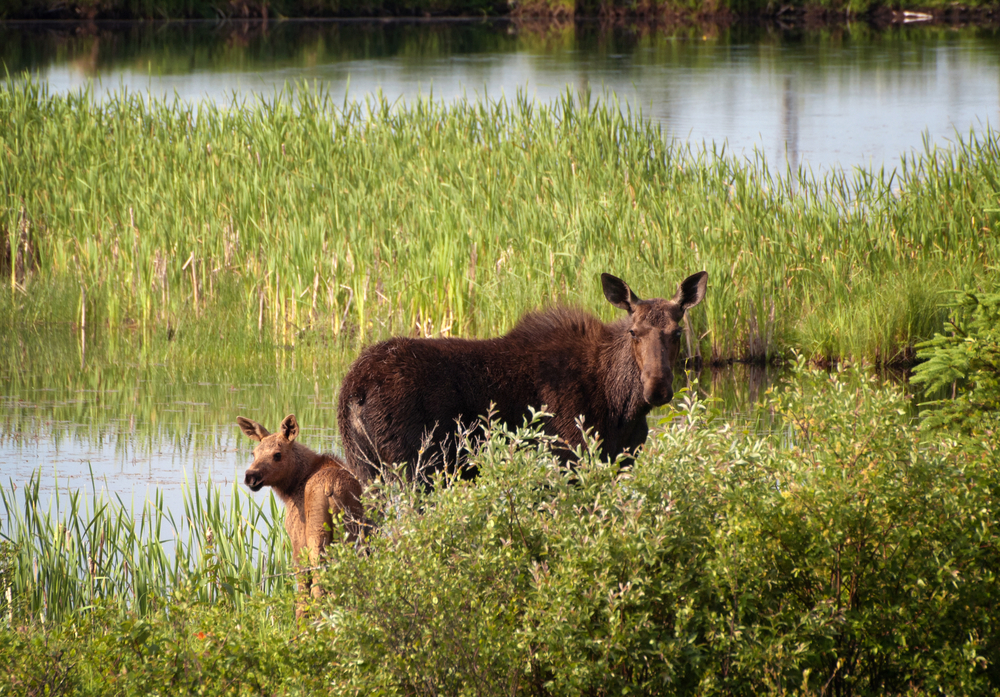
Moose The majestic moose, the largest of deer species, is often seen wading in the park’s lakes and marshes, browsing on aquatic vegetation and willows.

Wolf The elusive wolf, apex predator of the park, moves silently through the forest, playing a crucial role in maintaining the ecological balance of Riding Mountain.

Elk With their haunting bugles echoing in autumn, elk roam the park’s meadows and forests, a sight that captivates visitors with their grace and size.

Common Loon The haunting call of the common loon over the park’s lakes is a quintessential sound of the Canadian wilderness, embodying the spirit of the north.

Beaver As nature’s engineers, beavers shape the park’s waterways, creating habitats that support diverse species with their intricate dams and lodges.

Great Gray Owl The great gray owl, with its impressive size and piercing eyes, is often spotted perched silently in the forest, a ghostly figure at dusk.

Red Fox The cunning red fox, with its striking orange fur, is a common sight, showcasing its adaptability by thriving in both the park’s forests and grasslands.

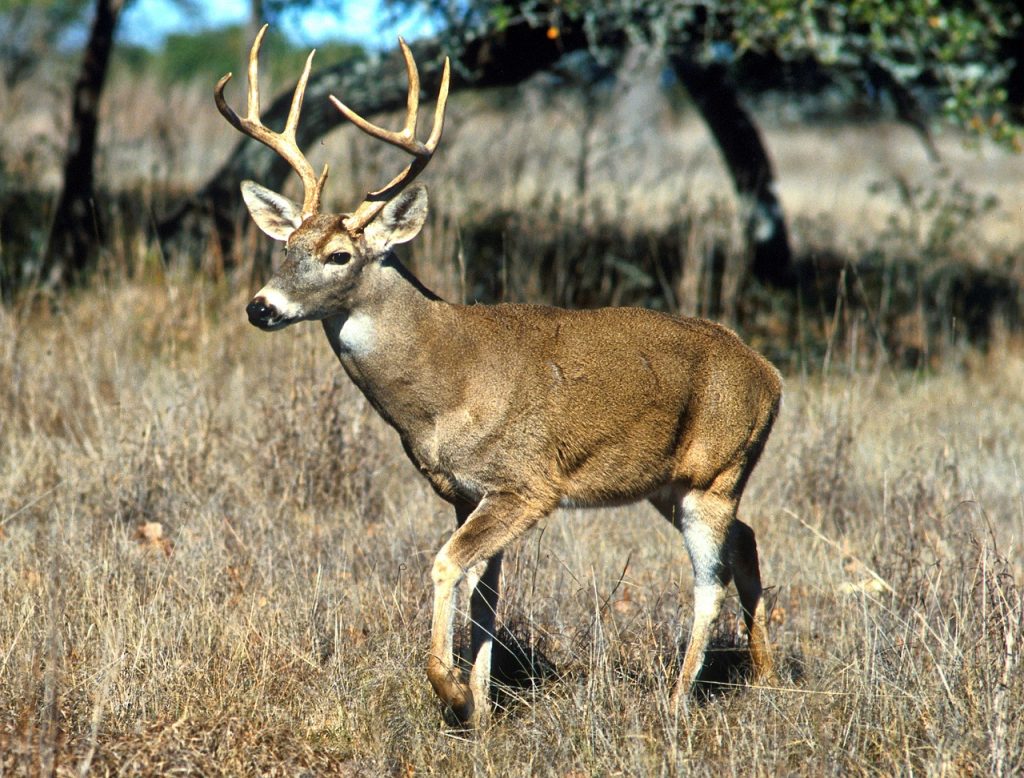
White-tailed Deer Grazing in the clearings and along the park’s edges, white-tailed deer are a serene presence, symbolizing the gentle side of the wilderness.

Riding Mountain National Park’s wildlife, from the iconic bison to the mysterious great gray owl, invites visitors to explore and appreciate the natural harmony and beauty of one of Canada’s treasured national parks.

Things To Do

Engaging Riding Mountain
Hiking

Explore the diverse landscapes of Riding Mountain National Park on its network of hiking trails. From leisurely strolls through lush forests to challenging treks up scenic ridges, the park offers trails for all skill levels and interests.

Keep an eye out for wildlife such as black bears, elk, and songbirds as you immerse yourself in the natural beauty of the park.

Canoeing/Kayaking

Discover the serene waters of Riding Mountain National Park by canoe or kayak. Paddle along scenic lakeshores, explore hidden bays and inlets, and enjoy stunning views of the surrounding landscapes. With rental facilities available, it’s easy to embark on a paddling adventure and experience the beauty of the park from the water.

Scenic Driving

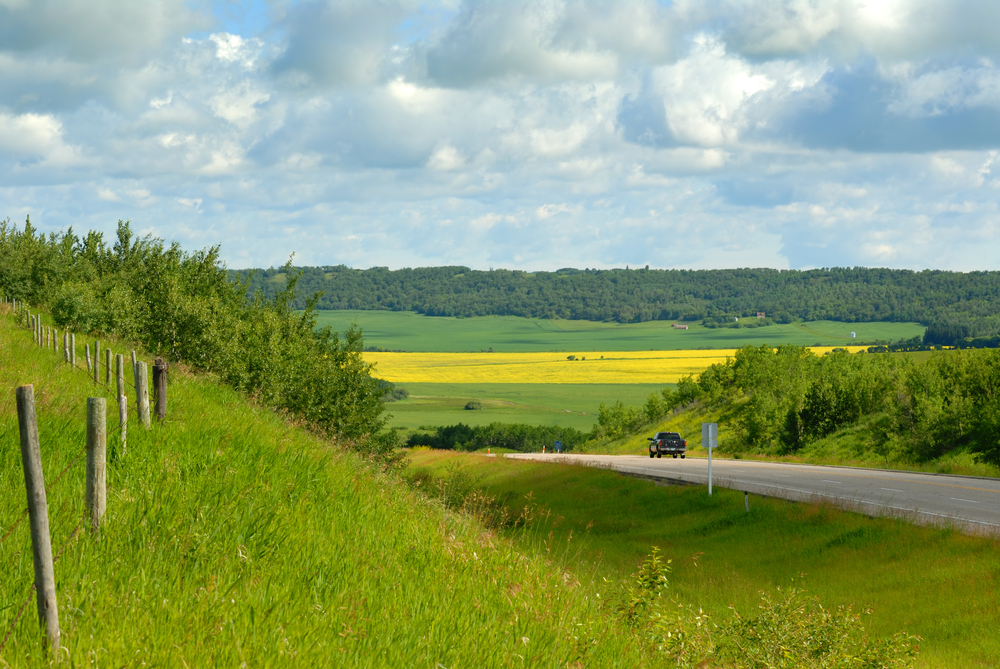
Take a leisurely drive along the park’s scenic roads, winding through forests, grasslands, and wetlands.

Enjoy panoramic vistas of rolling hills, crystal-clear lakes, and picturesque meadows as you soak in the natural splendor of Riding Mountain National Park from the comfort of your car.

Keep an eye out for wildlife such as deer, foxes, and birds of prey as you explore the park’s diverse ecosystems

Hiking

Explore the diverse landscapes of Riding Mountain National Park on its network of hiking trails. From leisurely strolls through lush forests to challenging treks up scenic ridges, the park offers trails for all skill levels and interests.

Keep an eye out for wildlife such as black bears, elk, and songbirds as you immerse yourself in the natural beauty of the park.

Canoeing/Kayaking

Discover the serene waters of Riding Mountain National Park by canoe or kayak. Paddle along scenic lakeshores, explore hidden bays and inlets, and enjoy stunning views of the surrounding landscapes. With rental facilities available, it’s easy to embark on a paddling adventure and experience the beauty of the park from the water.

Scenic Driving

Take a leisurely drive along the park’s scenic roads, winding through forests, grasslands, and wetlands.

Enjoy panoramic vistas of rolling hills, crystal-clear lakes, and picturesque meadows as you soak in the natural splendor of Riding Mountain National Park from the comfort of your car.

Keep an eye out for wildlife such as deer, foxes, and birds of prey as you explore the park’s diverse ecosystems

Riding Mountain National Park Trails

Riding Mountain National Park has over 250 miles (400 km) of hiking trails traversing across and meandering about the wilderness of the national park. There is a variety of short hikes to longer backpacking adventures.

placeholder

Kinosao Lake Trail

This is an easy 4.5-mile (7.24 km) loop trail that meanders through the forest and out to a lookout over the lake. Birdwatching and wildflowers are popular facets of this outing.

placeholder

Bead Lakes Trail

This is another easy-rated loop trail that circles around 2.4 miles (3.86 km) with scenic views out of the lakes as well as chances to see wildlife and wildflowers.  You will have views of three of the four Bead Lakes.

placeholder

Arrowhead Trail

This short moderate loop trail looks like something out of Robin Hood.  The 2.0-mile (3.21 km) trail ascends 318 feet (96.92 m) while meandering through the thick forest.  This trail is all about being in the woods.

placeholder

George Creek Trail

This moderate-rated trail is out 7.2 miles (11.59 km) with an elevation gain of 1,200 feet (365.76 m). Part of the trail is a boardwalk as it ascends upward while traversing through the dense forest. Seeing wildlife, wildflowers, and birdwatching are all possible highlights of this adventure.

placeholder

Bald Hill Trail

Rating: Difficult

Distance and Elevation Gain: 8.1 miles (13 km) round trip with about 1,148 feet (350 meters) elevation gain

Description: This trail leads hikers to one of the highest points in the park, offering panoramic views of the surrounding area. The ascent is challenging but rewards hikers with breathtaking vistas of the Manitoba Escarpment and the mixed forest below. The trail is well-marked and offers an immersive experience in the park’s natural beauty.

placeholder

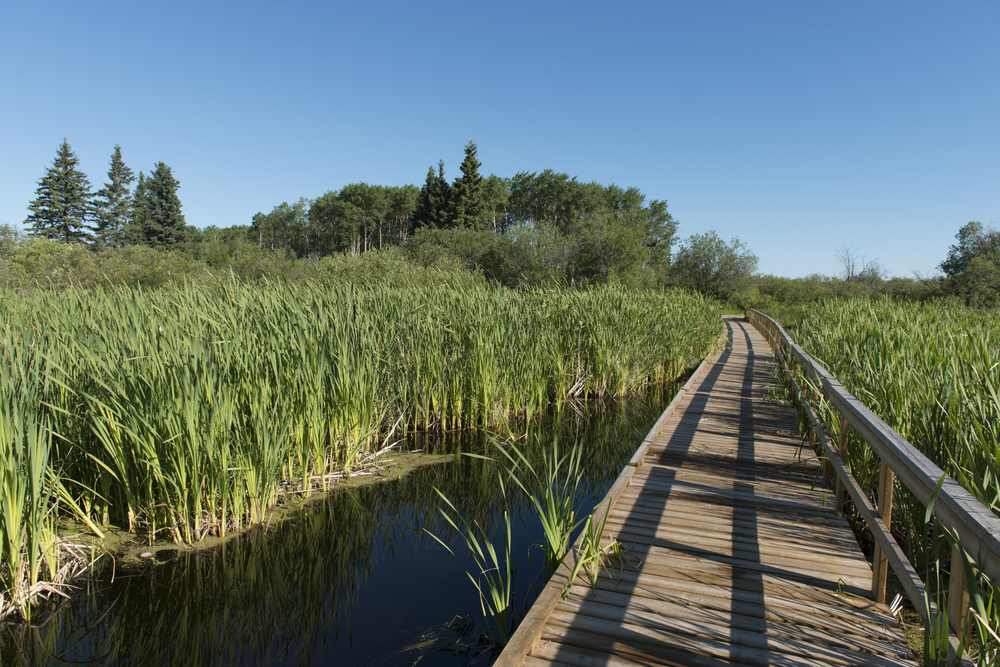
Ominnik Marsh Trail

Rating: Easy

Distance and Elevation Gain: 1.8 miles (2.9 km) loop with minimal elevation gain

Description: Perfect for families and casual hikers, this easy loop takes you through the serene Ominnik Marsh.

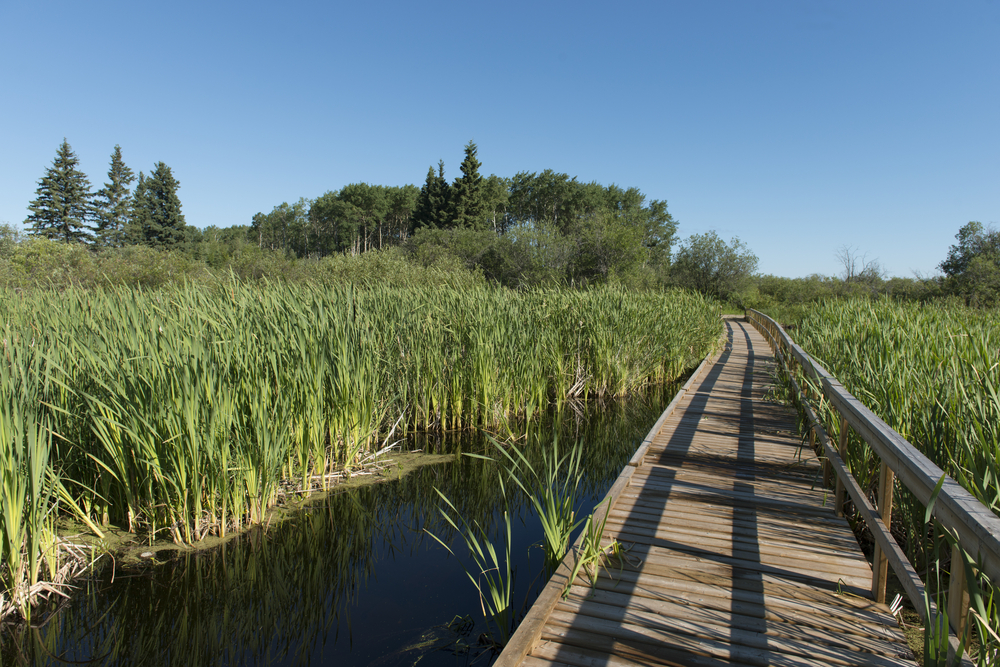
The trail features a boardwalk that allows for close-up views of wetland plants and wildlife without disturbing the delicate ecosystem.

Interpretive signs along the way provide insights into the marsh’s inhabitants, making it an educational experience as well as a scenic one.

placeholder

Gorge Creek Trail

Rating: Moderate

Distance and Elevation Gain: 4.3 miles (7 km) loop with about 656 feet (200 meters) elevation gain

Description: Winding through a stunning gorge carved by glacial waters, this trail showcases the geological history of the area. Hikers will traverse mixed forest landscapes, encounter diverse plant life, and enjoy views of the creek below.

The trail’s moderate difficulty makes it a rewarding hike for those looking for a bit more of a challenge without venturing into backcountry terrain.

placeholder

Moon Lake Trail

Rating: Moderate

Distance and Elevation Gain: 5.6 miles (9 km) loop with minimal elevation gain

Description: Circling the picturesque Moon Lake, this trail offers hikers the chance to enjoy the park’s tranquil waterways and spot local wildlife.

The trail is moderately easy, with some rocky and root-filled sections, making for a varied hiking experience.

Benches and picnic spots along the route invite hikers to relax and take in the scenic views of the lake and its surroundings.

placeholder

Brûlé Trail

Rating: Easy

Distance and Elevation Gain: 2.5 miles (4 km) round trip with minimal elevation gain

Description: This gentle trail is ideal for a leisurely hike through Riding Mountain’s distinctive aspen forests. The path is flat and well-maintained, making it accessible to hikers of all skill levels.

Along the way, interpretive signs detail the history of the area’s Indigenous peoples and the park’s diverse ecosystems, offering a peaceful yet informative outdoor experience.

placeholder

Bald Hill Trail

Rating: Difficult

Distance and Elevation Gain: 8.1 miles (13 km) round trip with about 1,148 feet (350 meters) elevation gain

Description: This trail leads hikers to one of the highest points in the park, offering panoramic views of the surrounding area. The ascent is challenging but rewards hikers with breathtaking vistas of the Manitoba Escarpment and the mixed forest below. The trail is well-marked and offers an immersive experience in the park’s natural beauty.

placeholder

Ominnik Marsh Trail

Rating: Easy

Distance and Elevation Gain: 1.8 miles (2.9 km) loop with minimal elevation gain

Description: Perfect for families and casual hikers, this easy loop takes you through the serene Ominnik Marsh.

The trail features a boardwalk that allows for close-up views of wetland plants and wildlife without disturbing the delicate ecosystem.

Interpretive signs along the way provide insights into the marsh’s inhabitants, making it an educational experience as well as a scenic one.

placeholder

Gorge Creek Trail

Rating: Moderate

Distance and Elevation Gain: 4.3 miles (7 km) loop with about 656 feet (200 meters) elevation gain

Description: Winding through a stunning gorge carved by glacial waters, this trail showcases the geological history of the area. Hikers will traverse mixed forest landscapes, encounter diverse plant life, and enjoy views of the creek below.

The trail’s moderate difficulty makes it a rewarding hike for those looking for a bit more of a challenge without venturing into backcountry terrain.

placeholder

Moon Lake Trail

Rating: Moderate

Distance and Elevation Gain: 5.6 miles (9 km) loop with minimal elevation gain

Description: Circling the picturesque Moon Lake, this trail offers hikers the chance to enjoy the park’s tranquil waterways and spot local wildlife.

The trail is moderately easy, with some rocky and root-filled sections, making for a varied hiking experience.

Benches and picnic spots along the route invite hikers to relax and take in the scenic views of the lake and its surroundings.

placeholder

Brûlé Trail

Rating: Easy

Distance and Elevation Gain: 2.5 miles (4 km) round trip with minimal elevation gain

Description: This gentle trail is ideal for a leisurely hike through Riding Mountain’s distinctive aspen forests. The path is flat and well-maintained, making it accessible to hikers of all skill levels.

Along the way, interpretive signs detail the history of the area’s Indigenous peoples and the park’s diverse ecosystems, offering a peaceful yet informative outdoor experience.

FAQ’s

What is Riding Mountain National Park known for?

Riding Mountain National Park, located in Manitoba, Canada, is known for its diverse landscapes, rich biodiversity, and opportunities for outdoor recreation. Established in 1929, the park encompasses a vast area of over 1,100 square kilometers, including mixed-grass prairie, boreal forest, and aspen parkland ecosystems.

One of the park’s main attractions is its stunning scenery, which includes rolling hills, crystal-clear lakes, and lush forests. Visitors to Riding Mountain National Park can enjoy a variety of outdoor activities, including hiking, camping, wildlife viewing, and water sports.

The park is home to a wide range of wildlife, including black bears, elk, moose, and over 200 species of birds, making it a popular destination for nature lovers and wildlife enthusiasts.

In addition to its natural beauty, Riding Mountain National Park offers opportunities for cultural and historical exploration.

The park is home to several Indigenous archaeological sites and historic landmarks, providing insights into the region’s rich cultural heritage.

Whether you’re seeking adventure in the great outdoors or simply looking to relax and reconnect with nature, Riding Mountain National Park offers something for everyone to enjoy.

What is Riding Mountain National Park known for?

Riding Mountain National Park, located in Manitoba, Canada, is known for its diverse landscapes, rich biodiversity, and opportunities for outdoor recreation. Established in 1929, the park encompasses a vast area of over 1,100 square kilometers, including mixed-grass prairie, boreal forest, and aspen parkland ecosystems.

One of the park’s main attractions is its stunning scenery, which includes rolling hills, crystal-clear lakes, and lush forests. Visitors to Riding Mountain National Park can enjoy a variety of outdoor activities, including hiking, camping, wildlife viewing, and water sports.

The park is home to a wide range of wildlife, including black bears, elk, moose, and over 200 species of birds, making it a popular destination for nature lovers and wildlife enthusiasts.

In addition to its natural beauty, Riding Mountain National Park offers opportunities for cultural and historical exploration.

The park is home to several Indigenous archaeological sites and historic landmarks, providing insights into the region’s rich cultural heritage.

Whether you’re seeking adventure in the great outdoors or simply looking to relax and reconnect with nature, Riding Mountain National Park offers something for everyone to enjoy.

Sources