

About
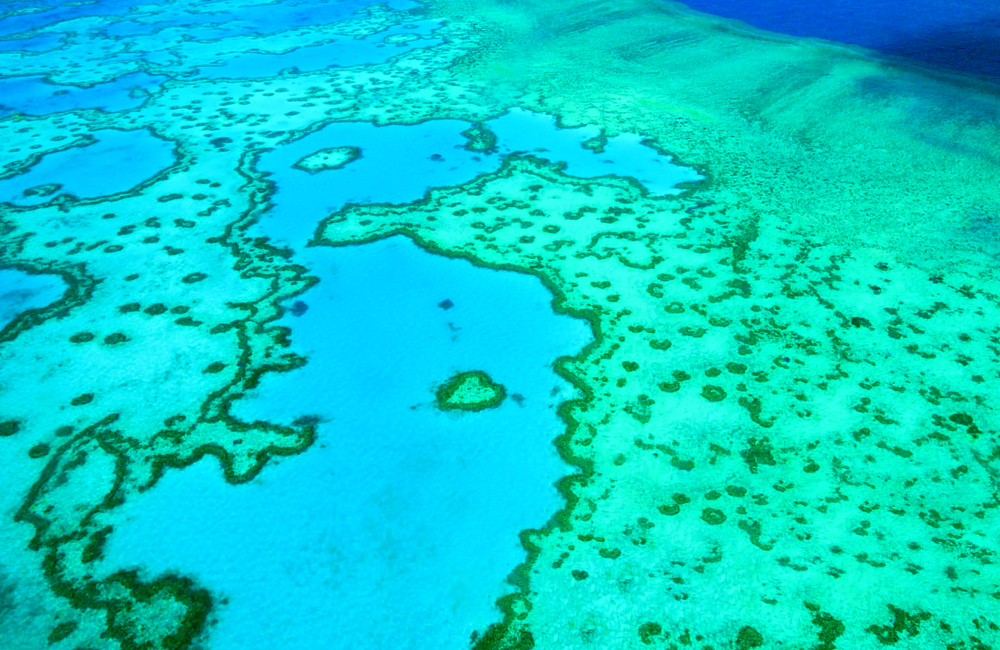
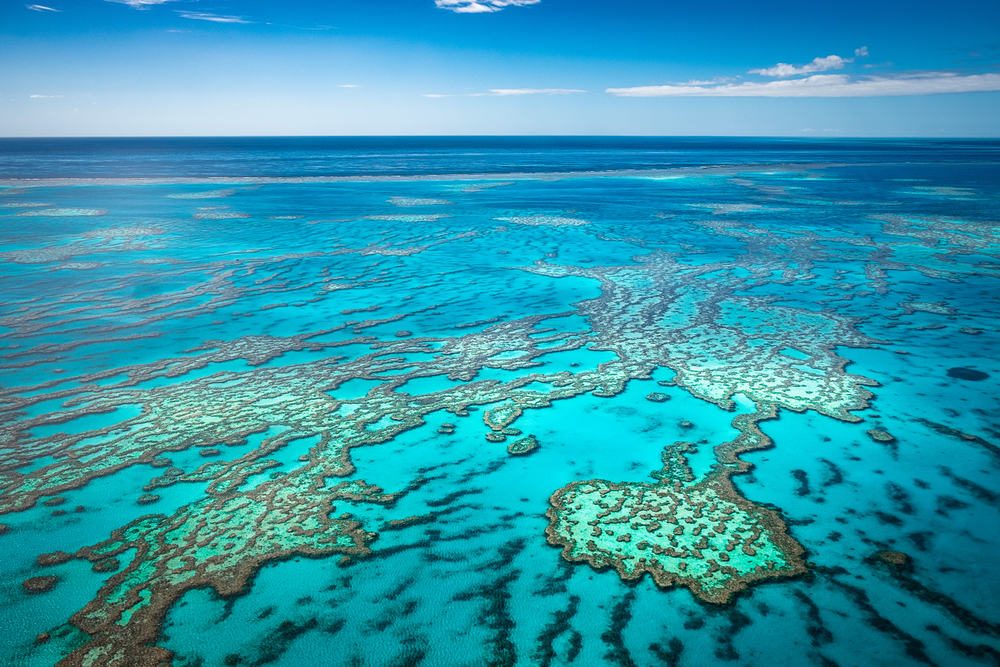
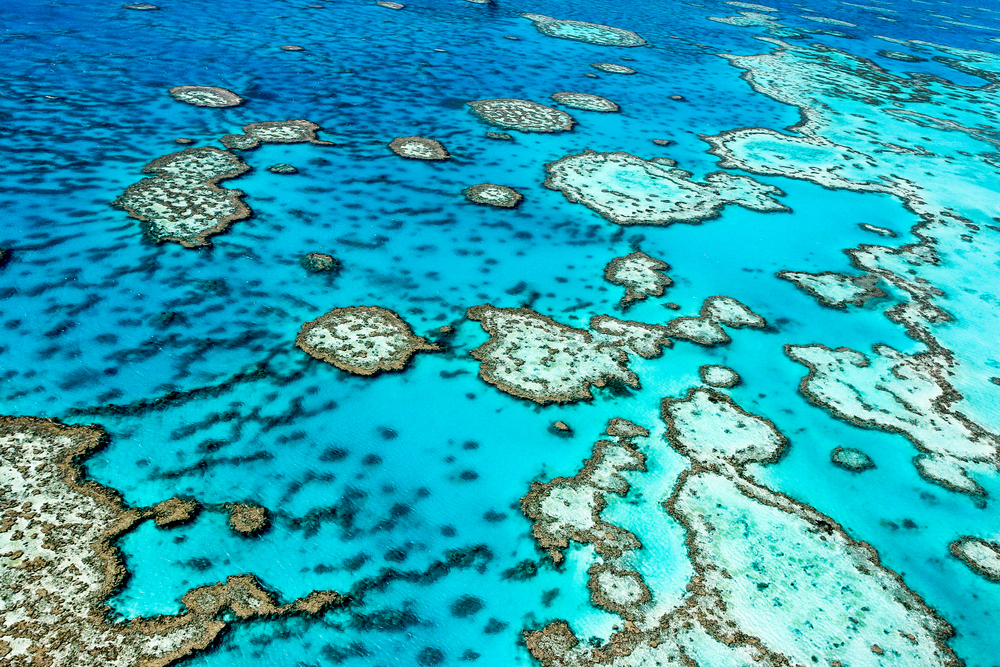
The Great Barrier Reef Marine Park is located in Queensland in the waterways off the northeastern coast of Australia. The park boundaries encompass an area of 132,806 square miles (343,966 sq km) which accounts for much of the barrier reef.
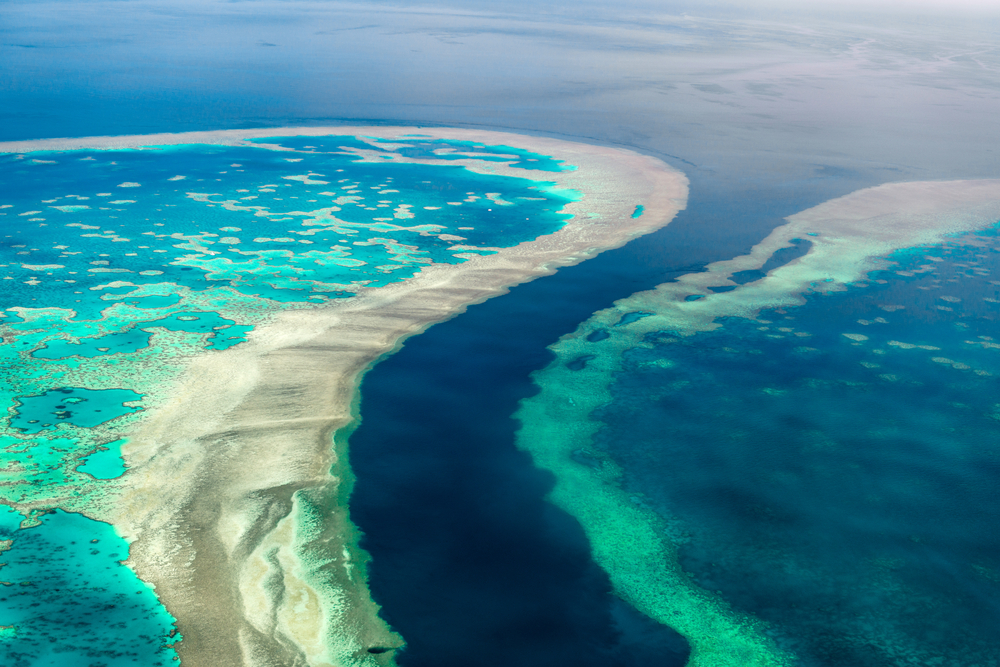
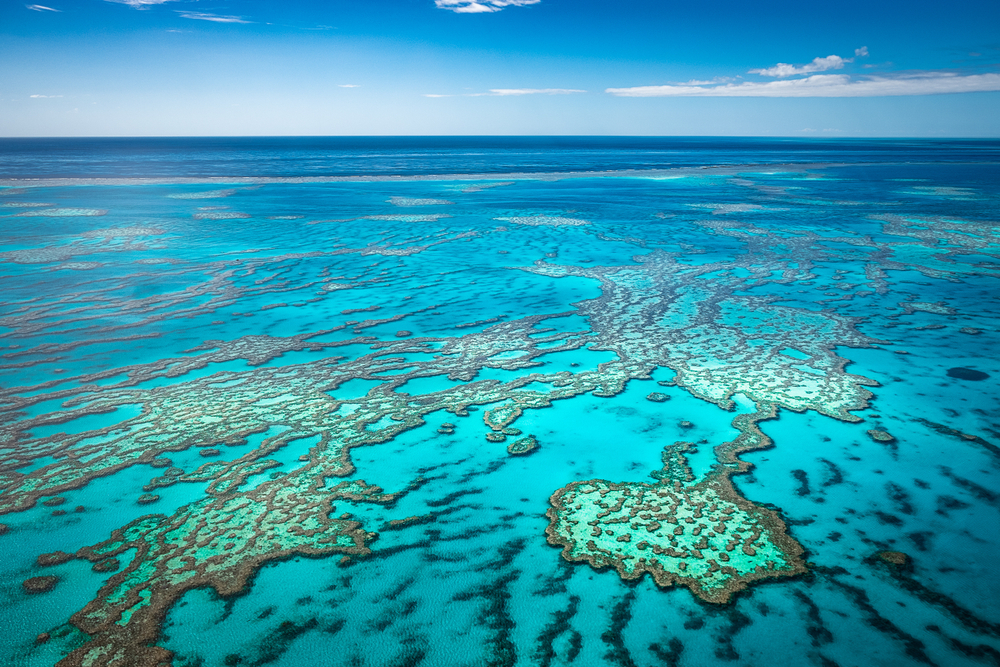
The Great Barrier Reef extends across a distance of 1,400 miles (2,300 km) with over 2,900 individual reefs creating the largest coral reef system in the world. This accounts for approximately 10% of the world’s coral reefs.
This complex system of reefs is the largest single structure created by living creatures and it may be seen from outer space. It is a UNESCO World Heritage Site and one of the Seven Natural Wonders of the World.
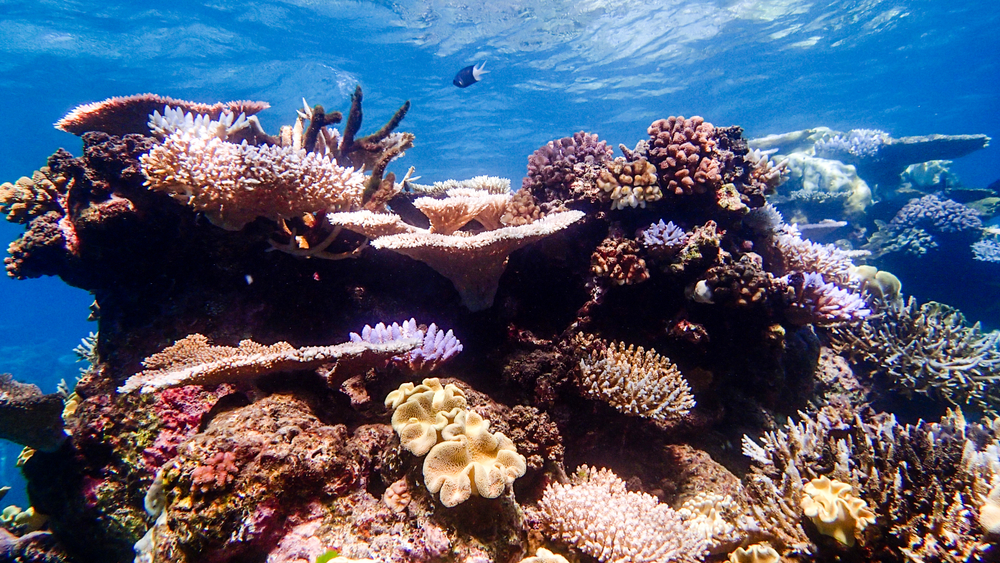
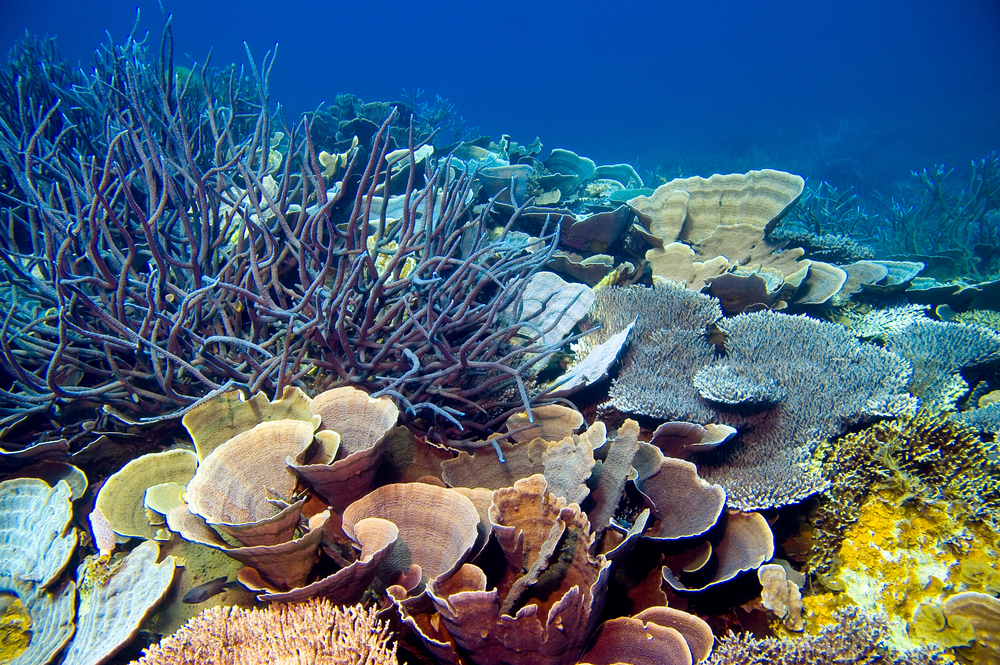
Collectively, the Great Barrier Reef is comprised of deltaic reefs, ribbon reefs, lagoonal reefs, fringing reefs, and planar reefs.
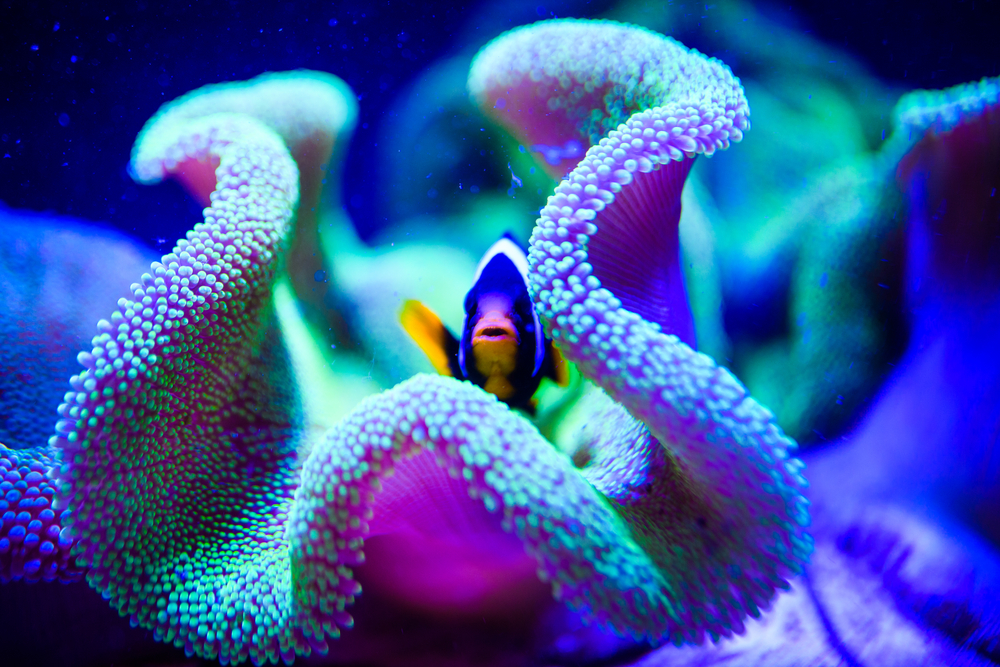
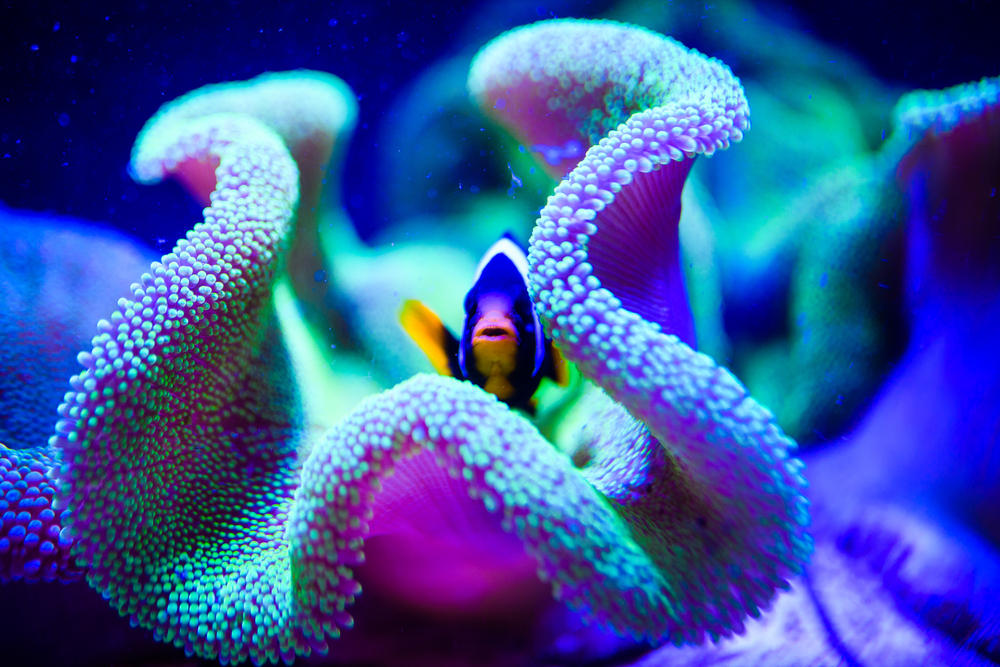
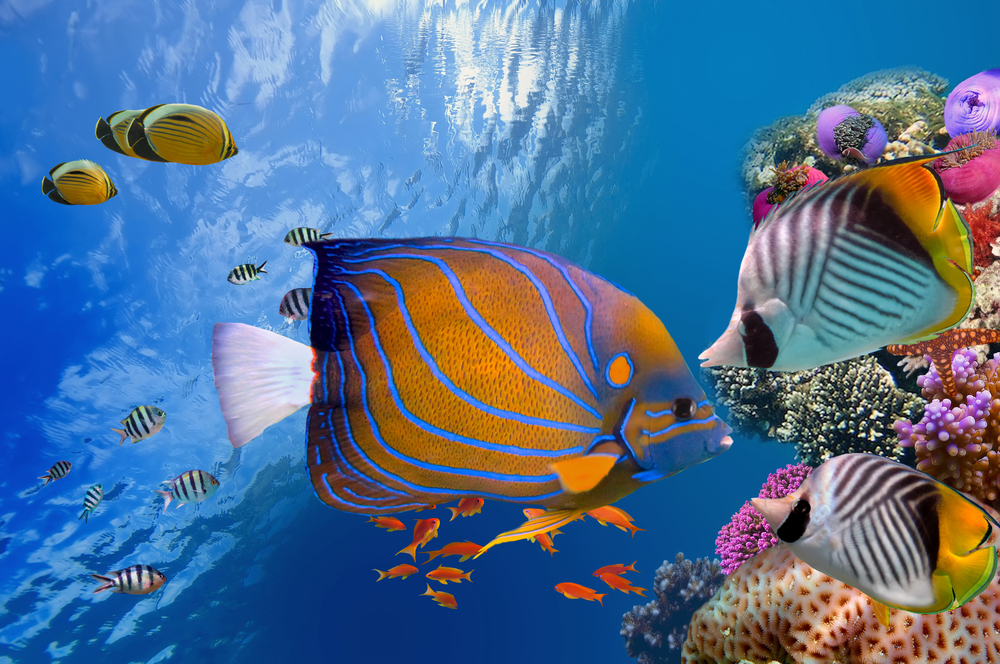
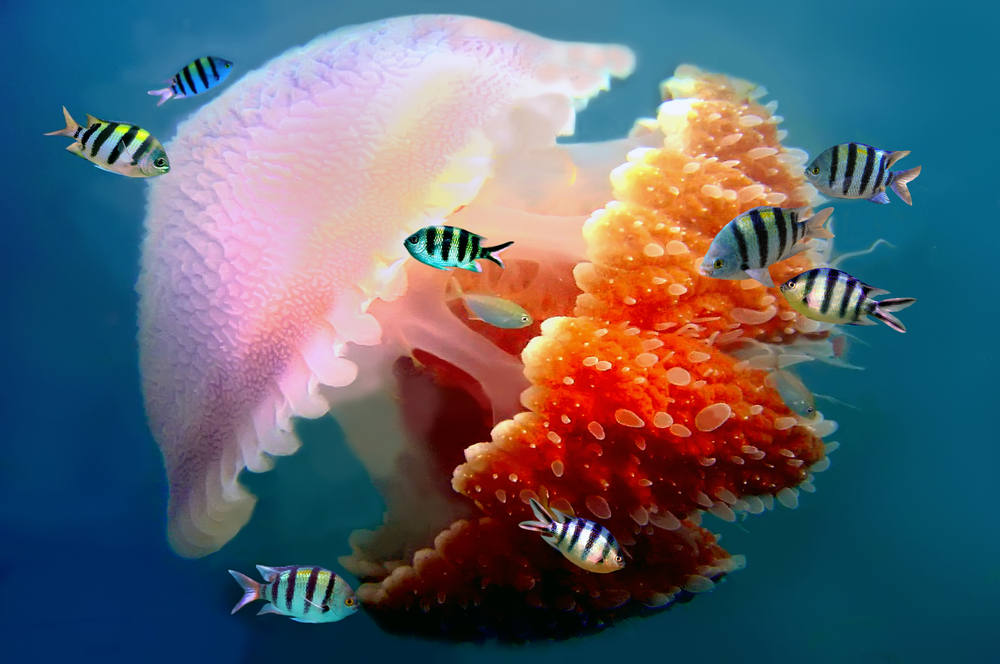
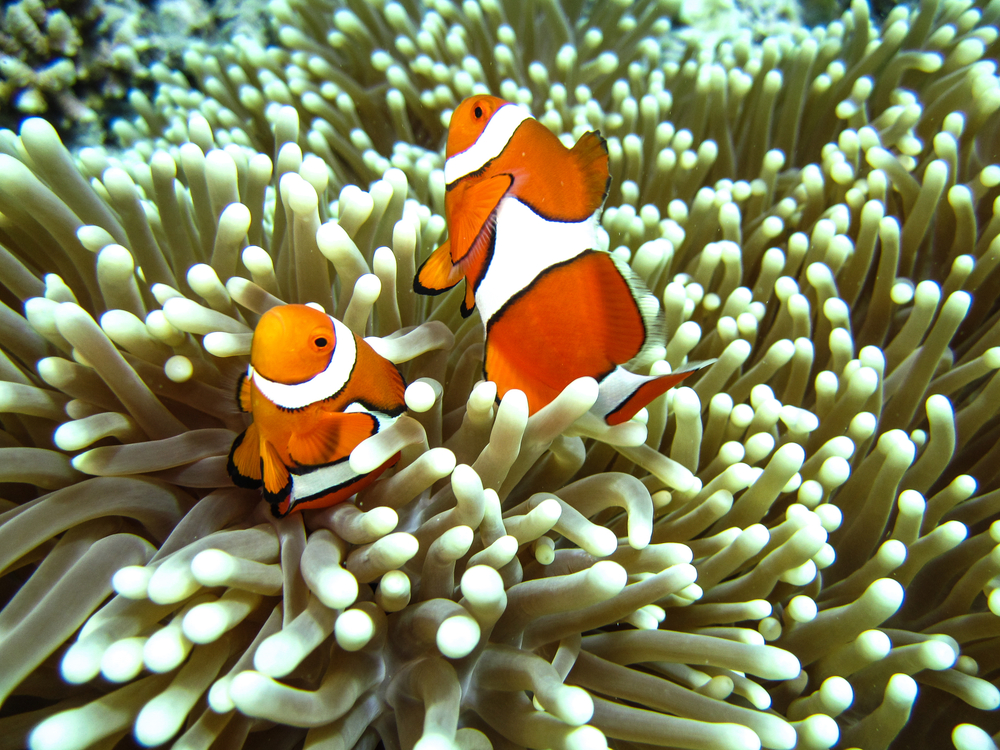
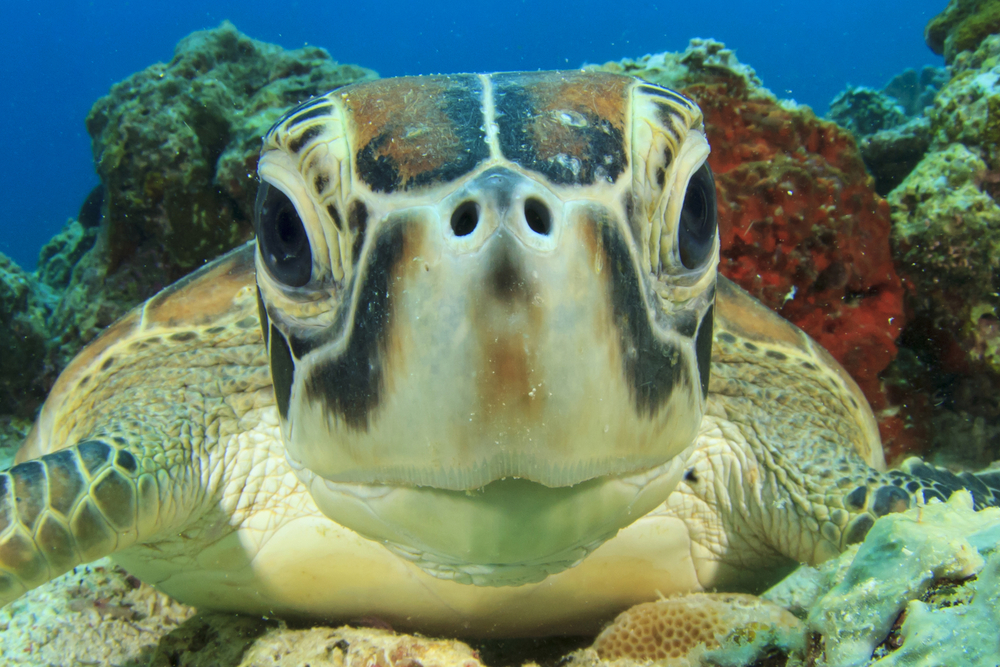
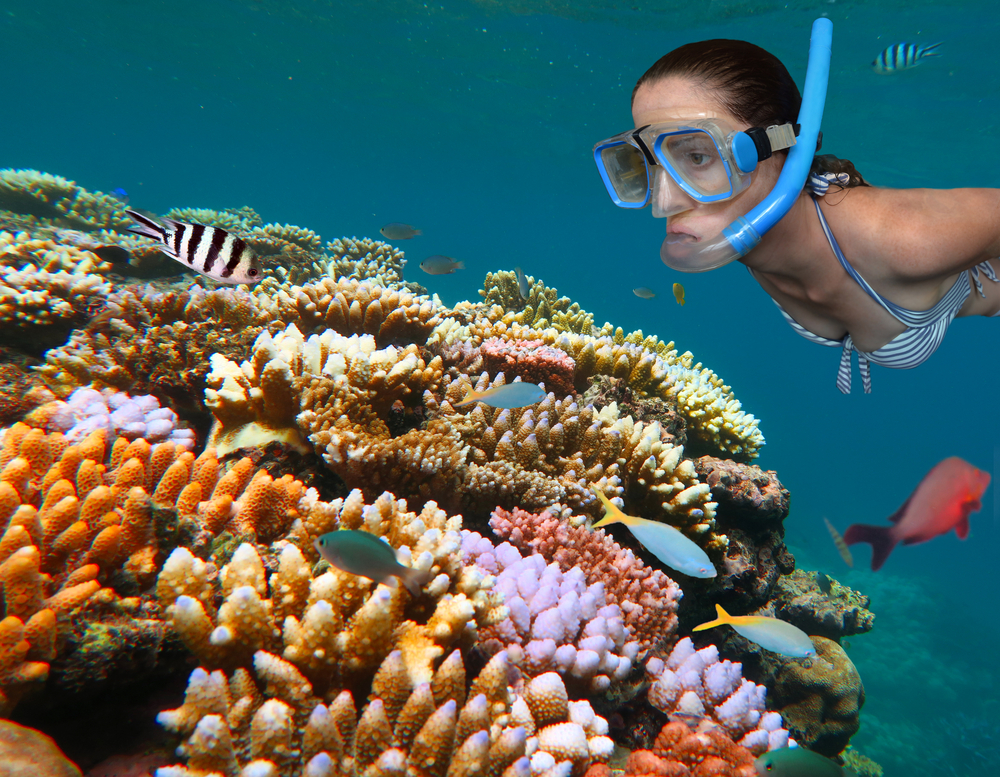
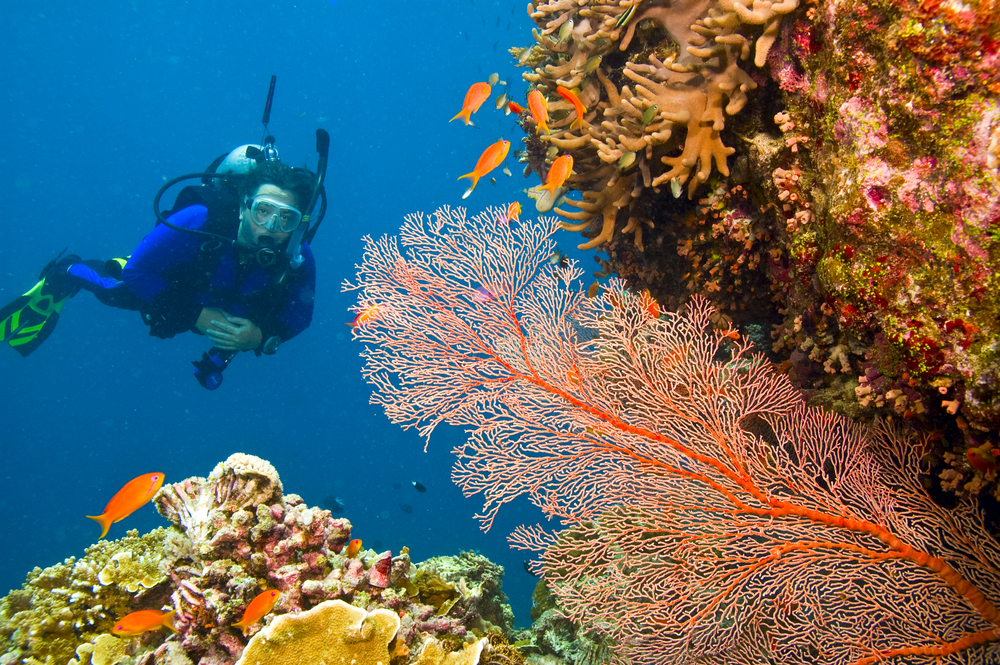
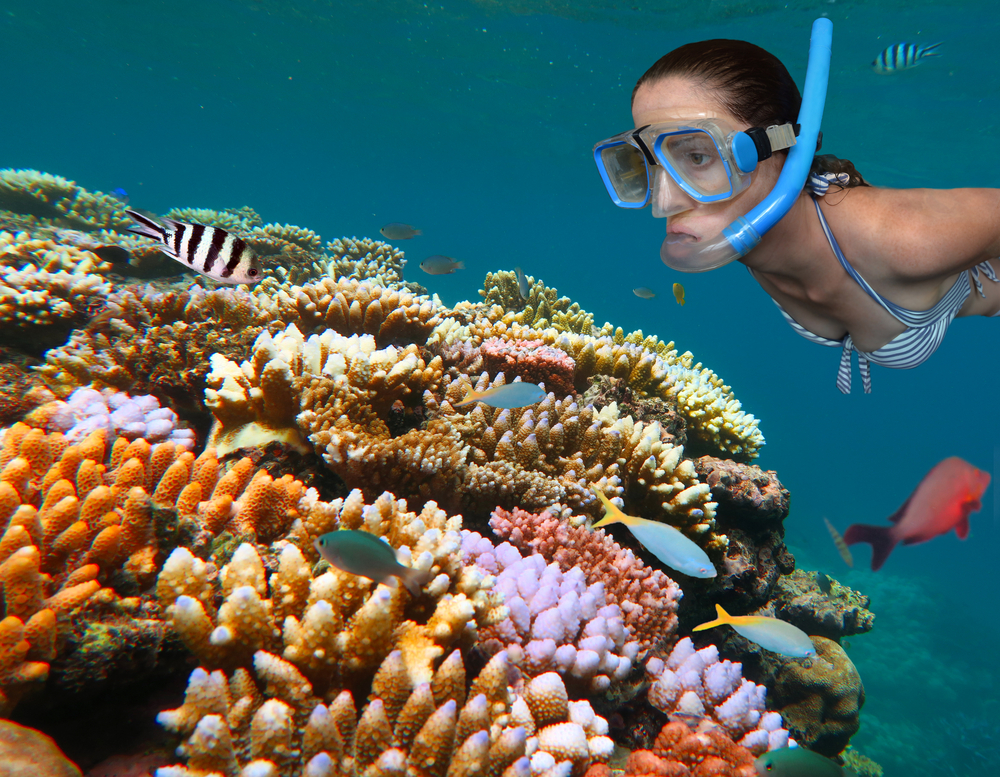
The 2,900 reefs are home to an abundance and variety of marine species such as coral, bony fish, rays, sea snakes, sea turtles, sharks, and various aquatic mammals. Many of the species found in the reef are vulnerable or endangered.
There are over 1,500 species of fish, six species of turtles, 5,000 species of mollusk, nine species of seahorses, and approximately 215 species of birds. Saltwater crocodiles can be seen in the mangroves and salt marshes along the fringe of the national park. The deeper waters have minke whale, humpback whale, dolphin, and dugongs.
Photos
Things to See
 Great Barrier Reef
Things To Do
The Great Barrier Reef is beckoning for you to come and see why it is one of the Seven Natural Wonders of the World. There is a variety of ways you can witness the captivating nature of the world’s largest reef.
Great Barrier Reef Marine Park Trails
For all practical purposes, this national park is about the marine life below and along the coral reef. That said, there are places to hike.

Park Protection
The Great Barrier Reef Marine Park protects the world’s largest coral reef. The park protects the coral and wildlife species living amongst the reef whcih accounts for 10% of the world’s coral reefs. The protected area covers the 1,500 species of fish, 5,000 species of mollusks, and the abundant other marine life.
The 2,900 reef system and its abundant wildlife is a UNESCO World Heritage Site. The global community must do everything possible to protect this fragile ecosystem which is currently threatened to extinction.
Sources
- Atlas of Marine Protection, Great Barrier Reef, http://www.mpatlas.org/mpa/sites/7700301/, retrieved September 2019.
- Australian Government, Great Barrier Marine Park Authority, http://www.gbrmpa.gov.au/, retrieved September 2019.
- Australian Marine Conservation Society, Great Barrier Reef Marine Park, https://www.marineconservation.org.au/great-barrier-reef-marine-park/, retrieved September 2019.
- Dive the World, About the Great Barrier Reef Marine Park, https://www.dive-the-world.com/reefs-and-parks-australia-great-barrier-reef-marine-park.php, retrieved September 2019.
- Great Barrier Reefs Foundation, Reef Facts, https://www.barrierreef.org/the-reef/the-facts, retrieved September 2019.
- Inspirock, Great Barrier Reef, https://www.inspirock.com/australia/fraser-island/fraser-island-great-walk-a3571814577, retrieved June 2020.
- The Hiking Life, Great Barrier Reef, https://www.thehikinglife.com/tag/great-barrier-reef/, retrieved June 2020.
- UNESCO, Great Barrier Reef, https://whc.unesco.org/en/list/154/, retrieved September 2019.