

About
Sequoia National Park is located in California’s southern Sierra Nevada Mountains in the western United States and covers approximately 631 square miles (1,635 sq km).
Established in 1890, it was the second national park created in the United States and the first established specifically to protect a living organism. The park lies south of Kings Canyon National Park, with the two parks managed together as a single unit, and north of Inyo National Forest. Sequoia National Park is world-renowned for its giant sequoia trees, immense mountain landscapes, and pristine wilderness. The park preserves some of the most awe-inspiring natural features in North America and attracts visitors from around the globe.
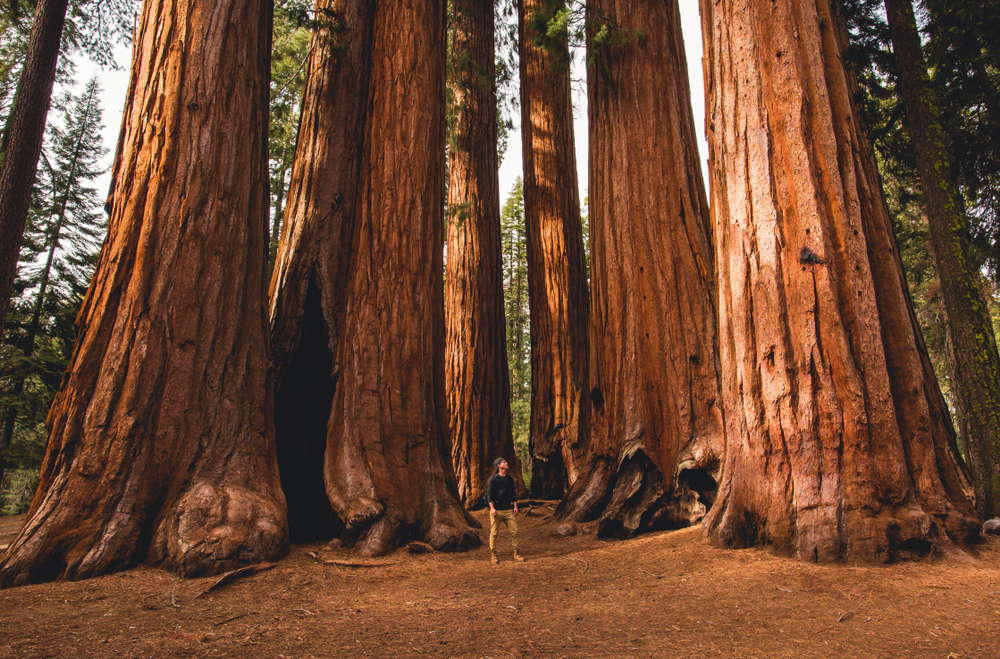
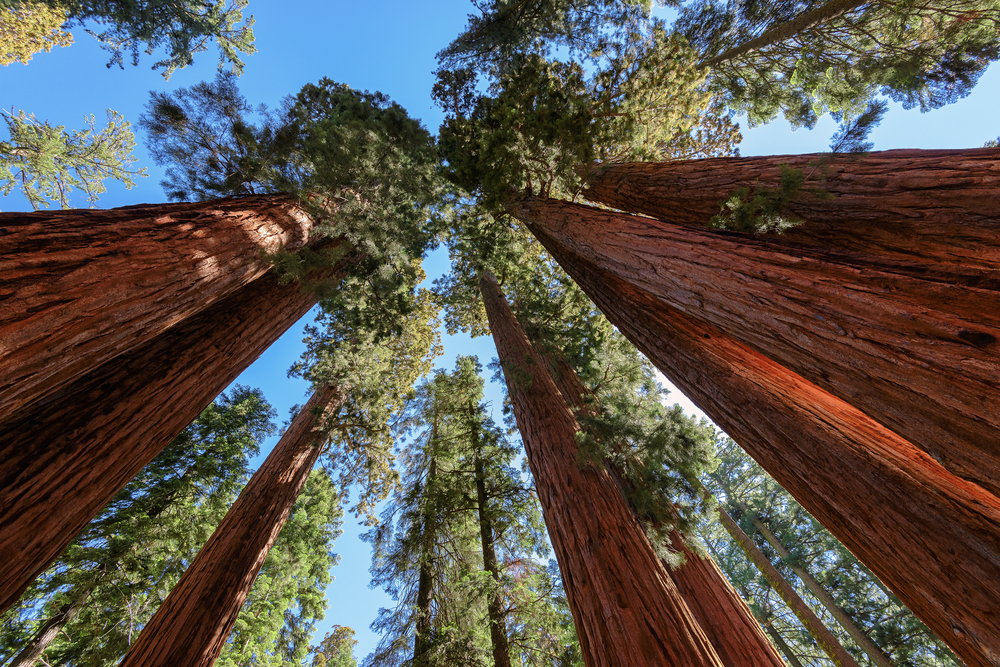
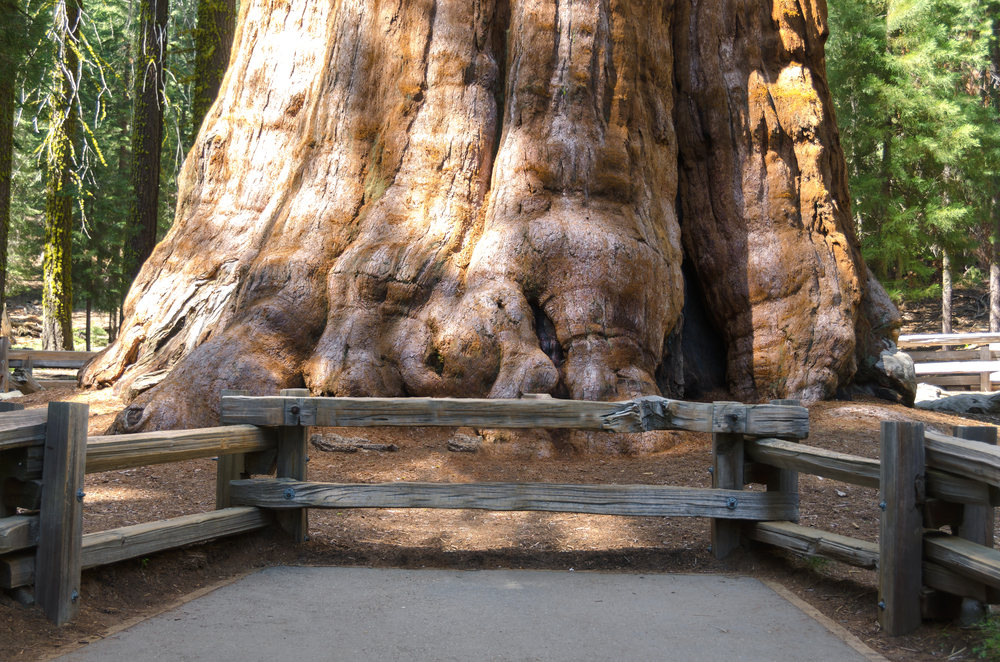
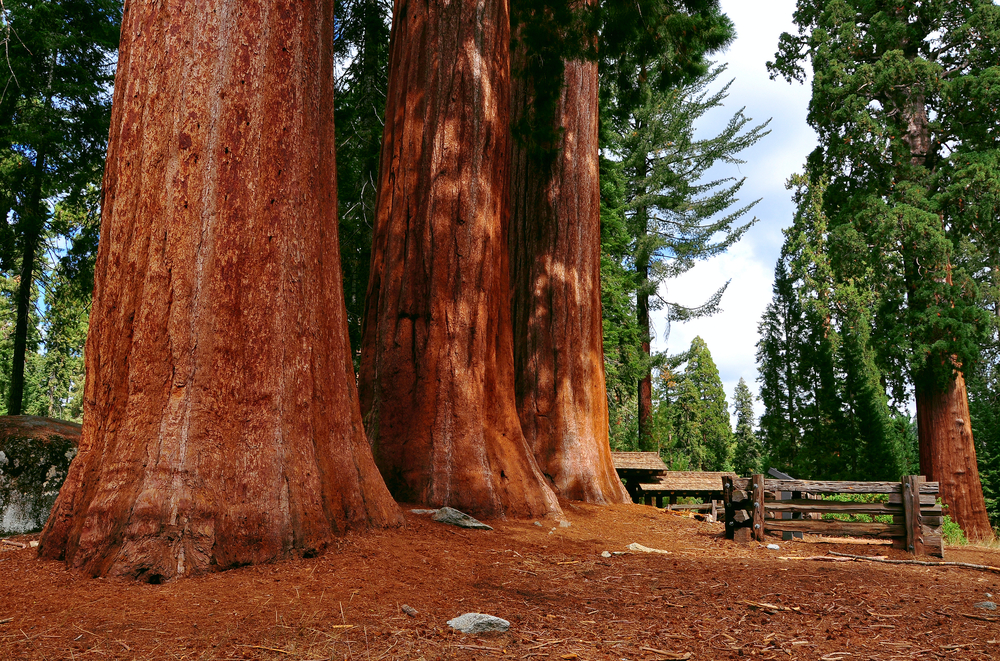
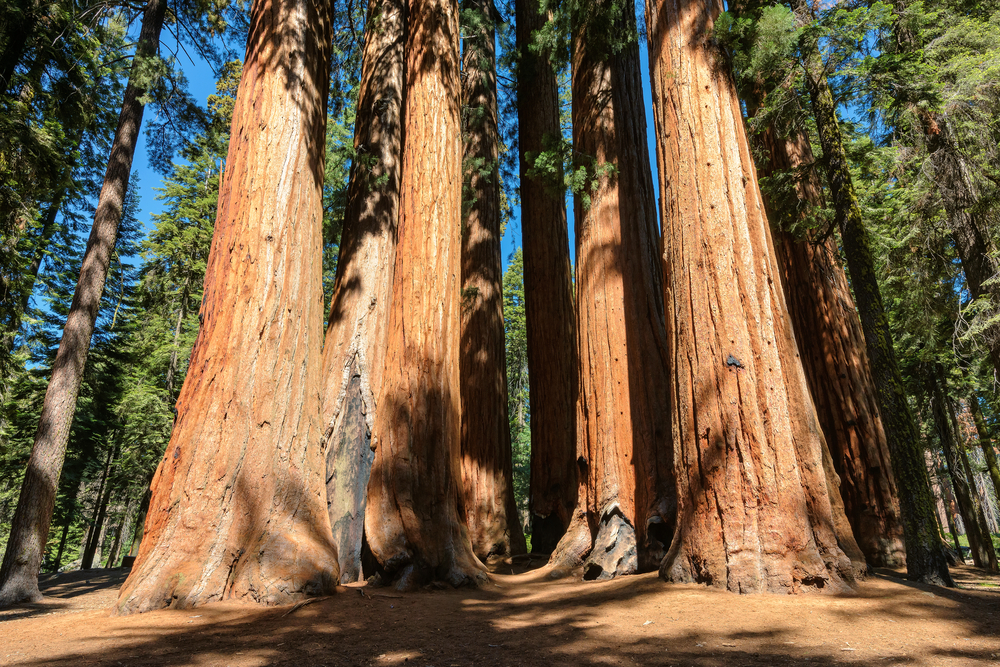
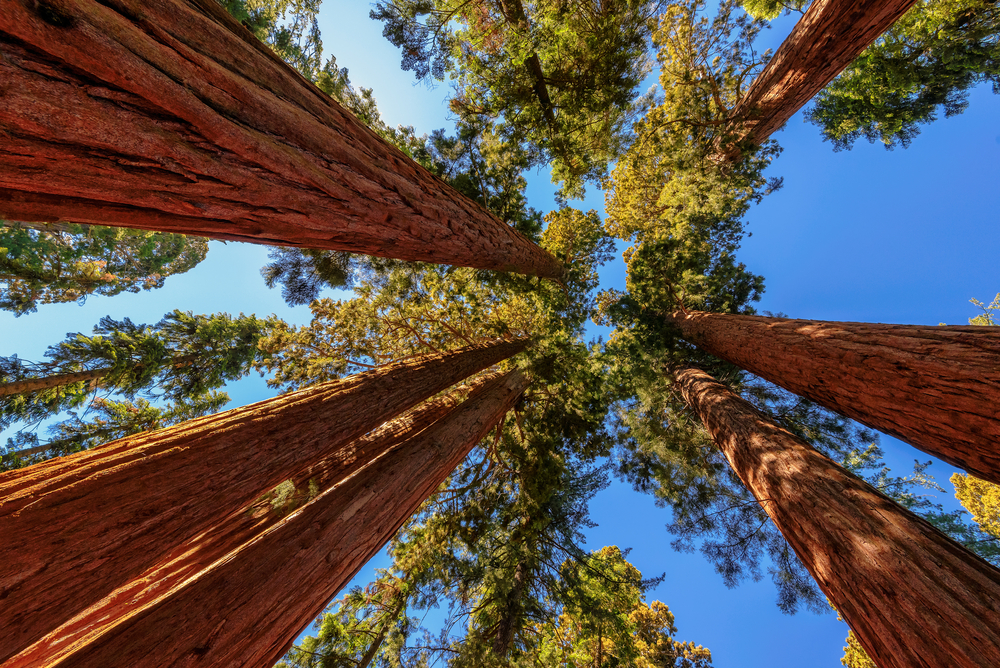
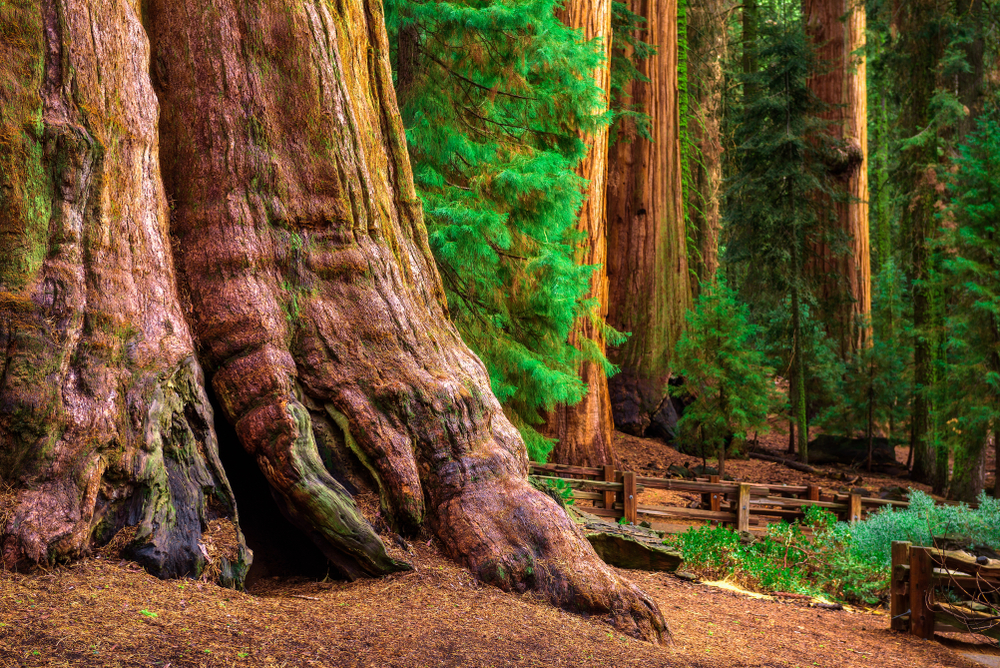
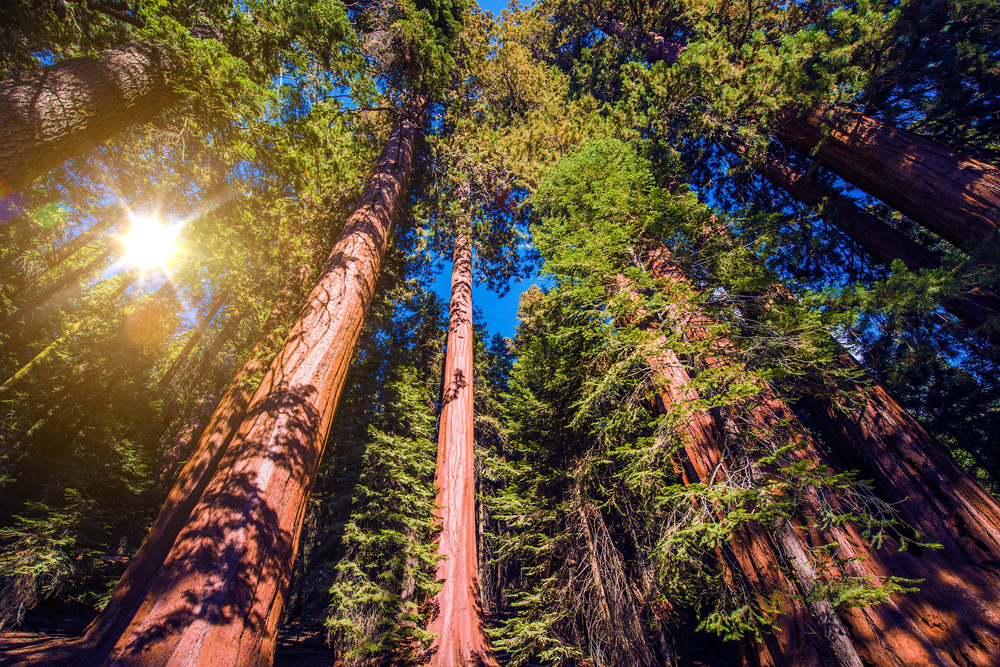
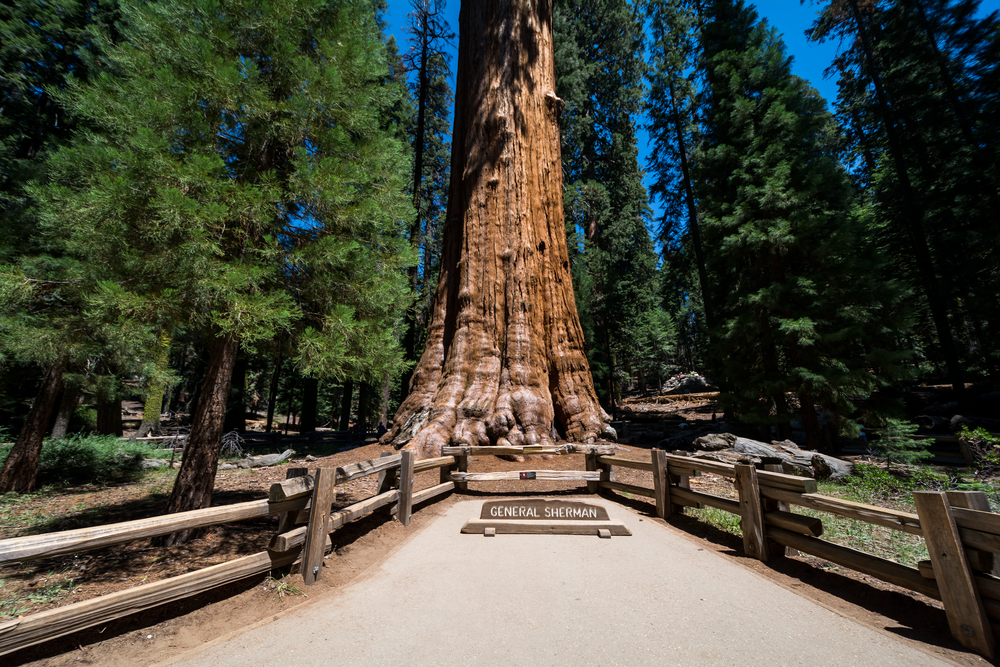
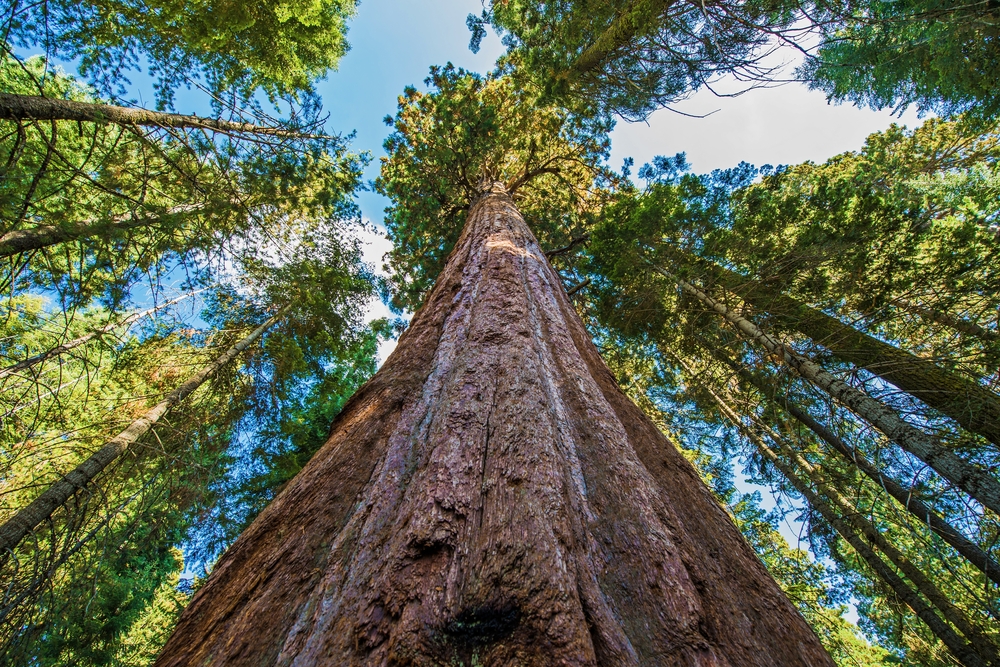
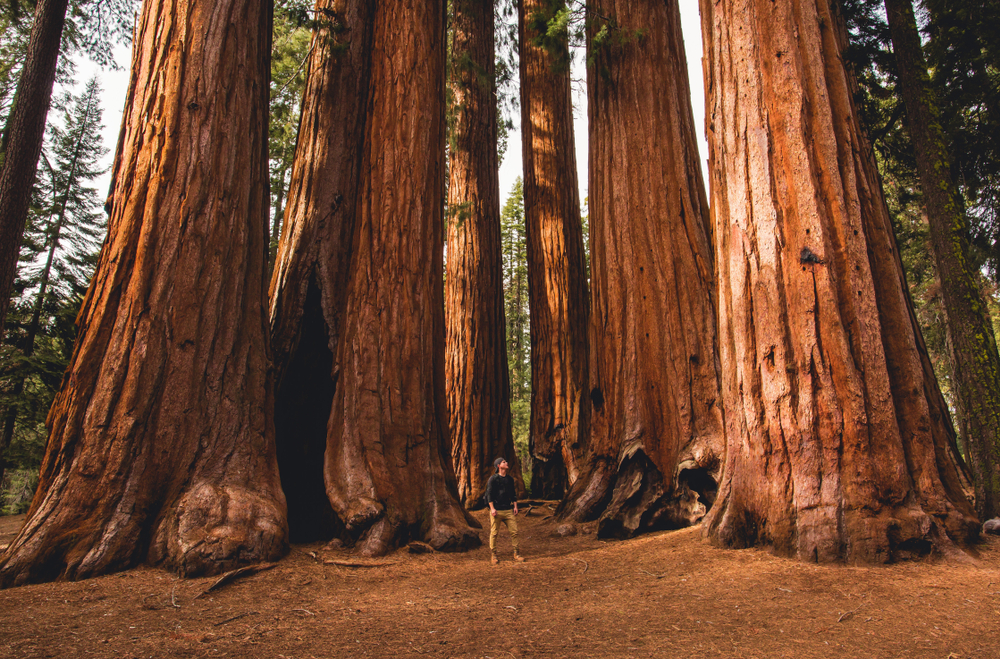
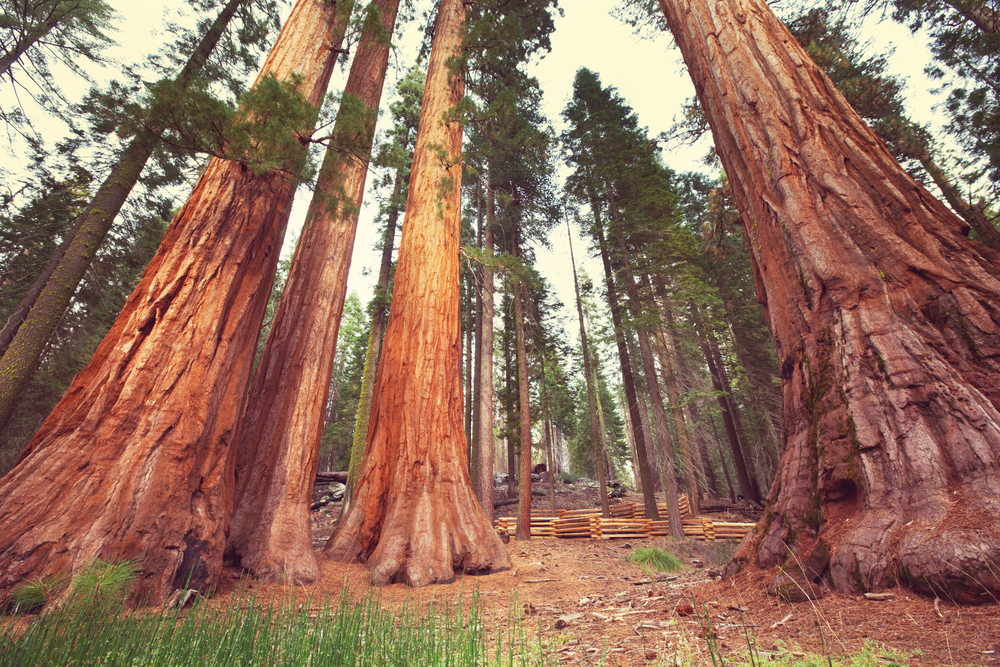
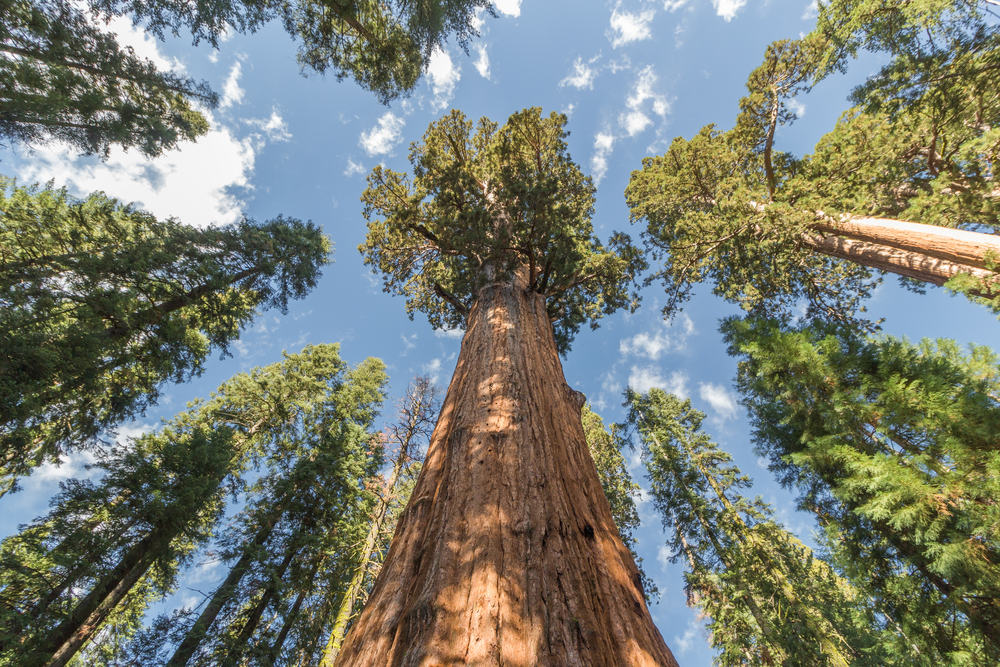
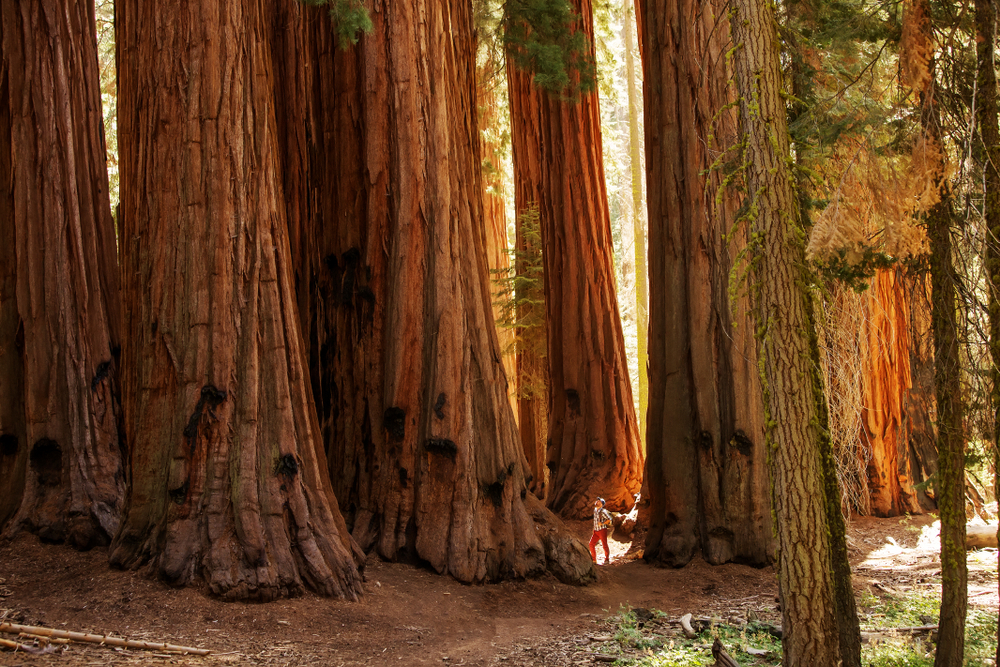
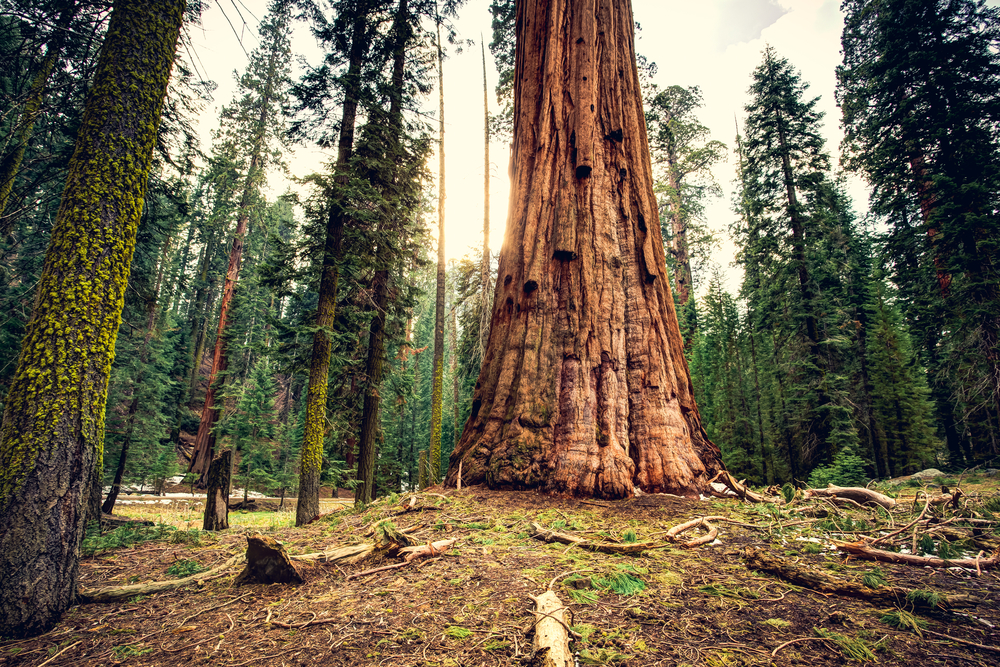
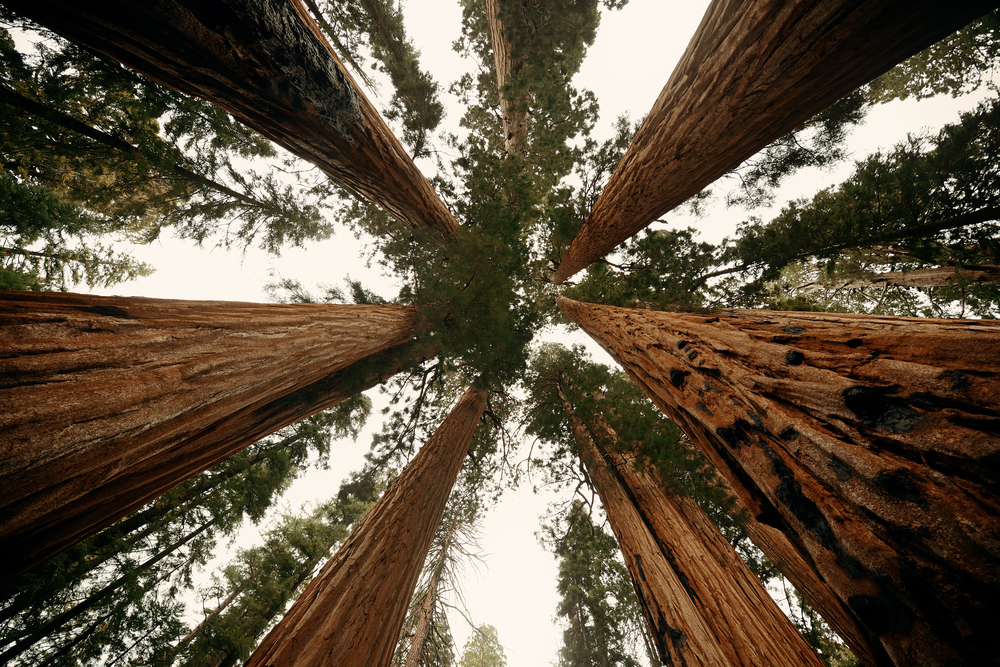
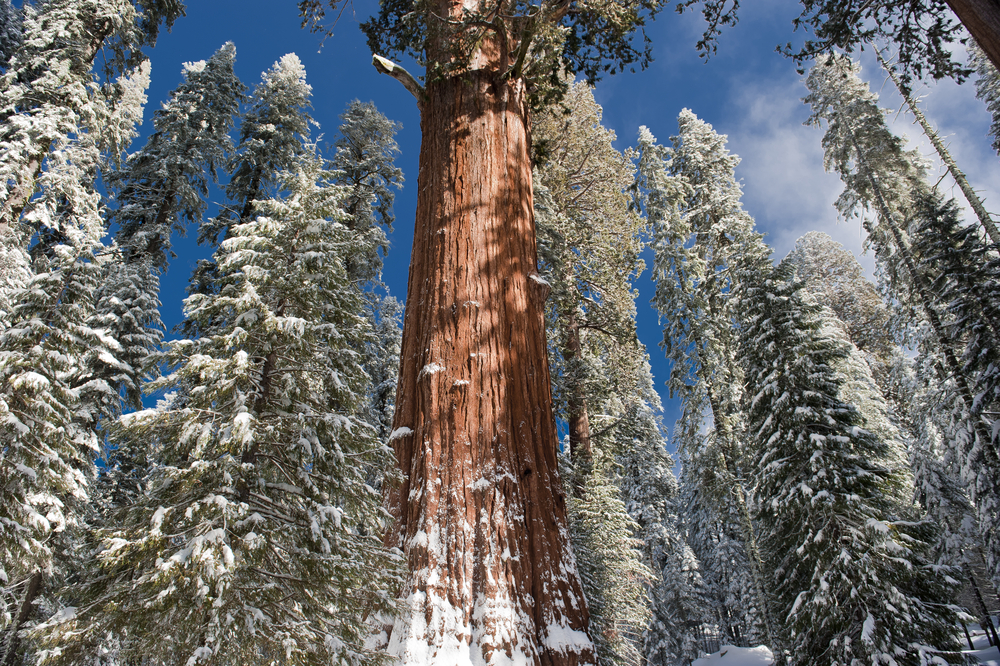
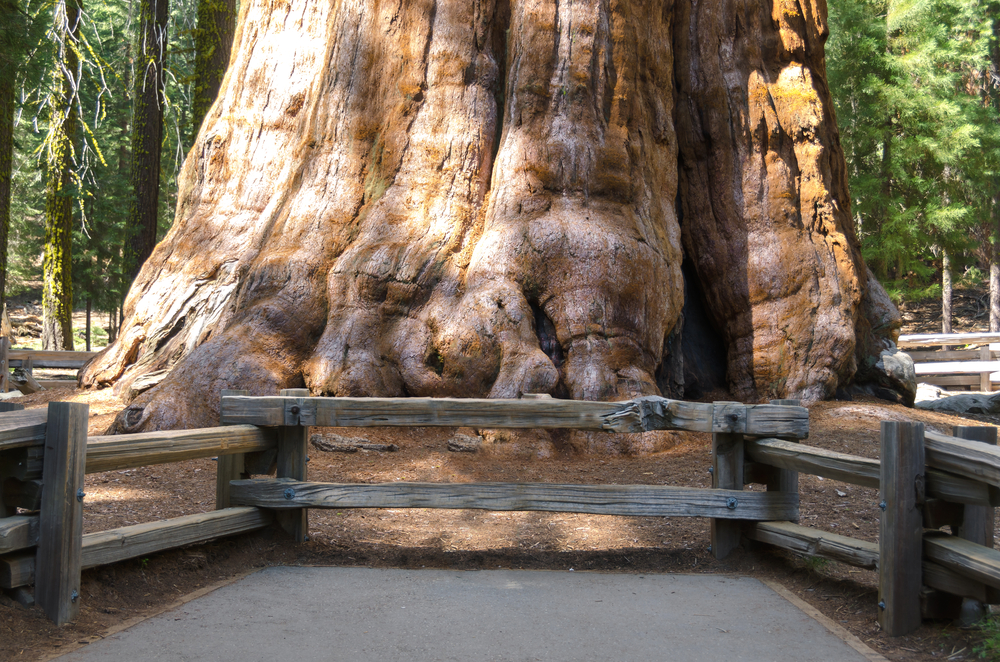
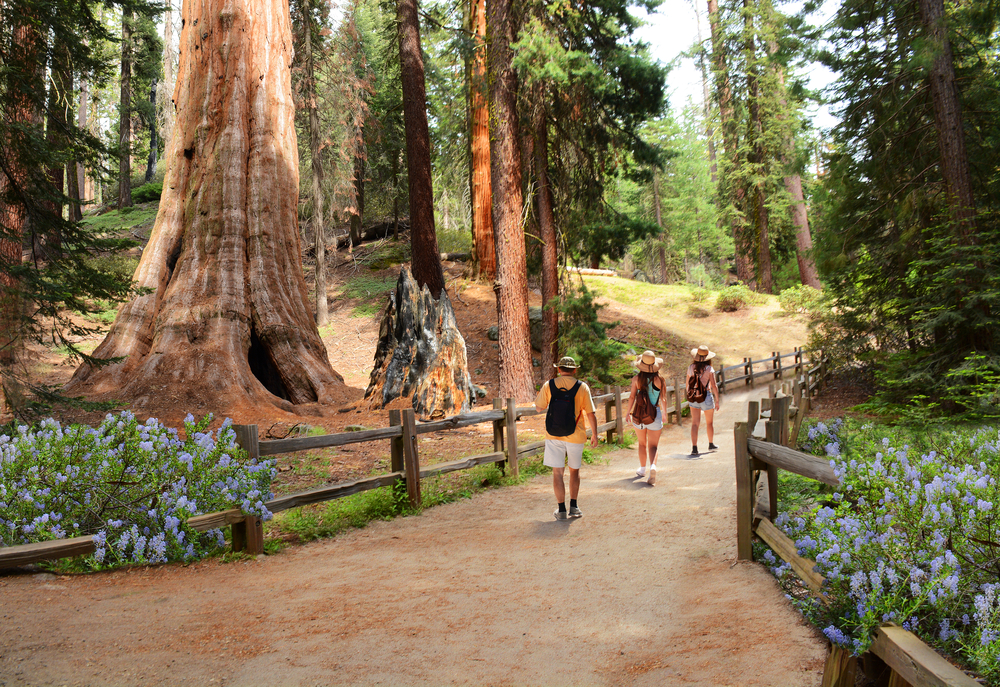
Sequoia National Park is best known for its magnificent groves of giant sequoias, the largest trees on Earth by volume. The most famous of these is General Sherman Tree, widely recognized as the largest living tree in the world. Visitors come to stand beneath these ancient giants, many of which are more than 2,000 years old.
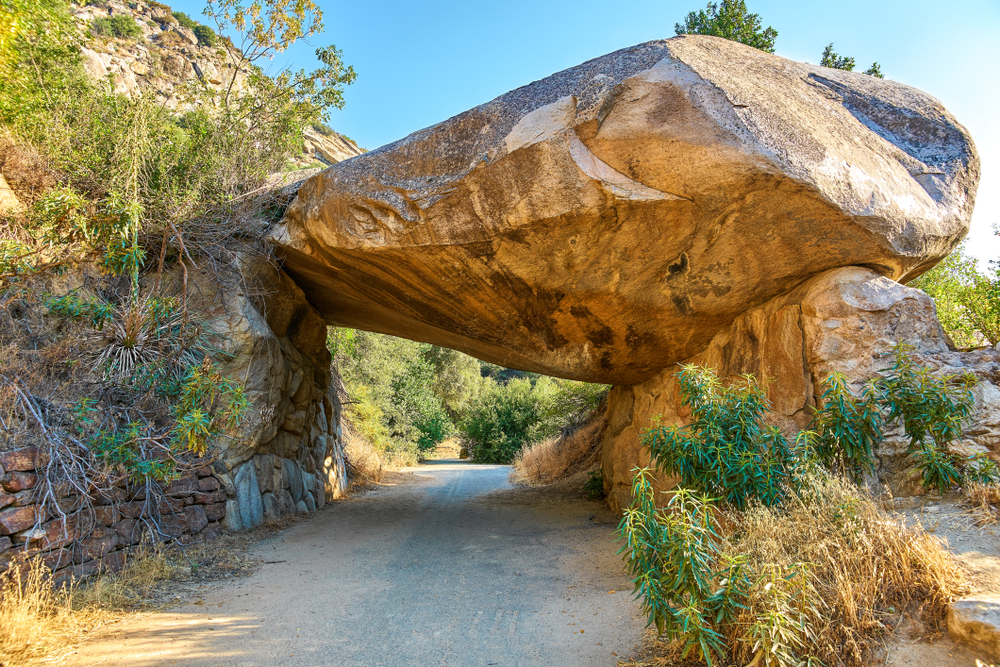
Beyond the sequoia groves, the park offers spectacular hiking, backpacking, wildlife viewing, camping, and photography opportunities. Popular destinations include Moro Rock, Crescent Meadow, and the Giant Forest. The combination of colossal trees and dramatic mountain scenery creates an experience that leaves a lasting impression on visitors of all ages.
The geography of Sequoia National Park is remarkably diverse. Elevations range from approximately 1,300 feet (396 meters) in the foothills to over 14,500 feet (4,420 meters) at the summit of Mount Whitney, the highest peak in the contiguous United States. The landscape includes rugged granite peaks, deep canyons, alpine lakes, meadows, rivers, and extensive forests.
Glaciers once sculpted many of the park’s high-elevation features, leaving behind dramatic valleys and polished granite formations. Vegetation changes dramatically with elevation, ranging from oak woodlands and chaparral in the foothills to giant sequoia groves, mixed-conifer forests, alpine meadows, and sparse tundra-like habitats near the highest summits.
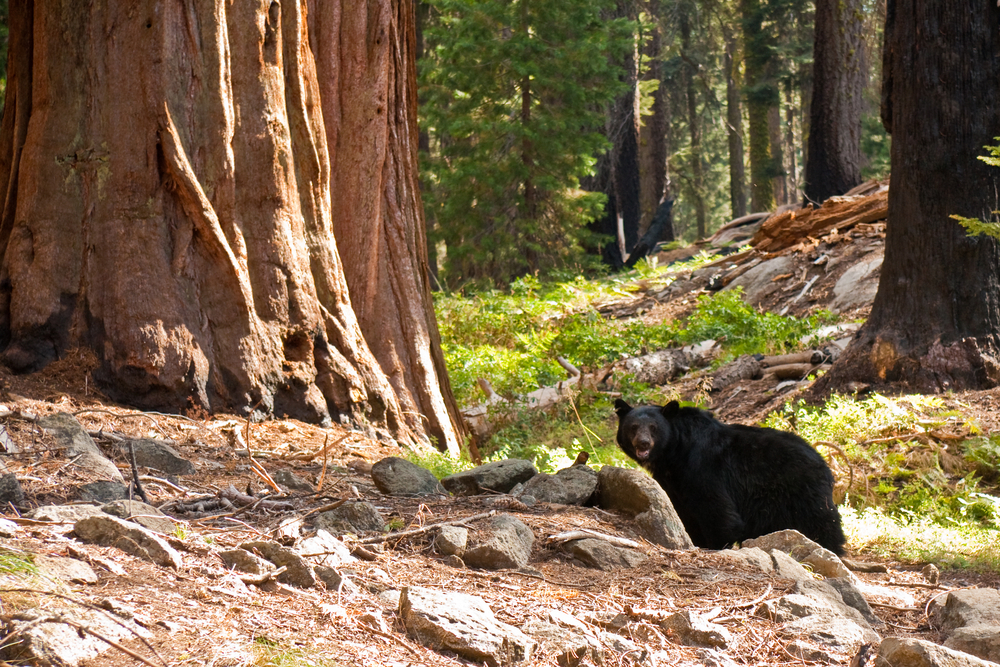
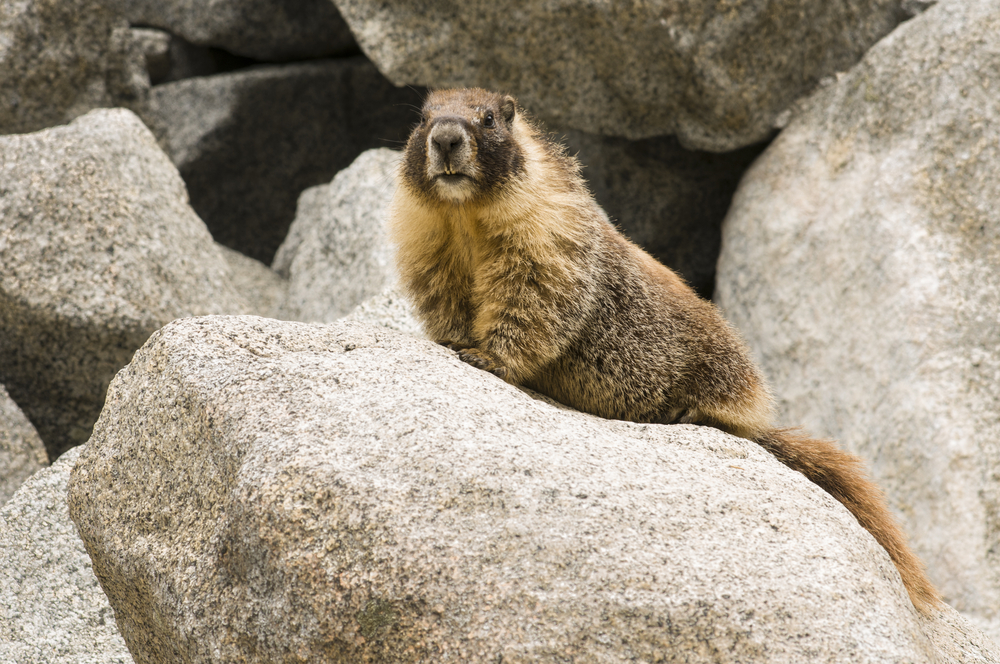
Wildlife within Sequoia National Park is equally impressive. Black bears are among the park’s most recognizable animals and are frequently observed throughout forested areas. Other mammals include mule deer, bobcats, mountain lions, coyotes, marmots, pikas, and Sierra Nevada bighorn sheep.
Birdlife is abundant, with species such as Steller’s jays, peregrine falcons, great gray owls, woodpeckers, and golden eagles inhabiting various elevations. Streams and rivers support native fish and amphibians, while the park’s diverse plant communities provide habitat for countless insects and smaller animals. The broad range of ecosystems allows an extraordinary variety of wildlife to thrive within the park’s boundaries.
Sequoia National Park plays a vital role in protecting some of the world’s most remarkable forests and mountain ecosystems. The giant sequoias are among the rarest and most extraordinary trees on Earth, occurring naturally in only a narrow portion of California’s Sierra Nevada. Conservation efforts focus on protecting these ancient trees from threats such as climate change, wildfire, and habitat degradation while preserving the park’s wilderness character.
Sequoia is often compared to Yosemite National Park and Redwood National Park because of its iconic landscapes and conservation significance. Yet the presence of the world’s largest trees gives Sequoia a distinction all its own. Today, the park stands as one of America’s greatest natural treasures, preserving a landscape where ancient giants continue to inspire wonder and respect for the natural world.
Photos
Things to See
 General Sherman Tree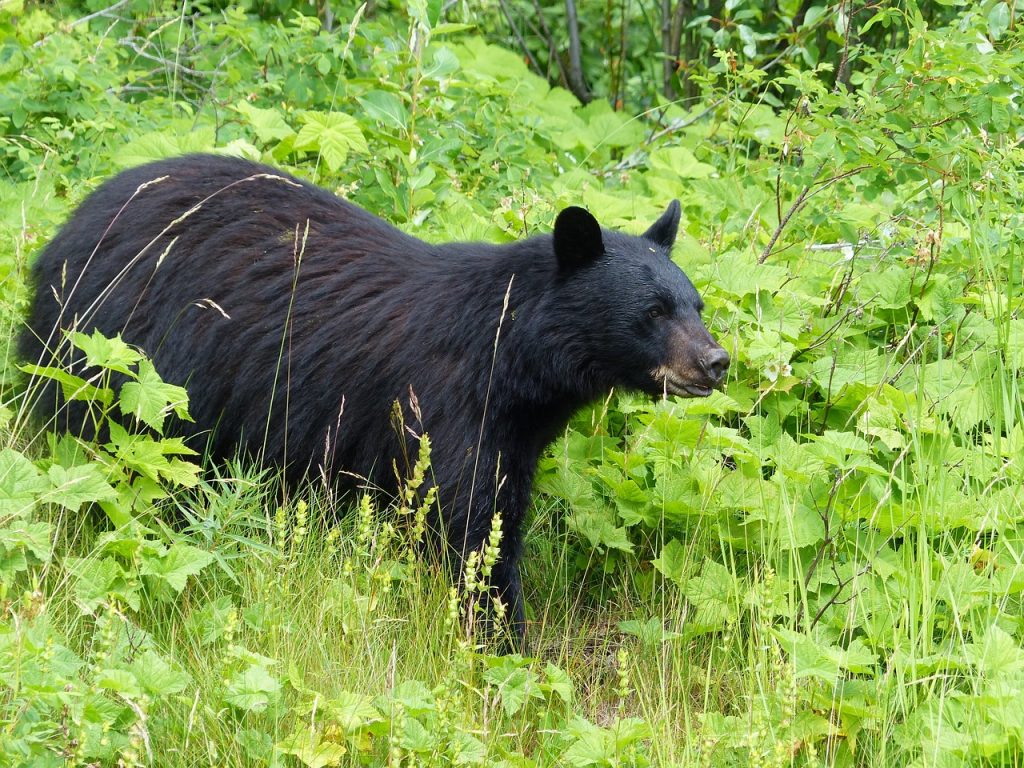
Things To Do
Engaging Sequoia National Park

Sequoia National Park Trails
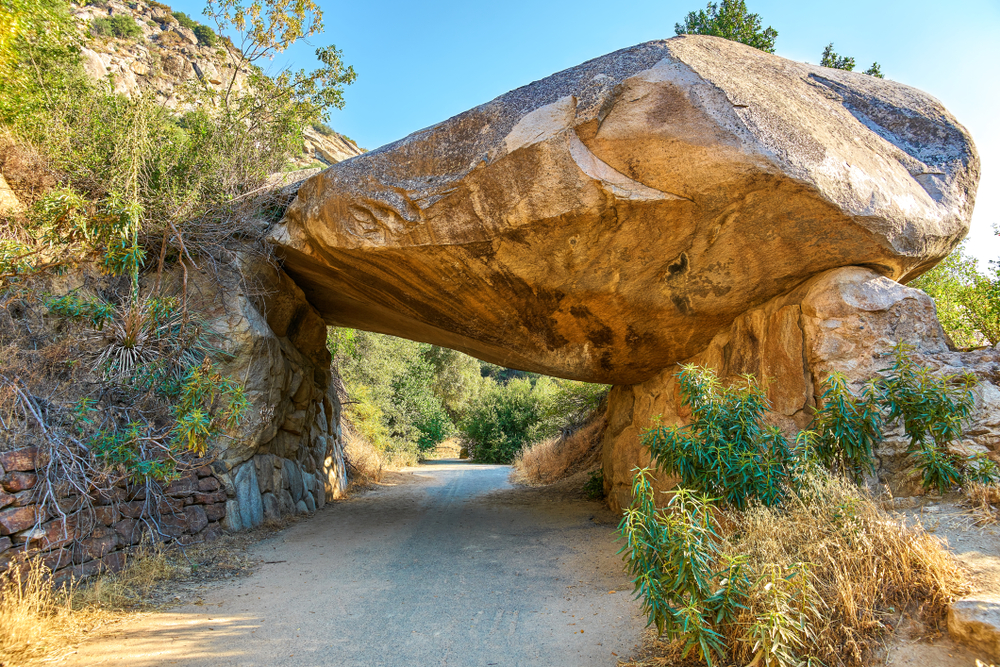
The park features an abundance of trails allowing hikers to experience the magnificent sequoia trees as well as the wilderness of the surrounding mountainous area.
FAQ’s
What are the dimensions of the largest tree?
The largest tree in Sequoia National Park, known as the General Sherman Tree, is an iconic giant sequoia that holds the title of being the largest tree on Earth by volume.
While exact dimensions may vary slightly depending on measurement techniques and natural growth changes, General Sherman Tree is estimated to be around 275 feet (83.8 meters) tall.
Its circumference at the base is approximately 102 feet (31.1 meters), and its diameter at breast height (DBH) is roughly 36.5 feet (11.1 meters). The tree’s massive trunk contains an astounding volume of wood, estimated at over 52,500 cubic feet (1,486.6 cubic meters).
These dimensions highlight the remarkable size and stature of this ancient giant sequoia, attracting visitors from around the world to marvel at its awe-inspiring presence in Sequoia National Park.
What are the dimensions of the largest tree?
The largest tree in Sequoia National Park, known as the General Sherman Tree, is an iconic giant sequoia that holds the title of being the largest tree on Earth by volume.
While exact dimensions may vary slightly depending on measurement techniques and natural growth changes, General Sherman Tree is estimated to be around 275 feet (83.8 meters) tall.
Its circumference at the base is approximately 102 feet (31.1 meters), and its diameter at breast height (DBH) is roughly 36.5 feet (11.1 meters). The tree’s massive trunk contains an astounding volume of wood, estimated at over 52,500 cubic feet (1,486.6 cubic meters).
These dimensions highlight the remarkable size and stature of this ancient giant sequoia, attracting visitors from around the world to marvel at its awe-inspiring presence in Sequoia National Park.
Sources
- American Southwest, Sequoia National Park, https://www.americansouthwest.net/california/sequoia/national_park.html, retrieved June 2020.
- Britannica, Sequoia National Park, https://www.britannica.com/place/Sequoia-National-Park, retrieved June 2020.
- California Dream Big, Spotlight: Sequoia & Kings Canyon National Parks, https://www.visitcalifornia.com/destination/spotlight-sequoia-kings-canyon-national-parks, retrieved June 2020.
- National Geographic, Complete National Parks of the United States, National Geographic Publishing, Washington DC.
- National Geographic, Guide to the National Parks of the United States, National Geographic Society, 2003.
- National Geographic, National Parks of North America, Canada-United States-Mexico, National Geographic Society, 1995.
- National Park Service, Sequoia & Kings Canyon,, https://www.nps.gov/seki/index.htm, retrieved June 2020.
- Recreation, Sequoia & Kings Canyon, https://www.recreation.gov/camping/gateways/2931, retrieved June 2020.
- Visit Visalia, Sequoia National Park, https://www.recreation.gov/camping/gateways/2931, retrieved June 2020.