

About
Rwenzori Mountains National Park, the park is located in western Uganda along the border with the Democratic Republic of the Congo. The park covers approximately 386 square miles (996 sq km) and protects much of the Ugandan portion of the legendary Rwenzori Mountains.
Established in 1991, the park was later designated a UNESCO World Heritage Site because of its exceptional natural value. It lies north of Queen Elizabeth National Park and south of Semuliki National Park, forming part of one of East Africa’s most important conservation regions. Often called the “Mountains of the Moon,” the Rwenzori range contains some of Africa’s most spectacular mountain scenery and supports ecosystems found nowhere else on Earth.
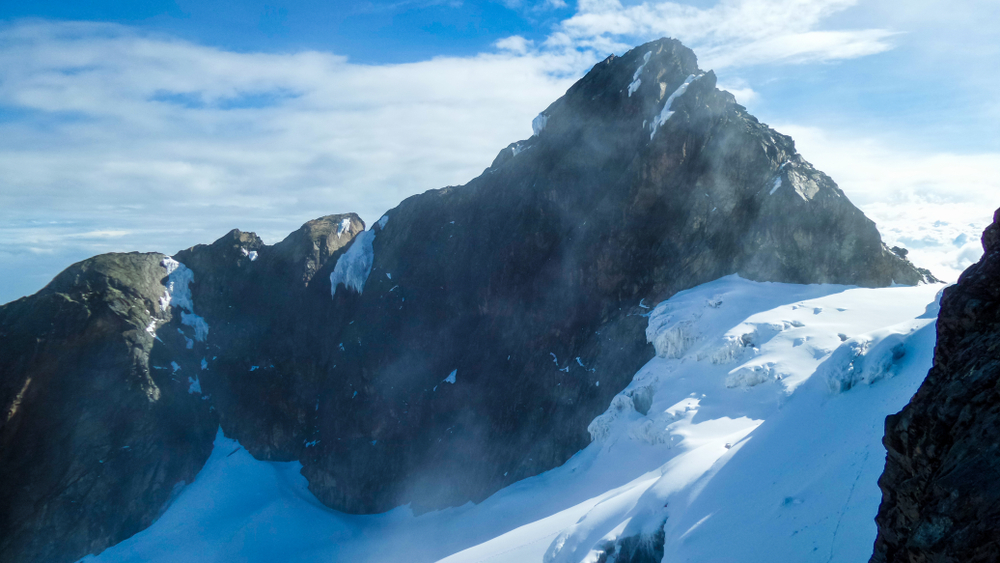
Rwenzori Mountains National Park is best known for its snow-capped peaks, glaciers, alpine landscapes, and world-class trekking opportunities. Unlike the volcanic mountains of East Africa, the Rwenzori Mountains were formed through tectonic uplift, creating a dramatic range of rugged peaks, deep valleys, and steep ridges. Visitors are drawn to the challenge of multi-day treks through changing ecosystems that range from tropical forests to alpine meadows and glaciated summits.
The park’s highest point, Margherita Peak on Mount Stanley, rises to approximately 16,763 feet (5,109 meters), making it the third-highest peak in Africa. Towering waterfalls, crystal-clear streams, and breathtaking mountain vistas make the park one of the continent’s premier adventure destinations.
The geography of Rwenzori Mountains National Park is among the most remarkable in Africa. The range contains permanently snow-covered peaks, glaciers, alpine lakes, bogs, river valleys, and dense montane forests. Frequent rainfall and high humidity contribute to the park’s lush vegetation and unique ecological character.
As elevation increases, the landscape transforms dramatically. Lower slopes support tropical rainforest, while higher elevations contain bamboo forests, heathlands, giant lobelias, giant groundsels, and alpine meadows. The park’s glaciers and snowfields serve as important water sources for rivers that flow into surrounding regions. This extraordinary diversity of habitats has earned the Rwenzori Mountains global recognition as one of the world’s most distinctive mountain ecosystems.
Wildlife within Rwenzori Mountains National Park reflects its varied habitats and relative isolation. Large mammals include forest elephant, buffalo, giant forest hog, bushbuck, and several species of duiker. Primates such as black-and-white colobus monkeys, blue monkeys, and chimpanzees inhabit the lower forests.
Birdlife is especially impressive, with more than 200 recorded species, including numerous Albertine Rift endemics found nowhere else in the world. Sunbirds, turacos, cuckoos, and colorful forest birds thrive throughout the park’s diverse elevation zones. The mountains also support a remarkable array of amphibians, reptiles, insects, and plant species uniquely adapted to high-altitude environments.
Rwenzori Mountains National Park plays a critical role in conserving one of Africa’s most unique mountain ecosystems. The park protects globally significant habitats, rare alpine flora, shrinking equatorial glaciers, and numerous endemic species. Its ecological importance is often compared to renowned mountain parks such as Mount Kenya National Park and Kilimanjaro National Park, yet the Rwenzori Mountains possess a biodiversity and geological character entirely their own.
As climate change increasingly threatens high-altitude ecosystems worldwide, the park serves as a vital refuge for species adapted to these rare environments. Today, Rwenzori Mountains National Park stands among Africa’s greatest natural treasures, preserving a landscape of extraordinary beauty, scientific importance, and ecological significance.
Things to See
Things To Do
Engaging Rwenzori Mountains National Park
