

About
Virgin Islands National Park is located on the island of Saint John in the United States Virgin Islands in the Caribbean Sea and covers approximately 23 square miles (59 sq km), including extensive marine waters.
Established in 1956, the park protects nearly sixty percent of Saint John as well as thousands of acres of surrounding coral reefs, mangrove forests, and coastal habitats. The park lies east of Saint Thomas and west of the British Virgin Islands. Together with the adjacent Virgin Islands Coral Reef National Monument, the park preserves one of the Caribbean’s most beautiful combinations of tropical landscapes and marine ecosystems.
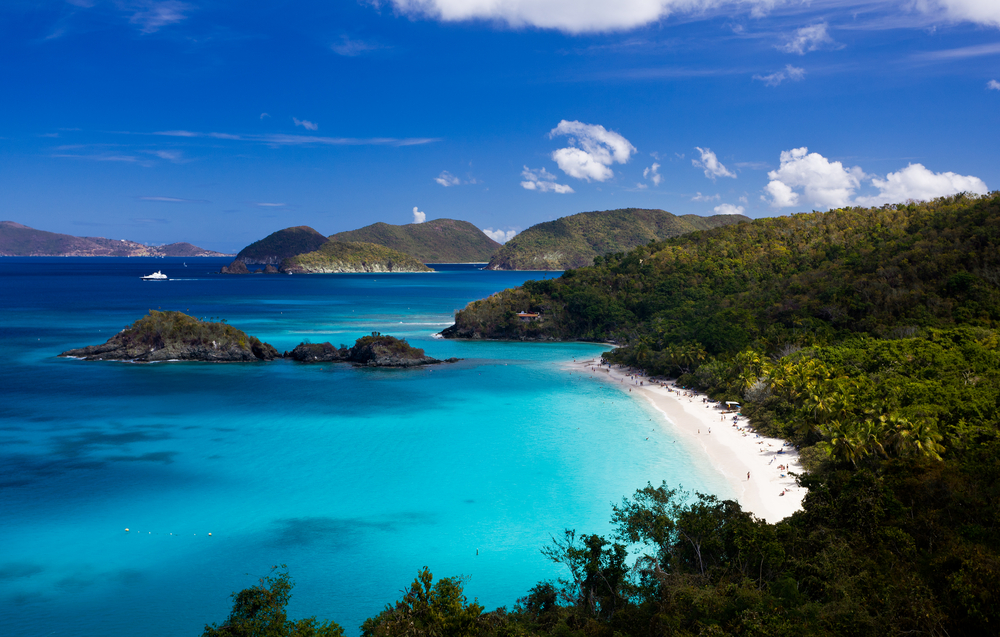
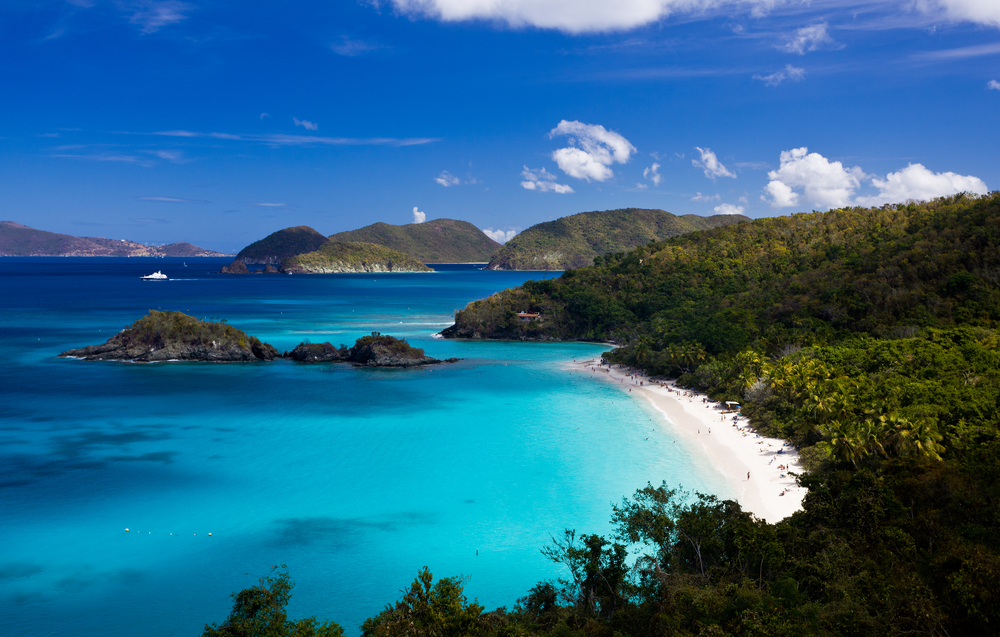
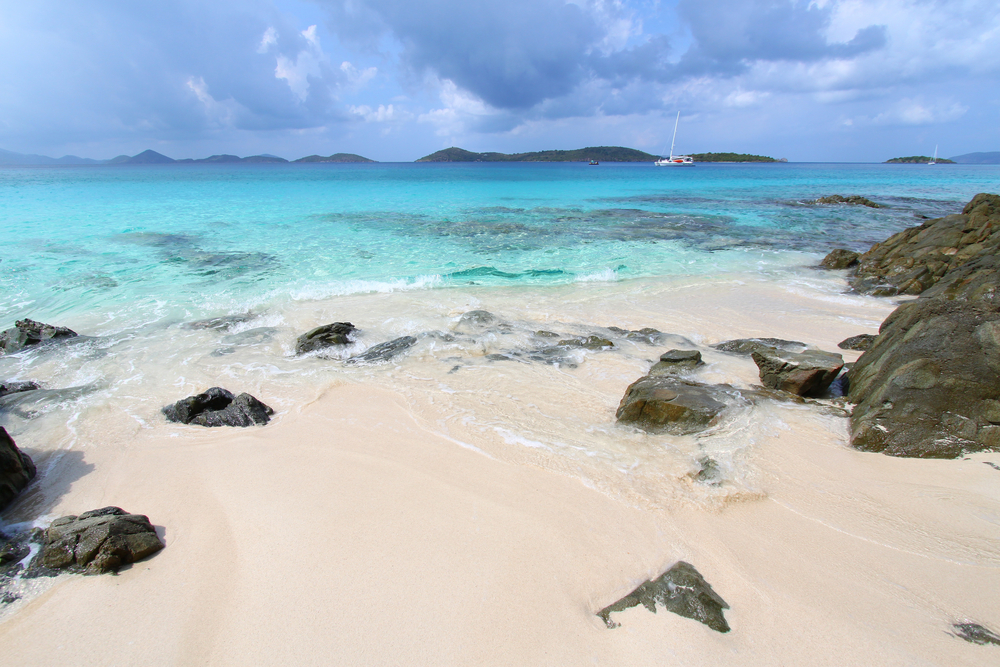
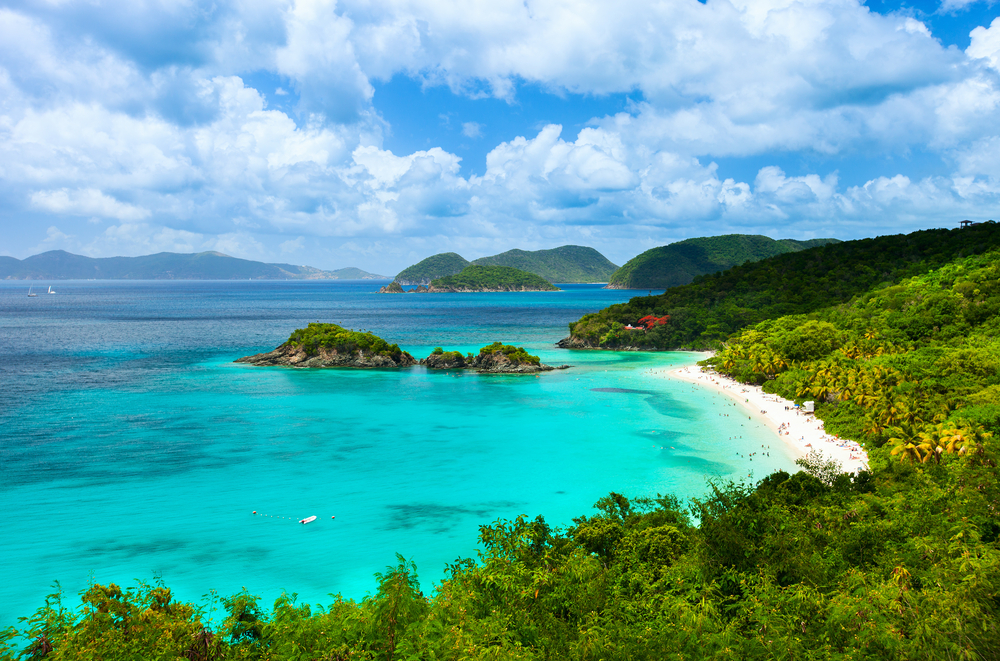
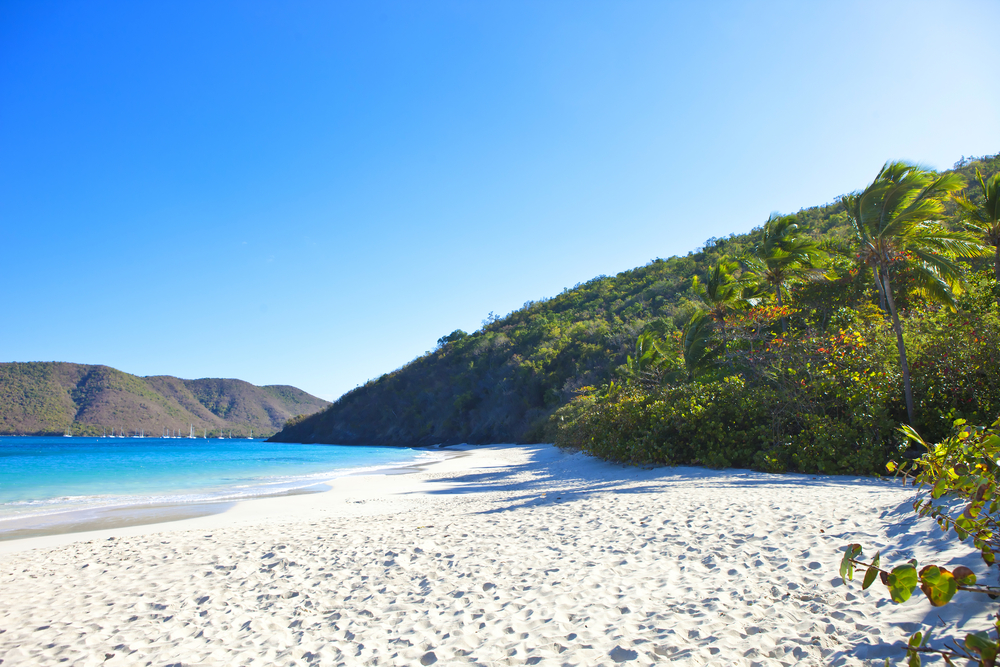
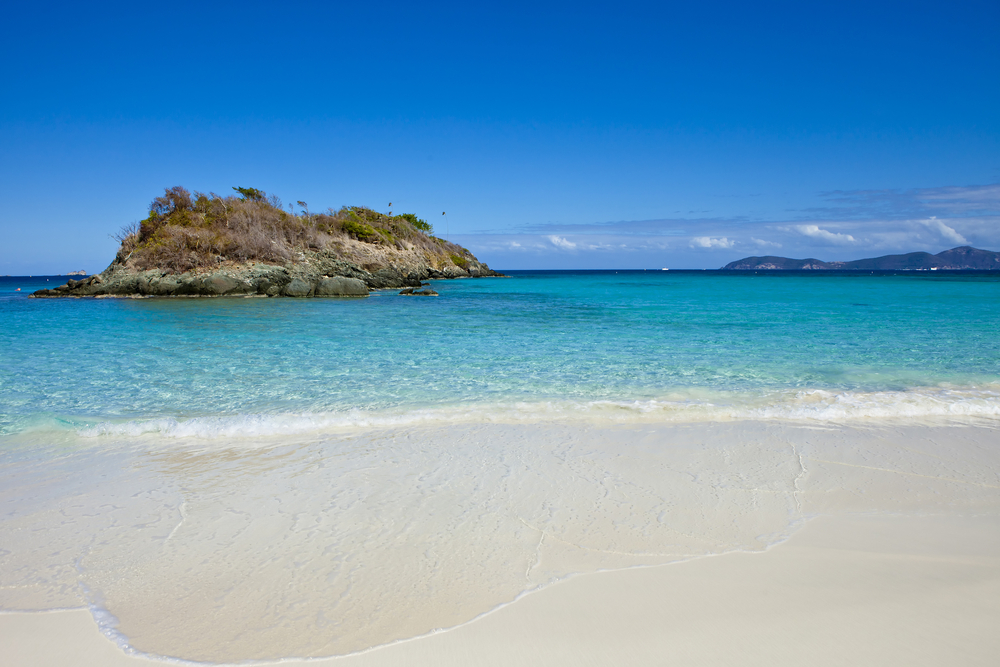
Virgin Islands National Park is best known for its pristine beaches, crystal-clear waters, vibrant coral reefs, and rich cultural history. Visitors are drawn to world-famous beaches such as Trunk Bay, often considered one of the most beautiful beaches in the world. Snorkeling, swimming, kayaking, hiking, sailing, and scuba diving are among the park’s most popular activities.
An underwater snorkeling trail at Trunk Bay allows visitors to explore coral reefs while learning about marine life. The park’s tropical scenery, warm climate, and turquoise waters create an unforgettable visitor experience that differs dramatically from the mountain and desert landscapes found in many other national parks.
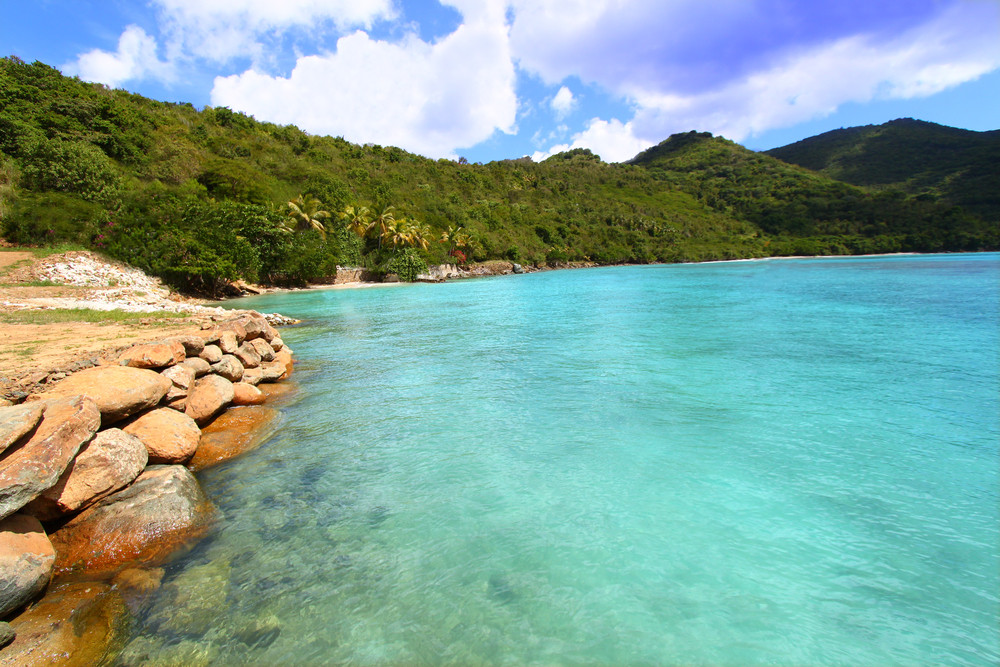
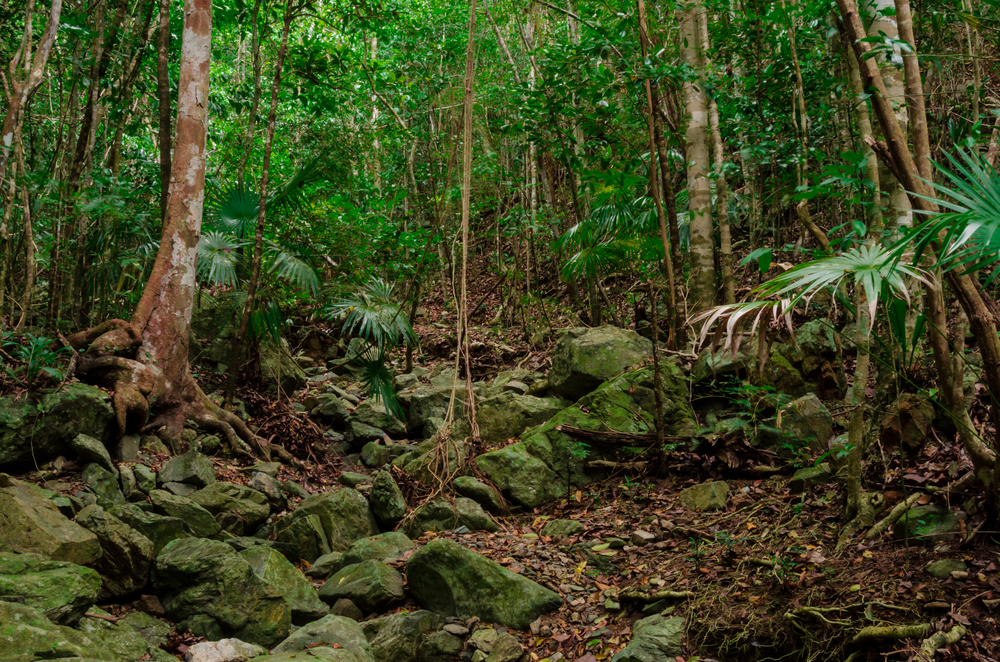
The geography of Virgin Islands National Park is defined by steep tropical hills, secluded bays, white-sand beaches, rocky headlands, and shallow marine environments. Much of Saint John consists of volcanic mountains that rise sharply from the sea, creating dramatic coastal vistas and sheltered coves. Dense tropical forests blanket the interior hillsides, while mangroves and seagrass beds occupy protected coastal areas.
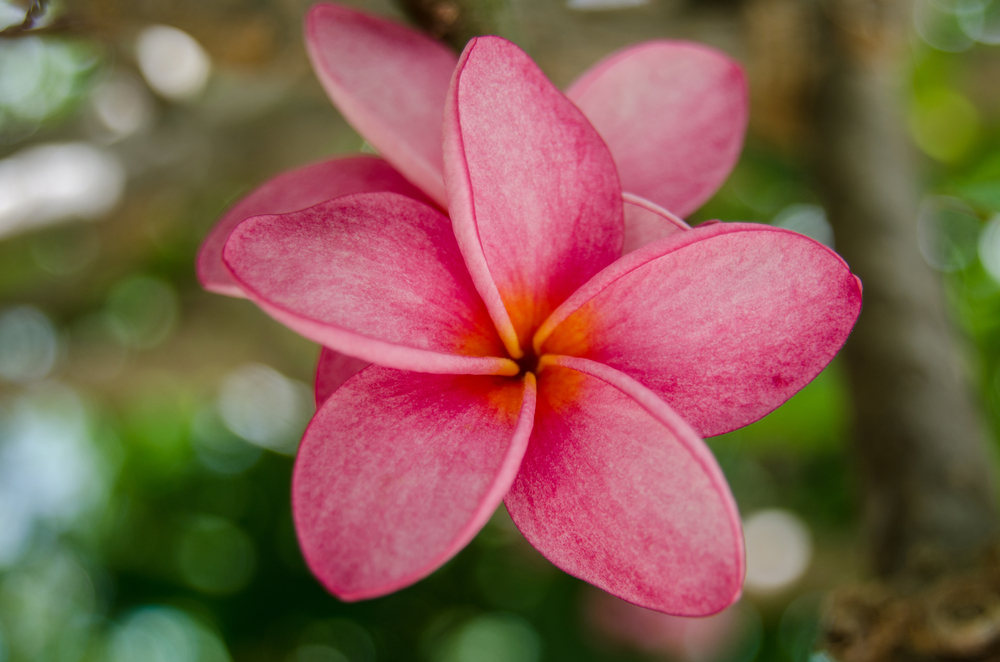
The park’s marine waters contain extensive coral reef systems that support a remarkable diversity of life. Seasonal rainfall nourishes lush vegetation including tropical hardwoods, palms, sea grape, gumbo-limbo trees, and numerous flowering plants. The interaction between land and sea creates one of the most ecologically diverse environments in the Caribbean.
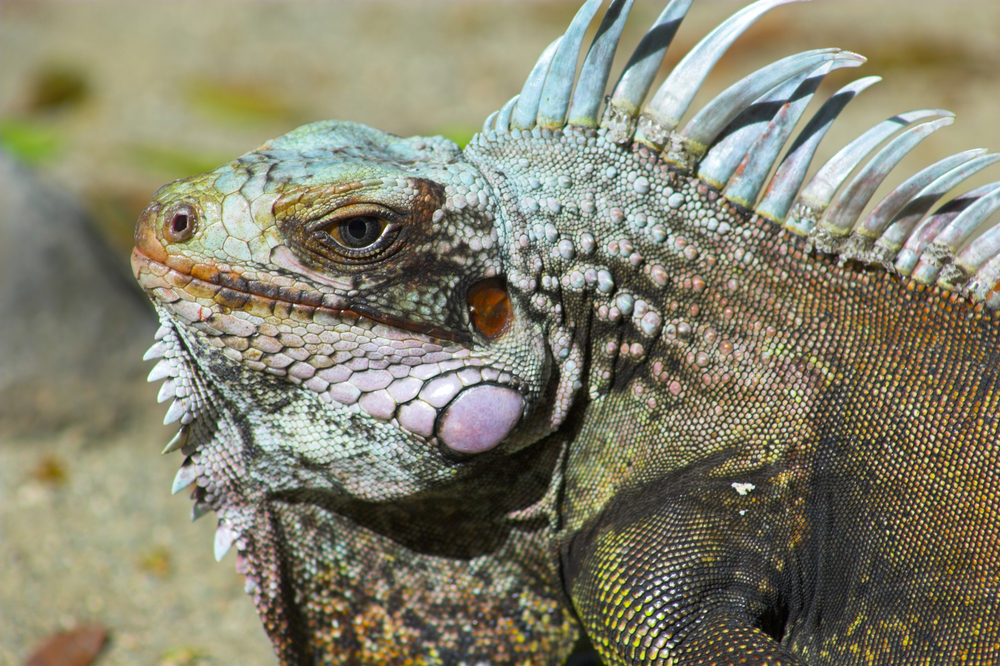
Wildlife within Virgin Islands National Park includes a rich variety of terrestrial and marine species. On land, visitors may encounter deer, mongooses, bats, hermit crabs, iguanas, and numerous reptiles. Birdlife is especially abundant, with brown pelicans, frigatebirds, hummingbirds, bananaquits, herons, and ospreys commonly observed throughout the park.
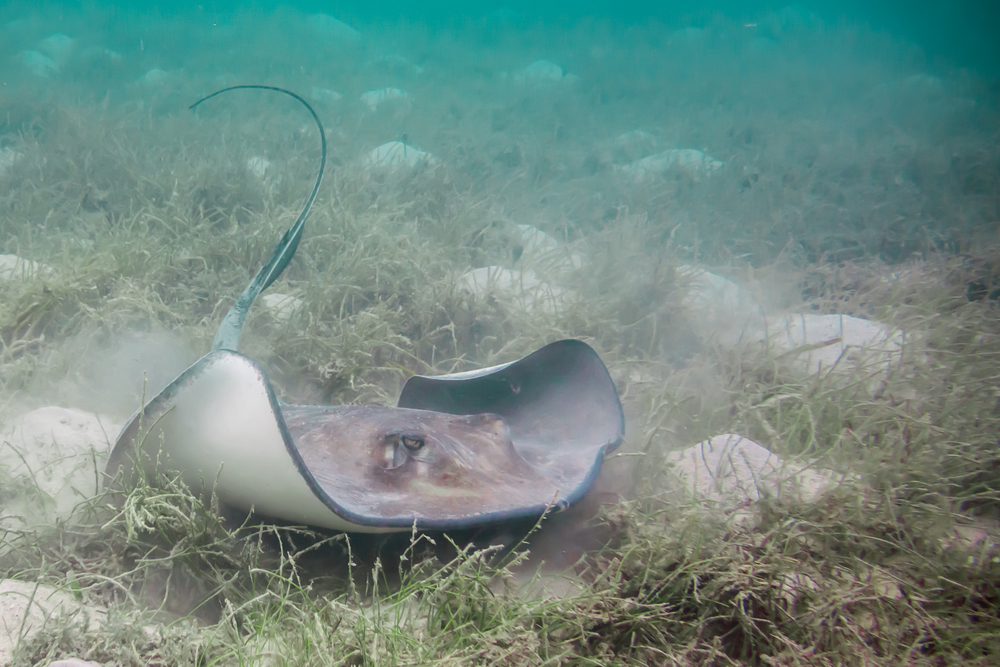
The marine environment supports sea turtles, rays, reef sharks, octopuses, lobsters, and hundreds of species of tropical fish. Coral reefs provide essential habitat for countless marine organisms and serve as nurseries for many species found throughout the Caribbean. The diversity of marine life makes the park one of the premier snorkeling and diving destinations in the United States.
Virgin Islands National Park plays a critical role in protecting some of the Caribbean’s most important coastal and marine ecosystems. The park safeguards coral reefs, mangrove forests, seagrass beds, tropical forests, and historic sites that reflect centuries of Indigenous, European, and Caribbean history. Conservation efforts focus on protecting endangered sea turtles, preserving coral reef health, and maintaining habitat for native wildlife.
The park is often compared to Biscayne National Park and Dry Tortugas National Park because of its marine biodiversity and tropical waters. However, Virgin Islands National Park’s combination of pristine beaches, lush tropical forests, and extensive coral reefs creates a unique Caribbean experience. Today, the park remains one of America’s most treasured island landscapes, preserving a paradise where land, sea, wildlife, and history come together in remarkable harmony.
Photos

Things to See

Things To Do
Engaging Virgin Islands National Park


Virgin Islands National Park Trails
There are miles and miles of hiking opportunities found on more than a couple of dozen trails that allow visitors to explore the beaches, forests, and rolling hills of the national park.

Park Protection
 Virgin Islands National Park was created to protect the tropical forests, coral reefs, mangroves, seagrass beds, and historic cultural resources of the island of St. John in the U.S. Virgin Islands. The park provides important habitat for endangered species including the hawksbill sea turtle, green sea turtle, and several threatened coral species. Its marine ecosystems support abundant reef fish, sea birds, and other wildlife that depend upon healthy Caribbean waters.
The park preserves some of the most extensive and intact coral reef ecosystems in the Caribbean National Park System. It also protects centuries of human history, including archaeological sites and historic plantation ruins that reflect the island’s cultural heritage. Together, Virgin Islands National Park safeguards endangered marine species, tropical island ecosystems, vibrant coral reefs, and significant cultural resources within one of the Caribbean’s most beautiful protected landscapes.
FAQ’s
What is the Virgin Islands National Park known for?
Virgin Islands National Park, located on the island of St. John in the United States Virgin Islands, is known for its stunning natural beauty, pristine beaches, and vibrant coral reefs. Established in 1956, the park encompasses over 7,000 acres of land and nearly 5,000 acres of submerged lands, protecting a diverse range of ecosystems both on land and underwater.
One of the main attractions of Virgin Islands National Park is its beautiful beaches, including Trunk Bay, Cinnamon Bay, and Maho Bay, which offer visitors opportunities for swimming, snorkeling, and sunbathing in crystal-clear Caribbean waters. The park’s lush tropical forests are also home to a variety of wildlife, including iguanas, hermit crabs, and numerous bird species, making it a popular destination for nature enthusiasts and birdwatchers.
In addition to its natural beauty, Virgin Islands National Park has a rich cultural history, with archaeological sites and ruins dating back over a thousand years, including pre-Columbian petroglyphs and colonial-era sugar plantations. Visitors to the park can explore these historic sites and learn about the island’s indigenous Taino people and its colonial past through interpretive exhibits and ranger-led programs.
Overall, Virgin Islands National Park offers visitors a chance to experience the beauty and tranquility of the Caribbean while learning about the rich natural and cultural heritage of St. John.
What is the main reason people visit Virgin Islands National Park?
Virgin Islands National Park is primarily visited for its pristine Caribbean beaches, crystal-clear waters, coral reefs, tropical forests, historical sites, and exceptional snorkeling opportunities. Located on the island of St. John in the U.S. Virgin Islands, the park protects approximately 60% of the island as well as thousands of acres of surrounding marine habitat.
Visitors come to relax on world-class beaches, explore coral reefs, hike tropical trails, observe marine life, and experience one of the most beautiful tropical national parks in the United States.
What animals can visitors hope to see in Virgin Islands National Park?
Virgin Islands National Park supports a rich diversity of tropical wildlife, including mammals, reptiles, amphibians, marine species, and numerous fish species.
Some of the most notable animals found in Virgin Islands National Park include:
- White-tailed Deer
- Small Indian Mongoose
- Fruit Bat
- Brazilian Free-tailed Bat
- Velvety Free-tailed Bat
- Antillean Fruit-eating Bat
- Green Sea Turtle
- Hawksbill Sea Turtle
- Leatherback Sea Turtle (seasonal)
- Loggerhead Sea Turtle (rare)
- Bottlenose Dolphin
- Spinner Dolphin
- Humpback Whale (seasonal)
- West Indian Manatee (occasional)
- Southern Stingray
- Spotted Eagle Ray
- Nurse Shark
- Caribbean Reef Shark
- Lemon Shark
- Blacktip Shark
- Green Moray Eel
- Spotted Moray Eel
- Queen Angelfish
- French Angelfish
- Blue Tang
- Sergeant Major
- Stoplight Parrotfish
- Queen Triggerfish
- Yellowtail Snapper
- Schoolmaster Snapper
- Grunt Species
- Butterflyfish Species
- Wrasse Species
- Trumpetfish
- Barracuda
- Permit
- Tarpon
- Octopus
- Caribbean Spiny Lobster
- Queen Conch
- Land Crab Species
- Hermit Crab Species
- Virgin Islands Tree Boa
- Puerto Rican Racer
- Red-footed Tortoise
- Ground Lizard Species
- Anole Species
- Whistling Frog Species
- Caribbean Gecko Species
- Various Coral Reef Species
What birds can visitors hope to see in Virgin Islands National Park?
Virgin Islands National Park is home to more than 140 bird species. Tropical forests, mangroves, beaches, and coastal habitats provide excellent birdwatching opportunities.
Some of the most popular birds seen in Virgin Islands National Park include:
- Brown Pelican
- Magnificent Frigatebird
- Red-billed Tropicbird
- White-tailed Tropicbird
- Brown Booby
- Masked Booby
- Royal Tern
- Sandwich Tern
- Least Tern
- Laughing Gull
- Brown Noddy
- Osprey
- Peregrine Falcon
- American Kestrel
- Red-tailed Hawk
- Green Heron
- Great Blue Heron
- Little Blue Heron
- Snowy Egret
- Great Egret
- Yellow-crowned Night Heron
- Black-crowned Night Heron
- Belted Kingfisher
- Caribbean Elaenia
- Gray Kingbird
- Loggerhead Kingbird
- Pearly-eyed Thrasher
- Scaly-naped Pigeon
- White-crowned Pigeon
- Zenaida Dove
- Common Ground Dove
- Antillean Crested Hummingbird
- Green-throated Carib
- Bananaquit
- Black-faced Grassquit
- Lesser Antillean Bullfinch
- Caribbean Martin
- Barn Swallow
- Northern Mockingbird
- Yellow Warbler
- Prairie Warbler
- Cape May Warbler
- Black-and-white Warbler
- American Redstart
- Ovenbird
- Ruddy Turnstone
- Sanderling
- Semipalmated Plover
- Willet
- Whimbrel
Is Virgin Islands National Park worth visiting?
Yes, Virgin Islands National Park is absolutely worth visiting and is widely considered one of the most beautiful tropical national parks in the United States.
The park offers stunning white-sand beaches, turquoise waters, coral reefs, snorkeling, kayaking, tropical forests, hiking trails, and historical ruins. Visitors often describe the combination of marine beauty and tropical scenery as comparable to some of the finest island destinations in the Caribbean.
The primary hesitation is that reaching the park requires air travel and a ferry connection to St. John, which can make logistics more complex than many mainland national parks.
What is the best time to visit Virgin Islands National Park?
The best time to visit Virgin Islands National Park is from December through April.
Typical conditions include:
- Winter: 72–84°F (22–29°C)
- Spring: 73–86°F (23–30°C)
- Summer: 76–90°F (24–32°C)
- Fall: 75–89°F (24–32°C)
During this period:
- Weather is generally dry.
- Humidity is lower.
- Ocean conditions are favorable.
- Snorkeling visibility is excellent.
- Temperatures are comfortable.
Summer and fall can bring higher humidity and increased hurricane risk.
How many days do you need to visit Virgin Islands National Park?
Most visitors spend the day visiting the beach and snorkeling the crystal clear blue waters. You can take more time to explore the park in more detail.
- 1 day: Beaches and snorkeling.
- 2–3 days: Beaches, trails, and historic sites.
- 4–5 days: Full exploration of St. John and marine activities.
Because many visitors travel a considerable distance to reach the park, longer stays are common.
How do you get to Virgin Islands National Park?
Virgin Islands National Park is located primarily on the island of St. John in the United States Virgin Islands.
The closest airport is:
- Cyril E. King Airport
There is no airport on St. John, so all visitors must arrive via ferry or private boat.
Typical Travel Route
Most visitors follow this route:
- Fly into St. Thomas.
- Travel to the ferry terminal at Red Hook or Charlotte Amalie.
- Take a ferry to St. John.
- Arrive in the town of Cruz Bay.
- Access the national park directly from Cruz Bay.
The ferry ride typically takes 20–45 minutes depending on departure location.
Cruz Bay
Most visitors begin their park experience in:
- Cruz Bay
This area provides:
- Visitor services.
- Restaurants.
- Lodging.
- Ferry access.
- National Park Visitor Center.
North Shore Road
The park’s primary scenic route is:
- North Shore Road
This road connects many of the park’s most famous beaches and viewpoints.
Trunk Bay
The park’s most famous attraction is:
- Trunk Bay
Known for:
- White sand beaches.
- Crystal-clear water.
- Underwater snorkeling trail.
- Spectacular Caribbean scenery.
It is frequently ranked among the most beautiful beaches in the world.
Other Popular Beaches
Visitors frequently explore:
- Cinnamon Bay
- Maho Bay
- Hawksnest Beach
- Salt Pond Bay
Many of these beaches offer exceptional snorkeling opportunities.
Reef Bay and Historic Sites
Additional highlights include:
- Reef Bay Trail
- Annaberg Sugar Plantation
These locations provide insight into the island’s natural and cultural history.
Travel Times
Typical travel times include:
- St. Thomas Airport to Red Hook Ferry Terminal: approximately 30–45 minutes.
- Ferry from Red Hook to Cruz Bay: approximately 20 minutes.
- Ferry from Charlotte Amalie to Cruz Bay: approximately 45 minutes.
- Cruz Bay to Trunk Bay: approximately 10–15 minutes.
- Cruz Bay to Salt Pond Bay: approximately 30 minutes.
Visitors should allow additional time for ferry schedules and island transportation.
Who is involved in protecting and supporting Virgin Islands National Park?
Several organizations help protect and support Virgin Islands National Park:
- National Park Service – manages Virgin Islands National Park.
- Friends of Virgin Islands National Park – supports conservation, education, and community programs.
- National Park Foundation – supports projects throughout the National Park System.
- Virgin Islands Conservation Society – supports environmental stewardship and conservation.
- Local communities and cultural organizations that help preserve the island’s natural and historical resources.
Sources
- All Trails, Best Trails in Virgin Islands National Park, https://www.alltrails.com/parks/us-virgin-islands/virgin-islands-national-park, retrieved June 2020.
- Britannica, Virgin Islands Coral Reef National Monument, https://www.britannica.com/place/Virgin-Islands-Coral-Reef-National-Monument, retrieved June 2020.
- Britannica, Virgin Islands National Park, https://www.britannica.com/place/Virgin-Islands-National-Park, retrieved June 2020.
- National Geographic, Complete National Parks of the United States, National Geographic Publishing, Washington DC.
- National Geographic, Guide to the National Parks of the United States, National Geographic Society, 2003.
- National Geographic, National Parks of North America, Canada-United States-Mexico, National Geographic Society, 1995.
- National Park Service, Virgin Islands, https://www.nps.gov/viis/index.htm, retrieved June 2020.