

About
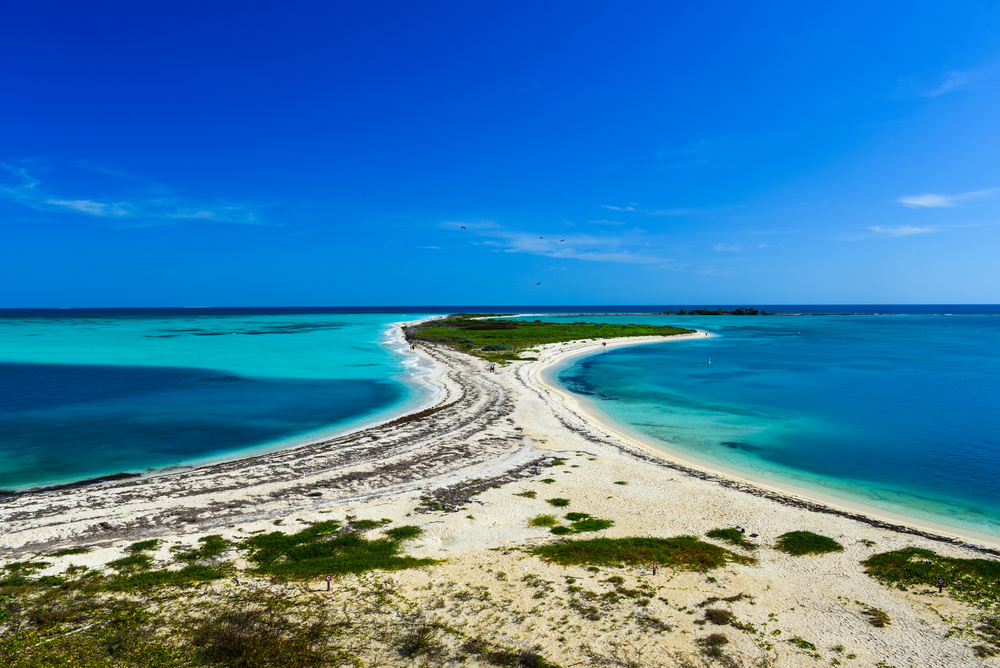
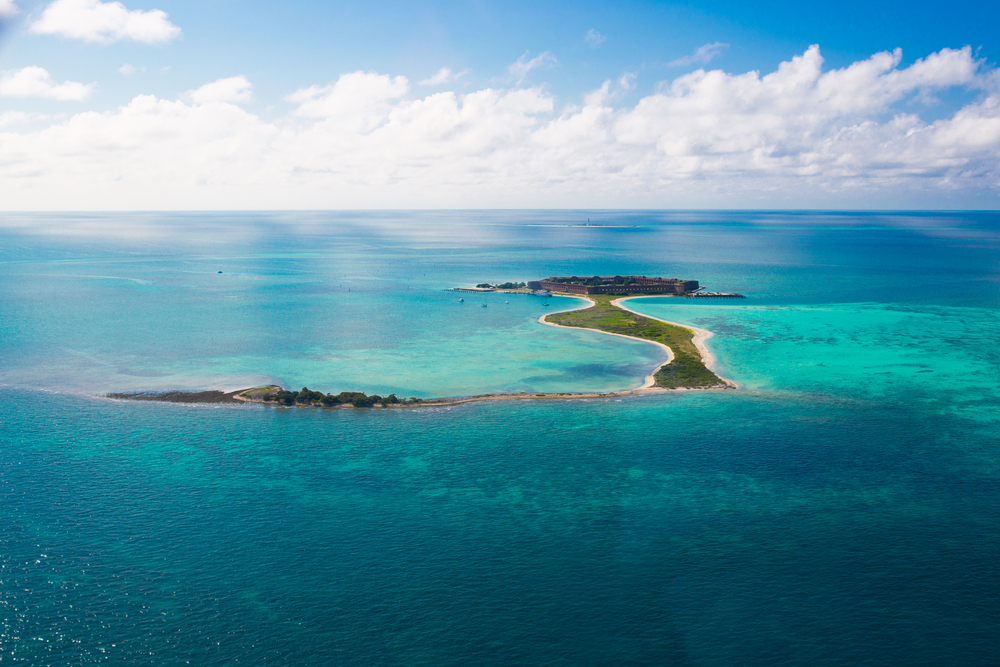
Dry Tortugas National Park is located in the Gulf of Mexico approximately 70 miles (113 km) west of Key West in Florida. Established as a national park in 1992, the park encompasses approximately 100 square miles (259 sq km), nearly all of which is marine environment.
The park protects seven small islands, pristine coral reefs, seagrass beds, and open ocean ecosystems. Accessible only by boat or seaplane, Dry Tortugas is one of the most remote and least-visited national parks in the United States, offering visitors an extraordinary combination of history, marine biodiversity, and tropical beauty.
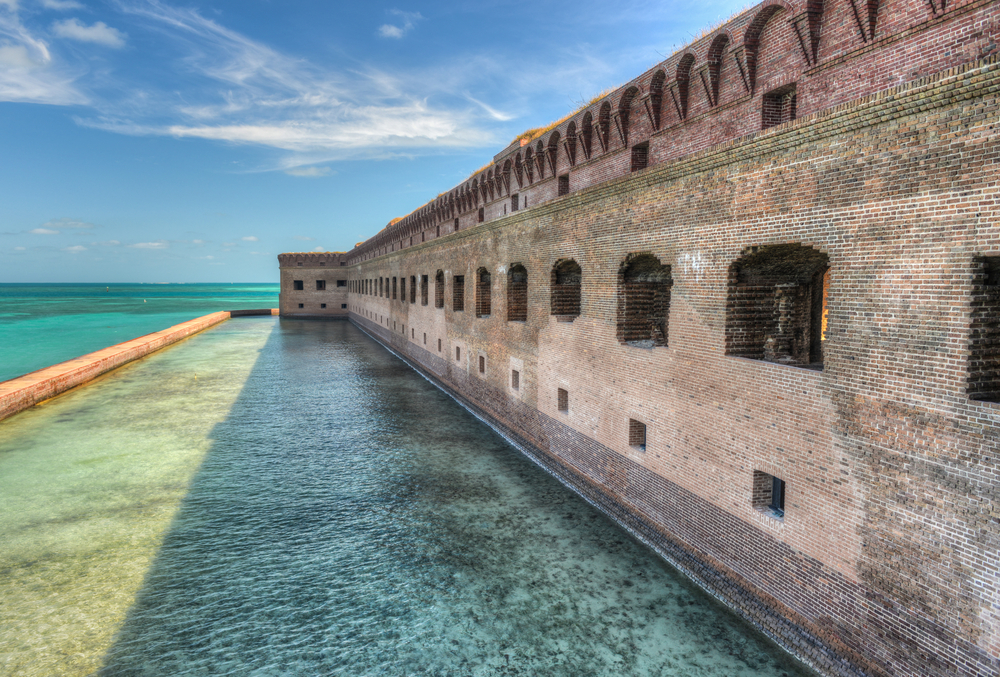
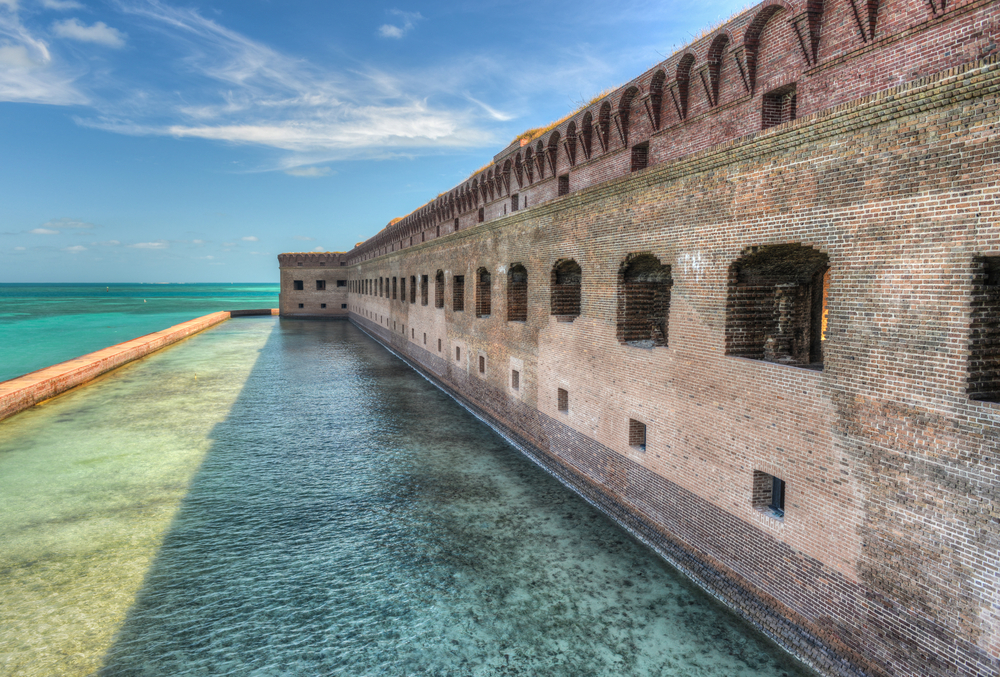
The park is best known for the massive Fort Jefferson, one of the largest masonry forts ever constructed in the Western Hemisphere. Built during the 19th century to protect shipping routes through the Gulf of Mexico, the unfinished fortress dominates Garden Key and serves as the park’s iconic landmark. Visitors are drawn to its historic architecture, crystal-clear waters, coral reefs, and white-sand beaches.
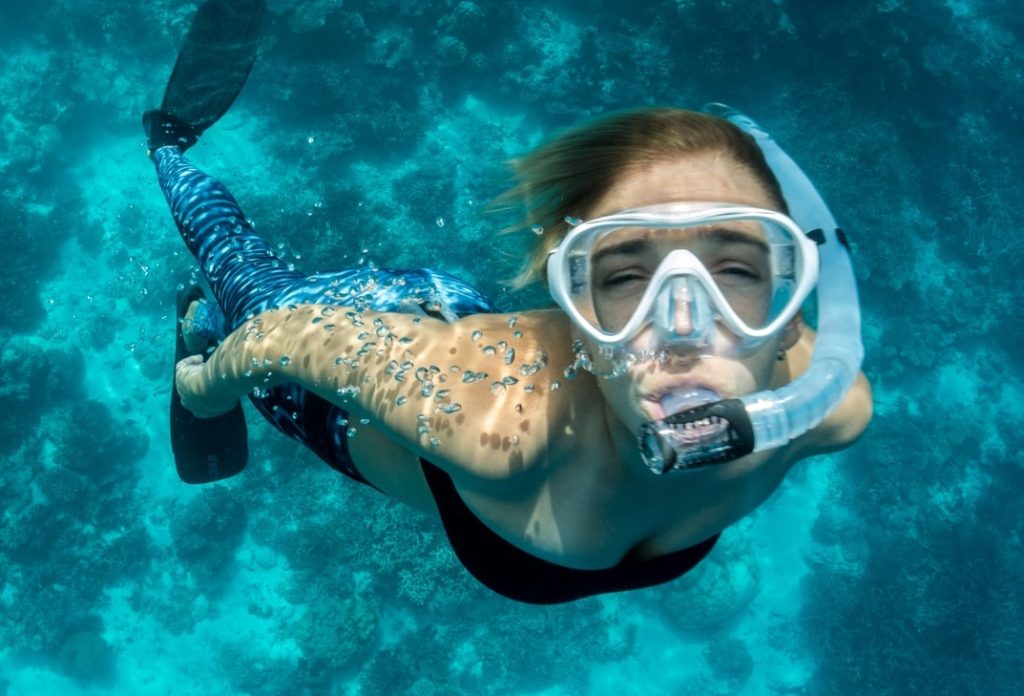
Popular activities include snorkeling, scuba diving, swimming, kayaking, camping, birdwatching, fishing, and exploring the fort’s fascinating history. The park’s remote location and exceptionally clear waters create some of the best marine recreation opportunities in the National Park System.
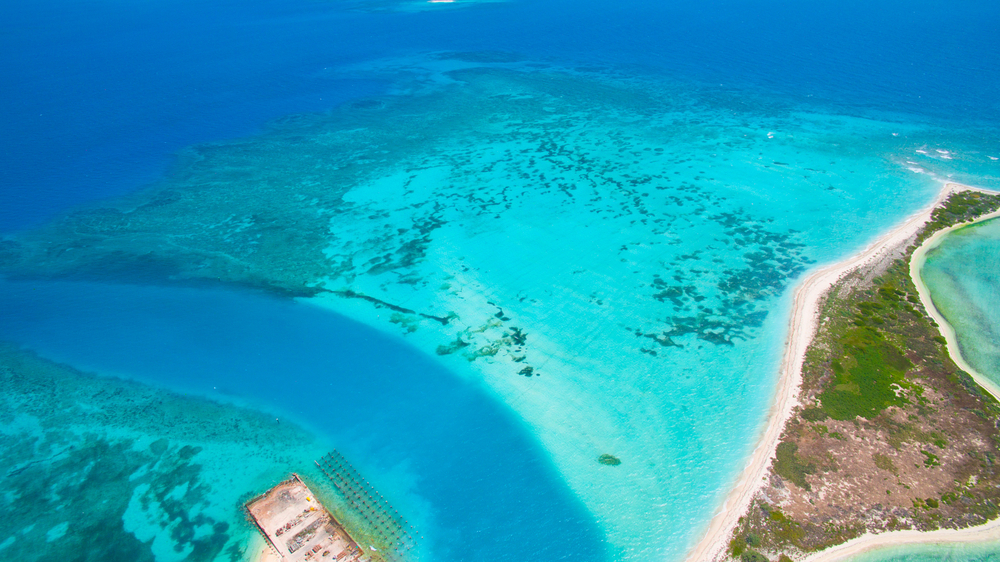
Geographically, Dry Tortugas National Park consists of a cluster of low-lying coral and sand islands surrounded by turquoise tropical waters. The islands sit near the western end of the Florida Keys archipelago and are influenced by the warm waters of the Gulf Stream. The park contains extensive coral reefs, seagrass meadows, and shallow marine habitats that support extraordinary biodiversity.
Unlike many national parks dominated by terrestrial landscapes, approximately 99 percent of Dry Tortugas is underwater, making marine conservation its primary focus. The tropical climate features warm temperatures year-round and supports a variety of coastal and marine ecosystems.
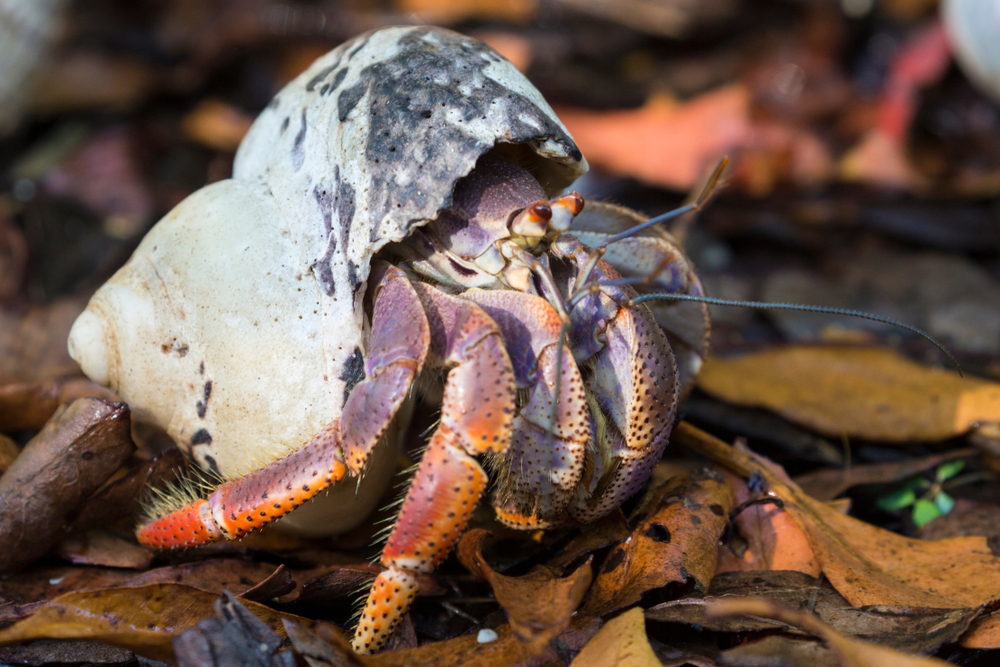
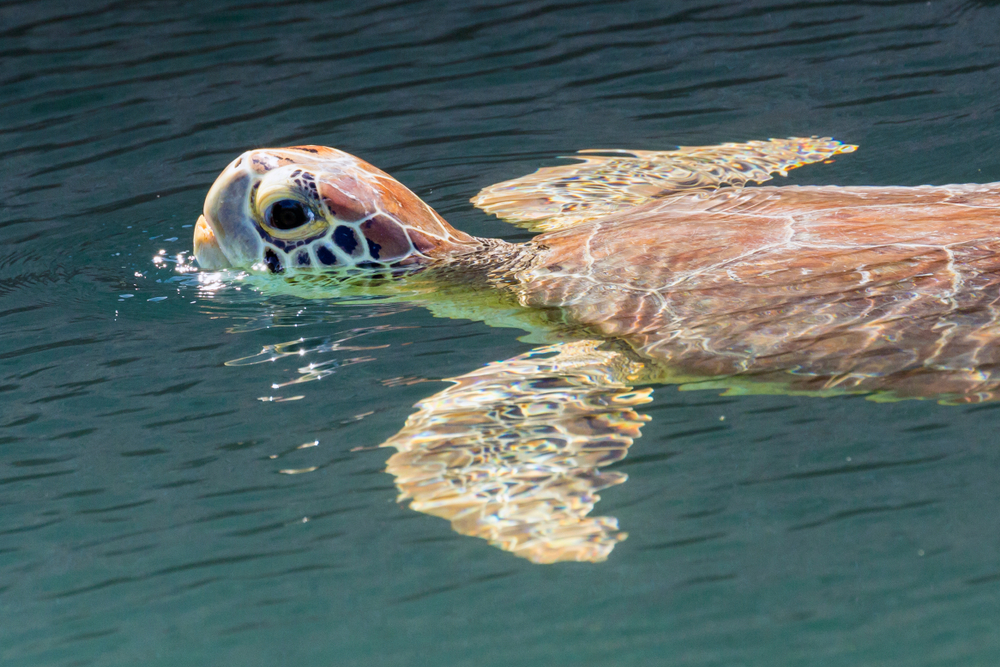
Wildlife within Dry Tortugas National Park is exceptionally diverse, particularly in its marine environments. The park protects hundreds of species of tropical fish, coral, sponges, sea stars, and other marine organisms. Endangered sea turtles, including the Green Sea Turtle and Hawksbill Sea Turtle, are frequently observed in park waters. Marine mammals such as dolphins occasionally visit the area.
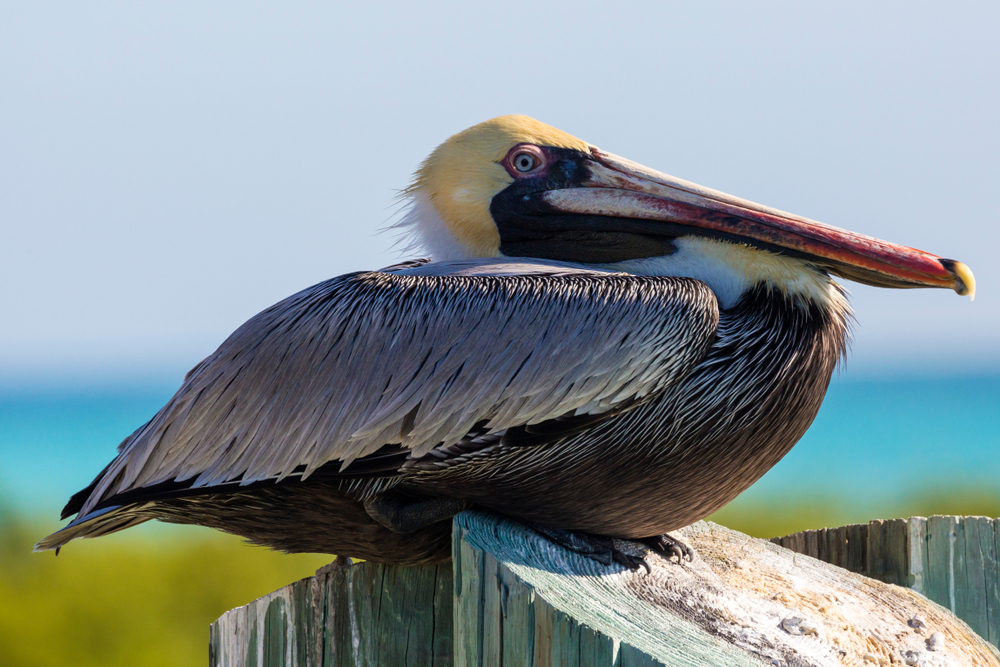
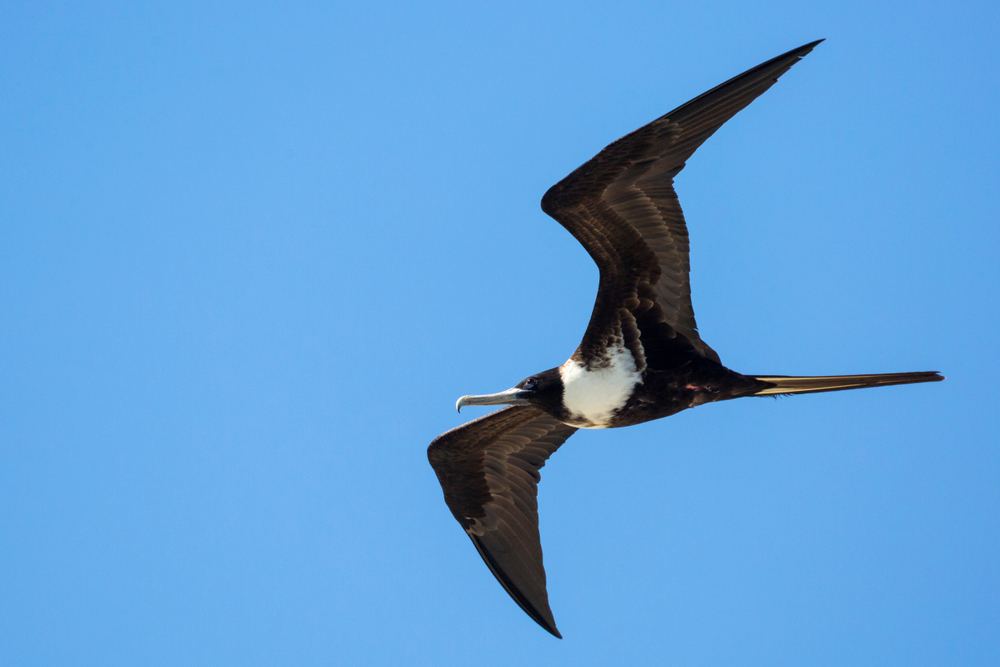
Birdlife is one of the park’s greatest ecological treasures, with sooty terns, brown noddies, frigatebirds, masked boobies, and numerous migratory species nesting or stopping on the islands. The park serves as one of the most important seabird nesting sites in the continental United States.
Dry Tortugas National Park plays a vital role in protecting fragile coral reef ecosystems, marine biodiversity, and important historical resources. The park safeguards critical habitat for endangered species, preserves significant seabird colonies, and protects maritime history associated with Fort Jefferson and the Gulf of Mexico.
Its conservation significance is often compared to Biscayne National Park and Galápagos National Park because of its marine ecosystems, island habitats, and exceptional biodiversity. Through its coral reefs, crystal-clear waters, historic fortress, abundant wildlife, and remote tropical setting, Dry Tortugas National Park stands as one of America’s most unique protected areas and a jewel of the Gulf of Mexico.
Photos






Things to See
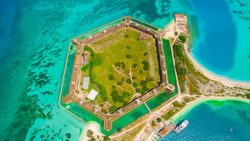 Fort Jefferson was originally constructed by the US as a line of defense to protect the shipping lanes of the Gulf of Mexico. The site was never completed and was abandoned twice and finally in 1907.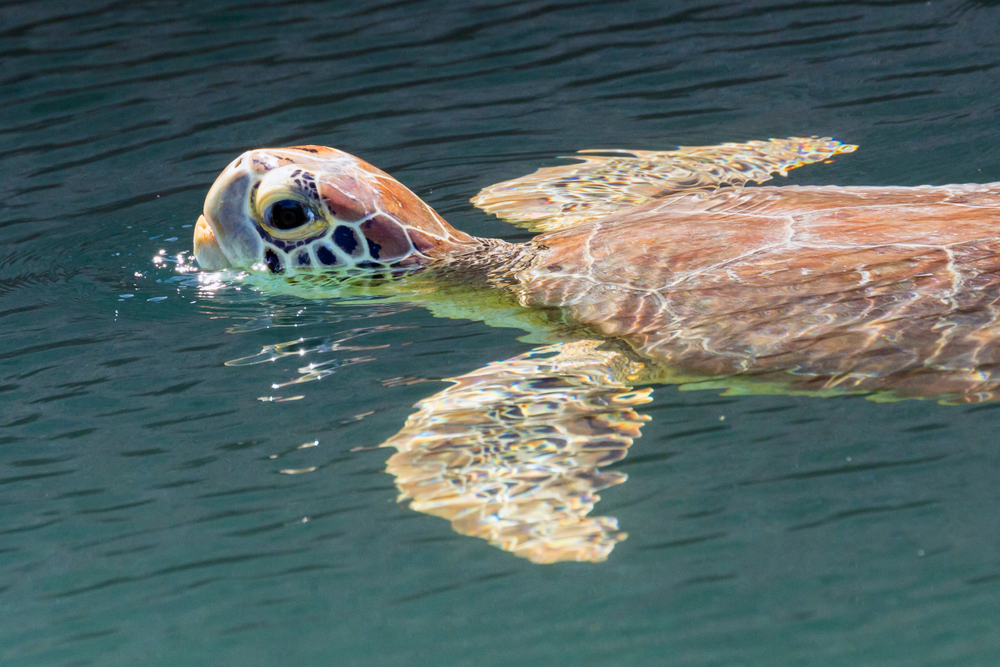
Things To Do
The park is small is easy to explore. There are paths you can take above ground and under the water or along the beach. It is a great way to escape the world and just take in relaxing nature.

Dry Tortugas National Park Trails
The landmass of the Dry Tortugas is less than a square mile, which means hiking trails really are not a thing in the national park. Visitors will walk about the islands, but this is really just random relaxation versus hiking.
Park Protection
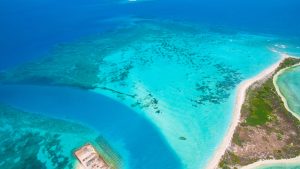 Dry Tortugas National Park was created to protect a remote cluster of islands, coral reefs, seagrass beds, and marine ecosystems located approximately 70 miles west of Key West, Florida. The park provides critical habitat for endangered species including the green sea turtle, hawksbill sea turtle, and several threatened seabird species. Its waters support abundant marine life, while the islands serve as important nesting and resting sites for migratory birds crossing the Gulf of Mexico.
The park is especially significant for preserving some of the healthiest coral reef communities in the Florida Keys region. It also protects the historic Fort Jefferson, one of the largest masonry forts ever constructed in the Americas. The combination of remote marine habitats, coral reefs, seabird colonies, and historical resources makes the park exceptionally valuable. Together, Dry Tortugas National Park safeguards vital marine ecosystems, endangered species habitat, and a unique blend of natural and cultural heritage.
FAQ’s
What is the main reason people visit Dry Tortugas National Park?
Dry Tortugas National Park is primarily visited for its crystal-clear waters, historic coastal fortress, coral reefs, and exceptional marine recreation opportunities. Located approximately 70 miles west of Key West, Florida, the park consists of seven small islands surrounded by the Gulf of Mexico.
Visitors come to explore the historic Fort Jefferson, snorkel among vibrant coral reefs, observe tropical marine life, enjoy world-class birdwatching, camp on remote islands, and experience one of the most isolated national parks in the United States.
What animals can visitors hope to see in Dry Tortugas National Park?
Dry Tortugas National Park supports approximately 30 mammal species and more than 25 reptile species, along with hundreds of marine species. The park is particularly renowned for its sea turtles, coral reef fish, marine mammals, and seabirds.
Some of the most notable mammals and reptiles found in Dry Tortugas National Park include:
- Bottlenose Dolphin
- Atlantic Spotted Dolphin
- West Indian Manatee (occasionally)
- Rice Rat
- Marsh Rabbit
- House Mouse
- Black Rat
- Big Brown Bat
- Evening Bat
- Hoary Bat
- Red Bat
- Silver-haired Bat
- Brazilian Free-tailed Bat
- Green Sea Turtle
- Hawksbill Sea Turtle
- Loggerhead Sea Turtle
- Leatherback Sea Turtle
- Kemp’s Ridley Sea Turtle
- American Crocodile (rare visitor)
- American Alligator (occasional visitor)
- Mangrove Salt Marsh Snake
- Eastern Indigo Snake
- Southern Black Racer
- Florida Kingsnake
- Corn Snake
- Green Anole
- Brown Anole
- Nurse Shark
- Lemon Shark
- Blacktip Shark
- Caribbean Reef Shark
- Southern Stingray
- Spotted Eagle Ray
- Goliath Grouper
- Nassau Grouper
- Tarpon
- Permit
- Bonefish
- Barracuda
- Parrotfish Species
- Angelfish Species
- Butterflyfish Species
- Surgeonfish Species
- Triggerfish Species
- Moray Eel Species
- Octopus Species
- Spiny Lobster
- Queen Conch
- Coral Reef Invertebrates
- Numerous Tropical Fish Species
What birds can visitors hope to see in Dry Tortugas National Park?
Dry Tortugas National Park is one of North America’s premier birdwatching destinations, with more than 300 recorded bird species. The islands serve as a critical stopover for migratory birds crossing the Gulf of Mexico.
Some of the most popular birds seen in Dry Tortugas National Park include:
- Sooty Tern
- Brown Noddy
- Magnificent Frigatebird
- Masked Booby
- Brown Booby
- Red-footed Booby
- Brown Pelican
- American White Pelican
- Double-crested Cormorant
- Great Blue Heron
- Great Egret
- Snowy Egret
- Tricolored Heron
- Reddish Egret
- Green Heron
- Black-crowned Night Heron
- Yellow-crowned Night Heron
- Roseate Spoonbill
- White Ibis
- Glossy Ibis
- Osprey
- Bald Eagle
- Peregrine Falcon
- Merlin
- American Kestrel
- Black Skimmer
- Royal Tern
- Sandwich Tern
- Least Tern
- Caspian Tern
- Common Tern
- Laughing Gull
- Ring-billed Gull
- Herring Gull
- Great Black-backed Gull
- Ruddy Turnstone
- Sanderling
- Semipalmated Plover
- Black-bellied Plover
- Willet
- Short-billed Dowitcher
- White-crowned Pigeon
- Gray Kingbird
- Mangrove Cuckoo
- Palm Warbler
- Yellow Warbler
- Blackpoll Warbler
- Prairie Warbler
- Indigo Bunting
- Scarlet Tanager
Is Dry Tortugas National Park worth visiting?
Yes, Dry Tortugas National Park is absolutely worth visiting and is considered one of the most unique national parks in the United States.
The combination of turquoise waters, coral reefs, abundant marine life, historic architecture, remote islands, and excellent snorkeling creates an experience unlike any other national park. Visitors often describe Dry Tortugas as one of the most beautiful and unforgettable destinations in the National Park System.
Because of its remote location, visiting requires more planning than most national parks, but many travelers consider the effort well worthwhile.
What is the best time to visit Dry Tortugas National Park?
The best time to visit Dry Tortugas National Park is:
- November through April
During these months:
- Temperatures are comfortable.
- Humidity is lower.
- Ocean conditions are often calmer.
- Bird migration activity is excellent.
Summer offers warmer water temperatures but also brings higher humidity, thunderstorms, and hurricane season.
How many days do you need to visit Dry Tortugas National Park?
Most visitors should plan for a day or two with an extended stay stretching into 3 days.
- 1 day: Fort Jefferson and snorkeling highlights.
- 2 days: Additional snorkeling, birdwatching, and island exploration.
- 3+ days: Camping, kayaking, fishing, and deeper exploration of the park.
Camping allows visitors to experience the islands after day visitors depart.
How do you get to Dry Tortugas National Park?
Dry Tortugas National Park is accessible only by boat or seaplane.
Most visitors:
- Travel to Key West.
- Take the official ferry service or a private boat.
- Fly by seaplane for a faster option.
There are no roads connecting the park to the mainland.
Who is involved in protecting and supporting Dry Tortugas National Park?
Several organizations help protect Dry Tortugas National Park:
- National Park Service – manages Dry Tortugas National Park.
- Dry Tortugas National Park Trust – supports conservation, education, and research efforts.
- National Park Foundation – supports projects throughout the National Park System.
- Florida Fish and Wildlife Conservation Commission – assists with marine and wildlife conservation.
- Scientists, volunteers, and conservation organizations working to protect coral reefs, sea turtles, and marine ecosystems.
What is Fort Jefferson?
Fort Jefferson is one of the largest masonry forts ever built in the Western Hemisphere. Constructed in the 19th century, the massive coastal fortress dominates Garden Key and serves as the park’s most recognizable landmark.
Sources
- Britannica, Dry Tortugas, https://www.britannica.com/place/Dry-Tortugas, retrieved June 2020.
- Britannica, Dry Tortugas National Park, https://www.britannica.com/place/Dry-Tortugas-National-Park, retrieved June 2020.
- Dry Tortugas, Fort Jefferson, https://www.drytortugas.com/fort-jefferson/, retrieved June 2020.
- National Geographic, Complete National Parks of the United States, National Geographic Publishing, Washington DC.
- National Geographic, Guide to the National Parks of the United States, National Geographic Society, 2003.
- National Geographic, National Parks of North America, Canada-United States-Mexico, National Geographic Society, 1995.
- National Park Service, Dry Tortugas, https://www.nps.gov/drto/index.htm, retrieved June 2020.
- UNESCO, Everglades & Dry Tortugas, http://www.unesco.org/new/en/natural-sciences/environment/ecological-sciences/biosphere-reserves/europe-north-america/united-states-of-america/everglades-dry-tortugas, retrieved June 2020.