

About
Theodore Roosevelt National Park is located in western North Dakota within the rugged badlands of the Little Missouri River Valley. Established as a national memorial park in 1947 and redesignated as a national park in 1978, it encompasses approximately 110 square miles (285 sq km).
The park is divided into three separate units—the North Unit, South Unit, and Elkhorn Ranch Unit—and preserves the dramatic landscapes that profoundly influenced the life and conservation philosophy of Theodore Roosevelt. Roosevelt often credited his experiences in the North Dakota Badlands with shaping his commitment to conservation and the protection of America’s natural resources.
The park is best known for its colorful badlands, abundant wildlife, and connection to Theodore Roosevelt. Visitors are drawn to scenic drives, sweeping prairie vistas, rugged canyons, and the opportunity to explore landscapes that remain remarkably similar to those Roosevelt experienced in the 1880s.
Popular attractions include Painted Canyon Overlook, the scenic South Unit Loop Drive, and the historic Elkhorn Ranch Site, often referred to as Roosevelt’s “home ranch.” Hiking, wildlife viewing, horseback riding, camping, photography, and stargazing are among the park’s most popular activities.
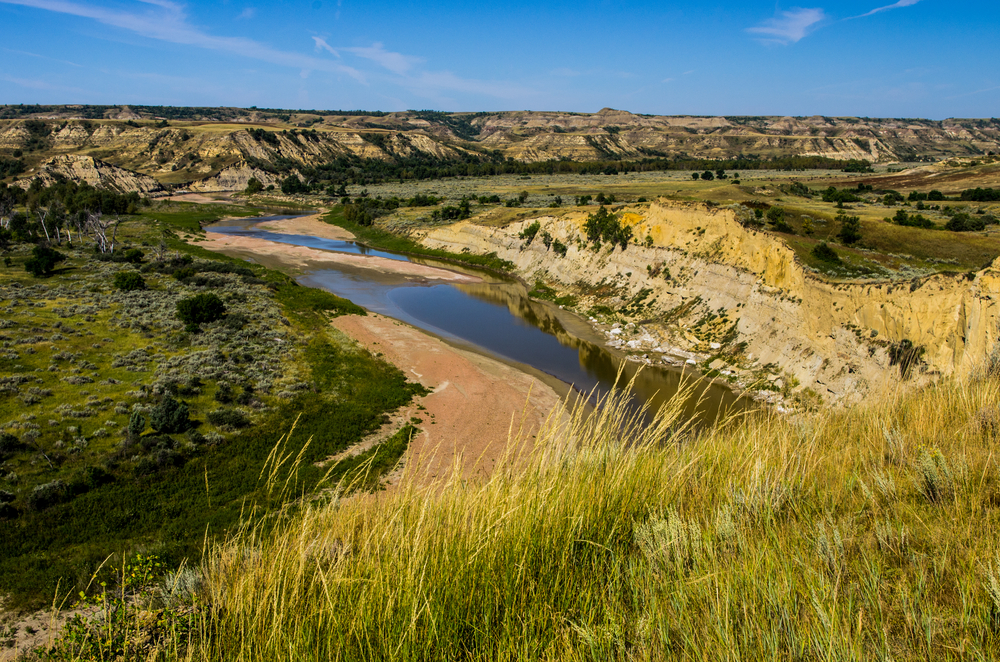
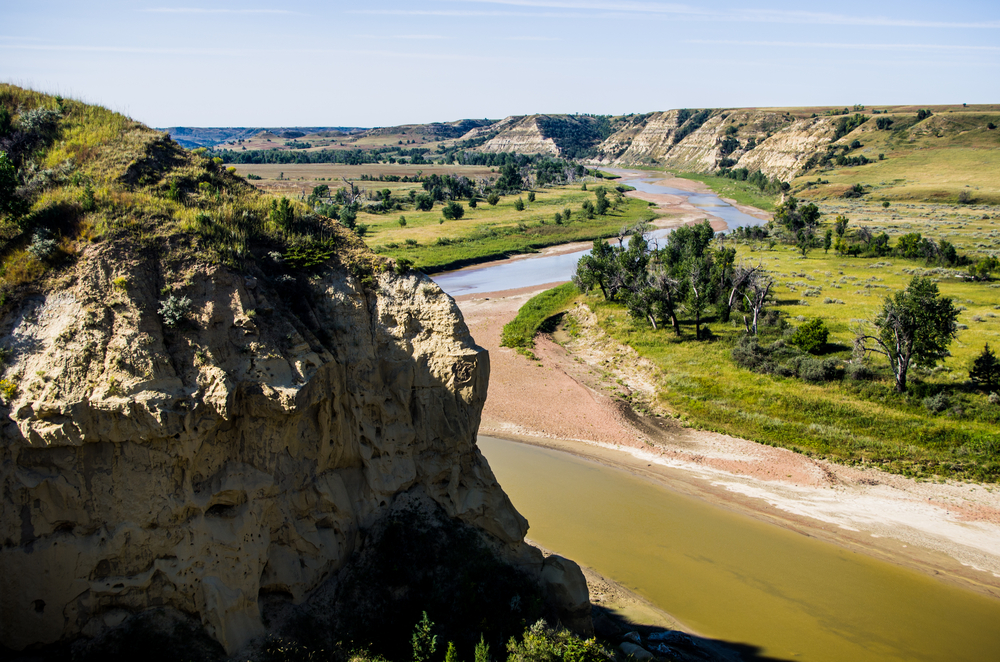
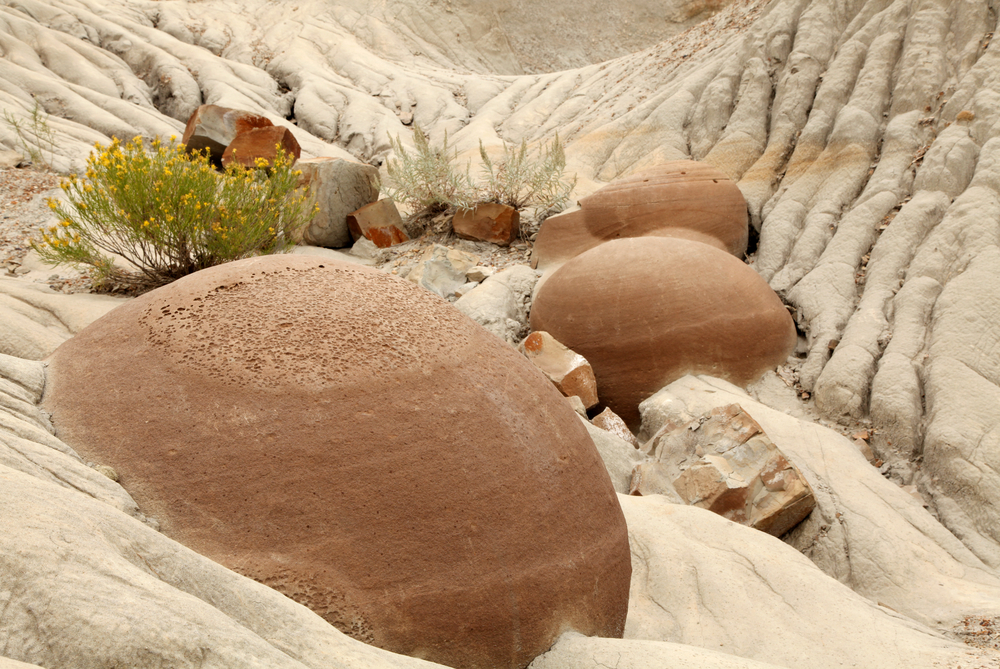
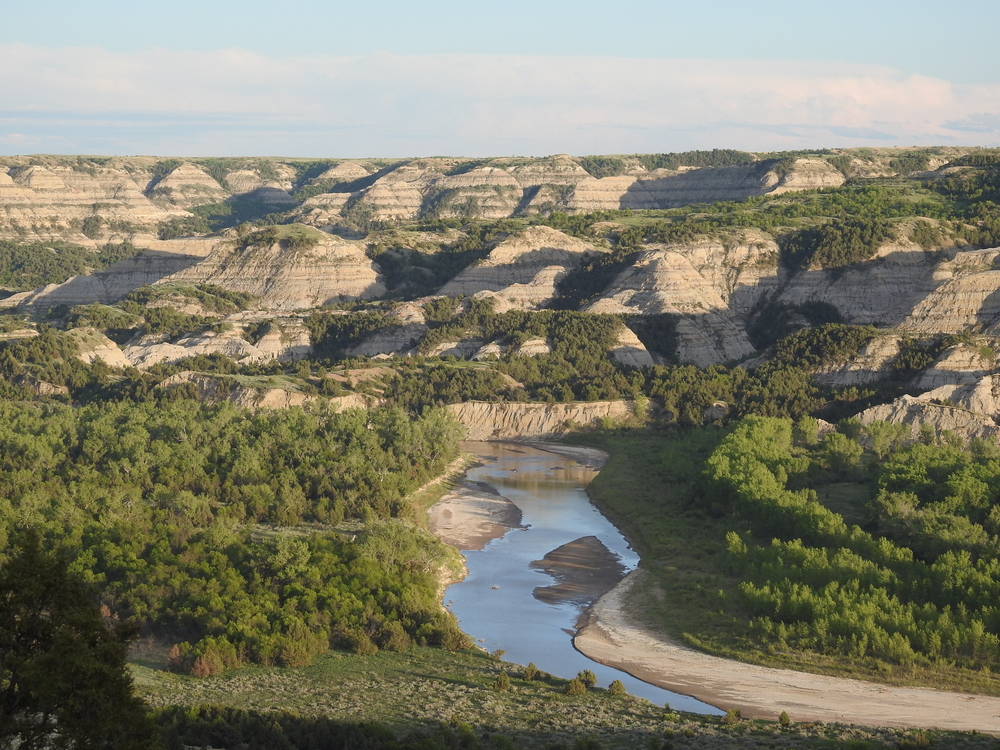
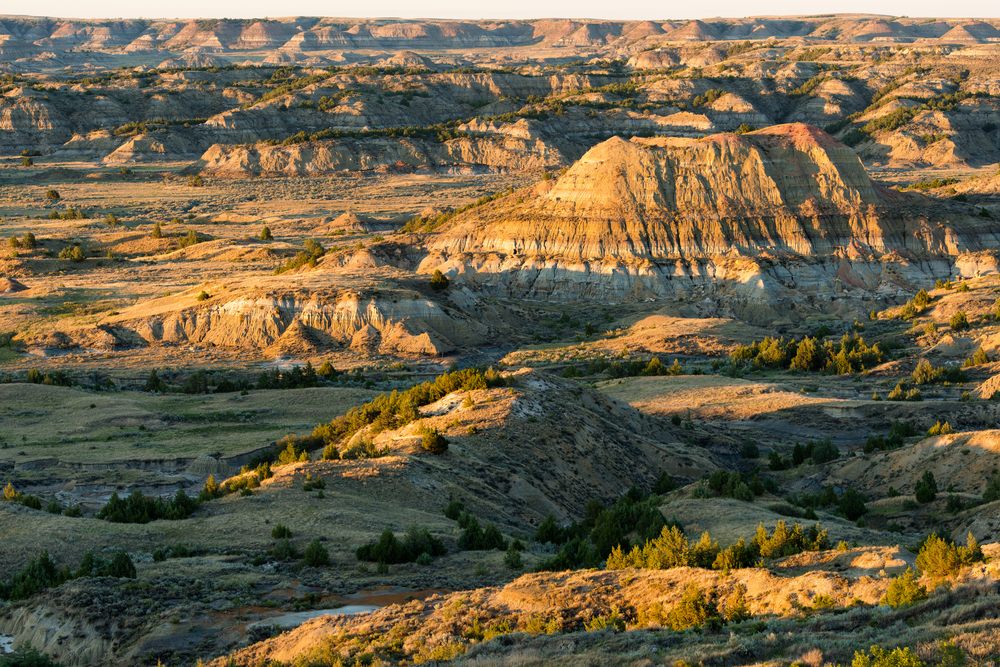
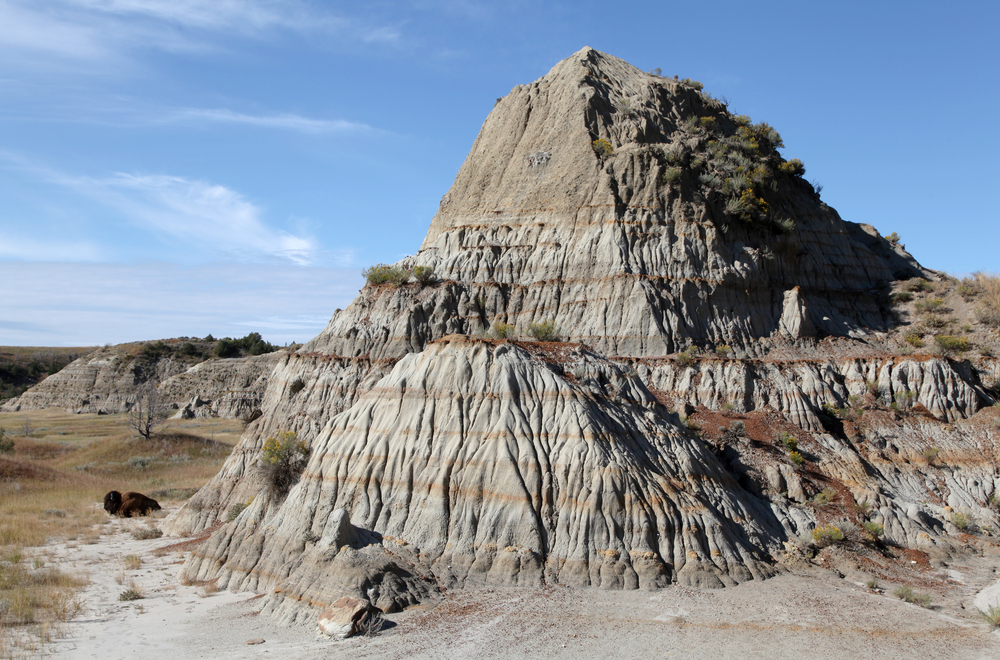
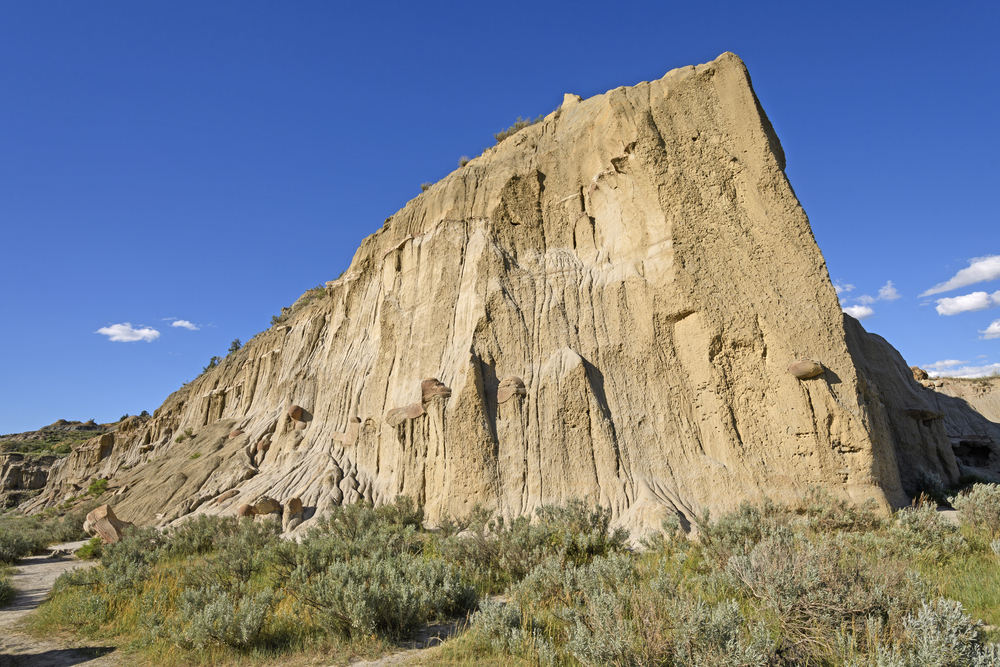
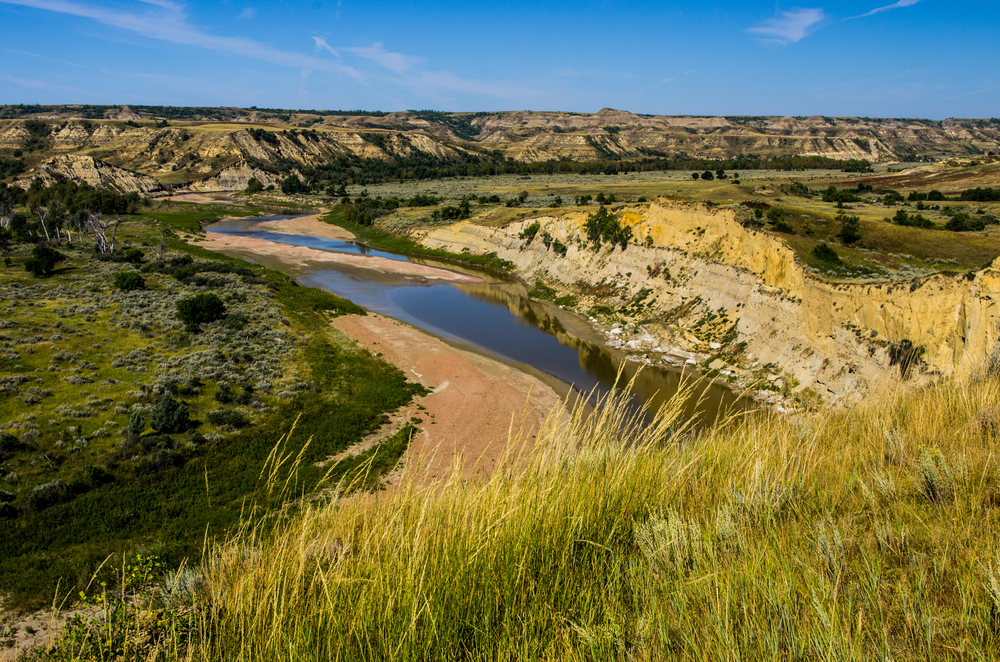
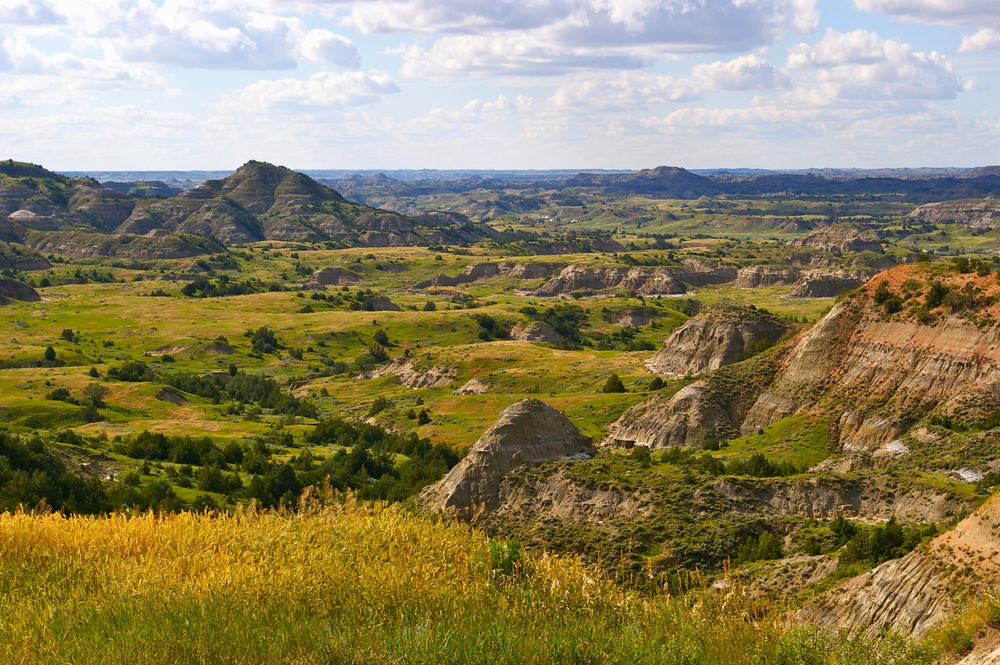
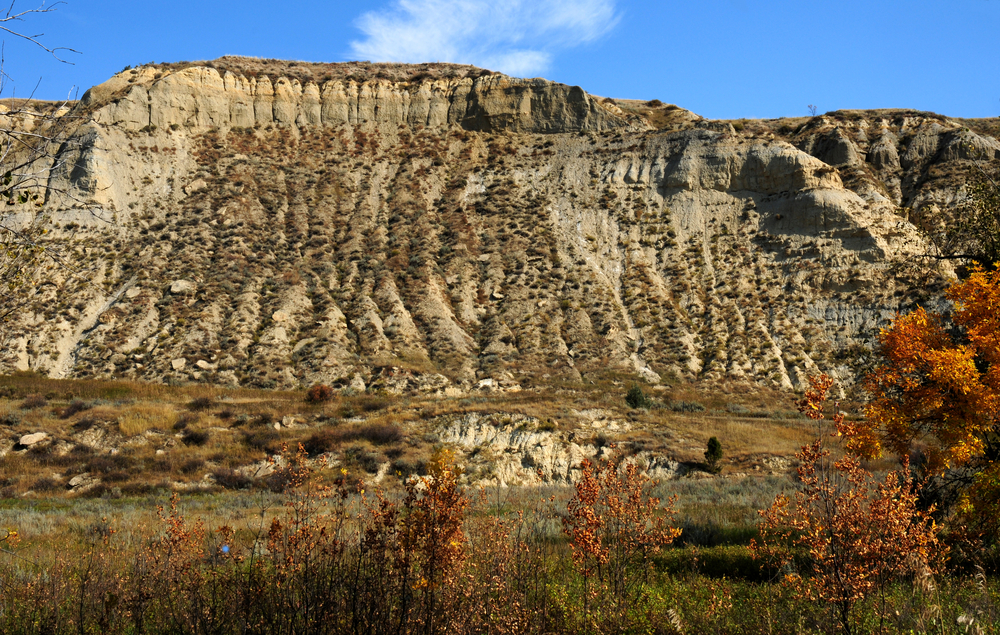
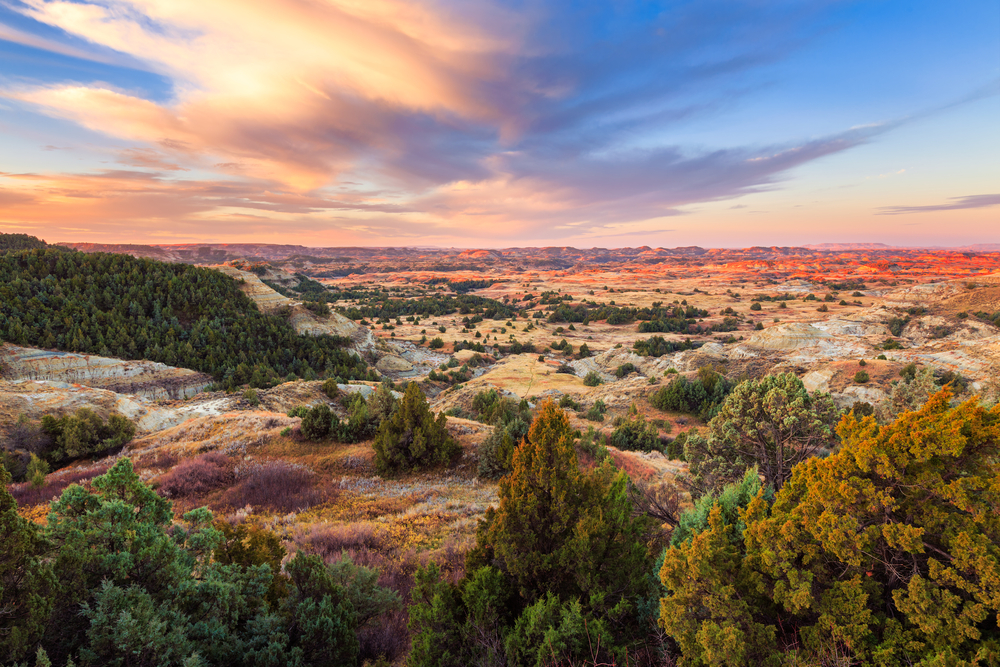
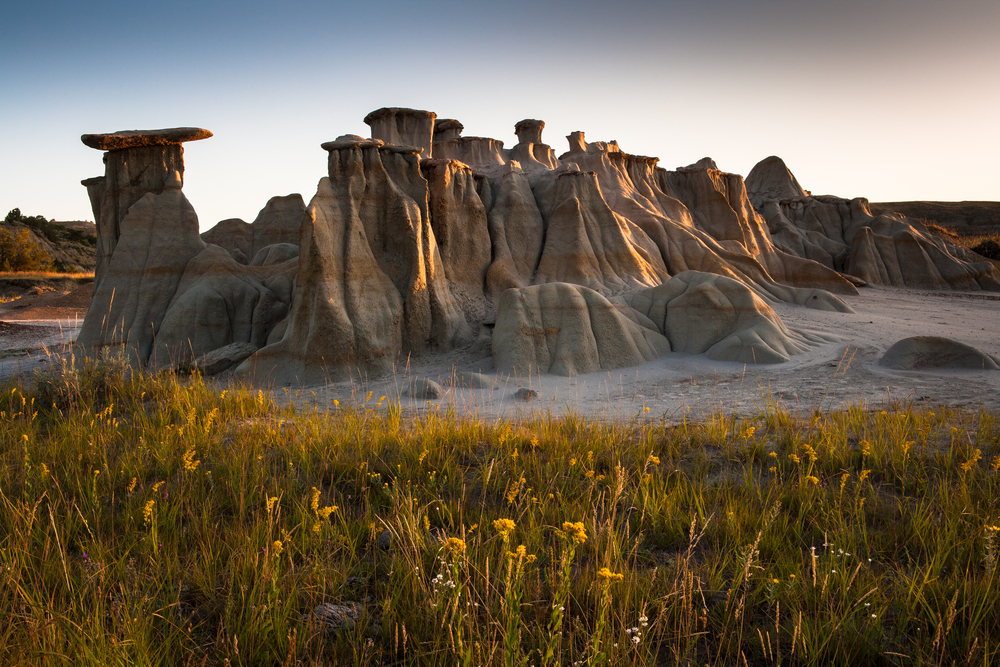
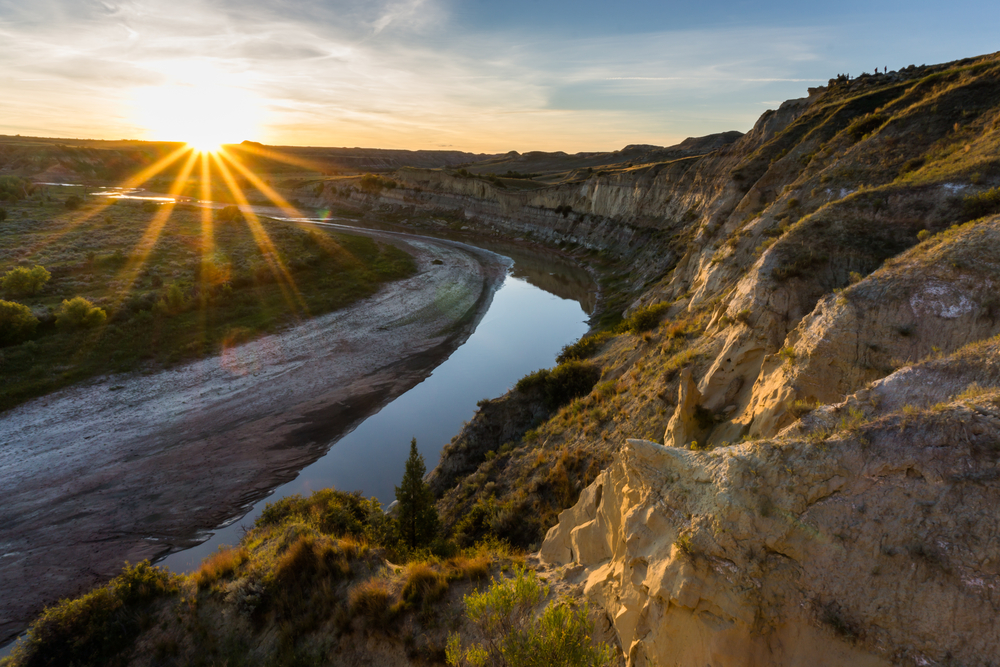
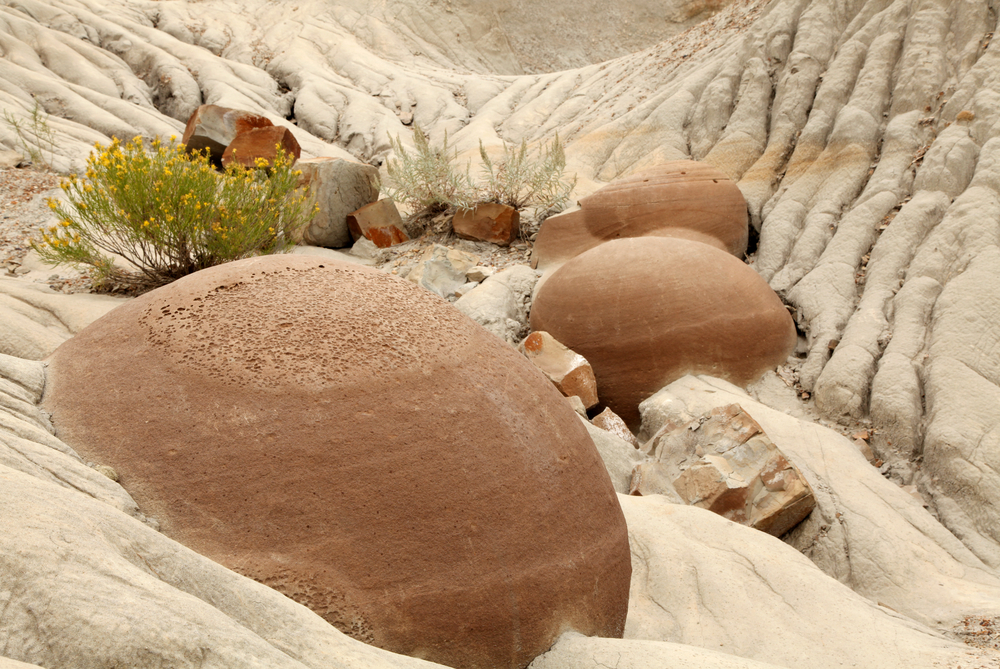
Geographically, Theodore Roosevelt National Park lies within the Northern Great Plains and protects a striking badlands landscape formed by thousands of years of erosion. The terrain consists of colorful sedimentary rock layers, buttes, mesas, grasslands, river valleys, and rugged ravines carved by the Little Missouri River and its tributaries.
Elevations range from approximately 2,000 to 2,800 feet (610–850 m). The park’s semi-arid climate supports a blend of mixed-grass prairie, sagebrush communities, juniper woodlands, and cottonwood-lined river corridors. Seasonal changes bring dramatic variations in color and wildlife activity across the landscape.
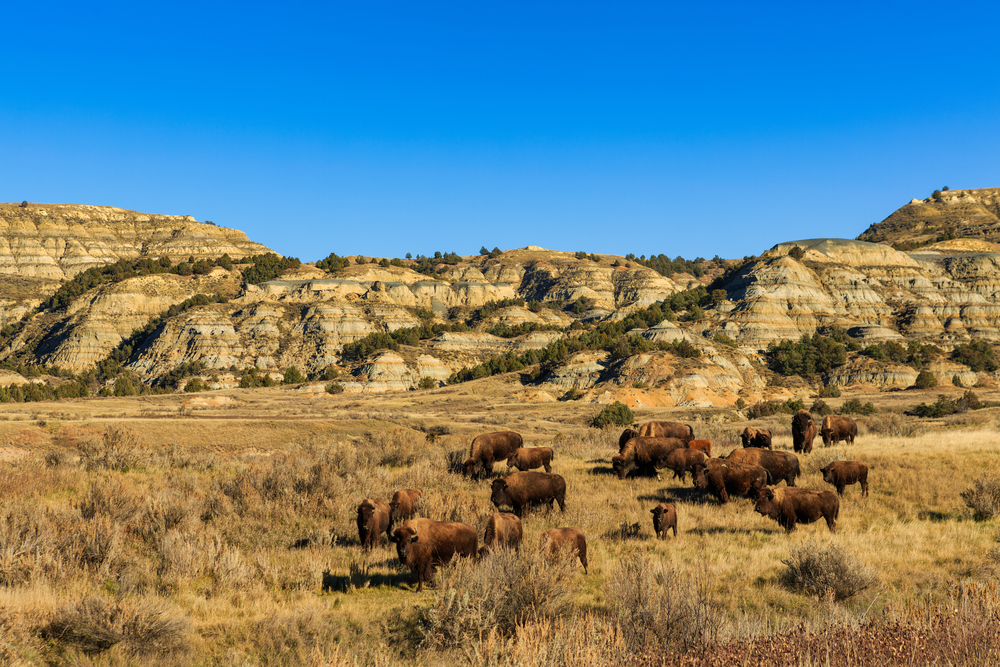
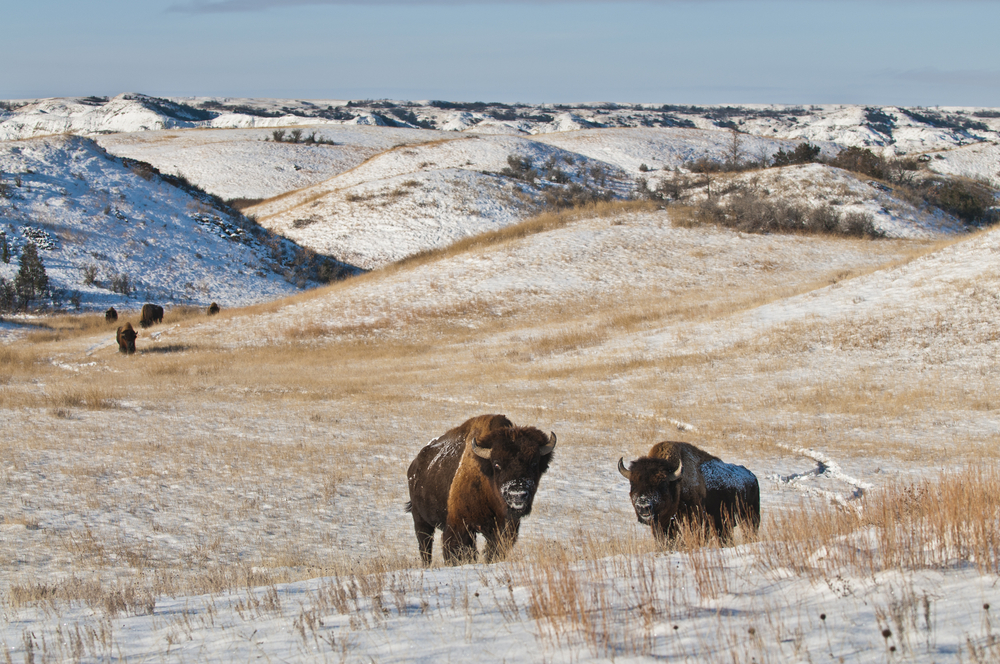
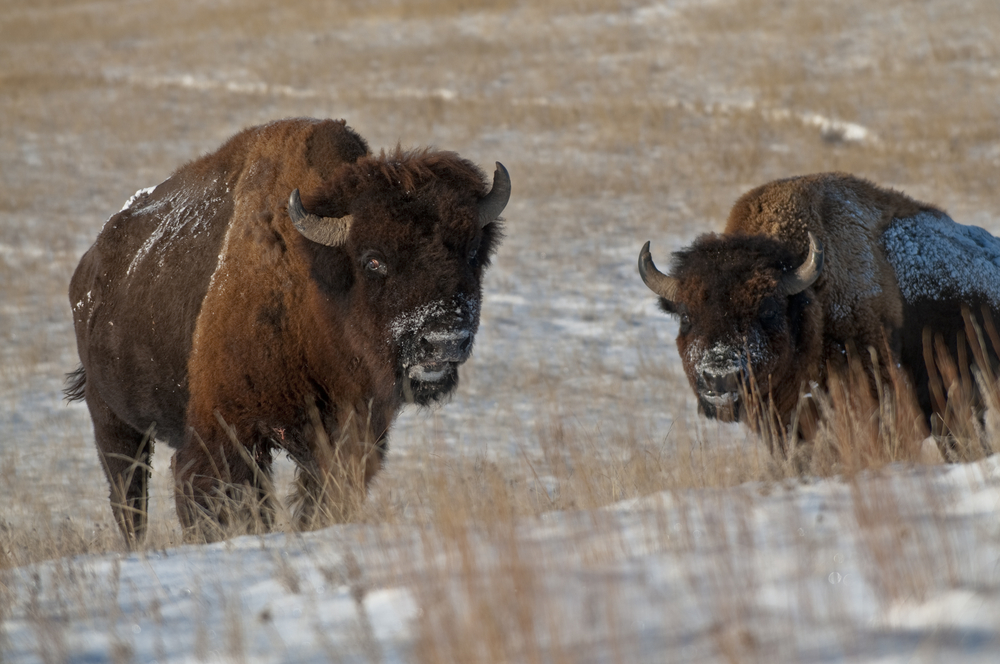
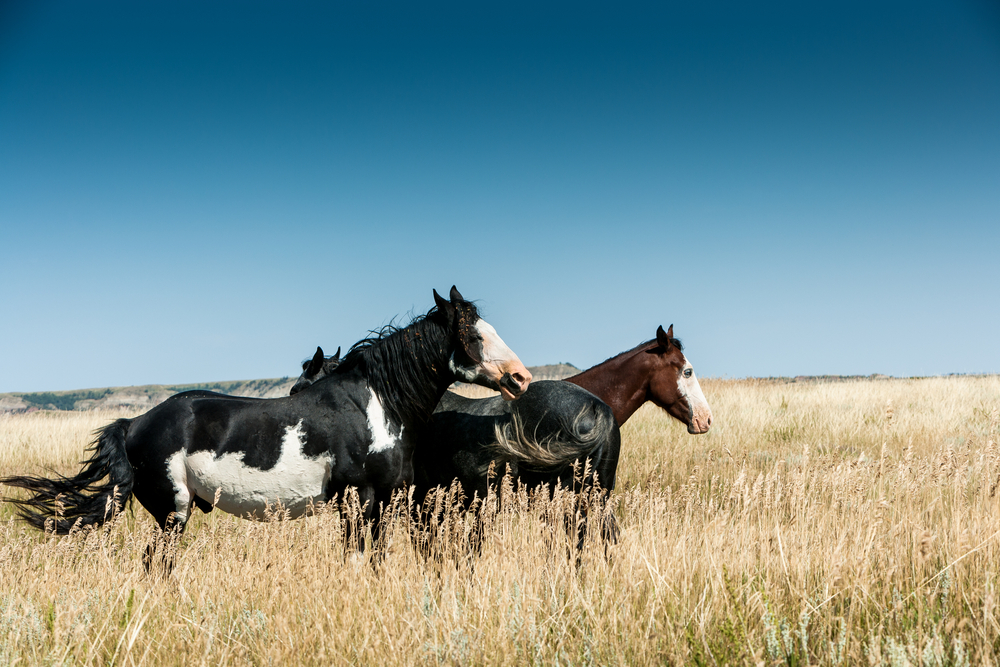
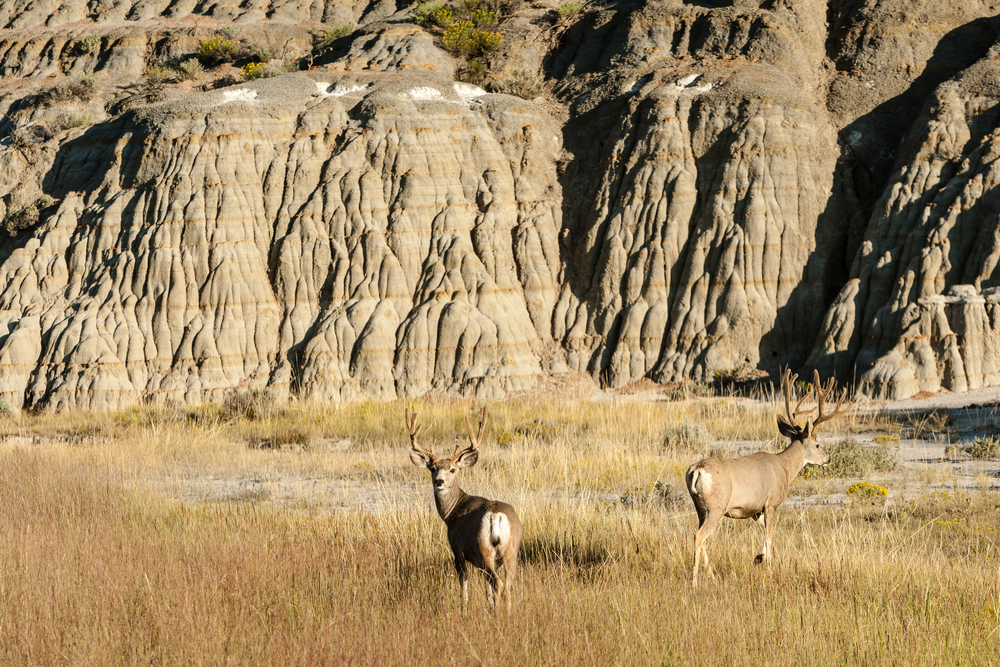
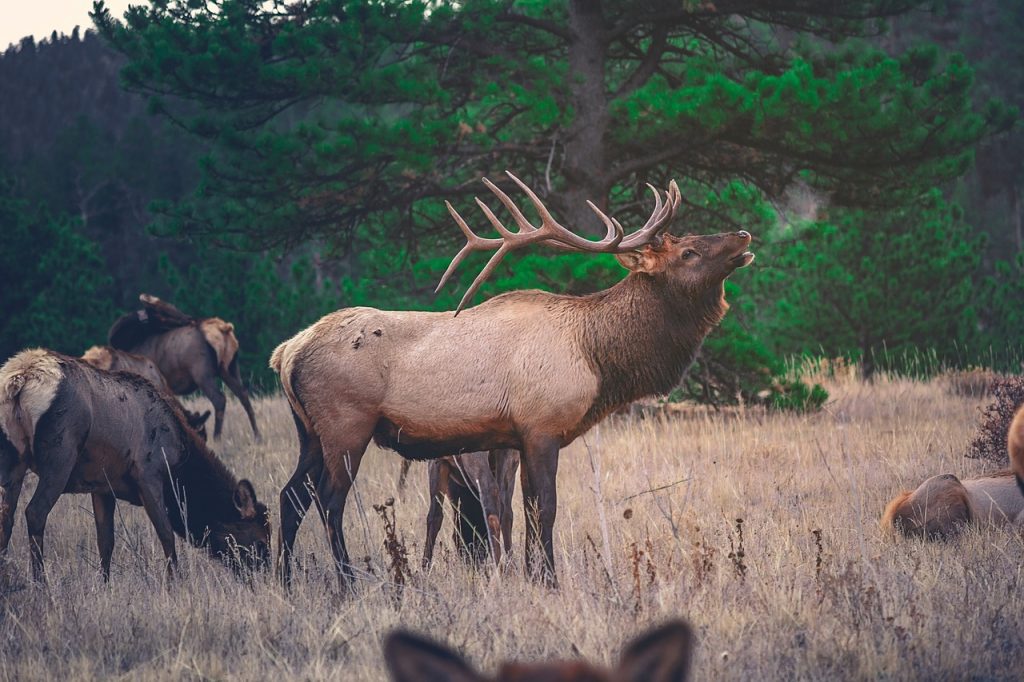
Wildlife within Theodore Roosevelt National Park is among the most abundant of any national park in the Great Plains. Mammals include American bison, elk, pronghorn, mule deer, white-tailed deer, coyotes, badgers, prairie dogs, and wild horses that roam portions of the park.
The park’s bison herd is one of its most iconic features and reflects successful efforts to restore native wildlife to the region. Birdlife includes golden eagles, ferruginous hawks, wild turkeys, sharp-tailed grouse, meadowlarks, and numerous migratory songbirds. Reptiles, amphibians, and native prairie plants further contribute to the park’s ecological diversity.
Theodore Roosevelt National Park plays a vital role in preserving one of the largest protected badlands ecosystems in the northern Great Plains. The park safeguards prairie habitats, protects native wildlife populations, and preserves landscapes closely associated with the birth of the American conservation movement.
Its significance is often compared to Badlands National Park and Wind Cave National Park because of its prairie ecosystems, wildlife, and conservation history. Through its colorful badlands, free-ranging bison, scenic river valleys, and connection to Theodore Roosevelt’s legacy, Theodore Roosevelt National Park stands as one of America’s most important protected landscapes and a living tribute to the nation’s conservation heritage.
Photos
Things to See
Things To Do
Engaging Theodore Roosevelt National Park
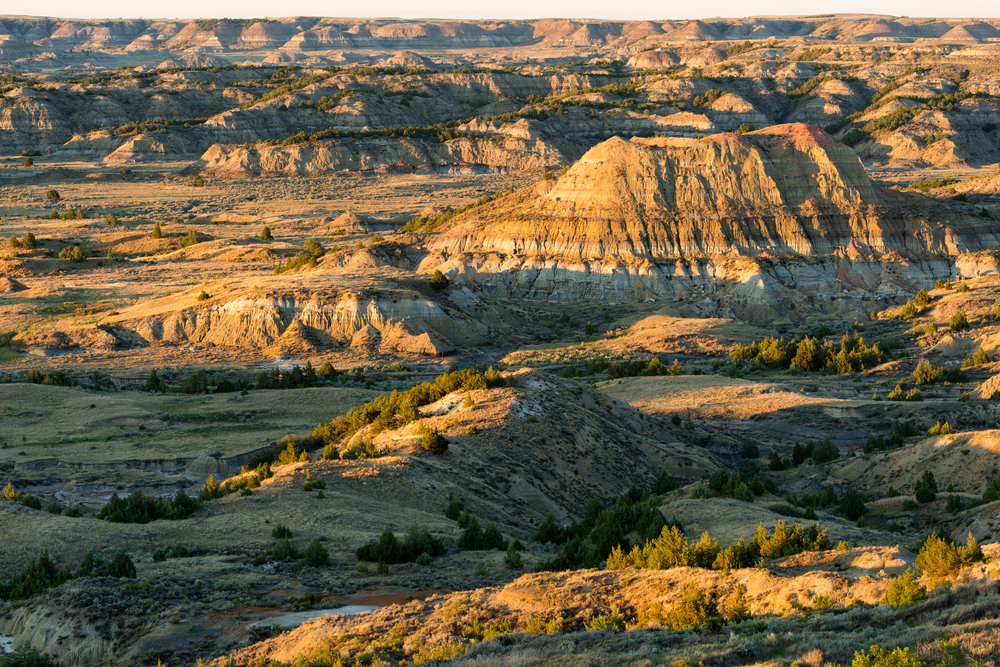
Theodore Roosevelt National Park Trails
There are over 200 miles (321 km) of hiking trails spread across the three different Units of the larger park.

Park Protection
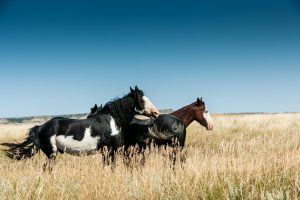 Theodore Roosevelt National Park was created to protect the rugged badlands, mixed-grass prairies, and wildlife of western North Dakota that helped shape the conservation philosophy of Theodore Roosevelt. The park provides habitat for bison, elk, pronghorn, bighorn sheep, and prairie dogs, along with numerous grassland bird species. Its native prairie ecosystems support a rich diversity of plants and animals that have declined across much of the Great Plains due to habitat loss and development.
The park is especially significant for preserving one of the largest protected areas of northern mixed-grass prairie in the United States. Its colorful badlands, eroded buttes, and river valleys provide a striking contrast to the surrounding plains. Together, Theodore Roosevelt National Park safeguards native prairie ecosystems, iconic Great Plains wildlife, and the landscapes that inspired one of America’s greatest conservation leaders.
FAQ’s
What is Theodore Roosevelt National Park known for?
Theodore Roosevelt National Park, located in North Dakota, is known for its rugged badlands, scenic vistas, and abundant wildlife. Named after the 26th President of the United States, who had a deep appreciation for the natural world, the park preserves the rugged landscape that Roosevelt once explored and found solace in.
One of the main attractions of the park is its stunning badlands scenery, characterized by colorful rock formations, dramatic cliffs, and sweeping prairie vistas. Visitors can explore the park’s scenic drives, hiking trails, and overlooks to take in the breathtaking views of the rugged terrain.
In addition to its scenic beauty, Theodore Roosevelt National Park is renowned for its wildlife viewing opportunities. The park is home to a variety of species, including bison, elk, deer, prairie dogs, and numerous bird species. Wildlife enthusiasts can spot these animals roaming freely in their natural habitat throughout the park.
Overall, Theodore Roosevelt National Park offers visitors a chance to experience the beauty and tranquility of the North Dakota badlands while learning about the legacy of one of America’s most influential conservationists.
What is the main reason people visit Theodore Roosevelt National Park?
Theodore Roosevelt National Park is primarily visited for its colorful badlands scenery, abundant wildlife, scenic drives, and connection to President Theodore Roosevelt. Located in western North Dakota, the park protects more than 70,000 acres of rugged badlands, rolling prairies, river valleys, and wildlife habitat. Visitors come to experience dramatic landscapes, see wild bison and feral horses, hike scenic trails, enjoy peaceful solitude, and explore the region that helped shape Theodore Roosevelt’s conservation philosophy.
What animals can visitors hope to see in Theodore Roosevelt National Park?
Theodore Roosevelt National Park supports approximately 40 mammal species and a wide variety of reptiles, amphibians, and grassland wildlife.
Some of the most notable animals found in Theodore Roosevelt National Park include:
- American Bison
- Feral Horse
- Elk
- Mule Deer
- White-tailed Deer
- Pronghorn
- Coyote
- Bobcat
- Mountain Lion
- Red Fox
- American Badger
- Raccoon
- Striped Skunk
- Long-tailed Weasel
- Mink
- River Otter
- American Beaver
- Porcupine
- Black-tailed Prairie Dog
- Richardson’s Ground Squirrel
- Thirteen-lined Ground Squirrel
- Least Chipmunk
- Deer Mouse
- White-footed Mouse
- Meadow Vole
- Prairie Vole
- Northern Pocket Gopher
- Ord’s Kangaroo Rat
- Desert Cottontail
- White-tailed Jackrabbit
- Big Brown Bat
- Hoary Bat
- Silver-haired Bat
- Little Brown Bat
- Long-legged Myotis
- Fringed Myotis
- Pallid Bat
- Western Small-footed Myotis
- Various Small Rodents
- Various Bat Species
- Prairie Rattlesnake
- Bullsnake
- Plains Garter Snake
- Western Hognose Snake
- Smooth Green Snake
- Common Snapping Turtle
- Painted Turtle
- Northern Leopard Frog
- Woodhouse’s Toad
- Tiger Salamander
What birds can visitors hope to see in Theodore Roosevelt National Park?
Theodore Roosevelt National Park is home to more than 185 bird species. Its grasslands, badlands, river corridors, and prairie habitats provide excellent opportunities for birdwatching.
Some of the most popular birds seen in Theodore Roosevelt National Park include:
- Golden Eagle
- Bald Eagle
- Ferruginous Hawk
- Red-tailed Hawk
- Swainson’s Hawk
- Rough-legged Hawk
- Northern Harrier
- Prairie Falcon
- American Kestrel
- Great Horned Owl
- Burrowing Owl
- Short-eared Owl
- Long-eared Owl
- Common Raven
- Black-billed Magpie
- Blue Jay
- American Crow
- Horned Lark
- Mountain Bluebird
- Western Bluebird
- Eastern Bluebird
- American Robin
- Loggerhead Shrike
- Cedar Waxwing
- Western Meadowlark
- Eastern Meadowlark
- Bobolink
- Red-winged Blackbird
- Brewer’s Blackbird
- Brown-headed Cowbird
- Savannah Sparrow
- Vesper Sparrow
- Grasshopper Sparrow
- Chipping Sparrow
- Clay-colored Sparrow
- Song Sparrow
- White-crowned Sparrow
- Dark-eyed Junco
- Yellow Warbler
- Wilson’s Warbler
- Common Yellowthroat
- Western Tanager
- Black-headed Grosbeak
- Lazuli Bunting
- Hairy Woodpecker
- Downy Woodpecker
- Northern Flicker
- Red-headed Woodpecker
- Sharp-tailed Grouse
- Wild Turkey
Is Theodore Roosevelt National Park worth visiting?
Yes, Theodore Roosevelt National Park is absolutely worth visiting and is one of the most underrated national parks in the United States.
The park offers stunning badlands scenery, large herds of bison, wild horses, prairie dog towns, scenic drives, excellent hiking opportunities, and relatively small crowds compared to many western parks. Visitors often appreciate the park’s peaceful atmosphere and the opportunity to experience the American Great Plains in a largely natural state.
The primary hesitation is that visitors expecting towering mountains or dramatic waterfalls may not immediately appreciate the beauty of the badlands landscape. However, many travelers find it to be one of the most memorable and authentic national park experiences in the country.
What is the best time to visit Theodore Roosevelt National Park?
The best time to visit Theodore Roosevelt National Park is from May through September.
Typical conditions include:
- Spring: 35–75°F (2–24°C)
- Summer: 50–90°F (10–32°C)
- Fall: 35–75°F (2–24°C)
- Winter: -10–40°F (-23–4°C)
During this period:
- Wildlife is highly active.
- Scenic drives are fully accessible.
- Hiking conditions are favorable.
- Prairie wildflowers may bloom.
- Days are longer and warmer.
September is especially popular because of cooler temperatures and elk rut activity.
How many days do you need to visit Theodore Roosevelt National Park?
While many visitors wil spend a day in the park leveraging the scenic drive, most visitors should plan for 2 to 3 days to maximize what the park affords guests.
- 1 day: South Unit scenic drive and wildlife viewing.
- 2 days: South Unit and North Unit exploration.
- 3 days: Hiking, wildlife photography, and backcountry experiences.
- 4+ days: Extensive hiking and prairie ecosystem exploration.
Two days generally allows visitors to experience both major sections of the park.
How do you get to Theodore Roosevelt National Park?
Theodore Roosevelt National Park is located in western North Dakota along Interstate 94 near the town of Medora.
The closest airports include:
- Dickinson Theodore Roosevelt Regional Airport – approximately 35 minutes away.
- Bismarck Municipal Airport – approximately 2 hours away.
- Williston Basin International Airport – approximately 2 hours away.
Most visitors follow this route:
- Fly into Dickinson, Bismarck, or Williston.
- Rent a vehicle.
- Travel via Interstate 94.
- Enter through one of the park’s units.
South Unit
The most visited section of the park is:
- South Unit
Located adjacent to Medora, this area features:
- Scenic overlooks.
- Large bison herds.
- Wild horse viewing.
- Prairie dog towns.
- Visitor center facilities.
Most first-time visitors begin here.
Scenic Loop Drive
The park’s most popular drive is:
- South Unit Scenic Loop Drive
Highlights include:
- Colorful badlands formations.
- Wildlife viewing opportunities.
- Scenic overlooks.
- Access to hiking trails.
- Sunset photography locations.
North Unit
The quieter and more remote section is:
- North Unit
Known for:
- Dramatic badlands scenery.
- Fewer crowds.
- Scenic drives.
- Excellent wildlife viewing.
- Outstanding hiking opportunities.
Many visitors consider the North Unit the park’s most scenic area.
Elkhorn Ranch Unit
The park also protects:
- Elkhorn Ranch Unit
This site preserves the location of Theodore Roosevelt’s historic ranch and is often described as the heart of the park’s historical significance.
Major Attractions
Popular destinations include:
- Painted Canyon Overlook
- Buck Hill
- Wind Canyon Trail
- Caprock Coulee Trail
- River Bend Overlook
Travel Times
Typical travel times include:
- Dickinson to South Unit: approximately 35 minutes.
- Bismarck to South Unit: approximately 2 hours.
- South Unit to North Unit: approximately 1.5 hours.
- Williston to North Unit: approximately 2 hours.
- Medora to most South Unit attractions: 10–30 minutes.
Because the park’s major units are separated by significant distances, visitors should plan accordingly.
Who is involved in protecting and supporting Theodore Roosevelt National Park?
Several organizations help protect and support Theodore Roosevelt National Park:
- National Park Service – manages Theodore Roosevelt National Park.
- Theodore Roosevelt Nature and History Association – supports education, interpretation, and conservation programs.
- National Park Foundation – supports projects throughout the National Park System.
- Theodore Roosevelt Presidential Library Foundation – promotes education and conservation inspired by Theodore Roosevelt’s legacy.
- Indigenous communities including the Mandan, Hidatsa, and Arikara peoples, who maintain historical connections to the region.
Can you see wild horses in Theodore Roosevelt National Park?
Yes. The park is one of the best places in the United States to observe free-roaming feral horses, particularly in the South Unit.
Sources
- All Trails, Best Trails in Theodore Roosevelt National Park, https://www.alltrails.com/parks/us/north-dakota/theodore-roosevelt-national-park, retrieved June 2020.
- Britannica, Theodore Roosevelt National Park, https://www.britannica.com/place/Theodore-Roosevelt-National-Park, retrieved June 2020.
- National Geographic, Complete National Parks of the United States, National Geographic Publishing, Washington DC.
- National Geographic, Guide to the National Parks of the United States, National Geographic Society, 2003.
- National Geographic, National Parks of North America, Canada-United States-Mexico, National Geographic Society, 1995.
- National Park Service, Theodore Roosevelt National Park, https://www.nps.gov/thro/index.htm, retrieved June 2020.
- PBS, The National Parks: America’s Best, http://www.pbs.org/nationalparks/people/historical/roosevelt/, retrieved June 2020.