

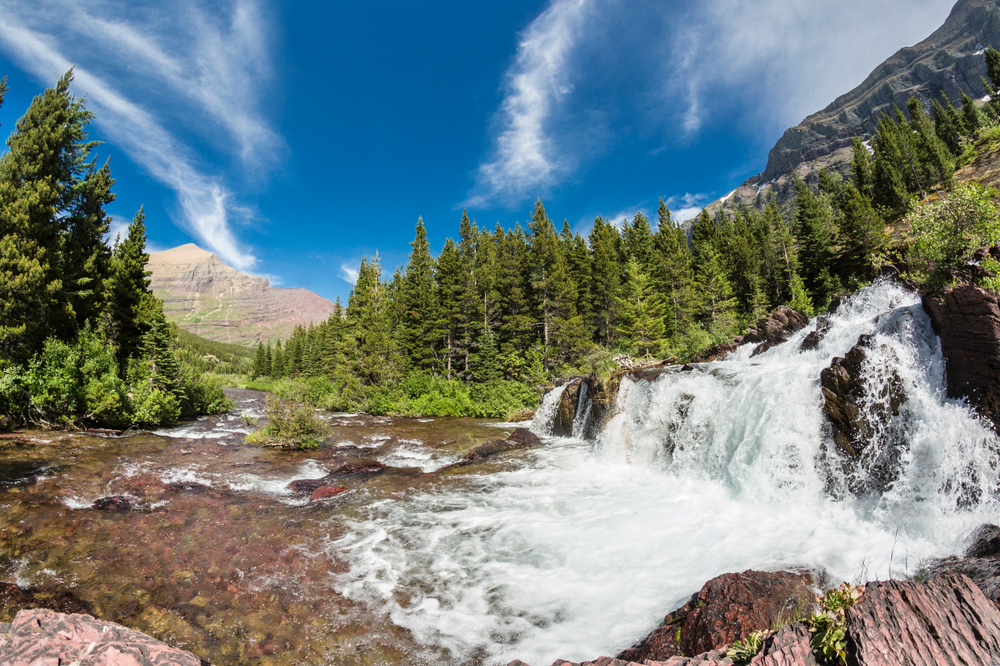
About
North Cascades National Park is located in northern Washington State in the United States and covers approximately 789 square miles (2,044 sq km). Established in 1968, the park protects one of the most rugged and least developed mountain landscapes in North America.
It lies south of the Canadian border and forms part of a larger protected complex that includes Ross Lake National Recreation Area and Lake Chelan National Recreation Area. Nearby protected areas include Mount Baker-Snoqualmie National Forest and Canada’s Manning Provincial Park. Often called the “American Alps,” North Cascades National Park preserves a spectacular wilderness of jagged peaks, glaciers, alpine lakes, and ancient forests that remains largely untouched by modern development.
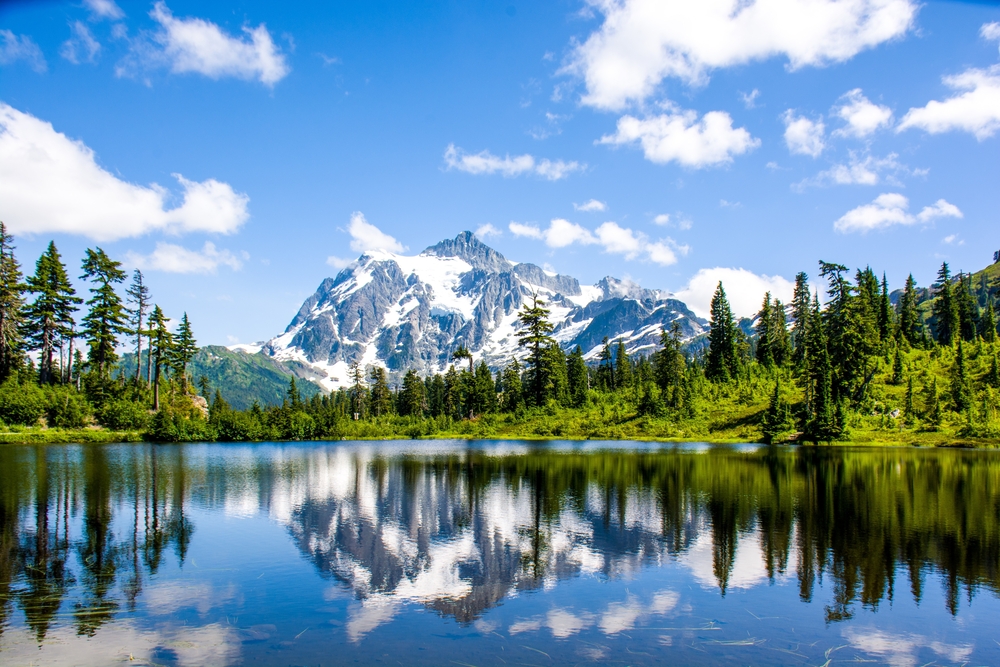
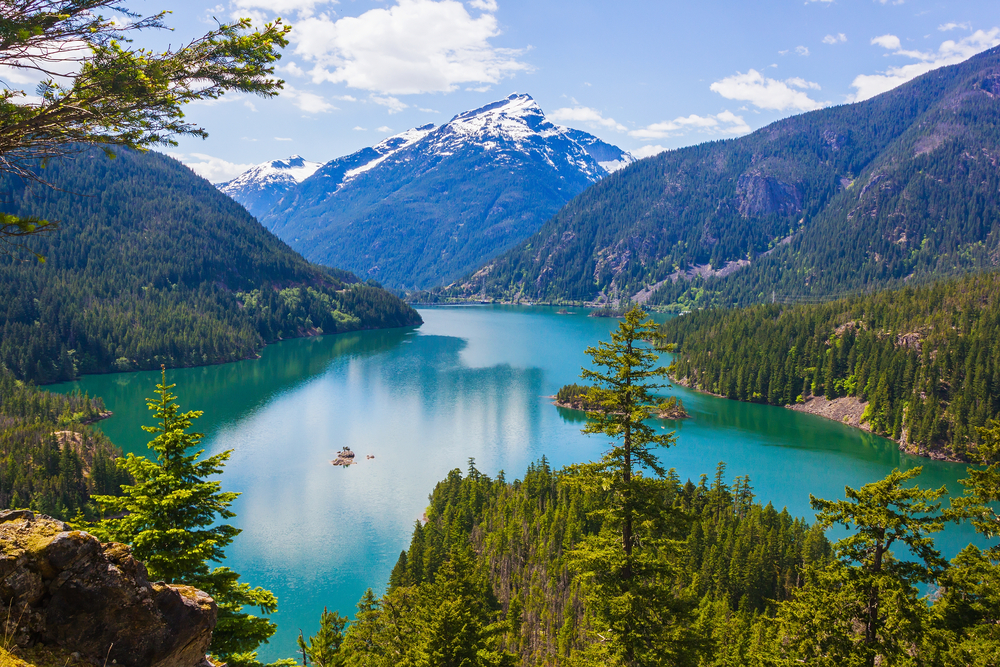
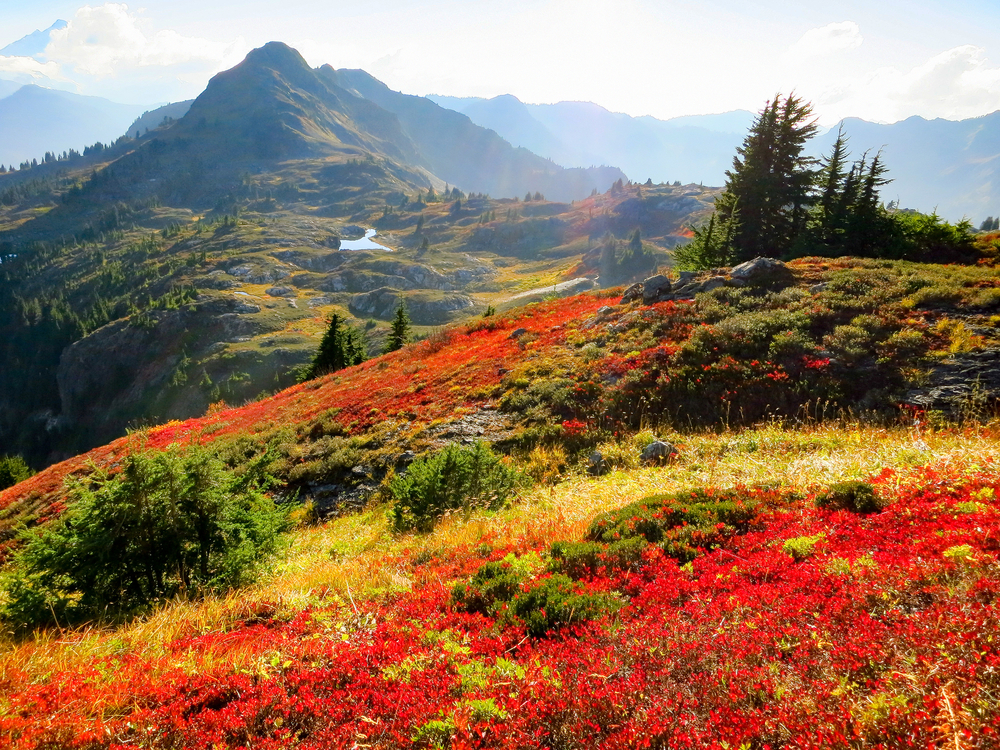
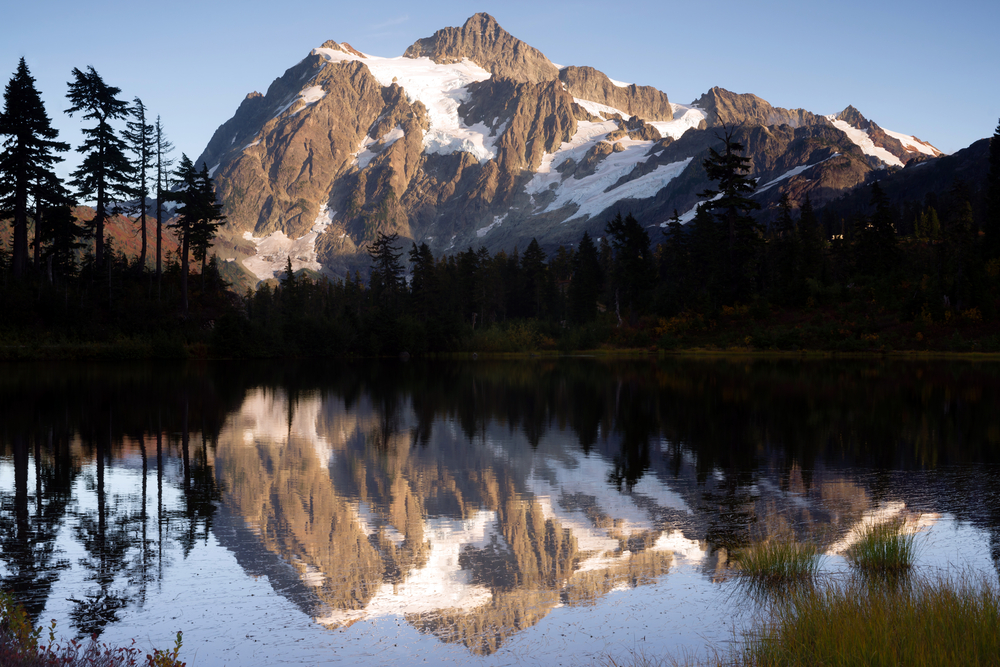
North Cascades National Park is best known for its dramatic mountain scenery and extraordinary wilderness character. Unlike many national parks that receive millions of visitors annually, North Cascades remains relatively uncrowded, offering a sense of solitude that is increasingly rare. Visitors are drawn to breathtaking alpine landscapes, turquoise lakes, wildflower-filled meadows, and remote backcountry trails.
Popular activities include hiking, mountaineering, backpacking, fishing, kayaking, wildlife viewing, and photography. Scenic destinations such as Cascade Pass, Diablo Lake, and Sahale Arm showcase the park’s stunning natural beauty. The combination of rugged terrain and limited development provides an authentic wilderness experience for adventurous travelers.
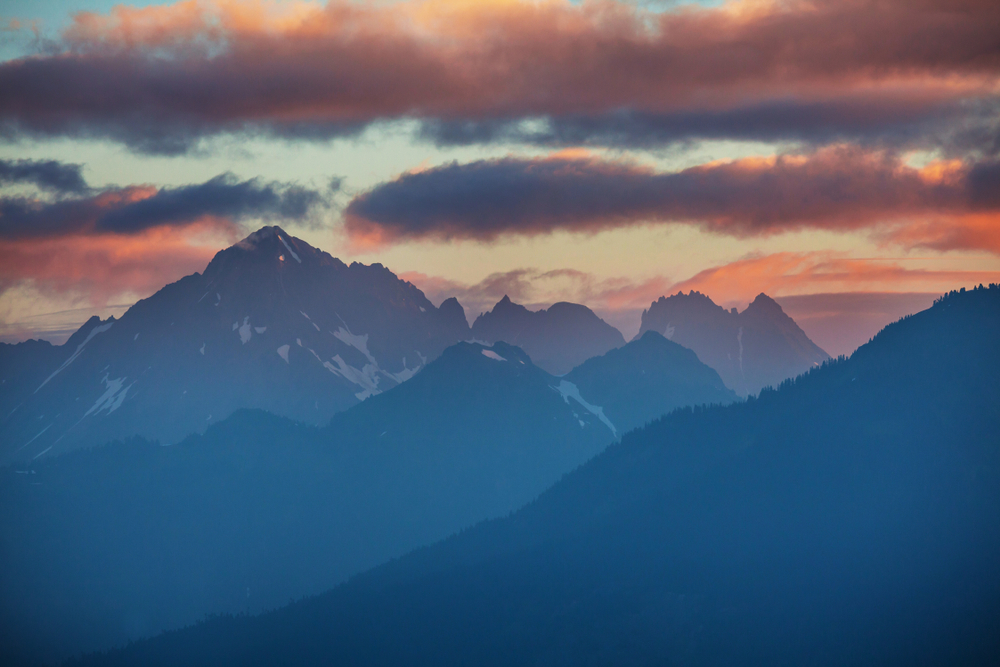
The geography of North Cascades National Park is among the most spectacular in the United States. The park contains more than 300 glaciers, the largest concentration of glaciers in the contiguous United States outside Alaska. Sharp granite peaks, deep valleys, cirques, and glacial lakes dominate the landscape. Elevations range from approximately 400 feet (122 meters) in river valleys to more than 9,000 feet (2,743 meters) at the highest summits.
The region receives heavy snowfall during winter, feeding rivers and glaciers that shape the landscape. Dense forests of Douglas-fir, western red cedar, and western hemlock occupy lower elevations, while alpine meadows and rocky tundra dominate the highest slopes. This dramatic range of elevations creates exceptional ecological diversity.
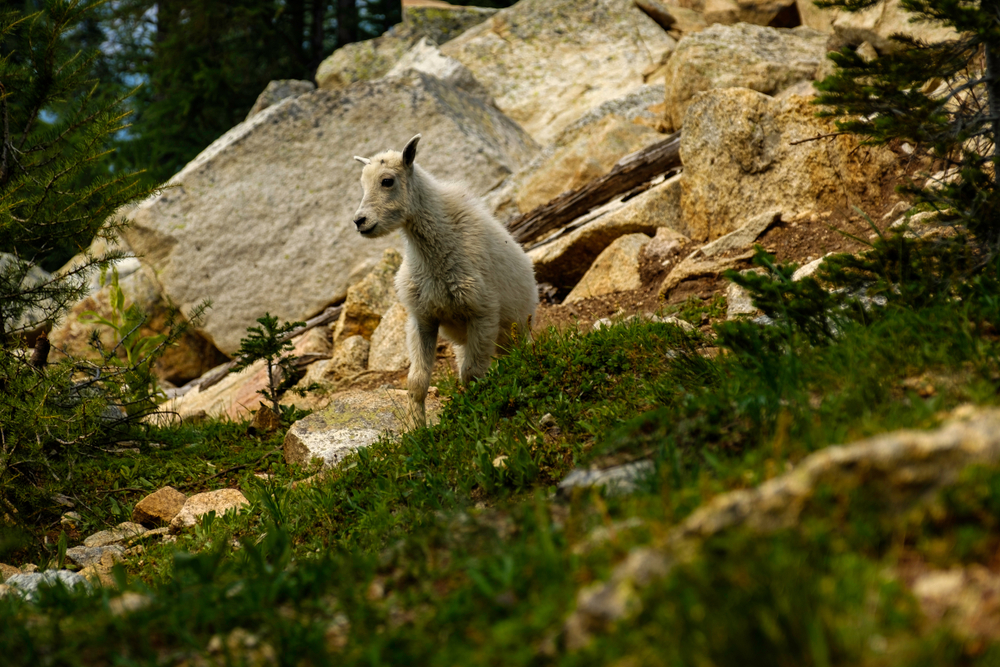
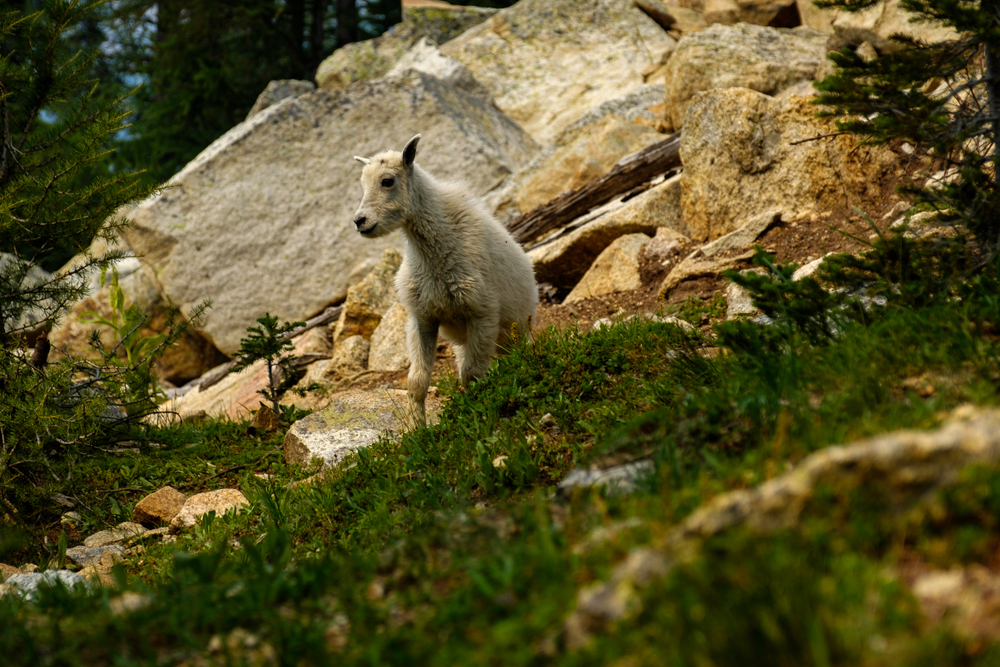
Wildlife within North Cascades National Park thrives across its varied ecosystems. Large mammals include black bears, grizzly bears, mountain goats, gray wolves, cougars, black-tailed deer, and elk. The park protects one of the few remaining habitats in the lower forty-eight states where grizzly bears still survive, although they are rarely seen.
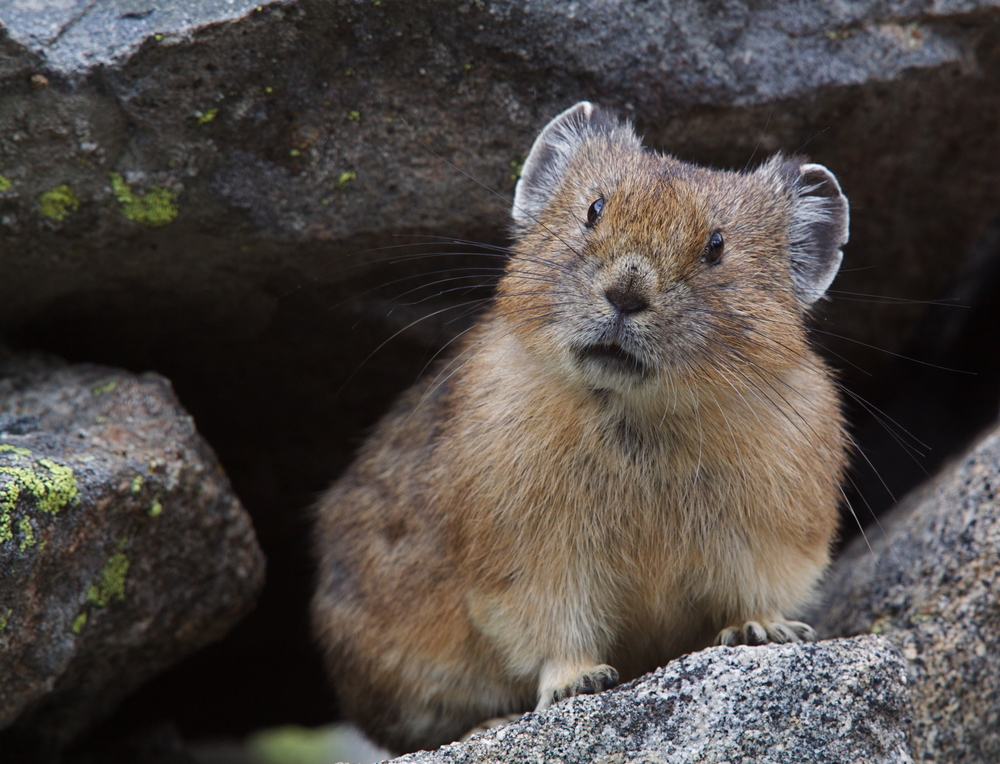
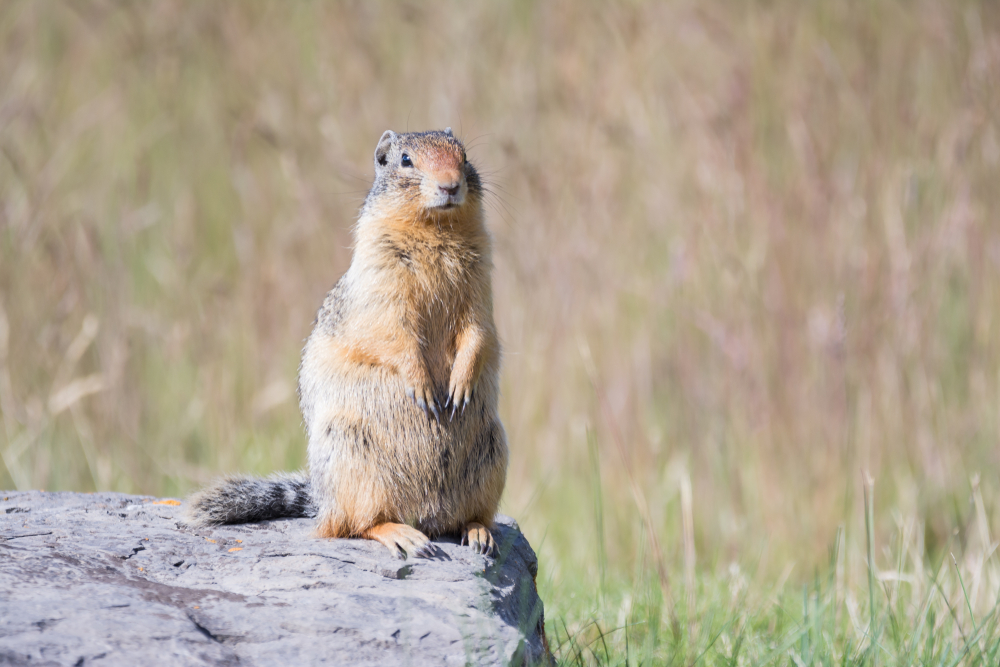
Birdlife is equally diverse, with species such as golden eagles, bald eagles, peregrine falcons, Clark’s nutcrackers, and varied thrushes inhabiting the mountains and forests. Rivers and lakes support native fish populations, while alpine environments provide habitat for marmots, pikas, and numerous specialized species. The park’s ecological integrity supports one of the most diverse assemblages of wildlife in the Pacific Northwest.
North Cascades National Park plays a critical role in protecting one of North America’s most important mountain ecosystems. The park safeguards glaciers, old-growth forests, alpine habitats, and critical watersheds that provide water throughout the region. Conservation efforts focus on preserving biodiversity, maintaining wilderness character, and protecting species sensitive to climate change.
North Cascades is often compared to Banff National Park and Glacier National Park because of its dramatic mountain scenery and abundant glaciers. However, its combination of dense temperate forests, rugged alpine peaks, and exceptional solitude gives it a distinctive identity. Today, North Cascades National Park remains one of America’s greatest wilderness treasures, preserving a landscape where glaciers, mountains, forests, and wildlife continue to thrive in remarkable harmony.
Photos


Things to See
Things To Do
Engaging North Cascades
North Cascades National Park Trails
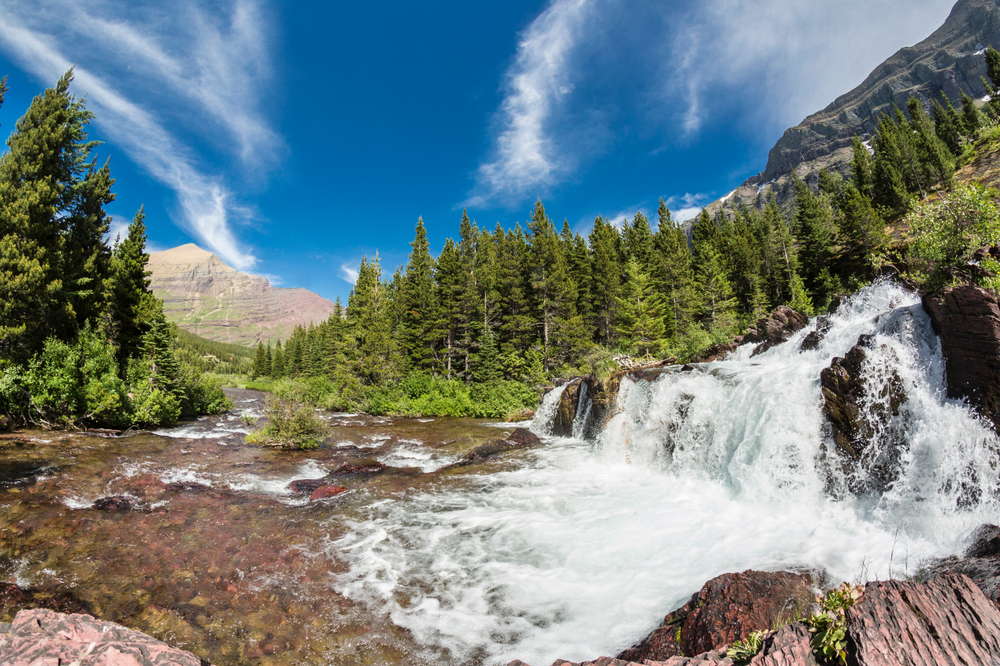
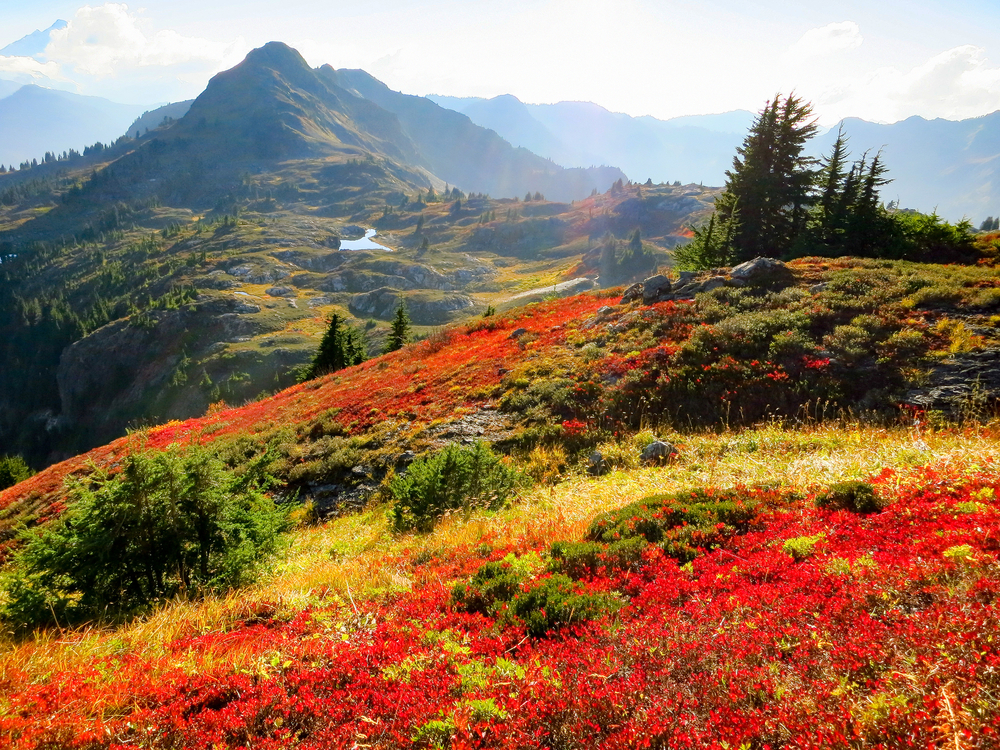
North Cascades features over 400 miles (640 km) of hiking trails within the park boundaries. Parts of the cross country, Pacific Crest Trail and the Pacific Northwest Trail, trails pass through parts of the national park.
All campgrounds must be accessed by hiking and backpacking. There are no roads that access any of the campgrounds which is a unique feature of the park compared to other national parks in the United States.

FAQ’s
What is North Cascades National Park known for?
North Cascades National Park, located in Washington state, is known for its rugged mountain landscapes, pristine wilderness, and abundant biodiversity. The park is home to jagged peaks, cascading waterfalls, and dense forests, making it a haven for outdoor enthusiasts and nature lovers.
Visitors come to North Cascades to explore its extensive network of hiking trails, which offer access to remote alpine lakes, glacier-capped peaks, and panoramic vistas of the surrounding wilderness.
The park is also renowned for its scenic drives, including the North Cascades Highway, which traverses dramatic mountain passes and offers breathtaking views of snow-capped peaks and turquoise lakes.
Additionally, North Cascades National Park provides opportunities for camping, wildlife viewing, fishing, and backcountry adventure, making it a popular destination for outdoor recreation and wilderness exploration.
What is North Cascades National Park known for?
North Cascades National Park, located in Washington state, is known for its rugged mountain landscapes, pristine wilderness, and abundant biodiversity. The park is home to jagged peaks, cascading waterfalls, and dense forests, making it a haven for outdoor enthusiasts and nature lovers.
Visitors come to North Cascades to explore its extensive network of hiking trails, which offer access to remote alpine lakes, glacier-capped peaks, and panoramic vistas of the surrounding wilderness.
The park is also renowned for its scenic drives, including the North Cascades Highway, which traverses dramatic mountain passes and offers breathtaking views of snow-capped peaks and turquoise lakes.
Additionally, North Cascades National Park provides opportunities for camping, wildlife viewing, fishing, and backcountry adventure, making it a popular destination for outdoor recreation and wilderness exploration.
Sources
- All Trails in North Cascades National Park, https://www.alltrails.com/parks/us/washington/north-cascades-national-park, retrieved June 2020.
- Britannica, North Cascades National Park, https://www.britannica.com/place/North-Cascades-National-Park, retrieved June 2020.
- National Geographic, Complete National Parks of the United States, National Geographic Publishing, Washington DC.
- National Geographic, Guide to the National Parks of the United States, National Geographic Society, 2003.
- National Geographic, National Parks of North America, Canada-United States-Mexico, National Geographic Society, 1995.
- National Geographic, Venture Into the Wild ‘American Alps’, https://www.nationalgeographic.com/travel/national-parks/north-cascades-national-park/, retrieved June 2020.
- National Park Service, North Cascades, https://www.nps.gov/noca/index.htm, retrieved June 2020.
- The Greatest Road Trip, North Cascades National Park, http://www.thegreatestroadtrip.com/north-cascades-national-park, retrieved June 2020.