

About
Haleakalā National Park is located on the island of Maui in the state of Hawaii, United States, and covers approximately 52 square miles (135 sq km). Established as a separate national park in 1961 after originally being part of Hawaii National Park, Haleakalā protects one of the most unique volcanic landscapes in the Pacific.
The park lies southeast of Kahului and encompasses the summit region of the massive Haleakalā volcano as well as the lush coastal wilderness of the Kīpahulu District. While smaller than nearby Hawai‘i Volcanoes National Park, Haleakalā preserves an extraordinary range of ecosystems, from high-elevation volcanic deserts to tropical rainforests and cascading waterfalls. Its name means “House of the Sun” in Hawaiian, reflecting the mountain’s deep cultural significance and spectacular sunrise views.
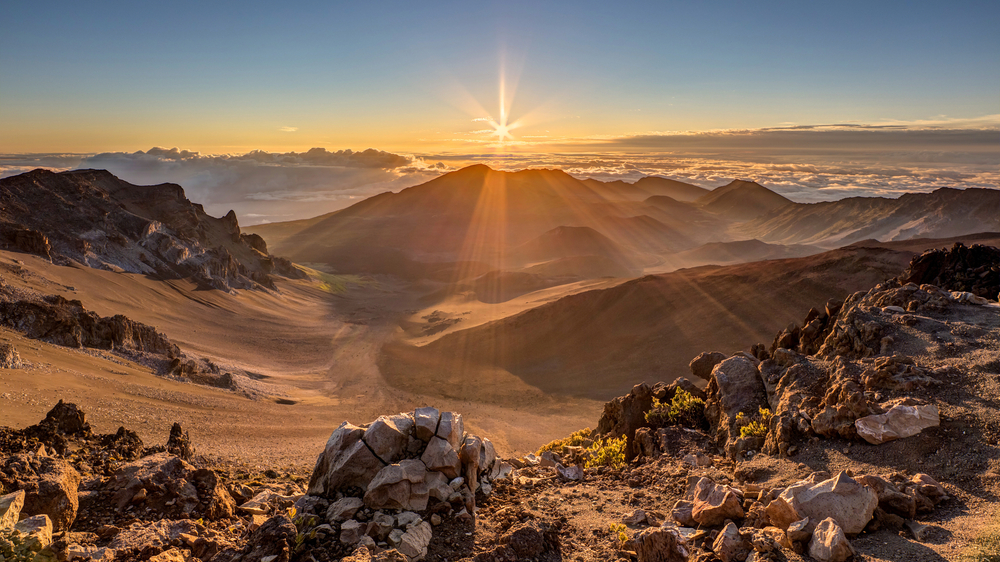
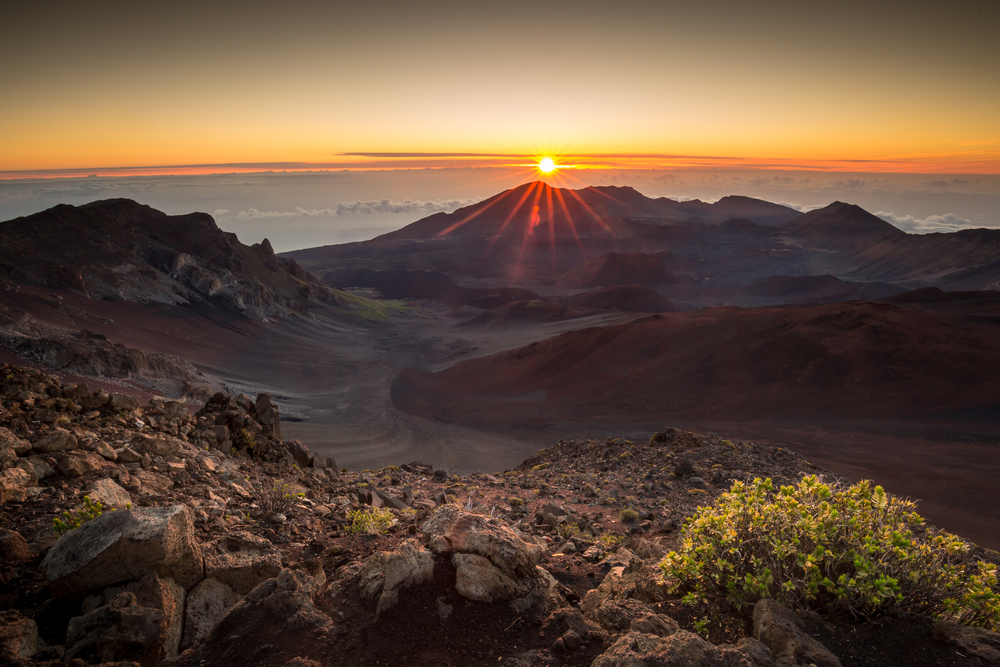
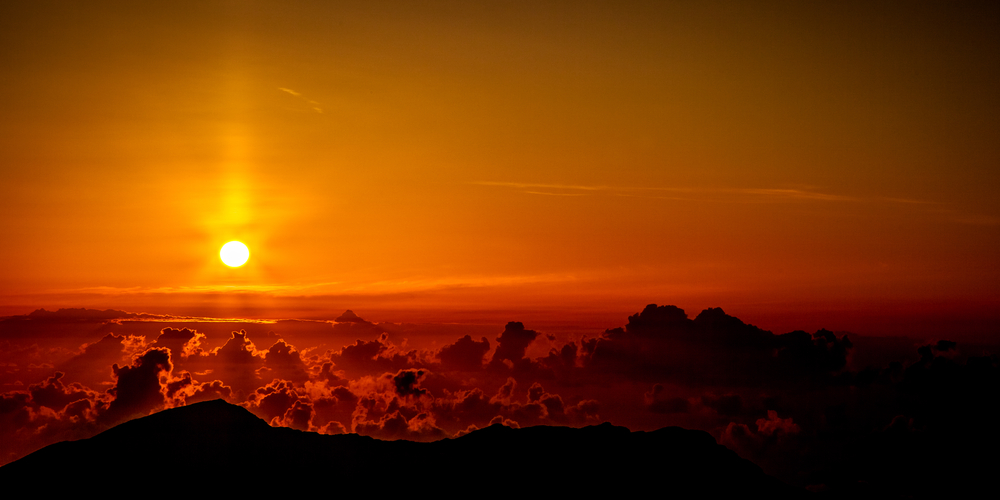
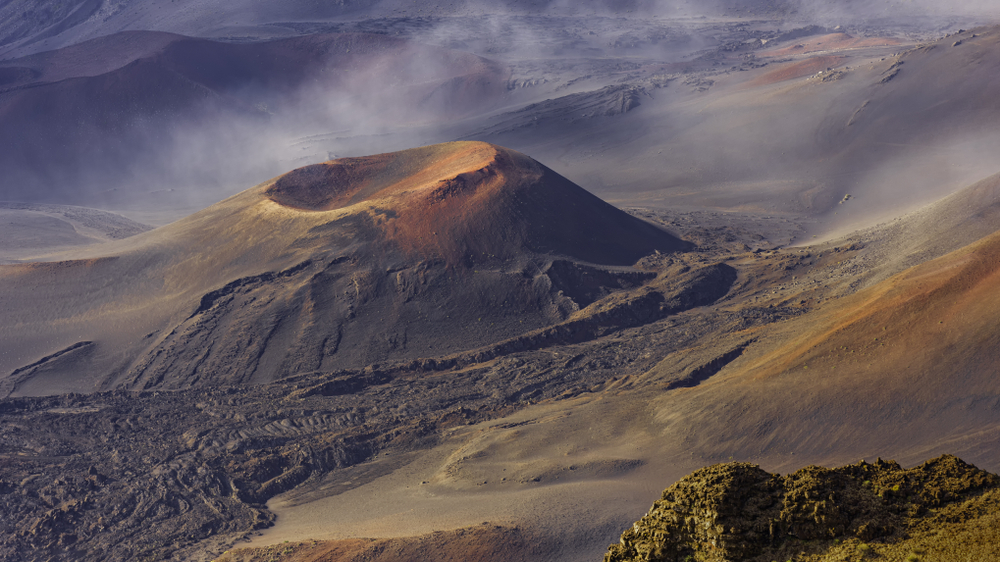
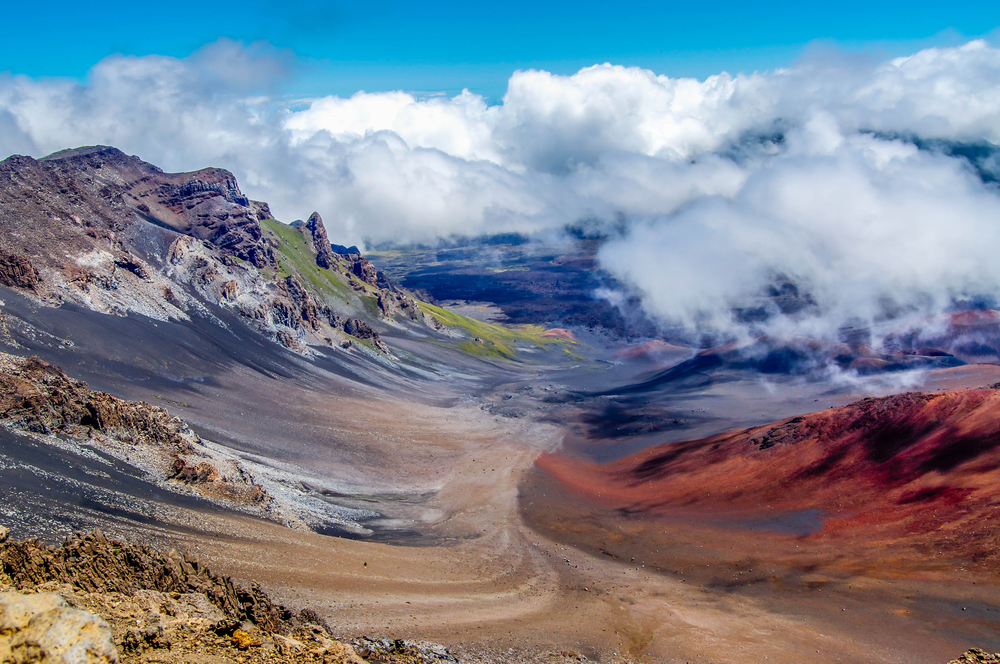
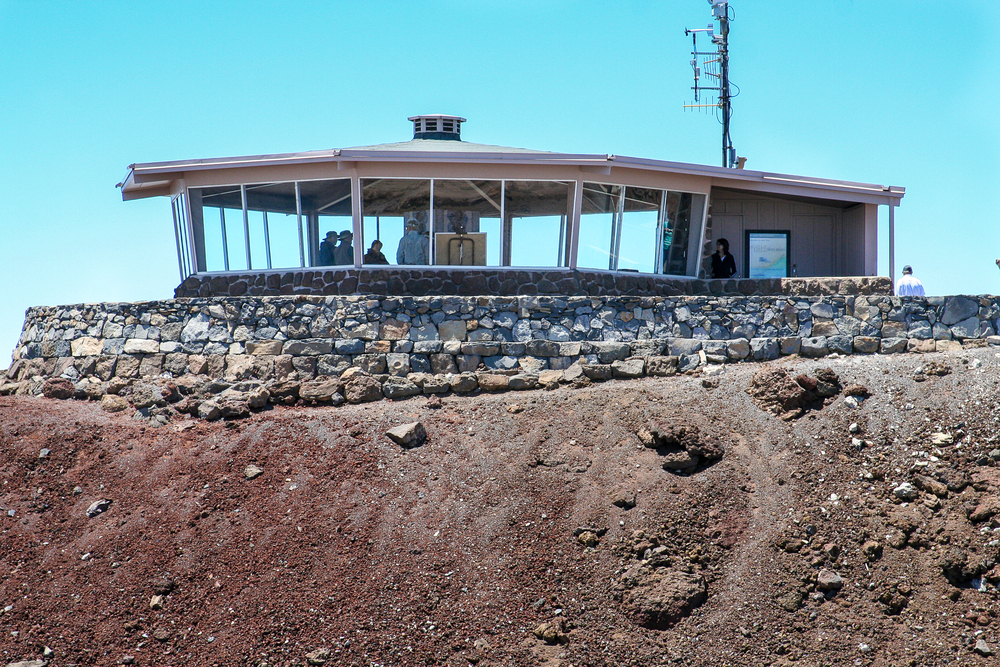
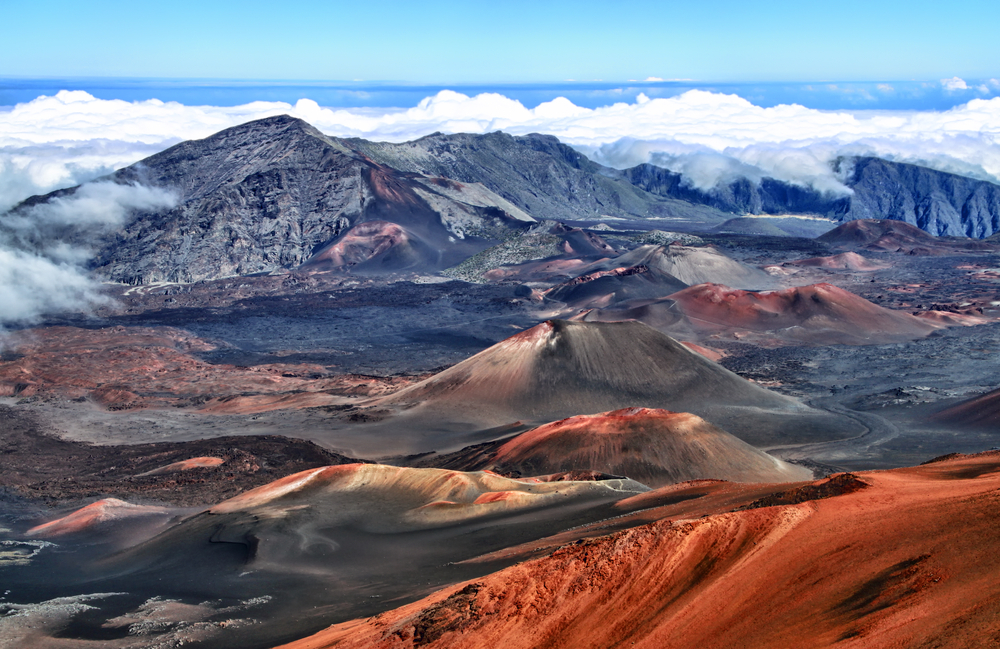
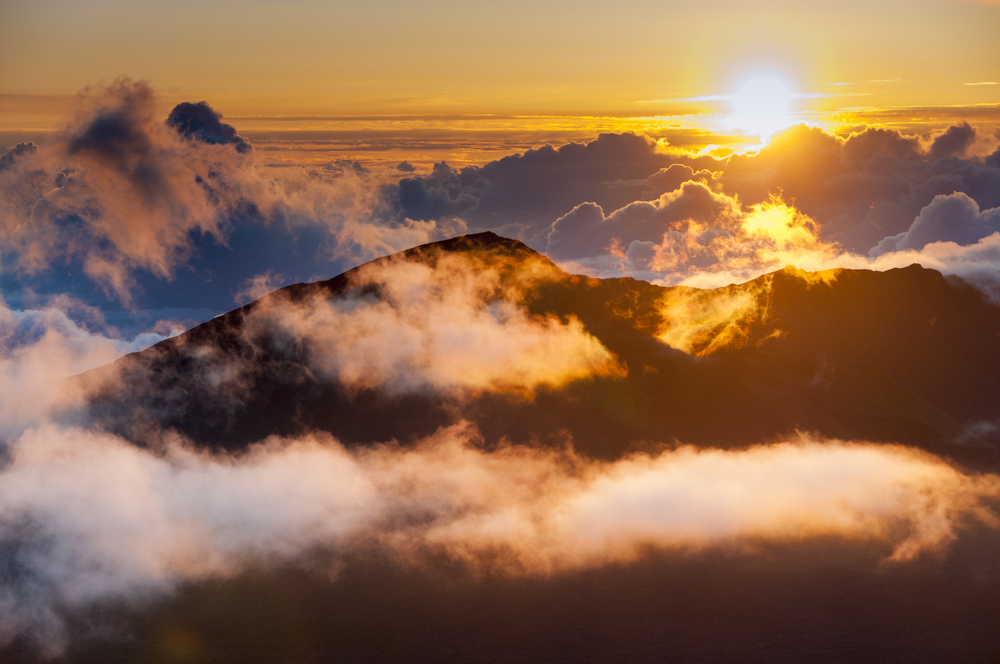
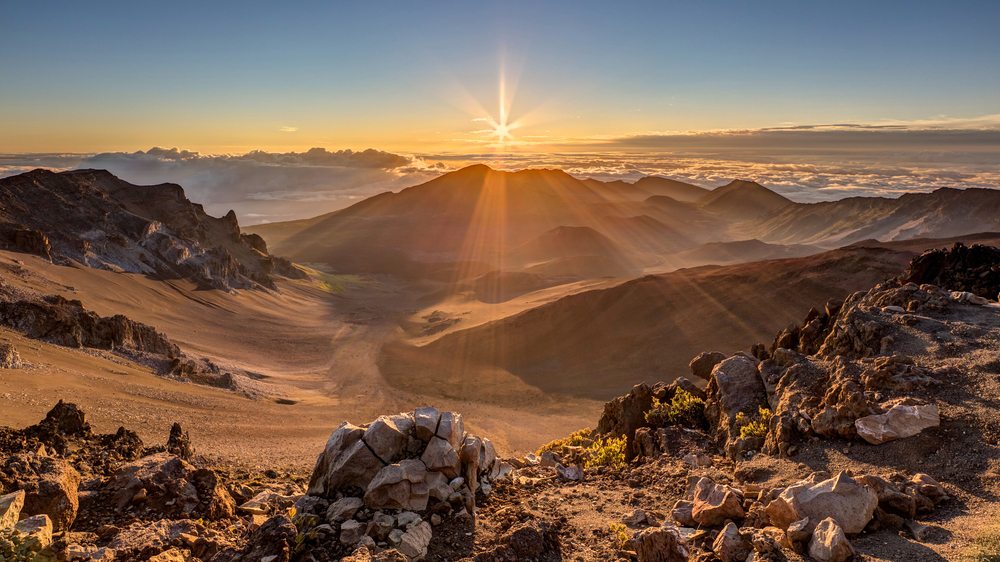
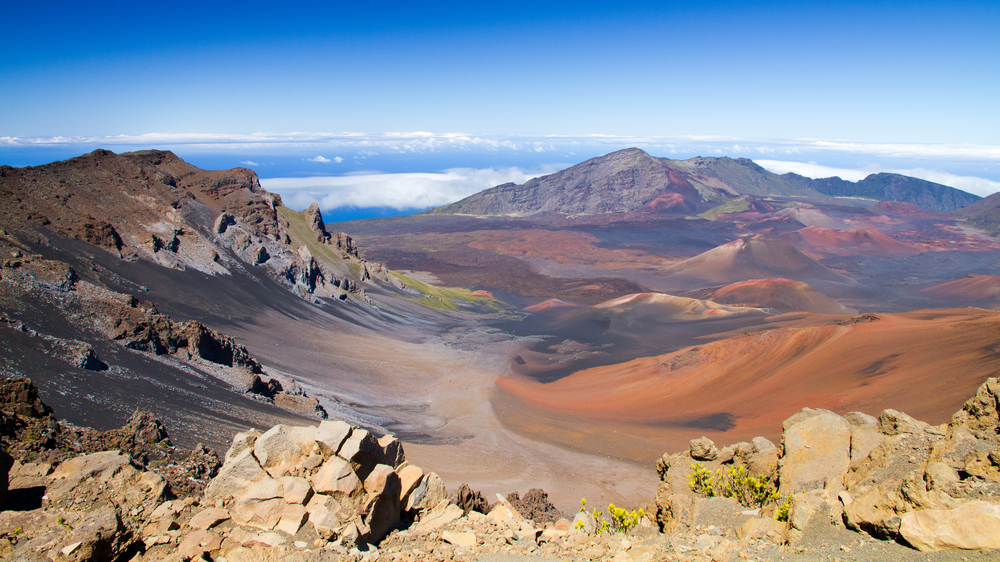
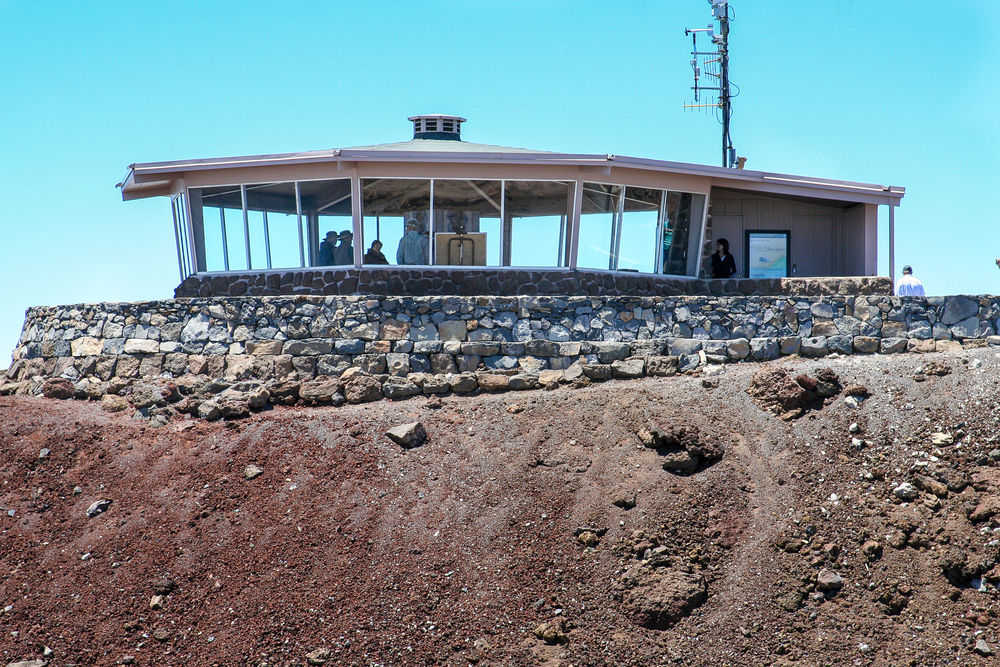
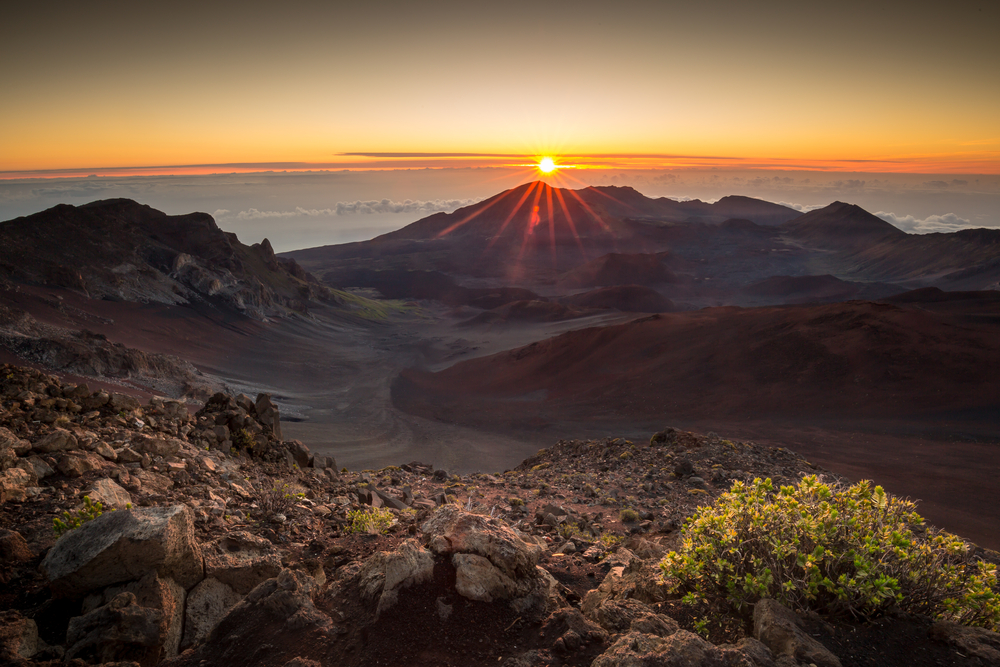
Haleakalā National Park is best known for its immense volcanic crater and breathtaking sunrise experiences. Visitors travel from around the world to witness the dawn from the summit, where clouds often fill the valleys below while the first sunlight illuminates the volcanic landscape. The park’s summit area offers hiking trails that descend into a vast crater-like depression filled with colorful cinder cones, lava formations, and barren volcanic terrain.
Popular activities include hiking, backpacking, stargazing, photography, birdwatching, and exploring the scenic Road to Hana region near the Kīpahulu District. The park’s combination of dramatic volcanic scenery and tropical environments creates one of the most distinctive visitor experiences in the National Park System.
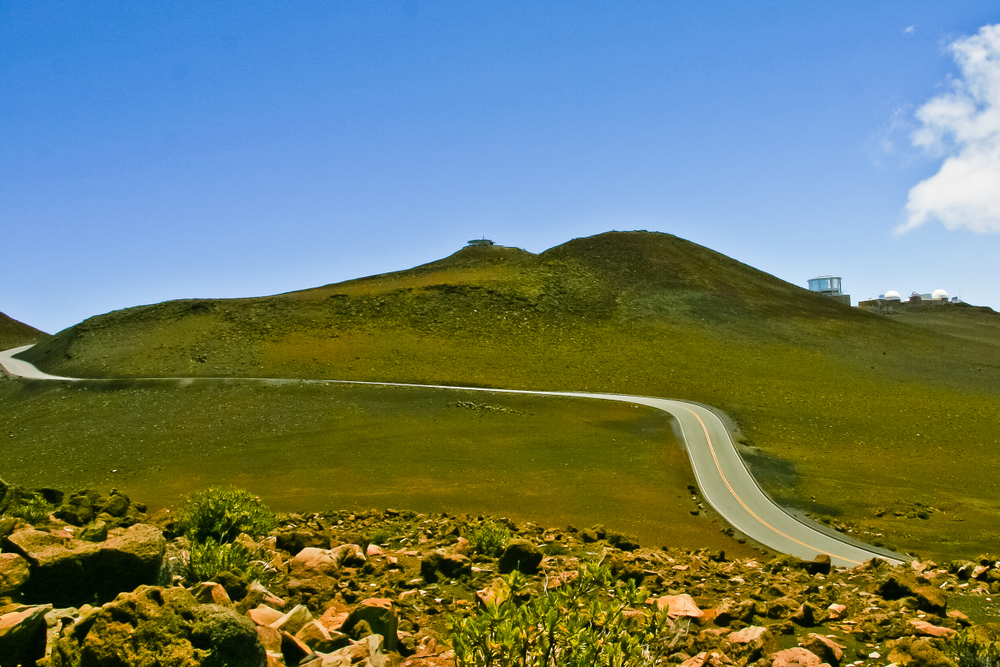
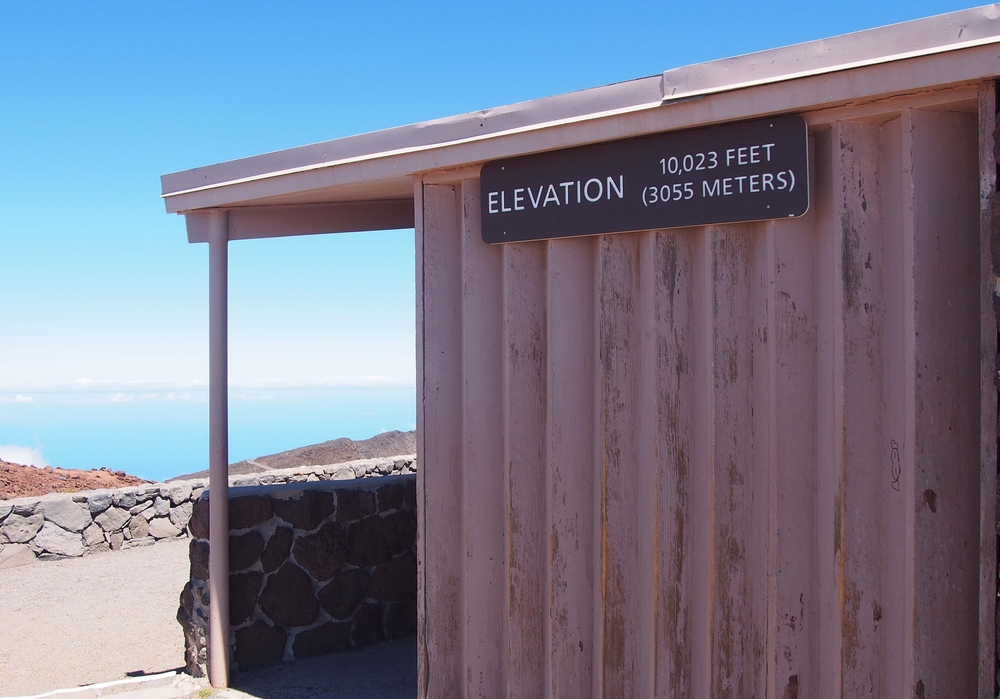
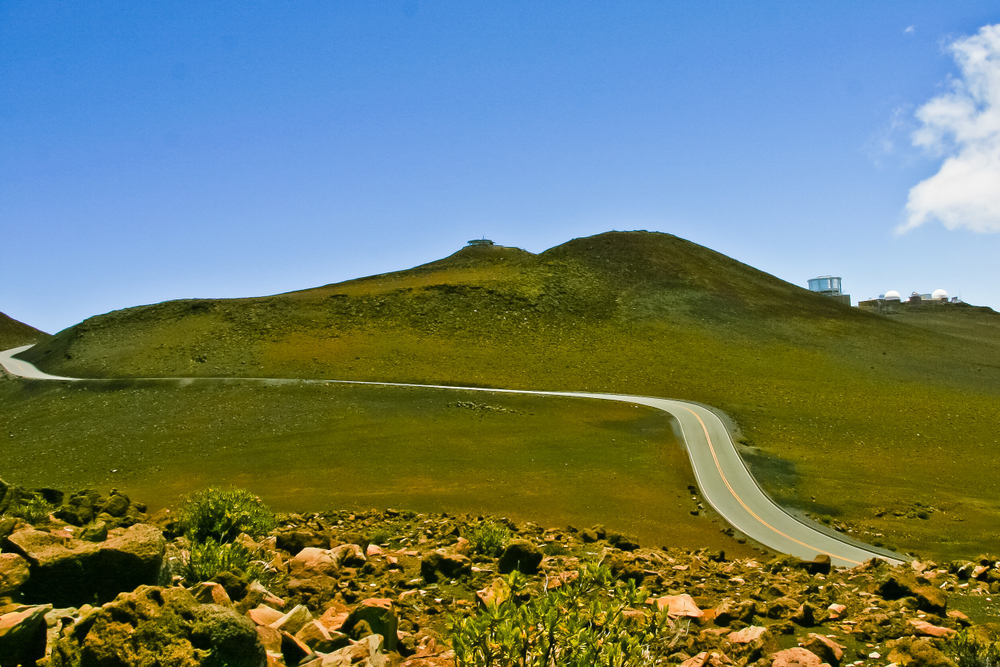
The geography of Haleakalā National Park is dominated by the massive shield volcano that forms much of eastern Maui. Rising to 10,023 feet (3,055 meters), Haleakalā towers above the surrounding Pacific Ocean and creates a wide range of climatic zones. The summit region resembles a high-altitude desert, characterized by cinder cones, lava flows, ash fields, and sparse vegetation.
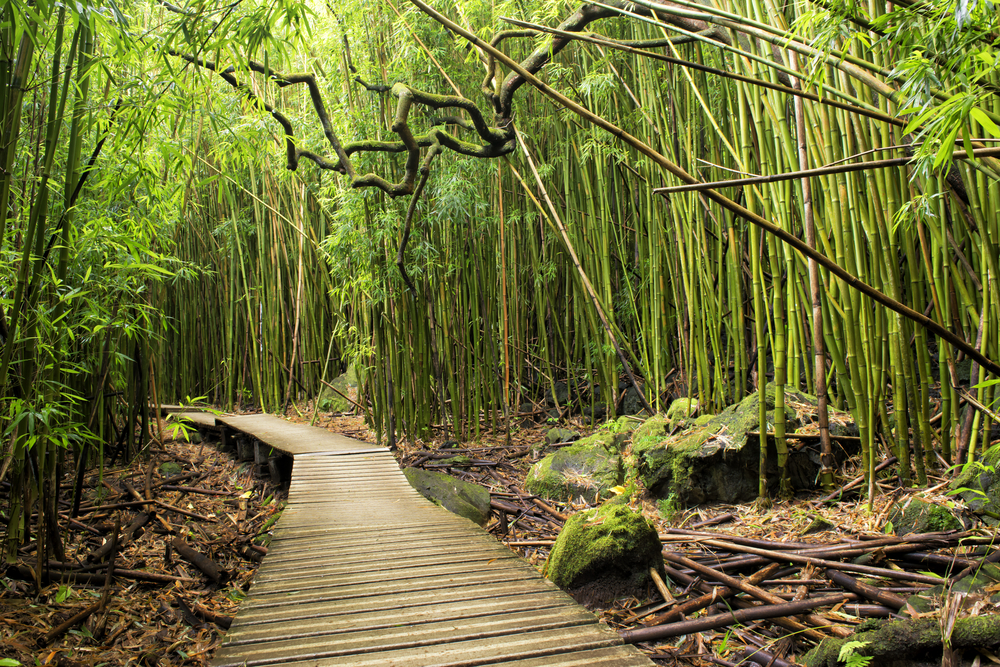
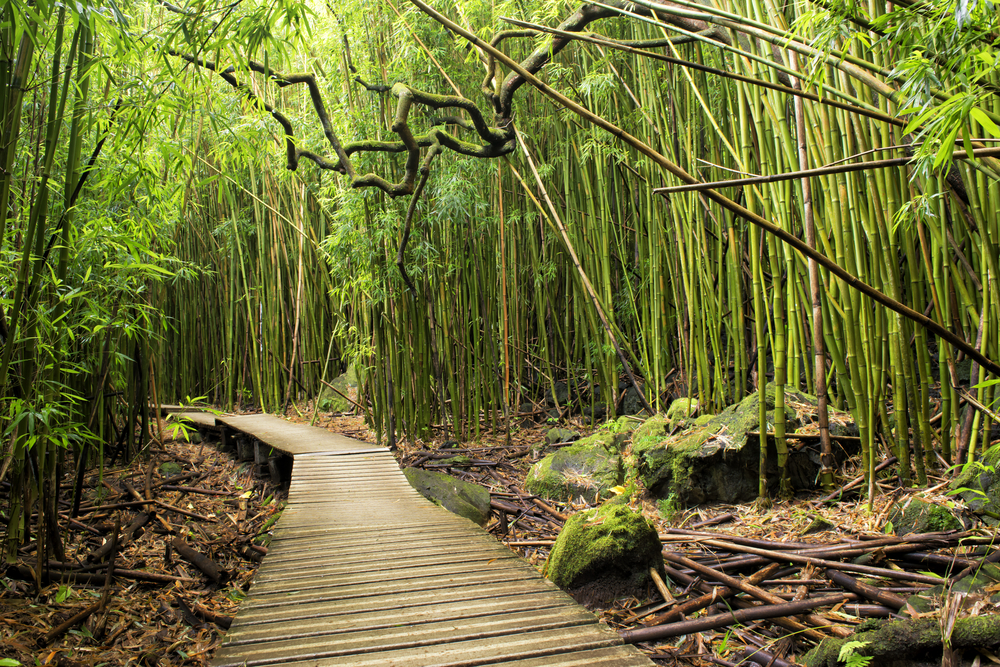
In contrast, the eastern slopes receive abundant rainfall and support lush rainforests, streams, and waterfalls. The Kīpahulu area contains bamboo forests, coastal cliffs, and the famous Pools of ʻOheʻo. This dramatic transition from volcanic desert to tropical rainforest within a relatively small area makes the park ecologically exceptional.
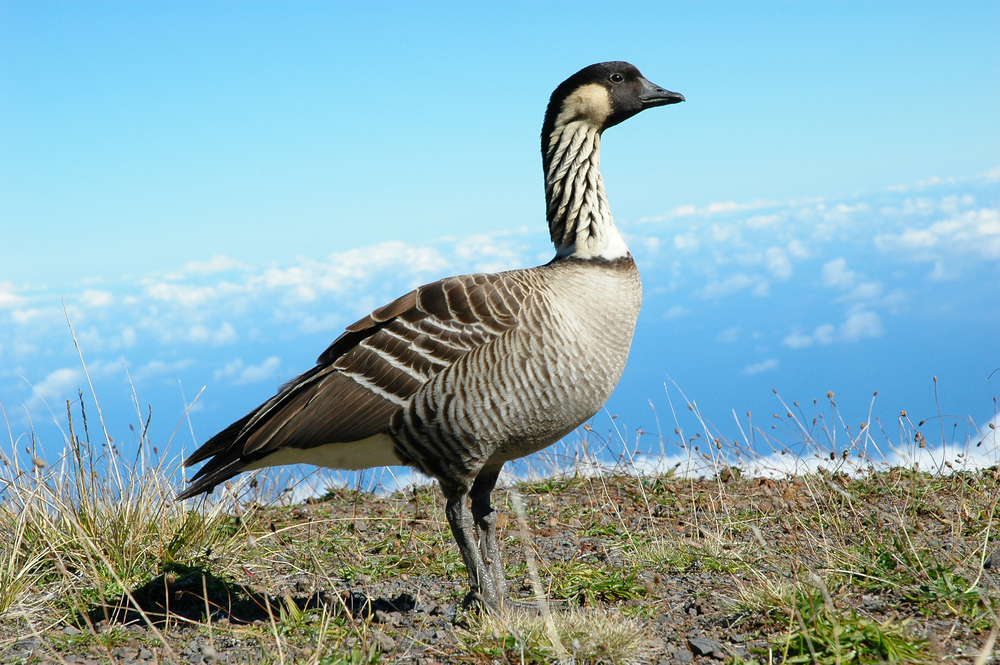
Wildlife within Haleakalā National Park includes many species found nowhere else in the world. The park protects numerous endemic Hawaiian plants and animals that evolved in isolation over thousands of years. One of the most iconic species is the endangered nēnē, or Hawaiian goose, which can often be observed near the summit.
Native forest birds such as the ʻapapane and ʻamakihi inhabit portions of the park, while rare insects and plants thrive in specialized habitats. The summit area is home to the remarkable silversword plant, a species found almost exclusively on the volcanic slopes of Haleakalā. Marine environments adjacent to the park support sea turtles, humpback whales during winter months, and other coastal wildlife.
Haleakalā National Park plays a critical role in protecting Hawaii’s unique volcanic landscapes and fragile island ecosystems. The park safeguards endangered species, native forests, volcanic features, and cultural sites that hold deep significance for Native Hawaiian communities. Conservation efforts focus on habitat restoration, invasive species management, and preserving rare endemic plants and animals.
Haleakalā is often compared to Hawai‘i Volcanoes National Park and Teide National Park because of its volcanic origins and high-elevation landscapes. Yet its combination of a dormant volcano, tropical rainforests, rare wildlife, and world-famous sunrises makes it truly unique. Today, Haleakalā National Park stands as one of Hawaii’s greatest natural treasures, preserving a landscape where volcanic power, ecological diversity, and cultural heritage come together in extraordinary harmony.
Photos
Things to See
 Haleakala reaches a summit of 10,023 feet (3,055 m) and is the highest point in Hawaii. It has another 19,680 feet (5,998 m) below the water which makes it collectively taller than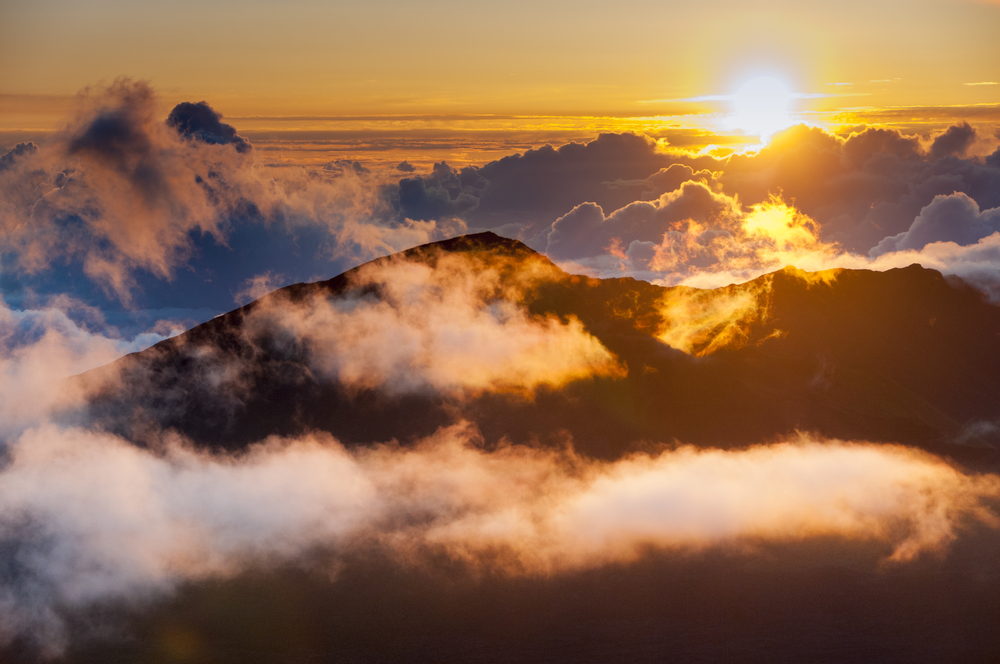
Things To Do
Engaging Haleakala National Park
Haleakala National Park Trails
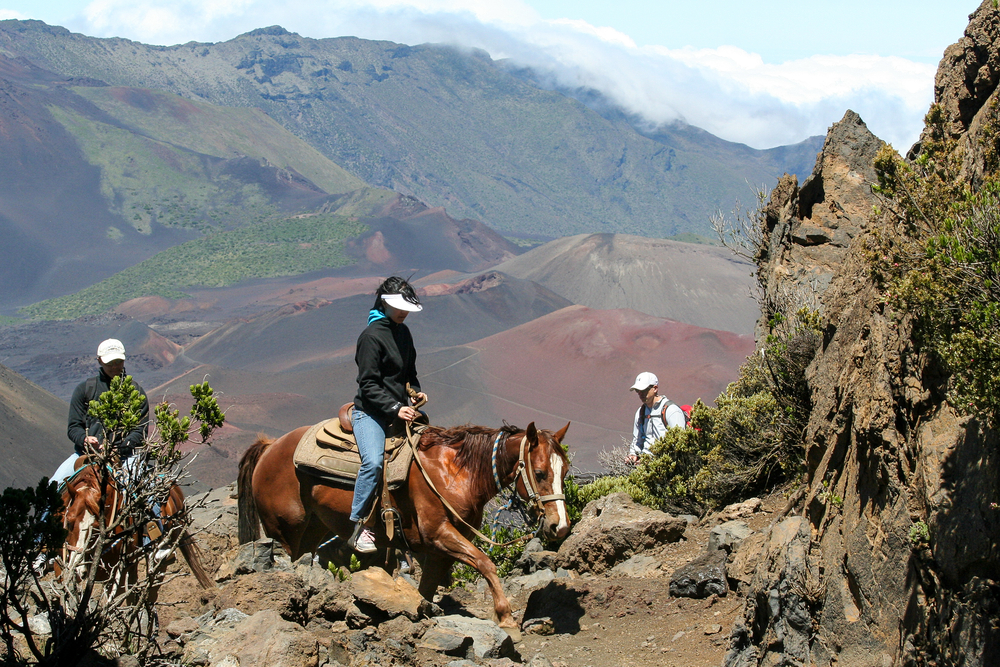
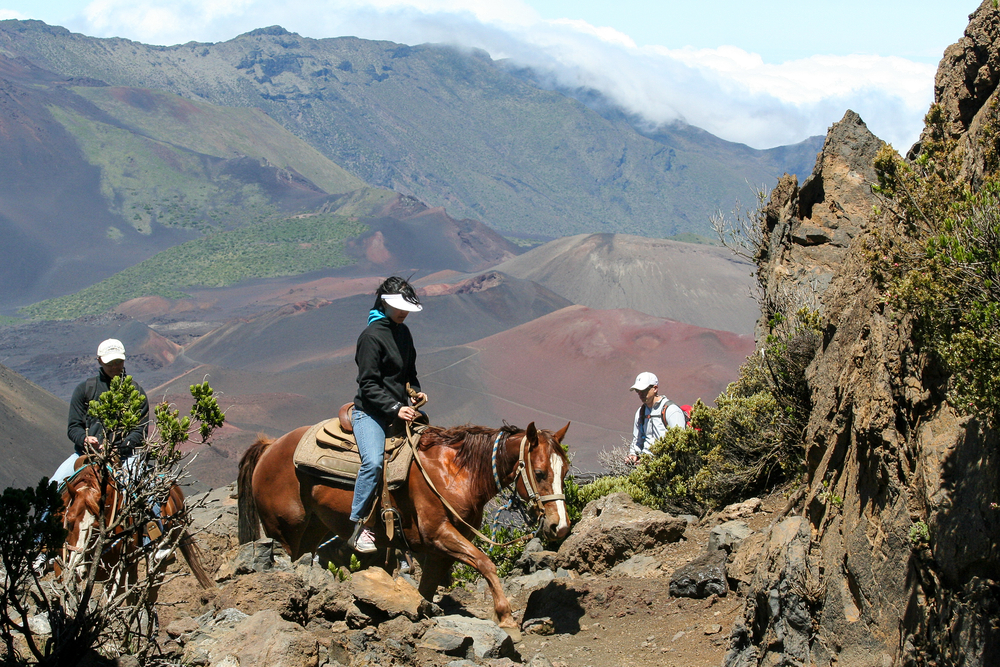
The national park has over 30 miles (48 km) of hiking trails making it easy for people to explore the coastal rainforest and the terrain of Haleakala.

Park Protection
 Haleakalā National Park was created to protect the unique volcanic landscapes, cloud forests, and fragile ecosystems of the island of Maui. The park provides critical habitat for several endangered species, including the Hawaiian petrel, nēnē (Hawaiian goose), and numerous rare native plants. Many species found within the park are endemic to Hawaii and occur nowhere else on Earth, making the area one of the most important centers of biodiversity in the Pacific.
The park is especially known for protecting the rare silversword plant, which grows naturally only on the slopes of Haleakalā and a few other Hawaiian volcanic locations. Its summit landscapes, volcanic crater, and remote rainforest valleys preserve ecosystems shaped by millions of years of island isolation. Together, Haleakalā National Park safeguards endangered Hawaiian wildlife, rare endemic plants, volcanic landscapes, and some of the most unique ecosystems found anywhere in the United States.
FAQ’s
What is Haleakala National Park known for?
Haleakalā National Park, located on the island of Maui in Hawaii, is known for its stunning volcanic landscapes, diverse ecosystems, and breathtaking sunrises.
The park is centered around the Haleakalā volcano, a massive shield volcano that forms more than 75% of the island of Maui. Its name translates to “House of the Sun” in Hawaiian, and visitors flock to the summit of Haleakalā to witness spectacular sunrise views above the clouds.
The park also encompasses a unique wilderness area featuring volcanic craters, cinder cones, and lush rainforests teeming with endemic plant and animal species.
Additionally, Haleakalā National Park offers excellent hiking opportunities, with trails ranging from easy walks to challenging backcountry treks, allowing visitors to explore its diverse landscapes and rich cultural heritage.
What is the main reason people visit Haleakalā National Park?
Haleakalā National Park is primarily visited for its massive volcanic crater, spectacular sunrises, unique Hawaiian ecosystems, and breathtaking mountain and coastal scenery. Located on the island of Maui, Hawaii, the park protects the summit region of the dormant Haleakalā volcano as well as the remote Kīpahulu coastal district.
Visitors come to witness sunrise above the clouds, hike through volcanic landscapes, explore bamboo forests and waterfalls, observe rare native species, and experience one of the most unique national parks in the United States.
What animals can visitors hope to see in Haleakalā National Park?
Haleakalā National Park supports a variety of native and introduced mammals, reptiles, and other wildlife. While Hawaii has relatively few native land mammals, the park is renowned for its endemic species found nowhere else on Earth.
Some of the most notable animals found in Haleakalā National Park include:
- Hawaiian Hoary Bat
- Hawaiian Monk Seal (coastal waters)
- Spinner Dolphin (offshore waters)
- Humpback Whale (seasonal offshore visitor)
- Feral Goat
- Feral Pig
- Axis Deer
- Small Indian Mongoose
- House Mouse
- Polynesian Rat
- Black Rat
- Norway Rat
- Feral Cat
- Jackson’s Chameleon
- Mourning Gecko
- Indo-Pacific Gecko
- House Gecko
- Green Sea Turtle
- Hawksbill Sea Turtle
- Hawaiian Happy-face Spider
- Haleakalā Flightless Moth
- Native Hawaiian Damselflies
- Native Hawaiian Picture-wing Flies
- Koa Bug Species
- Native Cave Arthropods
- Hawaiian Tree Snail Species
- Native Ground Beetles
- Native Wolf Spider Species
- Native Planthopper Species
- Native Hawaiian Crickets
- Native Moths
- Native Butterflies
- Native Bees
- Native Pollinating Insects
- Coastal Crab Species
- Volcanic Arthropod Species
- Native Freshwater Shrimp
- Native Stream Invertebrates
- Coastal Marine Fish Species
- Reef Fish Species
- Yellow Tang
- Moorish Idol
- Parrotfish Species
- Butterflyfish Species
- Triggerfish Species
- Surgeonfish Species
- Wrasse Species
- Octopus Species
- Reef Invertebrates
- Numerous Endemic Hawaiian Species
What birds can visitors hope to see in Haleakalā National Park?
Haleakalā National Park is one of Hawaii’s premier birdwatching destinations and protects several endangered native Hawaiian bird species.
Some of the most popular birds seen in Haleakalā National Park include:
- Nēnē (Hawaiian Goose)
- ʻĀkohekohe
- Kiwikiu (Maui Parrotbill)
- ʻApapane
- Hawaiʻi ʻAmakihi
- ʻIʻiwi
- Pueo (Hawaiian Short-eared Owl)
- Pacific Golden-Plover
- Wandering Tattler
- Ruddy Turnstone
- Black-crowned Night Heron
- Cattle Egret
- White-tailed Tropicbird
- Great Frigatebird
- Red-footed Booby
- Brown Booby
- Wedge-tailed Shearwater
- Bulwer’s Petrel
- Hawaiian Petrel
- Newell’s Shearwater
- Sooty Tern
- Brown Noddy
- Common Mynah
- Japanese White-eye
- Northern Cardinal
- House Finch
- House Sparrow
- Zebra Dove
- Spotted Dove
- Mourning Dove
- Red-crested Cardinal
- Yellow-fronted Canary
- Warbling White-eye
- Nutmeg Mannikin
- Chestnut Munia
- Kalij Pheasant
- Erckel’s Francolin
- Chukar
- Ring-necked Pheasant
- Barn Owl
- Black-crowned Night Heron
- Pacific Reef Heron
- White Tern
- Black Noddy
- Sanderling
- Bristle-thighed Curlew
- Lesser Golden-Plover
- Short-eared Owl
- Hawaiian Duck
- Migratory Shorebird Species
Is Haleakalā National Park worth visiting?
Yes, Haleakalā National Park is absolutely worth visiting and is widely considered one of Hawaii’s most extraordinary natural attractions.
The park offers dramatic volcanic landscapes, incredible sunrise and sunset views, rare native wildlife, scenic hiking trails, and unique ecosystems found nowhere else in the world. Visitors often describe standing atop Haleakalā above a sea of clouds as one of the most memorable experiences in Hawaii.
The primary hesitation is the early wake-up required for sunrise visits and the cooler temperatures at the summit.
What is the best time to visit Haleakalā National Park?
The best time to visit Haleakalā National Park is year-round.
Typical summit temperatures include:
- Winter: 30–60°F (-1–16°C)
- Spring: 40–65°F (4–18°C)
- Summer: 45–70°F (7–21°C)
- Fall: 40–65°F (4–18°C)
Visitors should note:
- Sunrise viewing is popular throughout the year.
- Summer generally provides the driest weather.
- Winter offers whale-watching opportunities off Maui’s coast.
- Temperatures at the summit are often 20–30°F cooler than coastal areas.
How many days do you need to visit Haleakalā National Park?
Most visitors should plan for 1 to 2 days.
- Half day: Summit viewpoints and visitor centers.
- 1 day: Sunrise, crater overlooks, and hiking.
- 2 days: Summit district plus Kīpahulu district.
- 3+ days: Extended hiking, wilderness camping, and backcountry exploration.
Many visitors split their time between the summit area and the coastal Kīpahulu region.
How do you get to Haleakalā National Park?
Haleakalā National Park is located on the island of Maui.
Most visitors:
- Fly into Kahului Airport.
- Drive approximately 1.5 to 2 hours to the summit district.
- Access the Kīpahulu district via the scenic Road to Hana.
Rental vehicles are the most common transportation option.
Who is involved in protecting and supporting Haleakalā National Park?
Several organizations help protect and support Haleakalā National Park:
- National Park Service – manages Haleakalā National Park.
- Pacific Island Parks – supports educational and conservation programs.
- National Park Foundation – supports projects throughout the National Park System.
- Maui Forest Bird Recovery Project – supports protection of endangered native birds.
- Native Hawaiian communities who maintain deep cultural and spiritual connections to Haleakalā.
What does Haleakalā mean?
Haleakalā means “House of the Sun” in the Hawaiian language. According to Hawaiian tradition, the demigod Māui lassoed the sun from the summit to slow its journey across the sky.
Do you need a reservation to watch sunrise at Haleakalā?
Yes. Visitors typically need an advance reservation to enter the summit district during sunrise hours. Reservations are limited and should be secured before visiting.
Sources
- All Trails, Best Trails in Haleakala National Park, https://www.alltrails.com/parks/hawaii/maui/haleakala-national-park, retrieved June 2020.
- Britannica, Haleakala, https://www.britannica.com/place/Haleakala, retrieved June 2020.
- Britannica, Haleakala National Park, https://www.britannica.com/place/Haleakala-National-Park, retrieved June 2020.
- Go Hawaii, Haleakala National Park, https://www.gohawaii.com/islands/maui/regions/upcountry-maui/haleakala-national-park, retrieved June 2020.
- Hawaii Guide, Haleakala National Park, https://www.hawaii-guide.com/maui/sights/haleakala_national_park, retrieved June 2020.
- Moon, Best Haleakala Hikes, https://www.moon.com/travel/national-parks/best-haleakala-hikes/, retrieved June 2020.
- National Geographic, Complete National Parks of the United States, National Geographic Publishing, Washington DC.
- National Geographic, Guide to the National Parks of the United States, National Geographic Society, 2003.
- National Geographic, National Parks of North America, Canada-United States-Mexico, National Geographic Society, 1995.
- National Park Service, Haleakala, https://www.nps.gov/hale/index.htm, retrieved June 2020.