


About
Great Basin National Park is located in eastern Nevada in the United States and covers approximately 120 square miles (312 sq km). Established in 1986, the park protects a remarkable landscape of rugged mountains, ancient forests, limestone caves, alpine lakes, and desert valleys.
It lies near the Utah border and is surrounded by the vast Basin and Range Province, a region characterized by alternating mountain ranges and broad desert basins. Nearby protected areas include Humboldt-Toiyabe National Forest and the expansive public lands of eastern Nevada. Despite being one of the least visited national parks in the United States, Great Basin National Park preserves some of the most diverse and surprising ecosystems in the American West, offering visitors solitude and natural beauty far from crowded destinations.
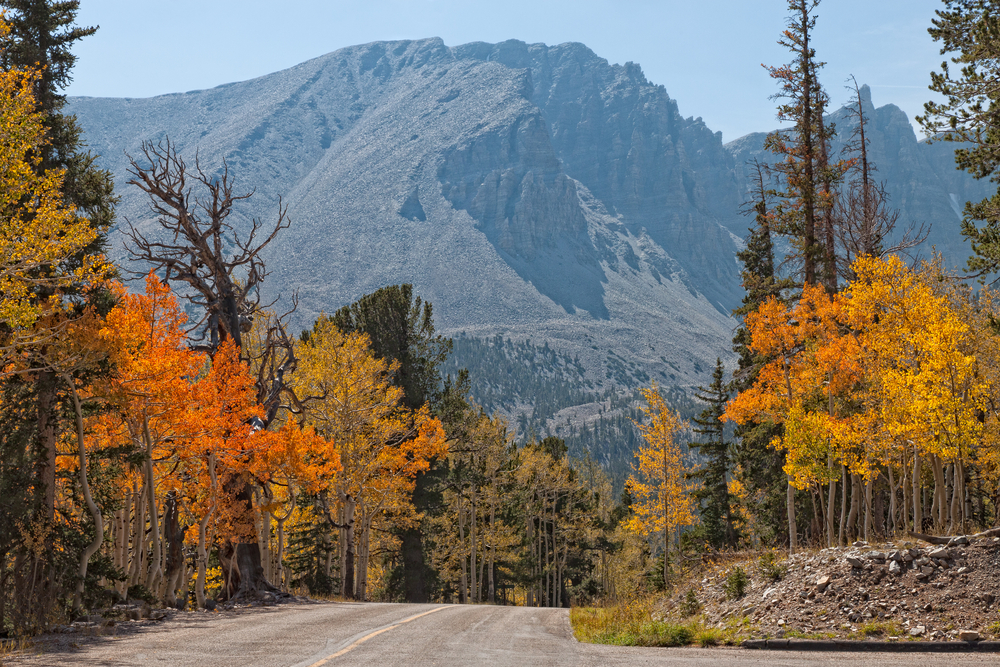
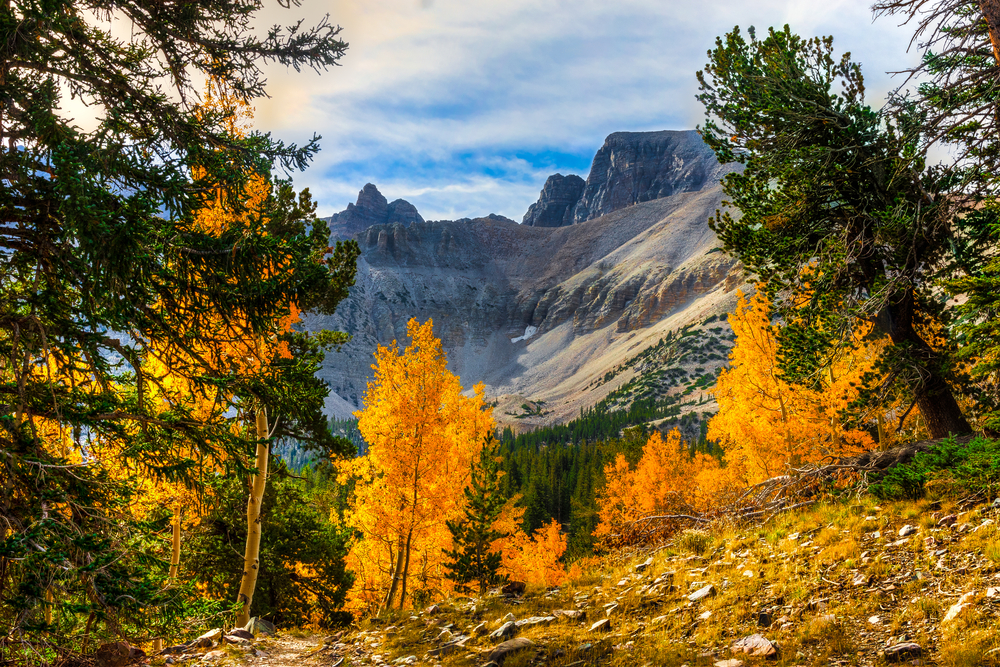
Great Basin National Park is best known for its ancient bristlecone pine forests, spectacular cave systems, and the towering presence of Wheeler Peak. Visitors are often surprised to discover alpine landscapes rising dramatically above the surrounding desert. The park offers excellent opportunities for hiking, backpacking, camping, cave tours, wildlife viewing, photography, and stargazing.
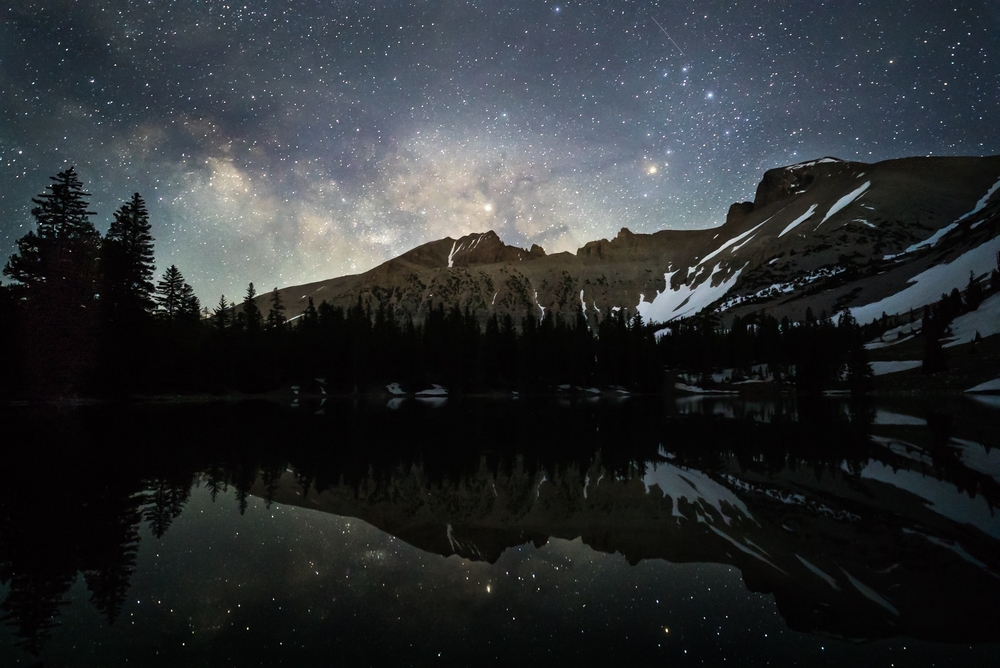
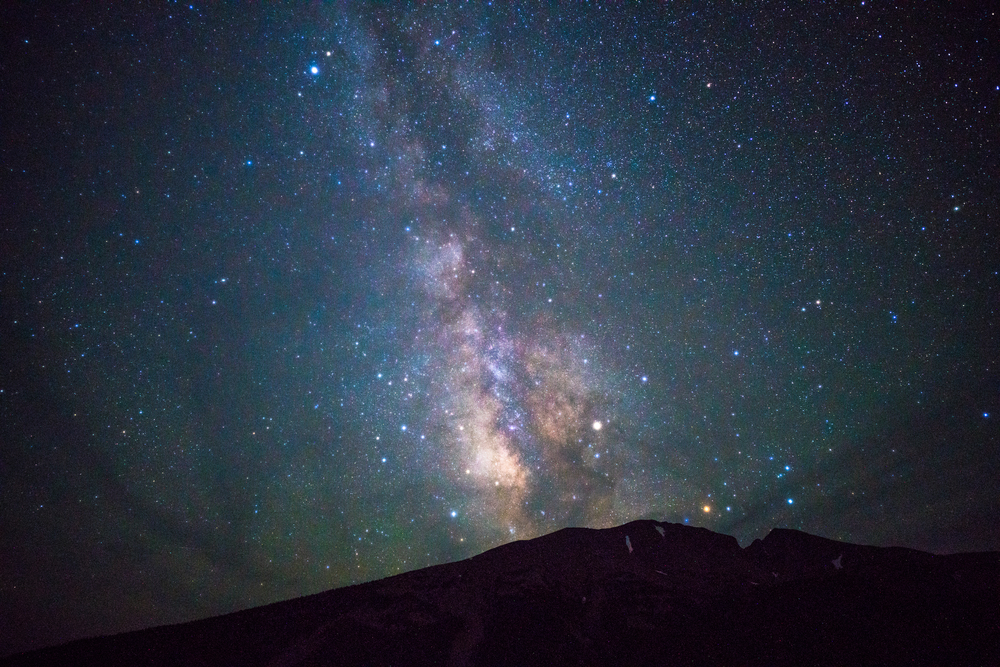
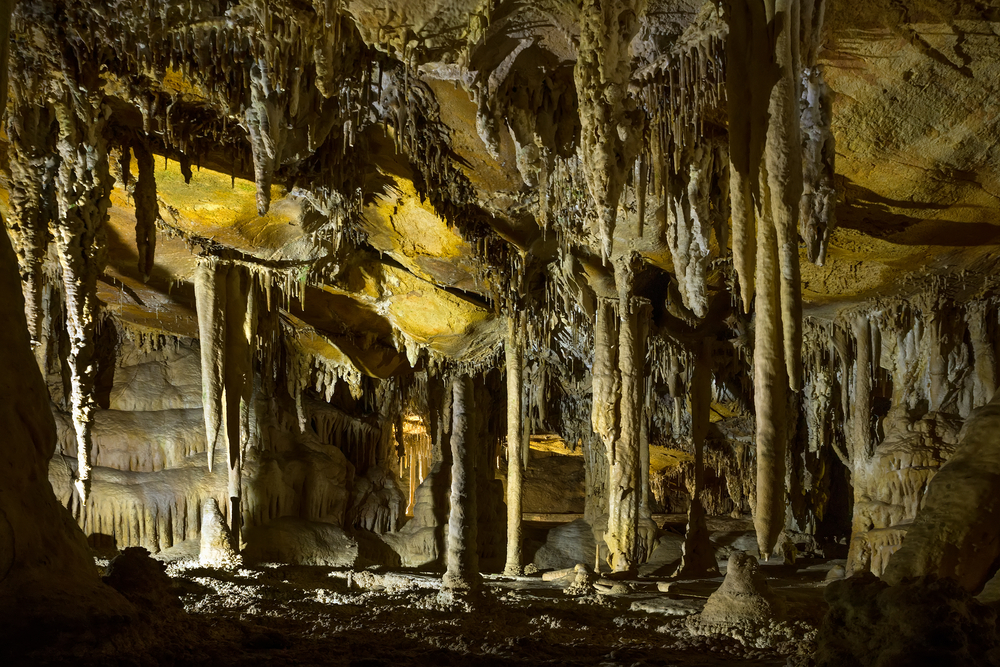
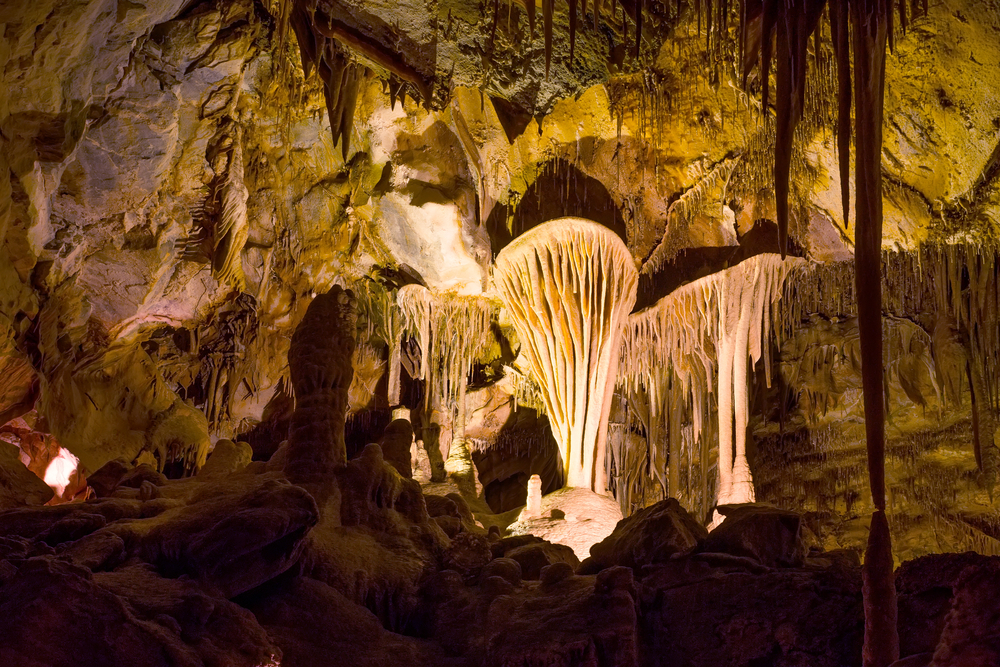
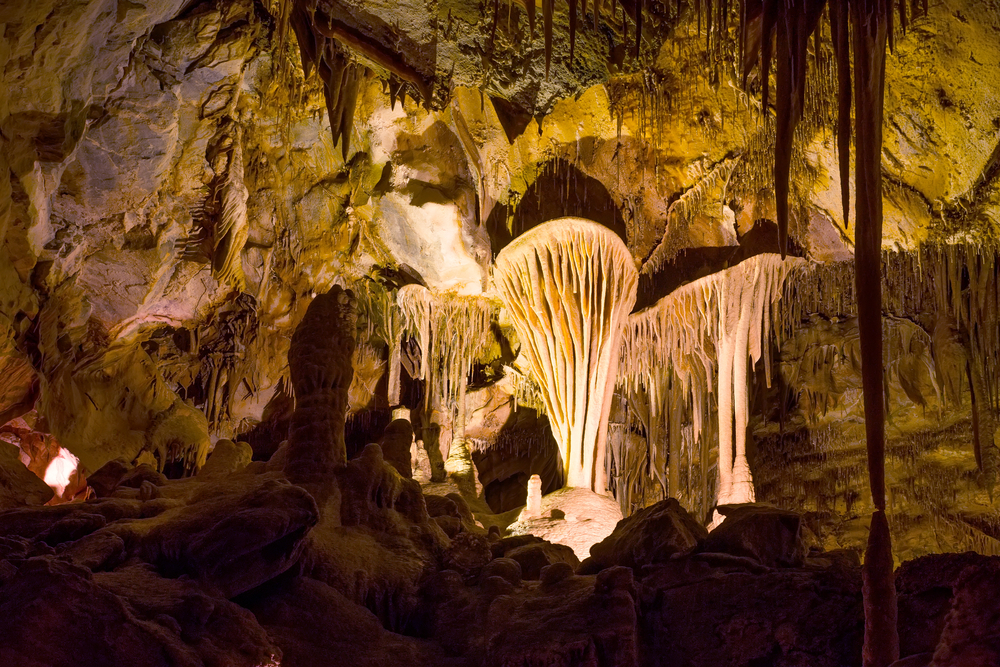
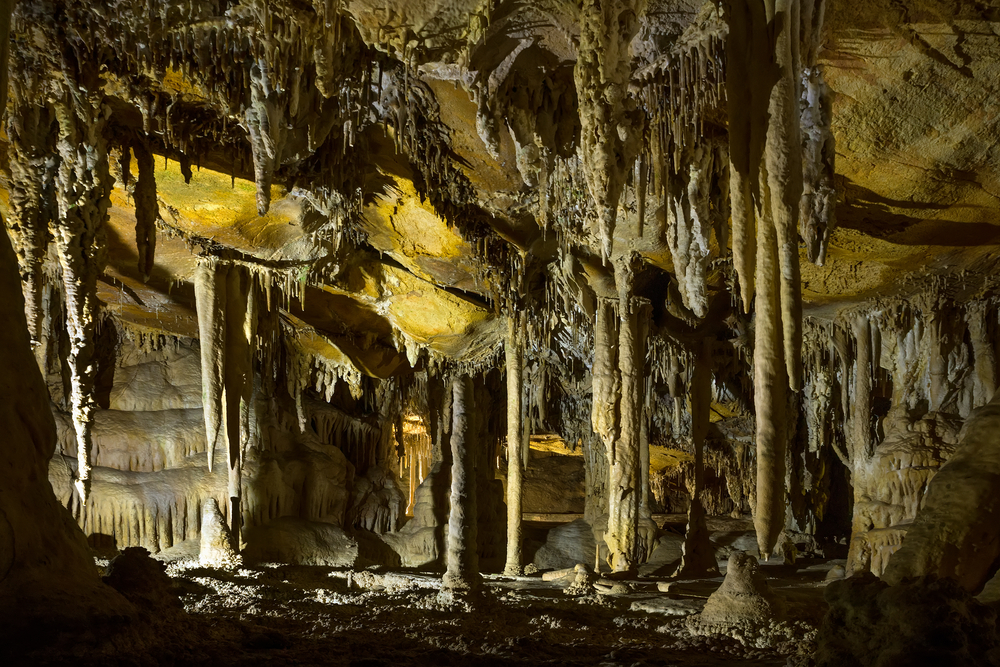
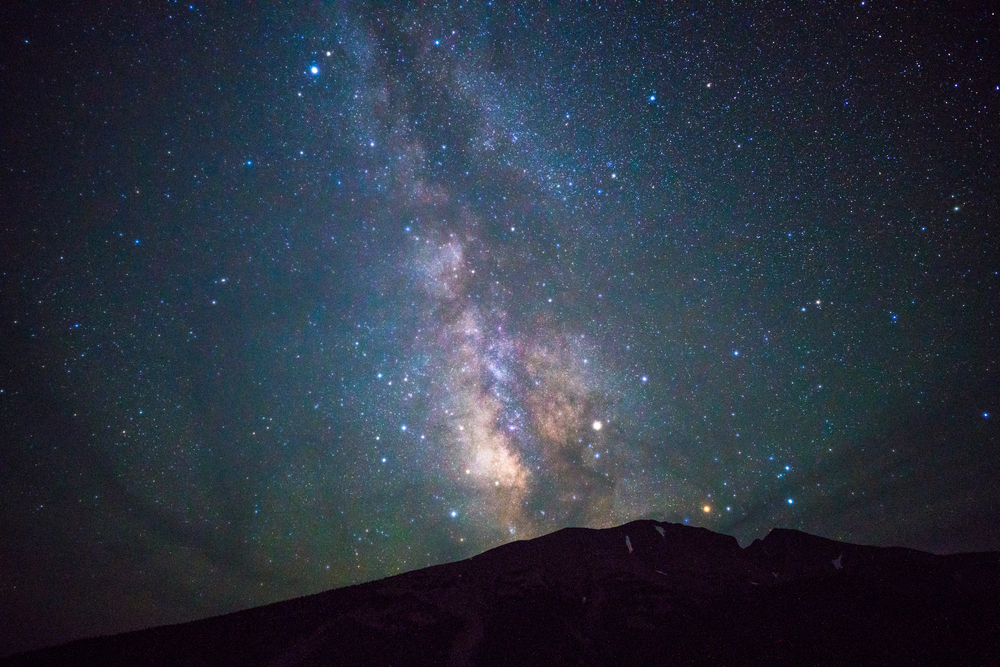
One of its most popular attractions is Lehman Caves, an extensive limestone cave system filled with intricate formations including stalactites, stalagmites, and rare shield formations. The park is also internationally recognized for its exceptionally dark night skies, making it one of the finest stargazing destinations in North America.
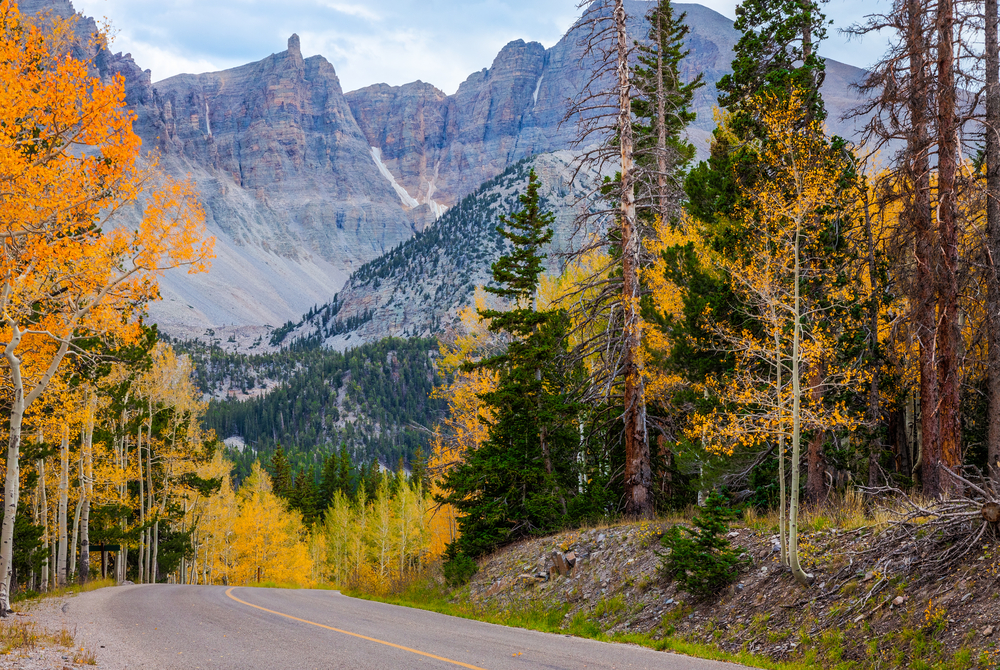
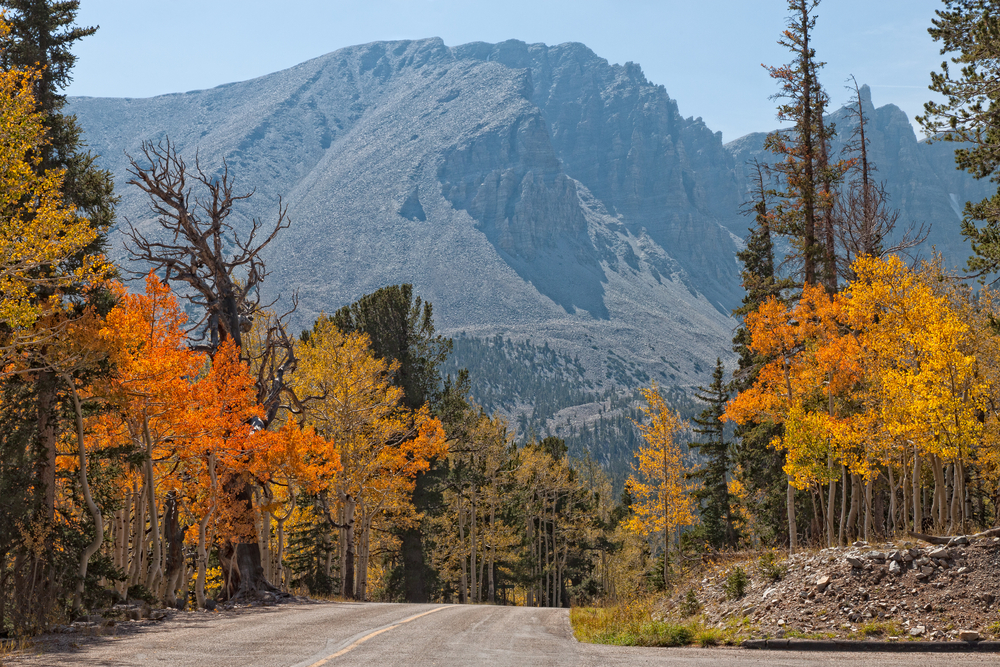
The geography of Great Basin National Park reflects the dramatic contrasts that define the Basin and Range region. Elevations rise from desert valleys to the summit of Wheeler Peak at 13,063 feet (3,982 meters), the second-highest mountain in Nevada. This dramatic elevation change creates a wide variety of ecosystems within a relatively small area.
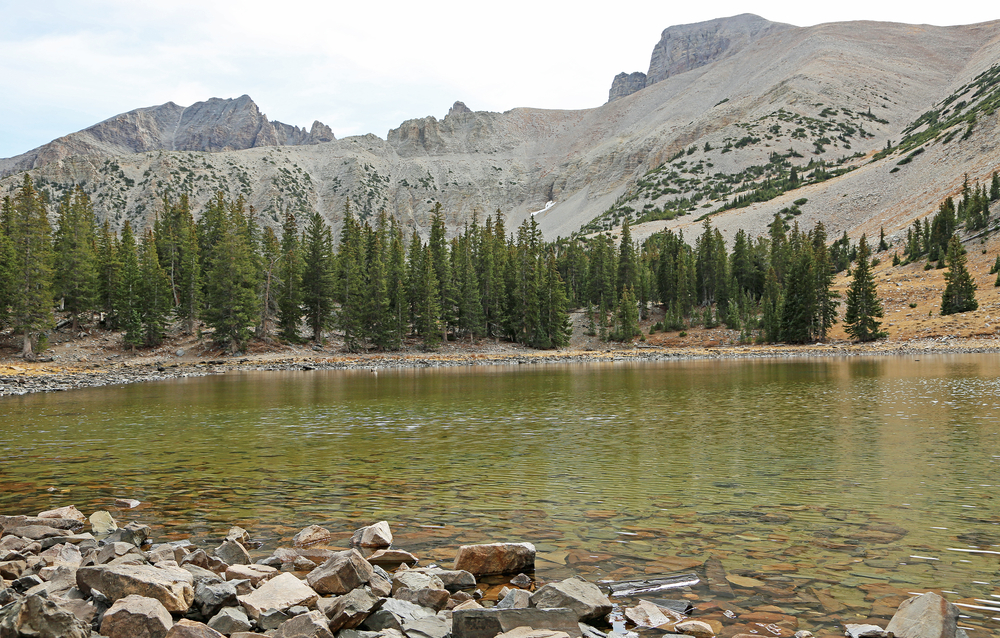
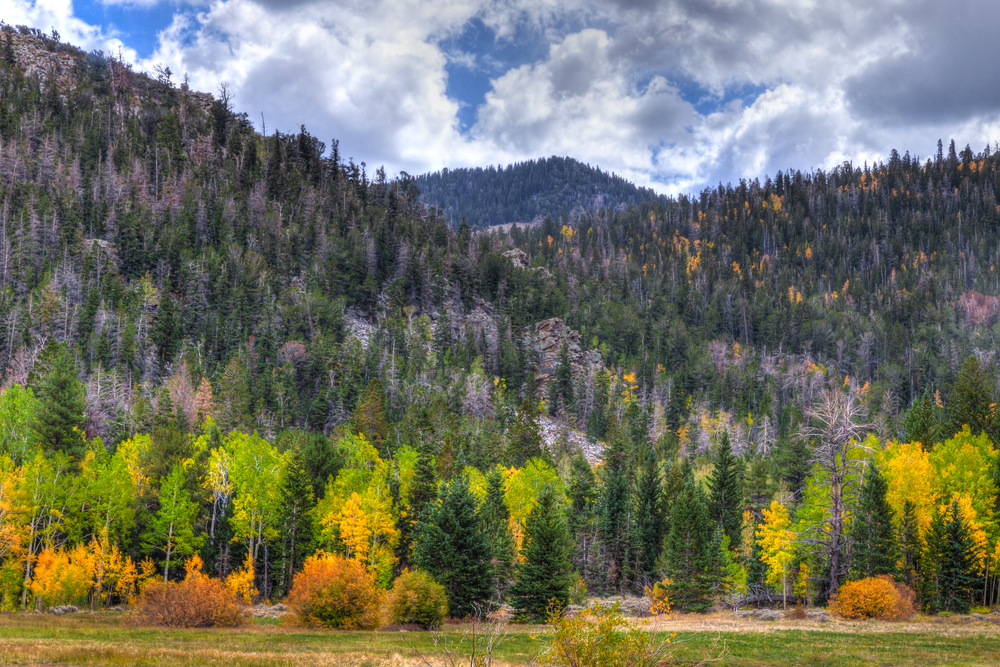
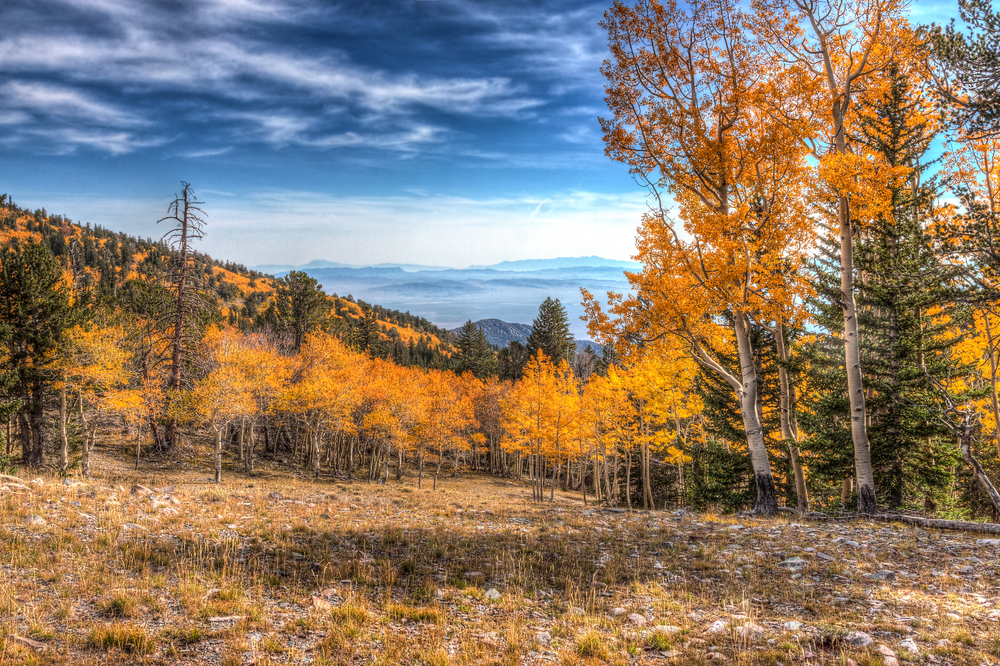
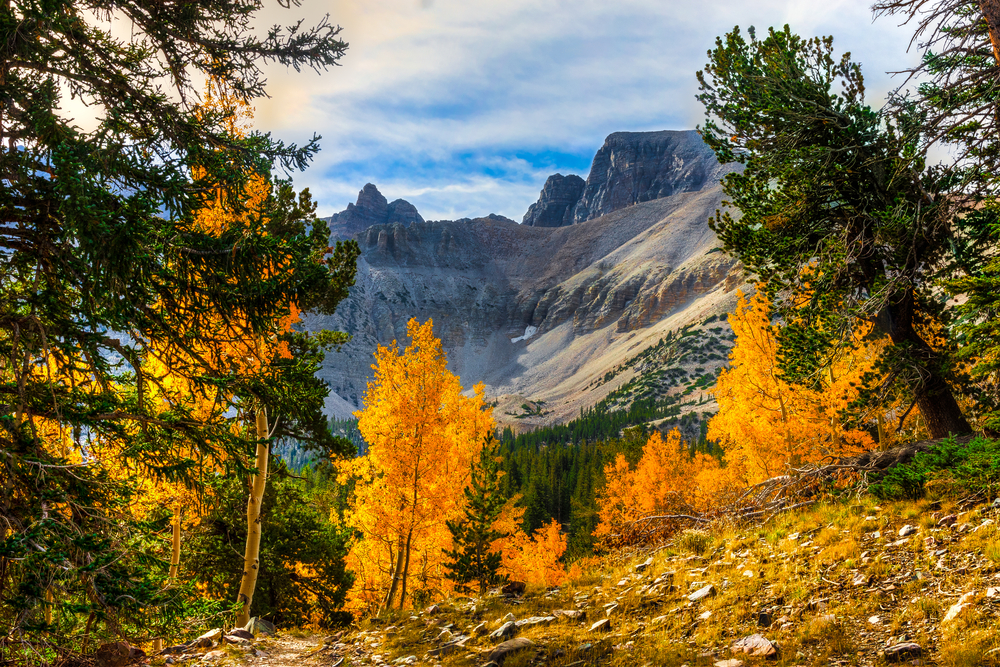
Lower elevations feature sagebrush deserts and pinyon-juniper woodlands, while higher slopes support aspen groves, conifer forests, alpine meadows, and rocky tundra. Small glaciers and permanent snowfields persist near the highest elevations despite the park’s desert location. Numerous springs, streams, and alpine lakes add to the diversity of habitats and provide important water sources for wildlife.
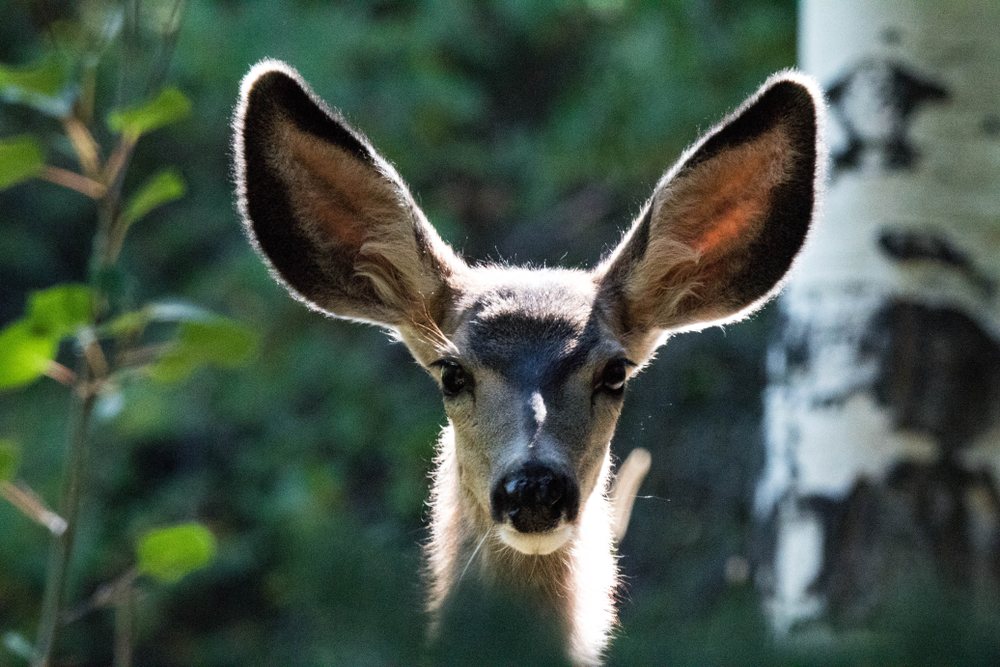
Wildlife within Great Basin National Park is equally diverse. Mammals include mule deer, mountain lions, bobcats, coyotes, black bears, elk, and several species of bats. Smaller animals such as marmots, pikas, and chipmunks inhabit the alpine and forested environments.
Birdlife is abundant, with golden eagles, peregrine falcons, mountain bluebirds, Clark’s nutcrackers, and numerous migratory species found throughout the park. Reptiles and amphibians occupy lower elevations and wetland habitats. The variety of ecosystems allows species commonly associated with deserts, mountains, and forests to coexist within the park’s boundaries.
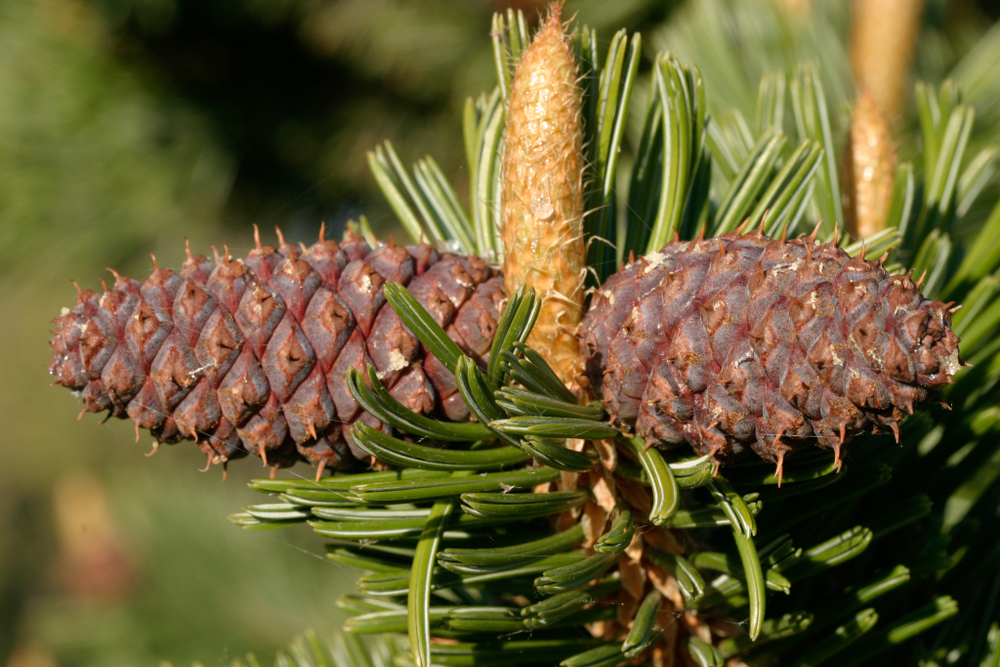
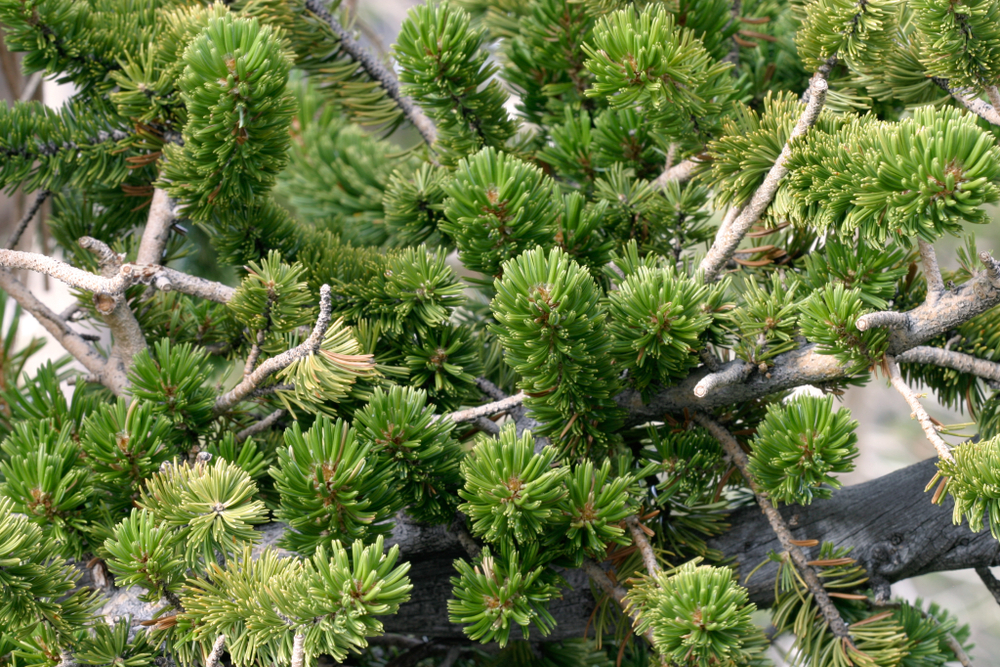
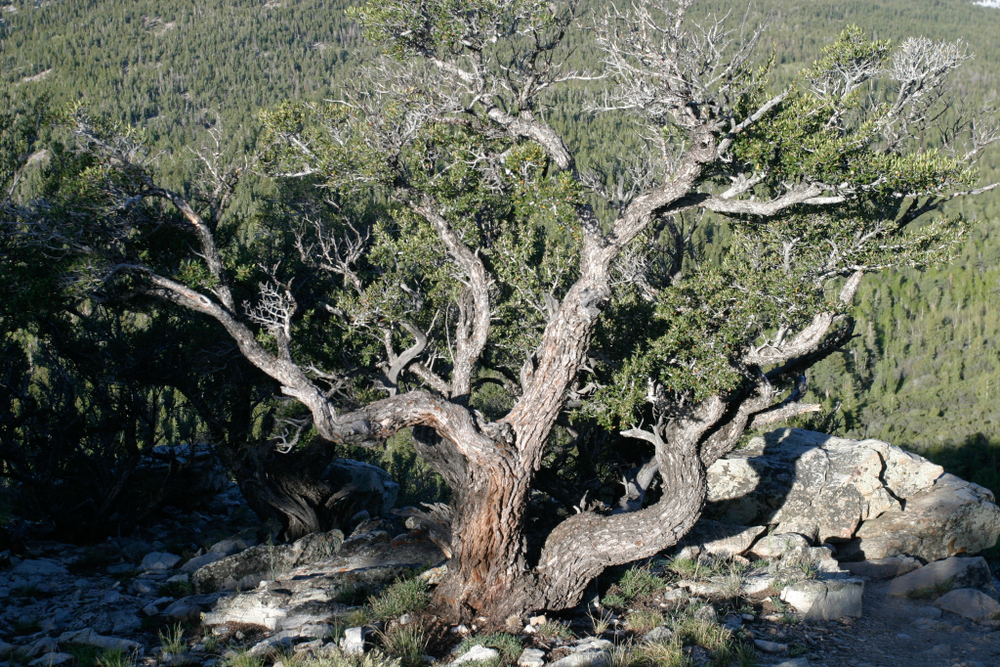
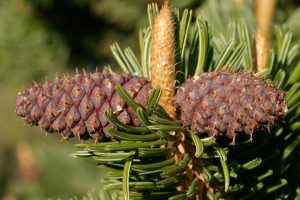
Great Basin National Park plays a vital role in protecting some of the oldest living organisms on Earth. The park safeguards ancient Great Basin bristlecone pines, many of which are thousands of years old and rank among the oldest known trees in the world. Conservation efforts also protect fragile cave ecosystems, alpine habitats, and critical watersheds.
Great Basin is often compared to Rocky Mountain National Park and Guadalupe Mountains National Park because of its mountain landscapes and cave resources. Yet its combination of ancient bristlecone forests, desert basins, limestone caves, and exceptional dark skies makes it uniquely captivating. Today, Great Basin National Park remains one of America’s hidden treasures, preserving a landscape where geology, ecology, and deep time come together in extraordinary harmony.
Photos

Things to See
 Wheeler Peak is the highest summit in the national park reaching a peak of 13,065 feet (3,982 m), which is also the second-highest peak in the state.
 Lehman Cave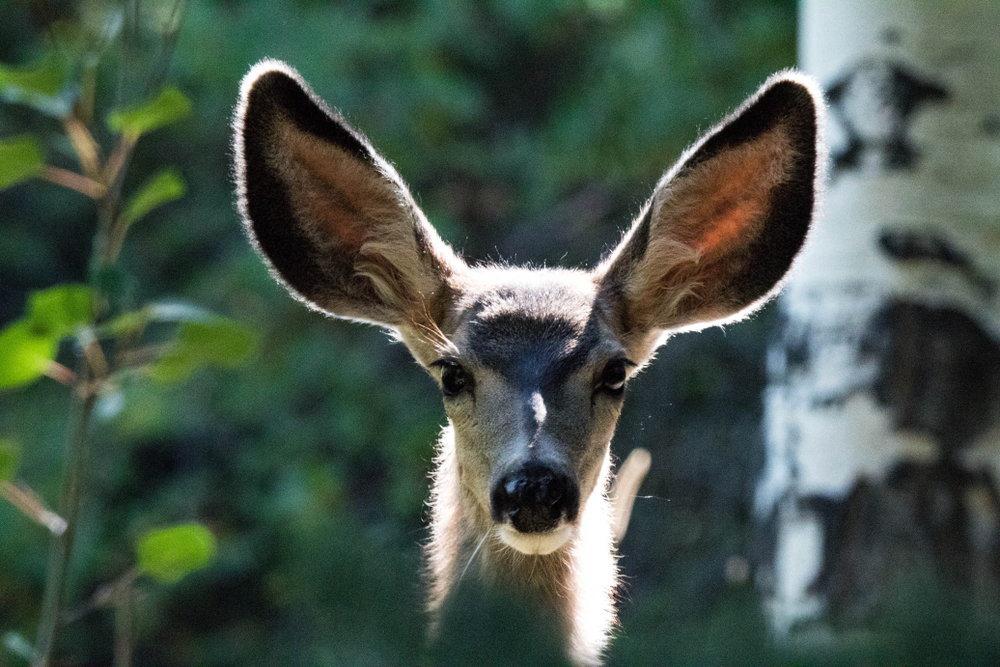
Things To Do
Engaging Great Basin National Park
Great Basin National Park Trails
There are several trails that explore the various aspects of the national park ranging from easy to difficult. There are even multiple trails that are under a mile (1.6 km) or longer trails exceeding 10 miles (16 km).

Park Protection
 Great Basin National Park was created to protect the rugged mountain landscapes, desert ecosystems, ancient forests, and extensive cave systems of eastern Nevada. The park provides habitat for a variety of wildlife, including mountain lions, mule deer, pinyon jays, and several species of bats. Its high-elevation environments support plant and animal communities that are isolated from similar habitats by vast expanses of desert, creating unique ecological conditions.
The park is best known for protecting some of the oldest living organisms on Earth—ancient Great Basin bristlecone pines, some of which are more than 4,000 years old. It also preserves the remarkable Lehman Caves, known for its rare shield formations and intricate cave decorations. Together, Great Basin National Park protects ancient forests, high-desert ecosystems, underground wonders, and a unique combination of natural resources found in few other places in North America.
FAQ’s
What is Great Basin National Park known for?
Great Basin National Park is renowned for its diverse and unique ecosystems, including ancient bristlecone pine forests, towering mountains, and fascinating underground caves.
The park is also famous for its exceptionally clear night skies, making it a prime destination for stargazing and astronomy enthusiasts.
Additionally, Great Basin National Park is home to Wheeler Peak, the second-highest peak in Nevada, offering spectacular hiking opportunities and breathtaking views of the surrounding landscape.
Visitors can explore the park’s numerous hiking trails, camp under the stars, and delve into the depths of Lehman Caves to discover intricate limestone formations and underground chambers.
Wildlife viewing, birdwatching, and photography are also popular activities in this remote and rugged park. Whether you’re seeking adventure, natural beauty, or solitude, Great Basin National Park has something to offer for every outdoor enthusiast.
What is the main reason people visit Great Basin National Park?
Great Basin National Park is primarily visited for its ancient bristlecone pine forests, spectacular mountain scenery, limestone caves, dark night skies, and remote wilderness experience. Located in eastern Nevada near the Utah border, the park protects the rugged Snake Range, high-elevation alpine ecosystems, and some of the oldest living trees on Earth.
Visitors come to explore caves, hike mountain trails, view ancient bristlecone pines, drive scenic mountain roads, enjoy stargazing, and experience one of the least-crowded national parks in the United States.
What animals can visitors hope to see in Great Basin National Park?
Great Basin National Park supports approximately 70 mammal species and more than 20 reptile species. The park’s dramatic elevation changes create diverse habitats ranging from desert shrublands to alpine tundra.
Some of the most notable animals found in Great Basin National Park include:
- Mule Deer
- Elk
- Mountain Lion
- Bobcat
- Coyote
- Gray Fox
- Red Fox
- American Badger
- Ringtail
- Raccoon
- Long-tailed Weasel
- Short-tailed Weasel
- Striped Skunk
- Porcupine
- American Beaver
- Muskrat
- Desert Cottontail
- Black-tailed Jackrabbit
- Snowshoe Hare
- Pika
- Yellow-bellied Marmot
- Golden-mantled Ground Squirrel
- Uinta Ground Squirrel
- Cliff Chipmunk
- Least Chipmunk
- Rock Squirrel
- Deer Mouse
- Canyon Mouse
- Pocket Mouse
- Kangaroo Rat
- Woodrat
- Pocket Gopher
- Meadow Vole
- Montane Vole
- Harvest Mouse
- Northern Flying Squirrel
- Big Brown Bat
- Hoary Bat
- Pallid Bat
- Townsend’s Big-eared Bat
- Mexican Free-tailed Bat
- Silver-haired Bat
- Little Brown Bat
- Long-legged Myotis
- Fringed Myotis
- Yuma Myotis
- California Myotis
- Desert Shrew
- Vagrant Shrew
- Various Rodent Species
What birds can visitors hope to see in Great Basin National Park?
Great Basin National Park is home to more than 230 bird species. The park’s forests, alpine areas, caves, wetlands, and desert habitats support a diverse bird community.
Some of the most popular birds seen in Great Basin National Park include:
- Golden Eagle
- Bald Eagle
- Peregrine Falcon
- Prairie Falcon
- Red-tailed Hawk
- Cooper’s Hawk
- Sharp-shinned Hawk
- Northern Goshawk
- American Kestrel
- Turkey Vulture
- Great Horned Owl
- Northern Pygmy Owl
- Flammulated Owl
- Common Raven
- Clark’s Nutcracker
- Pinyon Jay
- Steller’s Jay
- Woodhouse’s Scrub-Jay
- Black-billed Magpie
- Mountain Bluebird
- Western Bluebird
- Canyon Wren
- Rock Wren
- Bewick’s Wren
- House Wren
- Mountain Chickadee
- Juniper Titmouse
- Red-breasted Nuthatch
- White-breasted Nuthatch
- Pygmy Nuthatch
- Brown Creeper
- Black-throated Sparrow
- Brewer’s Sparrow
- Chipping Sparrow
- White-crowned Sparrow
- Dark-eyed Junco
- Green-tailed Towhee
- Horned Lark
- Western Meadowlark
- Say’s Phoebe
- Ash-throated Flycatcher
- Western Kingbird
- Violet-green Swallow
- Cliff Swallow
- Barn Swallow
- White-throated Swift
- Broad-tailed Hummingbird
- Rufous Hummingbird
- Northern Flicker
- Lewis’s Woodpecker
Is Great Basin National Park worth visiting?
Yes, Great Basin National Park is absolutely worth visiting and is often considered one of the most underrated national parks in the United States.
The park offers exceptional hiking, spectacular mountain scenery, ancient bristlecone pine groves, fascinating cave systems, outstanding wildlife viewing, and some of the darkest night skies in North America. Visitors seeking solitude and natural beauty often find Great Basin to be one of the most rewarding parks in the National Park System.
The primary hesitation is its remote location, which requires significant driving from major cities.
What is the best time to visit Great Basin National Park?
The best time to visit Great Basin National Park is from June through September.
Typical conditions include:
- June: 45–75°F (7–24°C)
- July: 50–80°F (10–27°C)
- August: 50–80°F (10–27°C)
- September: 40–70°F (4–21°C)
During this period:
- High-elevation roads are usually open.
- Most hiking trails are snow-free.
- Cave tours operate regularly.
- Stargazing conditions are excellent.
Spring and fall are also beautiful but may bring snow to higher elevations.
How many days do you need to visit Great Basin National Park?
Most visitors should plan for 2 to 3 days.
- 1 day: Scenic drive and cave tour.
- 2 days: Hiking and bristlecone pine exploration.
- 3 days: Alpine trails, wildlife viewing, and stargazing.
- 4+ days: Extensive hiking and backcountry exploration.
Longer visits allow visitors to experience the park’s remarkable range of elevations and ecosystems.
How do you get to Great Basin National Park?
Great Basin National Park is located in eastern Nevada near the town of Baker.
Most visitors:
- Fly into Las Vegas or Salt Lake City.
- Drive several hours through Nevada’s scenic Basin and Range region.
- Enter the park via Nevada State Route 488.
The park’s remote location contributes significantly to its low visitation and excellent stargazing conditions.
Who is involved in protecting and supporting Great Basin National Park?
Several organizations help protect and support Great Basin National Park:
- National Park Service – manages Great Basin National Park.
- Great Basin National Park Foundation – supports conservation, education, and visitor programs.
- National Park Foundation – supports projects throughout the National Park System.
- Nevada Division of State Parks – collaborates on regional conservation initiatives.
- Researchers, volunteers, and local communities who help preserve the park’s unique ecosystems and cultural resources.
Sources
- All Trails, Best Trails in Great Basin National Park, v https://www.alltrails.com/parks/us/nevada/great-basin-national-park, retrieved June 2020.
- Britannica, Great Basin, https://www.britannica.com/place/Great-Basin, retrieved June 2020.
- Britannica, Great Basin National Park, https://www.britannica.com/place/Great-Basin-National-Park, retrieved June 2020.
- Britannica, Lehman Caves, https://www.britannica.com/place/Lehman-Caves, retrieved June 2020.
- National Geographic, Complete National Parks of the United States, National Geographic Publishing, Washington DC.
- National Geographic, Guide to the National Parks of the United States, National Geographic Society, 2003.
- National Geographic, National Parks of North America, Canada-United States-Mexico, National Geographic Society, 1995.
- National Park Service, Great Basin, https://www.nps.gov/grba/index.htm, retrieved June 2020.
- National park Service, Great Basin Hiking Information, https://www.nps.gov/grba/planyourvisit/hiking-information.htm, retrieved June 2020.