About

Snowdonia National Park is located in northwestern Wales in the United Kingdom. Covering approximately 823 square miles (2,130 sq km), it is the largest national park in Wales and one of the most celebrated protected landscapes in the United Kingdom.

Established in 1951, Snowdonia was among the first national parks designated in Britain and protects a remarkable region of mountains, valleys, lakes, rivers, forests, and coastline. The park is centered around Yr Wyddfa (Snowdon), the highest mountain in Wales, and extends from the rugged peaks of the north to the rolling uplands and estuaries of the south. Today, Snowdonia is widely regarded as one of Europe’s premier mountain destinations and a symbol of Welsh natural heritage.

Snowdonia National Park is best known for its dramatic mountain scenery and exceptional outdoor recreation opportunities. Visitors from around the world come to climb Yr Wyddfa (Snowdon), which rises to 3,560 feet (1,085 meters) and offers breathtaking views across Wales, England, Ireland, and the Irish Sea on clear days. B

eyond its famous summit, the park features hundreds of miles of hiking trails, mountain biking routes, climbing areas, and scenic drives. Historic castles, traditional Welsh villages, narrow-gauge railways, and ancient cultural sites further enhance the visitor experience. The park’s combination of rugged wilderness and rich cultural heritage makes it one of the United Kingdom’s most iconic landscapes.

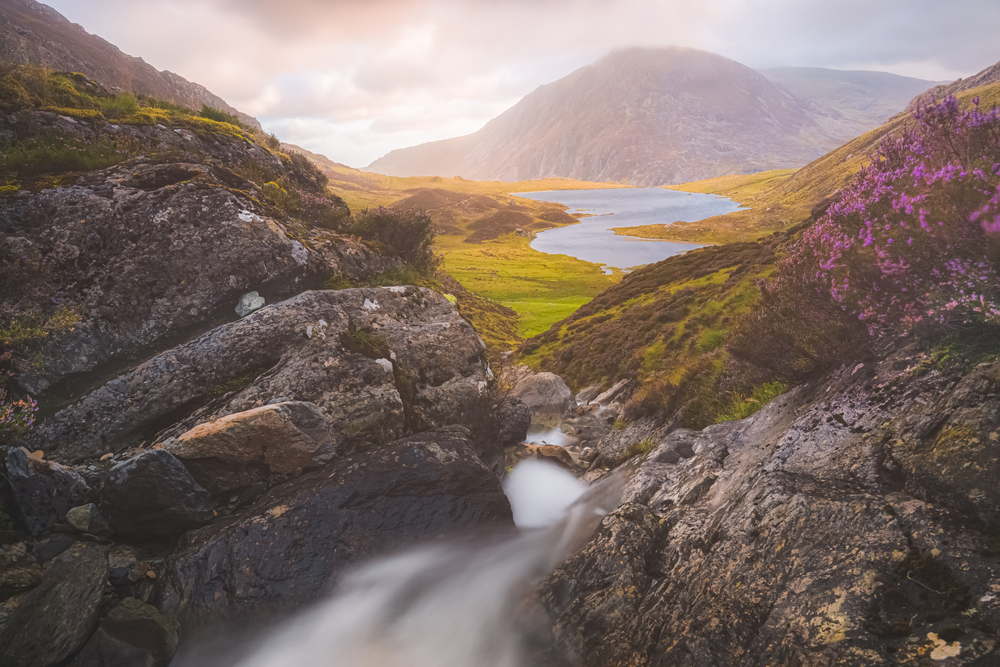
The geography of Snowdonia National Park was shaped by ancient volcanic activity and repeated glaciation during the Ice Age. The result is a landscape of jagged mountain ridges, cirques, glacial lakes, deep valleys, and dramatic escarpments. More than 90 peaks exceed 2,000 feet (610 meters), creating one of the most mountainous regions in Britain.

The park also contains extensive river systems, waterfalls, wetlands, and coastal estuaries. Vegetation ranges from upland heathlands and peat bogs to native oak woodlands and conifer forests. The diversity of habitats supports an extraordinary range of wildlife and contributes significantly to the park’s ecological importance.

Wildlife within Snowdonia National Park is remarkably diverse. Mammals include otters, badgers, foxes, pine martens, and several species of bats. The park is one of the few places in the United Kingdom where wild mountain goats roam freely across the slopes. Birdlife is particularly notable, with species such as peregrine falcons, ravens, red kites, choughs, and ring ouzels inhabiting the mountains and coastal areas.

Freshwater lakes and rivers support fish populations, amphibians, and aquatic invertebrates, while rare alpine plants and mosses survive in high-elevation habitats. The park’s varied ecosystems provide refuge for many species that are uncommon elsewhere in Britain.

Snowdonia National Park plays a critical role in conserving Wales’s mountain ecosystems, cultural landscapes, and biodiversity. The park protects important watersheds, rare habitats, and centuries-old Welsh communities while supporting sustainable tourism and recreation.

Its conservation significance is often compared to Brecon Beacons National Park and Lake District National Park because of its ecological value, scenic beauty, and cultural importance. However, Snowdonia’s combination of rugged mountains, glacial landscapes, and deep Welsh heritage gives it a distinctive identity. Today, the park remains one of Britain’s most treasured natural areas, preserving a landscape where towering peaks, ancient traditions, and diverse wildlife continue to thrive.

Things to See

Popular

Popular

Snowdonia National Park, located in Wales, is renowned for its rugged landscapes, striking mountains, and diverse wildlife. The park is home to an array of fascinating animals that thrive in its unique environment. Below are some of the more popular species found in Snowdonia.

Red Fox
The red fox is a common sight in Snowdonia, often seen in the open fields and woodlands. Its striking reddish coat and bushy tail make it easily recognizable as it hunts for small mammals, birds, and insects.

Otter
These elusive mammals thrive in the park’s rivers and lakes. Known for their playful behavior and excellent swimming skills, otters are a key indicator of clean waterways in the area.

Pine Marten
Once thought to be extinct in Wales, the pine marten has been reintroduced and now calls Snowdonia home. This agile and nocturnal mammal is often found in forested areas, hunting small mammals and birds.

Mountain Hare
With its thick fur and ability to camouflage in snow, the mountain hare is a unique inhabitant of the higher altitudes of Snowdonia, where it can be spotted foraging or resting in rocky crevices.

Stoat
Known for its sleek body and quick movements, the stoat inhabits grasslands and woodlands, hunting small rodents and sometimes even birds. It is most recognizable by its black-tipped tail.

Adder
As the only venomous snake in the UK, the adder can be found basking in sunny areas of the park, such as heathlands and rocky slopes. It has a distinctive zigzag pattern along its back.

Polecat
Snowdonia provides an ideal habitat for the polecat, a relative of the weasel. This nocturnal predator feeds on rabbits, rodents, and birds, and can be spotted near woodlands and farmland.

Common Lizard
The common lizard is often seen basking on rocks and logs in the park during warmer months. This small reptile feeds on insects and other invertebrates.

Brown Hare
Unlike the mountain hare, the brown hare prefers lower altitudes and open fields. Known for its speed and powerful legs, it is often seen bounding through meadows.

Roe Deer
These graceful and shy creatures can be spotted in the park’s woodlands. Their reddish-brown coats and white rump patches make them distinctive during the summer months.

Birds

Birds

Snowdonia is a haven for bird enthusiasts, offering a wide range of bird species that thrive in its diverse habitats, from woodlands to mountainous areas. Below are some of the more popular bird species found in the park.

Peregrine Falcon
Renowned for being the fastest bird in the world, the peregrine falcon can often be seen soaring above the cliffs and mountains of Snowdonia, hunting smaller birds with its incredible speed and precision.

Raven
One of the largest members of the crow family, ravens are a common sight in the park, often seen flying above rocky crags and valleys. Their deep, resonant calls are a signature sound of Snowdonia.

Golden Eagle
A rare and majestic bird in the UK, golden eagles have occasionally been spotted in Snowdonia. These impressive raptors are known for their keen eyesight and powerful hunting abilities.

Buzzard
The buzzard is one of the most common birds of prey in the park. It is often seen gliding in the sky with its distinctive rounded wings and emitting a high-pitched “mewing” call.

Red Kite
Recognized by its reddish-brown body and forked tail, the red kite has made a significant comeback in Wales and can often be seen gracefully soaring over the park’s open landscapes.

Chough
A member of the crow family, the chough is characterized by its glossy black plumage, red legs, and curved red bill. These birds are commonly found along Snowdonia’s coastal cliffs and uplands.

Osprey
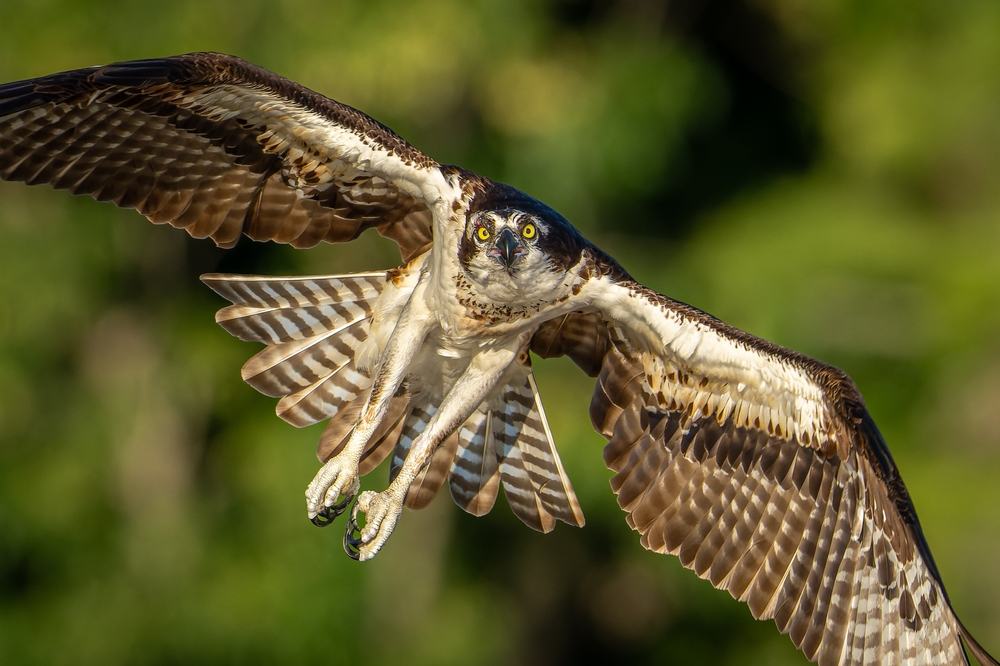
This striking fish-eating bird of prey has been increasingly spotted in Snowdonia during migration. It is recognized by its white underparts and dark eye stripe.

Stonechat
This small, perching bird is often seen on gorse bushes and heathlands. It has a distinctive call that sounds like two stones being tapped together, which gave it its name.

Dipper
Found near fast-flowing streams and rivers, the dipper is a small, plump bird known for its ability to dive underwater to catch aquatic insects and small fish.

Meadow Pipit
A common bird in Snowdonia’s grasslands and moorlands, the meadow pipit is a small, streaky bird often seen fluttering up and down in display flights. It plays an essential role as a prey species for many raptors in the park.