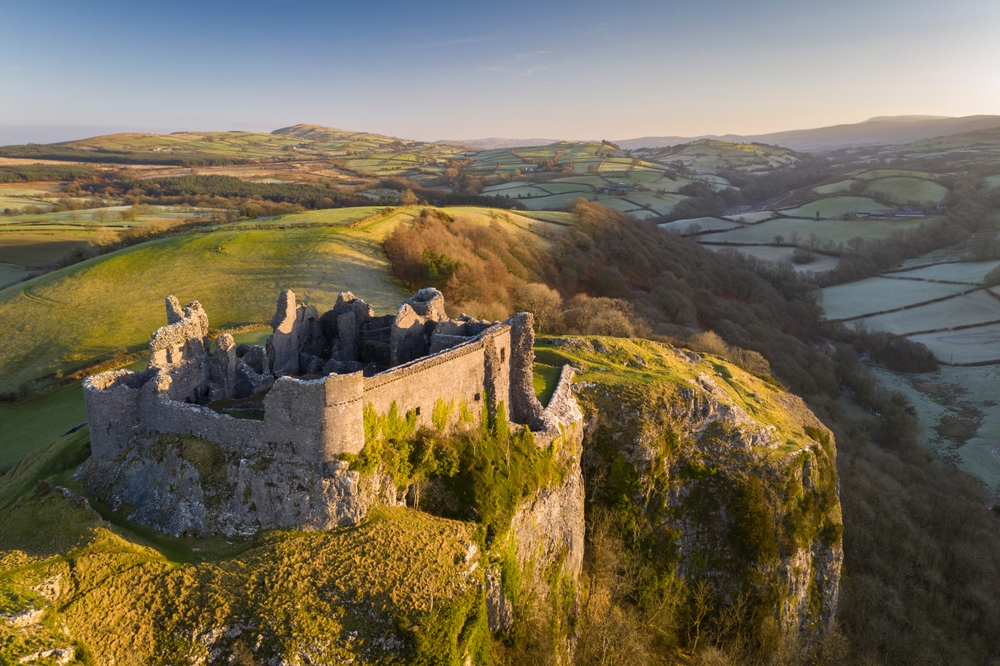
About

Brecon Beacons National Park, known locally in Welsh as “Parc Cenedlaethol Bannau Brycheiniog,” is located in southern Wales in the United Kingdom. The park covers approximately 520 square miles (1,344 sq km) and protects some of the most spectacular mountain, moorland, forest, and river landscapes in Wales.

Established in 1957, it was one of the first national parks designated in the United Kingdom. The park stretches across the counties of Powys, Carmarthenshire, Monmouthshire, and Blaenau Gwent, encompassing several distinct mountain ranges and diverse ecosystems. Situated west of Hereford and north of Cardiff, the park is renowned for its natural beauty, outdoor recreation opportunities, and rich cultural heritage. In recent years, the park has increasingly emphasized its Welsh name, Bannau Brycheiniog, which reflects its deep connection to Welsh history and identity.

Brecon Beacons National Park is best known for its dramatic mountain scenery, waterfalls, and extensive hiking opportunities. Visitors are drawn to iconic peaks such as Pen y Fan, the highest mountain in southern Britain, which offers panoramic views across Wales and neighboring regions. The park provides outstanding opportunities for hiking, mountain biking, horseback riding, rock climbing, canoeing, and wildlife observation.

One of its most popular attractions is Waterfall Country, a region where rivers cascade through forested valleys and limestone gorges. The park is also internationally recognized as an International Dark Sky Reserve, making it one of the finest locations in the United Kingdom for stargazing and astronomical observation.

The geography of Brecon Beacons National Park is characterized by rolling mountains, upland plateaus, river valleys, forests, and cave systems. The park encompasses four major mountain ranges: the Brecon Beacons, Black Mountains, Black Mountain, and Fforest Fawr. Elevations rise from lowland valleys to windswept summits exceeding 2,900 feet (886 meters).

Rivers such as the Usk, Wye, and Tawe originate within the park and contribute to its ecological diversity. Limestone formations have created extensive cave networks, sinkholes, and underground streams that are among the most significant in Britain. The varied landscape supports a rich mosaic of habitats ranging from heathlands and peat bogs to woodlands and grasslands.

Wildlife within Brecon Beacons National Park reflects the diversity of its habitats. Mammals include otters, badgers, foxes, red deer, and several bat species that utilize the park’s caves and forests. Birdlife is particularly notable, with species such as red kites, peregrine falcons, ravens, buzzards, and skylarks regularly observed throughout the park.

The upland habitats support numerous specialized plants and insects adapted to mountain conditions, while wetlands and rivers provide habitat for amphibians, fish, and aquatic invertebrates. Seasonal wildflowers add color to meadows and grasslands, contributing to the park’s ecological richness and scenic appeal.

Brecon Beacons National Park plays a vital role in conserving Wales’s mountain ecosystems, watersheds, and cultural landscapes. The park protects important habitats, historic sites, traditional farming communities, and some of the United Kingdom’s most valued natural scenery.

Its conservation significance is often compared to Snowdonia National Park and Lake District National Park because of its ecological importance and recreational opportunities. However, Brecon Beacons’ combination of waterfalls, cave systems, dark skies, and sweeping mountain vistas gives it a distinctive character. Today, the park remains one of Wales’s most treasured protected areas, preserving a landscape where natural beauty, biodiversity, and cultural heritage continue to thrive.
Things to See

Popular

Popular

Brecon Beacons National Park, located in Wales, is known for its rugged landscapes, rolling hills, and diverse wildlife. The park is home to a variety of fascinating animal species, each uniquely adapted to thrive in its mix of moorlands, grasslands, and waterways.

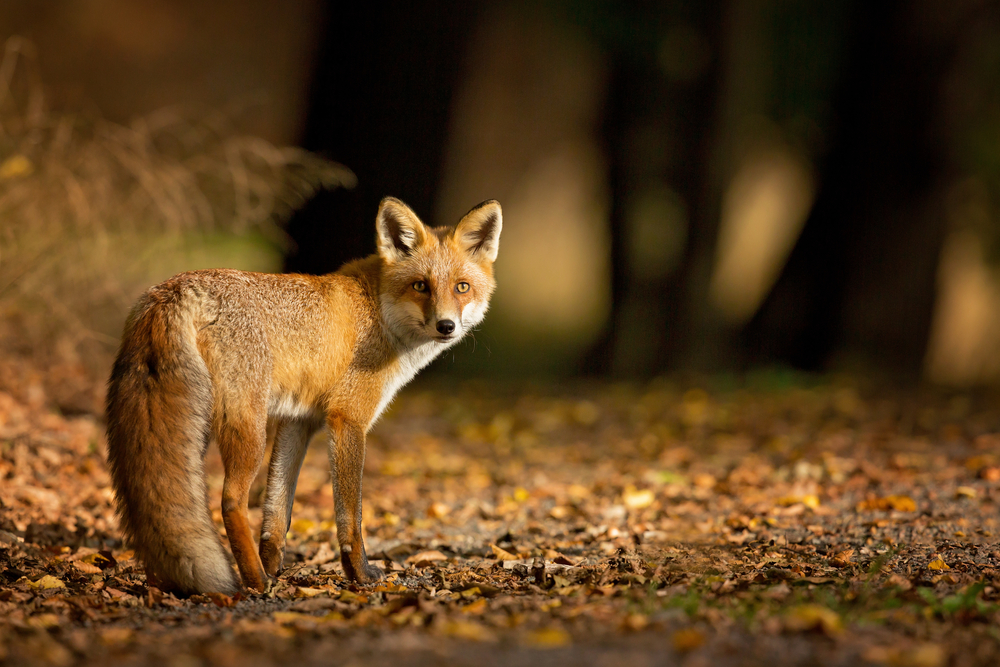
Red Fox
The red fox is a versatile predator found throughout the park. Known for its bright reddish fur and bushy tail, it is often seen at dusk or dawn, hunting for small mammals, insects, and birds.

European Otter
This elusive mammal thrives in the park’s rivers and wetlands. With a streamlined body and webbed feet, the European otter is an expert swimmer, feeding primarily on fish and crustaceans.

Badger
A nocturnal animal, the badger is recognized by its distinctive black-and-white-striped face. These social creatures live in burrows called setts, which they dig in the park’s wooded and grassy areas.

Stoat
The stoat is a small, agile carnivore often spotted darting through the moorlands. It has a distinctive long body and a black-tipped tail, preying on rabbits and rodents.

Fallow Deer
Fallow deer can sometimes be seen grazing in the park’s open areas. They are medium-sized with a spotted coat, particularly during the summer months, and are a popular sight for wildlife enthusiasts.

Common Frog
Brecon Beacons’ wetlands are home to the common frog, which is often seen near ponds and streams. These amphibians are vital for controlling insect populations in the park.

Adder
The adder is the only venomous snake native to the UK and is found basking on sunny rocks in the park. It has a distinctive zigzag pattern along its back and is generally non-aggressive unless threatened.

Pipistrelle Bat
These tiny bats are often seen fluttering in the twilight skies. Feeding on insects, the pipistrelle bat plays a crucial role in the park’s ecosystem by controlling pest populations.

Brown Hare
Known for its long ears and powerful hind legs, the brown hare inhabits the park’s grassy meadows. It is most often seen in the spring when it engages in “boxing” during mating season.

Polecat
The polecat, a member of the weasel family, is making a comeback in the park after years of decline. With its dark fur and pale face mask, this carnivore is an important predator of small mammals.

Birds

Birds

Brecon Beacons National Park also boasts a rich variety of bird species, attracting birdwatchers from around the world. The diverse habitats provide a haven for both resident and migratory birds.

Red Kite
This majestic bird of prey is a symbol of Wales. With its distinctive forked tail and reddish-brown plumage, the red kite can often be seen soaring high above the park’s valleys.

Buzzard
The buzzard is a common bird of prey in the park, known for its broad wings and slow, soaring flight. It is often seen perched on fences or trees, searching for small mammals.

Peregrine Falcon
The peregrine falcon is one of the fastest birds in the world. It nests on the park’s cliffs and is known for its incredible diving speed when hunting for birds in flight.

Raven
Ravens are large, intelligent birds with glossy black feathers and a deep, resonant call. They are often seen in pairs flying over the park’s rugged peaks.

Meadow Pipit
This small, brown bird is a common sight in the park’s open moorlands. Its song is often heard as it performs its fluttering display flight.

Wheatear
A migratory bird, the wheatear is known for its striking plumage, with a white rump and pale underparts. It is often seen hopping along rocky areas in the park.

Dipper
The dipper is a small, stout bird that frequents fast-flowing streams. It can often be spotted diving underwater to feed on aquatic insects and larvae.

Skylark
The skylark is famous for its melodious song, delivered while flying high above the grasslands. It is a symbol of the park’s open landscapes.

Kestrel
A small bird of prey, the kestrel is known for its ability to hover in place while searching for prey. It is often seen hunting over the park’s meadows.

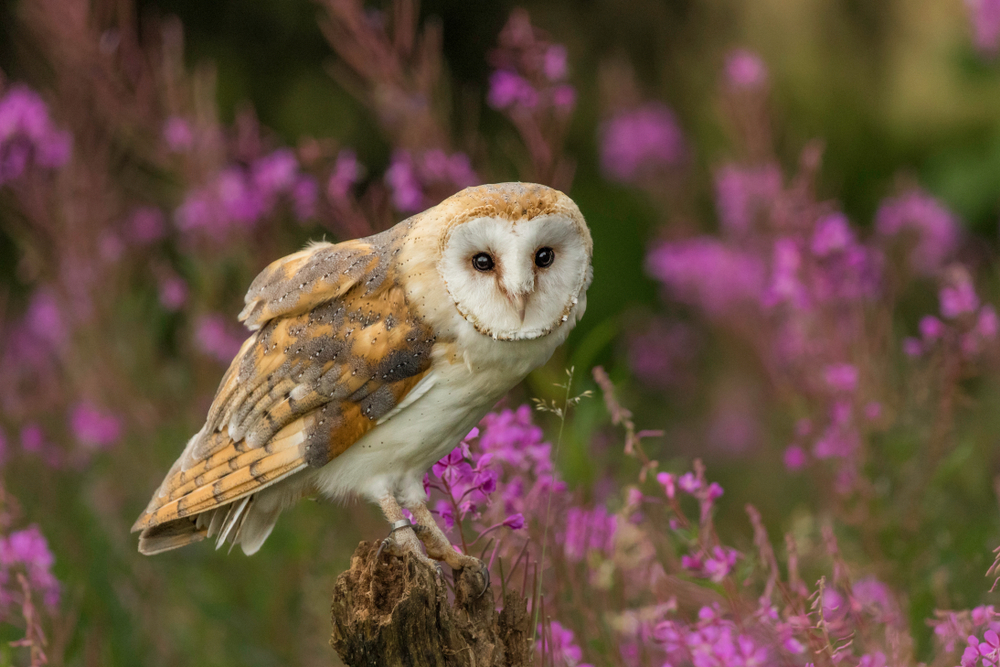
Barn Owl
The barn owl, with its ghostly white face and silent flight, is a nocturnal hunter. It is often spotted gliding over fields at dusk in search of small mammals.