


About
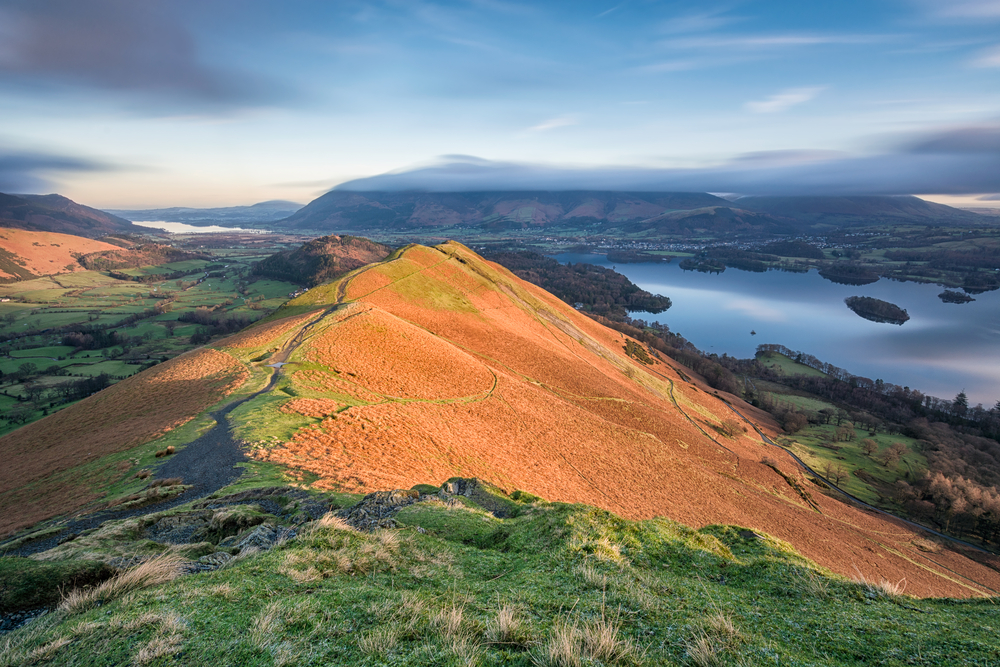
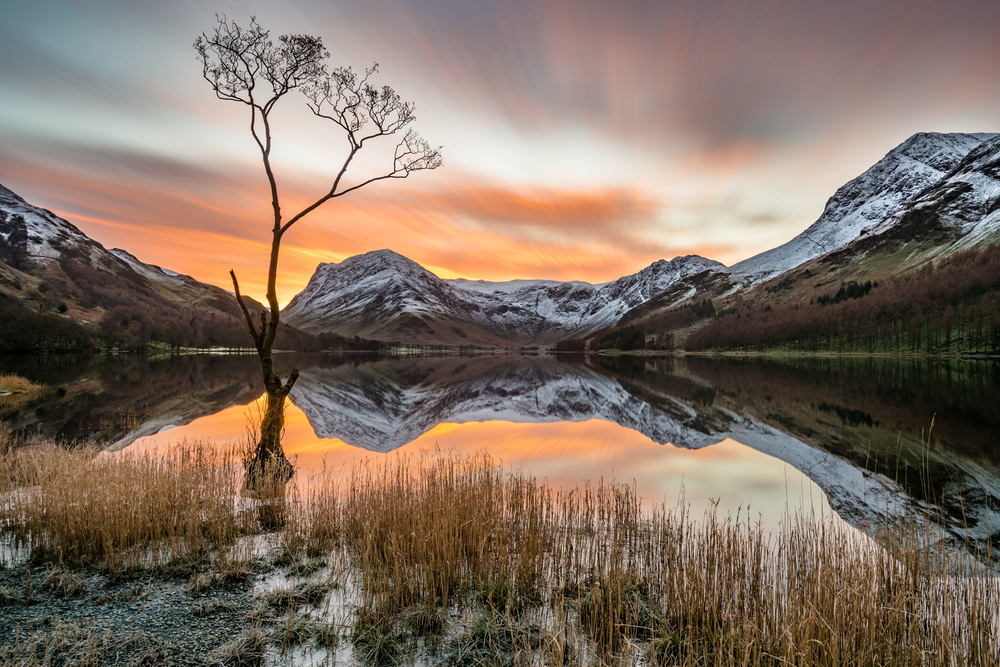
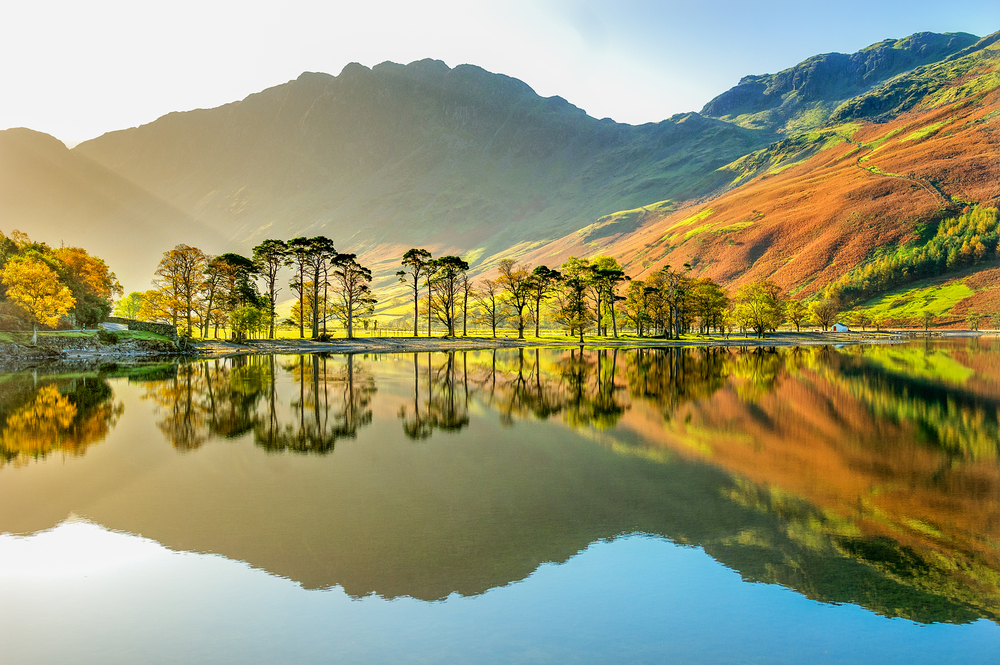
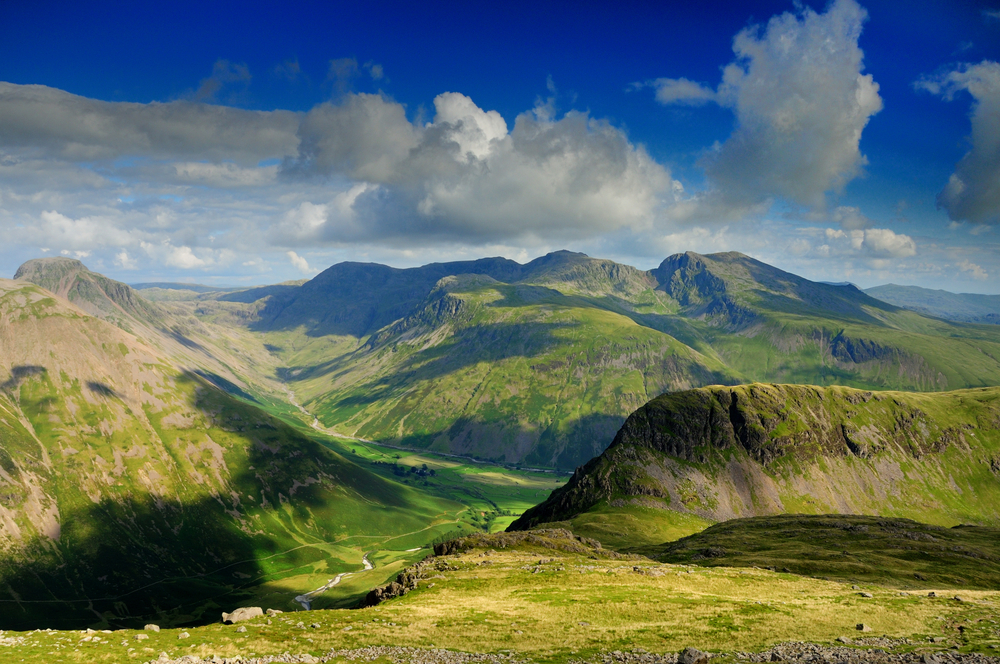
Lake District National Park, the park is located in Cumbria in northwestern England and is the largest national park in England. Covering approximately 912 square miles (2,362 sq km), the park protects a spectacular landscape of mountains, lakes, valleys, woodlands, and historic villages.
Established in 1951, the Lake District was one of the first national parks designated in the United Kingdom and has long been celebrated for its natural beauty and cultural significance. In 2017, the park was recognized as a UNESCO World Heritage Site for its unique cultural landscape shaped by centuries of farming and human interaction with the environment. Situated northwest of Manchester and south of the Scottish border, the Lake District remains one of the most visited and beloved protected areas in Europe.
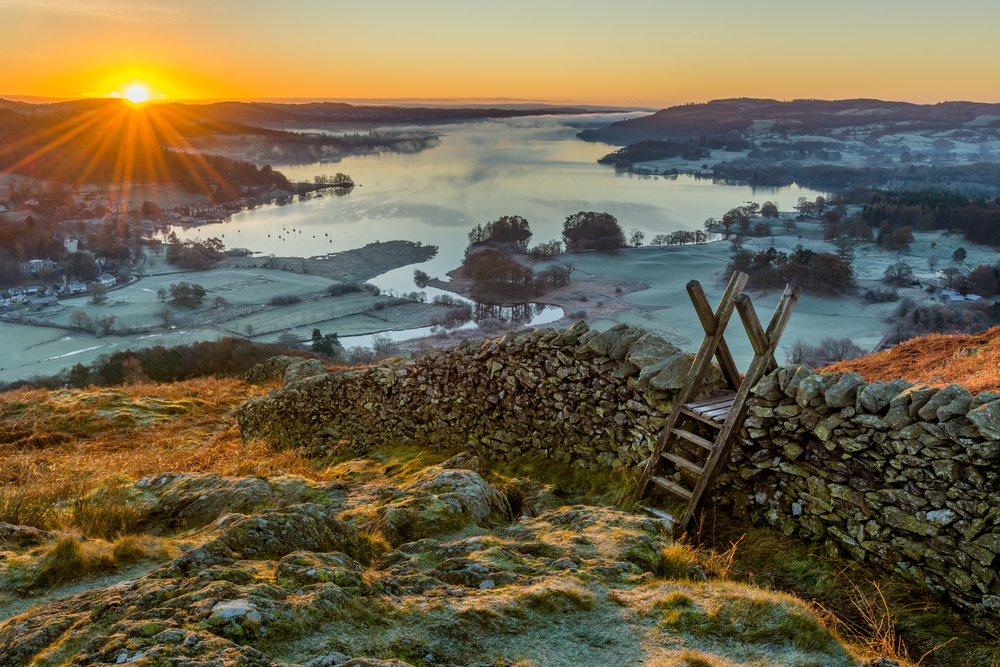
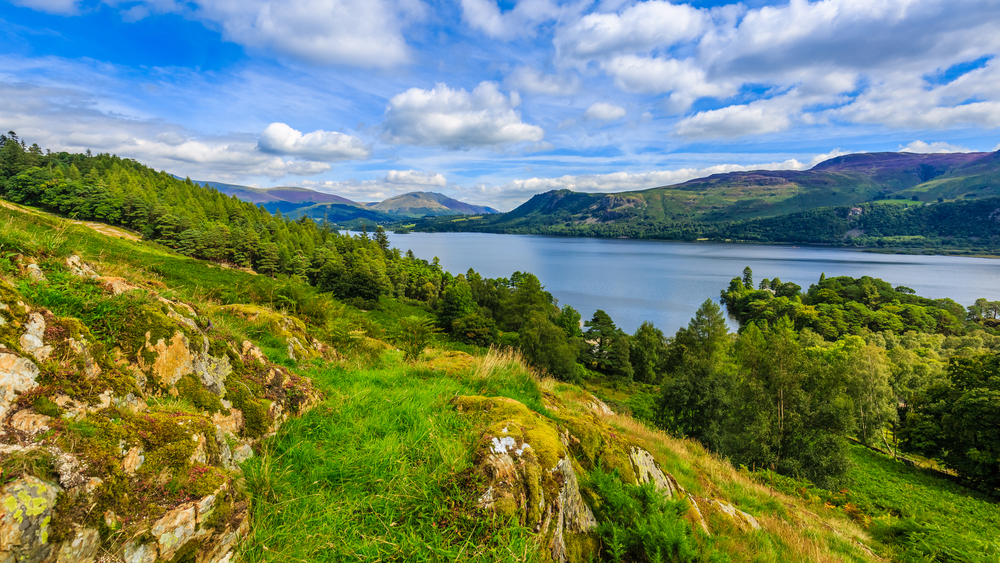
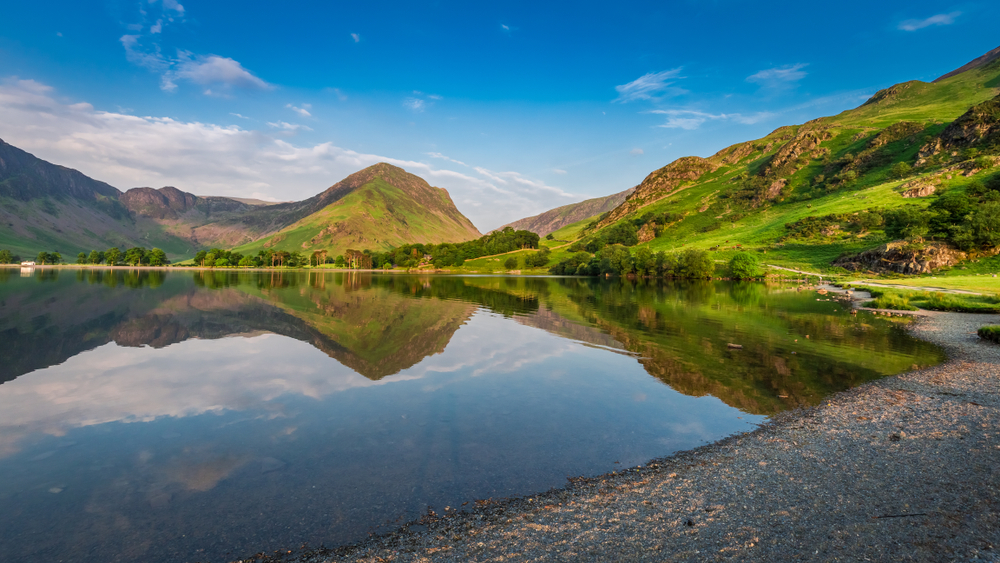
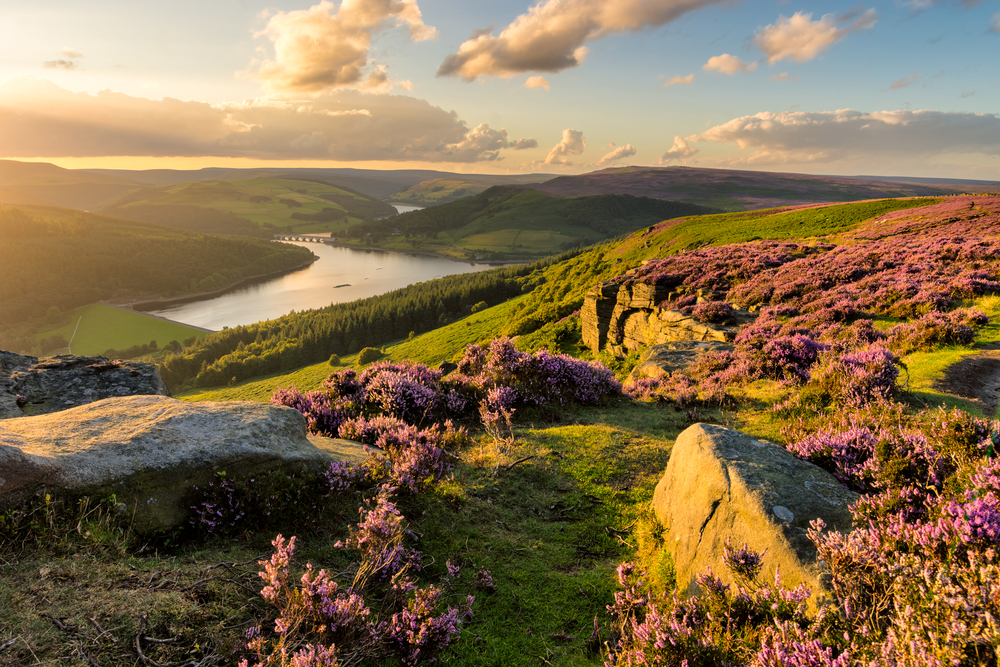
Lake District National Park is best known for its stunning lakes and dramatic mountain scenery. The park contains England’s largest natural lake, Windermere, as well as numerous other famous lakes including Ullswater, Derwentwater, Coniston Water, and Wast Water.
Visitors are drawn to the region’s breathtaking landscapes, extensive hiking trails, boating opportunities, and picturesque villages. The park is home to England’s highest mountain, Scafell Pike, which rises to 3,209 feet (978 meters) and attracts thousands of climbers each year. The combination of lakes, fells, waterfalls, and charming rural communities creates one of the most iconic landscapes in the United Kingdom.
The geography of Lake District National Park was shaped by volcanic activity and repeated glaciation during the Ice Age. Massive glaciers carved deep valleys and formed the long, narrow lakes that characterize the region today. The landscape includes rugged mountains, known locally as fells, broad valleys, rocky ridges, forests, rivers, and wetlands.
The central portion of the park contains the highest and most dramatic peaks, while lower elevations feature rolling farmland and ancient woodlands. The abundance of freshwater ecosystems contributes significantly to the park’s biodiversity and scenic appeal. Frequent rainfall helps sustain lush vegetation and supports the numerous rivers and waterfalls found throughout the region.
Wildlife within Lake District National Park reflects the diversity of its habitats. Mammals include red deer, roe deer, otters, badgers, red squirrels, and several bat species. The park is one of England’s most important strongholds for the native red squirrel, whose populations have declined elsewhere.
Birdlife is especially notable, with species such as peregrine falcons, ospreys, red kites, ravens, and golden eagles occasionally observed within the region. Lakes and rivers support fish populations including trout, salmon, and char, while woodlands and upland habitats provide refuge for numerous smaller birds, insects, and amphibians. The variety of ecosystems contributes to the park’s rich biodiversity.
Lake District National Park plays a vital role in conserving England’s natural and cultural heritage. The park protects important watersheds, mountain ecosystems, historic villages, and traditional farming landscapes that have shaped the region for centuries. It also holds a special place in literary history, having inspired renowned writers and poets including William Wordsworth, Beatrix Potter, and Samuel Taylor Coleridge.
Its conservation significance is often compared to Snowdonia National Park and Cairngorms National Park because of its ecological importance and iconic scenery. Today, Lake District National Park remains one of Britain’s most treasured landscapes, preserving a remarkable environment where mountains, lakes, wildlife, and cultural traditions continue to flourish.
Photos
Things to See
Lake District National Park Trails
The national park features cultivated and uncultivated land. Hiking in the cultivated areas is restricted to designated trails or footpaths. Around half of the park is cultivated. The other half of the park is uncultivated and random hiking is available for exploring the serenity of the landscapes. There are well over 500 trails for hiking and exploring the national park. The trails range from easy to difficult.

Park Protection
The national park was created to invest in the lakes and surrounding landscapes of the area. The intent of the park status is to prevent future development of the area keeping the pristine countryside stunning for future generations. Human encroachment and development is the greatest threat to the wilderness. The national park protects the longest lake, the tallest mountain, and the deepest lake in the country.
Sources
- All Trails, Best Trails in Lake District National Park, https://www.alltrails.com/parks/england/cumbria/lake-district-national-park, retrieved July 2020.
- Beautiful World, Lake District National Park, https://www.beautifulworld.com/europe/england/lake-district-national-park/, retrieved July 2020.
- Britannica, Lake District, https://www.britannica.com/place/Lake-District-region-and-national-park-England, retrieved July 2020.
- Lake District National Park, Government Site, https://www.lakedistrict.gov.uk/, retrieved July 2020.
- Lonely Planet, The Lake District, https://www.lonelyplanet.com/england/cumbria-and-the-lakes/lake-district, retrieved July 2020.
- National Trust, Climbing Scafell Pike, https://www.nationaltrust.org.uk/wasdale/features/climbing-scafell-pike, retrieved July 2020.
- Visit Cumbria, Lake District National Park, https://www.visitcumbria.com/lake-district/, retrieved July 2020.
- Wikipedia, Wast Water, https://en.wikipedia.org/wiki/Wast_Water, retrieved July 2020.
- Wikipedia, Windermere, https://en.wikipedia.org/wiki/Windermere, retrieved July 2020.