About

Katavi National Park is located in western Tanzania within the Katavi Region. The park covers approximately 1,737 square miles (4,500 sq km) and is surrounded by vast wilderness areas that include the nearby Ugalla River National Park and other protected ecosystems of western Tanzania.

Established in 1974, Katavi is one of Tanzania’s largest and most remote national parks. Its isolation has helped preserve an authentic wilderness character that is increasingly rare in Africa, making it one of the continent’s most rewarding destinations for travelers seeking an uncrowded safari experience.

Katavi National Park is best known for its extraordinary concentrations of wildlife during the dry season. While many of Tanzania’s famous parks attract large numbers of visitors, Katavi remains relatively untouched, offering a sense of exploration and solitude. The park’s seasonal floodplains become focal points for wildlife as water sources diminish.

Large herds of buffalo, elephants, zebras, and antelope gather around shrinking pools and rivers, creating dramatic wildlife spectacles. Visitors often witness predator-prey interactions and animal behavior that can be difficult to observe elsewhere. The park’s remote location enhances the feeling of experiencing Africa much as it existed centuries ago.

The geography of Katavi National Park is dominated by expansive floodplains, seasonal lakes, river systems, woodlands, and open grasslands. Two vast floodplains, the Katuma Plain and the Chada Plain, form the heart of the park. During the rainy season, these areas become lush wetlands that support abundant wildlife and birdlife.

As the dry season progresses, water retreats into isolated pools and channels, concentrating animals in remarkable numbers. Miombo woodlands cover much of the surrounding landscape, while riverine forests and grasslands provide additional habitat diversity. This seasonal transformation creates one of East Africa’s most dynamic and productive ecosystems.

Wildlife viewing in Katavi is exceptional. The park supports some of Tanzania’s largest buffalo herds, with thousands of animals gathering across the floodplains. Large populations of elephant, giraffe, zebra, impala, reedbuck, and topi are also found throughout the park. Predators include lion, leopard, cheetah, spotted hyena, and African wild dog.

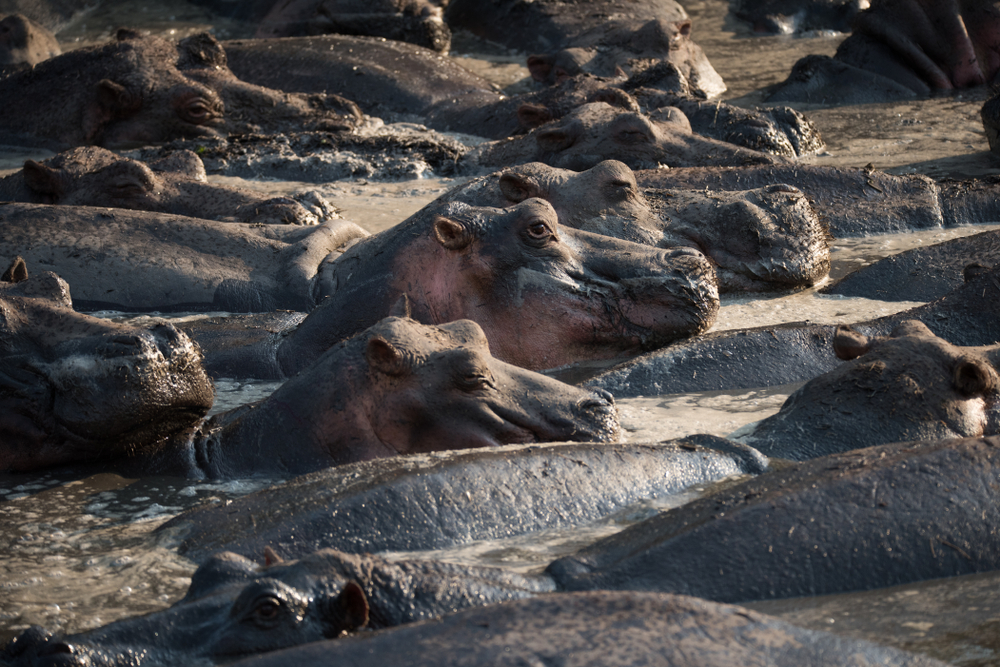
Katavi is particularly famous for its large concentrations of hippos and Nile crocodiles. During the dry season, hundreds of hippos may crowd into shrinking pools, creating dramatic displays of territorial behavior and competition. Birdlife is equally impressive, with fish eagles, storks, herons, kingfishers, bee-eaters, and numerous migratory species thriving in the park’s wetlands and woodlands.

Katavi National Park plays a critical role in conserving one of Africa’s last great wilderness ecosystems. The park protects vast floodplains, wetlands, and woodland habitats that support large mammal populations and important migration routes. Its relatively undisturbed landscapes allow natural ecological processes to continue with minimal human influence.

In many respects, Katavi can be compared to renowned wilderness parks such as South Luangwa National Park and Kafue National Park, where remote settings and abundant wildlife create extraordinary safari experiences. Yet Katavi remains uniquely Tanzanian, offering visitors a rare opportunity to witness nature on a grand scale while supporting the preservation of one of East Africa’s most remarkable protected areas.

Things to See

Predators

Katavi National Park, one of Tanzania’s most remote and untouched wilderness areas, is teeming with powerful predators that roam its sprawling plains and river systems.

African Lion
These dominant predators patrol Katavi’s open savannahs in prides, their roars reverberating across the plains as they hunt buffalo and zebra.

Leopard
Elusive and solitary, leopards navigate the park’s trees and thickets, waiting patiently to ambush unsuspecting antelope or smaller mammals.

Cheetah
With unmatched speed, the cheetah sprints across the open grasslands to bring down swift prey like impala and Thomson’s gazelle.

Spotted Hyena
Both skilled hunters and scavengers, spotted hyenas roam Katavi’s plains in clans, using teamwork to chase and wear down their prey.

Nile Crocodile
Massive Nile crocodiles lurk in Katavi’s riverbanks and oxbow lakes, ambushing animals as they come to drink.

Side-striped Jackal
These opportunistic predators hunt small mammals and insects, thriving in the park’s open grasslands and woodland edges.

Serval
With long legs and excellent hearing, servals pounce precisely on rodents, birds, and reptiles hiding in the tall grasses.

African Wild Dog
Highly endangered yet thriving in Katavi, African wild dogs work cooperatively in packs, chasing prey for long distances before striking.

Honey Badger
Fearless and persistent, the honey badger digs out prey like snakes, insects, and small mammals, undeterred by larger predators.

African Rock Python
This powerful constrictor remains concealed in water or underbrush, waiting to ambush mammals and birds with deadly precision.

Popular

Katavi National Park’s wide-ranging habitats support an abundance of herbivores and other iconic species, making it a thriving ecosystem for diverse wildlife.

African Elephant
Massive herds of elephants wander the park’s woodlands and floodplains, using their trunks to forage for grass, bark, and leaves.

Cape Buffalo
Cape buffalo thrive in large numbers across Katavi, grazing in herds and often gathering in huge concentrations near water sources.

Hippo
Katavi is renowned for its dense hippo pods, with these massive mammals crowding oxbow lakes and rivers, bellowing and wallowing.

Giraffe
The graceful giraffe is a constant presence, reaching high into acacia trees to feed on tender leaves in the savannah.

Zebra
With their striking black-and-white patterns, zebras graze alongside wildebeests, providing a picturesque sight on the park’s plains.

Topi
These reddish-brown antelope are common across Katavi’s grasslands, often seen standing alert on termite mounds to spot predators.

Impala
Agile and elegant, impalas gather in large herds to graze on grass, their incredible speed helping them evade predators.

Waterbuck
Waterbucks prefer wetlands and riversides, their shaggy coats and white rump rings making them easily recognizable.

Bushbuck
A solitary browser, the bushbuck inhabits Katavi’s dense woodland fringes, feeding quietly on leaves and shrubs.

Warthog
Warthogs dig for roots and tubers using their tusks, often seen sprinting with tails raised across the open plains.

Birds

Katavi National Park’s wetlands, grasslands, and woodlands provide a sanctuary for a dazzling array of resident and migratory bird species.

African Fish Eagle
With its piercing call and dramatic dives, the African fish eagle is a regal presence near Katavi’s rivers and lakes.

Grey Crowned Crane
Often seen in pairs or small flocks, the grey crowned crane dances elegantly in wetlands, its golden crest a sight to behold.

Yellow-billed Stork
The yellow-billed stork hunts in shallow waters, sweeping its bill back and forth to catch fish and small aquatic creatures.

Marabou Stork
This large scavenger thrives near water sources and carcasses, soaring high above the park with its expansive wingspan.

Lilac-breasted Roller
A flash of brilliant color, the lilac-breasted roller perches on branches before swooping to catch insects mid-air.

Helmeted Guineafowl
Foraging in flocks across the grasslands, helmeted guineafowl are easily identified by their spotted plumage and distinctive calls.

Secretary Bird
Stalking gracefully across the savannah, the secretary bird hunts snakes and small mammals, delivering fatal kicks with its long legs.

African Jacana
The African jacana, known for its oversized toes, walks elegantly across floating vegetation in search of food.

White-backed Vulture
These scavengers patrol the skies, descending quickly to feed on carcasses and play a critical role in the ecosystem.

Malachite Kingfisher
This small, brightly colored kingfisher hovers over water before diving swiftly to catch small fish and insects.

Things To Do

Engaging Katavi National Park

placeholder

Game Drives

Game drives in Katavi National Park offer an unparalleled experience in one of Tanzania’s most unspoiled wilderness areas. Visitors traverse open plains, wetlands, and riverbanks in 4×4 vehicles, encountering massive herds of buffalo, elephants, and zebras as well as apex predators like lions, leopards, and cheetahs.

The park’s remoteness ensures minimal crowds, allowing for private and immersive wildlife encounters. Early morning and late afternoon game drives provide the best opportunities to witness dramatic predator-prey interactions and observe animals gathering at watering holes.

With breathtaking scenery and exceptional wildlife density, game drives in Katavi deliver the quintessential safari adventure.

placeholder

Walking Safaris

For those seeking a more intimate and adventurous experience, guided walking safaris allow visitors to explore Katavi’s wilderness on foot. Accompanied by experienced rangers, walkers tread softly through savannahs, riverbanks, and woodlands, observing wildlife from a unique ground-level perspective.

Tracks, droppings, and sounds reveal the hidden stories of the bush, while encounters with animals like giraffes, elephants, or antelopes provide thrilling moments. The stillness of the park immerses visitors in its wild ambiance, with bird calls and rustling grasses enhancing the experience.

Walking safaris offer an unmatched opportunity to connect deeply with nature while discovering the finer details of Katavi’s pristine landscapes.

placeholder

Boat Safaris

The Katuma River and its adjoining oxbow lakes are iconic features of Katavi, attracting dense concentrations of hippos and crocodiles. Visitors can take guided boat safaris or observe from riverbanks, where hippos crowd together in enormous pods, bellowing and jostling for territory.

Nile crocodiles, some of the largest in Africa, bask motionless along the muddy banks or stealthily patrol the water for prey. Birdlife flourishes along the river, with fish eagles, kingfishers, and jacanas adding splashes of color.

This activity provides a captivating and unique opportunity to witness aquatic wildlife and the raw beauty of Katavi’s waterways.