About

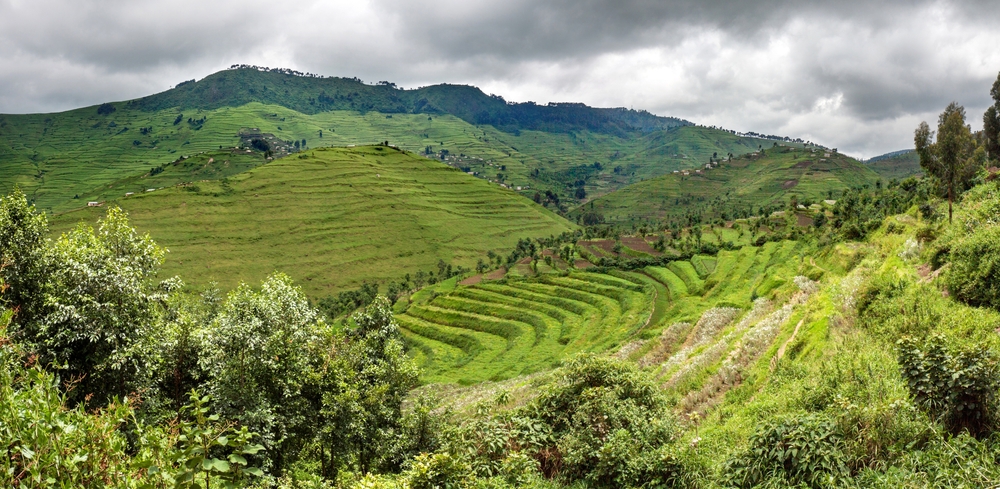
Gishwati-Mukura National Park , known locally as Parc National de Gishwati-Mukura in French and Pariki y’Igihugu ya Gishwati-Mukura in Kinyarwanda, is located in western Rwanda along the crest of the Congo-Nile Divide. The park covers approximately 14 square miles (36 sq km) and consists of two separate forest blocks: Gishwati Forest and Mukura Forest.

Established in 2015, it is Rwanda’s newest national park and lies between Volcanoes National Park to the north and Nyungwe Forest National Park to the south. Although small in size, the park protects an important remnant of the once-extensive montane forests that historically covered much of western Rwanda. Today, it serves as a vital refuge for wildlife and a symbol of the country’s commitment to ecological restoration.

Gishwati-Mukura National Park is best known for its successful forest restoration efforts and its growing populations of primates and birds. Much of the original forest was lost during the twentieth century due to agricultural expansion, logging, and human settlement. Conservation initiatives have helped restore large portions of the landscape, transforming the area into a thriving protected ecosystem.

Visitors are attracted by opportunities to observe chimpanzees, golden monkeys, and other primates while exploring scenic forest trails. The park offers guided nature walks, birdwatching excursions, and immersive rainforest experiences in a setting that remains relatively uncrowded compared to some of East Africa’s more famous protected areas.

The geography of Gishwati-Mukura National Park is characterized by steep hills, mountain ridges, valleys, and dense montane rainforest. Elevations range from approximately 6,000 to over 8,000 feet (1,800 to 2,500 meters), creating a cool and moist climate favorable for forest growth. The park forms part of the Congo-Nile watershed, an important hydrological divide that influences water systems flowing toward both the Atlantic and Mediterranean basins.

Vegetation consists primarily of montane rainforest interspersed with bamboo, shrubs, and regenerating forest habitats. Frequent rainfall supports lush plant communities that stabilize soils, protect watersheds, and provide habitat for a diverse array of wildlife.

Wildlife within Gishwati-Mukura National Park continues to recover as restoration efforts expand. Chimpanzees are among the park’s most celebrated residents, while other primates include golden monkeys, L’Hoest’s monkeys, blue monkeys, and black-and-white colobus monkeys. Small mammals, servals, and numerous forest-dwelling species also inhabit the park.

Birdlife is particularly impressive, with more than 230 recorded species, including several Albertine Rift endemics that are highly sought after by birdwatchers. Turacos, sunbirds, forest warblers, and colorful woodland species thrive within the park’s varied habitats. The combination of recovering forests and rich biodiversity makes the park an increasingly important destination for wildlife enthusiasts.

Gishwati-Mukura National Park plays a critical role in conserving one of Rwanda’s most threatened forest ecosystems. The park protects important habitat for primates, birds, and countless plant species while helping reconnect fragmented forest landscapes across western Rwanda. Its restoration success demonstrates how degraded habitats can recover when given long-term protection and management.

The park’s conservation significance is often compared to other rainforest reserves such as Nyungwe Forest National Park and Kibale National Park, though its story of ecological recovery makes it uniquely inspiring. Today, Gishwati-Mukura National Park stands as a model of conservation and restoration, preserving biodiversity while offering visitors the opportunity to experience one of Rwanda’s newest and most promising natural treasures.

Things to See

Popular

Gishwati-Mukura National Park, nestled in Rwanda’s Western Province, is a sanctuary for a diverse array of wildlife, including several primate species, mammals, and a rich avian population.

Eastern chimpanzee: A highly intelligent primate known for its complex social structures, the Eastern chimpanzee inhabits the park’s dense forests.

Golden monkey: Endemic to the Albertine Rift, this primate is distinguished by its vibrant golden-orange fur and agile movements through the bamboo thickets.

L’Hoest’s monkey: Characterized by its white beard and chestnut-colored back, L’Hoest’s monkey is often found in small, terrestrial groups within the park.

Blue monkey: Despite its name, this primate exhibits a grayish-blue coat and primarily dwells in the park’s upper canopy layers.

Black-and-white colobus monkey: With its striking black and white fur and long, flowing tail, this arboreal monkey is a common sight in Gishwati-Mukura’s treetops.

Serval: A medium-sized feline with distinctive spotted fur, the serval prowls the park’s grasslands and forest edges, hunting small mammals and birds.

African civet: Recognizable by its banded tail and musky scent, the African civet is a nocturnal mammal that forages on the forest floor.

Side-striped jackal: This adaptable canid, marked by a characteristic white stripe along its flanks, occupies the park’s open areas and woodlands.

Rwenzori sun squirrel: A small, agile rodent with a bushy tail, the Rwenzori sun squirrel is often observed scurrying among the park’s trees.

Eastern needle-clawed galago: Also known as a bushbaby, this nocturnal primate is noted for its large eyes and leaping abilities, navigating the forest at night.

Birds

The park is also a haven for avian enthusiasts, hosting a variety of bird species, including both resident and migratory birds.

Regal sunbird: A small, vibrantly colored bird with iridescent plumage, the regal sunbird flits among flowering plants, feeding on nectar.

Rwenzori turaco: Endemic to the Albertine Rift, this bird displays striking green and blue feathers and is often heard before seen due to its distinctive calls.

Grauer’s swamp warbler: A rare and elusive bird, Grauer’s swamp warbler inhabits the park’s wetland areas, characterized by its subtle plumage and melodic song.

Mountain yellow warbler: This small, insectivorous bird features bright yellow underparts and is commonly found in the park’s montane forests.

Strange weaver: Known for its unique nesting habits, the strange weaver constructs intricate nests suspended from tree branches.

Albertine owlet: A diminutive and seldom-seen owl species, the Albertine owlet resides in the dense forest canopy, emerging at dusk to hunt insects.

Dusky crimsonwing: With its muted red plumage, this small finch frequents the park’s undergrowth, foraging for seeds and insects.

Kivu ground thrush: A ground-dwelling bird with a melodious song, the Kivu ground thrush is often spotted rummaging through leaf litter.

Shelley’s crimsonwing: An elusive finch adorned with bright red feathers, Shelley’s crimsonwing inhabits the park’s bamboo zones.

Grauer’s broadbill: A critically endangered species, Grauer’s broadbill is distinguished by its stout bill and preference for high-altitude forests.

Things To Do

Engaging Gishwati-Mukura National Park

placeholder

Chimpanzee Tracking

Embark on an exhilarating journey through the park’s lush forests to observe the Eastern chimpanzees in their natural habitat. Accompanied by experienced guides, visitors trek along established trails, learning about the chimpanzees’ behaviors, social structures, and conservation status.

The experience offers a profound connection with these intelligent primates and insights into the efforts to protect them. The trek also provides opportunities to encounter other wildlife and appreciate the park’s rich biodiversity.

placeholder

Nature Walks

Explore the diverse ecosystems of Gishwati-Mukura National Park on guided nature walks. These excursions traverse various habitats, including montane forests, wetlands, and grasslands, allowing visitors to discover the park’s flora and fauna.

Knowledgeable guides share information about medicinal plants, animal tracking techniques, and the ecological significance of the park’s biodiversity. Walks can be tailored to different fitness levels and interests, making them accessible to a wide range of visitors.

placeholder

Birdwatching

With over 230 bird species recorded, Gishwati-Mukura National Park is a paradise for bird enthusiasts. Specialized bird-watching tours, led by expert ornithologists, take visitors to prime observation points where they can spot Albertine Rift endemics and other rare species.

The park’s varied habitats support a rich avian diversity, and early morning excursions offer the best opportunities to witness the vibrant birdlife. These tours not only provide visual delights but also educate participants about avian ecology and conservation.