

About
Nyungwe Forest National Park, known locally as Parc National de la Forêt de Nyungwe in French and Pariki y’Igihugu ya Nyungwe in Kinyarwanda, is located in southwestern Rwanda along the border with Burundi. The park covers approximately 390 square miles (1,019 sq km) and protects one of the largest remaining montane rainforests in Africa.
Established as a national park in 2004, Nyungwe forms part of the greater Albertine Rift ecosystem and is connected to important forest habitats extending into neighboring countries. The park lies south of Volcanoes National Park and serves as one of Rwanda’s most significant conservation areas. Its vast forests, rugged mountains, and exceptional biodiversity have earned it international recognition as one of Africa’s premier rainforest destinations.
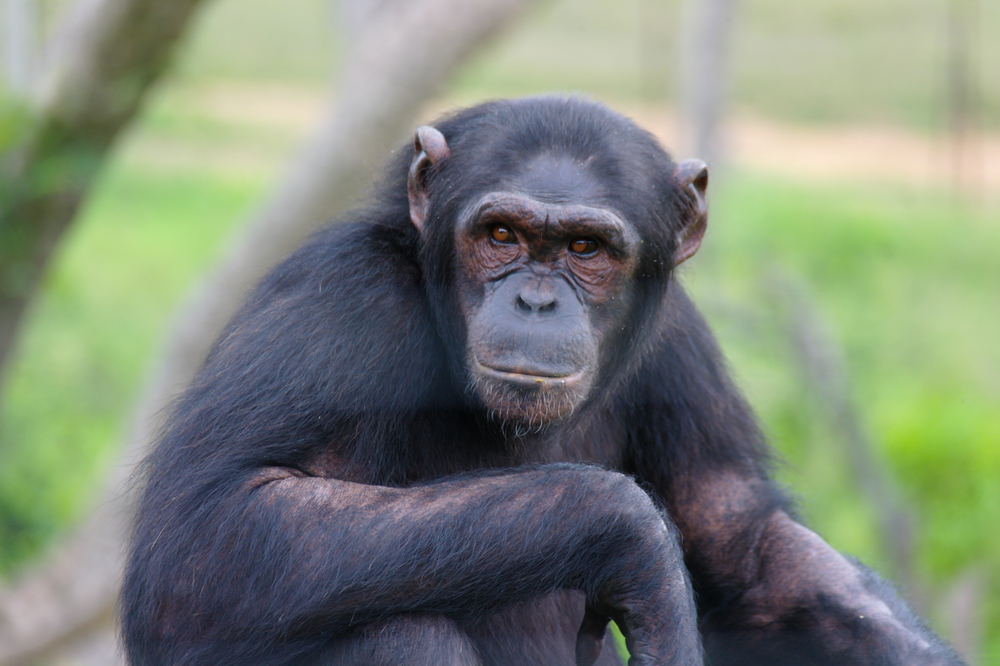
Nyungwe Forest National Park is best known for its remarkable primate populations, pristine rainforest, and extensive network of hiking trails. Visitors from around the world come to experience chimpanzee tracking, one of the park’s most popular activities. Guided treks provide opportunities to observe chimpanzees as they move through the forest canopy, forage, and interact within their social groups.
The park is also famous for its spectacular canopy walkway, a suspended bridge that offers breathtaking views above the treetops. Nature walks, birdwatching, waterfall hikes, and wildlife photography further enhance the visitor experience. The combination of adventure, biodiversity, and stunning scenery makes Nyungwe one of the most rewarding destinations in East Africa.
The geography of Nyungwe Forest National Park is characterized by steep mountains, deep valleys, rivers, waterfalls, and dense tropical rainforest. Elevations range from approximately 5,250 to more than 9,700 feet (1,600 to 2,950 meters), creating a variety of climatic zones and habitats. The forest serves as one of Rwanda’s most important watersheds and contributes to both the Nile and Congo River basins.
Vegetation includes montane rainforest, bamboo stands, swamps, and high-altitude grasslands. Frequent rainfall and mist create lush conditions that support extraordinary plant diversity. Ancient trees, dense undergrowth, orchids, ferns, and moss-covered vegetation contribute to the park’s enchanting atmosphere and ecological richness.
Wildlife within Nyungwe Forest National Park is exceptionally diverse. The park supports thirteen species of primates, including chimpanzees, Ruwenzori colobus monkeys, L’Hoest’s monkeys, owl-faced monkeys, and grey-cheeked mangabeys. Large troops of colobus monkeys are among the park’s most impressive wildlife spectacles. Mammals such as servals, civets, duikers, and numerous small forest species also inhabit the park.
Birdlife is particularly outstanding, with more than 320 recorded species, including numerous Albertine Rift endemics found nowhere else in the world. Turacos, sunbirds, hornbills, and colorful forest specialists attract birdwatchers from across the globe. The park’s rich biodiversity makes it one of the most important wildlife sanctuaries in Central and East Africa.
Nyungwe Forest National Park plays a critical role in protecting one of Africa’s oldest and most biologically important rainforests. The park safeguards endangered primates, rare birds, and thousands of plant species while preserving vital watersheds that support millions of people downstream.
Its conservation significance is often compared to renowned rainforest parks such as Kibale National Park and Bwindi Impenetrable National Park because of its exceptional biodiversity and importance for primate conservation. Today, Nyungwe Forest National Park stands as a cornerstone of Rwanda’s conservation success, protecting an irreplaceable ecosystem while offering visitors an extraordinary opportunity to experience one of Africa’s most magnificent rainforests.
Park Protection
Nyungwe Forest National Park was created to protect one of Africa’s oldest and most biologically diverse montane rainforests. The park provides critical habitat for numerous threatened and endangered species, including the eastern chimpanzee and the endangered golden cat. Nyungwe is internationally recognized for its exceptional primate diversity, supporting 13 species of primates, including the Rwenzori colobus, L’Hoest’s monkey, owl-faced monkey, and grey-cheeked mangabey. The park also protects more than 300 bird species, many of which are endemic to the Albertine Rift, one of Africa’s most important biodiversity hotspots.
The park is especially significant for preserving one of the largest remaining montane forests in Central and East Africa and serving as a vital watershed for both the Congo and Nile River systems. Its ancient rainforest supports hundreds of orchid species, rare plants, and numerous endemic animals found in few other places on Earth. Together, Nyungwe Forest National Park safeguards endangered primates, Albertine Rift endemic species, critical freshwater resources, and one of Africa’s most important and ancient rainforest ecosystems.
FAQ’s
What is the main reason people visit Nyungwe Forest National Park?
Nyungwe Forest National Park is primarily visited for its pristine montane rainforest, chimpanzee trekking, exceptional biodiversity, canopy walk, and world-class birdwatching. Located in southwestern Rwanda along the border with Burundi, the park protects approximately 390 square miles (1,019 square kilometers) of one of Africa’s oldest rainforests.
Visitors come to observe chimpanzees and other primates, hike through ancient forests, walk above the canopy, and experience one of the most biologically diverse ecosystems in Central Africa.
What animals can visitors hope to see in Nyungwe Forest National Park?
Nyungwe Forest National Park supports more than 85 mammal species and is one of Africa’s most important primate conservation areas.
Some of the most notable animals found in Nyungwe Forest National Park include:
- Eastern Chimpanzee
- Ruwenzori Colobus Monkey
- Angola Colobus Monkey
- L’Hoest’s Monkey
- Owl-faced Monkey
- Blue Monkey
- Vervet Monkey
- Dent’s Mona Monkey
- Grey-cheeked Mangabey
- Olive Baboon
- Red-tailed Monkey
- Silver Monkey
- Golden Monkey (occasional)
- Hamlyn’s Monkey
- Potto
- African Palm Civet
- African Civet
- Large-spotted Genet
- Serval
- African Golden Cat
- African Wildcat
- Side-striped Jackal
- Egyptian Mongoose
- Marsh Mongoose
- Slender Mongoose
- Honey Badger
- Tree Hyrax
- Giant Forest Hog
- Bushpig
- Bushbuck
- Black-fronted Duiker
- Red Duiker
- Yellow-backed Duiker
- African Clawless Otter
- Giant Pouched Rat
- Cane Rat
- Brush-tailed Porcupine
- African Dormouse Species
- Forest Squirrel Species
- Fruit Bat Species
- Horseshoe Bat Species
- Leaf-nosed Bat Species
- Pipistrelle Species
- Shrew Species
- Forest Mouse Species
- Chameleon Species
- Reed Frog Species
- Forest Toad Species
- Tree Frog Species
- Various Endemic Amphibians and Reptiles
What birds can visitors hope to see in Nyungwe Forest National Park?
Nyungwe Forest National Park is home to more than 320 bird species, including numerous Albertine Rift endemics. It is considered one of Africa’s premier birdwatching destinations.
Some of the most popular birds seen in Nyungwe Forest National Park include:
- Great Blue Turaco
- Rwenzori Turaco
- Red-collared Mountain Babbler
- Rockefeller’s Sunbird
- Purple-breasted Sunbird
- Regal Sunbird
- Blue-headed Sunbird
- Rwenzori Double-collared Sunbird
- Handsome Francolin
- Archer’s Robin-Chat
- White-starred Robin
- Red-throated Alethe
- White-eyed Slaty Flycatcher
- Grauer’s Warbler
- Mountain Yellow Warbler
- Red-faced Woodland Warbler
- Cinnamon Bracken Warbler
- Grauer’s Rush Warbler
- Strange Weaver
- Dusky Crimsonwing
- Stripe-breasted Tit
- Collared Apalis
- Mountain Masked Apalis
- Mountain Illadopsis
- African Hill Babbler
- White-browed Crombec
- Grauer’s Broadbill
- Bar-tailed Trogon
- Narina Trogon
- Ross’s Turaco
- Olive Pigeon
- African Green Pigeon
- Black-and-white Mannikin
- Mountain Oriole
- Yellow-eyed Black Flycatcher
- Chapin’s Flycatcher
- Equatorial Akalat
- Rwenzori Batis
- African Crowned Eagle
- Mountain Buzzard
- African Harrier-Hawk
- Augur Buzzard
- Verreaux’s Eagle
- African Wood Owl
- Rwenzori Nightjar
- African Black Swift
- Mountain Wagtail
- Thick-billed Seedeater
- Brown Woodland Warbler
- Shelley’s Crimsonwing
Is Nyungwe Forest National Park worth visiting?
Yes, Nyungwe Forest National Park is absolutely worth visiting and is widely regarded as one of Africa’s finest rainforest destinations.
The park offers exceptional primate viewing, chimpanzee trekking, canopy walks, world-class birdwatching, and ancient rainforest ecosystems. It is particularly attractive to visitors interested in wildlife, conservation, hiking, and biodiversity.
The primary hesitation is that wildlife viewing often involves hiking through dense forest rather than traditional safari game drives. However, the rainforest experience is unlike anything found in most African national parks.
What is the best time to visit Nyungwe Forest National Park?
Weather and Climate
The best time to visit Nyungwe Forest National Park is during Rwanda’s dry seasons:
- June through September
- December through February
Typical conditions include:
- Dry season: 50–75°F (10–24°C)
- Wet season: 50–72°F (10–22°C)
During the dry season:
- Trails are easier to navigate.
- Chimpanzee trekking conditions improve.
- Hiking is more comfortable.
- Birdwatching remains excellent.
- Canopy walks offer better visibility.
Rain is possible throughout the year because of the park’s rainforest environment.
How many days do you need to visit Nyungwe Forest National Park?
Recommended Length of Stay
Most visitors should plan for 2 to 4 days.
- 1 day: Chimpanzee trekking.
- 2 days: Chimpanzees and canopy walk.
- 3 days: Additional primate tracking and birdwatching.
- 4+ days: Comprehensive rainforest exploration.
Three days is ideal for most visitors.
How do you get to Nyungwe Forest National Park?
International Access
Nyungwe Forest National Park is located in southwestern Rwanda.
The primary international gateway is:
- Kigali International Airport
Most visitors:
- Fly into Kigali.
- Travel southwest by vehicle.
- Enter the park through designated visitor centers.
- Begin guided activities.
Driving from Kigali
The most common route is:
- Kigali to Nyungwe Forest National Park.
Travel time:
- Approximately 5–6 hours by road.
The route passes through some of Rwanda’s most scenic landscapes, including tea plantations and mountain villages.
Uwinka Visitor Center
The park’s primary visitor center is:
- Uwinka Visitor Center
This serves as the starting point for:
- Canopy walks.
- Hiking trails.
- Guided forest excursions.
- Educational programs.
Canopy Walkway
One of the park’s most famous attractions is:
- Nyungwe Canopy Walkway
Highlights include:
- Suspended bridge system.
- Views above the forest canopy.
- Wildlife observation opportunities.
- Spectacular photography.
Chimpanzee Trekking
The park is internationally known for:
- Chimpanzee trekking.
Visitors hike with guides to locate habituated chimpanzee groups and observe them in their natural habitat.
Gisakura Area
Another important access point is:
- Gisakura
Known for:
- Chimpanzee trekking.
- Forest trails.
- Birdwatching opportunities.
Travel Times
Typical travel times include:
- Kigali to Nyungwe: approximately 5–6 hours.
- Kigali to Uwinka: approximately 5 hours.
- Chimpanzee trekking excursions: typically 2–6 hours.
- Canopy walk excursions: approximately 2–3 hours.
Who is involved in protecting and supporting Nyungwe Forest National Park?
Conservation and Park Management
Several organizations help protect and support Nyungwe Forest National Park:
- Rwanda Development Board – manages Nyungwe National Park.
- African Parks – supports management and conservation efforts.
- Wildlife Conservation Society – has supported research and conservation programs.
- World Wide Fund for Nature – supports regional conservation initiatives.
- Local communities that participate in ecotourism and conservation programs.
Can you see gorillas in Nyungwe Forest National Park?
No. Mountain gorillas are found in Volcanoes National Park rather than Nyungwe Forest National Park. Nyungwe is best known for chimpanzees and other primates.
What makes Nyungwe Forest National Park unique?
Nyungwe Forest National Park is unique because it protects one of Africa’s oldest and most biodiverse rainforests. With more than a dozen primate species, hundreds of bird species, a world-famous canopy walkway, and one of East Africa’s largest chimpanzee populations, the park offers an extraordinary rainforest experience unlike traditional African safari destinations. Its combination of biodiversity, conservation importance, and immersive forest exploration makes it one of Rwanda’s most remarkable national parks.
Sources
Africa Parks, Nyungwe National Park, https://www.africanparks.org/the-parks/nyungwe, retrieved August 2024.
Britannica, Mountain Gorilla, https://www.britannica.com/animal/mountain-gorilla, retrieved August 2024
Park Site, Nyungwe Forest National Park, https://www.nyungweforestnationalpark.org/, retrieved August 2024.
Visit Nyungwe, Nyungwe National Park, https://visitnyungwe.org/, retrieved August 2024.
Visit Rwanda, Nyungwe Forest National Park, https://visitrwanda.com/destinations/nyungwe-national-park-2/, retrieved August 2024.