About

Zinave National Park, locally known as “Parque Nacional do Zinave,” is located in southeastern Mozambique within Inhambane Province. The park covers approximately 1,580 square miles (4,090 sq km) and protects a vast landscape of savannas, woodlands, wetlands, and river systems within the greater Save River ecosystem.

Established as a national park in 1973, Zinave suffered significant wildlife losses during years of regional conflict but has since become one of Africa’s most inspiring wildlife restoration projects. The park lies south of Gorongosa National Park and northeast of Limpopo National Park, forming an important component of Mozambique’s expanding network of protected areas. Today, Zinave is emerging as one of the country’s most promising conservation success stories.

Zinave National Park is best known for its ambitious wildlife reintroduction and ecosystem restoration efforts. Once home to abundant populations of large mammals, the park experienced dramatic declines during periods of instability. In recent years, extensive conservation initiatives have reintroduced key wildlife species and restored ecological processes across the landscape.

Visitors are attracted by the opportunity to witness the recovery of a major African ecosystem while enjoying authentic wilderness experiences far from crowded tourist destinations. Game drives, birdwatching, photography, and nature-based tourism provide opportunities to explore a landscape that is rapidly reclaiming its place among southern Africa’s important wildlife areas.

The geography of Zinave National Park is characterized by broad floodplains, open savannas, seasonal wetlands, river systems, and woodlands. The Save River and its tributaries influence much of the park’s ecology, providing vital water resources that sustain wildlife throughout the year.

The terrain is generally flat to gently rolling, with grasslands and woodland habitats extending across large portions of the protected area. Seasonal flooding creates productive wetland environments that support biodiversity and contribute to ecological resilience. Vegetation includes mopane woodlands, acacia savannas, riverine forests, and grass-covered plains that provide habitat for a wide variety of species.

Wildlife within Zinave National Park has increased significantly through ongoing restoration programs. Reintroduced and recovering populations include elephant, buffalo, zebra, wildebeest, giraffe, sable antelope, waterbuck, impala, and other herbivores. Predator populations are also being restored as ecological conditions improve. The park’s growing wildlife populations are helping reestablish natural predator-prey relationships and ecological balance across the landscape.

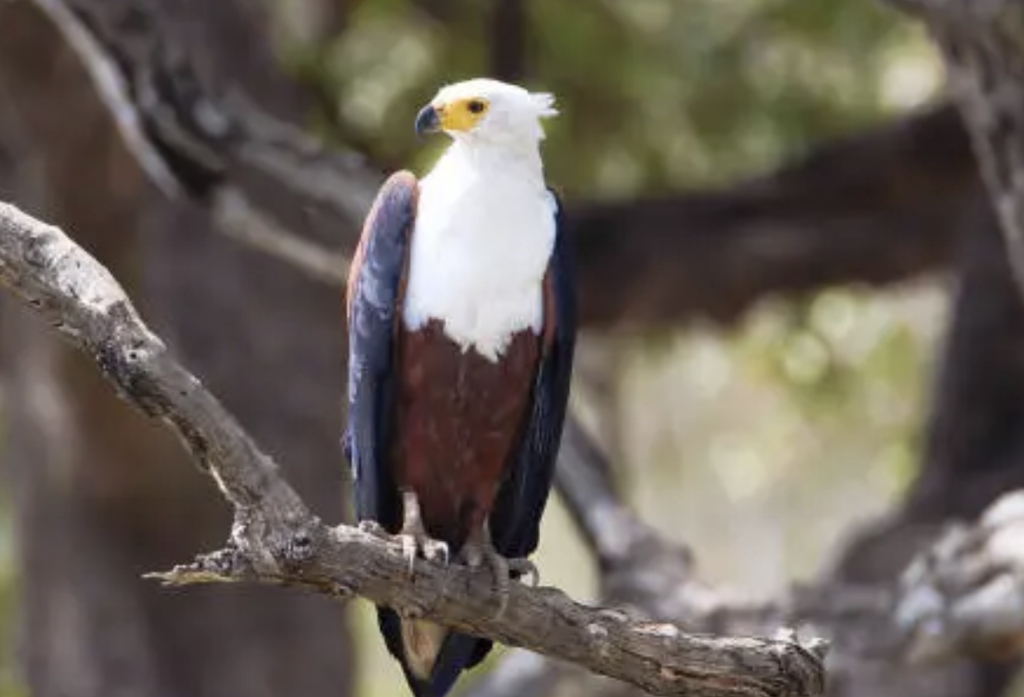
Birdlife is exceptionally diverse, with hundreds of species recorded throughout the park. African fish eagles, storks, herons, hornbills, bee-eaters, kingfishers, and numerous migratory birds thrive within the park’s wetlands, woodlands, and river systems. The increasing abundance of wildlife highlights the success of recent conservation efforts.

Zinave National Park plays a critical role in restoring biodiversity and protecting ecosystems within southeastern Mozambique. The park safeguards important wildlife habitats, supports ecological connectivity across the region, and demonstrates how long-term conservation investment can reverse decades of environmental decline.

Its restoration efforts are often compared to those of Gorongosa National Park, another celebrated example of large-scale ecological recovery. Together, these parks illustrate Mozambique’s growing leadership in wildlife conservation and habitat restoration. Today, Zinave National Park stands as a symbol of renewal and resilience, preserving an expanding wilderness where wildlife populations continue to recover and thrive.

Things to See
Popular

Popular

Zinave National Park, located in Mozambique, is part of the Great Limpopo Transfrontier Conservation Area. It features a variety of ecosystems, including savannahs, woodlands, and wetlands, which are home to an array of wildlife uniquely adapted to this diverse landscape.

African Elephant (Loxodonta africana)
The reintroduction of African elephants to Zinave has been a highlight of its restoration efforts. These majestic animals roam the park’s woodlands and grasslands, playing a vital role in shaping the environment by dispersing seeds and creating pathways for other species.

Lion (Panthera leo)
As apex predators, lions are a keystone species in the park. They hunt a variety of prey, including impalas, zebras, and buffalo, helping to maintain ecological balance in Zinave’s savannahs.

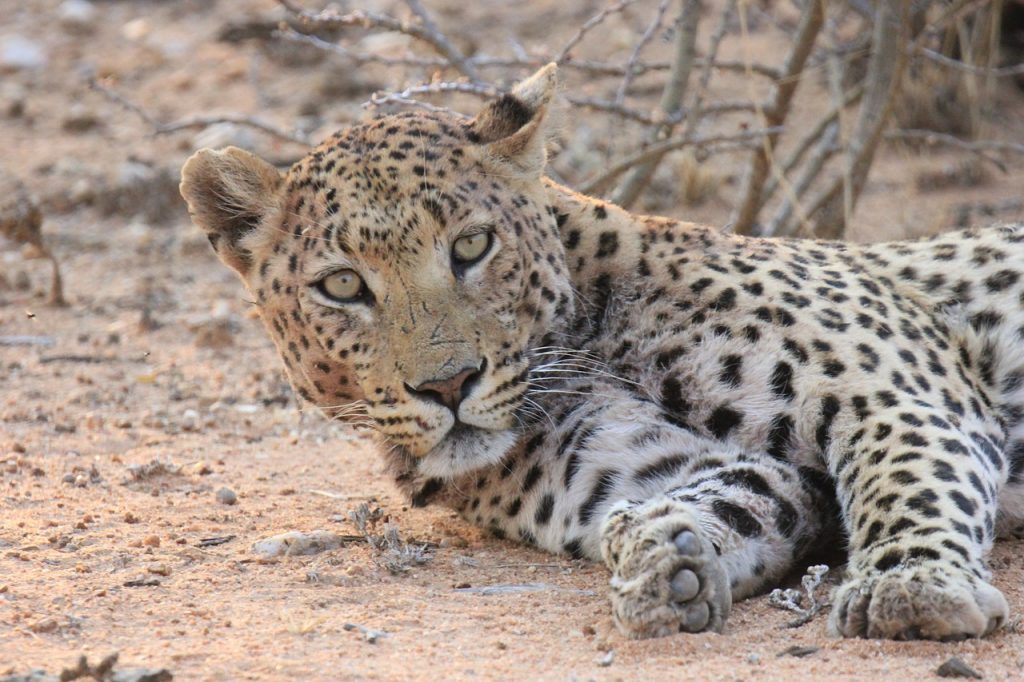
Leopard (Panthera pardus)
Elusive and solitary, leopards inhabit the park’s wooded areas and rocky outcrops. They are agile hunters, preying on antelope, warthogs, and smaller mammals.

Giraffe (Giraffa camelopardalis)
The reintroduction of giraffes has enhanced the park’s biodiversity. These towering herbivores feed on acacia leaves and other high vegetation, shaping the structure of Zinave’s woodlands.

Zebra (Equus quagga)
Zebras are common in Zinave’s grasslands, grazing on tough vegetation and serving as prey for predators like lions and leopards.

African Buffalo (Syncerus caffer)
Large herds of buffalo roam Zinave’s floodplains and grasslands. These formidable herbivores graze on grasses and reeds, contributing to vegetation management and serving as prey for lions.

Impala (Aepyceros melampus)
One of the park’s most abundant antelope species, impalas graze on grasses and browse shrubs. Their agility and speed help them evade predators.

Warthog (Phacochoerus africanus)
Warthogs forage for roots and tubers in Zinave’s grasslands and woodlands. Their burrows provide shelter for various other species, contributing to the park’s ecological health.

Waterbuck (Kobus ellipsiprymnus)
This semi-aquatic antelope thrives near Zinave’s wetlands and rivers. Its shaggy coat and preference for water-adjacent habitats make it a key grazer in these areas.

Spotted Hyena (Crocuta crocuta)
A scavenger and skilled hunter, the spotted hyena plays an essential role in nutrient recycling within Zinave. It preys on small mammals and scavenges carcasses, contributing to the park’s ecological balance.

Birds

Birds

Zinave National Park is a sanctuary for bird enthusiasts, with its mix of grasslands, wetlands, and woodlands providing habitats for a diverse array of avian species. The park is home to both resident and migratory birds, making it an important area for bird conservation.

African Fish Eagle (Haliaeetus vocifer)
Often seen perched near Zinave’s rivers and waterholes, this iconic raptor hunts fish and occasionally scavenges. Its call is a signature sound of the park.

Goliath Heron (Ardea goliath)
The largest heron in the world, this bird is commonly found in the park’s wetlands, where it hunts fish and amphibians with patience and precision.

Grey Crowned Crane (Balearica regulorum)
This elegant crane is a frequent sight in Zinave’s floodplains, feeding on seeds, insects, and small aquatic creatures.

Yellow-billed Stork (Mycteria ibis)
A striking resident of the park’s wetlands, this stork uses its long bill to catch fish and small invertebrates in shallow waters.

Southern Ground Hornbill (Bucorvus leadbeateri)
This large terrestrial bird forages in groups for insects, small mammals, and reptiles in Zinave’s open grasslands.

Helmeted Guineafowl (Numida meleagris)
Often seen in flocks, this ground-dwelling bird forages for seeds, insects, and small invertebrates in the park’s savannahs.

Secretary Bird (Sagittarius serpentarius)
Known for its unique hunting technique, the secretary bird stalks through the park’s grasslands, preying on snakes and small mammals.

Lilac-breasted Roller (Coracias caudatus)
This vibrantly colored bird is a favorite among birdwatchers and is often seen perching on branches, swooping down to catch insects.

Pied Kingfisher (Ceryle rudis)
A common sight near water, this bird hovers above before diving to catch fish, showcasing its precision hunting skills.

African Openbill (Anastomus lamelligerus)
This stork is named for the gap in its bill, which is specially adapted for feeding on mollusks in the park’s wetlands.

Things To Do

Engaging Zinave National Park

placeholder

Game Drives

Wildlife game drives are one of the most popular ways to explore Zinave National Park and experience its incredible biodiversity. Guided drives take visitors across diverse habitats, including savannahs, floodplains, and woodlands, offering opportunities to spot iconic wildlife such as elephants, lions, giraffes, and zebras.

Morning and evening game drives are particularly rewarding, as animals are most active during these cooler times of the day. Knowledgeable guides enhance the experience by sharing insights about the park’s ecosystems, animal behaviors, and the ongoing conservation efforts that have led to the reintroduction of several key species.

The game drives also provide stunning views of Zinave’s landscapes, with the chance to see dramatic sunrises or sunsets over the park’s plains. These drives combine excitement and education, making them a must-do activity for visitors seeking a close connection with nature.

placeholder

Walking Safaris

Walking safaris in Zinave National Park offer a more intimate and immersive experience of its wilderness. Led by experienced rangers, these guided walks take visitors through areas rich in wildlife and flora, providing an opportunity to observe smaller creatures and plants that might be overlooked during game drives.

The slow pace allows participants to notice details such as animal tracks, bird calls, and the interplay of various ecosystems. Rangers share fascinating insights about the park’s biodiversity and highlight the interconnectedness of its species.

Walking safaris often include encounters with species like impalas, warthogs, and waterbuck, as well as the occasional sighting of larger animals from a safe distance. These safaris provide a deeper appreciation for the park’s natural beauty and the intricate balance that sustains its ecosystem.

placeholder

Boat Tours

Zinave National Park’s wetlands and waterways are critical to its ecosystem and provide a unique way to engage with its wildlife. Visitors can explore these areas on guided boat tours or by visiting key wetland locations.

The floodplains are a haven for semi-aquatic species like hippos, crocodiles, and waterbuck, while also supporting abundant birdlife, including African fish eagles, goliath herons, and grey crowned cranes. Exploring these areas offers a serene and picturesque experience, with opportunities to witness the dynamic interplay of life around the water.

Many tours include educational elements, where guides explain the importance of wetlands for maintaining biodiversity and regulating the park’s hydrology. This activity is perfect for those seeking tranquility and a deeper connection to Zinave’s unique landscapes.