

About
Limpopo National Park, locally known as “Parque Nacional do Limpopo,” is located in southern Mozambique along the border with South Africa and Zimbabwe. The park covers approximately 4,200 square miles (10,900 sq km) and forms the Mozambican component of the vast Great Limpopo Transfrontier Park.
Established in 2001, the park was created to connect wildlife habitats across international boundaries and restore ecological processes that extend throughout the region. Limpopo National Park lies directly east of Kruger National Park and shares ecological links with Gonarezhou National Park. Together, these protected areas form one of Africa’s largest transboundary conservation landscapes, allowing wildlife to move freely across a vast and interconnected ecosystem.
Limpopo National Park is best known for its role in regional wildlife conservation and the restoration of wildlife populations across southern Africa. Following its establishment, numerous species were reintroduced or naturally expanded into the park from neighboring conservation areas. Visitors are attracted by opportunities to experience a wilderness landscape that remains less developed and less crowded than many traditional safari destinations.
Game drives, birdwatching, cultural experiences, wilderness exploration, and photography are among the most popular activities. The park offers a unique opportunity to witness an ecosystem in recovery while experiencing the natural beauty of one of Africa’s largest conservation initiatives.
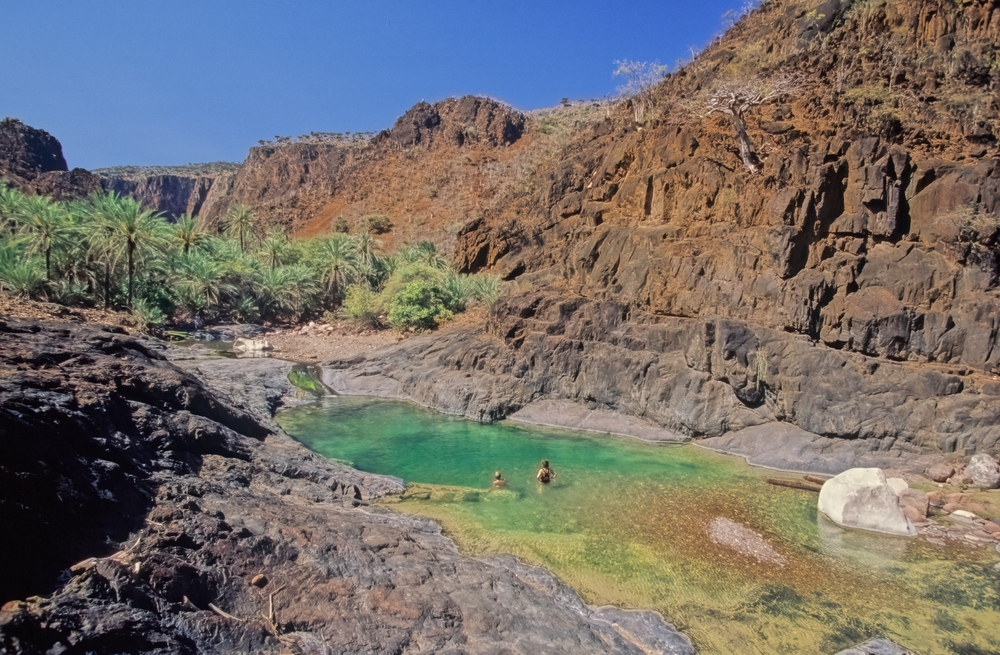
The geography of Limpopo National Park is characterized by broad river valleys, open savannas, woodlands, floodplains, and gently rolling hills. The Limpopo River forms part of the park’s southern boundary, while additional river systems and seasonal waterways provide important sources of water throughout the landscape.
The region experiences a semi-arid climate with seasonal rainfall that influences vegetation growth and wildlife movements. Habitats include mopane woodlands, acacia savannas, grasslands, riparian forests, and seasonal wetlands. These diverse ecosystems support a wide variety of species and contribute significantly to the ecological richness of the park.
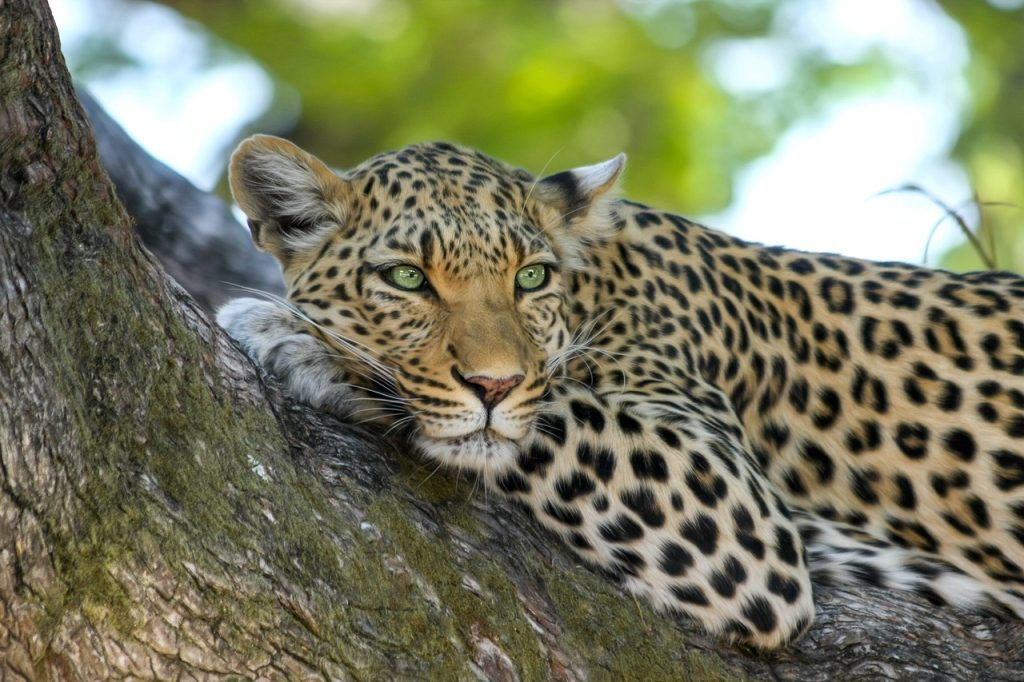
Wildlife within Limpopo National Park has increased steadily through conservation and restoration efforts. Large mammals include elephant, African buffalo, giraffe, zebra, wildebeest, kudu, impala, waterbuck, and several other antelope species. Predators such as lion, leopard, cheetah, spotted hyena, and African wild dog also occur within the park, although populations continue to develop as ecological restoration progresses. Hippopotamuses and crocodiles inhabit major waterways, while numerous smaller mammals contribute to the park’s biodiversity.
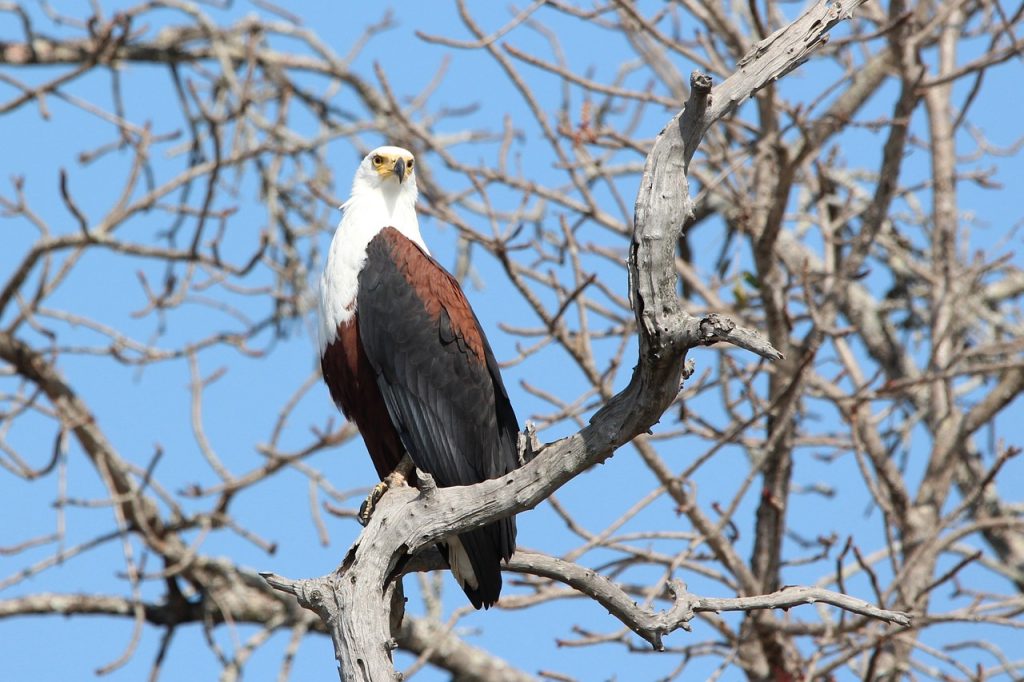
Birdlife is especially diverse, with more than 500 recorded species. Eagles, hornbills, kingfishers, bee-eaters, storks, and a wide variety of migratory birds thrive across the park’s varied habitats. The combination of recovering wildlife populations and expansive wilderness creates a rewarding safari experience.
Limpopo National Park plays a critical role in conserving one of Africa’s largest transboundary ecosystems. The park protects vital wildlife corridors, supports regional migration routes, and helps maintain ecological connectivity across Mozambique, South Africa, and Zimbabwe. Its conservation significance is closely tied to the broader Great Limpopo Transfrontier Park, which represents one of the continent’s most ambitious conservation collaborations.
Comparable in importance to large ecosystem-scale initiatives elsewhere in Africa, Limpopo National Park demonstrates how international cooperation can enhance biodiversity conservation and ecosystem resilience. Today, the park stands as a cornerstone of conservation in southern Africa, preserving wildlife, landscapes, and ecological processes across an extraordinary wilderness region.
Things to See
Things To Do
Engaging Limpopo National Park
