About

Podyjí National Park is located in southern Czechia along the border with Austria and covers approximately 24 square miles (63 sq km). Established in 1991, it is the smallest of the Czech Republic’s national parks but one of the most biologically diverse protected areas in Central Europe.

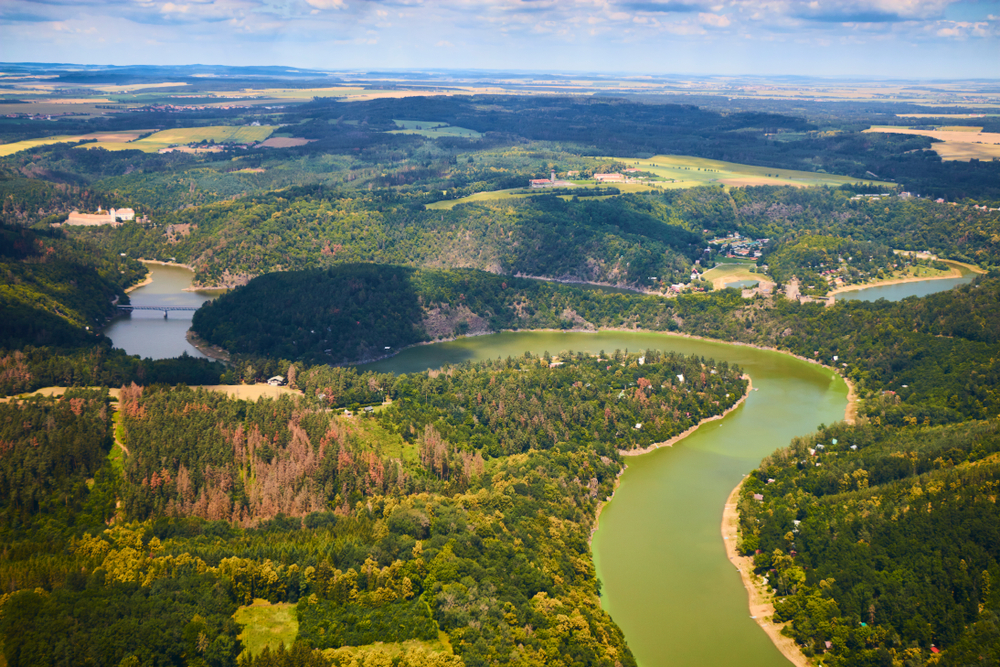
The park follows the winding valley of the Dyje River and adjoins Thayatal National Park, creating an important transboundary conservation area. Situated west of Brno, Podyjí National Park protects a remarkably well-preserved river canyon landscape characterized by steep forested slopes, rocky cliffs, meadows, vineyards, and diverse habitats. Despite its relatively small size, the park contains one of the richest concentrations of plant and animal species in the country.

Podyjí National Park is best known for its scenic river valley and exceptional biodiversity. Visitors are drawn to the park’s dramatic landscapes, where the Dyje River meanders through deep valleys surrounded by dense forests and rocky outcrops. Hiking, cycling, wildlife observation, birdwatching, photography, and nature education are among the most popular activities.

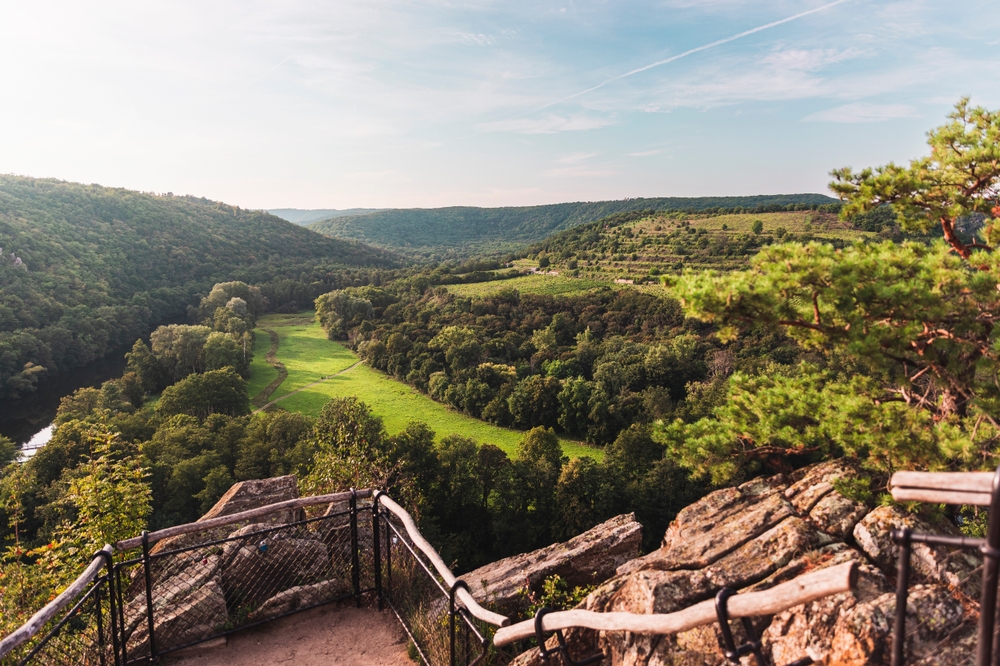
Numerous trails lead to panoramic viewpoints overlooking the river and surrounding countryside. The park is also known for its cultural heritage, including historic castles, traditional vineyards, and centuries-old settlements that reflect the region’s long history of human occupation. The combination of natural beauty and cultural significance makes Podyjí one of Czechia’s most distinctive protected areas.

The geography of Podyjí National Park is shaped by the Dyje River, which has carved a narrow canyon through ancient rock formations over thousands of years. The resulting landscape features steep slopes, rocky cliffs, river terraces, forested valleys, and open meadows. The park’s varied topography creates numerous microclimates that support a remarkable diversity of plant communities.

Vegetation includes oak and hornbeam forests, beech woodlands, grasslands, shrublands, and rare steppe habitats. South-facing slopes receive abundant sunlight and support species more commonly associated with warmer regions, while cooler forested valleys provide habitat for moisture-dependent plants and animals. This environmental diversity contributes significantly to the park’s ecological importance.

Wildlife within Podyjí National Park is exceptionally rich. More than seventy species of mammals have been recorded, including roe deer, red deer, wild boar, foxes, badgers, martens, and otters. Birdlife is particularly diverse, with black storks, kingfishers, eagle-owls, woodpeckers, and numerous migratory species inhabiting the river corridor and surrounding forests.

The park is also renowned for its insect diversity, including hundreds of butterfly species and other pollinators that thrive in the flower-rich meadows and grasslands. Reptiles, amphibians, and rare fish species further contribute to the ecological value of the protected area.

Podyjí National Park plays a vital role in protecting one of Central Europe’s most intact river valley ecosystems. The park safeguards rare habitats, supports numerous threatened species, and preserves ecological connectivity across the Czech-Austrian border. Conservation efforts focus on habitat restoration, invasive species management, sustainable tourism, and protecting the natural dynamics of the Dyje River ecosystem.

Podyjí is often compared to Thayatal National Park and Bohemian Switzerland National Park because of its scenic landscapes and biodiversity. However, its combination of a deeply incised river canyon, exceptional species richness, and cross-border conservation significance gives it a unique identity. Today, Podyjí National Park stands as one of Central Europe’s most important protected landscapes, preserving a remarkable environment where rivers, forests, wildlife, and cultural heritage continue to coexist in harmony.

Things to See
Popular Species

Popular Species

Podyjí National Park is known for its rich biodiversity, featuring a variety of species that thrive in its river valleys, forests, and meadows.

Red deer are commonly found grazing in the park’s meadows and forest edges, especially during early mornings and evenings, making them a popular sight for visitors.

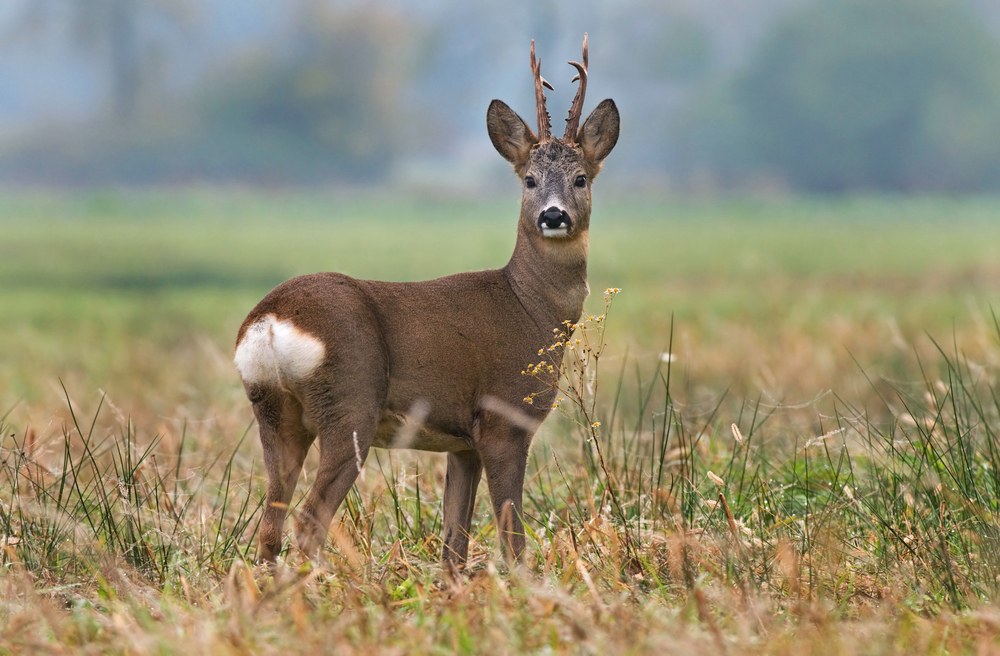
Roe deer are smaller and more elusive than red deer, often spotted in the park’s woodlands and open fields, grazing on grasses and leaves.

Wild boars roam the park’s forests, foraging for roots, acorns, and small animals, often leaving signs of their digging in the undergrowth.

European otters are active in the park’s rivers and streams, hunting for fish and small aquatic creatures, contributing to the park’s aquatic ecosystem.

Beavers are frequently seen near the park’s rivers, building dams and lodges that create new wetland habitats, essential for other wildlife.

Foxes are adaptable predators found throughout the park, hunting small mammals, birds, and insects, often seen in the early morning or late evening.

European hares are fast, agile herbivores found in the park’s meadows, grazing on grasses and using their speed to avoid predators.

Bats play a vital role in controlling insect populations, roosting in the park’s caves and trees and hunting at night.

Pine martens are agile carnivores found in the park’s forests, feeding on small mammals, birds, and fruits, often seen darting through the trees.

Badgers are nocturnal foragers that dig burrows in the park’s woodlands, feeding on insects, fruits, and small mammals.

Bird Species

Bird Species

Podyjí National Park is a haven for birdwatchers, with a diverse range of species thriving in its forests, meadows, and river habitats.

White storks are often seen in the park’s meadows and wetlands, hunting for small mammals, amphibians, and insects during their summer migration.

Black storks are more elusive than their white counterparts, nesting in the park’s remote areas and foraging for fish and amphibians along rivers and wetlands.

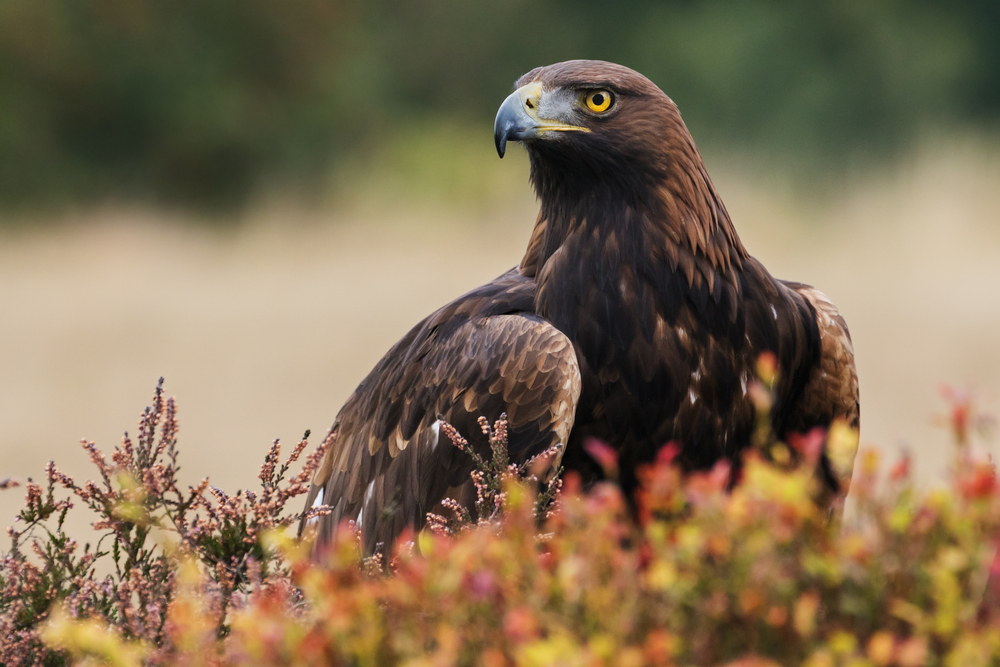
Golden eagles are powerful raptors that soar above the park’s cliffs and forests, hunting for small mammals and birds with their sharp talons.

Peregrine falcons are fast-flying predators that nest in the park’s cliffs, using their incredible speed to catch smaller birds mid-flight.

Common buzzards are frequently seen gliding above the park’s open areas and forests, using their keen eyesight to hunt for small mammals and birds.

Woodpeckers are abundant in the park’s forests, where they use their strong beaks to drill into trees in search of insects and create nesting sites.

Eurasian eagle-owls are the largest owls in the park, known for their haunting calls at night and their expert hunting skills in the dark.

Kingfishers are brightly colored birds often seen along the park’s rivers, diving swiftly into the water to catch fish and small aquatic creatures.

Barn owls are frequently found in the park’s meadows and open fields, hunting for small mammals and insects at dusk and during the night.

Grey herons are tall wading birds that frequent the park’s rivers and wetlands, using their long beaks to catch fish, amphibians, and small invertebrates.

Things To Do

Engaging Podyji National Park
Hiking

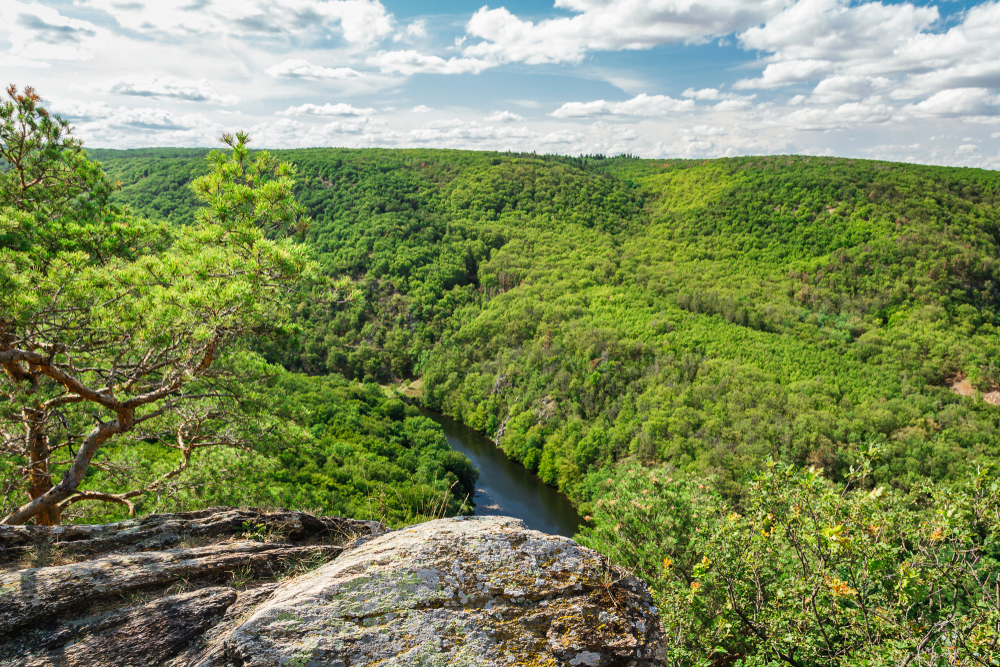
Hiking through Podyjí National Park offers visitors the chance to explore the stunning Dyje River Gorge. The well-marked trails wind along the river, leading through dense forests, steep cliffs, and scenic viewpoints. Visitors can enjoy breathtaking views of the meandering Dyje River and the park’s unique rock formations.

The varied terrain makes for a rewarding experience, with opportunities to observe local wildlife such as deer, otters, and numerous bird species along the way. The peaceful ambiance of the gorge makes it a perfect escape into nature.

placeholder

Cycling

Cycling is a popular way to explore Podyjí National Park, with several trails taking visitors through vineyards, rolling hills, and quaint villages.

The gentle terrain makes the park accessible for all cycling levels, and visitors can enjoy stops at local wine cellars, where they can sample regional wines.

Cycling allows for a relaxed and immersive experience, combining the natural beauty of the park with the cultural richness of its surrounding villages.

Exploring the Vineyard

One of the oldest and most renowned vineyards in the region, Šobes Vineyard is located within Podyjí National Park. Visitors can take a scenic walk through the vineyard, learning about traditional wine-making methods while enjoying the beautiful surroundings.

The vineyard offers wine tastings, allowing visitors to sample some of the finest local wines while overlooking the picturesque landscape. This experience combines nature, history, and local flavors, making it a must-do for wine lovers and cultural explorers alike.

Sources

Amazing Czechia, Podyji National Park, https://www.amazingczechia.com/destinations/podyji-national-park/, retrieved August 2024.

National Park Thayatal & Podyji, Podyji National Park, https://www.np-thayatal.at/en/pages/thayatal–podyji-national-parks-445.aspx, retrieved August 2024.

South Moravia, Podyji National Park, https://www.south-moravia.com/en/sights/o70477-podyji-national-park, retrieved August 2024.

Visit Czechia, Podyji National Park, https://www.visitczechia.com/en-us/things-to-do/places/nature/protected-areas-and-national-parks/c-podyji-national-park, retrieved August 2024.

Wikipedia, Podyji National Park, https://en.wikipedia.org/wiki/Podyj%C3%AD_National_Park, retrieved August 2024.