About
Kornati National Park, known as Nacionalni park Kornati in Croatian, is located in the central Adriatic Sea off the coast of Croatia near the city of Zadar. The park covers approximately 85 square miles (220 sq km), of which the vast majority is marine environment.
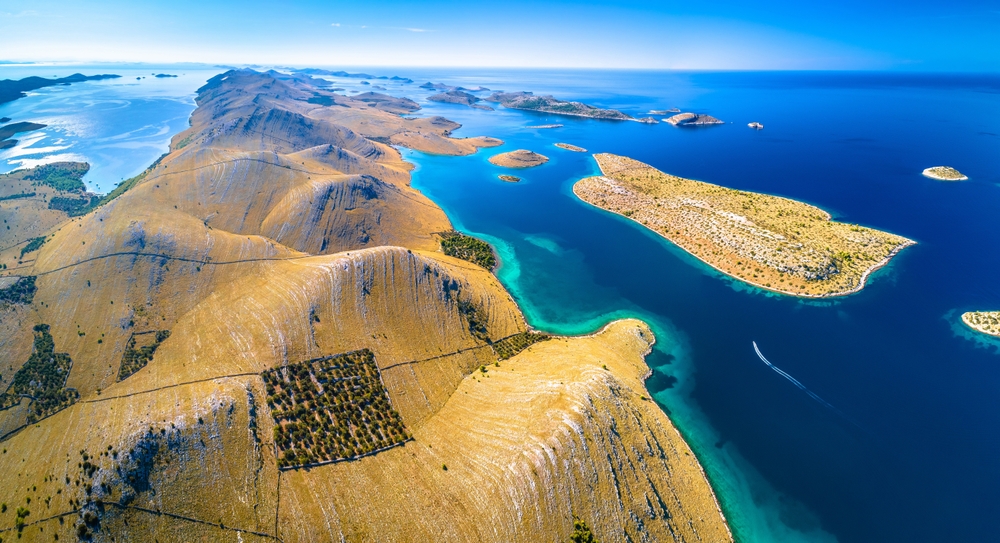
Established in 1980, Kornati National Park protects the most densely clustered island archipelago in the Mediterranean. The park encompasses 89 islands, islets, and reefs that form part of the larger Kornati Archipelago, creating one of Europe’s most extraordinary coastal landscapes. Situated northwest of Krka National Park and west of Paklenica National Park, the park preserves a unique blend of marine ecosystems, geological formations, and cultural heritage.
Kornati National Park is best known for its stunning collection of barren limestone islands scattered across crystal-clear Adriatic waters. Often described as a nautical paradise, the park attracts sailors, divers, kayakers, photographers, and nature enthusiasts from around the world. Visitors are drawn to dramatic coastal cliffs, secluded coves, turquoise bays, and pristine marine environments.
Unlike many national parks known for forests or large mammals, Kornati’s appeal lies in its striking seascapes and island wilderness. Boating is one of the primary ways to explore the park, allowing visitors to navigate through narrow channels and experience the beauty of one of the Mediterranean’s most unique island systems.
The geography of Kornati National Park is dominated by rugged karst limestone formations shaped by tectonic activity, erosion, and centuries of exposure to wind and sea. The islands are characterized by rocky terrain, sparse vegetation, steep slopes, and dramatic sea cliffs known locally as “crowns.”
Some of these cliffs rise more than 250 feet (75 meters) directly from the sea, creating spectacular coastal scenery. The surrounding waters are equally important, featuring underwater reefs, seagrass meadows, caves, and diverse marine habitats. The combination of terrestrial and marine geological features makes Kornati one of the most distinctive landscapes in the Adriatic region.
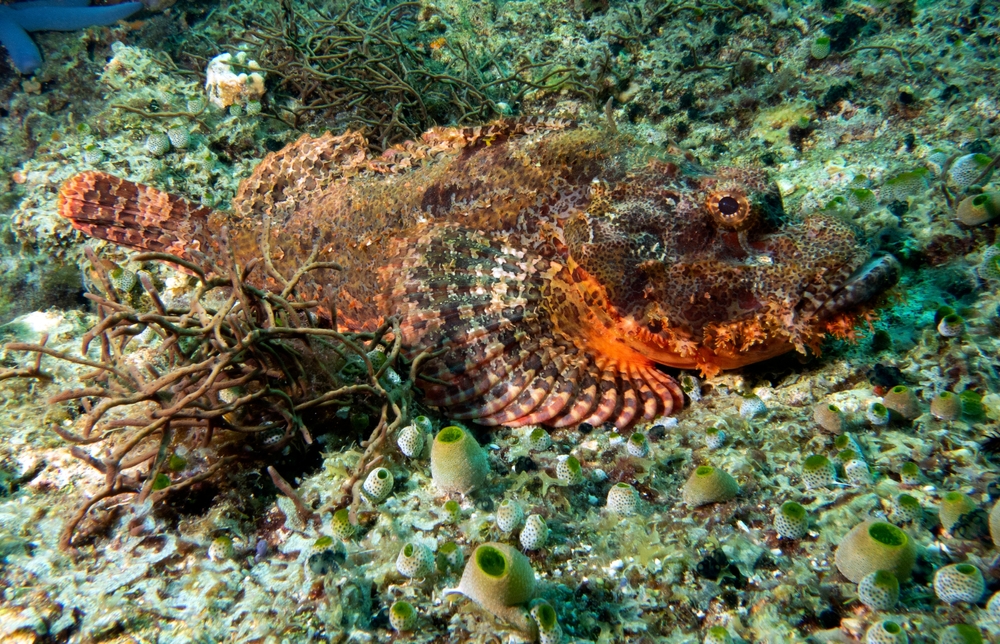
Wildlife within Kornati National Park is concentrated primarily in its marine ecosystems. The waters support hundreds of fish species, octopuses, crustaceans, mollusks, and colorful reef communities. Bottlenose dolphins are occasionally observed throughout the archipelago, while loggerhead sea turtles visit surrounding waters. Seagrass meadows provide essential habitat for numerous marine organisms and contribute to the health of the Adriatic ecosystem.
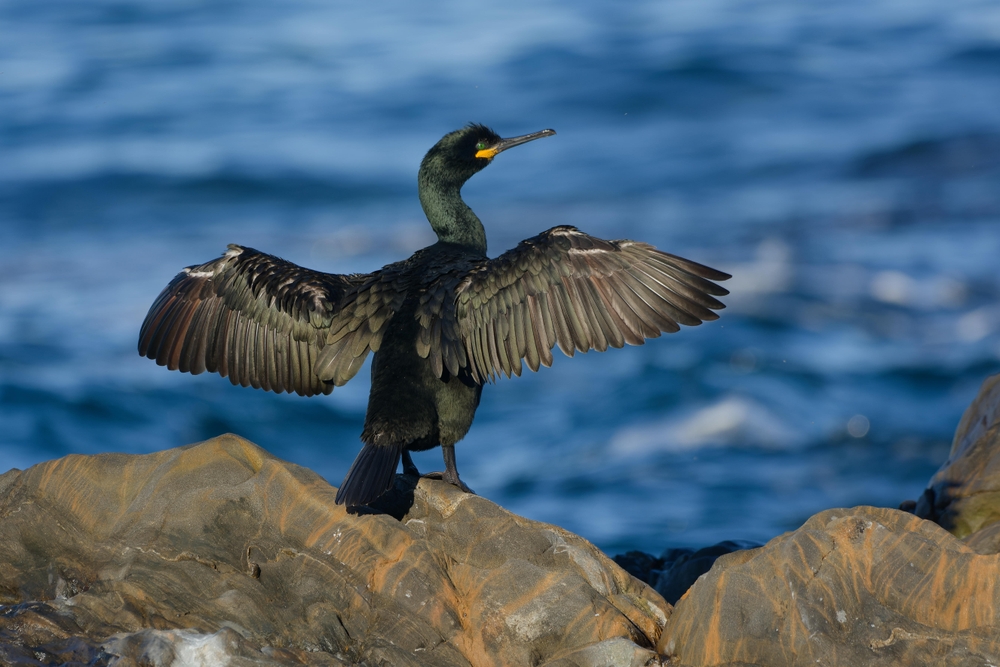
Birdlife is also significant, with gulls, cormorants, peregrine falcons, shearwaters, and various migratory seabirds utilizing the islands and surrounding waters. Although terrestrial wildlife is limited due to the rocky environment, the marine biodiversity of the park is among the richest in Croatia.
Kornati National Park plays a vital role in conserving one of the Mediterranean’s most important marine and island ecosystems. The park protects fragile coastal habitats, underwater communities, and geological features that are unique to the Adriatic Sea. Its conservation significance is often compared to marine protected areas such as Mljet National Park and Cabrera Archipelago National Park because of its exceptional marine biodiversity and island landscapes.
However, the sheer concentration of islands and dramatic limestone formations make Kornati unlike any other protected area in Europe. Today, Kornati National Park remains one of Croatia’s most treasured natural destinations, preserving an extraordinary maritime wilderness where sea, stone, and sky combine to create one of the Mediterranean’s most unforgettable landscapes.