About

Mljet National Park, locally known as “Nacionalni park Mljet,” is located on the western portion of Mljet, one of the southernmost islands in Croatia’s Adriatic Sea. The park covers approximately 21 square miles (54 sq km) of land and surrounding marine areas, protecting a unique combination of forests, saltwater lakes, coastal habitats, and cultural landmarks.

Established in 1960, Mljet National Park was Croatia’s first marine protected area and remains one of the country’s most distinctive national parks. Situated northwest of Dubrovnik, the park preserves much of the island’s natural beauty and is widely regarded as one of the most scenic destinations in the Adriatic region.

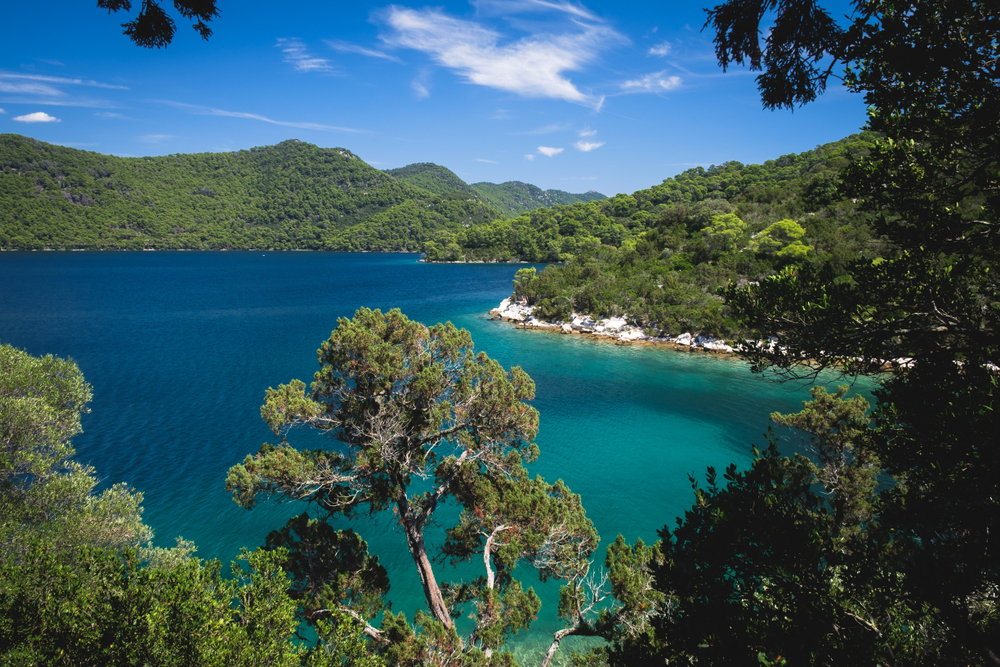
Mljet National Park is best known for its two interconnected saltwater lakes, Veliko Jezero (Great Lake) and Malo Jezero (Small Lake), which form the centerpiece of the park. Visitors are drawn to the tranquil waters, forested shorelines, and peaceful atmosphere that distinguish Mljet from many of Croatia’s busier coastal destinations.

Activities such as kayaking, cycling, swimming, hiking, boating, and nature photography allow visitors to experience the island’s remarkable landscapes. One of the park’s most iconic attractions is the small island of St. Mary, located within Veliko Jezero and home to a historic Benedictine monastery. The combination of natural beauty and cultural heritage creates a uniquely memorable visitor experience.

The geography of Mljet National Park is defined by its rugged limestone terrain, dense Mediterranean forests, sheltered bays, and inland saltwater lakes. The lakes were formed by geological processes that connected former freshwater depressions to the Adriatic Sea through narrow channels.

The surrounding landscape includes pine forests, rocky coastlines, caves, cliffs, and marine habitats that support a rich variety of plant and animal life. More than 90 percent of the park’s land area is forested, making it one of the most densely wooded islands in the Mediterranean. The mild climate and abundant vegetation contribute significantly to the park’s ecological richness and scenic character.

Wildlife within Mljet National Park reflects the diversity of both terrestrial and marine environments. The island supports populations of deer, wild boar, mongooses, and numerous smaller mammals. Reptiles, amphibians, and insects thrive within the park’s forest and coastal habitats.

Birdlife is particularly abundant, with species including peregrine falcons, owls, herons, gulls, cormorants, and a variety of migratory birds utilizing the island and surrounding waters. The marine ecosystems support numerous fish species, octopuses, crustaceans, and other aquatic life associated with the Adriatic Sea. The combination of forest, freshwater-influenced lakes, and marine habitats contributes to the park’s remarkable biodiversity.

Mljet National Park plays a vital role in conserving one of the Adriatic’s most important island ecosystems. The park protects extensive Mediterranean forests, marine habitats, and unique saltwater lake systems while preserving centuries of cultural history associated with the island. Its conservation significance is often compared to Krka National Park and Brijuni National Park because of its blend of natural beauty, biodiversity, and cultural heritage.

However, Mljet’s tranquil lakes, forested landscapes, and island setting give it a character unlike any other Croatian national park. Today, Mljet National Park remains one of Croatia’s most treasured protected areas, safeguarding a unique Mediterranean landscape where nature and history exist in remarkable harmony.
Things to See

Popular

Popular

Mljet National Park is a beautiful and serene park located on the island of Mljet in Croatia. It is renowned for its lush forests, turquoise saltwater lakes, and unique marine biodiversity. The park’s tranquil atmosphere and fascinating species make it a haven for nature enthusiasts. Below are some of the popular animal species found in Mljet National Park:

European Green Lizard (Lacerta viridis)
This vibrant, emerald-colored lizard is often seen basking in the sun along rocky trails or forest edges. It is a fast and agile species, contributing to the ecosystem by controlling insect populations.

Dalmatian Wall Lizard (Podarcis melisellensis)
A common sight in the Mediterranean region, this small lizard is notable for its adaptability to various habitats and quick movements, often darting across stone walls and open areas.

Golden Jackal (Canis aureus)
Although elusive, this medium-sized predator is an integral part of the park’s ecosystem, helping to regulate populations of smaller mammals and scavenging for carrion.

Eurasian Otter (Lutra lutra)
These playful and curious creatures can sometimes be spotted in the park’s lakes and streams. They are a key species for indicating the health of aquatic ecosystems.

Mediterranean Monk Seal (Monachus monachus)
One of the most endangered marine mammals in the world, these seals occasionally visit the waters around Mljet. They are a symbol of the need for marine conservation efforts.

Fire Salamander (Salamandra salamandra)
This striking amphibian, with its black body and bright yellow markings, thrives in the damp and shaded areas of the park. It plays a crucial role in controlling insect populations.

Balkan Green Toad (Bufotes viridis)
A nocturnal species, this toad is easily recognized by its green, spotted patterns. It inhabits wetland areas and helps maintain ecological balance by feeding on insects.

European Shag (Gulosus aristotelis)
A striking black seabird with a long neck and hooked beak, it is often seen perched on rocky outcrops or diving for fish in coastal waters.

Loggerhead Sea Turtle (Caretta caretta)
These majestic creatures are sometimes spotted in the Adriatic waters around Mljet. They are a vital species for marine ecosystems, aiding in the health of seagrass beds and coral reefs.

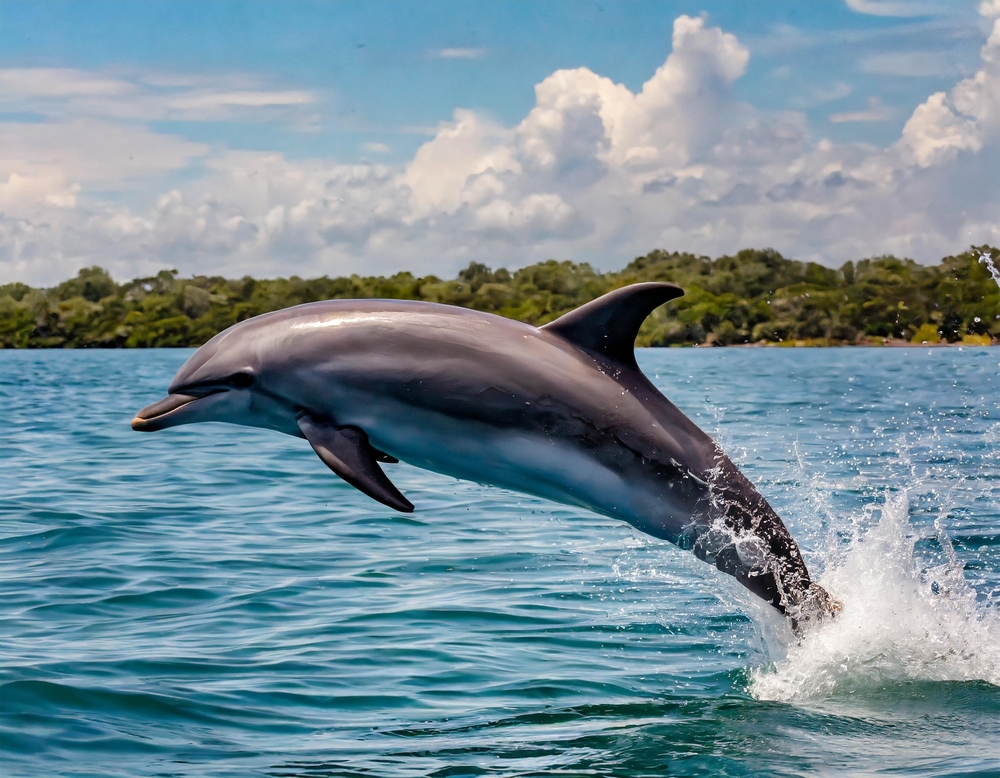
Common Bottlenose Dolphin (Tursiops truncatus)
These intelligent and playful marine mammals are frequently sighted in the waters around Mljet. They are a favorite among visitors for their acrobatic displays and social behavior.

Birds

Birds

The bird species of Mljet National Park are diverse and captivating, attracting birdwatchers from all over the world. The park’s combination of coastal, forested, and lake habitats supports a wide variety of avian species. Below are some of the popular bird species found in the park:

European Bee-eater (Merops apiaster)
With its vibrant plumage of green, blue, and orange, this bird is a delightful sight. It is often seen in open areas, catching insects mid-flight.

Eurasian Hoopoe (Upupa epops)
Easily identified by its distinctive crest and striking black-and-white wing patterns, this bird forages on the ground for insects and larvae.

Peregrine Falcon (Falco peregrinus)
One of the fastest birds in the world, this raptor can often be seen soaring over the park’s cliffs and forests in search of prey.

Golden Eagle (Aquila chrysaetos)
A majestic predator, the golden eagle is a rare but awe-inspiring sight in Mljet. It patrols vast territories and symbolizes the park’s untamed beauty.

European Nightjar (Caprimulgus europaeus)
A nocturnal species, the nightjar is known for its camouflaged plumage and eerie, mechanical-like calls during the evening.

Common Kingfisher (Alcedo atthis)
This small, brightly colored bird is a favorite among visitors. It can be found near the lakes, diving for small fish with precision.

Grey Heron (Ardea cinerea)
A tall, elegant wading bird, the grey heron frequents the park’s freshwater areas, patiently stalking fish and amphibians.

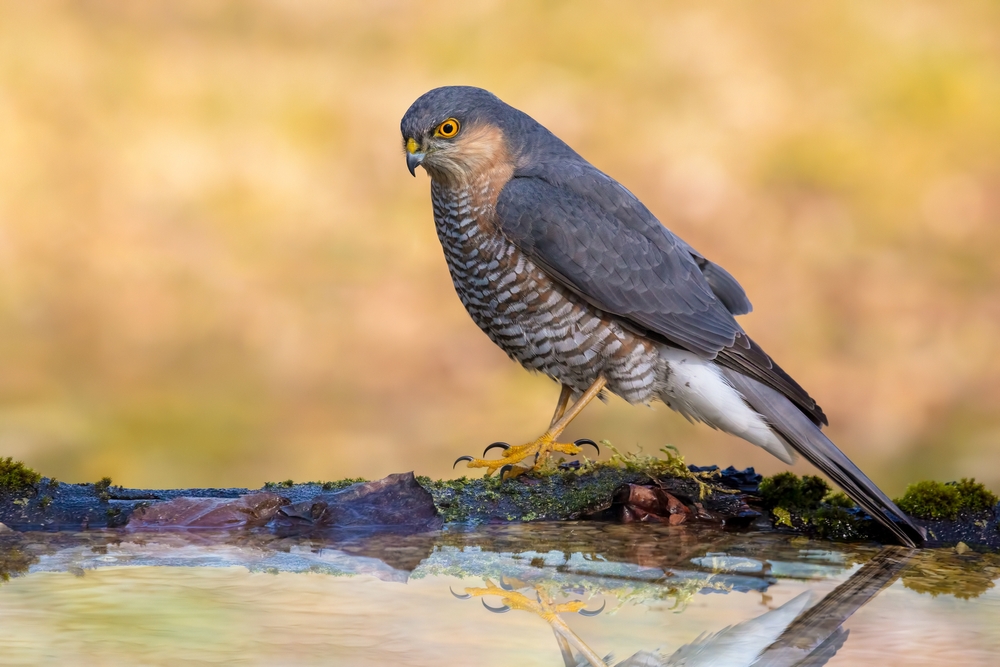
Eurasian Sparrowhawk (Accipiter nisus)
A stealthy and agile predator, this bird of prey is often seen darting through the park’s forests, hunting smaller birds.

Barn Swallow (Hirundo rustica)
A familiar sight in open areas, these graceful birds can be seen swooping through the air catching insects. Their long tail streamers are a distinctive feature.

Yellow-legged Gull (Larus michahellis)
Common along the coastal areas of Mljet, this large gull is known for its adaptability and striking yellow legs. It thrives near human settlements as well as in wild habitats.