About

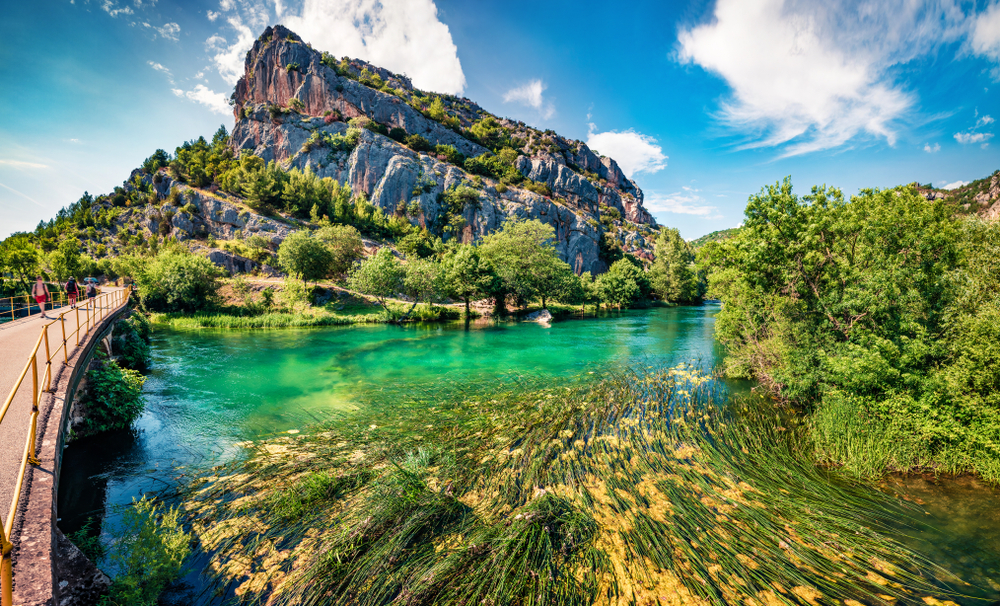
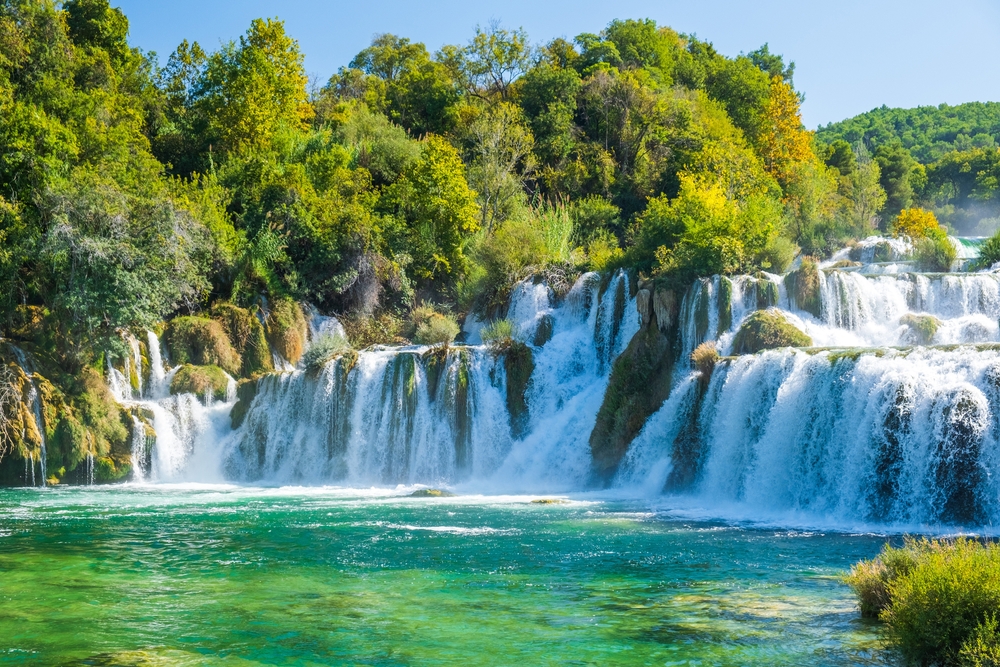
Krka National Park (in Croatian: Nacionalni park Krka) is located in central Dalmatia in southern Croatia, approximately midway between the cities of Zadar and Split. The park covers approximately 42 square miles (109 sq km) and protects a spectacular section of the Krka River and its surrounding landscapes.

Established in 1985, Krka National Park preserves one of Croatia’s most important freshwater ecosystems, renowned for its waterfalls, travertine formations, canyons, and historic sites. The park stretches along the middle and lower reaches of the Krka River before it empties into the Adriatic Sea. Today, Krka is one of Croatia’s most visited and celebrated national parks, attracting travelers from around the world.

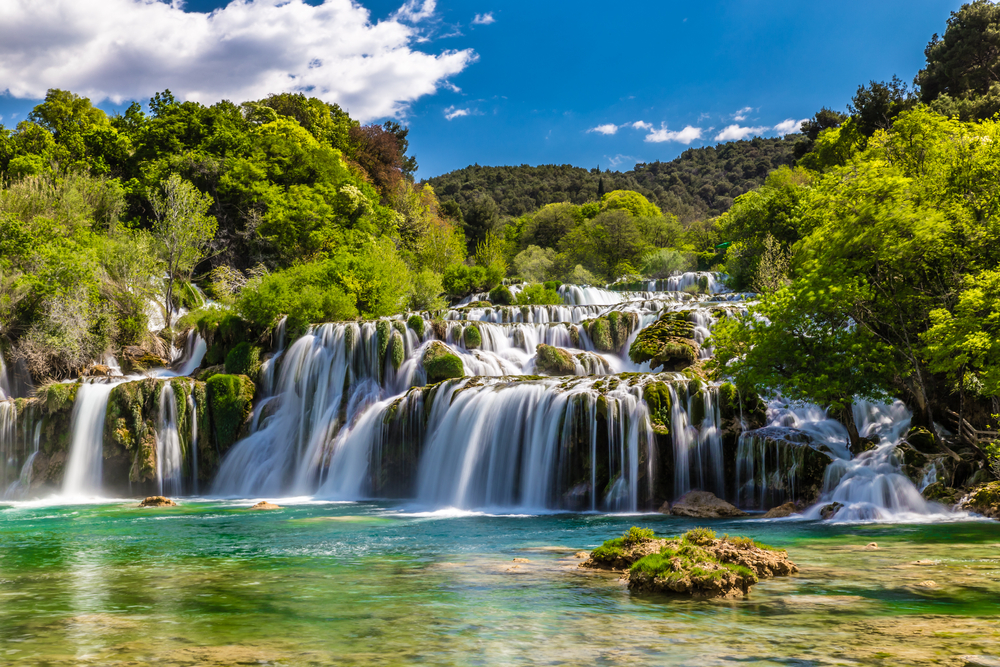
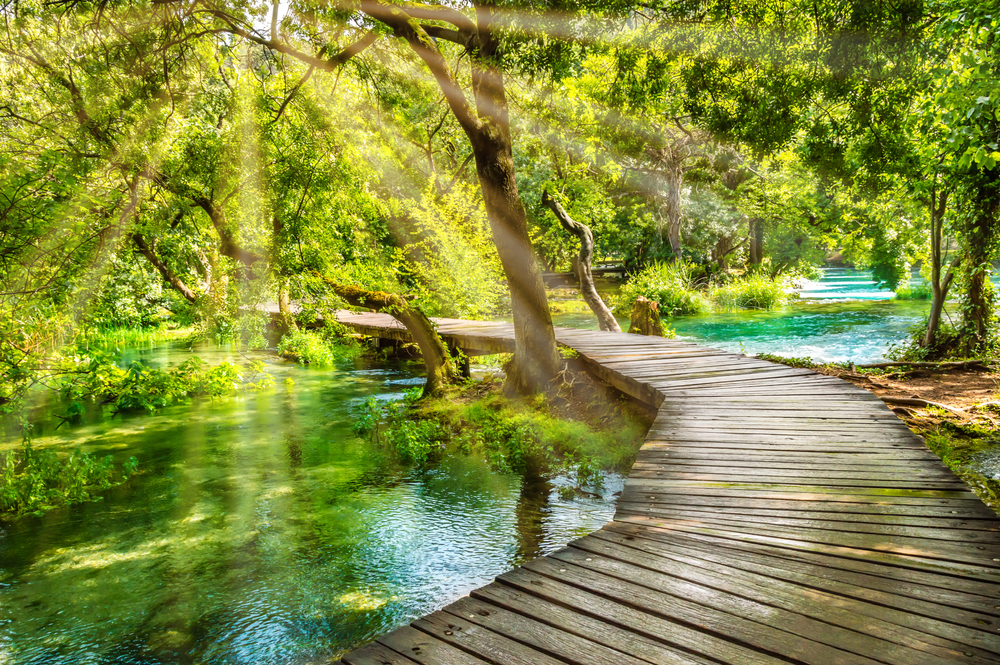
Krka National Park is best known for its magnificent waterfalls, particularly Skradinski Buk, one of Europe’s most beautiful waterfall systems. Visitors are drawn to a series of cascading falls, emerald pools, wooden boardwalks, and scenic river landscapes that create a breathtaking natural setting. The park offers opportunities for hiking, boating, wildlife observation, photography, and cultural exploration.

Boat excursions connect several sections of the park, allowing visitors to experience waterfalls, monasteries, and historic sites situated along the river. The combination of natural beauty and cultural heritage makes Krka one of the most distinctive protected areas in southeastern Europe.

The geography of Krka National Park is defined by the Krka River, which has carved deep canyons through limestone and karst landscapes over thousands of years. The park contains seven major waterfalls, numerous rapids, and extensive travertine barriers formed by mineral-rich waters. The largest and most famous waterfall complex, Skradinski Buk, consists of multiple cascades spread across a broad section of the river.

The landscape also includes forests, wetlands, rocky cliffs, caves, and freshwater habitats that support a rich diversity of plant and animal life. The interaction between water, limestone geology, and vegetation has created one of the most significant karst river systems in Europe.

Wildlife within Krka National Park is remarkably diverse. More than 860 plant species have been recorded throughout the park, reflecting the variety of habitats found within the river valley. Mammals include otters, wild boar, foxes, martens, and several bat species. Birdlife is especially important, with more than 220 recorded species utilizing the park’s wetlands, forests, and cliffs. Herons, eagles, owls, kingfishers, cormorants, and numerous migratory birds inhabit the area.

The river itself supports a variety of freshwater fish and aquatic organisms, many of which are adapted to the unique conditions created by the park’s travertine ecosystems. This combination of aquatic and terrestrial biodiversity contributes significantly to the park’s conservation value.

Krka National Park plays a vital role in protecting one of Europe’s most significant freshwater and karst ecosystems. The park safeguards unique geological formations, rare habitats, and important wildlife populations while preserving cultural landmarks such as the historic Visovac Monastery and the Krka Monastery. Its conservation significance is often compared to Plitvice Lakes National Park because of its spectacular waterfalls and interconnected freshwater systems.

However, Krka’s river canyons, historic monasteries, and extensive travertine cascades give it a unique character all its own. Today, Krka National Park remains one of Croatia’s most treasured natural destinations, preserving a landscape where flowing water, rich biodiversity, and centuries of cultural history come together in extraordinary harmony.

Things to See
Popular Species

Popular Species

Krka National Park is home to a variety of species that thrive in its river ecosystems, woodlands, and waterfalls.

Otters are commonly found along the park’s rivers, using their agility and keen senses to hunt fish and aquatic creatures in the crystal-clear waters.

European pond turtles are frequently seen basking on rocks and logs near the park’s streams and wetlands, contributing to the park’s aquatic biodiversity.

Wild boars roam the park’s forests and wetlands, foraging for roots, acorns, and small animals, often leaving traces of their activity in the undergrowth.

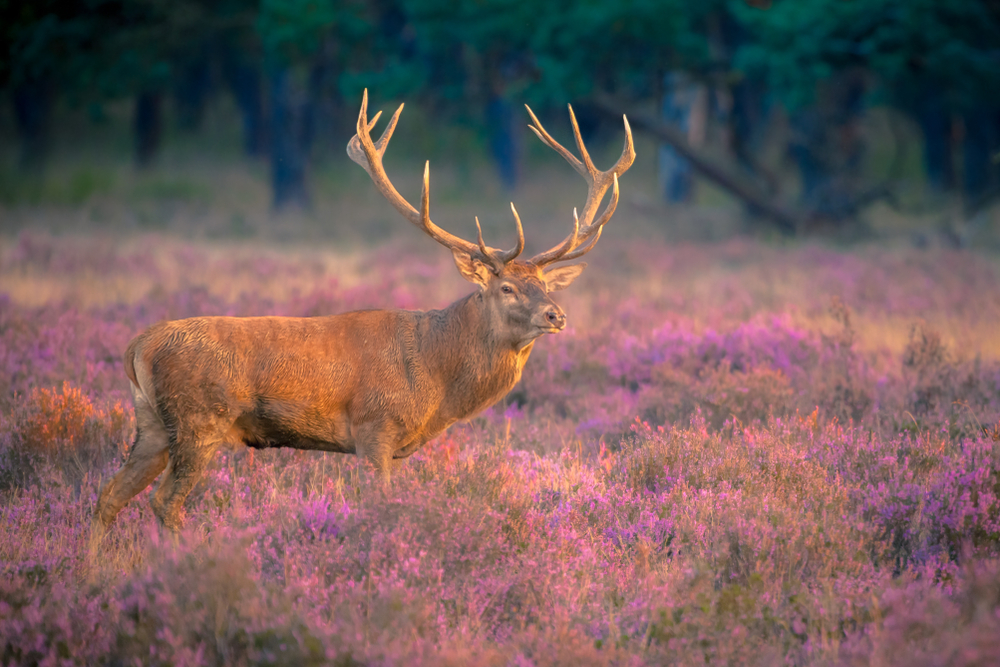
Red deer are occasionally spotted grazing in the park’s open meadows and woodlands, especially during the early morning and evening hours.

Roe deer are smaller and more elusive, often found foraging along the park’s forest edges and riverbanks, known for their nimble movements.

Wildcats are elusive inhabitants of the park’s woodlands, where they prey on small mammals and birds, remaining hidden from human sight.

Bats are important nocturnal creatures in the park, playing a vital role in controlling insect populations as they roost in caves and trees.

European hares are fast and agile herbivores that graze in the park’s meadows, using their speed to evade predators like foxes and wildcats.

Beavers are active in the park’s rivers and streams, building dams that create new habitats for other species, enhancing the park’s ecosystem.

European green lizards are often seen basking on rocks and in sunny clearings, feeding on insects and small invertebrates in the park’s warm environments.

Bird Species

Bird Species

Krka National Park is a birdwatcher’s paradise, with diverse species thriving in its wetlands, forests, and along the riverbanks.

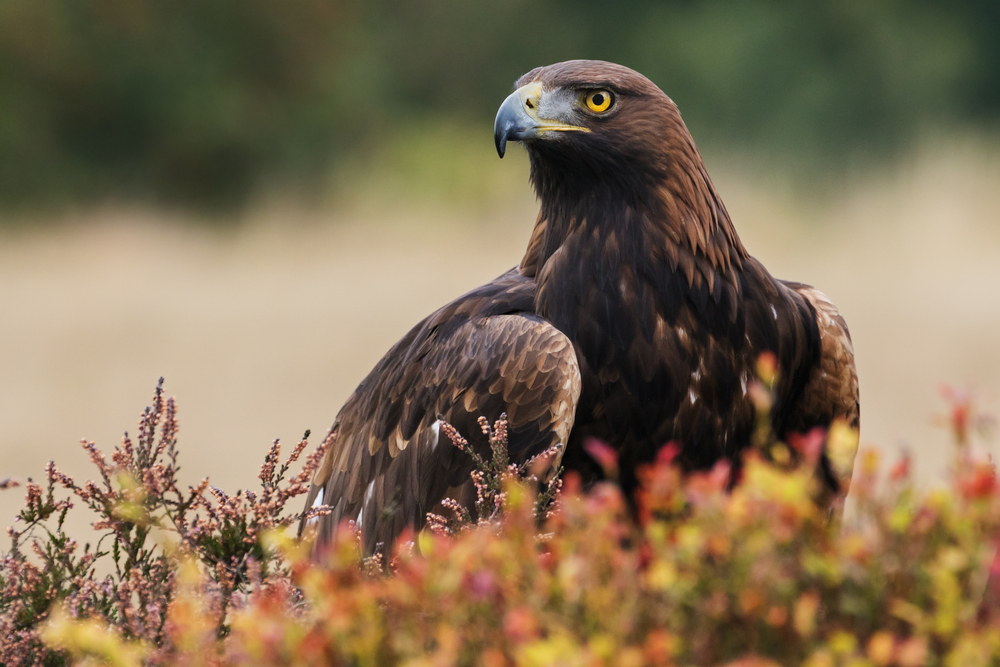
Golden eagles are majestic raptors often seen soaring over the park’s mountains, using their sharp talons and keen vision to hunt for small mammals and birds.

Peregrine falcons are fast-flying predators that nest in the park’s cliffs and rocky outcrops, known for their incredible speed when diving to catch smaller birds.

Eurasian eagle-owls are the largest owls in Krka National Park, often heard at night hunting small mammals and birds with their powerful talons.

Kingfishers are brightly colored birds that thrive along the park’s rivers, diving swiftly into the water to catch fish and small aquatic creatures.

Grey herons are tall, elegant wading birds that hunt along the park’s riverbanks, using their long beaks to catch fish and amphibians.

Common buzzards are frequently seen soaring above the park’s forests and meadows, using their keen eyesight to spot small mammals and birds below.

Black storks are large wading birds that nest in the park’s remote areas, foraging along rivers and wetlands for fish, amphibians, and small invertebrates.

Great cormorants are water birds that thrive in the park’s lakes and rivers, using their sharp beaks to catch fish as they dive underwater.

Eurasian hoopoes are distinctive birds often seen in the park’s open areas, recognized by their striking crest and long, curved bill used for catching insects.

Short-toed snake eagles are large raptors that prey on reptiles, often seen flying over the park’s open grasslands and meadows, scanning for snakes and lizards.

Skradinski Buk Falls

Skradinski Buk Falls

Skradinski Buk Falls is one of the most famous and stunning waterfalls in Krka National Park, located in Croatia. This series of cascading waterfalls spans a total height of 150 feet (about 46 meters) and is divided into 17 distinct steps. The falls stretch over 2,624 feet (about 800 meters) in length, making it one of the longest travertine barrier systems in Europe.

The water flows from the Krka River, creating a picturesque scene with crystal-clear pools and lush green surroundings. Skradinski Buk Falls is a popular destination for visitors, offering not only scenic beauty but also opportunities for swimming in designated areas.

The surrounding area is rich in biodiversity, with numerous plant and animal species, including endemic fish and birds. Wooden walking paths and trails allow visitors to explore the falls up close, while also offering views of old water mills and historical structures nearby. Skradinski Buk Falls is a must-visit natural wonder for those exploring Croatia’s breathtaking landscapes.

Krka Monastery

Krka Monastery

Krka Monastery is a serene and historically significant Orthodox monastery located within Krka National Park in Croatia. Nestled along the banks of the Krka River, it lies approximately 2 miles (3.5 kilometers) east of the town of Kistanje. The monastery was founded in the 14th century by Princess Jelena Šubić of the Nemanjić dynasty, and it is dedicated to the Archangel Michael.

The monastery is notable for its unique blend of Byzantine and Romanesque architectural styles. The main church features a distinctive bell tower that rises 82 feet (25 meters) above the surrounding landscape. Beneath the church, there is a network of ancient Roman catacombs that can be explored, offering insight into the region’s deep historical roots.

The surrounding area is peaceful and picturesque, with the Krka River flowing nearby, adding to the spiritual ambiance of the site. Today, Krka Monastery remains an active religious center and is open to visitors, offering a glimpse into Croatia’s rich cultural and religious history amid the natural beauty of Krka National Park.

Things To Do

Engaging Krka National Park
Falls Viewing

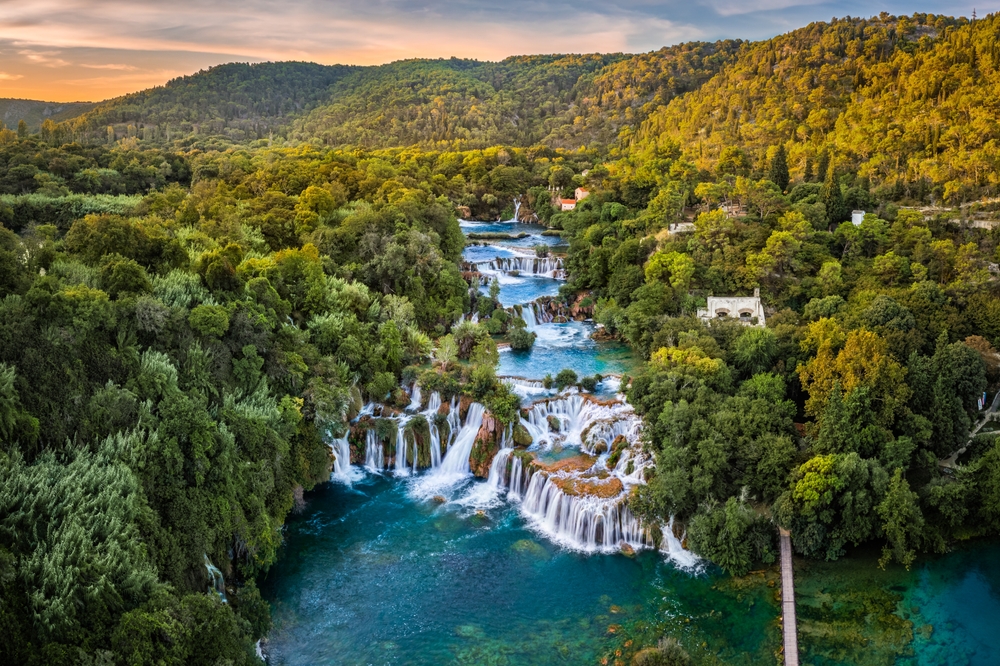
Skradinski Buk is the most famous and spectacular waterfall in Krka National Park, offering a stunning natural wonder to explore. Visitors can walk along wooden boardwalks that wind through lush greenery, bringing them up close to the cascades of water flowing over limestone terraces.

The area surrounding the waterfall is rich in biodiversity, with the opportunity to spot fish and birds. The scenic paths lead to observation points where visitors can take in panoramic views of the falls and capture memorable photos.

placeholder

Boat Tours

A boat tour to Visovac Island is a highlight of visiting Krka National Park. Nestled in the middle of the Krka River, the island is home to a historic Franciscan monastery and museum.

Visitors can explore the monastery’s tranquil grounds, learn about its religious and cultural significance, and enjoy the serene beauty of the island. The boat ride itself offers beautiful views of the park’s river and landscapes.

Swimming

Krka National Park allows swimming in designated areas, and Roški Slap is one of the best spots for a refreshing dip. This picturesque area features a series of smaller waterfalls, creating natural pools ideal for cooling off during a hot day.

Visitors can swim in the clear waters while surrounded by lush vegetation and the soothing sound of waterfalls. Roški Slap is a peaceful area where visitors can relax, swim, and enjoy the natural beauty of the park.

Hiking

Krka National Park offers several educational trails that take visitors through diverse ecosystems, from wetlands to forests. These trails are well-marked and provide informative signs about the local flora, fauna, and geology of the region.

Visitors can hike along the paths while learning about the park’s natural and cultural heritage. The trails lead to beautiful viewpoints, historical sites, and lesser-known waterfalls, providing a deeper understanding of the park’s rich biodiversity and landscapes.

Visit Monastery

The Krka Monastery, a Serbian Orthodox monastery, is another cultural gem within the park. Situated along the Krka River, the monastery dates back to the 14th century and is a place of religious and historical significance.

Visitors can explore the monastery’s peaceful grounds, visit its church, and learn about its history from the resident monks. The monastery’s location by the river provides a tranquil atmosphere, making it a serene and culturally enriching stop within the park.

Sources

Croatia, Krka National Park, https://croatia.hr/en-gb/nature/krka, retrieved August 2024.

Jana in the World, Guide to Krka, https://www.janaintheworld.com/8-2022/guide-to-krka-national-park-places-you-cannot-miss-and-a-waterfall-restaurant, retrieved August 2024.

Lonely Planet, Krka National Park, https://www.lonelyplanet.com/croatia/krka-national-park, retrieved August 2024.

National Park Krka, Park Site, https://www.npkrka.hr/en_US/, retrieved August 2024.

Visit Croatia, Krka National Park, https://www.visit-croatia.co.uk/croatia-destinations/north-dalmatia/krka-national-park/, retrieved August 2024.

Wikipedia, Krka National Park, https://en.wikipedia.org/wiki/Krka_National_Park, retrieved August 2024.