

About
Arli National Park (French: Parc National d’Arli) is located in southeastern Burkina Faso near the borders of Benin and Niger. Established in 1954 and later designated as a national park, it covers approximately 294 square miles (760 sq km).
Arli forms a critical component of the larger W-Arly-Pendjari (WAP) Complex, one of the most significant wildlife conservation landscapes in West Africa. The park adjoins Pendjari National Park and connects with W National Park, creating an extensive transboundary ecosystem that supports some of the region’s most important populations of large mammals. The WAP Complex is recognized as a UNESCO World Heritage Site due to its outstanding biodiversity and ecological value.
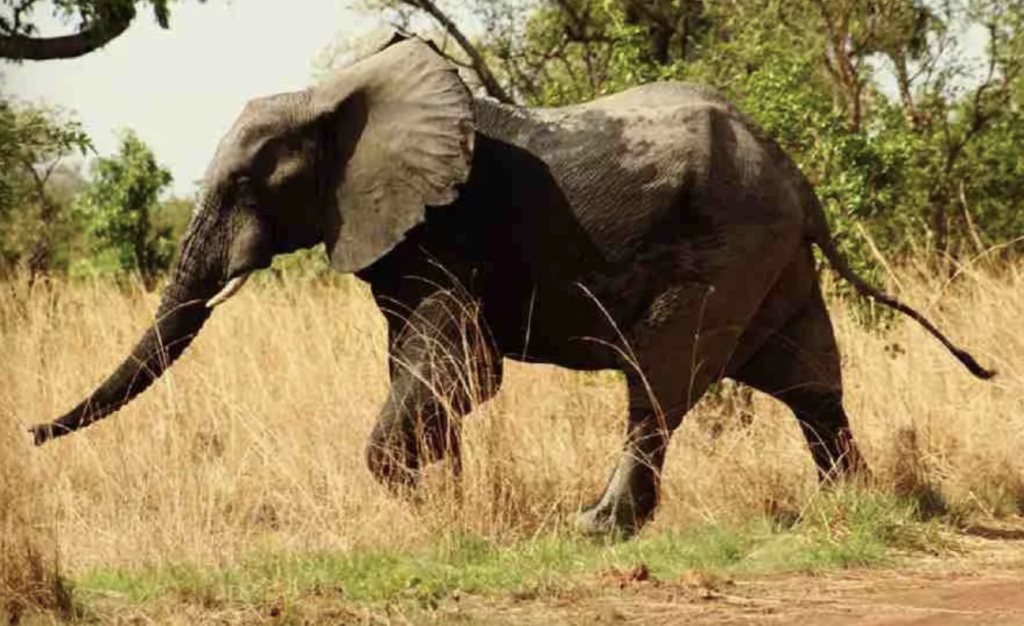
Arli National Park is best known for its rich wildlife and its role as one of the last strongholds for large mammals in West Africa. Visitors who explore the park encounter classic African savanna landscapes where elephants, antelope, buffalo, and predators still roam freely.
Although less visited than many famous East African safari destinations, Arli offers a more remote and authentic wilderness experience. The park’s relatively undeveloped character allows travelers to experience a landscape that remains remarkably natural and ecologically intact. Wildlife viewing, birdwatching, and scenic exploration are among the primary visitor activities.
The geography of Arli National Park consists of rolling savannas, open woodlands, floodplains, seasonal rivers, and rocky outcrops. The Pendjari River system and its tributaries influence much of the park’s ecology, providing critical water sources for wildlife throughout the year.
The landscape is characterized by grasslands interspersed with acacia trees, gallery forests along waterways, and patches of dry woodland. Seasonal rains transform the park into a lush environment that supports abundant plant and animal life, while the dry season concentrates wildlife around remaining water sources, creating excellent opportunities for observation.
Wildlife diversity is one of the park’s greatest strengths. Arli supports African elephants, buffalo, hippopotamuses, warthogs, and numerous antelope species including roan antelope, waterbuck, kob, hartebeest, and bushbuck. Predators such as lions, leopards, and spotted hyenas occur within the park, although sightings can be challenging due to the vast landscape and relatively low visitor numbers.
The park is also a haven for birdlife, with hundreds of species recorded. Eagles, vultures, hornbills, bee-eaters, kingfishers, storks, and migratory birds are commonly observed throughout the park’s diverse habitats. Reptiles and amphibians further contribute to its ecological richness.
Arli National Park plays a vital role in protecting one of West Africa’s last functioning savanna ecosystems. The park safeguards migration corridors and breeding habitats for species that have disappeared from much of their historic range. Its importance is magnified by its connection to neighboring protected areas within the WAP Complex, creating a landscape large enough to support viable populations of wide-ranging wildlife.
Ecologically, Arli can be compared to renowned African reserves such as Hwange National Park and Ruaha National Park, where expansive savannas support diverse wildlife communities. Through its rich biodiversity, vast grasslands, and role in regional conservation, Arli National Park remains one of Burkina Faso’s most important natural treasures and a cornerstone of wildlife protection in West Africa.
Things to See
Things To Do
Engaging Arli National Park
