About

Pendjari National Park (French: Parc National de la Pendjari) is located in northwestern Benin along the borders of Burkina Faso and Niger. Established in 1961, the park covers approximately 1,875 square miles (4,857 sq km) and forms the core of the larger W-Arly-Pendjari (WAP) Complex, one of the most important conservation landscapes in West Africa.

The park adjoins Arly National Park and the W National Park transboundary ecosystem, creating a vast protected region that supports some of the largest remaining wildlife populations in the region. The WAP Complex is recognized as a UNESCO World Heritage Site due to its outstanding ecological value and biodiversity.

Pendjari National Park is best known for offering some of the finest wildlife viewing opportunities in West Africa. The park is one of the last strongholds for many of the region’s large mammals and is among the best places to observe the critically endangered West African lion.

Visitors come to experience classic African safari landscapes featuring elephants, antelope, buffalo, and predators roaming across open savannas. Scenic game drives, guided wildlife excursions, and birdwatching opportunities allow visitors to explore a wilderness that remains relatively untouched compared to many of Africa’s more heavily visited safari destinations.

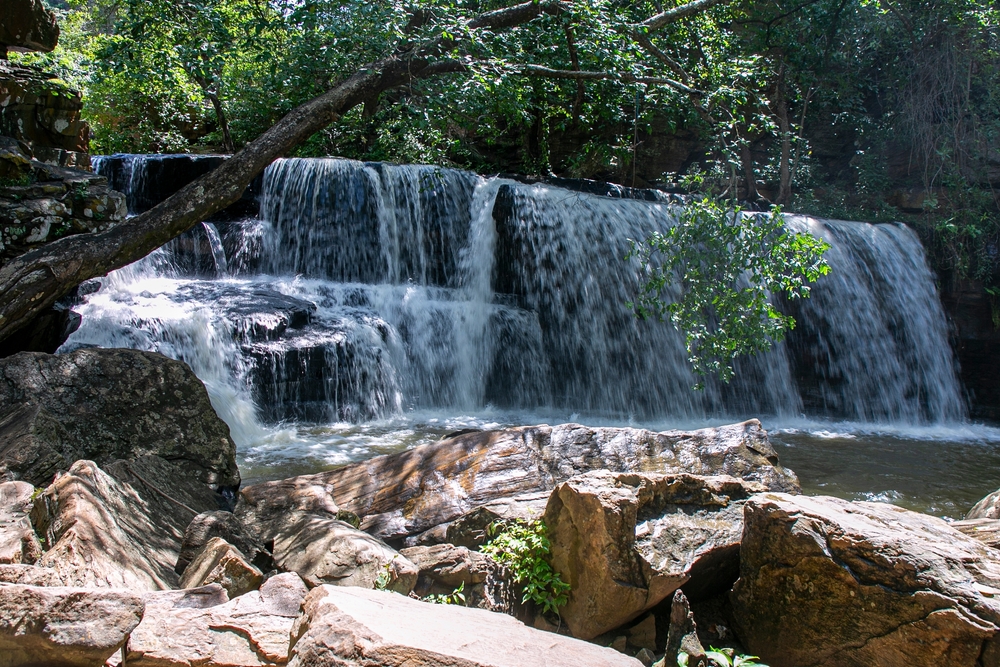
The geography of Pendjari National Park is dominated by rolling savannas, rocky hills, seasonal rivers, floodplains, and patches of woodland. The Pendjari River, which gives the park its name, flows through the protected area and creates a vital source of water for wildlife, particularly during the long dry season.

The landscape includes grasslands dotted with acacia trees, gallery forests lining waterways, and wetlands that expand during the rainy season. The Atakora Mountains form a scenic backdrop in portions of the park, adding topographical diversity to an otherwise gently rolling environment. These varied habitats support an impressive range of plant and animal life.

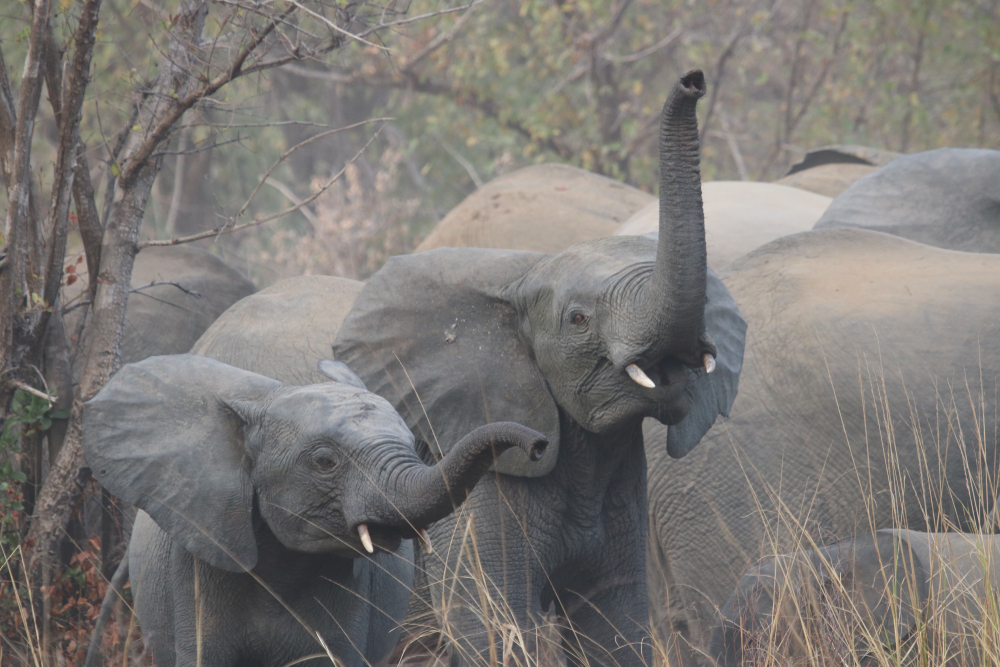
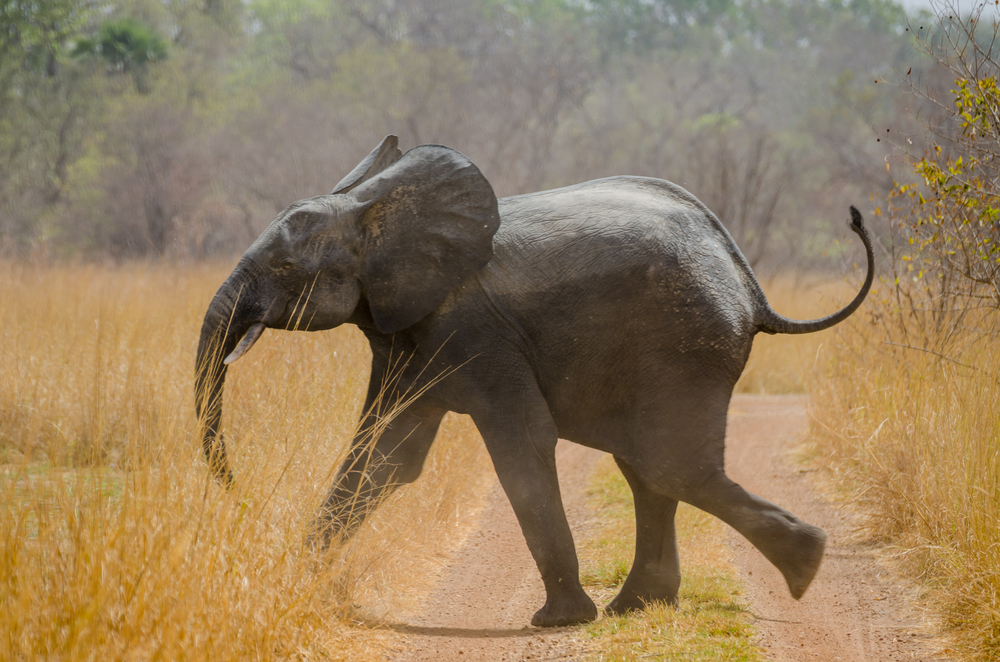
Wildlife is the defining feature of Pendjari National Park. The park supports one of the largest populations of African elephants in West Africa, along with African buffalo, hippopotamuses, warthogs, and several species of antelope including roan antelope, kob, waterbuck, and hartebeest. Predators include leopards, spotted hyenas, and the rare West African lion.

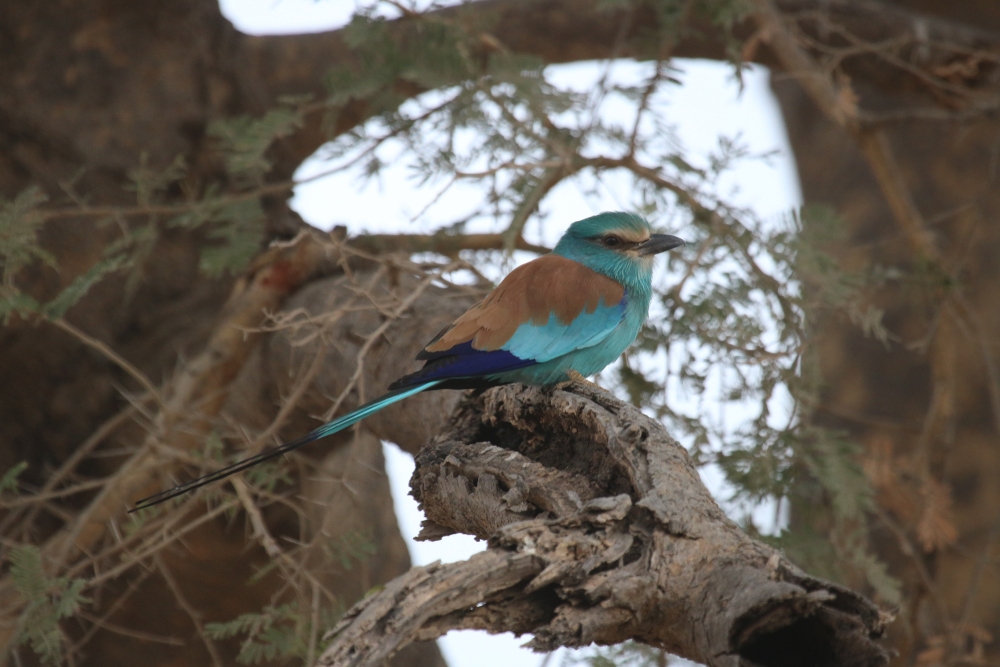
Cheetahs occasionally occur within the broader WAP ecosystem. Birdlife is exceptionally rich, with more than 460 species recorded. Raptors, hornbills, kingfishers, bee-eaters, storks, and migratory birds thrive throughout the park’s diverse habitats, making Pendjari a premier destination for birdwatchers.

Pendjari National Park plays a critical role in preserving West Africa’s remaining large mammal populations and protecting ecosystems that have disappeared from much of the region. The park serves as a refuge for endangered species and maintains important wildlife migration corridors across international borders.

Its conservation significance is often compared to renowned African reserves such as Kruger National Park and Serengeti National Park because of its wildlife abundance and ecological importance. Although less famous internationally, Pendjari is one of Africa’s greatest conservation success stories. Through its vast savannas, iconic wildlife, and role within the WAP Complex, Pendjari National Park stands as one of the most important protected areas in West Africa and a vital sanctuary for the region’s natural heritage.

Things to See
Predator Species

Predator Species

Pendjari National Park is home to several apex predators that play a vital role in maintaining the balance of its rich savannah ecosystems.

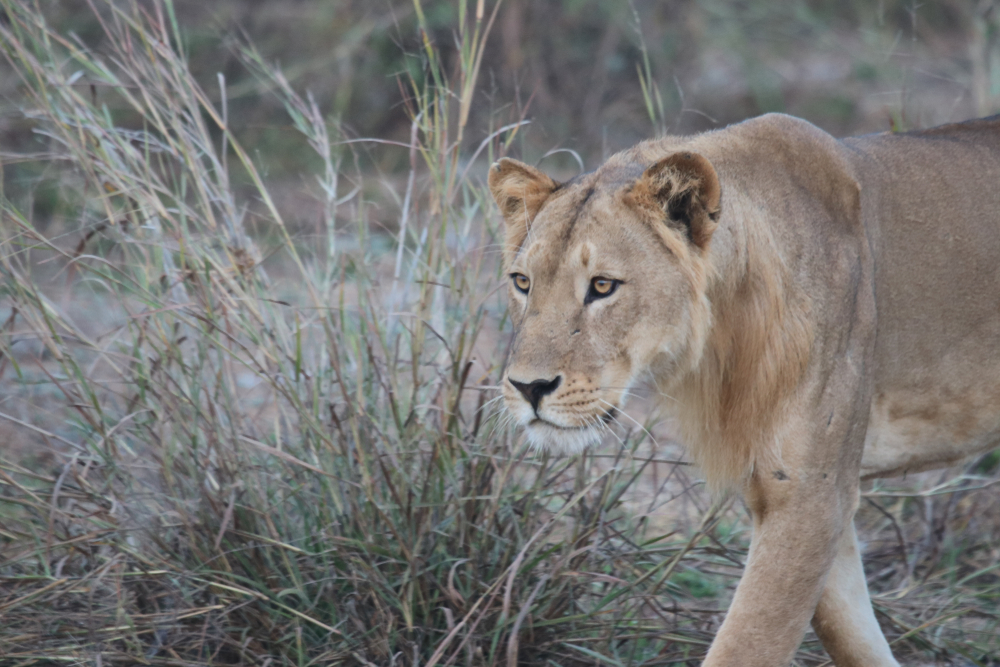
Lions are powerful apex predators in the park, often seen hunting in prides, targeting large herbivores such as buffaloes and antelopes in the open grasslands.

Leopards are elusive and solitary hunters, using their agility and stealth to ambush smaller mammals and birds, frequently dragging their prey into trees to avoid scavengers.

Cheetahs are known for their incredible speed, using it to chase down small to medium-sized herbivores like antelopes, particularly in the park’s open plains.

Spotted hyenas are opportunistic predators and scavengers, living in clans and using their powerful jaws to feed on carrion or hunt cooperatively for larger prey.

African wild dogs are highly social pack hunters, known for their endurance and teamwork, often seen chasing down prey such as antelopes in coordinated hunts.

Servals are medium-sized cats with long legs and sharp reflexes, specializing in hunting small mammals, birds, and reptiles in the park’s grasslands and wetlands.

Caracals are agile hunters that use their powerful hind legs to leap and catch birds in mid-air, as well as preying on small mammals in more vegetated areas.

Pythons are non-venomous constrictors that ambush small mammals and birds, using their muscular bodies to suffocate prey before swallowing it whole.

Jackals are versatile predators and scavengers, hunting small mammals, birds, and reptiles, while also scavenging from the kills of larger predators in the park.

Crocodiles are ambush predators that lurk in the park’s rivers and wetlands, using their powerful jaws to catch fish, birds, and mammals that come to drink.

Popular Species

Popular Species

Pendjari National Park is renowned for its diverse population of large herbivores and other charismatic species that thrive in its vast savannah and woodland landscapes.

Elephants are the largest mammals in the park, known for their intelligence and complex social structures, often seen traveling in herds through the park’s grasslands and forests.

Buffaloes are powerful herbivores that roam in large herds, grazing on grasses and shrubs, playing a critical role in maintaining the park’s grassland ecosystems.

Hippos are massive, semi-aquatic mammals found in the park’s rivers and wetlands, spending most of their day submerged and emerging at night to graze on surrounding vegetation.

Warthogs are tough and resilient animals, often seen foraging on their knees in open grasslands, using their strong snouts to dig for roots and tubers.

Antelopes such as the roan antelope and waterbuck are commonly found grazing in the park, with their striking horns and agile movements making them popular sightings.

Giraffes are tall and graceful herbivores that browse on the leaves of acacia trees, adding a striking presence to the park’s savannah landscapes.

Baboons are highly social primates that forage on the ground for fruits, seeds, and small animals, often seen in large troops near water sources.

Red-flanked duikers are small, elusive antelopes that prefer dense undergrowth, foraging on leaves, fruits, and shoots while relying on camouflage to avoid predators.

Western hartebeests are swift, social antelopes often seen in herds grazing in the park’s open grasslands, using their speed to escape predators like lions and cheetahs.

Vervet monkeys are small, adaptable primates known for their intelligence and curiosity, often seen foraging for fruits and insects in the park’s wooded areas.

Bird Species

Bird Species

Pendjari National Park is a paradise for birdwatchers, offering a wide variety of bird species that thrive in its wetlands, forests, and savannahs.

Saddle-billed storks are large wading birds with striking black, white, and red plumage, often seen foraging in the park’s wetlands for fish, frogs, and small invertebrates.

Abyssinian ground hornbills are large birds often seen walking through the park’s savannahs, hunting for small mammals, reptiles, and insects with their powerful beaks.

Martial eagles are the largest eagles in the park, using their keen eyesight and powerful talons to hunt small mammals, birds, and reptiles across the open plains.

Grey herons are large, elegant wading birds often seen near rivers and wetlands, hunting for fish, frogs, and small invertebrates in the park’s shallow waters.

Northern carmine bee-eaters are brightly colored birds known for their acrobatic flight, often seen swooping through the air to catch insects.

Secretary birds are tall, long-legged raptors renowned for their snake-hunting abilities, often spotted striding through the park’s savannahs in search of prey.

Pelicans are large water birds often seen gliding over the park’s rivers and lakes, using their long beaks to scoop up fish and other aquatic creatures.

African fish eagles are majestic raptors often found near water sources, where they hunt for fish, small birds, and mammals, recognized by their distinctive calls.

Helmeted guineafowls are ground-dwelling birds with unique blue and black plumage, often seen in flocks foraging for seeds, insects, and small animals in the park’s savannahs.

Things To Do

Engaging Pendjari National Park
Wildlife Safaris

Pendjari National Park is renowned for its exceptional wildlife safaris, offering visitors the chance to see some of West Africa’s most iconic species. Home to lions, elephants, buffalo, leopards, and hippos, the park is a prime location for game drives.

Visitors can expect to traverse through savannas and woodlands, encountering diverse wildlife along the way. Safaris are best experienced in the early morning or late afternoon when animals are most active, providing ample opportunities for stunning wildlife photography and up-close encounters with Africa’s “Big Five.”

Birdwatching

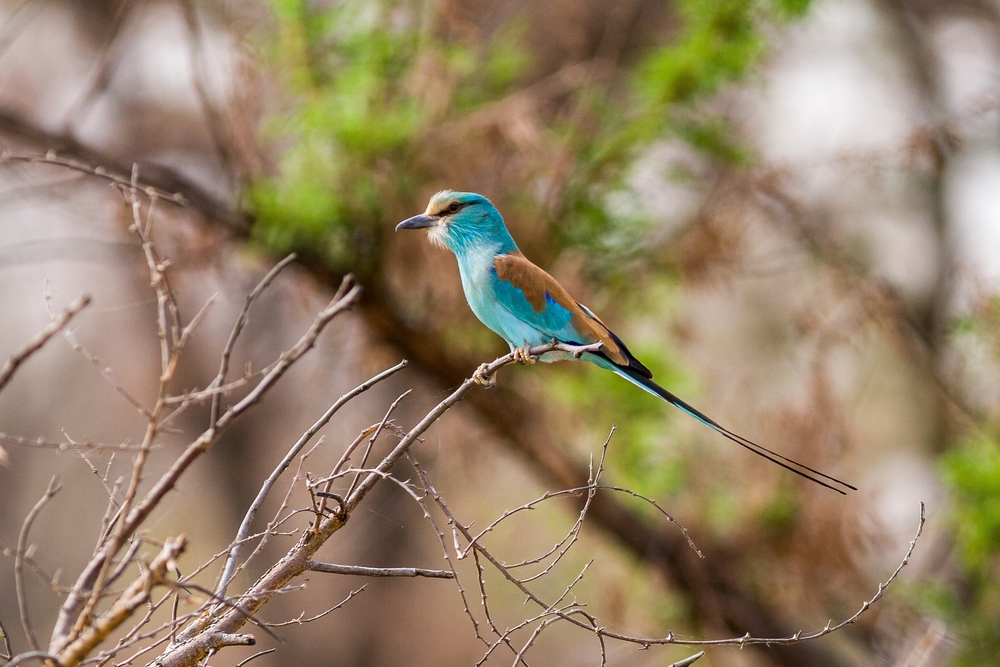
Pendjari National Park is a birdwatcher’s haven, with over 300 species of birds recorded. Birdwatching excursions allow visitors to spot a variety of birds, including storks, pelicans, and raptors.

The park’s wetlands and grasslands create a perfect environment for birdlife, and visitors can expect to see both migratory and resident species. Whether you are a seasoned birder or a beginner, the park’s birdwatching opportunities are unparalleled.

placeholder

Pendjari River Boat Trips

Boat trips along the Pendjari River provide a peaceful way to explore the park’s aquatic habitats. Visitors can observe hippos, crocodiles, and water birds while enjoying the serene river environment.

The boat trips offer a different perspective of the park, allowing visitors to witness the interplay between the river and its surrounding wildlife. It’s an ideal way to relax while experiencing the natural beauty and biodiversity of the region.

Guided Nature Walks

Guided nature walks offer a more immersive way to experience Pendjari’s ecosystems. Accompanied by knowledgeable guides, visitors can walk through the park’s forests and savannas, learning about the local flora, fauna, and conservation efforts.

These walks provide a deeper connection to the landscape, offering insights into the smaller details of the park, from insects to plant life, that are often missed during game drives.

Sources

Africa Parks, Pendjari, https://www.africanparks.org/the-parks/pendjari, retrieved August 2024.

Global National Parks, Pendjari National Park, https://www.globalnationalparks.com/benin/pendjari/, retrieved August 2024.

UNESCO, W-Arly-Pendjari Complex, https://whc.unesco.org/en/list/749/, retrieved August 2024.

Wikipedia, Pendjari National Park, https://simple.wikipedia.org/wiki/Pendjari_National_Park, retrieved August 2024.