About

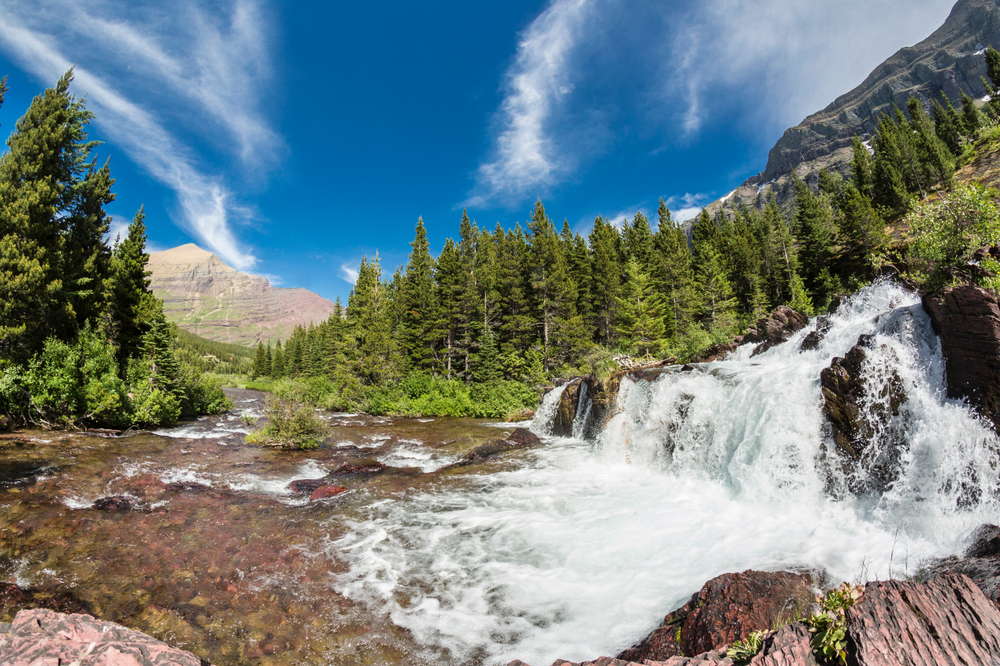
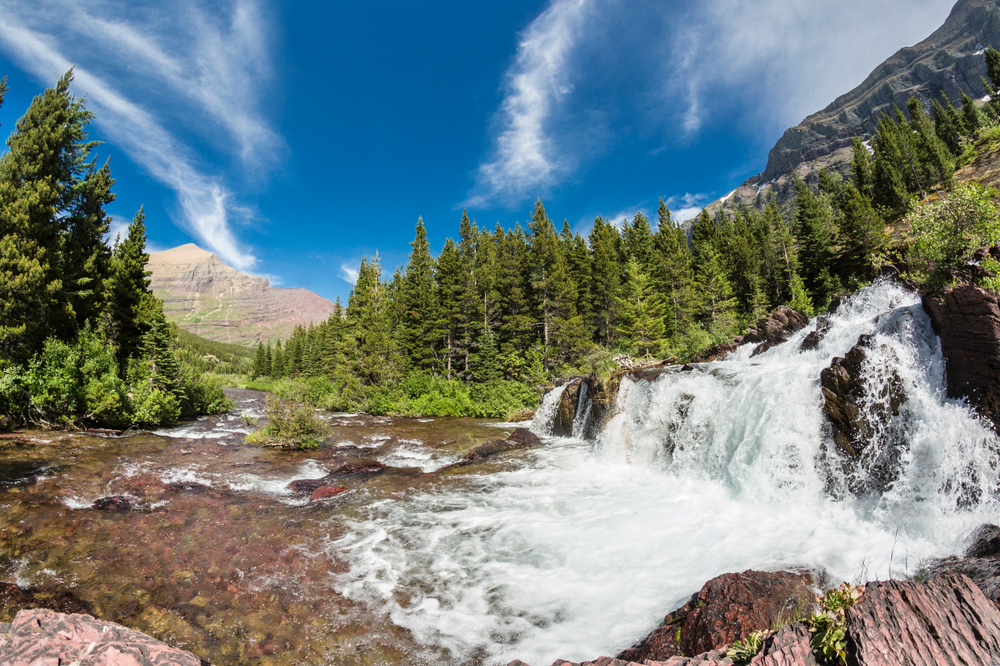
North Cascades National Park is located in northern Washington State in the United States and covers approximately 789 square miles (2,044 sq km). Established in 1968, the park protects one of the most rugged and least developed mountain landscapes in North America.

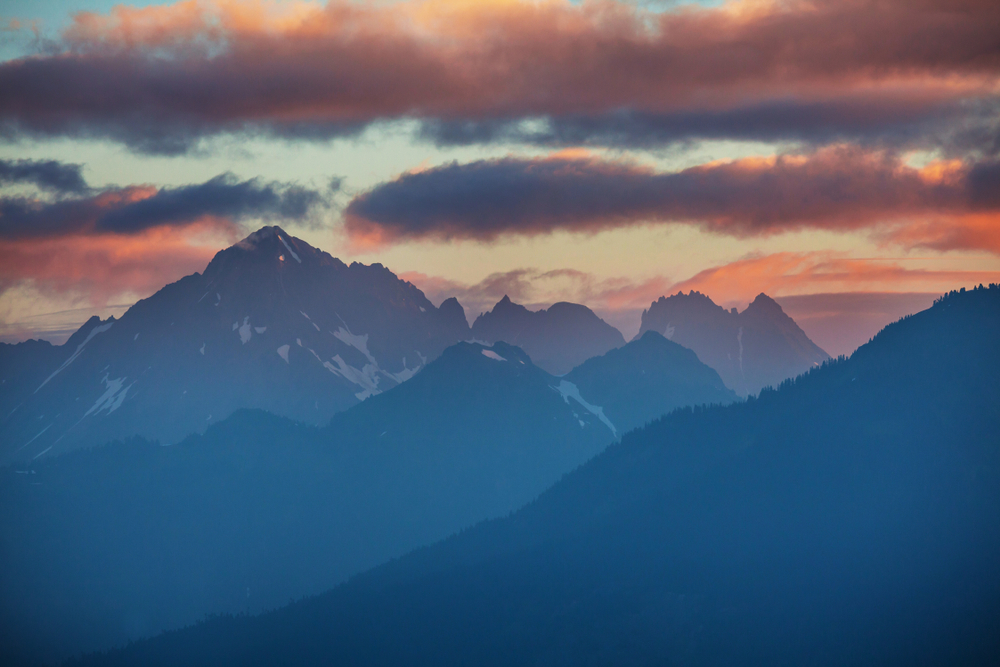
It lies south of the Canadian border and forms part of a larger protected complex that includes Ross Lake National Recreation Area and Lake Chelan National Recreation Area. Nearby protected areas include Mount Baker-Snoqualmie National Forest and Canada’s Manning Provincial Park. Often called the “American Alps,” North Cascades National Park preserves a spectacular wilderness of jagged peaks, glaciers, alpine lakes, and ancient forests that remains largely untouched by modern development.

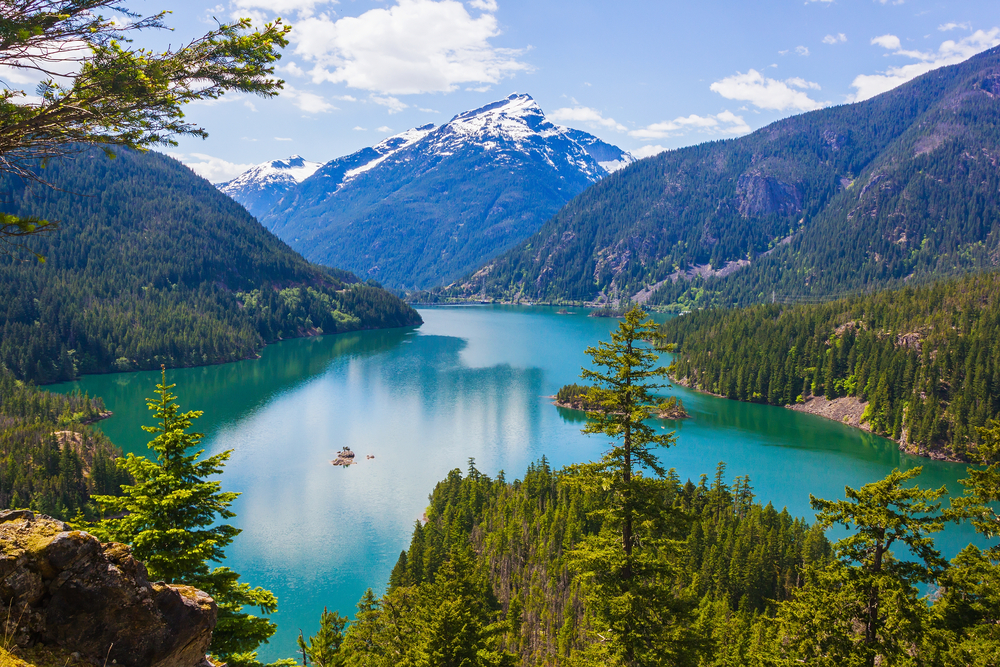
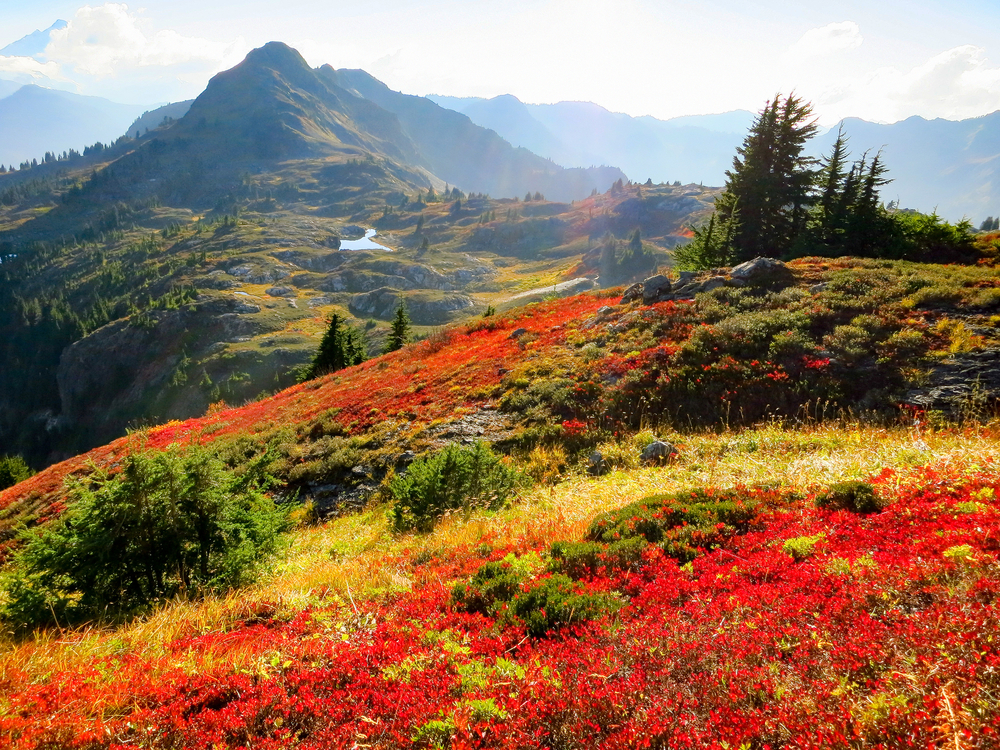
North Cascades National Park is best known for its dramatic mountain scenery and extraordinary wilderness character. Unlike many national parks that receive millions of visitors annually, North Cascades remains relatively uncrowded, offering a sense of solitude that is increasingly rare. Visitors are drawn to breathtaking alpine landscapes, turquoise lakes, wildflower-filled meadows, and remote backcountry trails.

Popular activities include hiking, mountaineering, backpacking, fishing, kayaking, wildlife viewing, and photography. Scenic destinations such as Cascade Pass, Diablo Lake, and Sahale Arm showcase the park’s stunning natural beauty. The combination of rugged terrain and limited development provides an authentic wilderness experience for adventurous travelers.

The geography of North Cascades National Park is among the most spectacular in the United States. The park contains more than 300 glaciers, the largest concentration of glaciers in the contiguous United States outside Alaska. Sharp granite peaks, deep valleys, cirques, and glacial lakes dominate the landscape. Elevations range from approximately 400 feet (122 meters) in river valleys to more than 9,000 feet (2,743 meters) at the highest summits.

The region receives heavy snowfall during winter, feeding rivers and glaciers that shape the landscape. Dense forests of Douglas-fir, western red cedar, and western hemlock occupy lower elevations, while alpine meadows and rocky tundra dominate the highest slopes. This dramatic range of elevations creates exceptional ecological diversity.

Wildlife within North Cascades National Park thrives across its varied ecosystems. Large mammals include black bears, grizzly bears, mountain goats, gray wolves, cougars, black-tailed deer, and elk. The park protects one of the few remaining habitats in the lower forty-eight states where grizzly bears still survive, although they are rarely seen.

Birdlife is equally diverse, with species such as golden eagles, bald eagles, peregrine falcons, Clark’s nutcrackers, and varied thrushes inhabiting the mountains and forests. Rivers and lakes support native fish populations, while alpine environments provide habitat for marmots, pikas, and numerous specialized species. The park’s ecological integrity supports one of the most diverse assemblages of wildlife in the Pacific Northwest.

North Cascades National Park plays a critical role in protecting one of North America’s most important mountain ecosystems. The park safeguards glaciers, old-growth forests, alpine habitats, and critical watersheds that provide water throughout the region. Conservation efforts focus on preserving biodiversity, maintaining wilderness character, and protecting species sensitive to climate change.

North Cascades is often compared to Banff National Park and Glacier National Park because of its dramatic mountain scenery and abundant glaciers. However, its combination of dense temperate forests, rugged alpine peaks, and exceptional solitude gives it a distinctive identity. Today, North Cascades National Park remains one of America’s greatest wilderness treasures, preserving a landscape where glaciers, mountains, forests, and wildlife continue to thrive in remarkable harmony.

Things to See

The North Cascades is the epitome of rugged mountainous wilderness.  One of the highlights is the ability to experience such splendid nature in the solitude that is not afforded in other national parks in the same way.  This solitude along with the ruggedness of these mountains attracts hikers, climbers, and mountaineers from around the world.

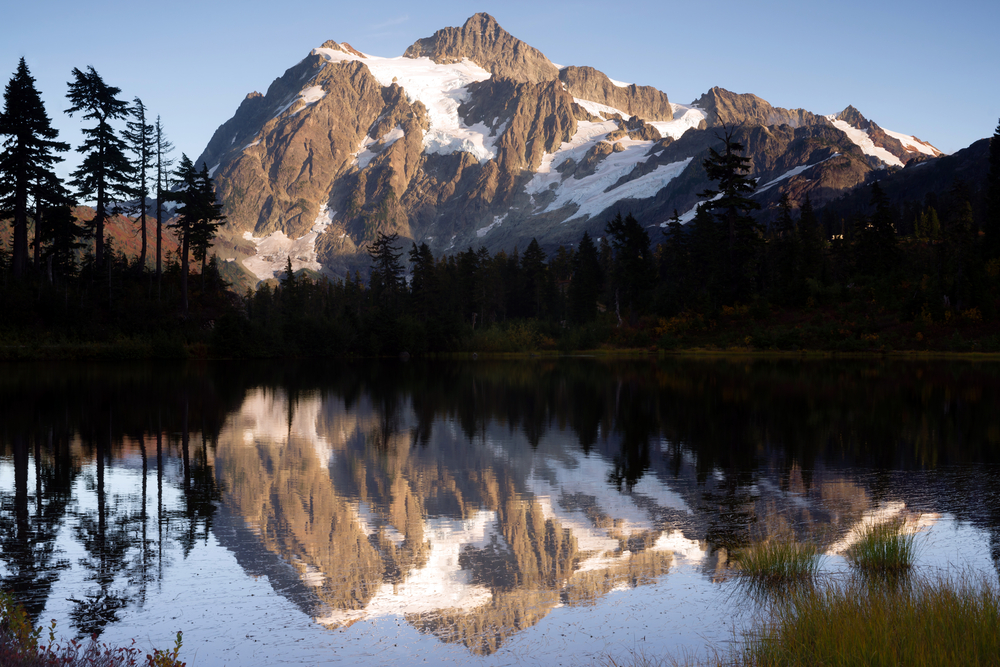
Mount Shuksan

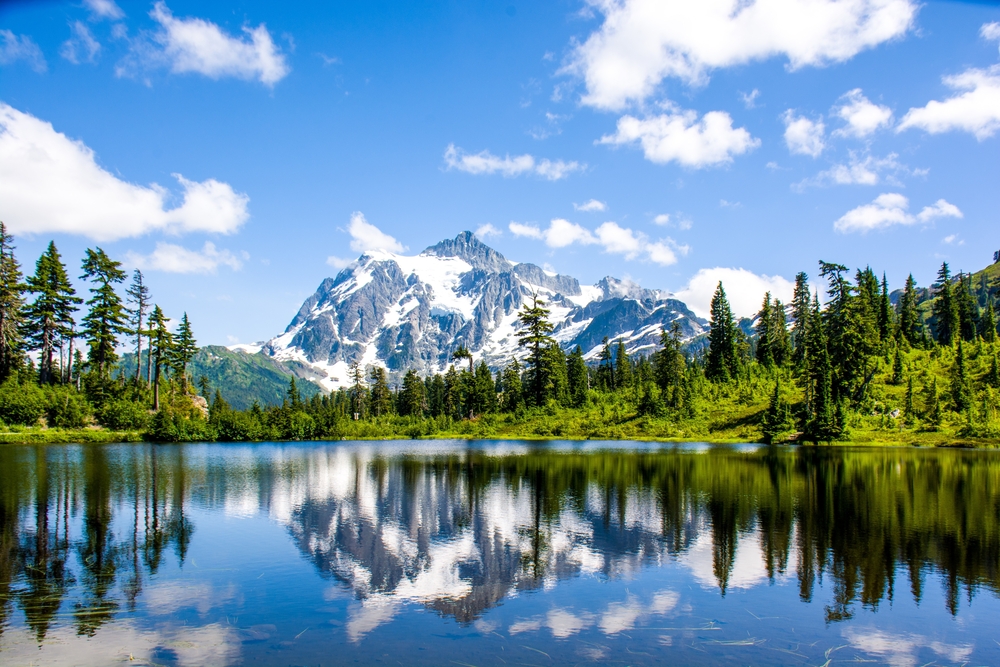
Mount Shuksan is the second tallest summit in the park with the peak reaching a height of 9,131 feet (2,783 m).  It is one of the easier massive summits to experience and one of the most frequently photographed summits.

Popular

Popular

North Cascades National Park, a landscape of rugged peaks and pristine forests in Washington State, is a refuge for a myriad of wildlife, each species adding to the park’s natural majesty and offering visitors a chance to immerse themselves in the biodiversity of the Pacific Northwest.

Black Bear Frequently spotted in both forested areas and alpine meadows, Black Bears are an iconic presence, foraging for berries and fish across the park’s vast wilderness.

Gray Wolf Elusive and majestic, Gray Wolves roam the deeper wilderness of the park, playing a critical role in the ecological balance through their predatory habits.

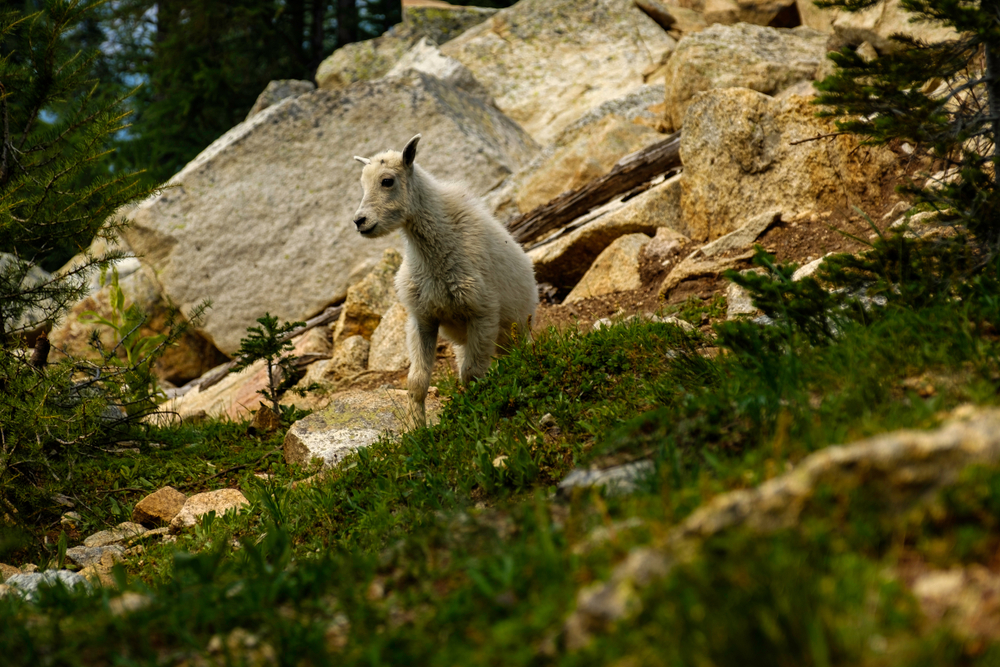
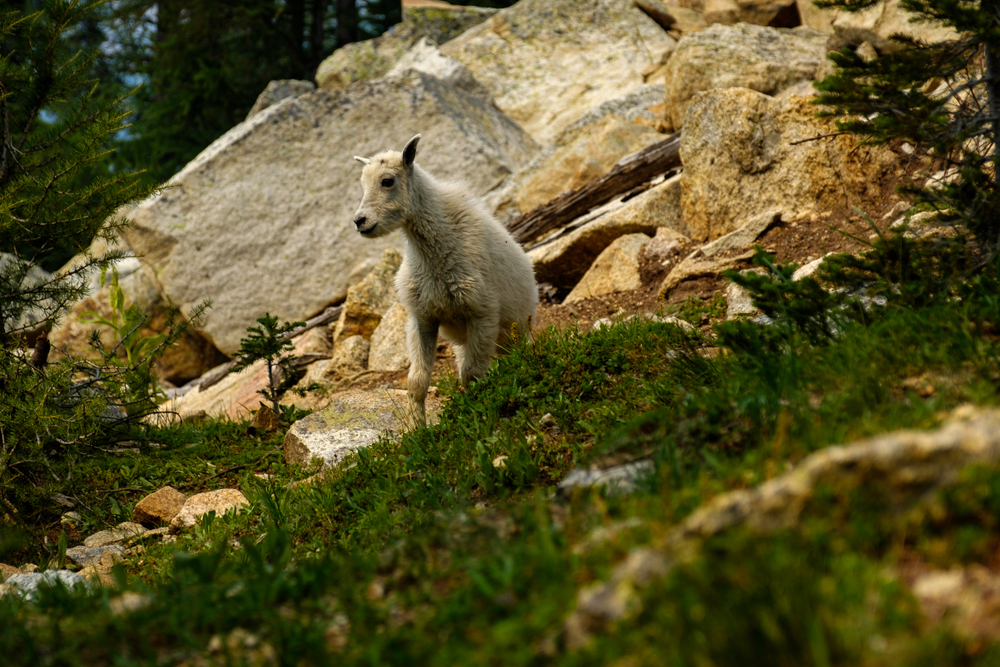
Mountain Goat Adapted to the park’s steep terrain, Mountain Goats are often seen on rocky outcrops, their white coats making them a striking sight against the rugged landscape.

Mule Deer Mule Deer, with their large ears and graceful movements, are a common sight in meadows and along riverbanks, browsing on the park’s abundant vegetation.

Bald Eagle Soaring above rivers and lakes, Bald Eagles epitomize the wild spirit of the North Cascades, their impressive wingspan a symbol of freedom and strength.

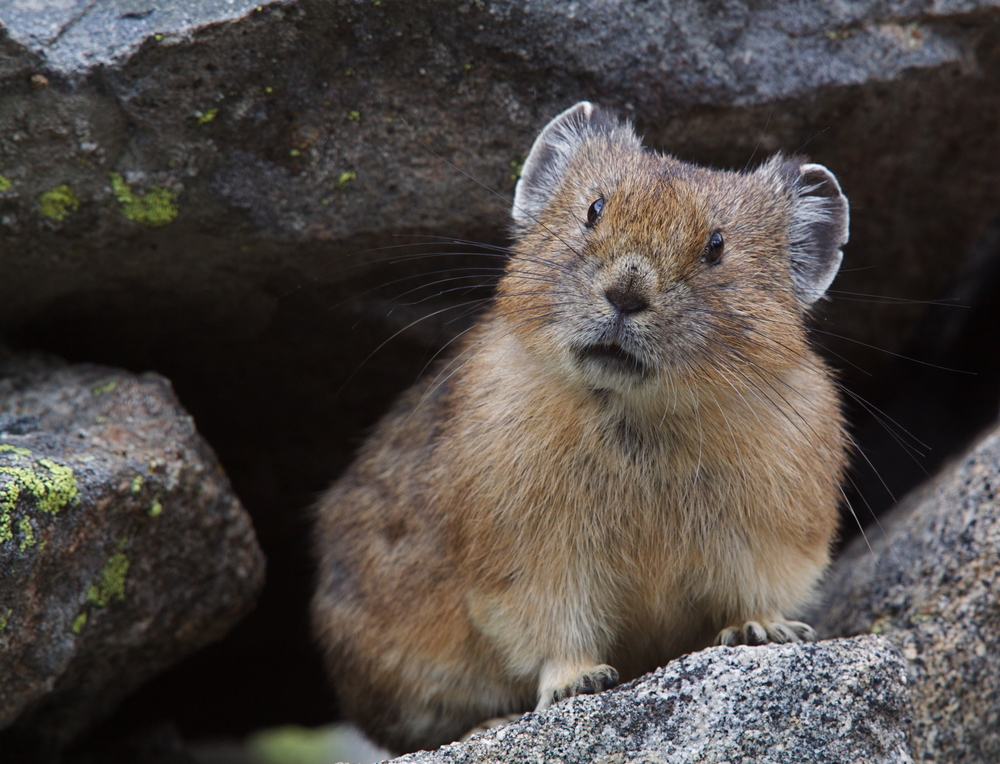
Pika The tiny, industrious Pika is a delight to observe among rocky areas, where it collects vegetation for winter, its high-pitched calls echoing in the air.

Hoary Marmot Known for their distinctive whistles, Hoary Marmots are social animals, often spotted sunning themselves on rocks in alpine zones, adding charm to the landscape.

Northwestern Salamander In the park’s moist habitats, the Northwestern Salamander is a fascinating amphibian, its presence indicative of the health of aquatic ecosystems.

Osprey Circling the park’s water bodies, Ospreys dive spectacularly for fish, showcasing their hunting prowess and contributing to the dynamic avian life of the park.

Coyote Versatile and adaptable, Coyotes can be heard and sometimes seen throughout the park, their presence a testament to the adaptability of nature in the Cascades.

North Cascades National Park’s diverse inhabitants, from the foraging Black Bear to the elusive Gray Wolf, offer visitors a profound connection to the wild, underscoring the importance of conservation and the beauty of untamed nature.

Things To Do

Engaging North Cascades
Hiking

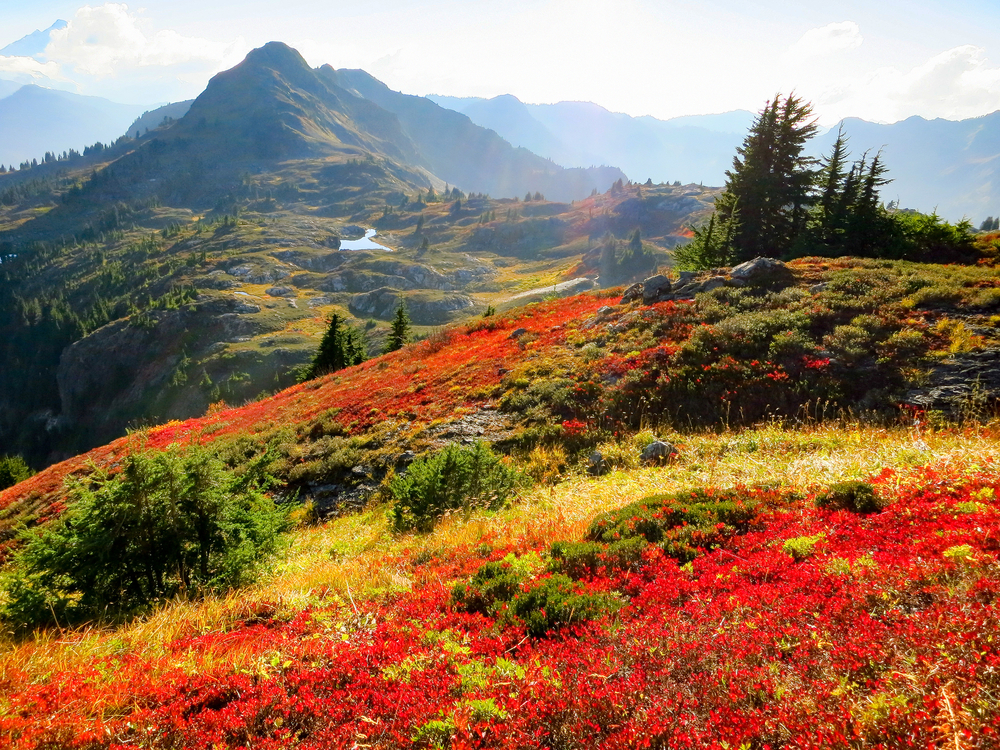
Explore the breathtaking landscapes of North Cascades National Park on its extensive network of hiking trails. Trek through lush forests, alpine meadows, and rugged mountain terrain as you discover hidden waterfalls, pristine lakes, and panoramic viewpoints.

Choose from a variety of trails suited for all skill levels, from easy nature walks to challenging backcountry treks. Highlights include the Cascade Pass Trail, which offers stunning views of glaciers and peaks, and the Diablo Lake Trail, which winds along the shores of a turquoise reservoir.

Hiking in North Cascades offers opportunities to connect with nature and experience the park’s diverse ecosystems up close.

Scenic Drives

Embark on a scenic drive along the North Cascades Highway, which traverses dramatic mountain passes and offers breathtaking views of snow-capped peaks, glacier-carved valleys, and cascading waterfalls. Stop at designated overlooks and viewpoints to capture photographs of the stunning landscapes and perhaps catch a glimpse of wildlife along the way.

The North Cascades Highway provides a leisurely and immersive way to experience the beauty of North Cascades National Park from the comfort of your vehicle, with opportunities for sightseeing, wildlife viewing, and enjoying the natural splendor of the Pacific Northwest.

Hiking

Explore the breathtaking landscapes of North Cascades National Park on its extensive network of hiking trails. Trek through lush forests, alpine meadows, and rugged mountain terrain as you discover hidden waterfalls, pristine lakes, and panoramic viewpoints.

Choose from a variety of trails suited for all skill levels, from easy nature walks to challenging backcountry treks. Highlights include the Cascade Pass Trail, which offers stunning views of glaciers and peaks, and the Diablo Lake Trail, which winds along the shores of a turquoise reservoir.

Hiking in North Cascades offers opportunities to connect with nature and experience the park’s diverse ecosystems up close.

Scenic Drives

Embark on a scenic drive along the North Cascades Highway, which traverses dramatic mountain passes and offers breathtaking views of snow-capped peaks, glacier-carved valleys, and cascading waterfalls. Stop at designated overlooks and viewpoints to capture photographs of the stunning landscapes and perhaps catch a glimpse of wildlife along the way.

The North Cascades Highway provides a leisurely and immersive way to experience the beauty of North Cascades National Park from the comfort of your vehicle, with opportunities for sightseeing, wildlife viewing, and enjoying the natural splendor of the Pacific Northwest.

North Cascades National Park Trails

North Cascades features over 400 miles (640 km) of hiking trails within the park boundaries.  Parts of the cross country, Pacific Crest Trail and the Pacific Northwest Trail, trails pass through parts of the national park.

All campgrounds must be accessed by hiking and backpacking.  There are no roads that access any of the campgrounds which is a unique feature of the park compared to other national parks in the United States.

placeholder

Cascade Pass Trail

The trail features nearly 30 switchbacks over the 3.7-mile (5.95 km) trail that offers panoramic views of the Johannesburg ridgeline.

placeholder

Maple Pass Loop Trail

This 7-mile (11.3 km) loop that really allows hikers to experience much of what makes the North Cascades so amazing.  Hikers will meander the loop with views of old-growth forests, along panoramic ridgelines, and astounding jagged peaks.  It has over 2,000 feet (610 m) of elevation change making it a challenging day hike.

placeholder

Panther Creek and Fourth of July Camp

This is a strenuous 12-mile (19.3 km) hike with approximately 2,300 feet (701 m) of elevation change.  Although the entire trail is filled with picturesque views, the pinnacle vista occurs at Fourth of July Camp with views overlooking Colonia Peak, Snowfield Peak, and the Neve Glacier.

placeholder

Diablo Lake Trail

The challenging trail features an elevation gain of 1,400 feet (426.7 m) but delivers postcard views of Ross Lake and Diablo Lake which are the epitome of the picturesque nature of the North Cascades.  Along the way, hikers will experience old-growth forests, waterfalls, and scenic views all capped off with the exquisite colors and landscape of Diablo Lake.

placeholder

Rainbow Loop Trail

This is a 4.4-mile (7.08 km) loop trail with striking views of the Stehekin River Valley and the head of Lake Chelan.

placeholder

Cascade Pass Trail

Rating: Moderate

Distance and Elevation Gain: 7.4 miles round trip with an elevation gain of about 1,800 feet (549 meters)

Description: This trail offers stunning views of glaciated peaks and alpine meadows. Starting from the end of Cascade River Road, it’s a steady ascent to the pass, where hikers are rewarded with panoramic views of the surrounding North Cascades.

The trail is well-maintained, making it accessible for most hikers looking for a rewarding day hike.

placeholder

Sahale Arm Trail

Rating: Strenuous

Distance and Elevation Gain: 12 miles round trip with an elevation gain of about 4,000 feet (1,219 meters)

Description: Extending from the Cascade Pass Trail, Sahale Arm leads hikers into the heart of the North Cascades with breathtaking views of jagged peaks, glaciers, and alpine meadows bursting with wildflowers. The trail culminates at Sahale Glacier Camp, offering one of the most spectacular camp spots in the park.

placeholder

Blue Lake Trail

Rating: Moderate

Distance and Elevation Gain: 4.4 miles round trip with an elevation gain of about 1,050 feet (320 meters)

Description: This family-friendly hike leads to the stunning Blue Lake, set against a backdrop of towering peaks and alpine forests. The trail is well-defined, offering scenic views along the way, including wildflower meadows in the summer and colorful larches in the fall.

placeholder

Maple Pass Loop

Rating: Moderate to Strenuous

Distance and Elevation Gain: 7.2 miles loop with an elevation gain of about 2,000 feet (610 meters)

Description: Circumnavigating Rainy Pass, this loop trail offers diverse views of the North Cascades, including alpine lakes, rugged peaks, and meadows. The hike is especially popular in the fall when the larch trees turn golden, contrasting beautifully against the evergreen landscape.

placeholder

Thunder Creek Trail

Rating: Easy to Moderate

Distance and Elevation Gain: Up to 12 miles round trip with minimal elevation gain for the first few miles

Description: This trail offers a gentle hike along Thunder Creek, deep within the forested valley. It’s an excellent option for those seeking a less strenuous hike or a multi-day backpacking trip. The trail passes by several campsites and offers beautiful views of the creek and surrounding mountains.

placeholder

Cascade Pass Trail

Rating: Moderate

Distance and Elevation Gain: 7.4 miles round trip with an elevation gain of about 1,800 feet (549 meters)

Description: This trail offers stunning views of glaciated peaks and alpine meadows. Starting from the end of Cascade River Road, it’s a steady ascent to the pass, where hikers are rewarded with panoramic views of the surrounding North Cascades.

The trail is well-maintained, making it accessible for most hikers looking for a rewarding day hike.

placeholder

Sahale Arm Trail

Rating: Strenuous

Distance and Elevation Gain: 12 miles round trip with an elevation gain of about 4,000 feet (1,219 meters)

Description: Extending from the Cascade Pass Trail, Sahale Arm leads hikers into the heart of the North Cascades with breathtaking views of jagged peaks, glaciers, and alpine meadows bursting with wildflowers. The trail culminates at Sahale Glacier Camp, offering one of the most spectacular camp spots in the park.

placeholder

Blue Lake Trail

Rating: Moderate

Distance and Elevation Gain: 4.4 miles round trip with an elevation gain of about 1,050 feet (320 meters)

Description: This family-friendly hike leads to the stunning Blue Lake, set against a backdrop of towering peaks and alpine forests. The trail is well-defined, offering scenic views along the way, including wildflower meadows in the summer and colorful larches in the fall.

placeholder

Maple Pass Loop

Rating: Moderate to Strenuous

Distance and Elevation Gain: 7.2 miles loop with an elevation gain of about 2,000 feet (610 meters)

Description: Circumnavigating Rainy Pass, this loop trail offers diverse views of the North Cascades, including alpine lakes, rugged peaks, and meadows. The hike is especially popular in the fall when the larch trees turn golden, contrasting beautifully against the evergreen landscape.

placeholder

Thunder Creek Trail

Rating: Easy to Moderate

Distance and Elevation Gain: Up to 12 miles round trip with minimal elevation gain for the first few miles

Description: This trail offers a gentle hike along Thunder Creek, deep within the forested valley. It’s an excellent option for those seeking a less strenuous hike or a multi-day backpacking trip. The trail passes by several campsites and offers beautiful views of the creek and surrounding mountains.

FAQ’s

What is North Cascades National Park known for?

North Cascades National Park, located in Washington state, is known for its rugged mountain landscapes, pristine wilderness, and abundant biodiversity. The park is home to jagged peaks, cascading waterfalls, and dense forests, making it a haven for outdoor enthusiasts and nature lovers.

Visitors come to North Cascades to explore its extensive network of hiking trails, which offer access to remote alpine lakes, glacier-capped peaks, and panoramic vistas of the surrounding wilderness.

The park is also renowned for its scenic drives, including the North Cascades Highway, which traverses dramatic mountain passes and offers breathtaking views of snow-capped peaks and turquoise lakes.

Additionally, North Cascades National Park provides opportunities for camping, wildlife viewing, fishing, and backcountry adventure, making it a popular destination for outdoor recreation and wilderness exploration.

What is North Cascades National Park known for?

North Cascades National Park, located in Washington state, is known for its rugged mountain landscapes, pristine wilderness, and abundant biodiversity. The park is home to jagged peaks, cascading waterfalls, and dense forests, making it a haven for outdoor enthusiasts and nature lovers.

Visitors come to North Cascades to explore its extensive network of hiking trails, which offer access to remote alpine lakes, glacier-capped peaks, and panoramic vistas of the surrounding wilderness.

The park is also renowned for its scenic drives, including the North Cascades Highway, which traverses dramatic mountain passes and offers breathtaking views of snow-capped peaks and turquoise lakes.

Additionally, North Cascades National Park provides opportunities for camping, wildlife viewing, fishing, and backcountry adventure, making it a popular destination for outdoor recreation and wilderness exploration.

Sources