About

Grand Teton National Park is located in the far northwestern region of Wyoming, United States.  The park is just south 10 miles (16 km) of Yellowstone National Park. The park covers an area of 480 square miles (1,300 sq km).

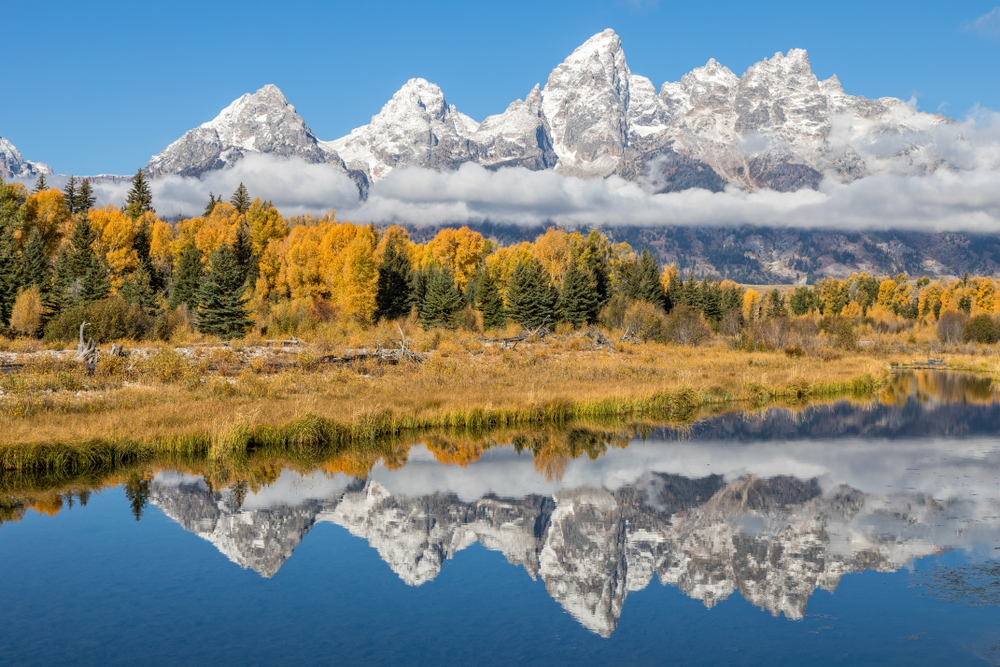
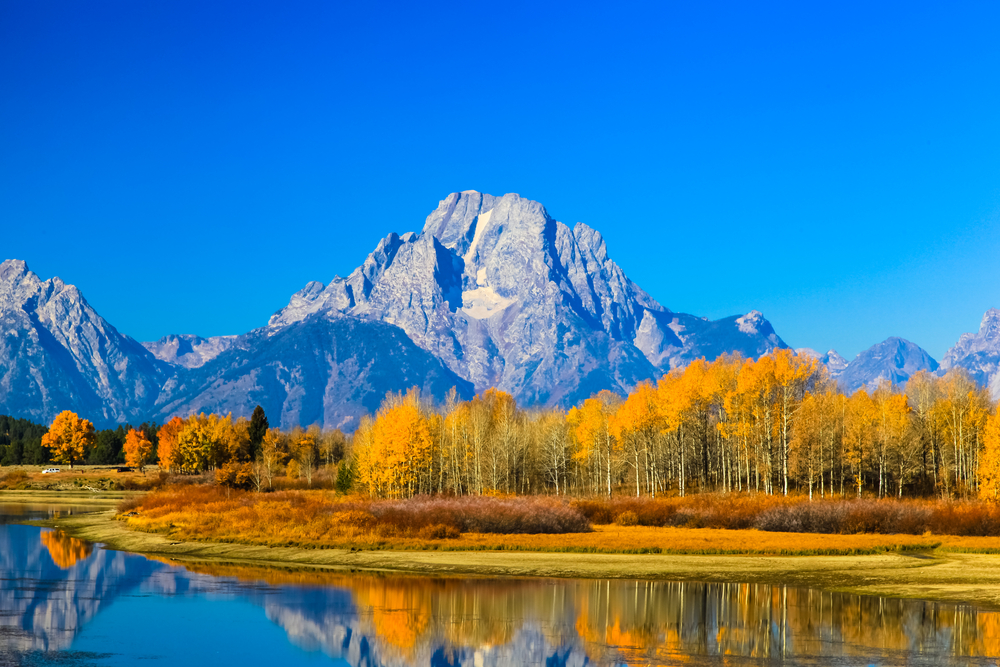
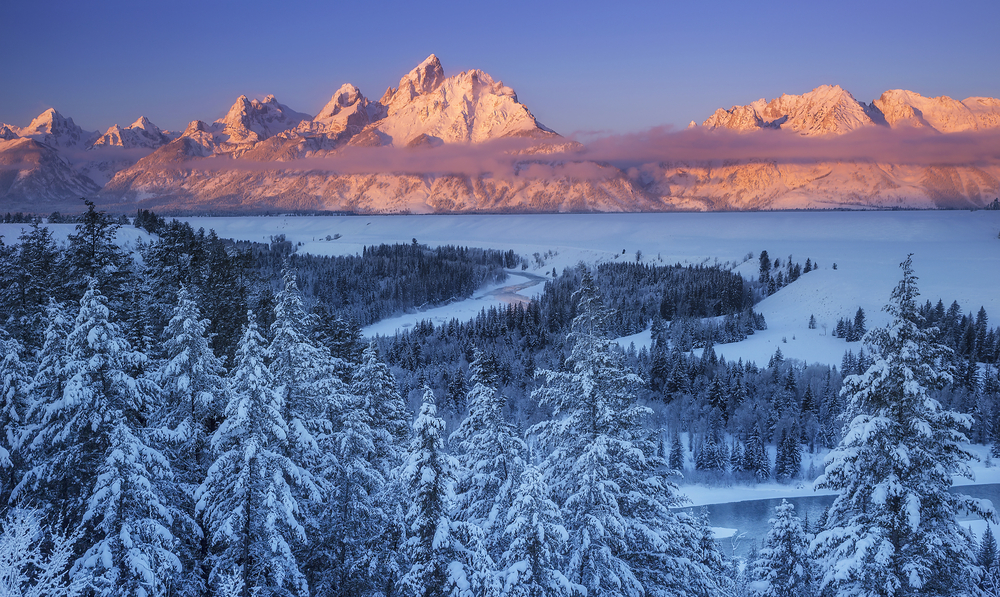
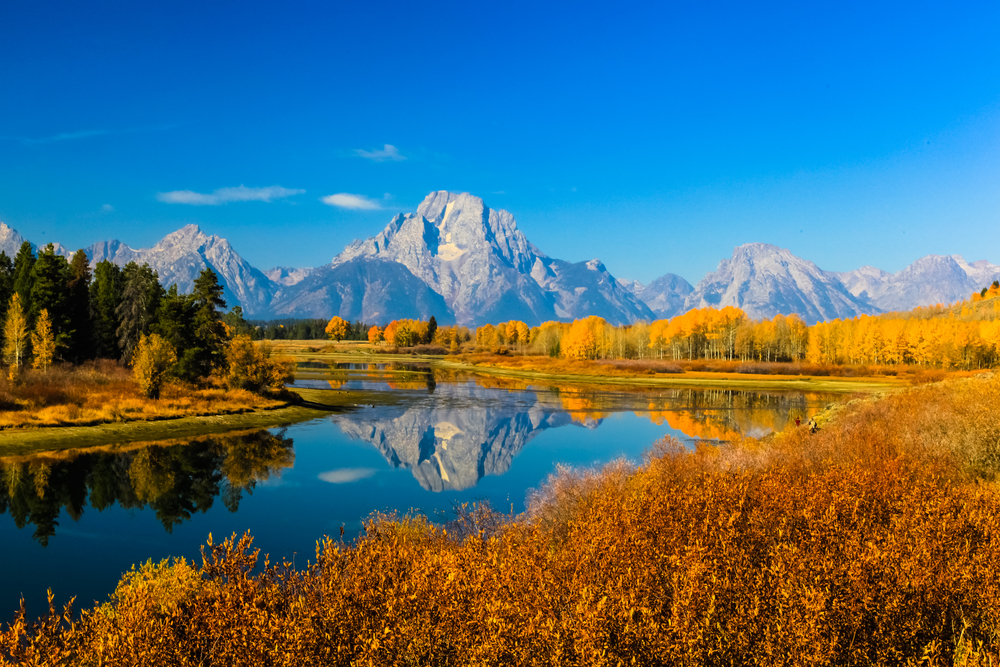
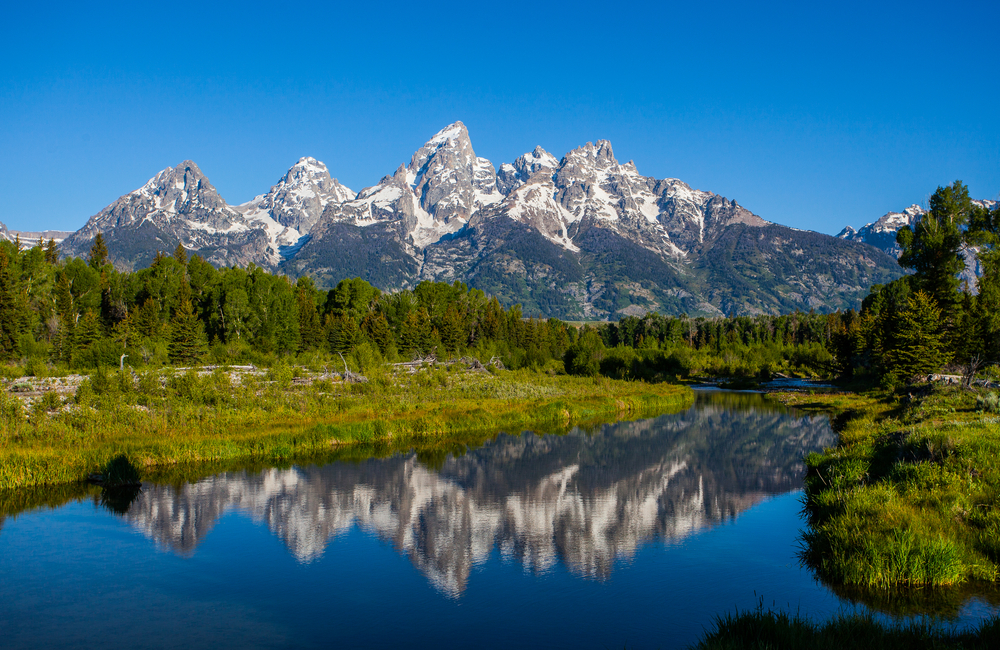
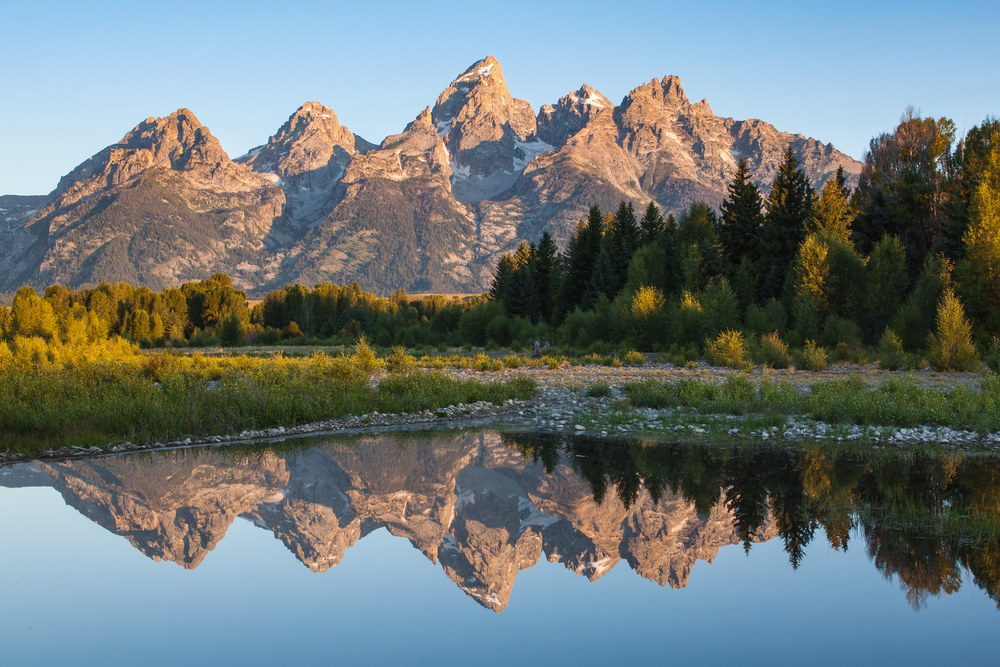
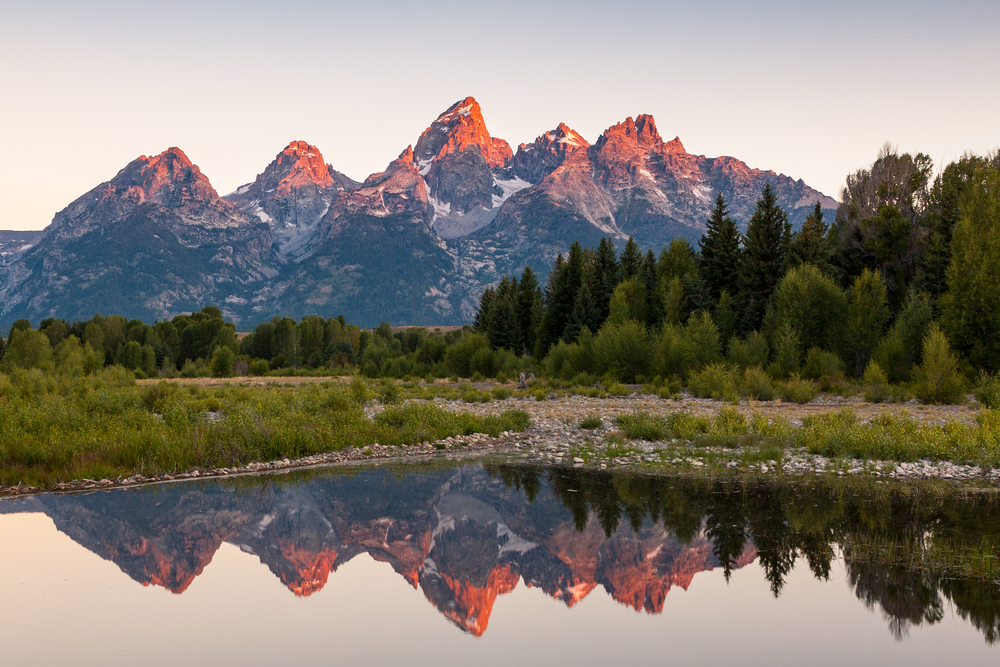
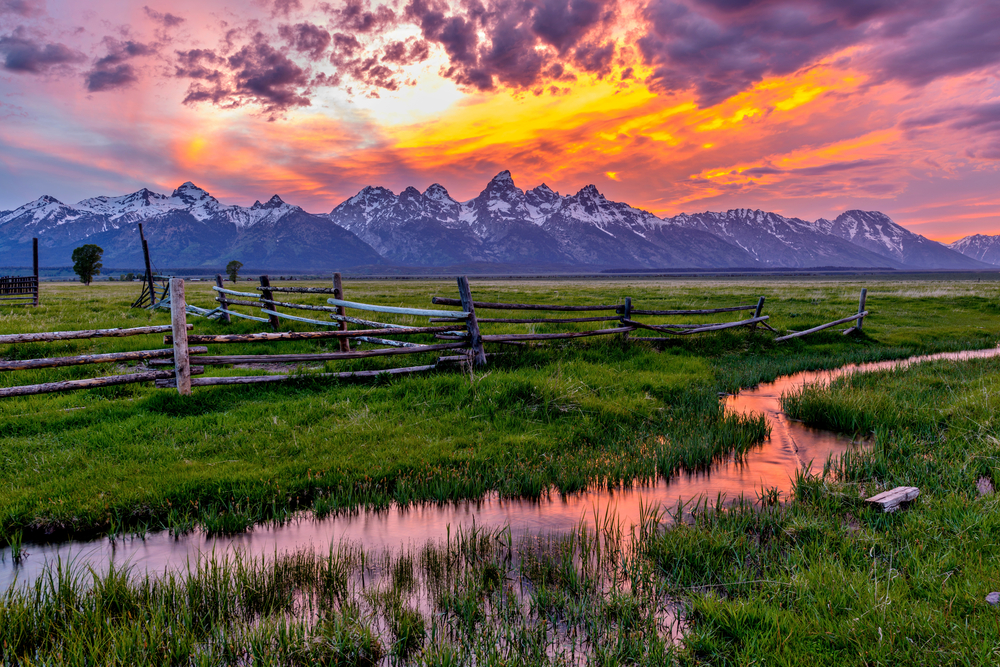
The heart of the park rests in the 40-mile (64 km) long range of mountains. Portions of the Jackson Hole valley make up the rest of the park’s boundaries. This Teton range of mountains is one of the most perfect postcard-like displays of nature.

Grand Teton, Yellowstone, and the neighboring national forests work together to create one of the world’s largest mid-latitude temperate ecosystems. This is a 28,125 square mile (72,843 sq km) of protected natural habitats.

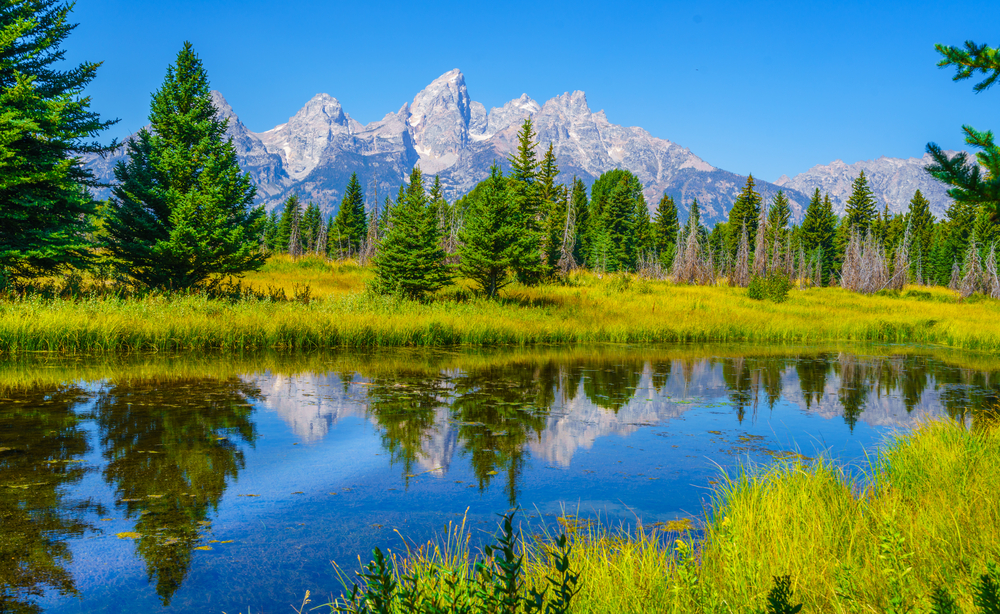
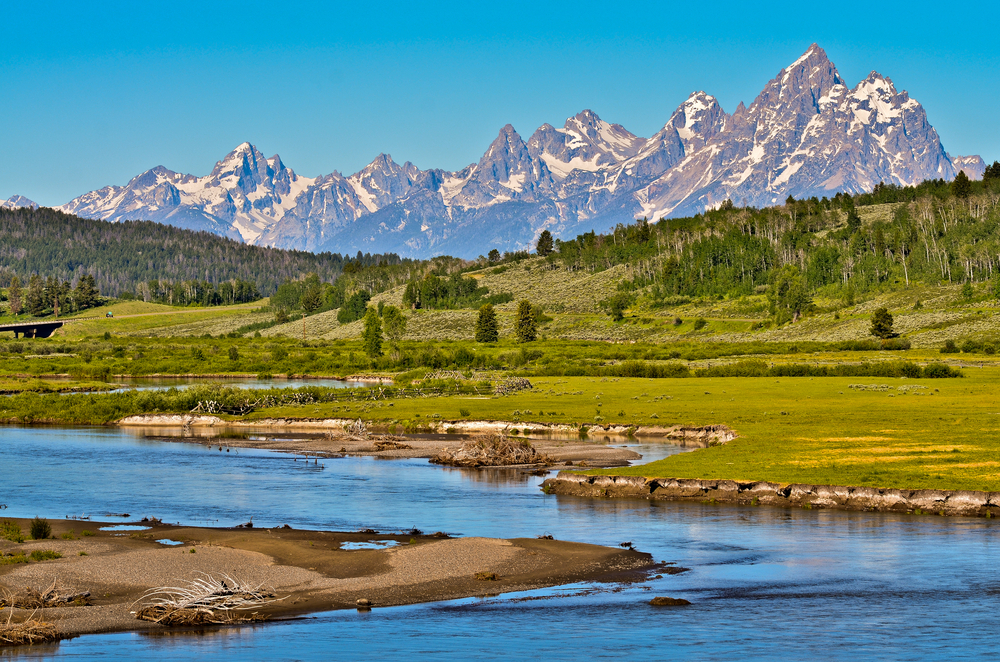
According to the National Parks Service, this is where extraordinary wildlife interacts with pristine lakes, bogs, and alpine terrain.  The Snake River meanders along with the front range of the Tetons and sets up some of the splendid landscapes that often find their way into paintings, travel books, and other artistic expressions.

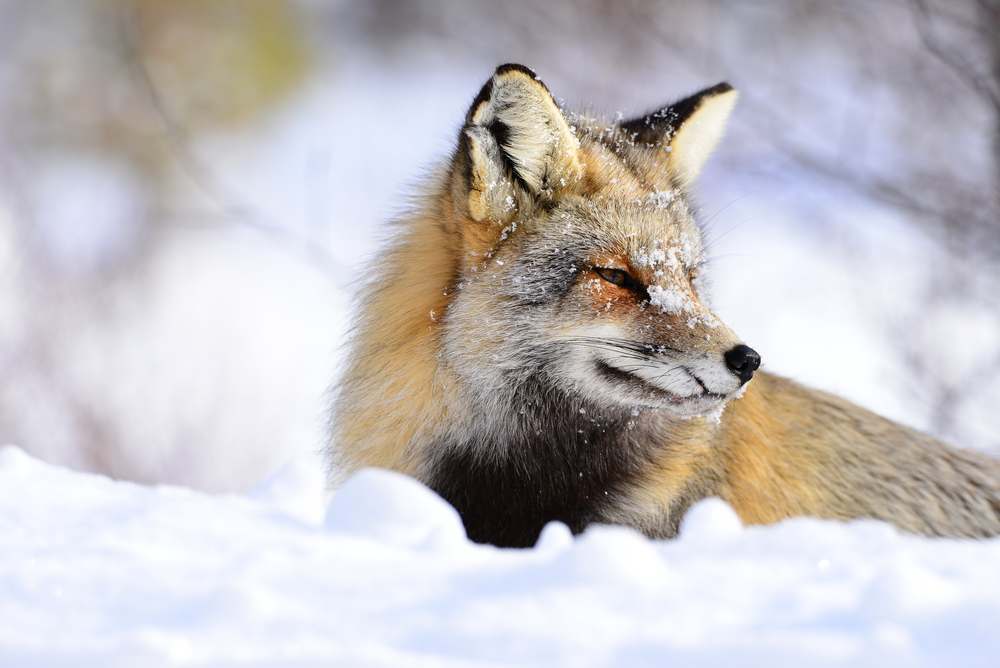
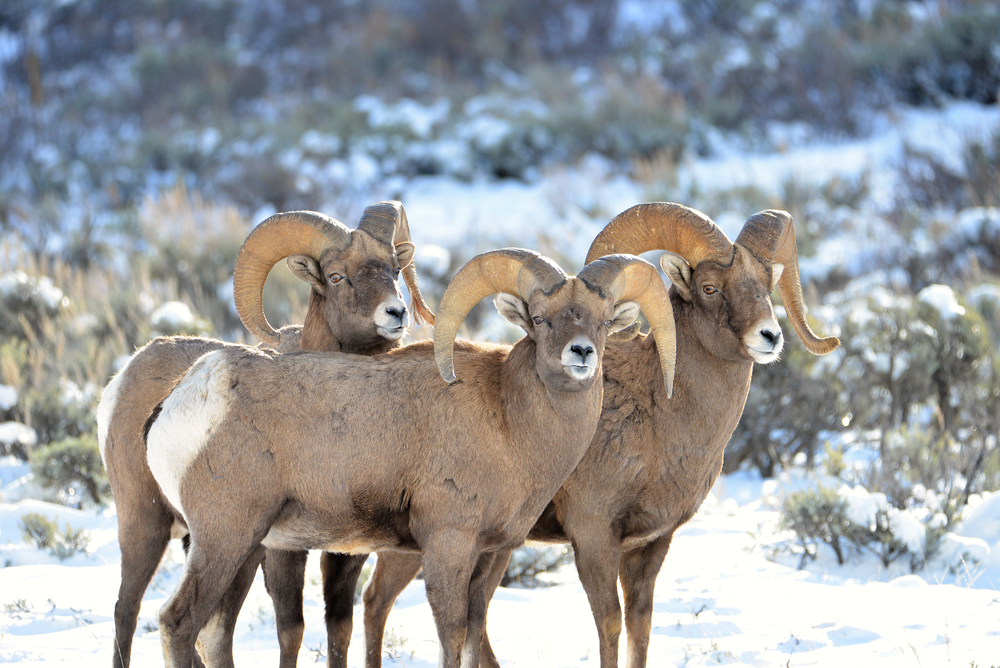
There are over 300 species of birds that keep the over 60 mammalian wildlife species company across the park.  Some of the larger more exciting wildlife opportunities include black bear, grizzly bear, gray wolf, moose, bighorn sheep, bison, pronghorn, cougar, coyote, and lynx. 

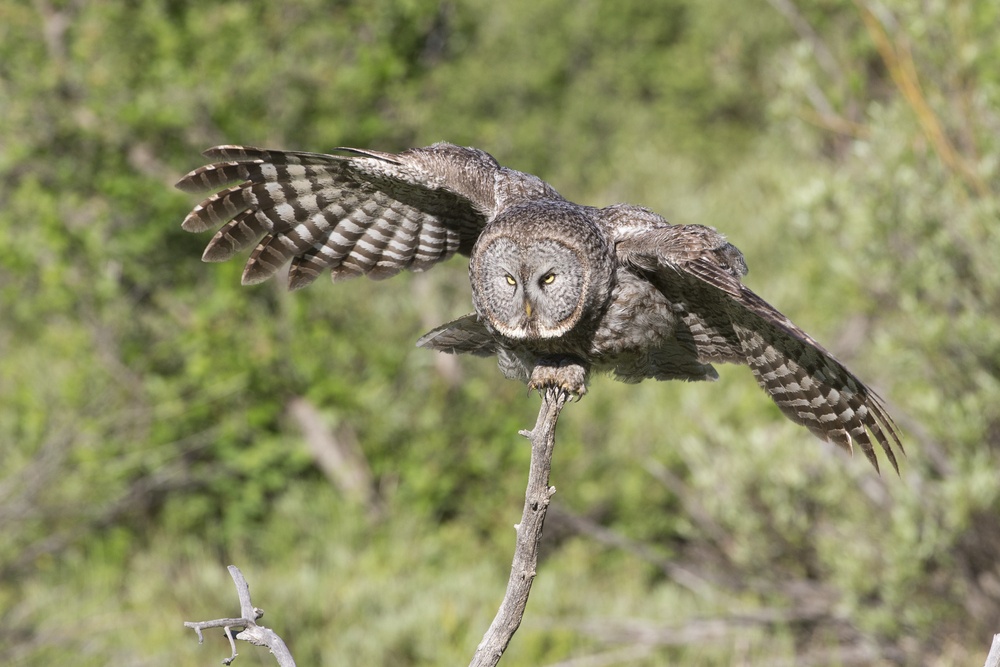
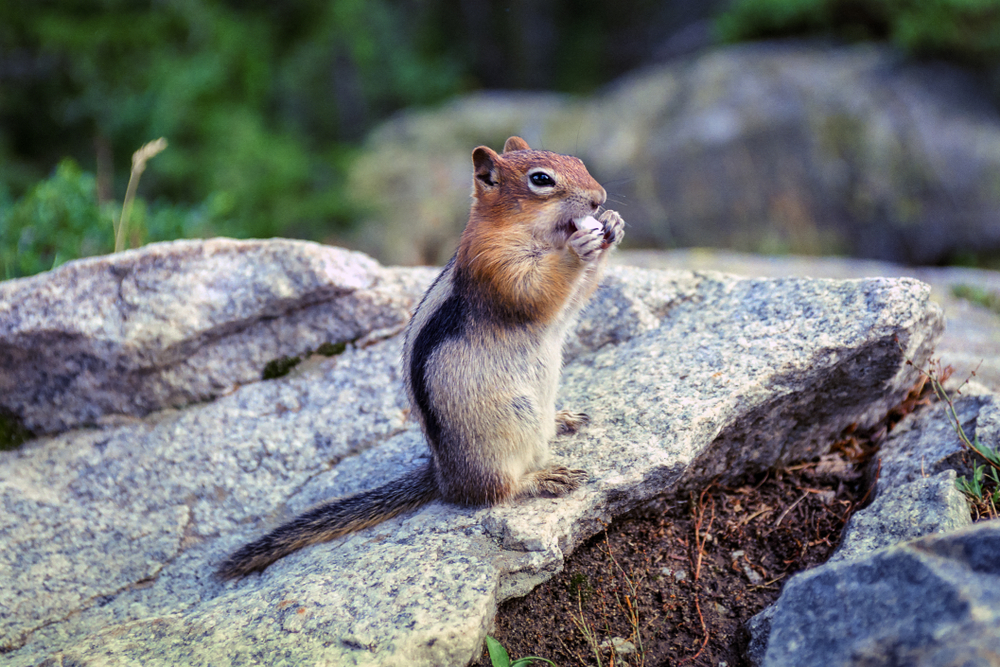
The smaller animals which are often intriguing to people include badger, beaver, porcupine, river otter, marmot, muskrat, and chipmunk. Some of the more popular bird species include the golden eagle, bald eagle, osprey, red-tailed hawk, peregrine falcon, and the great horned owl.

Things to See
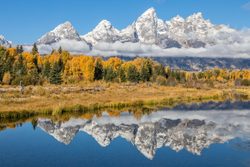
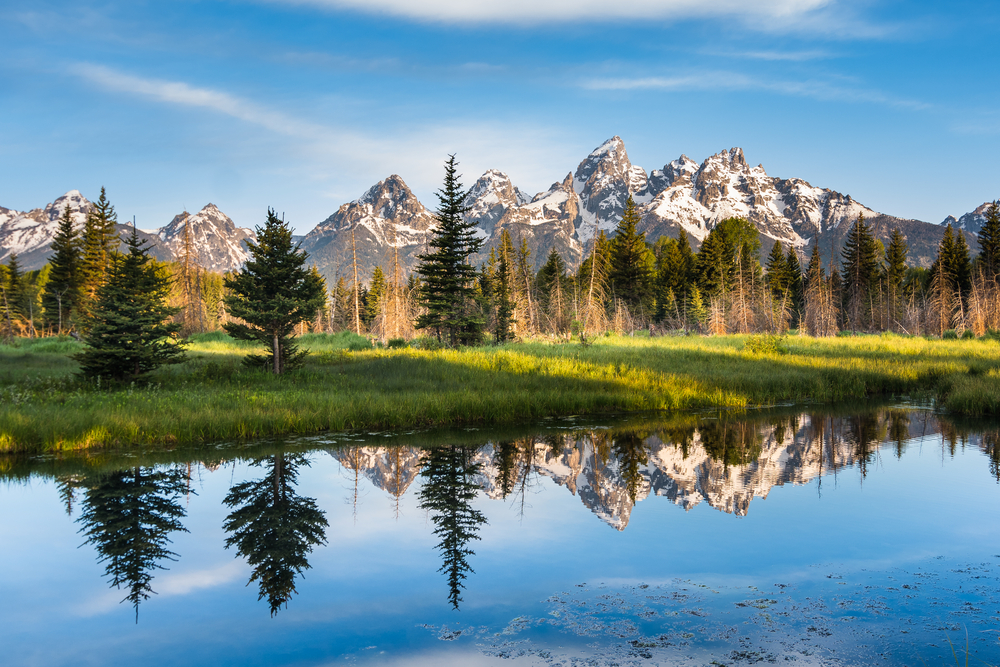
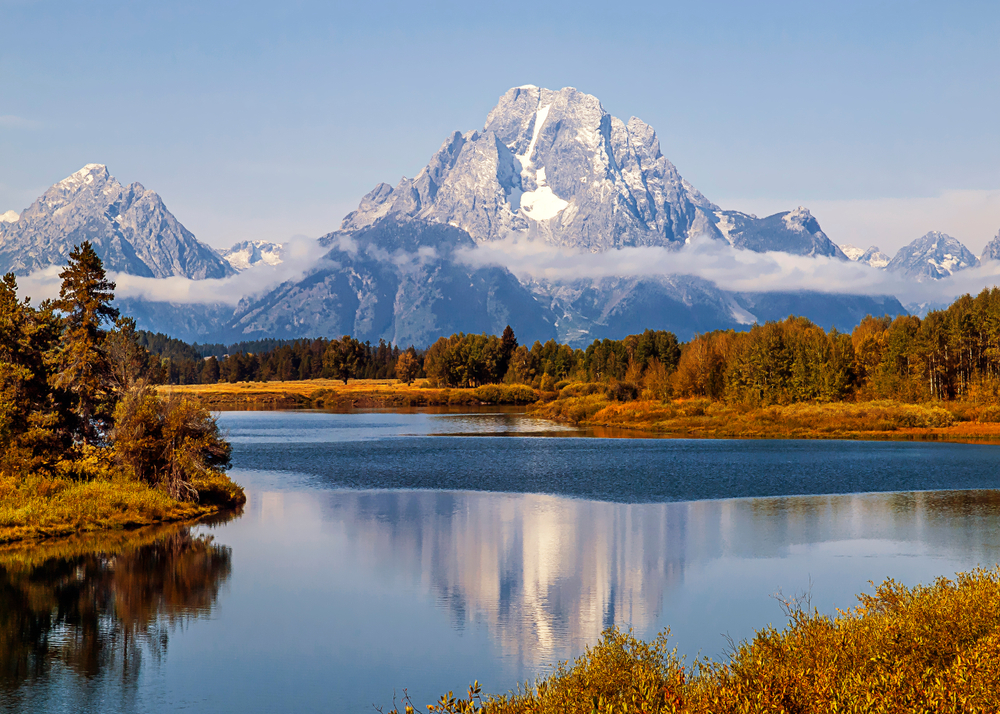
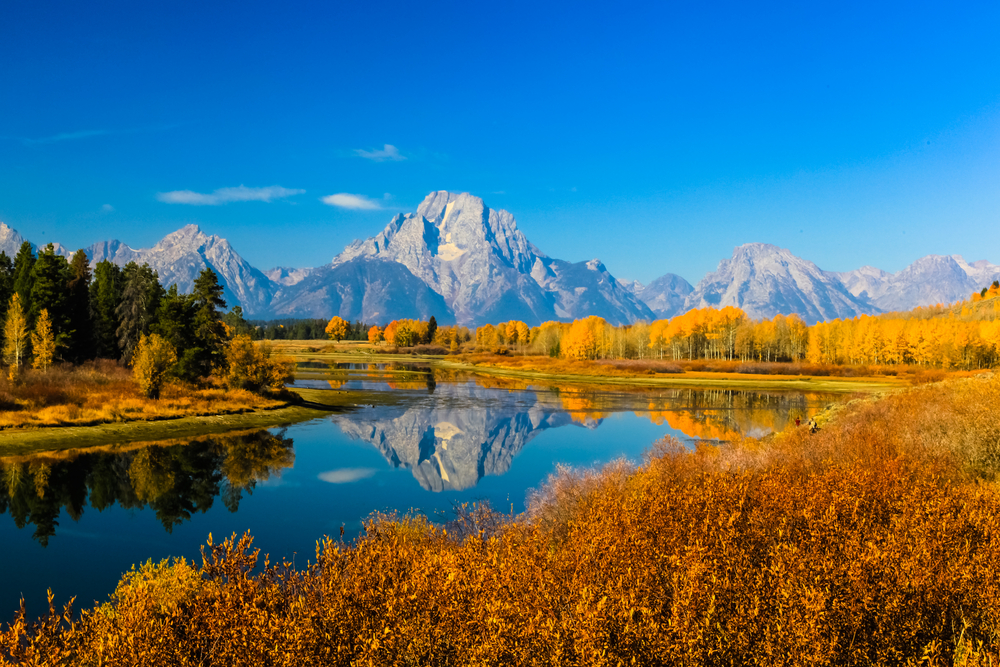
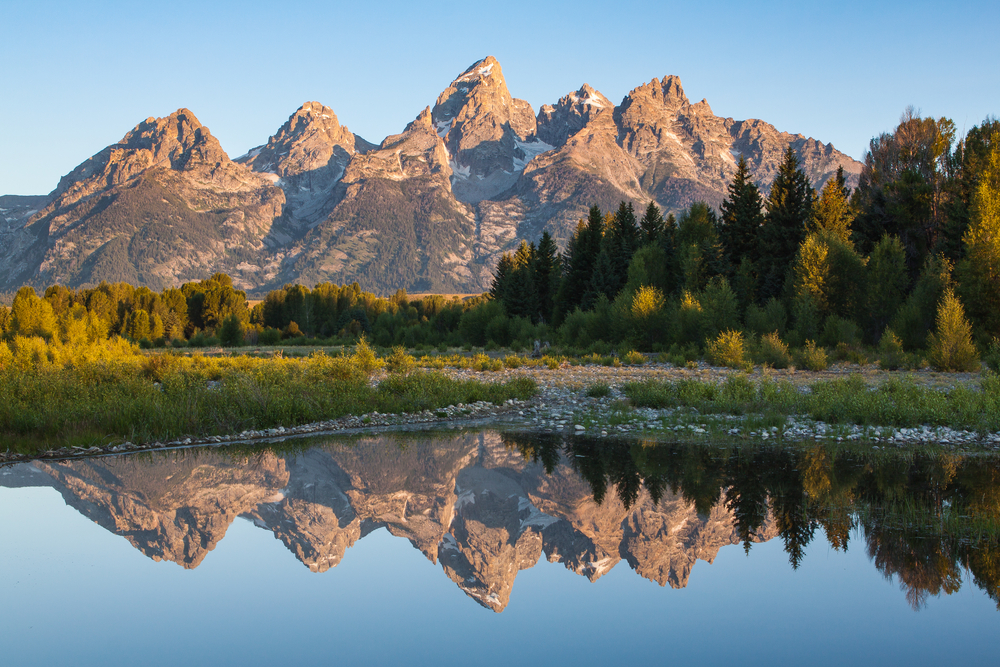
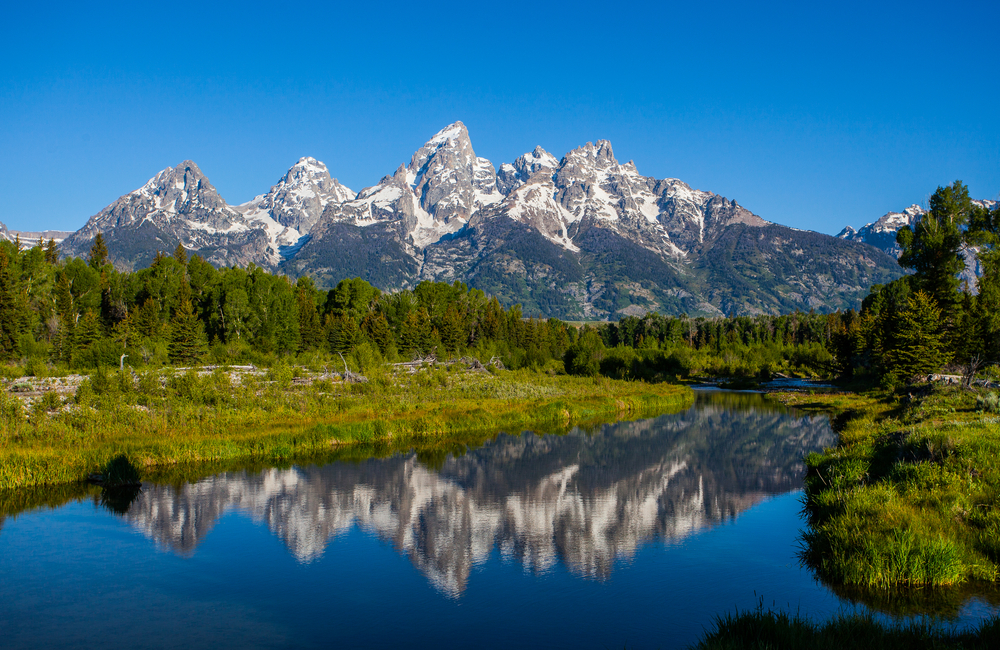
The Tetons Range is one of the most picturesque collections of mountains in the world.  These have served as the focal and backdrop of many stunning images and paintings.  Standing along the road and looking out across the meandering river with the Tetons behind them is one of the most famous lookouts.

Grand Teton

Grand Teton is the tallest mountain in the Tetons Range.  It reaches a summit of 13,775 feet (4,199m), which is approximately 850 feet (260 m) higher than Mount Owen which is the second tallest peak in the Tetons.

Jackson Lake

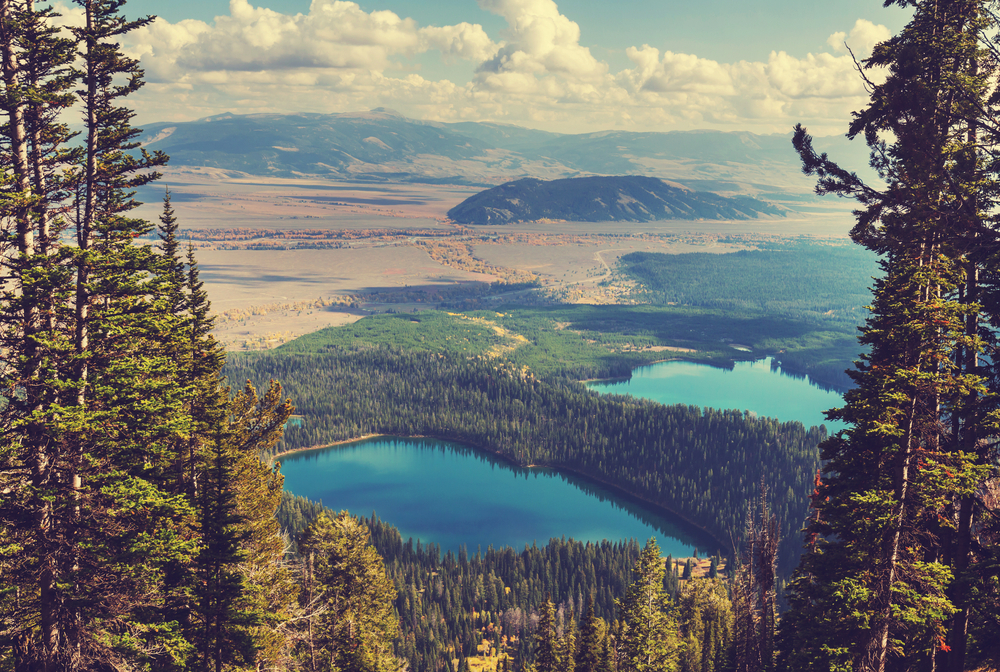
Jackson Lake is the largest lake in the park.  The lake stretches 15-miles (24 km) in length, 7 miles (11 km) wide, and reaches a depth of 438 feet (134 m). The Snake River feeds into the lake from northern Wyoming.  The lake has over 15 islands scattered across its area.

Snake River

Snake River traverses across the northwest 1,078 miles (1,735 km).  It is the largest North American river that empties into the Pacific Ocean.  It originates in Wyoming and is a pinnacle attraction of the park.  One of the most photographed lookouts appears across the Snake River toward the Tetons.

John Moulton Barn

The John Moulton Barn is also known as the T.A. Moulton Barn. It is a historic barn located in the valley with the Tetons located as the backdrop. The estate was constructed between 1912 and 1945, and the barn is the only thing that remains. For those that one to add an element of culture or history into their nature photography, this is one of the most photographed barns.  It is always fun to try and come up with unique perspectives.

Popular

Popular

Grand Teton National Park, with its dramatic peaks and pristine lakes, serves as a backdrop for a rich tapestry of wildlife, offering visitors spectacular opportunities to observe species that thrive in the park’s diverse habitats, from alpine meadows to river valleys.

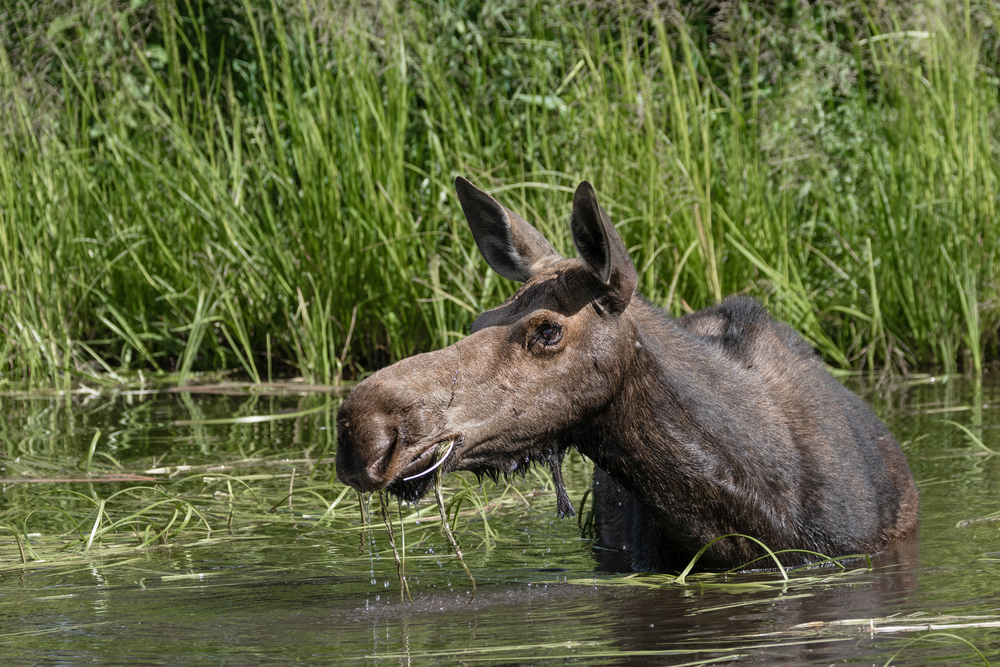
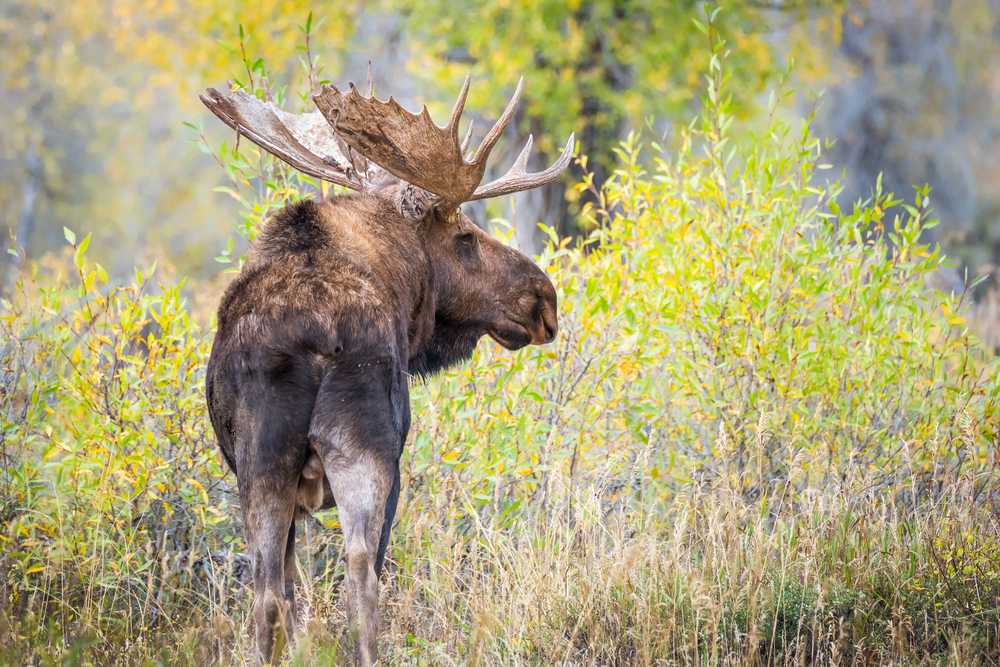
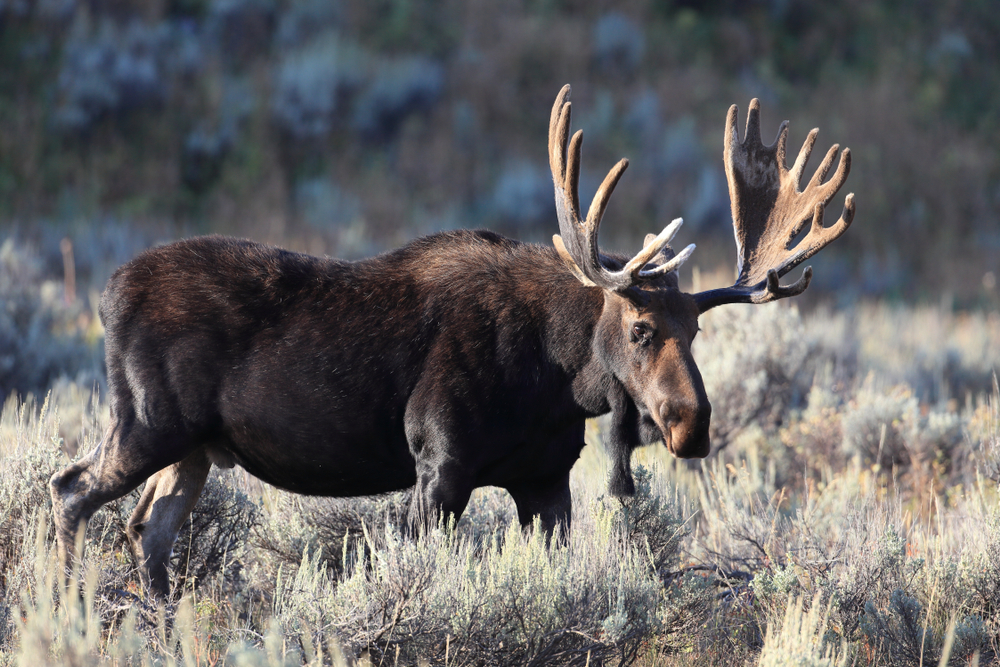
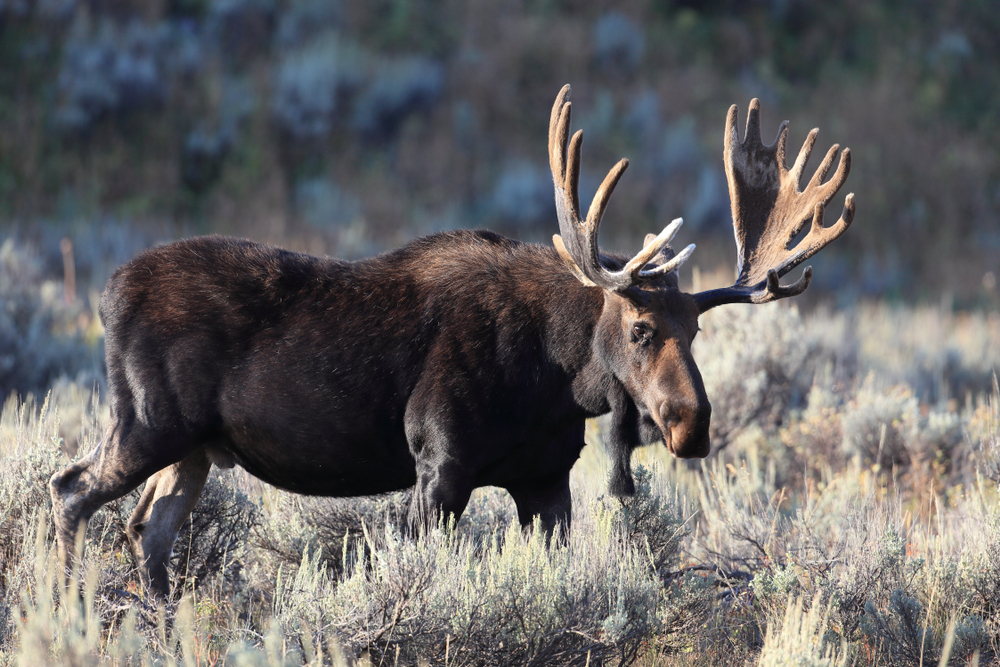
Moose – Often found near water bodies, Moose are the largest members of the deer family, easily recognizable by their long faces and massive antlers.

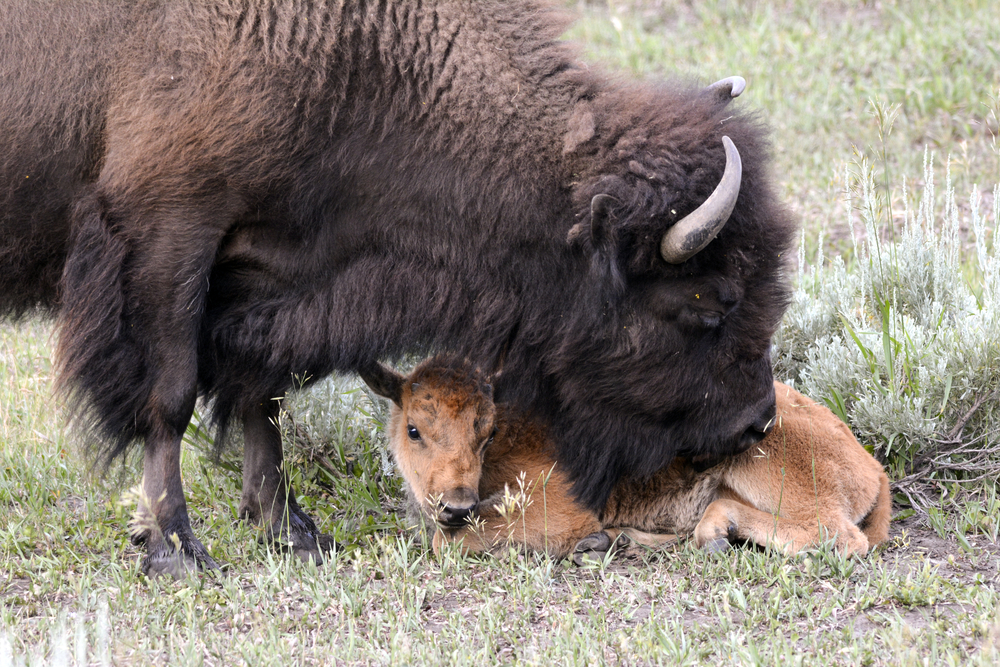
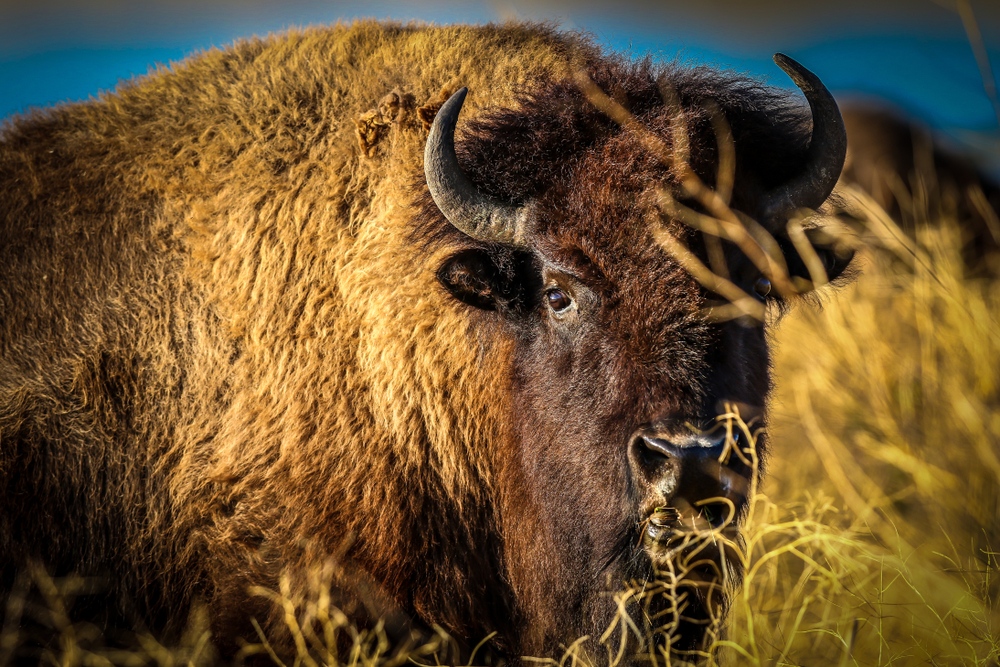
Bison – Symbolic of the American West, Bison roam the park’s grasslands in herds, a powerful reminder of the vast herds that once dominated the landscape.

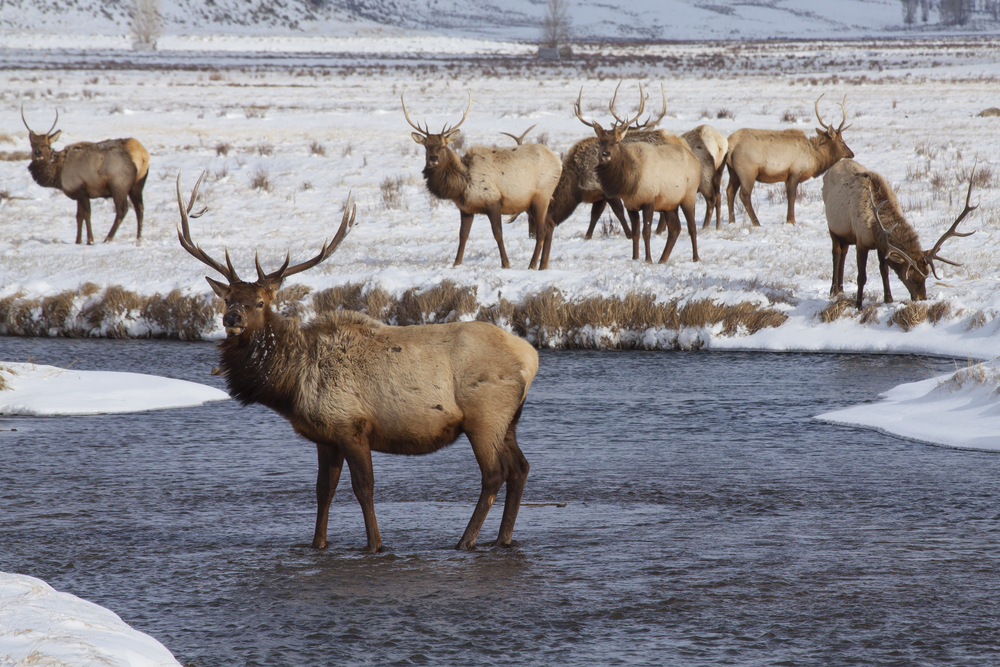
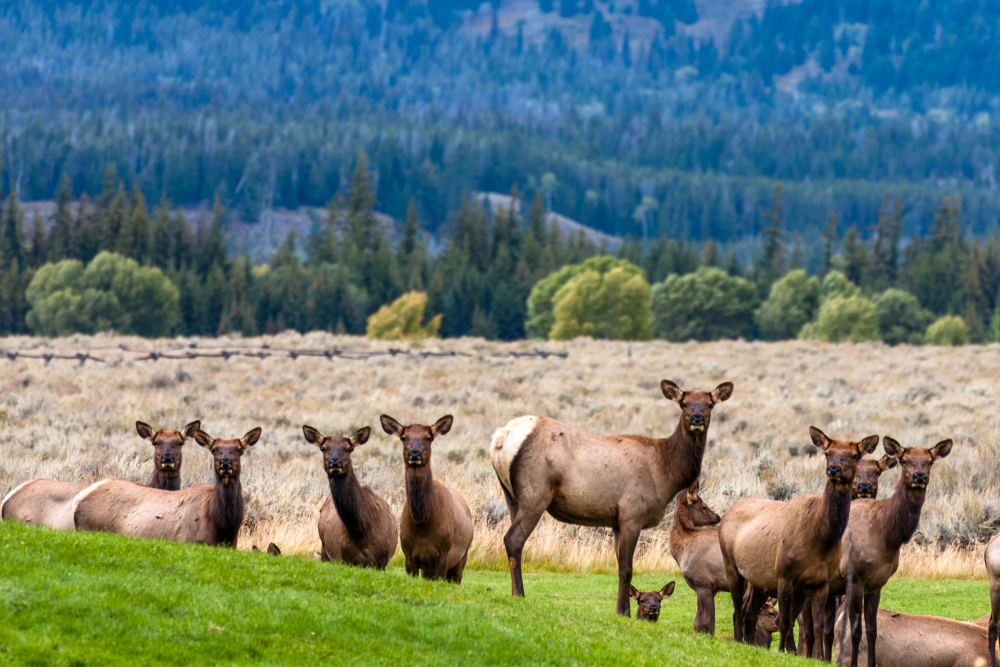
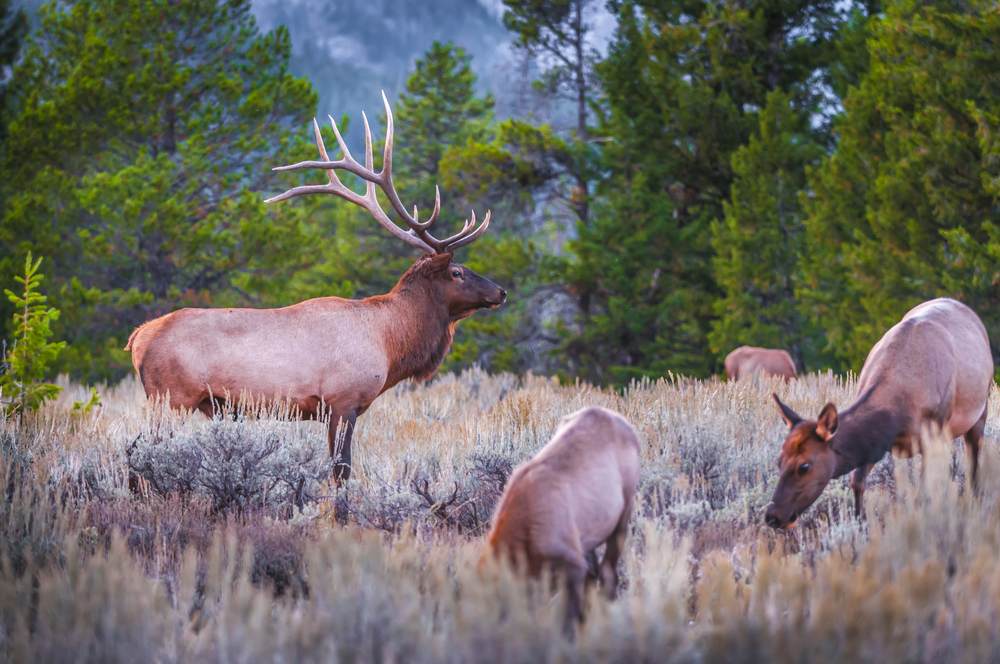
Elk – With their impressive antlers and large herds, Elk are a common sight in the park, especially during the fall rut when their bugling echoes through the valleys.

Pronghorn – Known as the fastest land mammal in North America, Pronghorn are often seen in the open plains of the park, their speed unmatched.

Grizzly Bear – A symbol of the wild, Grizzly Bears require large territories to roam, and the park provides a critical habitat for these majestic predators.

Black Bear – Smaller and more common than grizzlies, Black Bears can be found throughout the park, often seen foraging in forests and meadows.

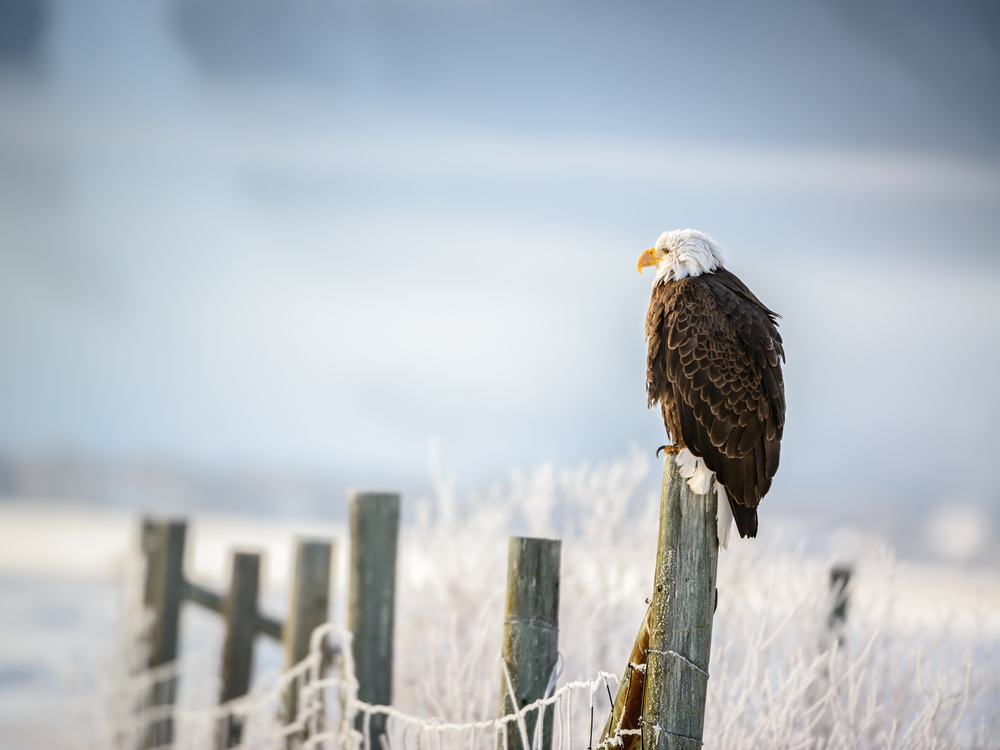
Bald Eagle – Majestic and powerful, Bald Eagles can be seen soaring above the park’s waterways, a symbol of freedom and strength.

Osprey – Specializing in fish, Ospreys are often observed diving into the park’s lakes and rivers, emerging with their catch in their talons.

Trumpeter Swan – The largest native waterfowl species in North America, Trumpeter Swans grace the park’s ponds and rivers, their presence a sign of successful conservation efforts.

Cutthroat Trout – Native to the park’s rivers and lakes, Cutthroat Trout are a crucial species for the ecosystem and a prized catch for anglers visiting the area.

Grand Teton National Park’s wildlife, from the iconic Bison to the elusive Grizzly Bear, enhances the natural beauty of this stunning landscape, making it a premier destination for nature lovers and outdoor enthusiasts alike.

Things To Do

Engaging Grand Teton National Park
Hiking

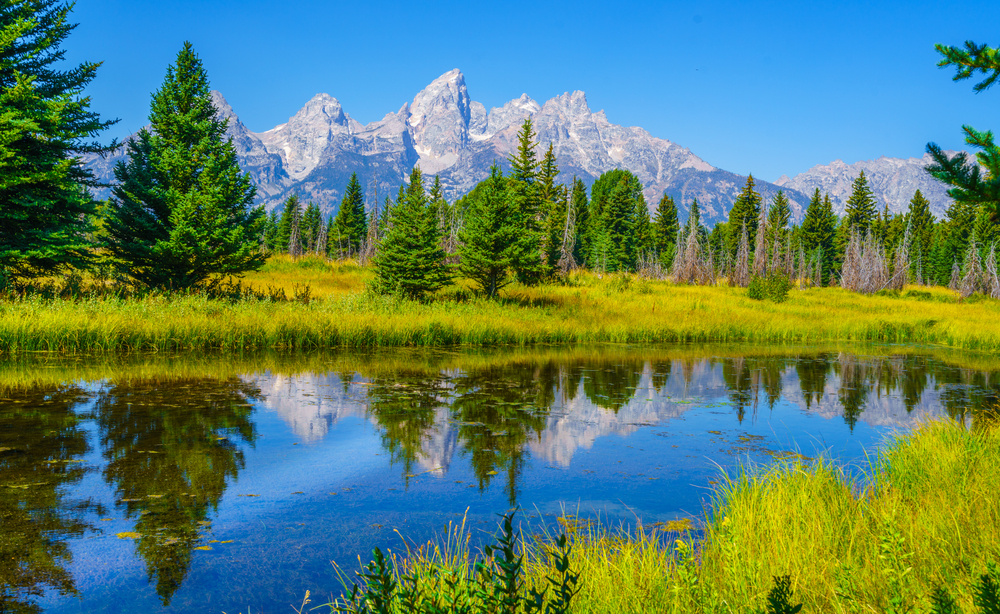
Grand Teton National Park offers a plethora of hiking trails suitable for all skill levels, each boasting breathtaking views of the Teton Range, alpine lakes, and lush valleys. Whether you’re a seasoned hiker or a beginner, there’s a trail for you.

Don’t miss the iconic Cascade Canyon Trail, which winds through towering peaks and alongside cascading waterfalls, providing unforgettable vistas. For a more challenging trek, tackle the strenuous but rewarding hike to the summit of Grand Teton itself, offering unparalleled panoramic views of the surrounding landscape.

Scenic Drives

Experience the beauty of Grand Teton National Park from the comfort of your car by taking one of its scenic drives. The Teton Park Road offers stunning views of the Teton Range, while the Moose-Wilson Road winds through dense forests, providing opportunities for wildlife spotting along the way.

Boating and Rafting

Explore the park’s pristine lakes and rivers by boat or raft, offering a unique perspective of the surrounding mountains and landscapes. Rent a kayak or canoe to paddle across Jackson Lake, or join a guided rafting trip down the Snake River for an exhilarating adventure.

Hiking

Grand Teton National Park offers a plethora of hiking trails suitable for all skill levels, each boasting breathtaking views of the Teton Range, alpine lakes, and lush valleys. Whether you’re a seasoned hiker or a beginner, there’s a trail for you.

Don’t miss the iconic Cascade Canyon Trail, which winds through towering peaks and alongside cascading waterfalls, providing unforgettable vistas. For a more challenging trek, tackle the strenuous but rewarding hike to the summit of Grand Teton itself, offering unparalleled panoramic views of the surrounding landscape.

Scenic Drives

Experience the beauty of Grand Teton National Park from the comfort of your car by taking one of its scenic drives. The Teton Park Road offers stunning views of the Teton Range, while the Moose-Wilson Road winds through dense forests, providing opportunities for wildlife spotting along the way.

Boating and Rafting

Explore the park’s pristine lakes and rivers by boat or raft, offering a unique perspective of the surrounding mountains and landscapes. Rent a kayak or canoe to paddle across Jackson Lake, or join a guided rafting trip down the Snake River for an exhilarating adventure.

Grand Teton National Park Trails

There Tetons have over 200 miles (320 km) of hiking trails with trails that range from easy to difficult providing something for everyone.

placeholder

Taggart Lake Loop

This is an easy 4.1-mile (6.60 km) loop trail traverses through forests and along the lake.  There are chances to see moose, many of the different species of birds, and of course the astounding landscape around the lake. It does have 429 feet (130.7 m) of elevation gain.

placeholder

String Lake Trail

This is a 3.7-mile (5.95 km) loop trail that meanders around the lake and over a bridge giving additional views of the lake and mountain backdrop.  The loop has an elevation gain of 262 feet (79.8 m).

placeholder

Cascade Canyon Trail

This is a moderate rated trail with an elevation gain of 1,128 feet (343.8 km).  You will have a remarkable view of mountainous landscapes while overlooking a lake below. The trail is out and back.

placeholder

Lake Solitude Trail

This is a challenging 16-mile (25.7 km) with an elevation gain of 2,637 feet (803.76 m). The out and back trail ascends through forest and over rocky terrain. There are chances to see wildlife, wildflowers, and wilderness.  There is a beautiful waterfall to add to the intrigue of the trail.

placeholder

Jenny Lake Loop Trail

Rating: Moderate

Distance and Elevation Gain: 7.6 miles round trip with minimal elevation gain

Description: Circling the pristine Jenny Lake, this trail offers stunning views of the Teton Range reflected in the lake’s waters. Hikers can enjoy easy access to scenic spots, including Hidden Falls and Inspiration Point, with options for a boat ride across the lake to shorten the journey. The trail is well-maintained, making it accessible for most hikers and families.

placeholder

Cascade Canyon Trail

Rating: Moderate to Strenuous

Distance and Elevation Gain: Up to 9.1 miles round trip with an elevation gain of about 1,200 feet (366 meters) to the Forks

Description: Starting with a boat ride across Jenny Lake or from the Jenny Lake Loop, this trail ascends into the stunning Cascade Canyon, flanked by towering peaks. Hikers can enjoy views of waterfalls, wildflowers, and possibly wildlife, including moose and bears. The trail gradually ascends through the canyon, offering a mix of moderate and strenuous hiking.

placeholder

Taggart Lake Trail

Rating: Easy to Moderate

Distance and Elevation Gain: 3.3 miles round trip with an elevation gain of about 277 feet (84 meters)

Description: This family-friendly hike leads to the beautiful Taggart Lake, set against the backdrop of the Teton Range. The trail offers a mix of meadows, forest, and mountain views, with the lake providing a serene spot for relaxation and photography. It’s an excellent choice for those seeking a shorter hike with rewarding views.

placeholder

Paintbrush Canyon to Paintbrush Divide

Rating: Strenuous

Distance and Elevation Gain: Up to 19.2 miles round trip with an elevation gain of about 3,800 feet (1,158 meters)

Description: This challenging hike takes adventurers through the beautiful Paintbrush Canyon, culminating at the Paintbrush Divide. Hikers will experience a variety of terrains, including wildflower-filled meadows, snowfields, and rocky passes, offering panoramic views of the Tetons and surrounding valleys. This trail is suited for experienced hikers seeking a full-day or overnight adventure.

placeholder

Teton Crest Trail

Rating: Strenuous

Distance and Elevation Gain: Variable, up to 40 miles one-way with significant elevation gain

Description: The Teton Crest Trail offers a multi-day backpacking experience traversing the backbone of the Teton Range. Hikers will encounter alpine terrain, high mountain passes, and stunning vistas of the park’s iconic peaks and valleys. This trail requires preparation and permits for camping but rewards with unforgettable experiences in some of the most remote areas of the park.

placeholder

Jenny Lake Loop Trail

Rating: Moderate

Distance and Elevation Gain: 7.6 miles round trip with minimal elevation gain

Description: Circling the pristine Jenny Lake, this trail offers stunning views of the Teton Range reflected in the lake’s waters. Hikers can enjoy easy access to scenic spots, including Hidden Falls and Inspiration Point, with options for a boat ride across the lake to shorten the journey. The trail is well-maintained, making it accessible for most hikers and families.

placeholder

Cascade Canyon Trail

Rating: Moderate to Strenuous

Distance and Elevation Gain: Up to 9.1 miles round trip with an elevation gain of about 1,200 feet (366 meters) to the Forks

Description: Starting with a boat ride across Jenny Lake or from the Jenny Lake Loop, this trail ascends into the stunning Cascade Canyon, flanked by towering peaks. Hikers can enjoy views of waterfalls, wildflowers, and possibly wildlife, including moose and bears. The trail gradually ascends through the canyon, offering a mix of moderate and strenuous hiking.

placeholder

Taggart Lake Trail

Rating: Easy to Moderate

Distance and Elevation Gain: 3.3 miles round trip with an elevation gain of about 277 feet (84 meters)

Description: This family-friendly hike leads to the beautiful Taggart Lake, set against the backdrop of the Teton Range. The trail offers a mix of meadows, forest, and mountain views, with the lake providing a serene spot for relaxation and photography. It’s an excellent choice for those seeking a shorter hike with rewarding views.

placeholder

Paintbrush Canyon to Paintbrush Divide

Rating: Strenuous

Distance and Elevation Gain: Up to 19.2 miles round trip with an elevation gain of about 3,800 feet (1,158 meters)

Description: This challenging hike takes adventurers through the beautiful Paintbrush Canyon, culminating at the Paintbrush Divide. Hikers will experience a variety of terrains, including wildflower-filled meadows, snowfields, and rocky passes, offering panoramic views of the Tetons and surrounding valleys. This trail is suited for experienced hikers seeking a full-day or overnight adventure.

placeholder

Teton Crest Trail

Rating: Strenuous

Distance and Elevation Gain: Variable, up to 40 miles one-way with significant elevation gain

Description: The Teton Crest Trail offers a multi-day backpacking experience traversing the backbone of the Teton Range. Hikers will encounter alpine terrain, high mountain passes, and stunning vistas of the park’s iconic peaks and valleys. This trail requires preparation and permits for camping but rewards with unforgettable experiences in some of the most remote areas of the park.

FAQ’s

What is Grand Teton National Park known for?

Grand Teton National Park is renowned for its majestic mountain range, which towers over pristine alpine lakes and verdant valleys.

The park’s iconic peaks, including the towering Grand Teton itself, offer breathtaking vistas and unparalleled opportunities for outdoor recreation.

Visitors flock to Grand Teton to hike scenic trails, paddle tranquil waters, and marvel at abundant wildlife. The park’s rich biodiversity, from grizzly bears to bald eagles, attracts nature enthusiasts and photographers alike.

Additionally, Grand Teton’s vibrant cultural history, including Native American heritage and pioneering settlers, adds depth to its allure.

Whether you’re seeking adventure in the rugged backcountry or simply yearning for solace amid spectacular scenery, Grand Teton National Park offers an unforgettable experience in the heart of the American West.

What is Grand Teton National Park known for?

Grand Teton National Park is renowned for its majestic mountain range, which towers over pristine alpine lakes and verdant valleys.

The park’s iconic peaks, including the towering Grand Teton itself, offer breathtaking vistas and unparalleled opportunities for outdoor recreation.

Visitors flock to Grand Teton to hike scenic trails, paddle tranquil waters, and marvel at abundant wildlife. The park’s rich biodiversity, from grizzly bears to bald eagles, attracts nature enthusiasts and photographers alike.

Additionally, Grand Teton’s vibrant cultural history, including Native American heritage and pioneering settlers, adds depth to its allure.

Whether you’re seeking adventure in the rugged backcountry or simply yearning for solace amid spectacular scenery, Grand Teton National Park offers an unforgettable experience in the heart of the American West.

Sources