

About
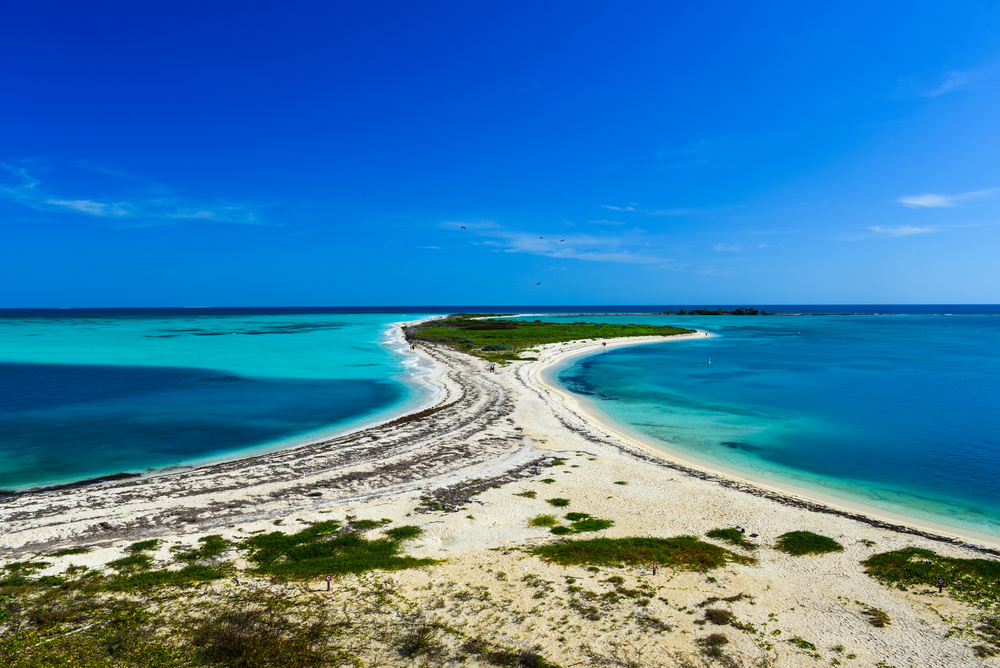
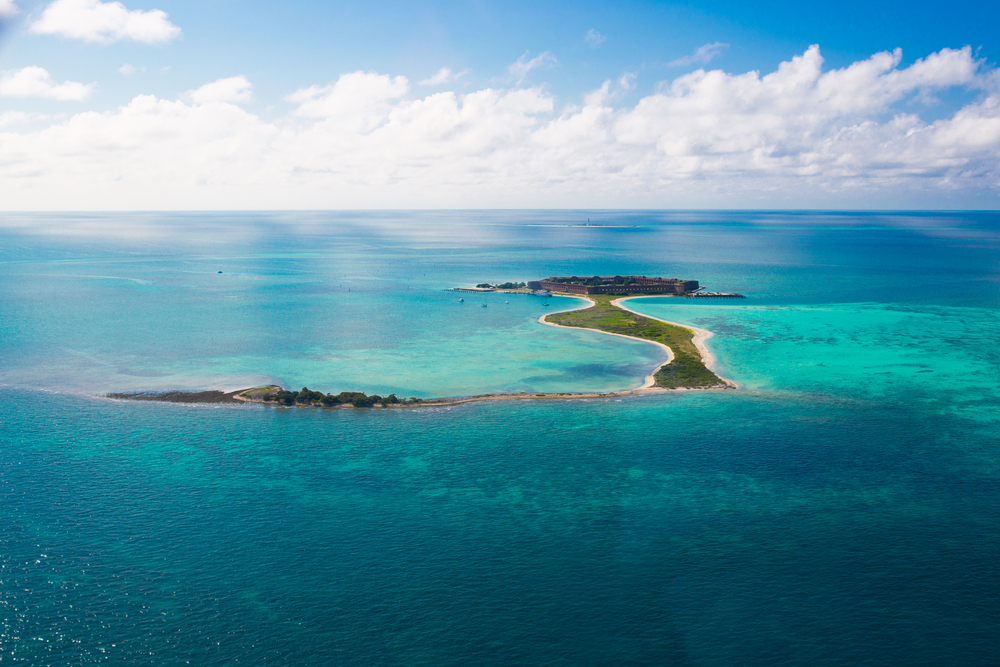
Dry Tortugas National Park is located in the westernmost part of the Florida Keys. It sits about 70 miles (110 km) west of Key West, Florida, of the United States. The park covers an area of 101 square miles (261.84 sq km).
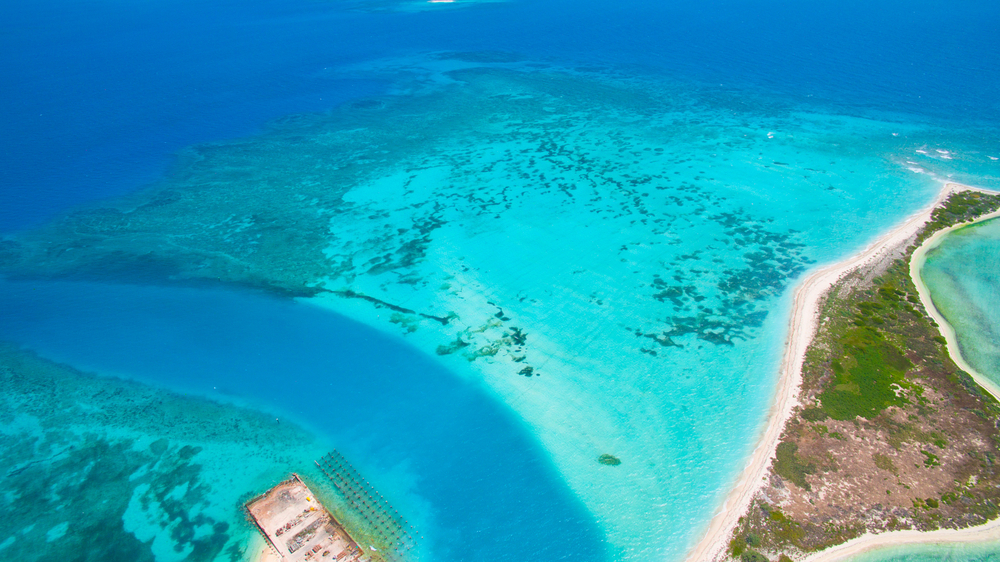
Although the park boundaries are just over 100 square miles, the total land area only accounts for 0.2 square miles (0.4 sq km). The majority of the protected area is the coral reef and surrounding marine waters.
Dry Tortugas is a sister and collaborative national park with Everglades National Park and together create the UNESCO Everglades & Dry Tortugas Biosphere Reserve.
The park is comprised of the last seven islands of the Florida Keys and is renowned for the remoteness and Caribbean intrigue. Travelers come for the tropical birds, the brilliant coral reefs, and the accompanying sea life.
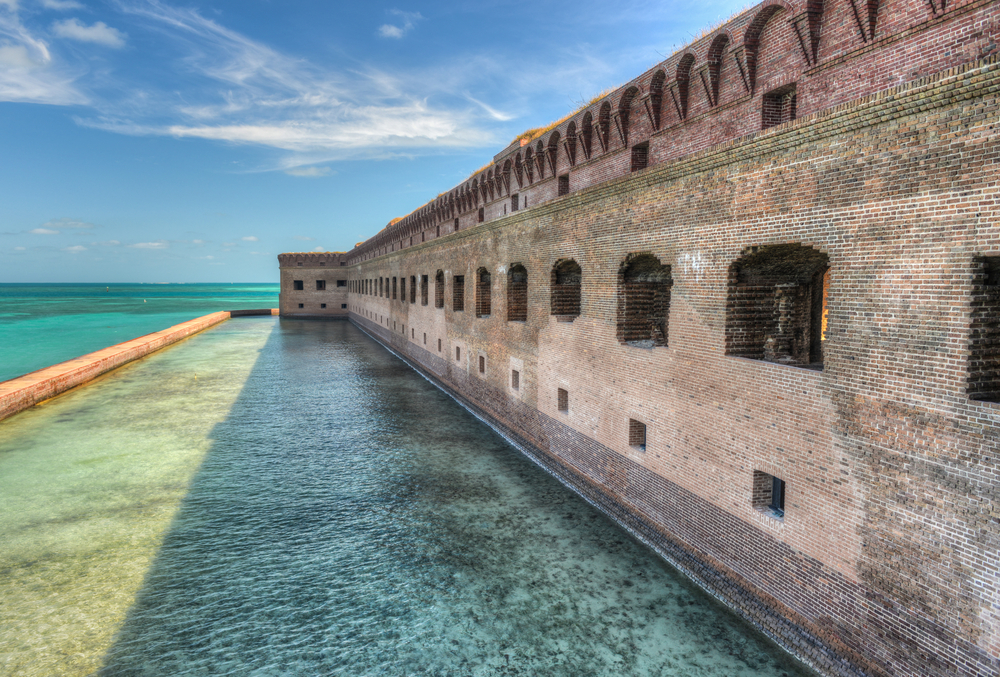
The remains of Fort Jefferson add to the historical tails of pirates and shipwrecks. Travelers can only reach the park by plane or boat. The pristine marine ecosystem intertwined with the historical facets of the fortress creates one of the most unique national parks in the United States.
Because of the remoteness of the park, the coral reefs and related Florida Key islands are the most undisturbed offering the most natural marine habitat throughout the Keys. Subsequently, there are around 300 species of birds
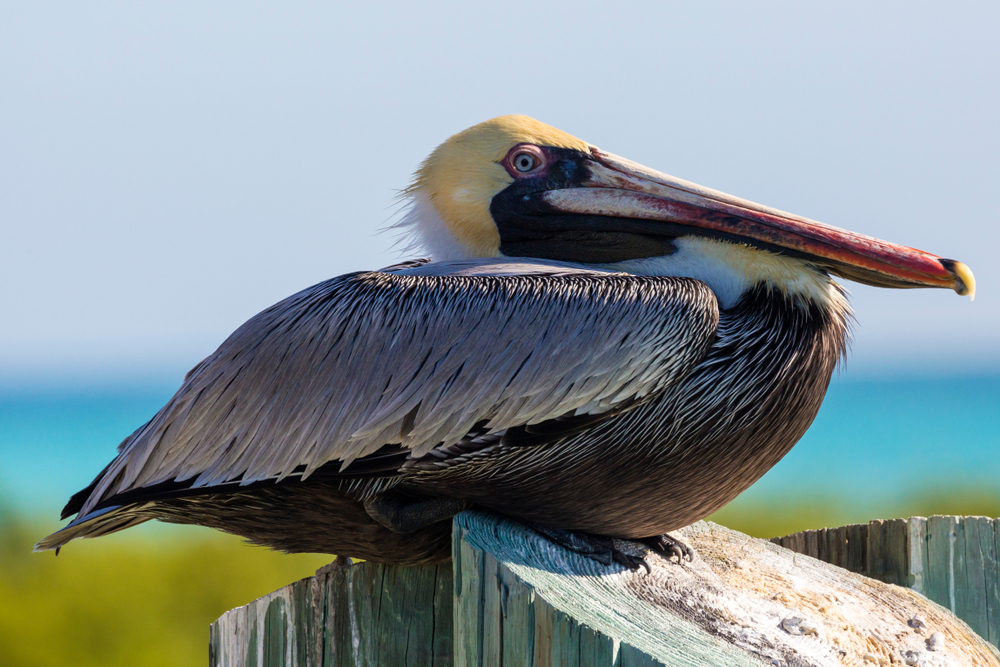
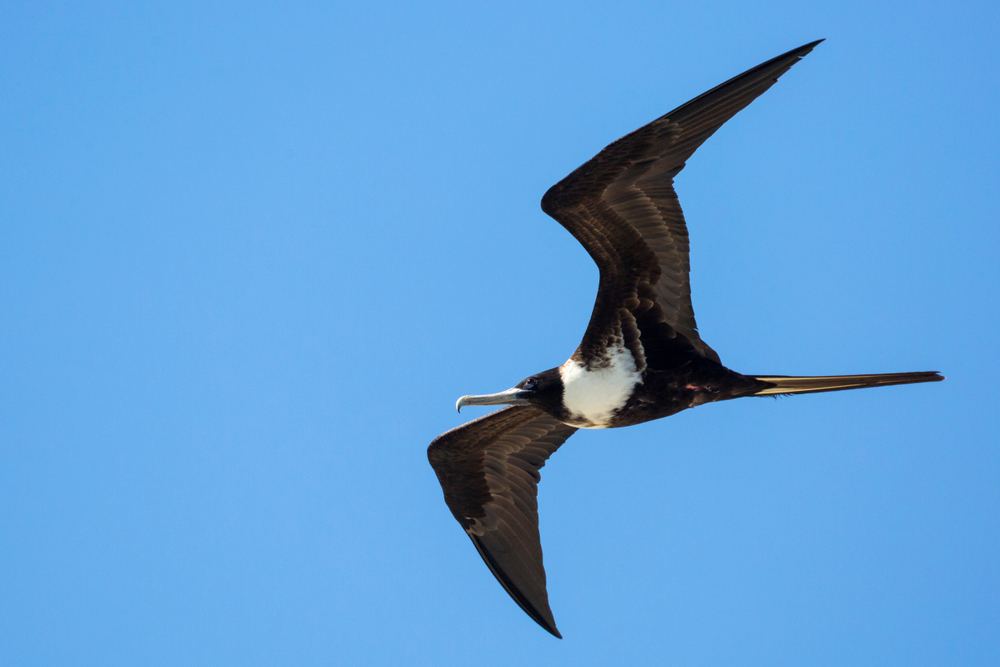
However, despite the number of species that pass through the park area, only eight species are known to nest in the park and call it home. Nesting birds include bridled tern, brown noddy, brown pelican, magnificent frigate bird, masked booby, mourning dove, roseate tern, and the sooty tern.
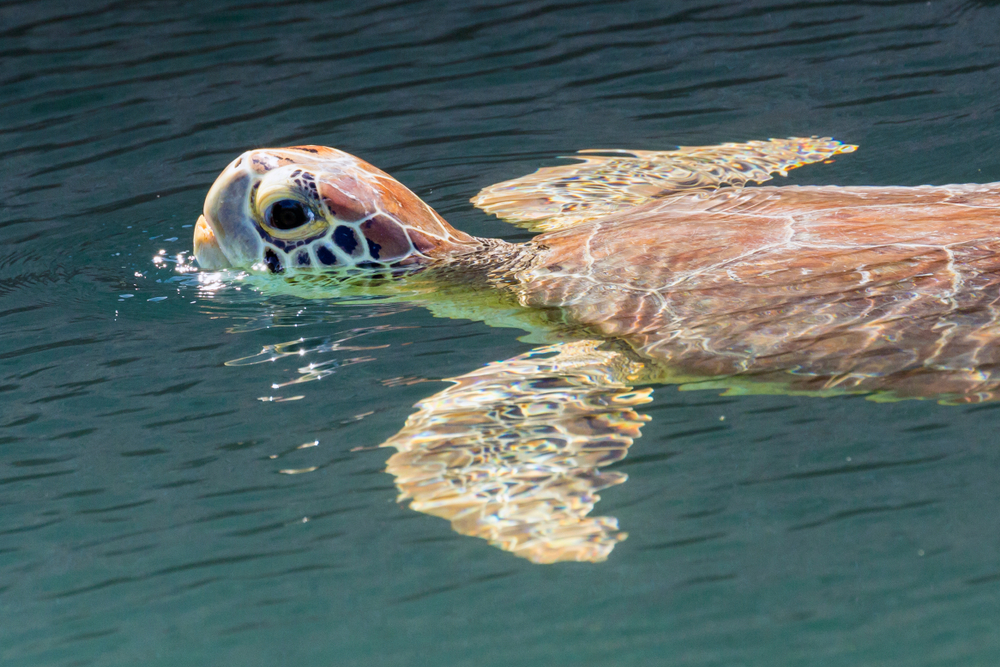
Migratory species are most commonly experienced during the spring months. The peak occurs usually in April with May being right behind it. Dozens and dozens of species might be witnessed in a single day. Loggerhead turtles also use the islands to nest.
Photos






Things to See
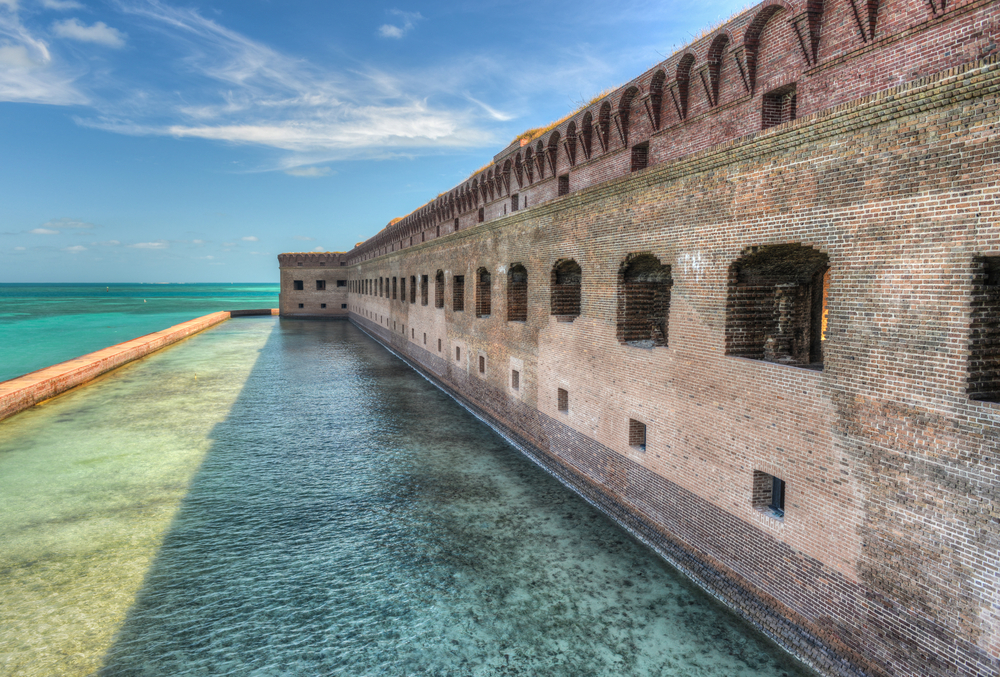
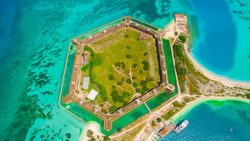 Fort Jefferson was originally constructed by the US as a line of defense to protect the shipping lanes of the Gulf of Mexico. The site was never completed and was abandoned twice and finally in 1907.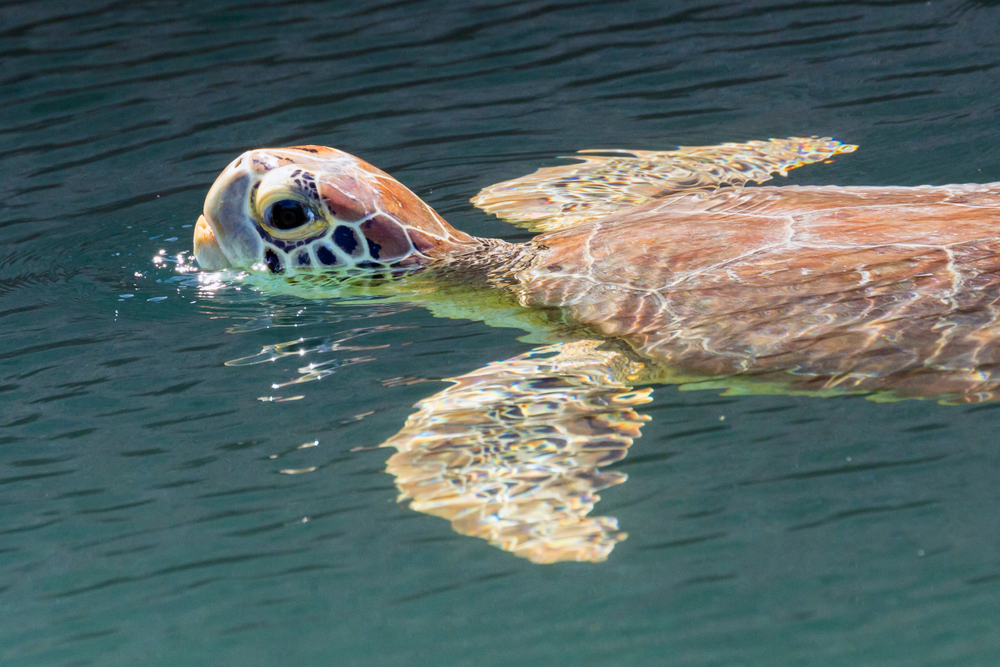
Things To Do
The park is small is easy to explore. There are paths you can take above ground and under the water or along the beach. It is a great way to escape the world and just take in relaxing nature.

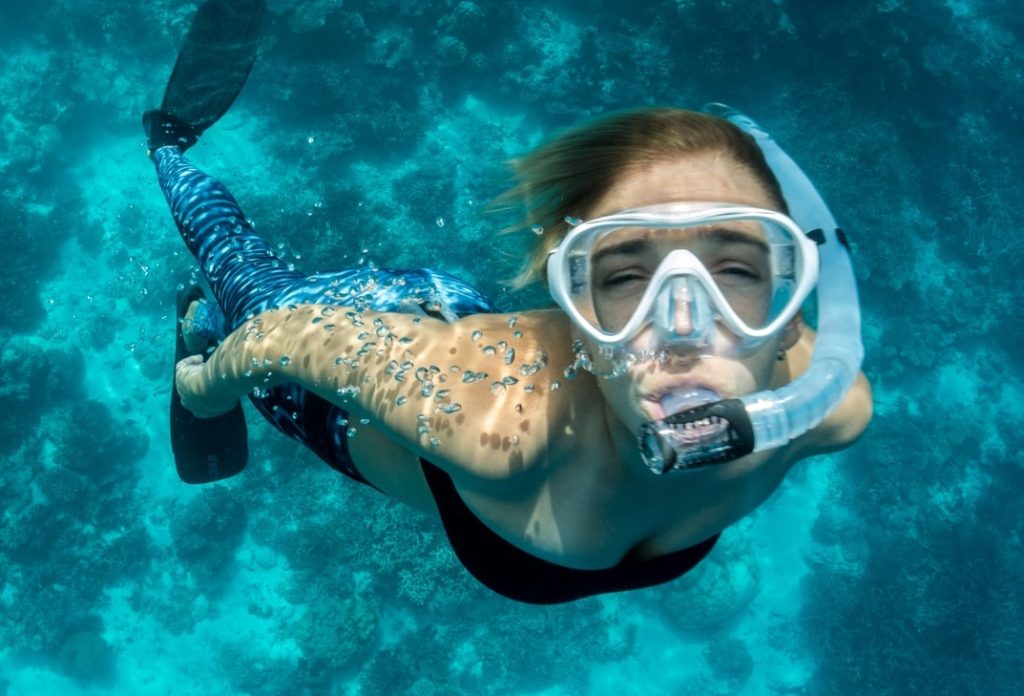
Dry Tortugas National Park Trails
The landmass of the Dry Tortugas is less than a square mile, which means hiking trails really are not a thing in the national park. Visitors will walk about the islands, but this is really just random relaxation versus hiking.
Sources
- Britannica, Dry Tortugas, https://www.britannica.com/place/Dry-Tortugas, retrieved June 2020.
- Britannica, Dry Tortugas National Park, https://www.britannica.com/place/Dry-Tortugas-National-Park, retrieved June 2020.
- Dry Tortugas, Fort Jefferson, https://www.drytortugas.com/fort-jefferson/, retrieved June 2020.
- National Geographic, Complete National Parks of the United States, National Geographic Publishing, Washington DC.
- National Geographic, Guide to the National Parks of the United States, National Geographic Society, 2003.
- National Geographic, National Parks of North America, Canada-United States-Mexico, National Geographic Society, 1995.
- National Park Service, Dry Tortugas, https://www.nps.gov/drto/index.htm, retrieved June 2020.
- UNESCO, Everglades & Dry Tortugas, http://www.unesco.org/new/en/natural-sciences/environment/ecological-sciences/biosphere-reserves/europe-north-america/united-states-of-america/everglades-dry-tortugas, retrieved June 2020.