About

Capitol Reef National Park is located in the southern part of central Utah.  The park covers 377.91 square miles (978.8 sq km) of pristine wilderness adding to the stunning protected areas of the state.  It stretches about 60 miles (97 km) in length while only being about 6 miles (9.7 km) deep.

Capitol Reef is probably closest to Bryce Canyon National Park; however, Canyonlands National Park and Arches National Park are situated just to the east while Zion National Park sits a little further to the west.  It is kind of hard to find a better collection of national parks anywhere in the United States.

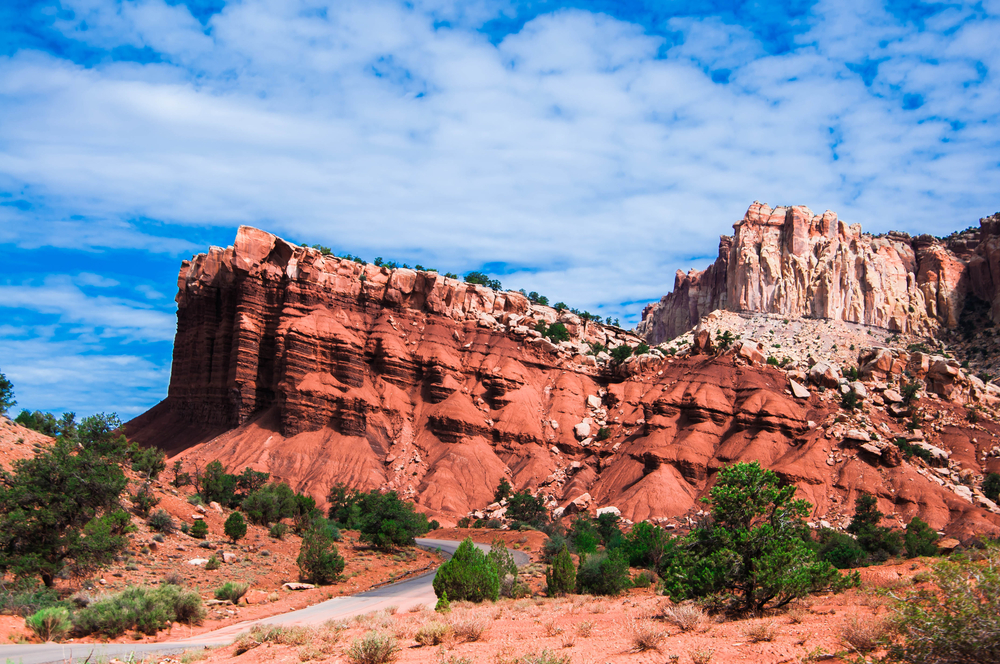
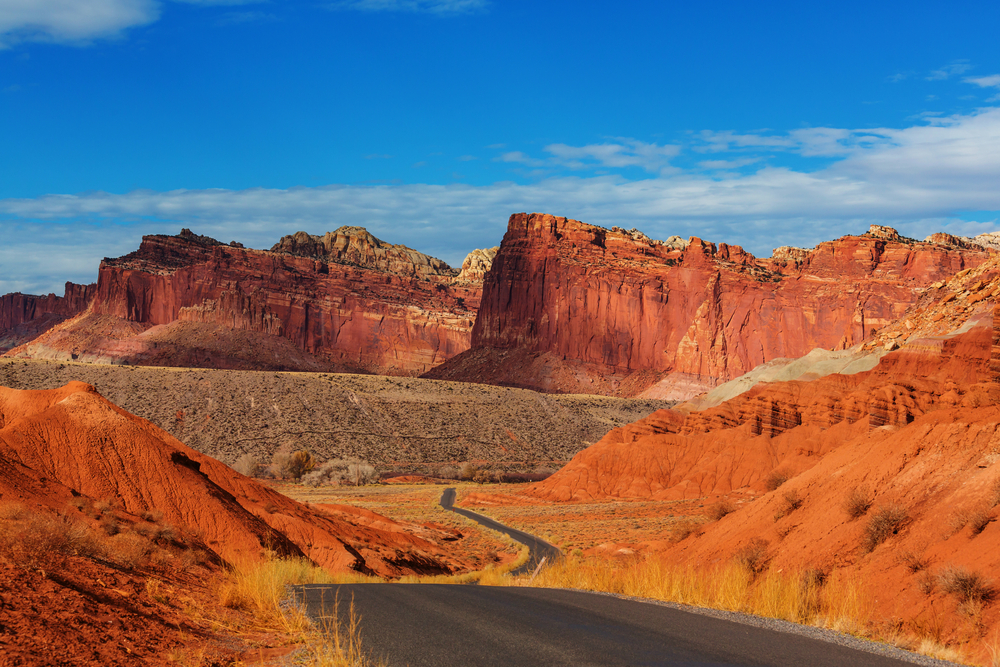
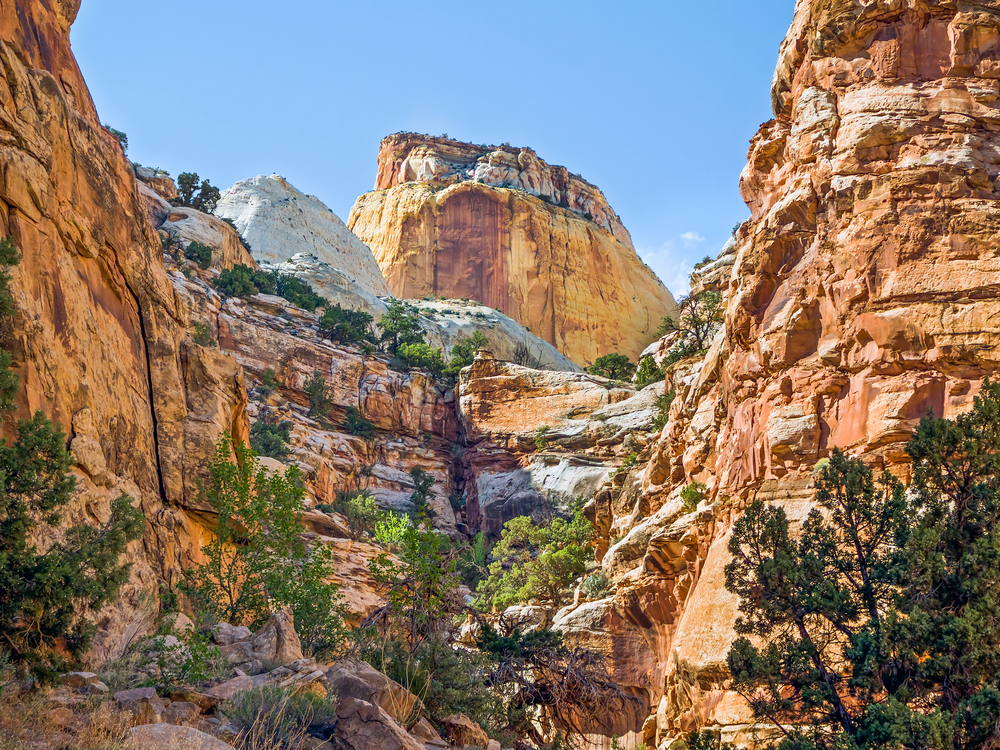
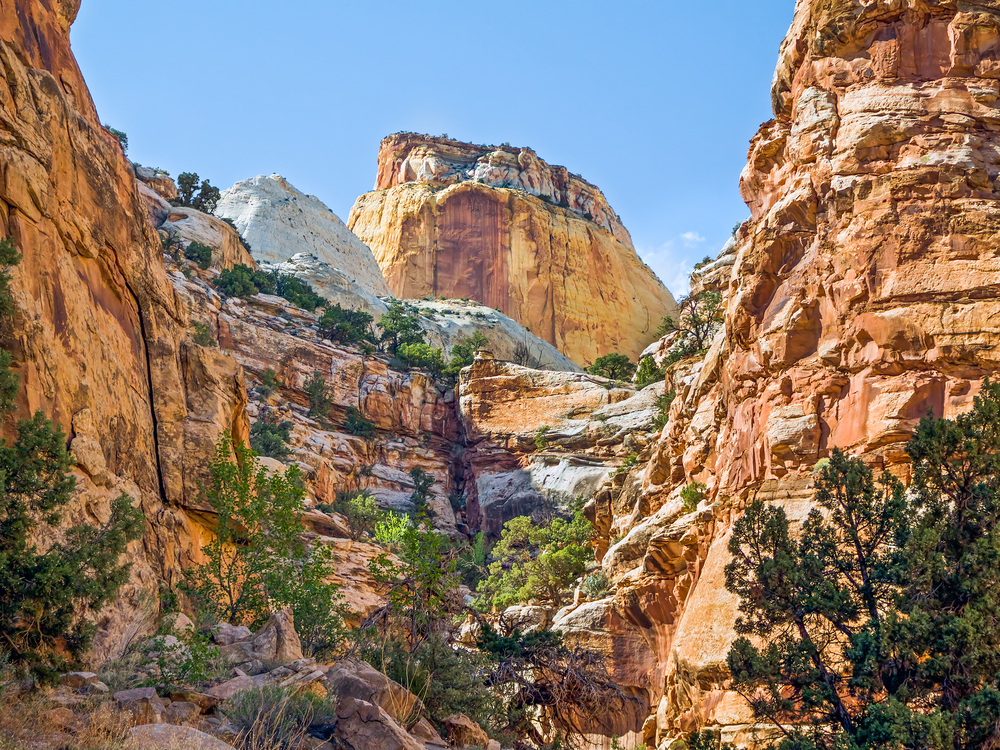
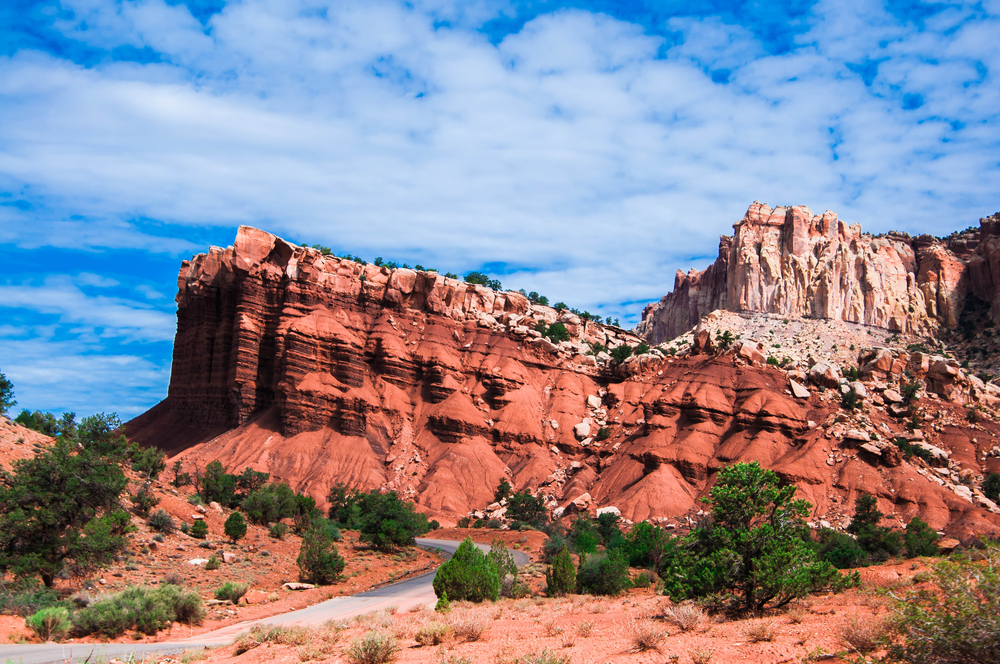
Capitol Reef is renowned for the strikingly colorful buttes, canyons, monoliths, ridges, and other complementary rock formations.  The heart of the park features Waterpocket Fold which is a collection of geological rock formations stretching from Lake Powell to Thousand Lake Mountain.

Along with the rock strata folds, the park is comprised of other geological fascinations that include arches, canyons, cliffs, domes, and towers.

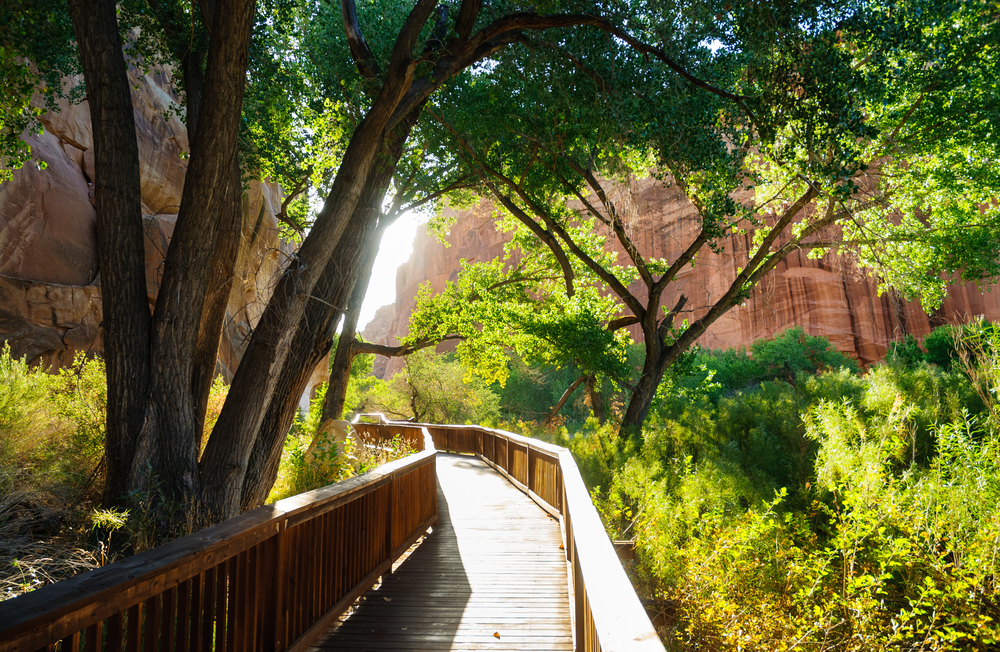
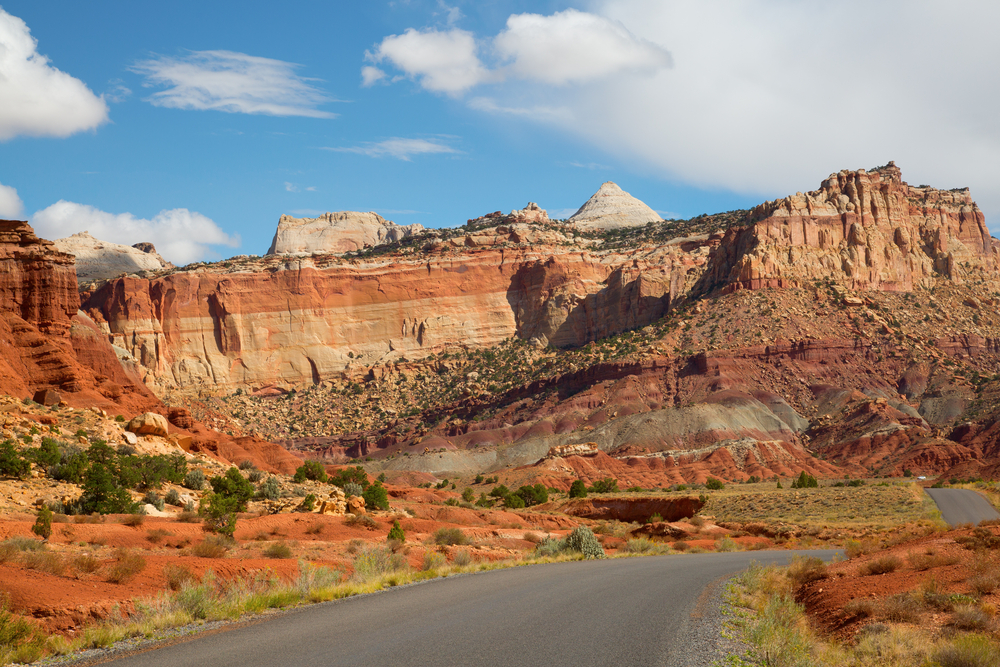
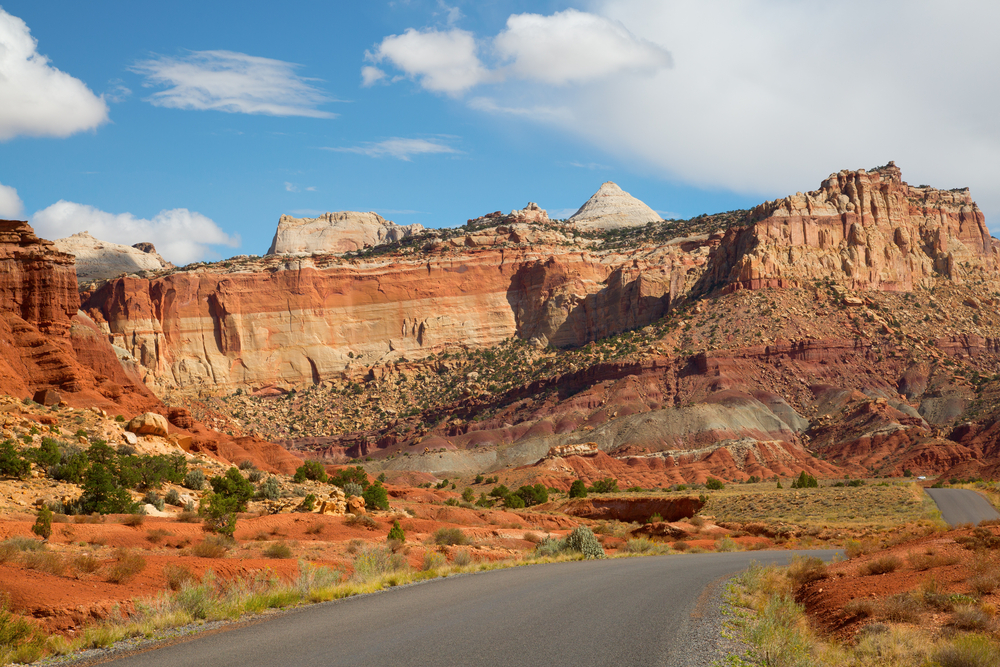
The easiest way for anyone to experience much of what the park has to offer is through the scenic drive along State Route 24.  This drive follows the Fremont River and through the canyon, and for all practical purposes is the only road navigating the wilderness.  All other exploration has to be done on foot, ATV, or bikes.

The park is also known for the Navajo sandstone cliffs that appear like white domes.  The name of the park was derived from these geological features.  They are similar to the white cliffs of Bryce Canyon National Park.

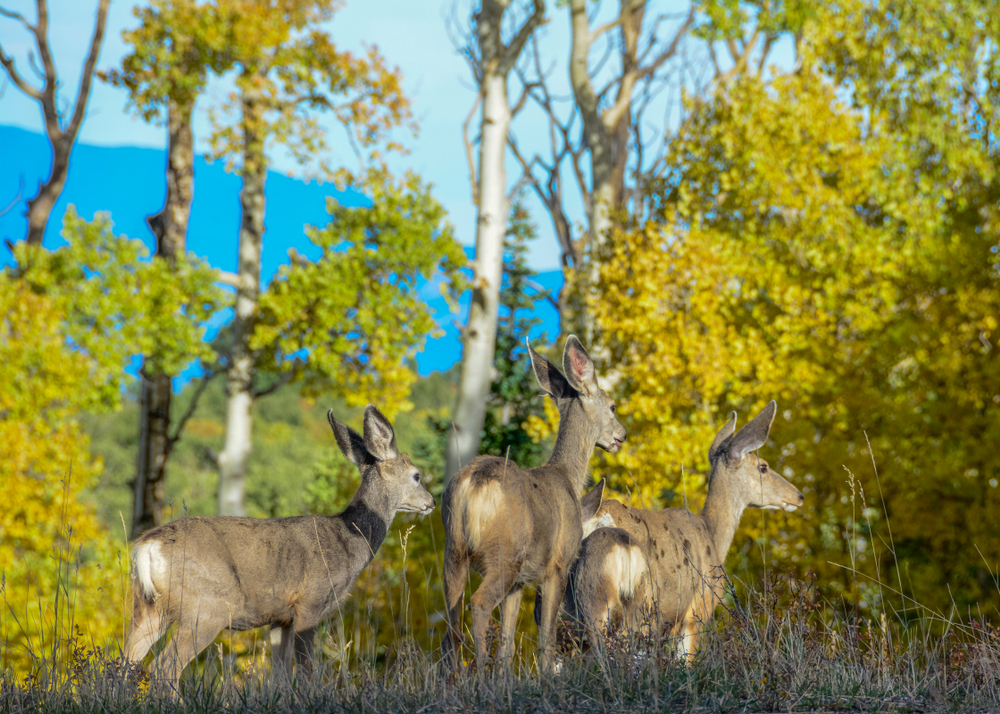
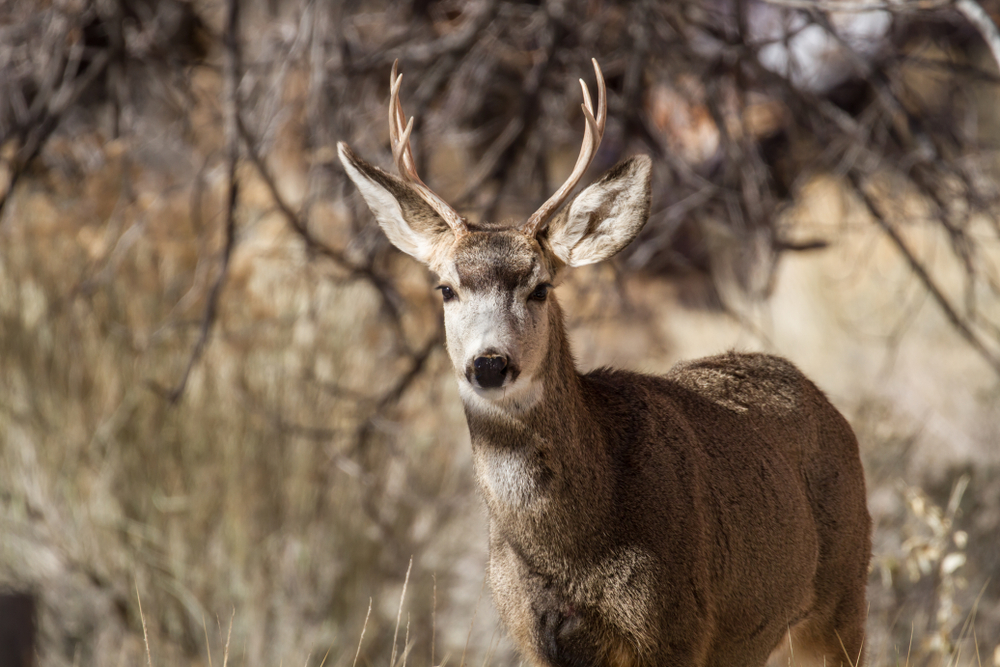
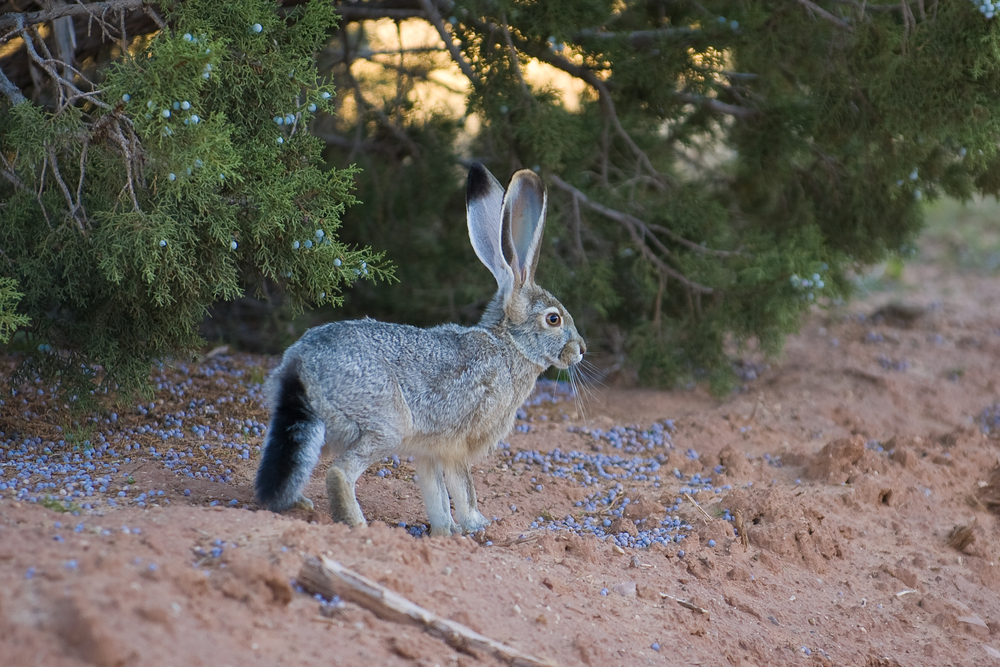
The park is a pristine wilderness and home to wildlife that is similar to neighboring national parks of Utah.  Hopeful sightings include black bear, mule deer, pronghorn, badger, coyote, fox, and bobcat.  The golden eagle and bald eagle are two of the two hundred plus species of birds.

Things to See

The landscapes of Capitol Reef are the highlight of this park, although there are other facets of nature that make a visit to this national park a must.

Waterpocket Fold

The centerpiece of the park is Waterpocket Fold.  This is a geological encounter with the forces of nature.  This area represents the largest exposed monocline in the world.  This exposed monocline reveals the step-like folds in the rock strata that have occurred over time.  It is possible to see near vertical dippings in the rock folds of the area.

Popular

Popular

Capitol Reef National Park, nestled in the heart of Utah’s red rock country, is a hidden treasure of the National Park System, offering a stunning display of cliffs, canyons, domes, and bridges.

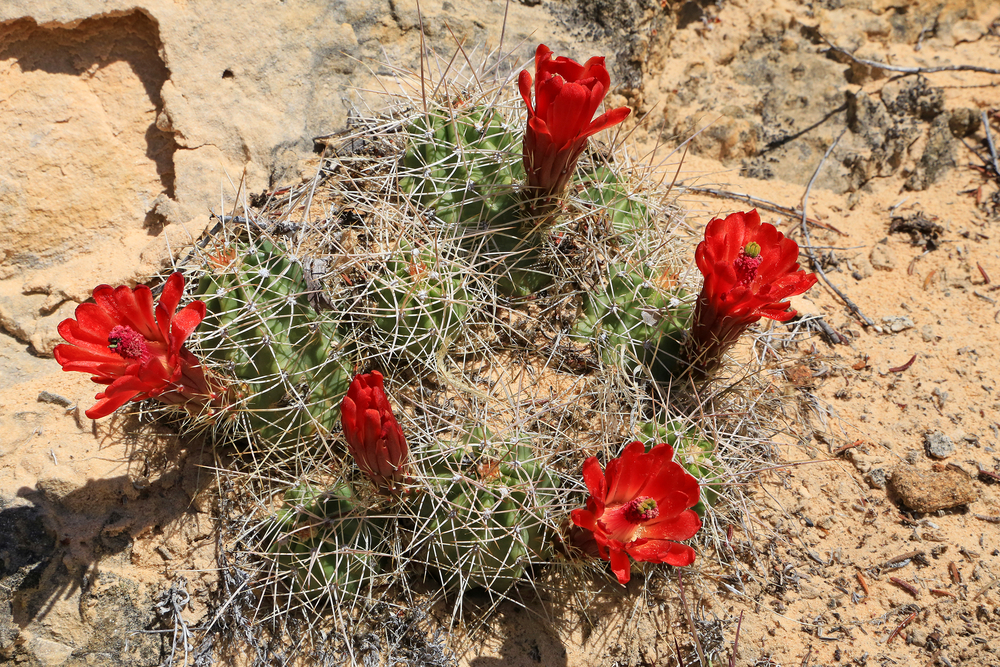
The park’s natural diversity, from desert basins to lush river valleys, supports an array of species that have adapted to life in this varied environment.

Visitors to Capitol Reef have the opportunity to encounter these animals, each contributing to the park’s ecological richness and enhancing the experience of exploring this rugged wilderness.

Mule Deer – Common across the park, these deer are easily recognizable by their large ears and black-tipped tails, often seen grazing in the cooler parts of the day.

Mountain Lion – Although rarely seen, these elusive predators roam the park’s backcountry, a silent testament to the wildness that Capitol Reef embodies.

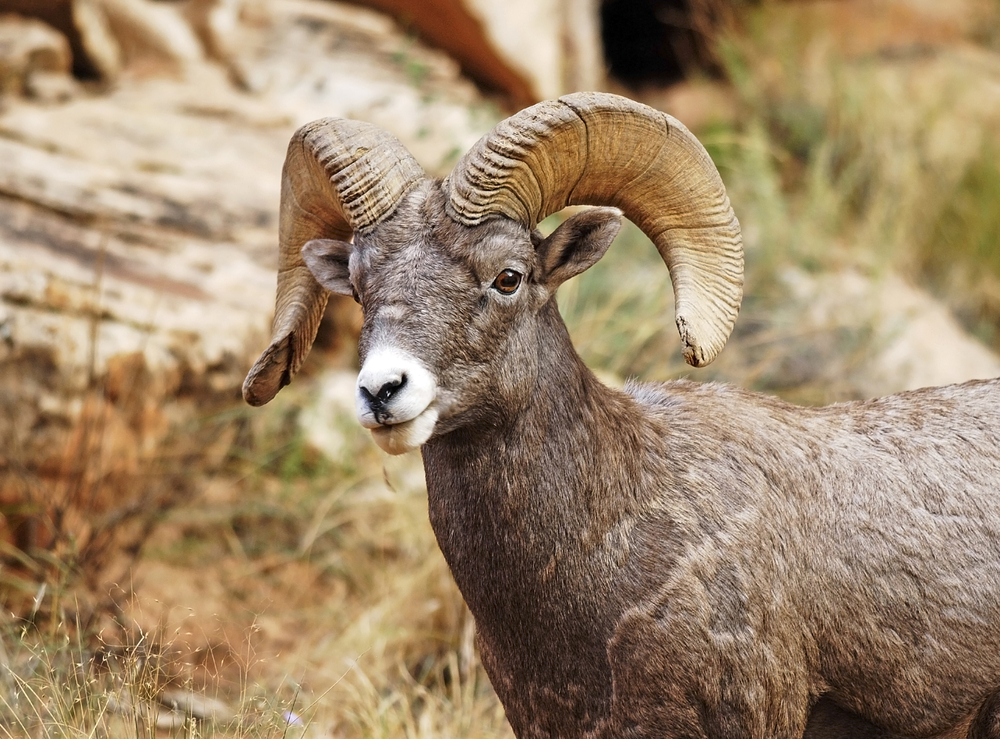
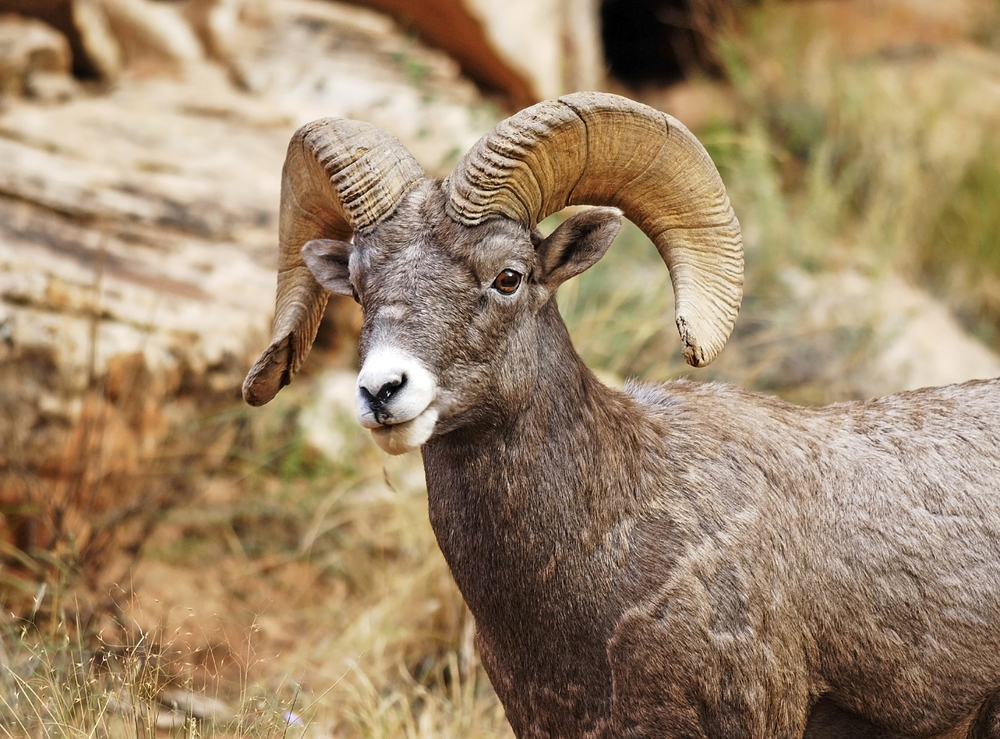
Desert Bighorn Sheep – Reintroduced to the area, these magnificent animals are adept at navigating the park’s rocky terrain, a thrilling sight for lucky visitors.

Rock Wren – Often heard before seen, the Rock Wren’s melodious song fills the air, with these small birds frequently spotted hopping among boulders and cliffs.

Peregrine Falcon – Known for their incredible speed, Peregrine Falcons can be observed diving for prey at speeds of over 200 miles per hour, nesting on the park’s cliffs.

Common Raven – Intelligent and versatile, ravens are a frequent presence in Capitol Reef, their black plumage and large size making them easy to spot against the desert backdrop.

Golden Eagle – Majestic in flight, Golden Eagles are often seen soaring high above the park, their keen eyes searching the ground below for prey.

Utah Prairie Dog – These social rodents, endangered and protected, can be found in the park’s grasslands, their colonies a hub of activity and an essential part of the ecosystem.

Western Rattlesnake – Exemplifying the desert’s wild character, the Western Rattlesnake is respected by visitors and wildlife alike, its presence a reminder of the natural world’s untamed beauty.

Coyote – The iconic howl of the coyote is a hallmark of the American West, with these adaptable canines frequently seen (or heard) throughout Capitol Reef.

The wildlife of Capitol Reef National Park adds depth and wonder to the already spectacular landscape, offering glimpses into the survival and adaptation of species in this unique desert environment.

Hickman Bridge

Hickman Bridge

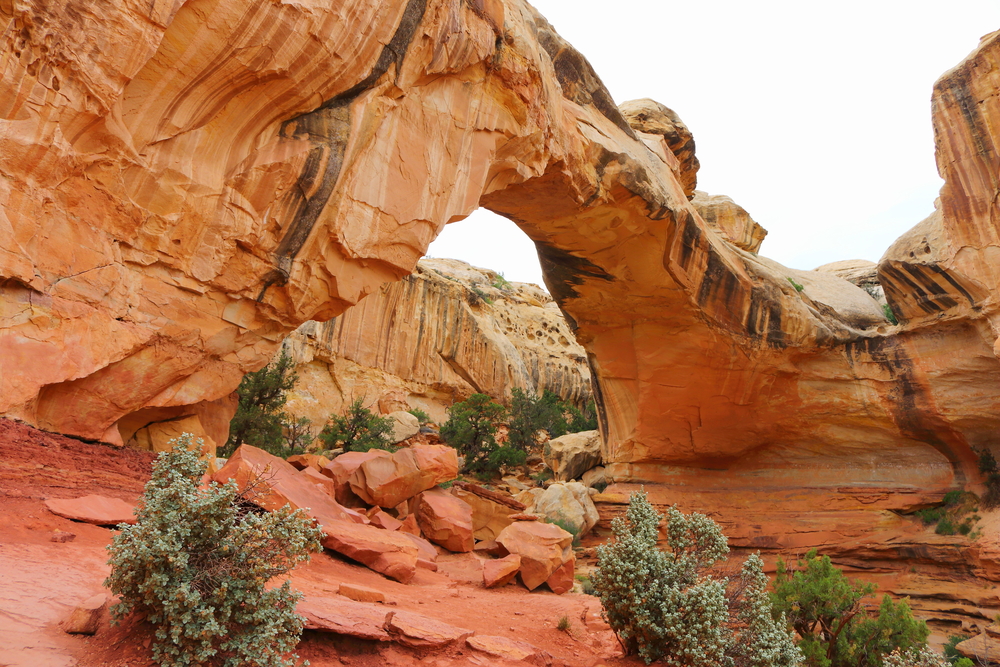
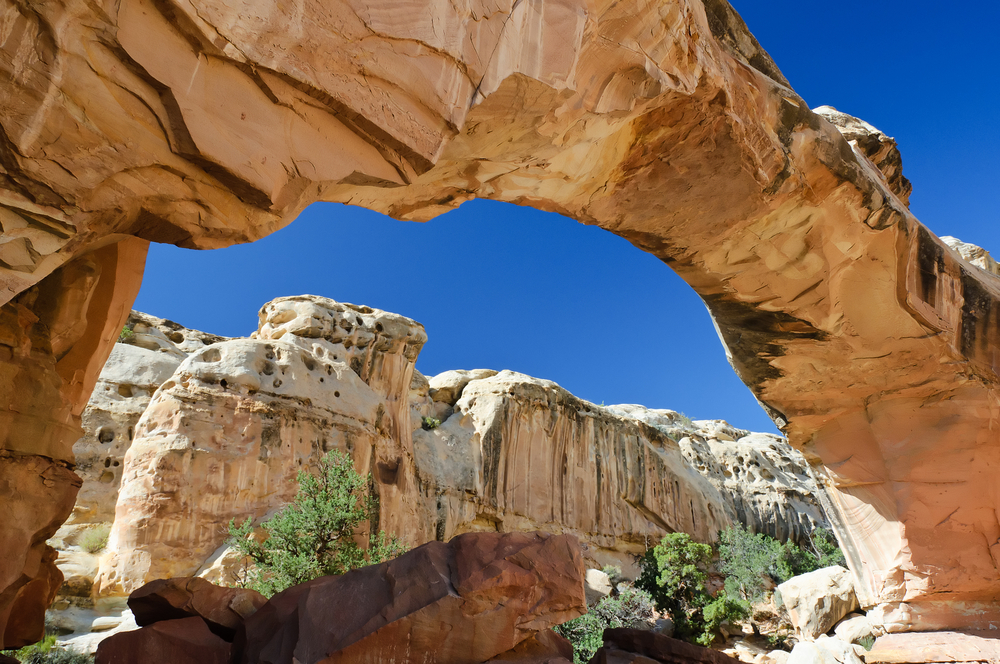
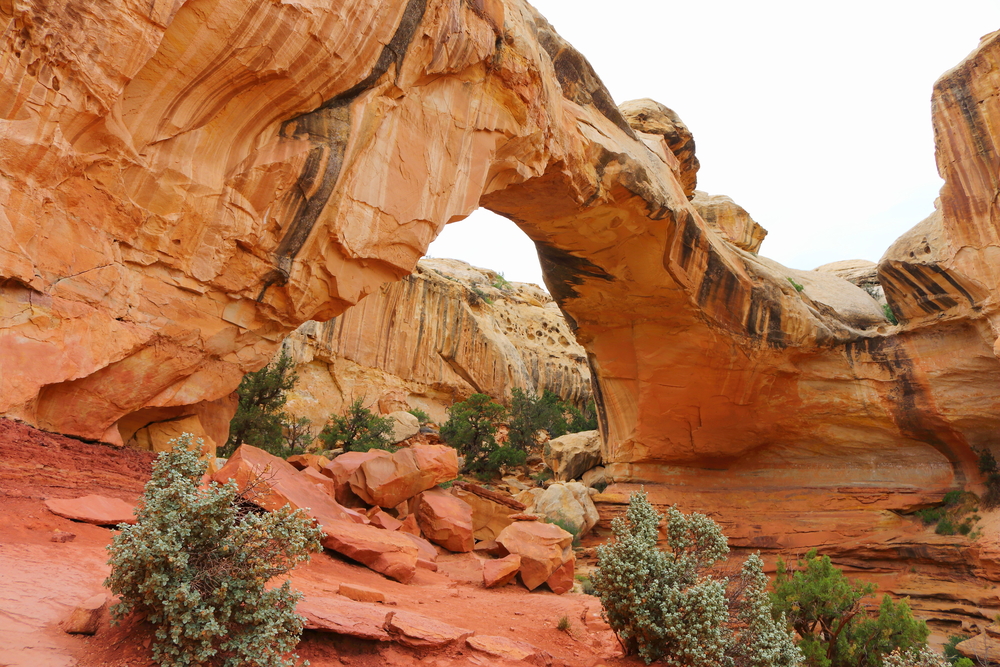
One of Capitol Reef’s most iconic landmarks, Hickman Bridge is a natural sandstone arch spanning 133 feet (40 meters) across a gorge.

This impressive rock formation is accessible via a moderately strenuous 1.8-mile round-trip hike, offering stunning views of the surrounding canyon landscape.

Named after Joseph S. Hickman, a local school teacher who first documented the bridge in the late 19th century, this natural wonder attracts hikers and photographers alike with its unique shape and picturesque setting.

The Castle

The Castle

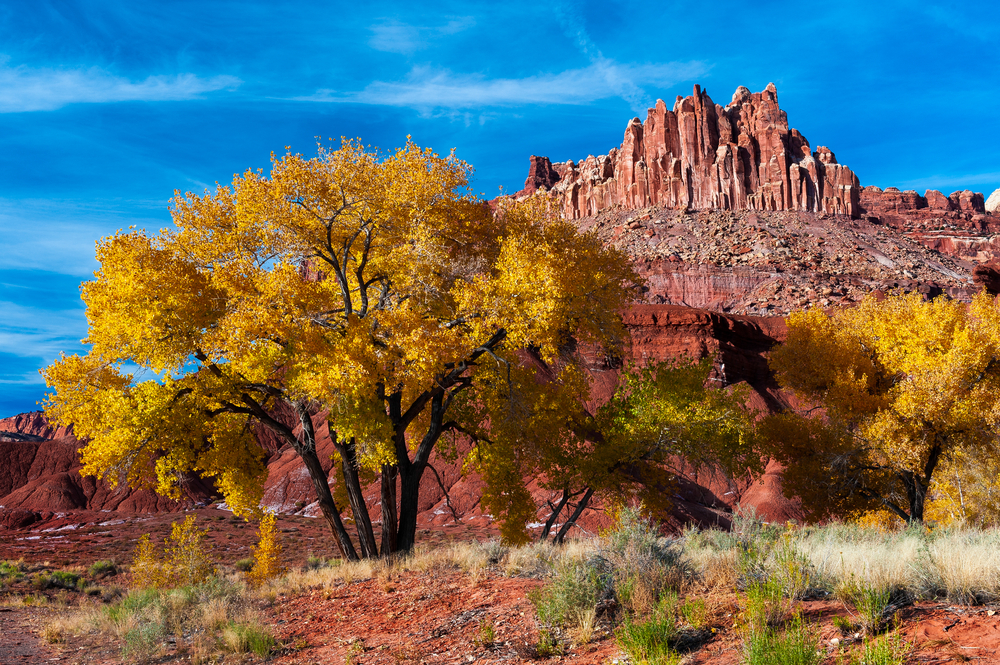
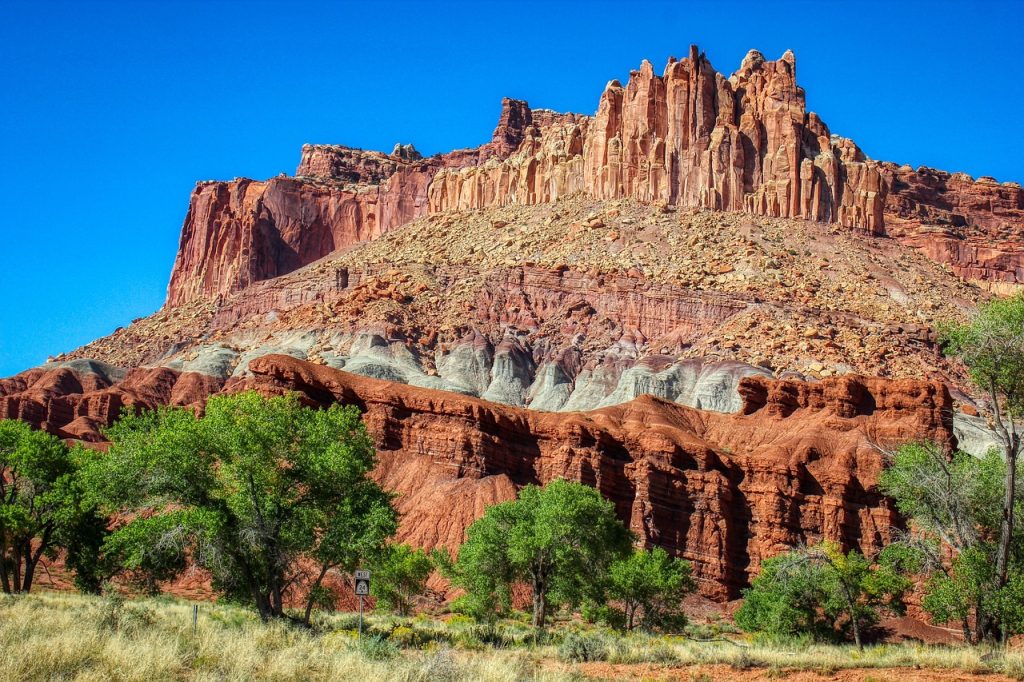
Standing majestically against the desert skyline, The Castle is a towering monolith composed of Navajo sandstone, rising over 400 feet (122 meters) above the valley floor.

Its distinctive fortress-like appearance, characterized by vertical cliffs and jagged spires, has made it one of the park’s most recognizable landmarks.

Visitors can admire The Castle from various viewpoints along the scenic drive or embark on a hike to get a closer look at this imposing geological feature.

Capitol Dome

Capitol Dome

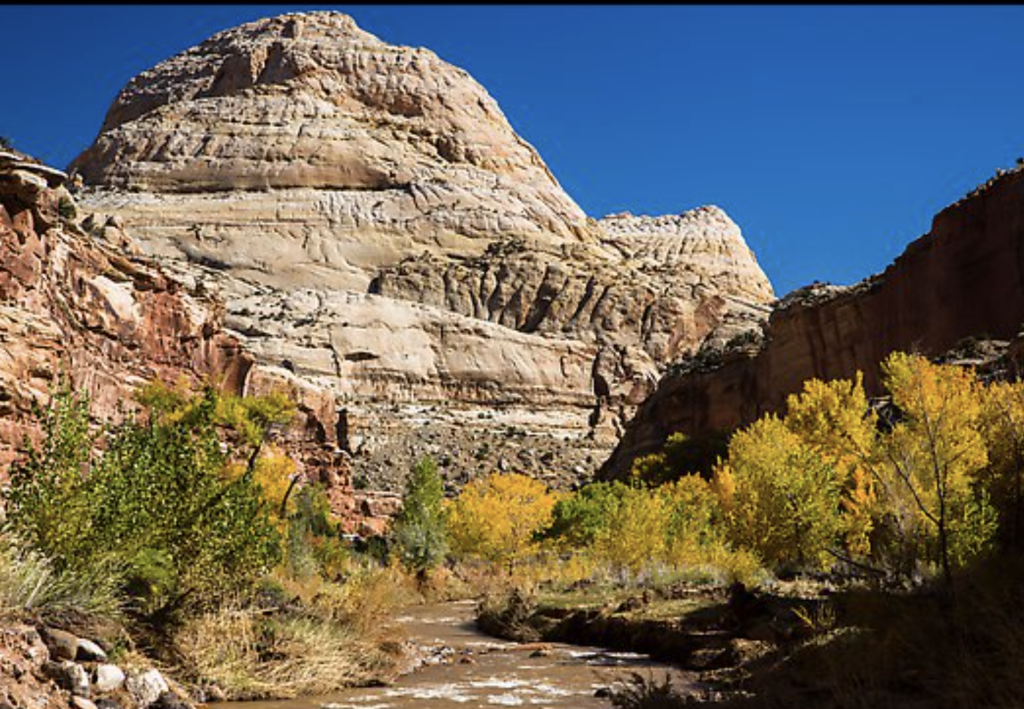
Named for its resemblance to the United States Capitol building’s dome, Capitol Dome is a prominent sandstone formation that dominates the landscape of Capitol Reef National Park. Rising approximately 400 feet (122 meters) above the surrounding terrain, this massive dome-shaped rock formation captivates visitors with its sheer size and striking beauty. Whether viewed from afar along the scenic drive or explored up close on one of the park’s hiking trails, Capitol Dome serves as a reminder of the powerful geological forces that have shaped the landscape over millions of years.

Cathedral Valley

Cathedral Valley

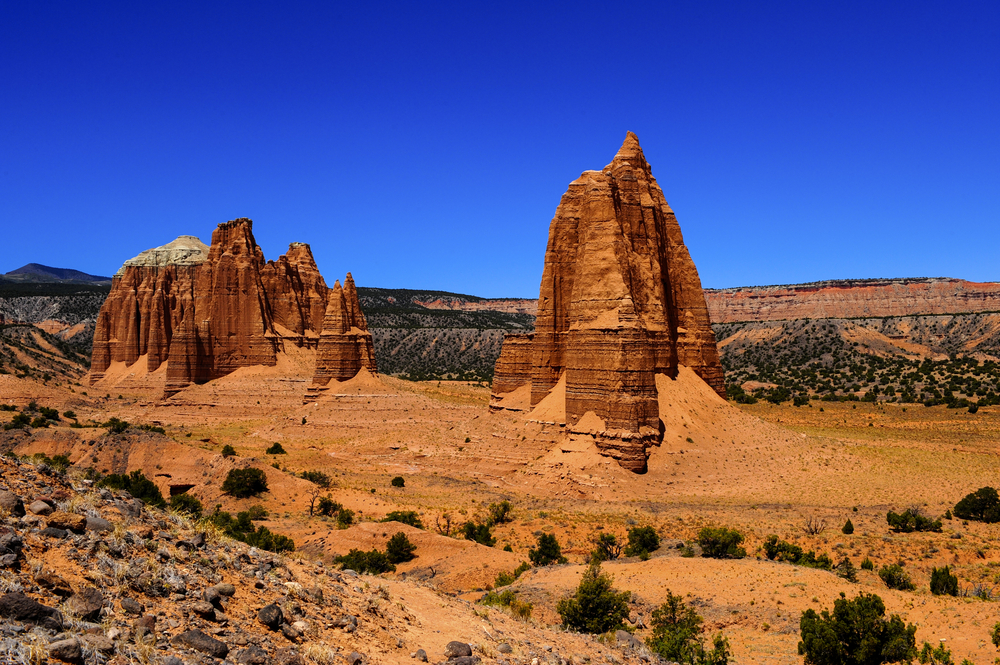
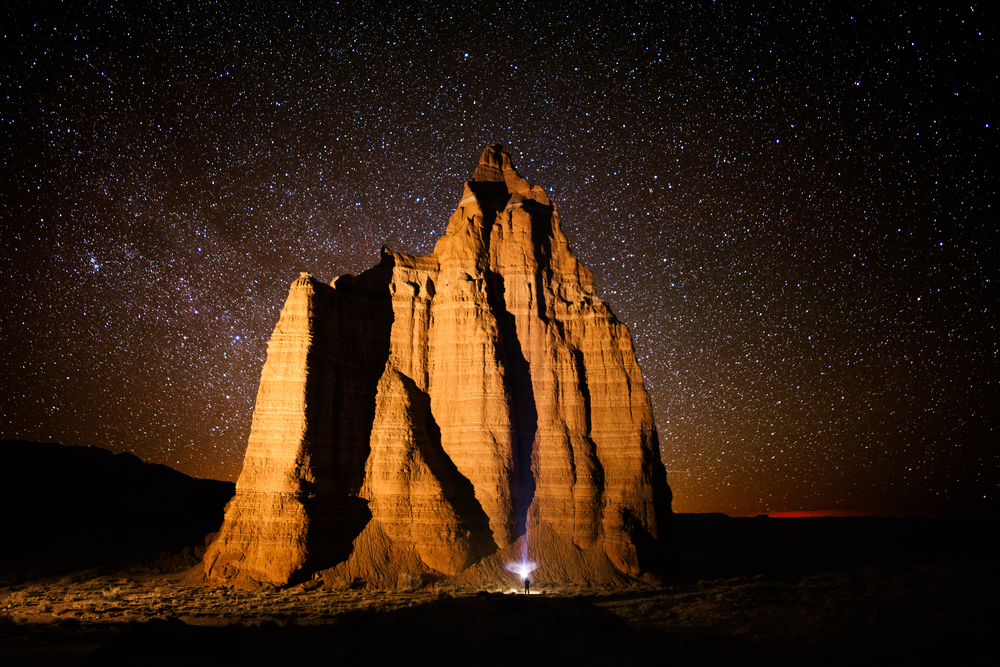
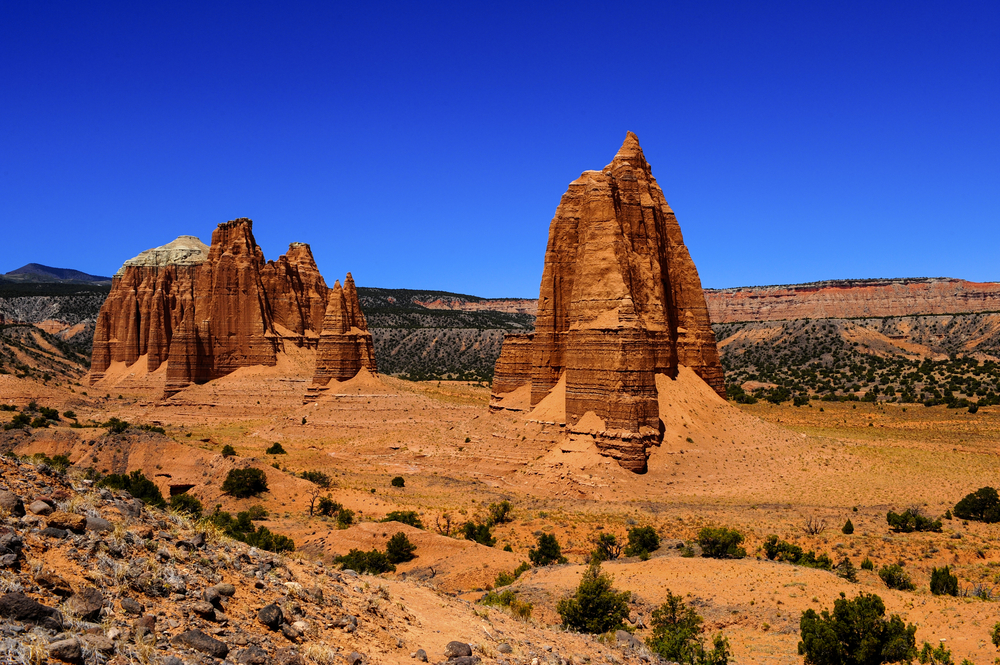
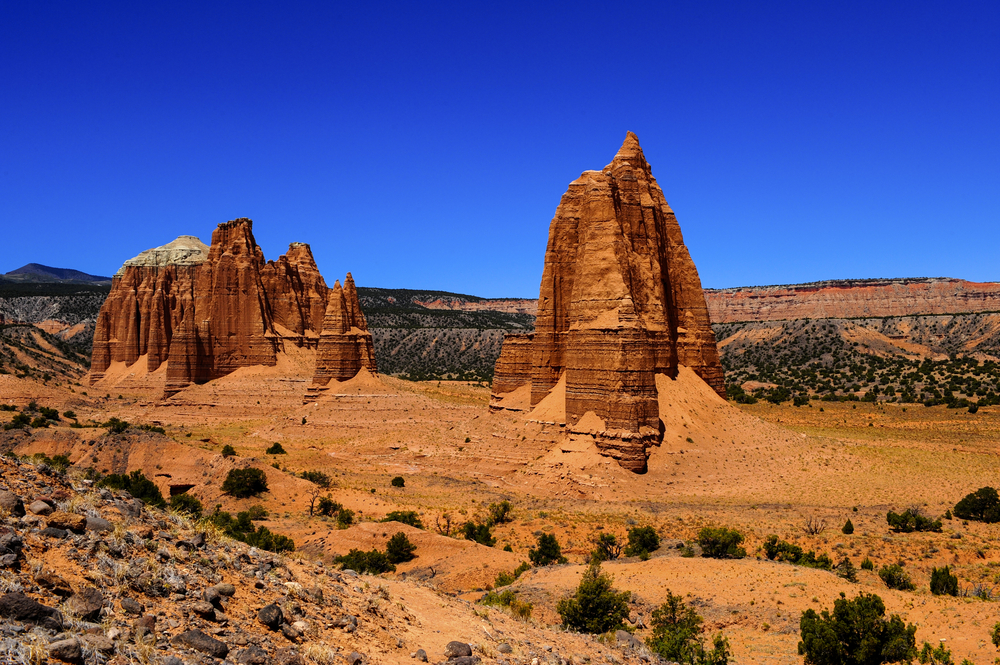
Cathedral Valley, located in the northern region of Capitol Reef National Park, is renowned for its stunning array of towering sandstone monoliths, spires, and domes.

This remote area offers visitors a unique opportunity to immerse themselves in the park’s awe-inspiring scenery while exploring its ancient geological formations.

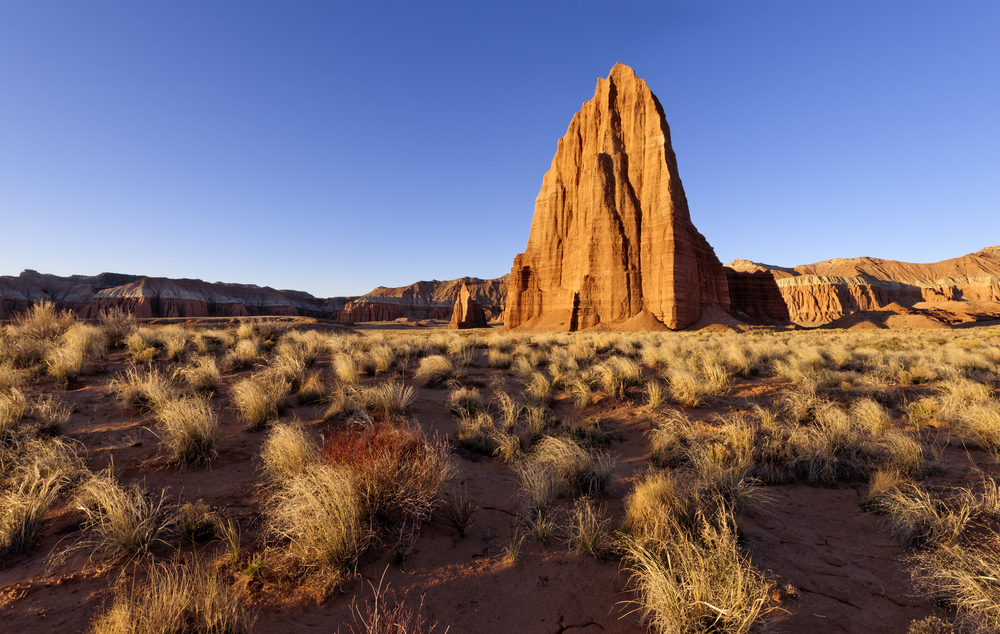
The centerpiece of Cathedral Valley is the Temple of the Sun and the Temple of the Moon, two massive sandstone monoliths that resemble ancient cathedrals rising from the desert floor.

Visitors can access Cathedral Valley via a rugged unpaved road, which adds to the sense of adventure and remoteness. Whether admiring the surreal landscapes from scenic viewpoints or embarking on a backcountry adventure,

Cathedral Valley promises an unforgettable experience in Capitol Reef National Park.

Things To Do

Engaging Capitol Reef
Hiking

Embark on an unforgettable journey through Capitol Reef’s diverse landscapes, where ancient petroglyphs, towering sandstone cliffs, and winding canyons await.

With trails ranging from easy strolls to challenging treks, there’s something for every skill level and interest.

Don’t miss iconic routes like the Capitol Gorge Trail and Hickman Bridge Trail, offering breathtaking views and opportunities to connect with nature.

Scenic Drives

Explore the park’s stunning vistas and geological wonders from the comfort of your car along its scenic drives.

The Capitol Reef Scenic Drive winds through towering rock formations, colorful canyons, and expansive desert landscapes, providing numerous overlooks and photo opportunities along the way.

Be sure to drive the Cathedral Valley Loop for a glimpse of the park’s most iconic landmarks.

Canyoneering

For thrill-seekers and adventurers, canyoneering in Capitol Reef offers an unparalleled opportunity to explore hidden slot canyons, rappel down towering cliffs, and navigate through narrow passageways carved by water over millions of years.

Guided canyoneering tours are available for those seeking expert guidance and instruction, ensuring a safe and memorable adventure in the park’s rugged backcountry.

Hiking

Embark on an unforgettable journey through Capitol Reef’s diverse landscapes, where ancient petroglyphs, towering sandstone cliffs, and winding canyons await.

With trails ranging from easy strolls to challenging treks, there’s something for every skill level and interest.

Don’t miss iconic routes like the Capitol Gorge Trail and Hickman Bridge Trail, offering breathtaking views and opportunities to connect with nature.

Scenic Drives

Explore the park’s stunning vistas and geological wonders from the comfort of your car along its scenic drives.

The Capitol Reef Scenic Drive winds through towering rock formations, colorful canyons, and expansive desert landscapes, providing numerous overlooks and photo opportunities along the way.

Be sure to drive the Cathedral Valley Loop for a glimpse of the park’s most iconic landmarks.

Canyoneering

For thrill-seekers and adventurers, canyoneering in Capitol Reef offers an unparalleled opportunity to explore hidden slot canyons, rappel down towering cliffs, and navigate through narrow passageways carved by water over millions of years.

Guided canyoneering tours are available for those seeking expert guidance and instruction, ensuring a safe and memorable adventure in the park’s rugged backcountry.

Capitol Reef National Park Trails

Capitol Reef is one of those places that leaves you bewildered and the extensive and colorful landscapes.  There are hundreds of miles of trails that allow you to more fully engage this magnificent part of the country.

placeholder

Hickman Bridge Trail

The moderately easy 2-mile (3.21) round trip hike provides a lot of natural wonder highlights for such a short excursion.  Of course, you will see Hickman Bridge, however, you will also see a complementary second arch and the Fremont pit house ruins.  You will also look out over Fremont River from the bluff above.

placeholder

Cathedral Valley Trail

The 60-mile (96.5 km) loop is most often navigated with ATVs, however, there are several places to stop and explore on foot.  The highlights of the trail include the geological rock formations that are affectionately named: Temple of the Sun, Temple of the Moon, Temple of the Stars, and the Walls of Jericho.  There is also a large gypsum sinkhole.

placeholder

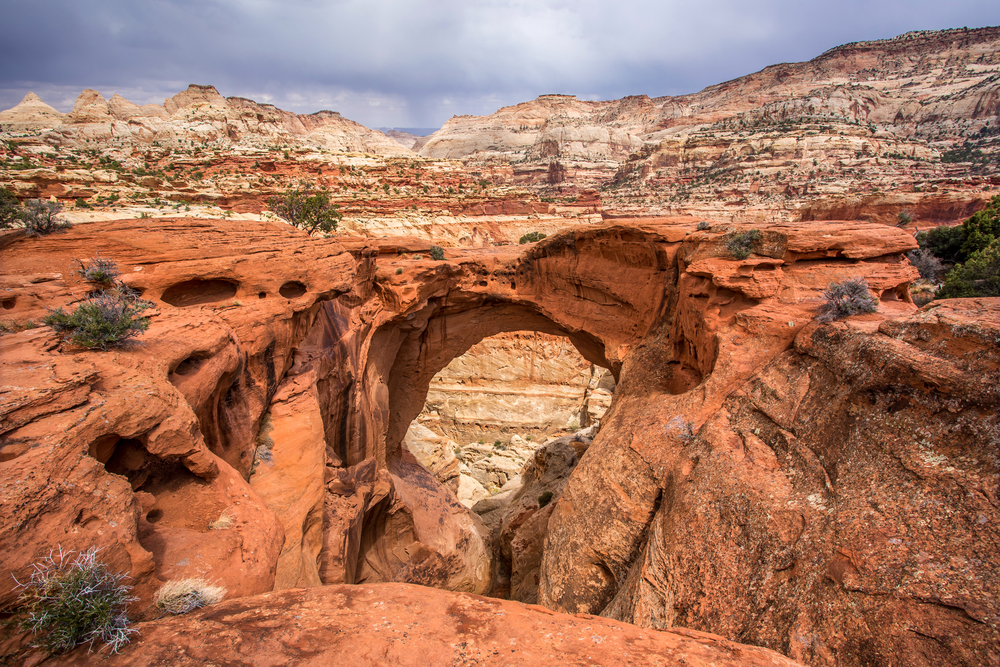
Cassidy Arch Trail

This easy 3.5-mile (5.6 km) round trip adventure is found toward the center of the park.  Most people access this trail off of the larger Frying Pan Trail.  The arch is named after Butch Cassidy and it creates a window into serenity.  The trail ends above the arch itself.

placeholder

Frying Pan Trail

This is a moderate trail that stretches 4.4 miles (7.08 km) each way.  You can opt to have a vehicle pick you up at the other end.  The trail meanders from Grand Wash along the Cassidy Arch Trail and then follows the Scenic Drive of Waterpocket Fold.

placeholder

Brimhall Natural Bridge

This is a challenging 4.5 miles (7.2 km) round trip trail that takes trekkers to Brimhall Natural Bridge.  Along the way, you will also see Brimhall Canyon and the features of the Waterpocket Fold.  You should be in good physical condition before embarking on this trail.

placeholder

Halls Creek Narrows Trail

This is a 22-mile (35 km) difficult journey.  This is a camping hike that requires two or three nights out on the trail depending on your pace and engagement with nature.  You will experience an array of canyons, creeks, and rock formations.

Capitol Reef National Park

Hickman Bridge Trail

Rating: Easy to Moderate

Distance and Elevation Gain: 1.8 miles round trip with an elevation gain of about 400 feet (122 meters)

Description: This family-friendly trail leads to the impressive Hickman Bridge, a natural arch with a span of 133 feet. The path offers excellent views of the Waterpocket Fold, the Capitol Dome, and the Fremont River. Along the way, hikers can see ancient Fremont Indian petroglyphs and enjoy the diverse desert vegetation.

placeholder

Cassidy Arch Trail

Rating: Moderate

Distance and Elevation Gain: 3.4 miles round trip with an elevation gain of about 670 feet (204 meters)

Description: Named after the famous outlaw Butch Cassidy, this trail takes hikers on a steep climb to a massive arch perched on the edge of a cliff. The hike provides stunning vistas of the Grand Wash and the Waterpocket Fold’s dramatic landscapes, making it a rewarding challenge for adventurers.

placeholder

Chimney Rock Loop Trail

Rating: Moderate

Distance and Elevation Gain: 3.6 miles round trip with an elevation gain of about 590 feet (180 meters)

Description: This loop trail circles around the striking Chimney Rock formation, offering panoramic views of the surrounding park landscapes, especially at sunset. The path traverses the Mummy Cliff and crosses several washes, showcasing the park’s unique geology and desert ecosystem.

placeholder

Grand Wash Trail

Rating: Easy

Distance and Elevation Gain: 4.5 miles round trip with minimal elevation gain

Description: The Grand Wash Trail is a relatively flat hike through a dramatic canyon with towering Navajo Sandstone cliffs. The trail can be accessed from either end of the Grand Wash, leading hikers through narrows where the canyon walls are only a few feet apart. This easy hike is suitable for all ages and offers a close-up view of the park’s striking canyon country.

placeholder

Cohab Canyon Trail

Rating: Moderate

Distance and Elevation Gain: 3.4 miles round trip with an elevation gain of about 440 feet (134 meters)

Description: Starting near the historic Fruita district, the Cohab Canyon Trail climbs into a hidden canyon with fascinating rock formations and several side slots to explore. The trail offers views of Fruita, the Capitol Dome, and the Henry Mountains. Hikers can enjoy the unique landscape of red rock formations, pockets, and spires that make Capitol Reef so distinctive.

Capitol Reef National Park

Hickman Bridge Trail

Rating: Easy to Moderate

Distance and Elevation Gain: 1.8 miles round trip with an elevation gain of about 400 feet (122 meters)

Description: This family-friendly trail leads to the impressive Hickman Bridge, a natural arch with a span of 133 feet. The path offers excellent views of the Waterpocket Fold, the Capitol Dome, and the Fremont River. Along the way, hikers can see ancient Fremont Indian petroglyphs and enjoy the diverse desert vegetation.

placeholder

Cassidy Arch Trail

Rating: Moderate

Distance and Elevation Gain: 3.4 miles round trip with an elevation gain of about 670 feet (204 meters)

Description: Named after the famous outlaw Butch Cassidy, this trail takes hikers on a steep climb to a massive arch perched on the edge of a cliff. The hike provides stunning vistas of the Grand Wash and the Waterpocket Fold’s dramatic landscapes, making it a rewarding challenge for adventurers.

placeholder

Chimney Rock Loop Trail

Rating: Moderate

Distance and Elevation Gain: 3.6 miles round trip with an elevation gain of about 590 feet (180 meters)

Description: This loop trail circles around the striking Chimney Rock formation, offering panoramic views of the surrounding park landscapes, especially at sunset. The path traverses the Mummy Cliff and crosses several washes, showcasing the park’s unique geology and desert ecosystem.

placeholder

Grand Wash Trail

Rating: Easy

Distance and Elevation Gain: 4.5 miles round trip with minimal elevation gain

Description: The Grand Wash Trail is a relatively flat hike through a dramatic canyon with towering Navajo Sandstone cliffs. The trail can be accessed from either end of the Grand Wash, leading hikers through narrows where the canyon walls are only a few feet apart. This easy hike is suitable for all ages and offers a close-up view of the park’s striking canyon country.

placeholder

Cohab Canyon Trail

Rating: Moderate

Distance and Elevation Gain: 3.4 miles round trip with an elevation gain of about 440 feet (134 meters)

Description: Starting near the historic Fruita district, the Cohab Canyon Trail climbs into a hidden canyon with fascinating rock formations and several side slots to explore. The trail offers views of Fruita, the Capitol Dome, and the Henry Mountains. Hikers can enjoy the unique landscape of red rock formations, pockets, and spires that make Capitol Reef so distinctive.

FAQ’s

What is Capitol Reef National Park known for?

Capitol Reef National Park is renowned for its stunning geological formations, including towering sandstone monoliths, deep canyons, and colorful rock layers.

It is famous for its unique Waterpocket Fold, a 100-mile long warp in the Earth’s crust that creates a stunning landscape of cliffs, domes, and arches.

The park is also known for its rich cultural history, with evidence of ancient Native American civilizations and pioneer settlements scattered throughout the area.

Visitors come to Capitol Reef to hike scenic trails, explore slot canyons, marvel at natural bridges and arches, and stargaze under some of the darkest skies in the United States.

Whether seeking outdoor adventure or cultural exploration, Capitol Reef offers a diverse range of experiences amidst its spectacular desert scenery.

What is Capitol Reef National Park known for?

Capitol Reef National Park is renowned for its stunning geological formations, including towering sandstone monoliths, deep canyons, and colorful rock layers.

It is famous for its unique Waterpocket Fold, a 100-mile long warp in the Earth’s crust that creates a stunning landscape of cliffs, domes, and arches.

The park is also known for its rich cultural history, with evidence of ancient Native American civilizations and pioneer settlements scattered throughout the area.

Visitors come to Capitol Reef to hike scenic trails, explore slot canyons, marvel at natural bridges and arches, and stargaze under some of the darkest skies in the United States.

Whether seeking outdoor adventure or cultural exploration, Capitol Reef offers a diverse range of experiences amidst its spectacular desert scenery.

Sources