

About
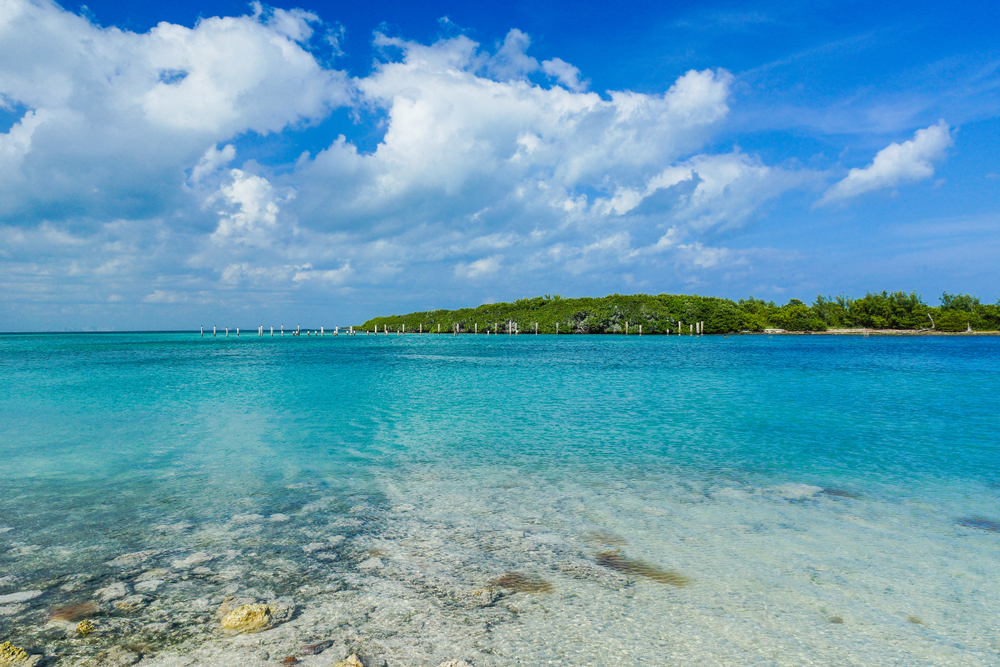
Biscayne National Park is located in southeastern Florida just south of Miami. Established as a national park in 1980, it covers approximately 270 square miles (700 sq km), making it one of the largest marine parks in the United States. R
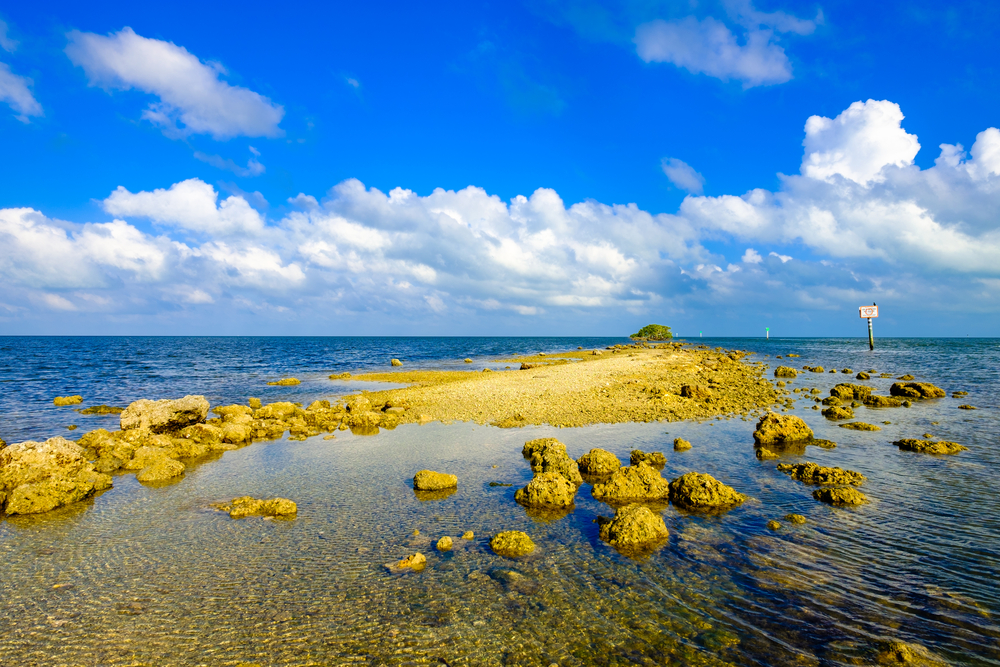
emarkably, about 95 percent of the park consists of water, protecting a vast expanse of Biscayne Bay, coral reefs, mangrove shorelines, and islands. The park borders the northern portion of the Florida Keys and lies near other renowned protected areas including Everglades National Park and Dry Tortugas National Park. Together, these parks preserve some of the most important marine and coastal ecosystems in North America.
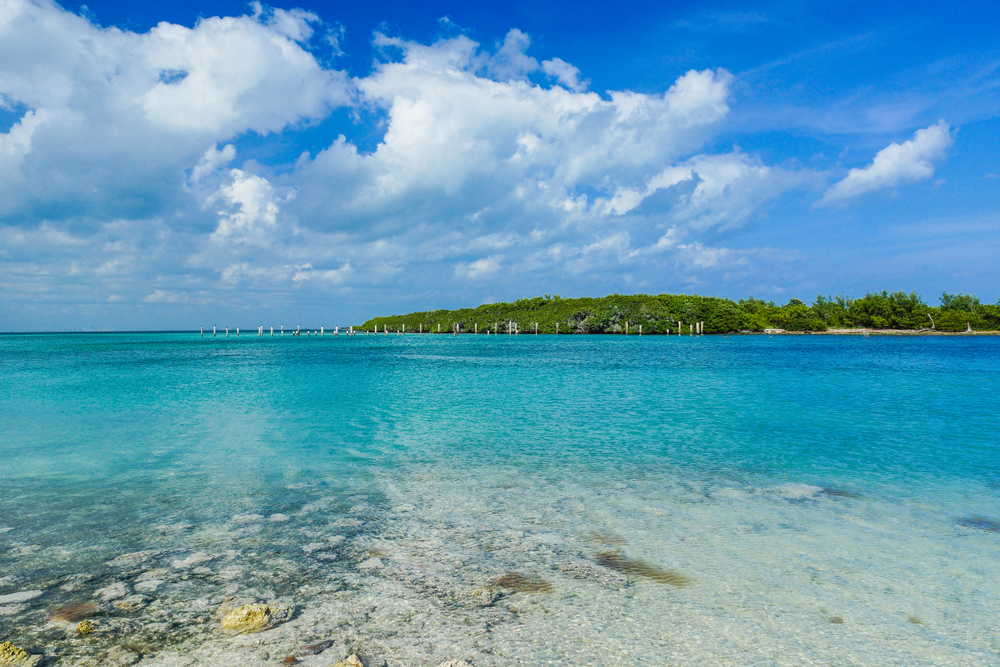
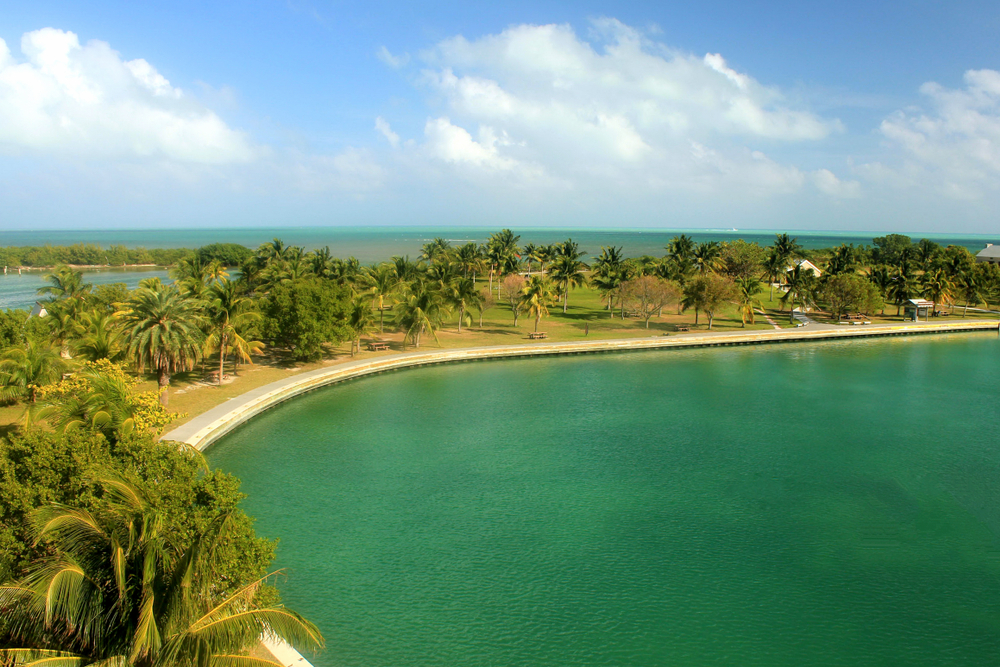
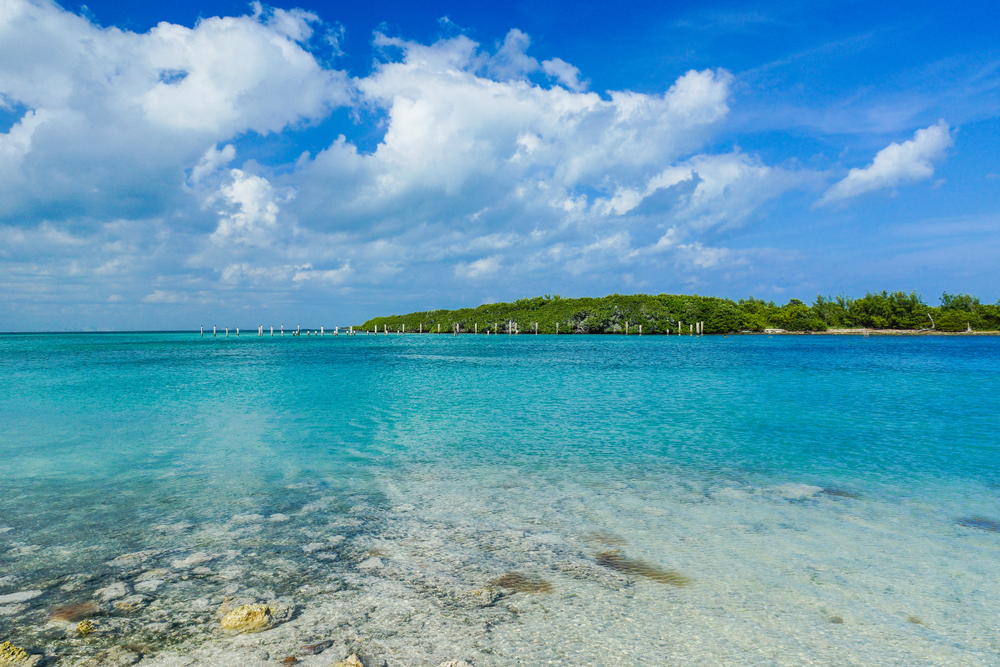
The park is best known for its crystal-clear waters, vibrant coral reefs, and exceptional opportunities for boating, snorkeling, diving, and wildlife viewing. Unlike many national parks where visitors primarily explore on foot, Biscayne is experienced largely by water. The park protects the northernmost section of the Florida Reef Tract, the only living coral barrier reef in the continental United States.
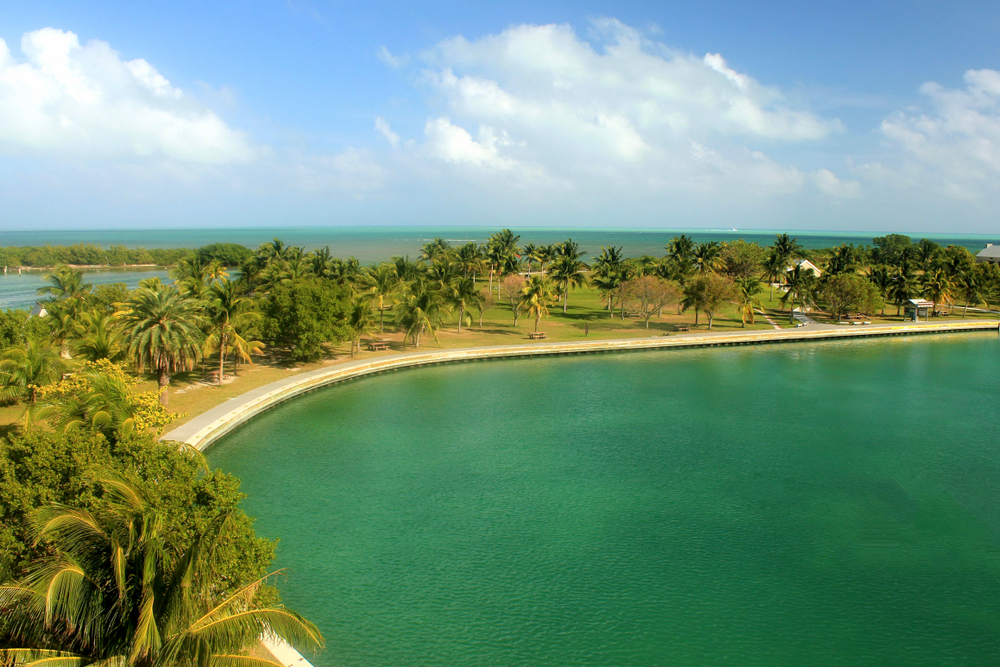
Popular activities include snorkeling among colorful fish, kayaking through mangrove channels, exploring historic shipwrecks, and visiting Boca Chita Key, home to the park’s iconic lighthouse. The Maritime Heritage Trail, which features several shipwrecks accessible to divers, highlights the park’s rich maritime history.
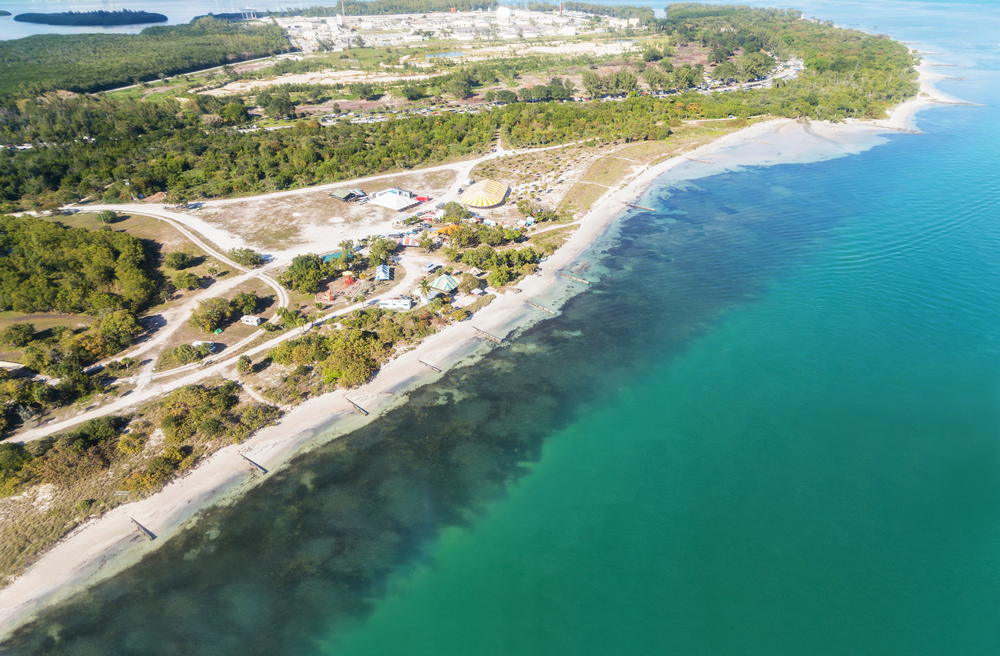
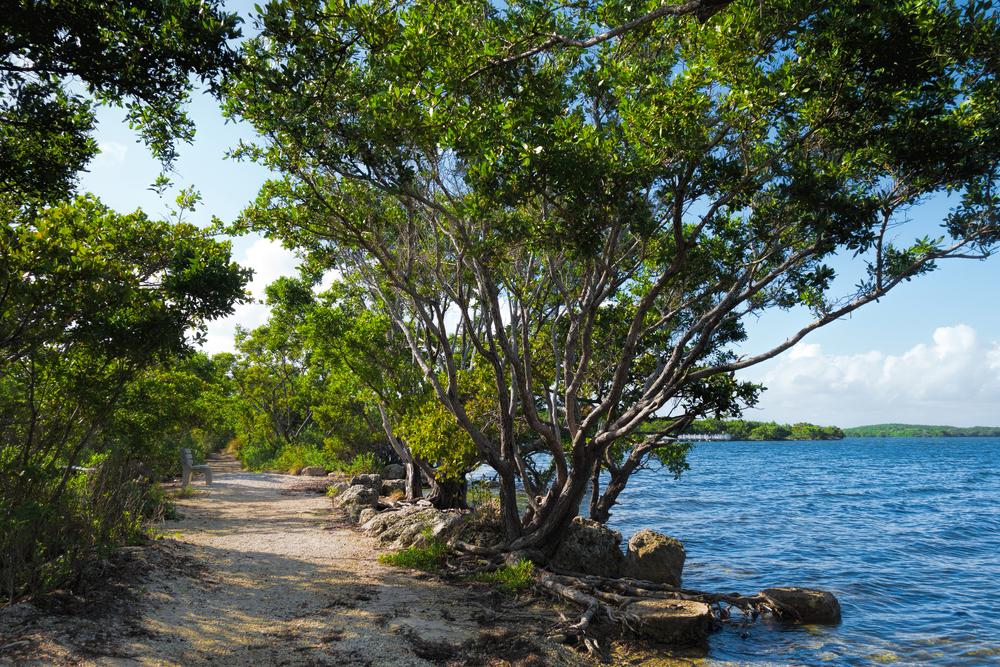
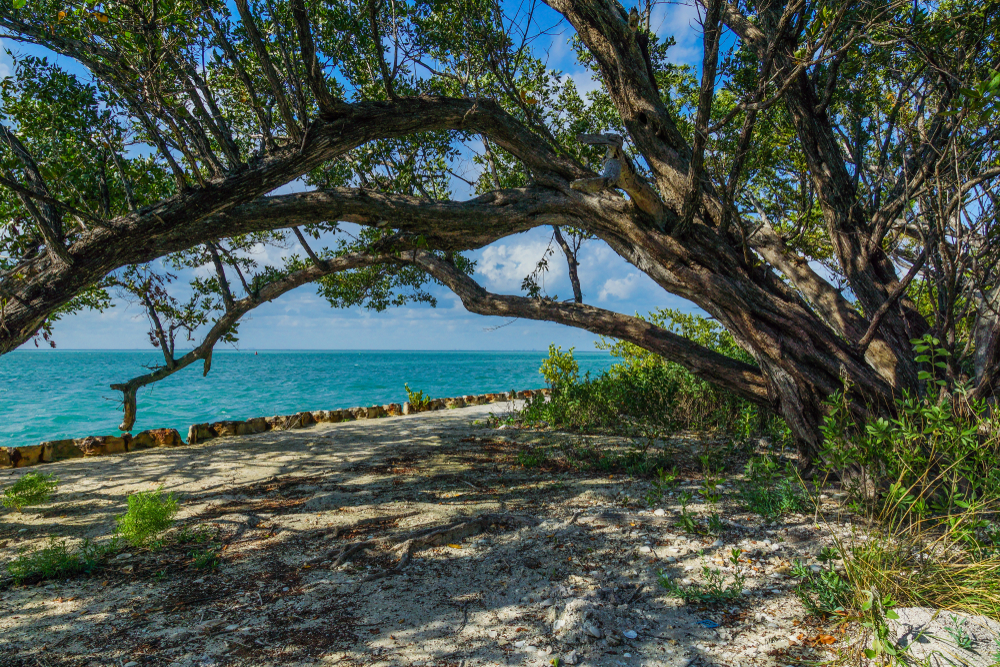
Geographically, Biscayne National Park encompasses four interconnected ecosystems: mangrove forests, Biscayne Bay, the Florida Keys islands, and offshore coral reefs. The shallow waters of Biscayne Bay provide critical nursery habitat for marine life, while extensive mangrove shorelines help stabilize coastlines and protect against storm impacts.
Small islands and keys rise above the surrounding waters, creating nesting habitat for birds and refuge for other wildlife. Offshore coral reefs support one of the most biologically diverse marine environments in the United States. This combination of habitats creates an ecological continuum stretching from the mainland coast to the open Atlantic Ocean.
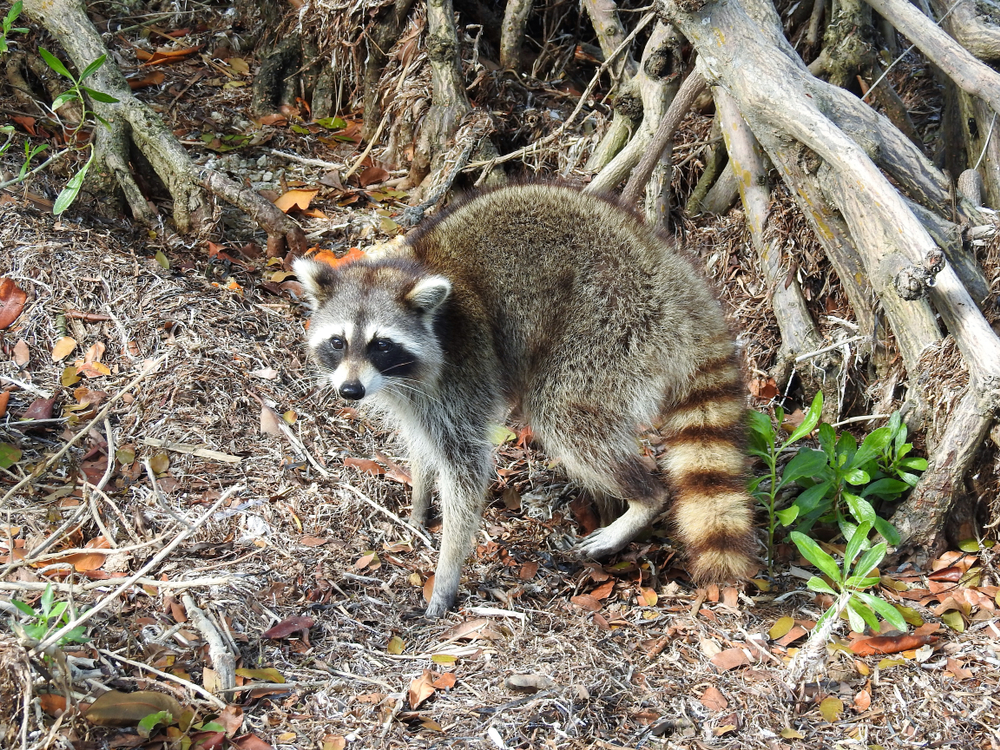
Wildlife is abundant throughout the park’s marine and coastal environments. More than 600 species of fish inhabit the park’s waters, including parrotfish, angelfish, snapper, grouper, and tarpon. Bottlenose dolphins and West Indian manatees are among the park’s most beloved marine mammals. Green sea turtles, loggerhead turtles, and hawksbill turtles utilize the park’s waters and nearby nesting beaches.
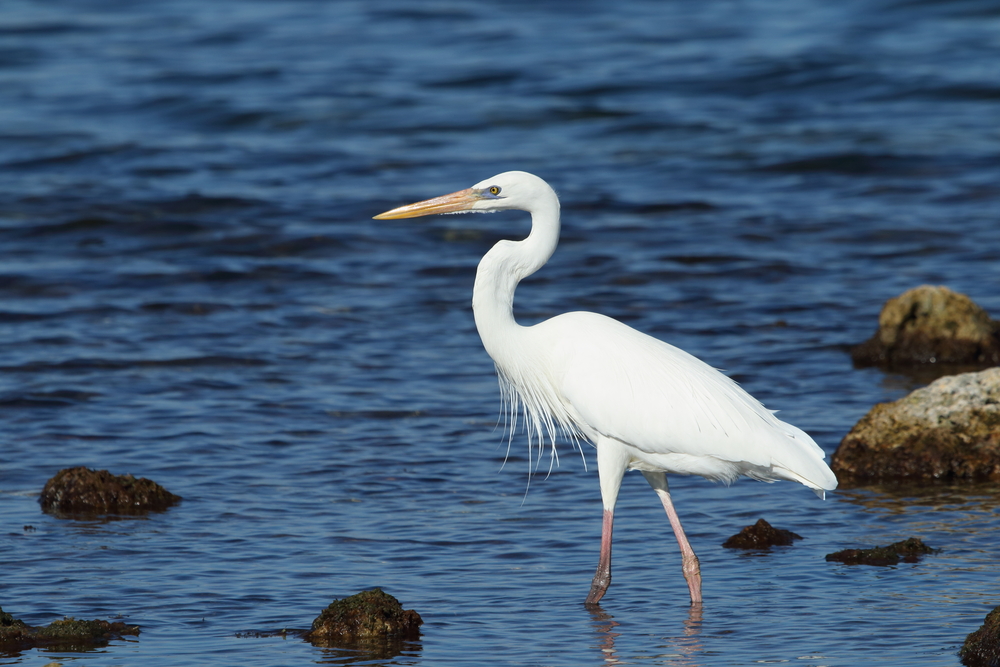
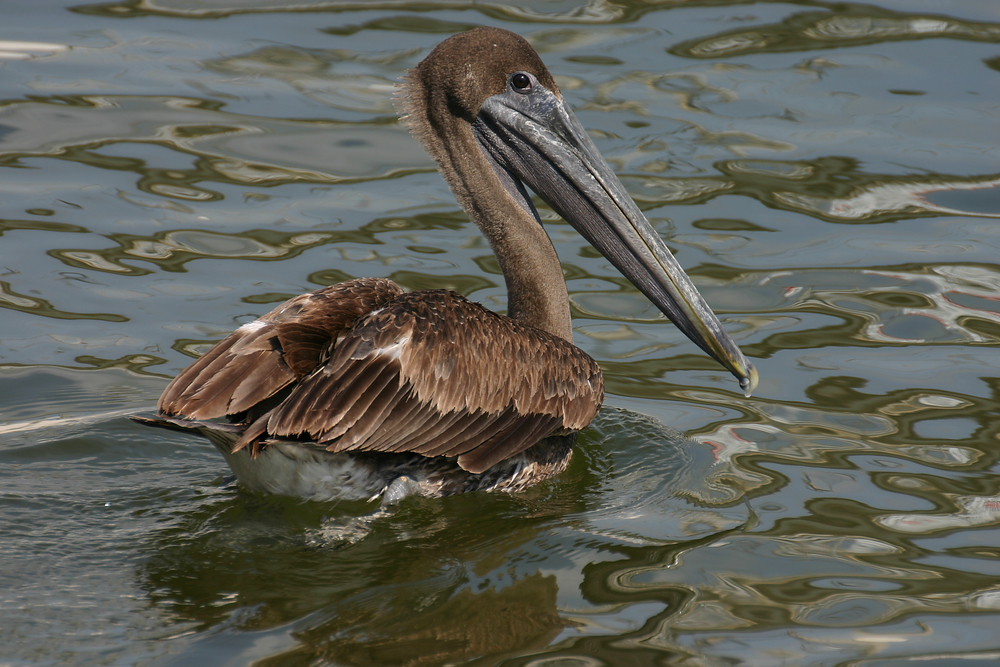
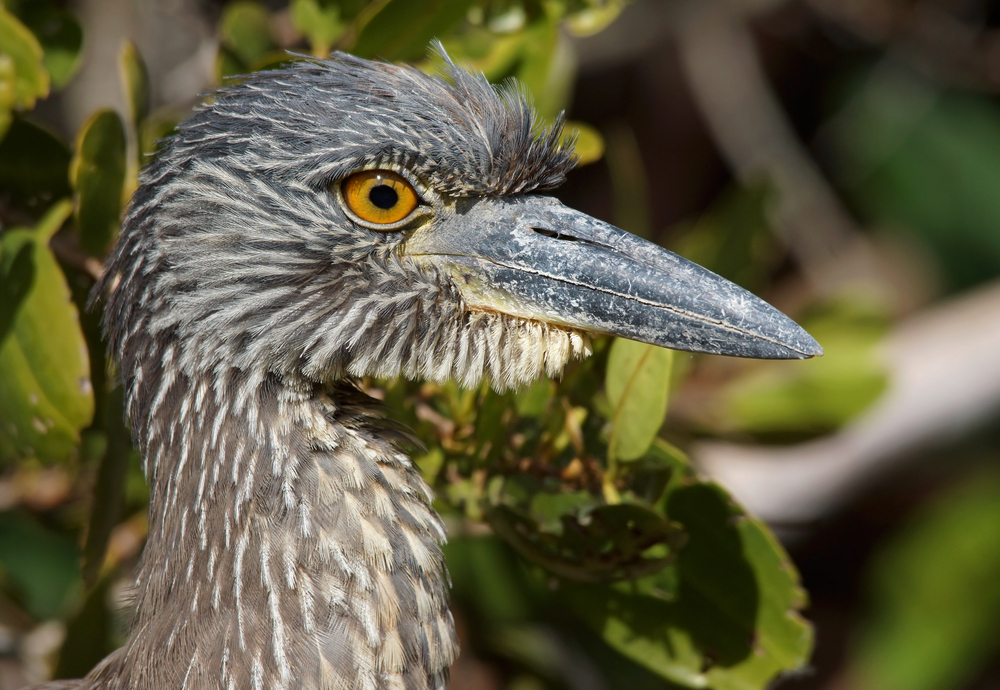
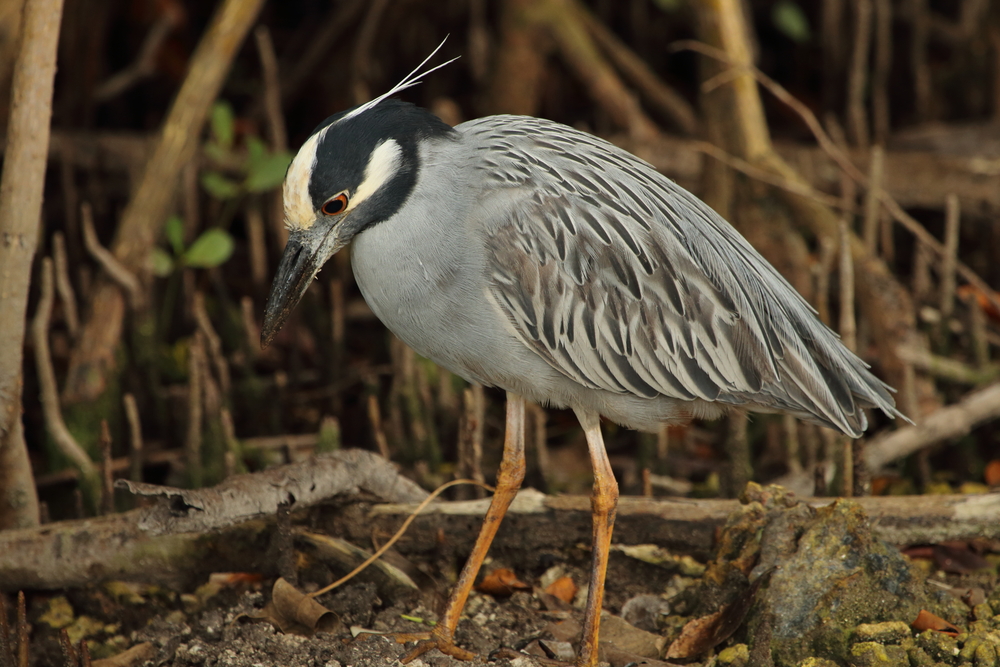
Birdlife is equally impressive, with pelicans, ospreys, herons, egrets, roseate spoonbills, and numerous migratory species commonly observed. The coral reefs themselves support countless invertebrates, sponges, and other organisms that form the foundation of this complex ecosystem.
Biscayne National Park plays a vital role in protecting one of the most significant marine ecosystems in the United States. The park safeguards coral reefs that face increasing threats from climate change, coral disease, pollution, and ocean warming. It also preserves essential habitat for endangered species and supports fisheries that benefit the broader region.
Ecologically, Biscayne is often compared to marine treasures such as Great Barrier Reef Marine Park and Bonaire National Marine Park because of its coral reef biodiversity and conservation importance. Through its turquoise waters, thriving marine life, historic shipwrecks, and interconnected coastal ecosystems, Biscayne National Park stands as one of America’s most extraordinary marine protected areas and a vital sanctuary for the natural heritage of South Florida.
Photos




Things to See
Things To Do
Engaging Biscayne
Biscayne National Park Trails
The majority of the national park is accounted for by water which makes trail possibilities for hiking rather limited. However, there are 5 walking or hiking trails. These make for nice escapes from the traditional swimming, snorkeling, and other water-related activities.

Sources
- Britannica, Biscayne National Park, https://www.britannica.com/place/Biscayne-National-Park, retrieved March 2020.
- National Geographic, Dive into the World’s Third Longest Coral Reef, https://www.nationalgeographic.com/travel/national-parks/biscayne-national-…, retrieved March 2020.
- National Park Foundation, An Aquamarine Paradise, https://www.nationalparks.org/explore-parks/biscayne-national-park, retrieved March 2020.
- National Park Service, Biscayne National Park, https://www.nps.gov/bisc/planyourvisit/index.htm, retrieved March 2020.
- Travel & Leisure, Biscayne National Park is 95% Underwater – That’s Exactly Why You Need to See It, https://www.travelandleisure.com/trip-ideas/national-parks/biscayne-nationa…, retrieved March 2020.