

About
Everglades National Park is located in southern Florida and protects the largest subtropical wilderness in the United States. Established in 1947, the park encompasses approximately 2,357 square miles (6,105 sq km), making it the third-largest national park in the contiguous United States after Death Valley National Park and Yellowstone National Park.
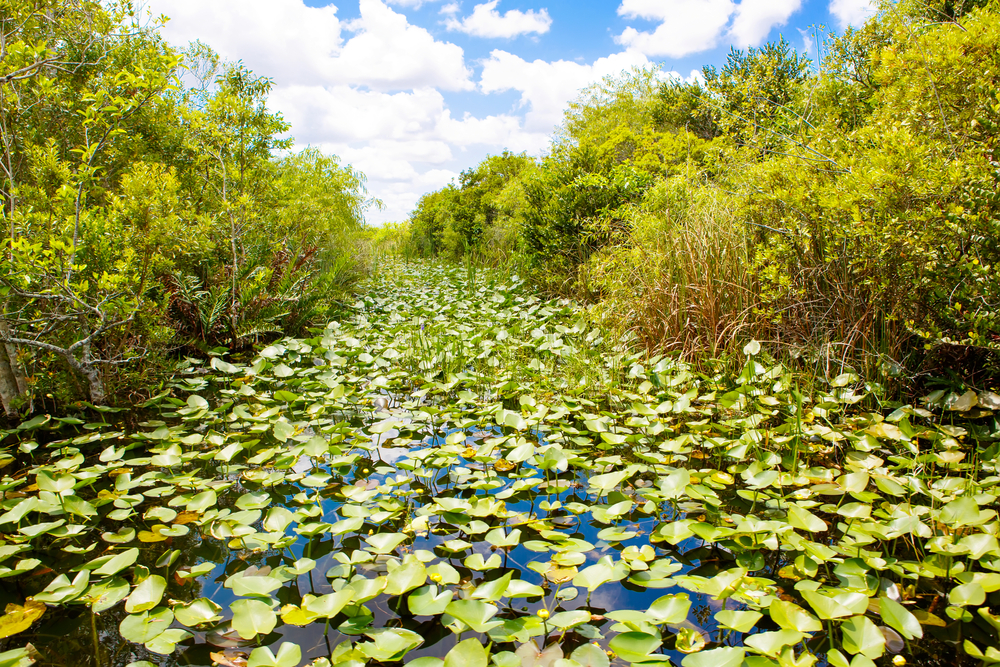
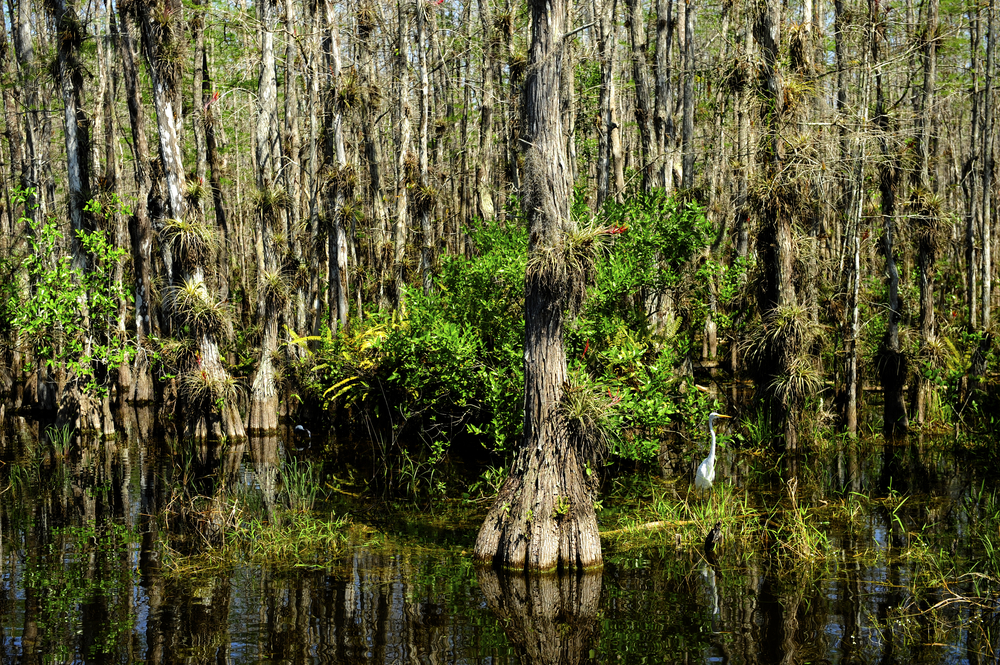
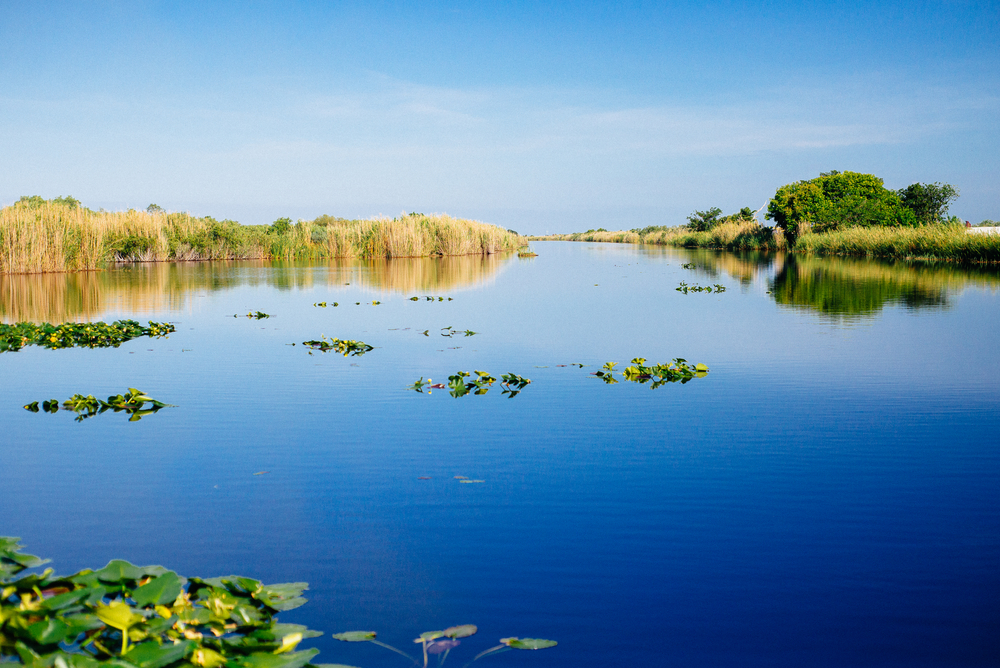
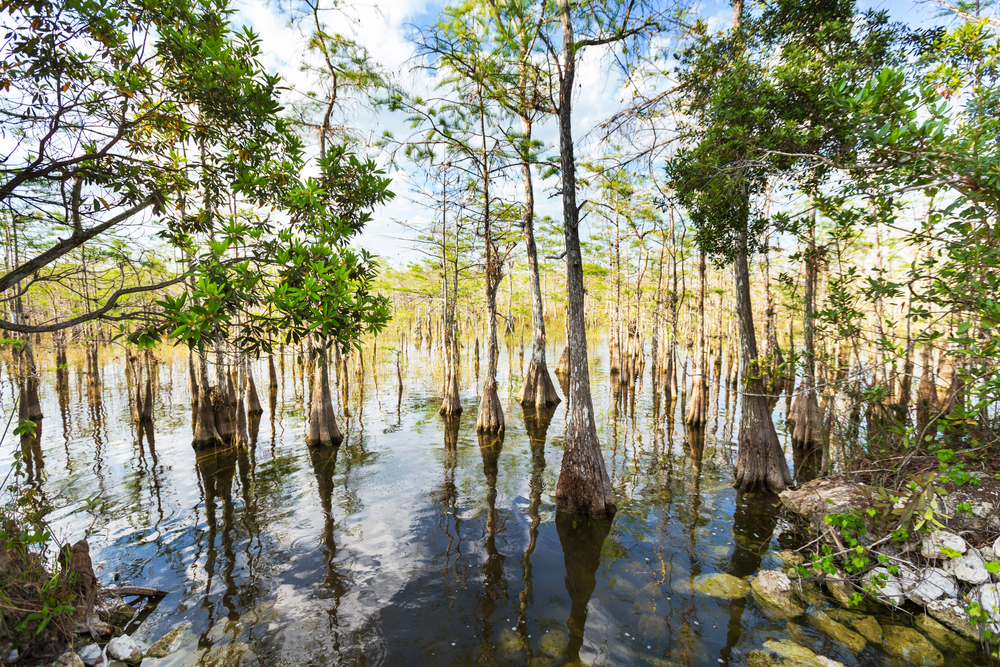
The park preserves a vast mosaic of wetlands, sawgrass marshes, mangrove forests, cypress swamps, coastal estuaries, and marine habitats that together form one of the most unique ecosystems on Earth. Recognized as a UNESCO World Heritage Site, International Biosphere Reserve, and Wetland of International Importance, the Everglades is often referred to as the “River of Grass.”
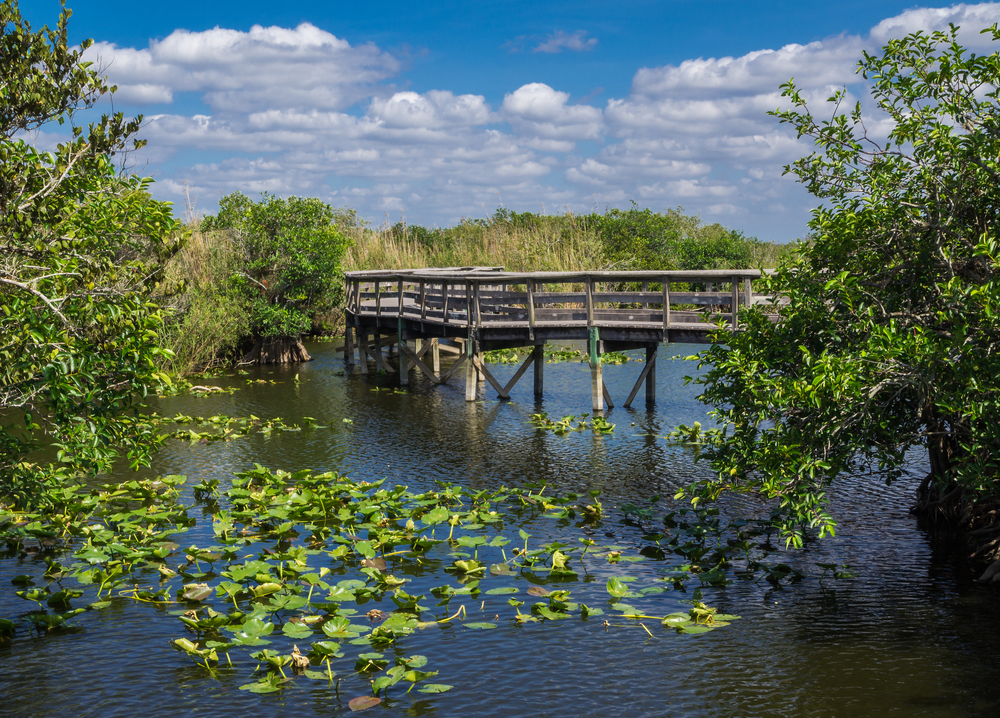
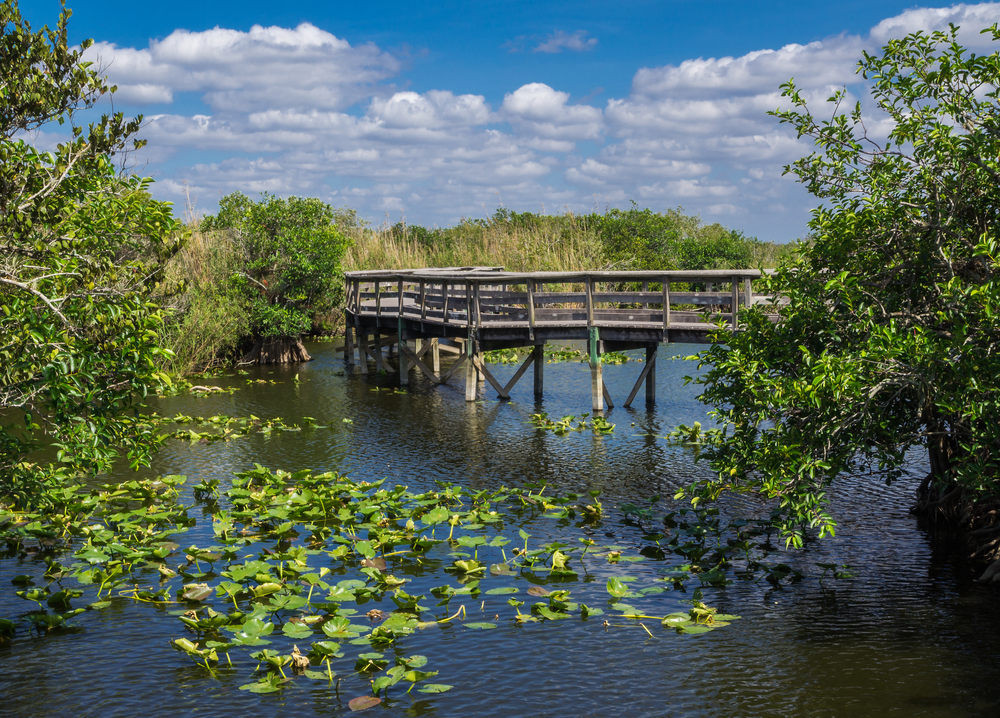
The park is best known for its immense wetlands and extraordinary wildlife. Visitors are drawn to opportunities to observe alligators, crocodiles, wading birds, manatees, dolphins, and countless other species in their natural habitats. Popular destinations include Anhinga Trail, one of the best wildlife-viewing areas in North America; Shark Valley, famous for its observation tower and wildlife-rich landscapes; and Flamingo, a gateway to Florida Bay and the park’s coastal wilderness.
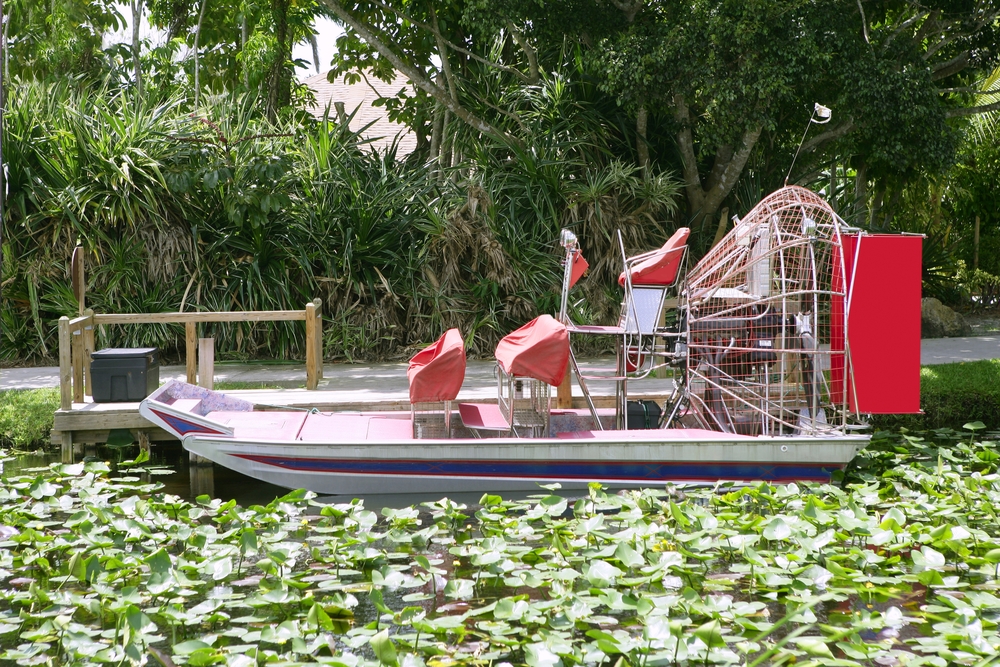
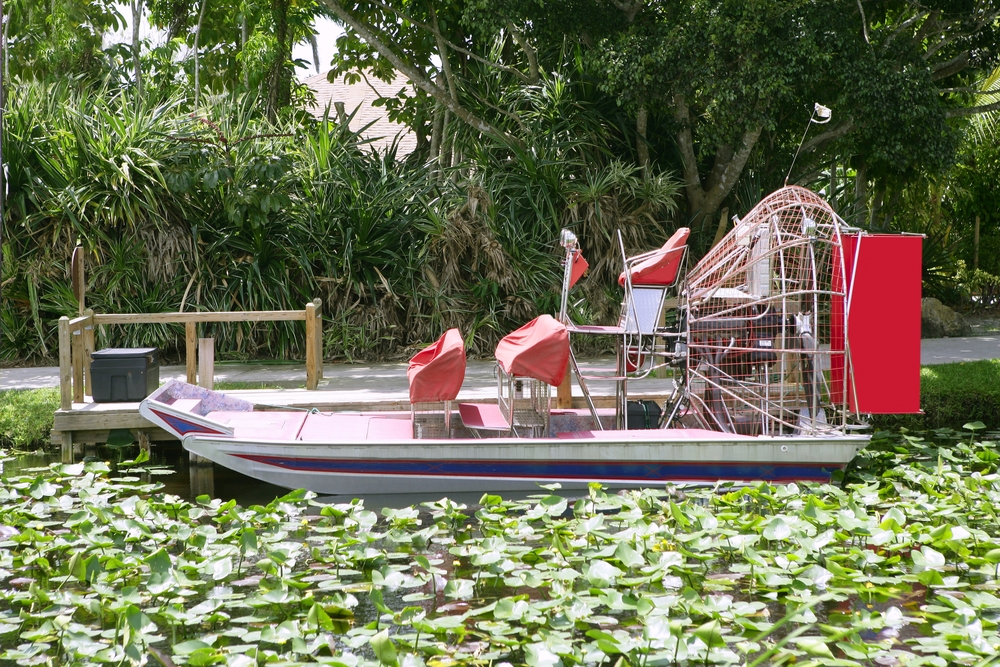
Activities such as kayaking, canoeing, hiking, birdwatching, cycling, boating, camping, and photography provide visitors with countless ways to experience this remarkable ecosystem.
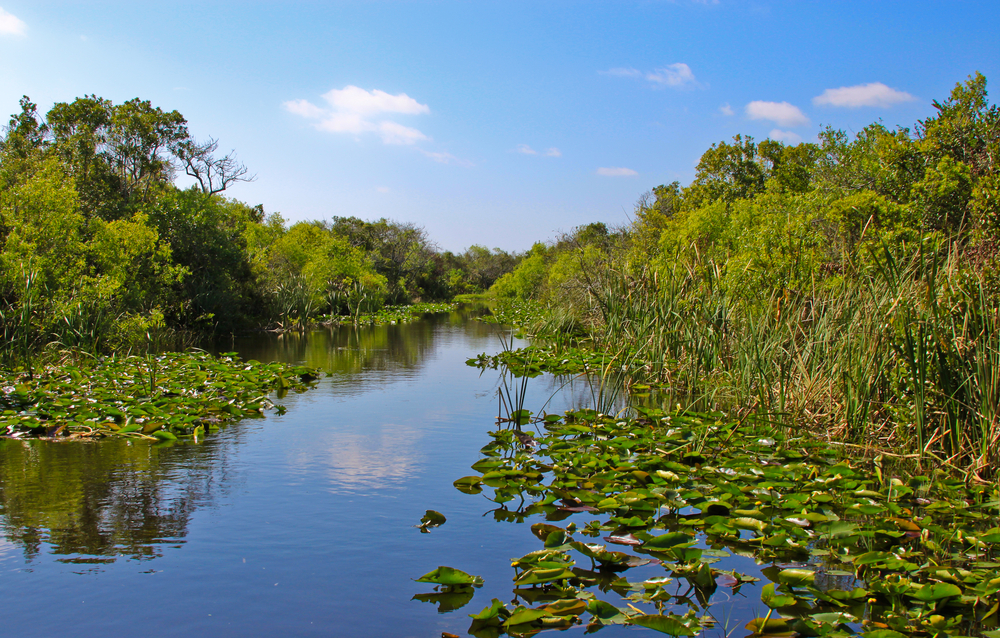
Geographically, Everglades National Park protects the southern portion of the Everglades ecosystem, a slow-moving river that flows from central Florida toward Florida Bay. The landscape is remarkably flat, with water often moving only a few feet per day through vast sawgrass prairies.
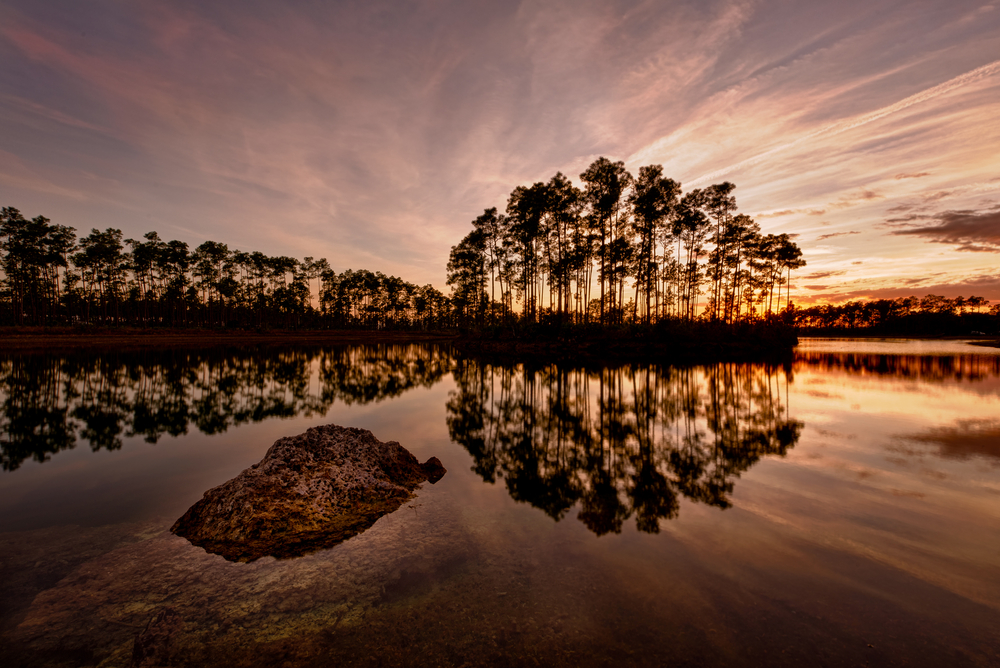
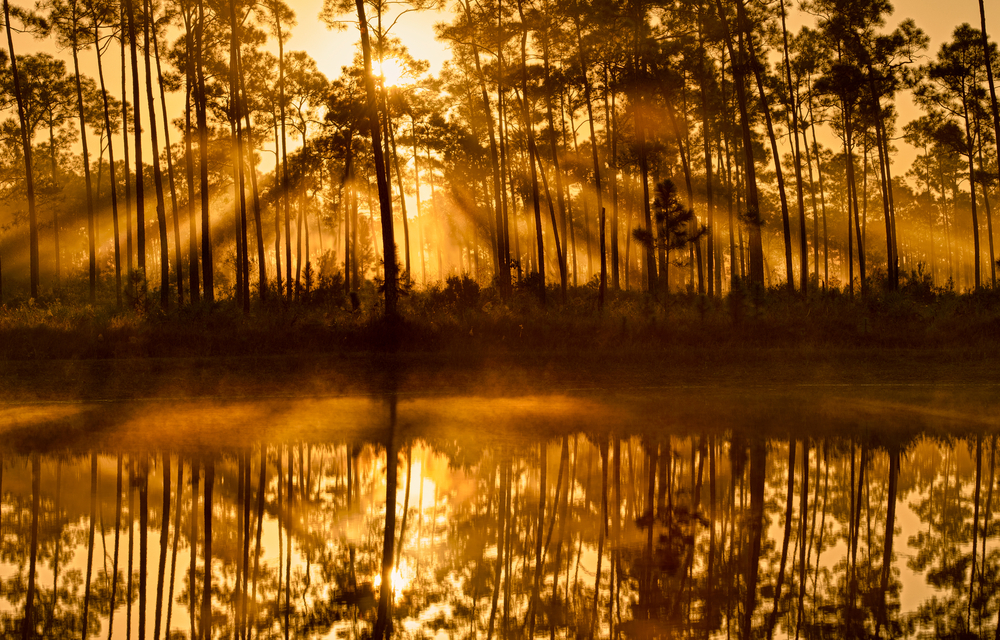
Habitats within the park include freshwater marshes, tropical hardwood hammocks, pine rocklands, mangrove forests, estuaries, and marine environments. The subtropical climate supports lush vegetation year-round, while seasonal wet and dry periods shape ecological processes throughout the park. The interconnected nature of these habitats creates one of the most complex and productive ecosystems in North America.
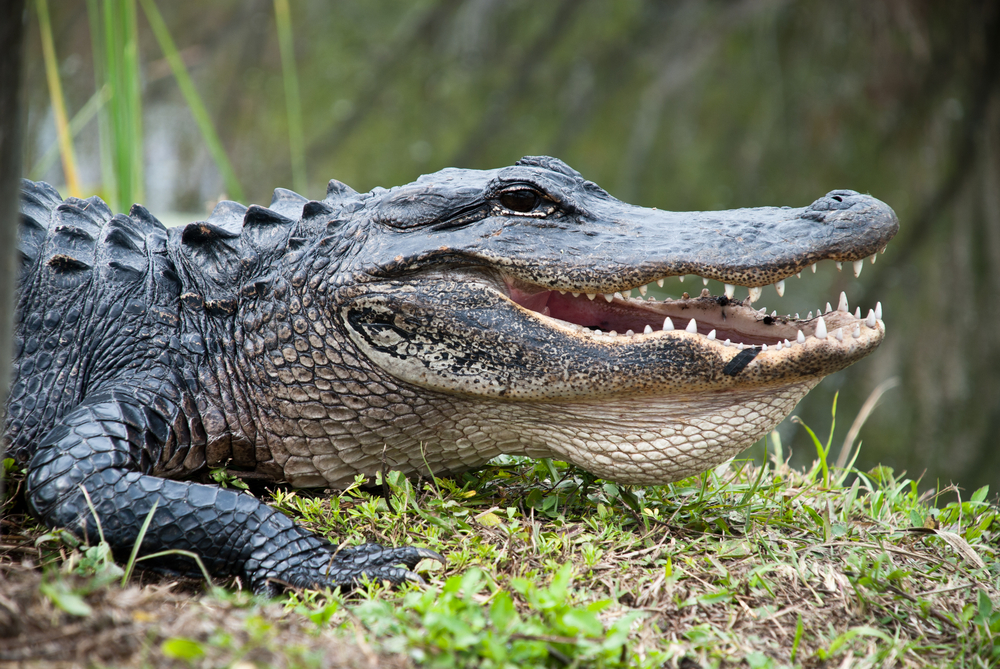
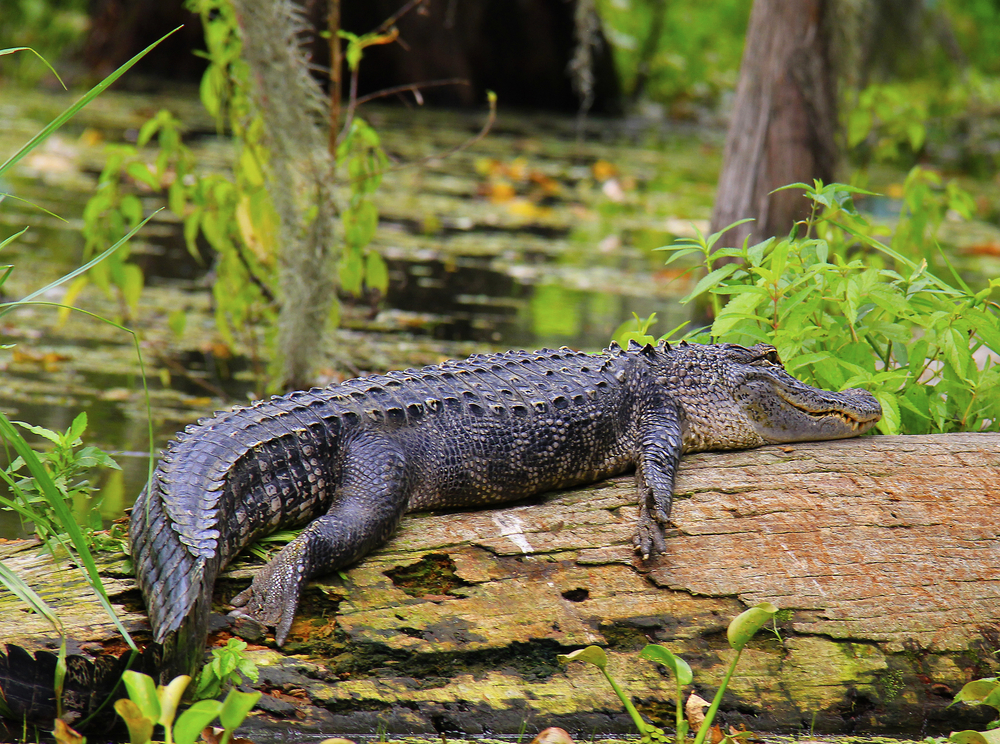
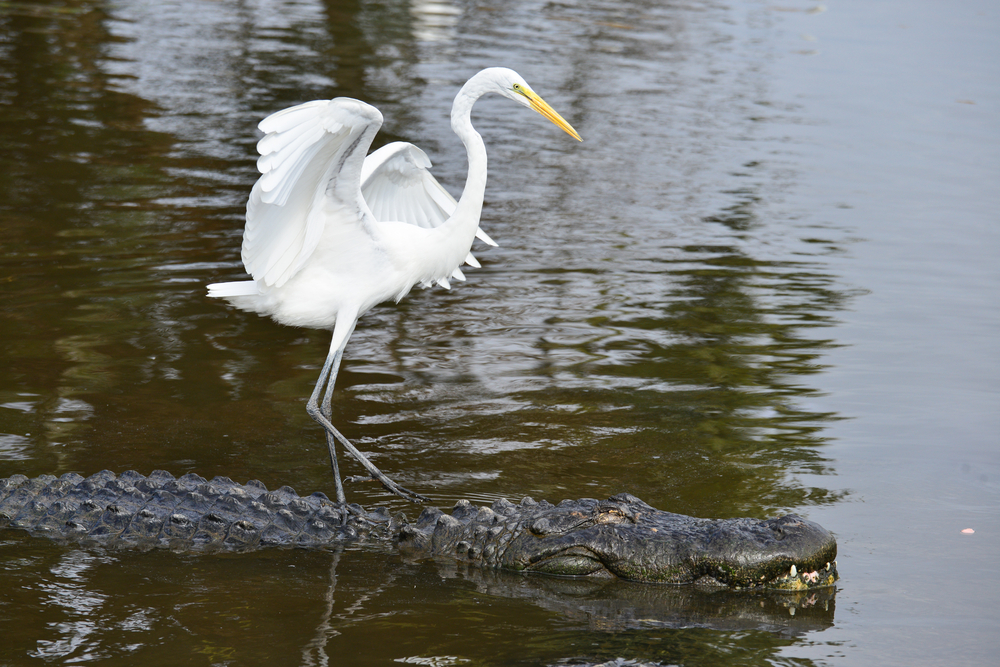
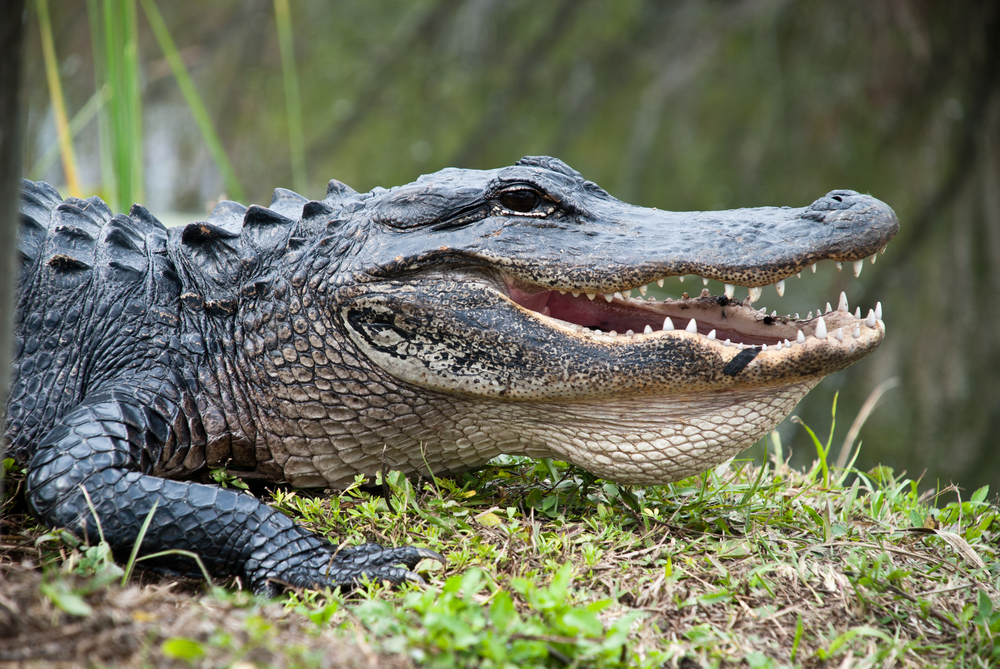
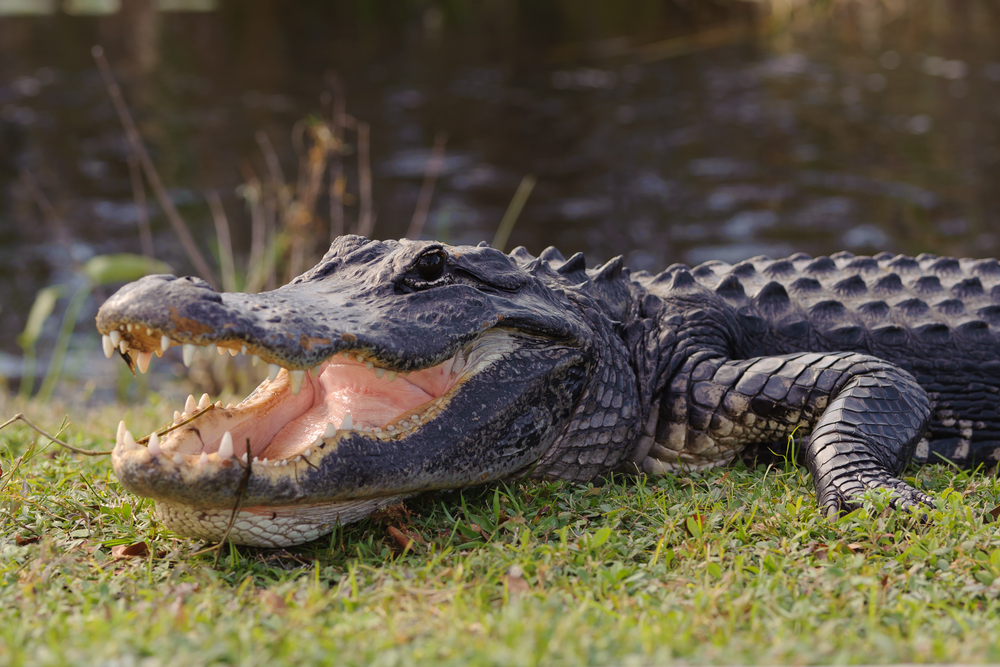
Wildlife within Everglades National Park is among the most diverse in the United States. The park is the only place in the world where the American Alligator and American Crocodile coexist naturally. Other mammals include Florida panthers, bobcats, river otters, raccoons, white-tailed deer, and West Indian manatees.
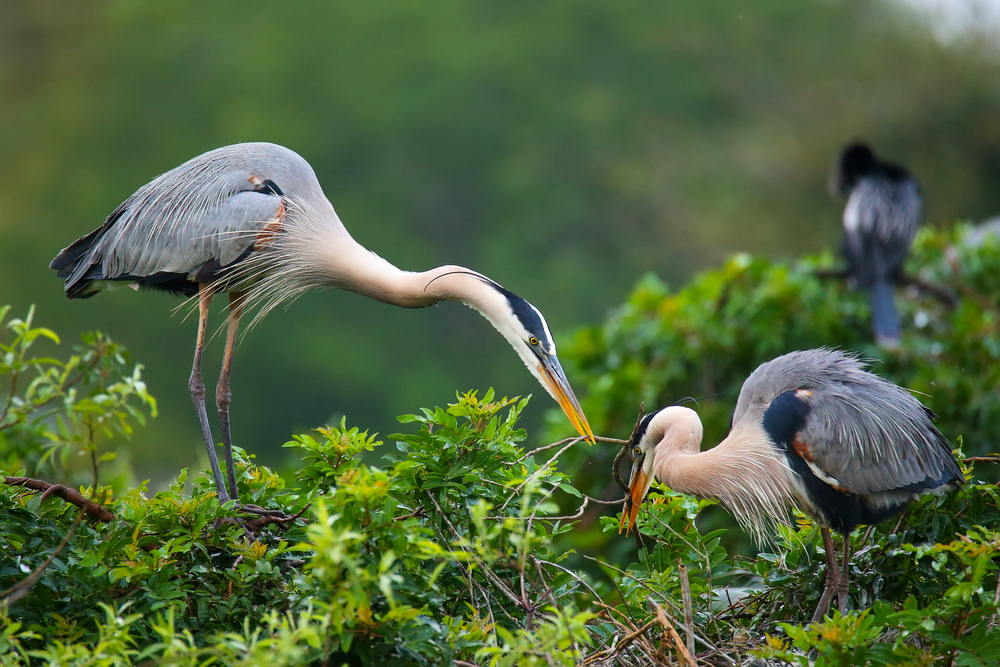
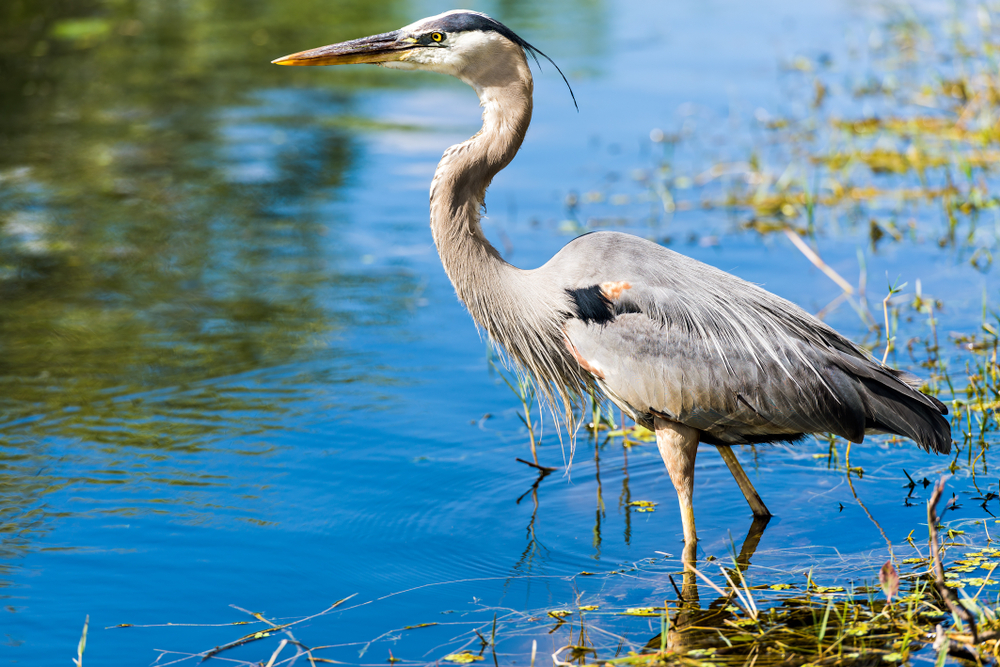
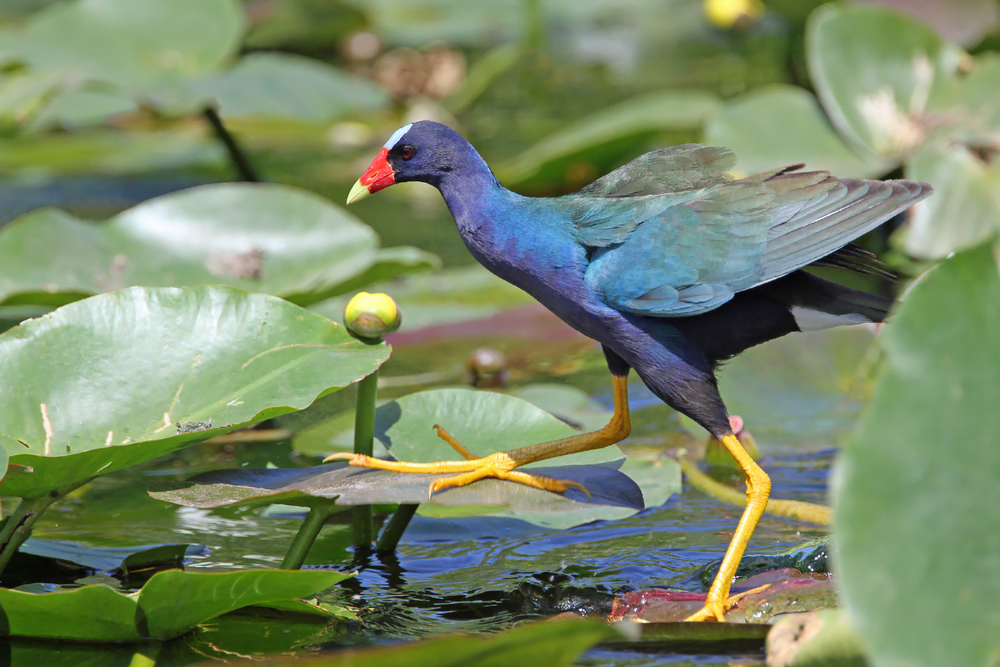
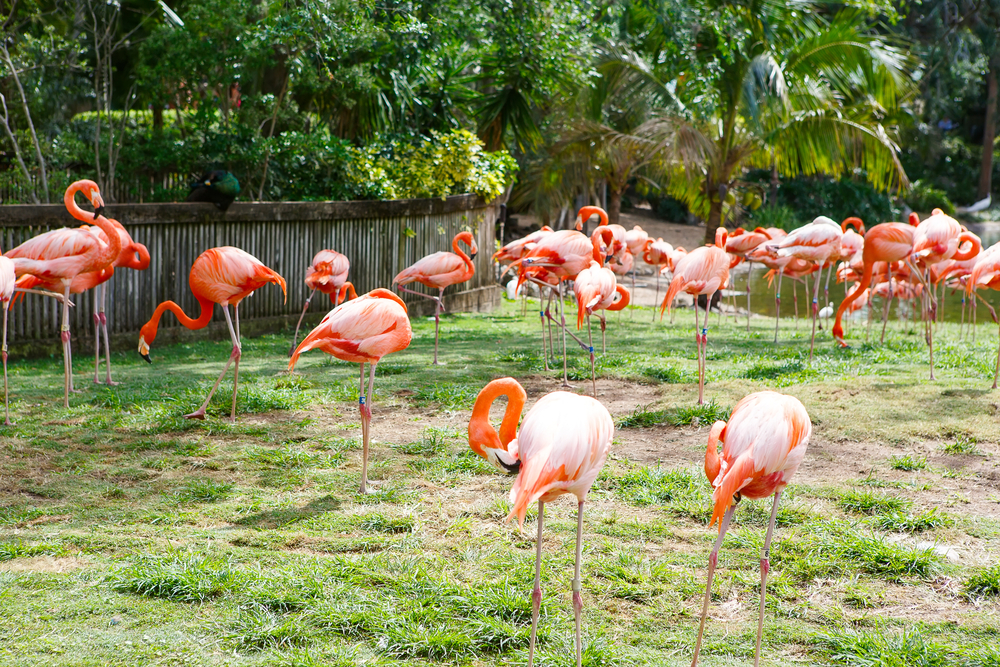
Birdlife is spectacular, with more than 360 species recorded, including roseate spoonbills, wood storks, great blue herons, egrets, anhingas, ospreys, and bald eagles. Marine environments support dolphins, sea turtles, sharks, and hundreds of fish species. The park also protects numerous endangered and threatened species, making it one of the most important wildlife conservation areas in North America.
Everglades National Park plays a critical role in preserving one of the world’s most unique wetland ecosystems. The park protects essential water resources, safeguards biodiversity, supports fisheries, and provides habitat for countless species. Large-scale restoration efforts continue to improve water flow and ecological health across the broader Everglades system.
Its conservation significance is often compared to Okavango Delta and Pantanal because of its vast wetlands, exceptional biodiversity, and global ecological importance. Through its endless marshes, mangrove forests, rare wildlife, and vital role in conservation, Everglades National Park stands as one of America’s most extraordinary natural treasures and one of the world’s most important wetland ecosystems.
Photos





Things to See
Things To Do
Engaging Everglades National Park
Everglades National Park Trails
Much of the Everglades are experienced from watercraft or scenic drives, however, there are over two dozen trails available for experiencing the stunning terrain of the marshy wetlands.

Park Protection
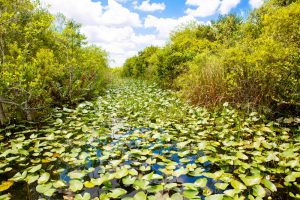 Everglades National Park was created to protect the largest subtropical wilderness in the United States and one of the most important wetland ecosystems in the world. The park provides critical habitat for numerous endangered species, including the Florida panther, West Indian manatee, American crocodile, and smalltooth sawfish. Its vast network of marshes, mangrove forests, estuaries, and coastal waters also supports hundreds of bird species, making it one of North America’s most significant wildlife refuges.
The Everglades is unique as the only place in the world where alligators and crocodiles naturally coexist. The park protects an intricate “River of Grass” ecosystem that sustains southern Florida’s water resources and biodiversity. Its mangrove forests are among the most extensive in the Western Hemisphere. Together, Everglades National Park safeguards a globally important wetland, rare wildlife, vital freshwater systems, and one of the most distinctive ecosystems on Earth.
FAQ’s
What are the Everglades known for?
The Everglades are renowned for their vast and unique ecosystem, characterized by sawgrass marshes, mangrove forests, and diverse wildlife.
It is recognized as one of the largest tropical wilderness areas in the United States, home to numerous endangered species such as the Florida panther, American crocodile, and West Indian manatee.
The Everglades also serve as a crucial habitat for migratory birds, providing nesting grounds and feeding areas for hundreds of species.
Additionally, the park’s network of waterways, including rivers, lakes, and estuaries, offers opportunities for boating, fishing, and wildlife viewing.
The Everglades are a UNESCO World Heritage Site and International Biosphere Reserve, attracting visitors from around the world to marvel at its natural beauty and ecological significance.
What is the main reason people visit Everglades National Park?
Everglades National Park is primarily visited for its vast wetlands, unique subtropical ecosystems, abundant wildlife, and exceptional opportunities for boating, kayaking, and wildlife viewing.
Located in southern Florida, the park protects the largest subtropical wilderness in the United States and is recognized as a UNESCO World Heritage Site, an International Biosphere Reserve, and a Wetland of International Importance.
Visitors come to see alligators, crocodiles, manatees, birds, mangrove forests, sawgrass marshes, and one of the most distinctive ecosystems on Earth.
What animals can visitors hope to see in Everglades National Park?
Everglades National Park supports approximately 40 mammal species and more than 50 reptile species. The park is internationally renowned for its wildlife diversity and is the only place in the world where American alligators and American crocodiles naturally coexist.
Some of the most notable mammals and reptiles found in Everglades National Park include:
- Florida Panther
- Bobcat
- Coyote
- River Otter
- Raccoon
- Marsh Rabbit
- Eastern Cottontail
- White-tailed Deer
- Black Bear
- Gray Fox
- Red Fox
- Mink
- Striped Skunk
- Opossum
- Cotton Mouse
- Rice Rat
- Marsh Rice Rat
- Cotton Rat
- Florida Mouse
- Big Brown Bat
- Evening Bat
- Hoary Bat
- Red Bat
- Seminole Bat
- Silver-haired Bat
- Brazilian Free-tailed Bat
- Northern Yellow Bat
- Tricolored Bat
- West Indian Manatee
- Bottlenose Dolphin
- American Alligator
- American Crocodile
- Burmese Python
- Eastern Diamondback Rattlesnake
- Cottonmouth
- Coral Snake
- Eastern Indigo Snake
- Southern Black Racer
- Mangrove Salt Marsh Snake
- Corn Snake
- Green Anole
- Brown Anole
- Knight Anole
- Six-lined Racerunner
- Loggerhead Sea Turtle
- Green Sea Turtle
- Hawksbill Sea Turtle
- Leatherback Sea Turtle
- Gopher Tortoise
- Numerous Freshwater and Marine Fish Species
What birds can visitors hope to see in Everglades National Park?
Everglades National Park is one of the premier birdwatching destinations in North America, with more than 360 bird species recorded. The park’s wetlands, mangroves, coastal habitats, and freshwater marshes support extraordinary bird diversity.
Some of the most popular birds seen in Everglades National Park include:
- Roseate Spoonbill
- Wood Stork
- Great Blue Heron
- Great Egret
- Snowy Egret
- Little Blue Heron
- Tricolored Heron
- Green Heron
- Black-crowned Night Heron
- Yellow-crowned Night Heron
- White Ibis
- Glossy Ibis
- Limpkin
- Purple Gallinule
- Common Gallinule
- American Bittern
- Least Bittern
- Anhinga
- Double-crested Cormorant
- Brown Pelican
- Magnificent Frigatebird
- Osprey
- Bald Eagle
- Red-shouldered Hawk
- Peregrine Falcon
- American Kestrel
- Snail Kite
- Swallow-tailed Kite
- Black Skimmer
- Royal Tern
- Sandwich Tern
- Least Tern
- Caspian Tern
- Laughing Gull
- Ring-billed Gull
- White-crowned Pigeon
- Mangrove Cuckoo
- Belted Kingfisher
- Gray Kingbird
- Loggerhead Shrike
- Palm Warbler
- Prairie Warbler
- Yellow Warbler
- Black-whiskered Vireo
- Northern Cardinal
- Painted Bunting
- Indigo Bunting
- Red-winged Blackbird
- Boat-tailed Grackle
- Common Yellowthroat
Is Everglades National Park worth visiting?
Yes, Everglades National Park is absolutely worth visiting and is considered one of the most important protected ecosystems in the world.
The park offers exceptional wildlife viewing, unique wetland habitats, scenic paddling routes, birdwatching opportunities, and a chance to experience a landscape unlike any other in North America. Visitors interested in nature, photography, conservation, and outdoor recreation often rank the Everglades among the most memorable national park experiences in the United States.
What is the best time to visit Everglades National Park?
The best time to visit Everglades National Park is:
- November through April
During these months:
- Temperatures are comfortable.
- Humidity is lower.
- Mosquito activity is reduced.
- Wildlife viewing is often at its best.
- Dry-season conditions concentrate animals around water sources.
Summer is hotter, wetter, and characterized by frequent thunderstorms and mosquitoes.
How many days do you need to visit Everglades National Park?
Most visitors spend the day in the national park whereas others plan for 2 or more days.
- 1 day: Major boardwalks and wildlife viewing areas.
- 2 days: Multiple visitor areas and short paddling excursions.
- 3–4 days: Kayaking, boating, hiking, and extensive wildlife viewing.
- 5+ days: Backcountry camping and wilderness exploration.
The park’s large size rewards longer visits.
How do you get to Everglades National Park?
Everglades National Park is located in southern Florida.
Most visitors:
- Fly into Miami or Fort Lauderdale.
- Drive to one of the park’s entrances.
- Access the park through areas such as Homestead, Shark Valley, or Gulf Coast.
The main entrance near Homestead is approximately one hour from Miami.
Who is involved in protecting and supporting Everglades National Park?
Several organizations help protect Everglades National Park:
- National Park Service – manages Everglades National Park.
- Everglades Foundation – supports restoration, research, and conservation efforts.
- National Park Foundation – supports projects throughout the National Park System.
- Florida Fish and Wildlife Conservation Commission – assists with wildlife management and conservation.
- Scientists, volunteers, Indigenous communities, and conservation organizations working to restore and protect the Everglades ecosystem.
What are the Everglades?
The Everglades is a vast subtropical wetland ecosystem often referred to as the “River of Grass.” Water slowly flows south from central Florida through sawgrass marshes, wetlands, mangrove forests, and estuaries, creating one of the most unique ecosystems in the world.
Sources
- All Trails, Best Trails in Everglades National Park, https://www.alltrails.com/parks/us/florida/everglades-national-park, retrieved July 2020.
- Britannica, Everglades National Park, https://www.britannica.com/place/Everglades-National-Park, retrieved July 2020.
- National Geographic, Complete National Parks of the United States, National Geographic Publishing, Washington DC.
- National Geographic, Guide to the National Parks of the United States, National Geographic Society, 2003.
- National Geographic, National Parks of North America, Canada-United States-Mexico, National Geographic Society, 1995.
- National Parks Conservation Association, Everglades, https://www.npca.org/parks/everglades-national-park, retrieved September 2019.
- National Park Foundation, Everglades, https://www.nationalparks.org/explore-parks/everglades-national-park, retrieved September 2019.
- National Park Services, Everglades, https://www.nps.gov/ever/index.htm, retrieved September 2019.
- UNESCO, Everglades National Park, https://whc.unesco.org/en/list/76/, retrieved September 2019.
- Visit Florida, How to Visit the Florida Everglades, https://www.visitflorida.com/en-us/things-to-do/outdoors-nature/everglades-national-park.html, retrieved September 2019.