

About
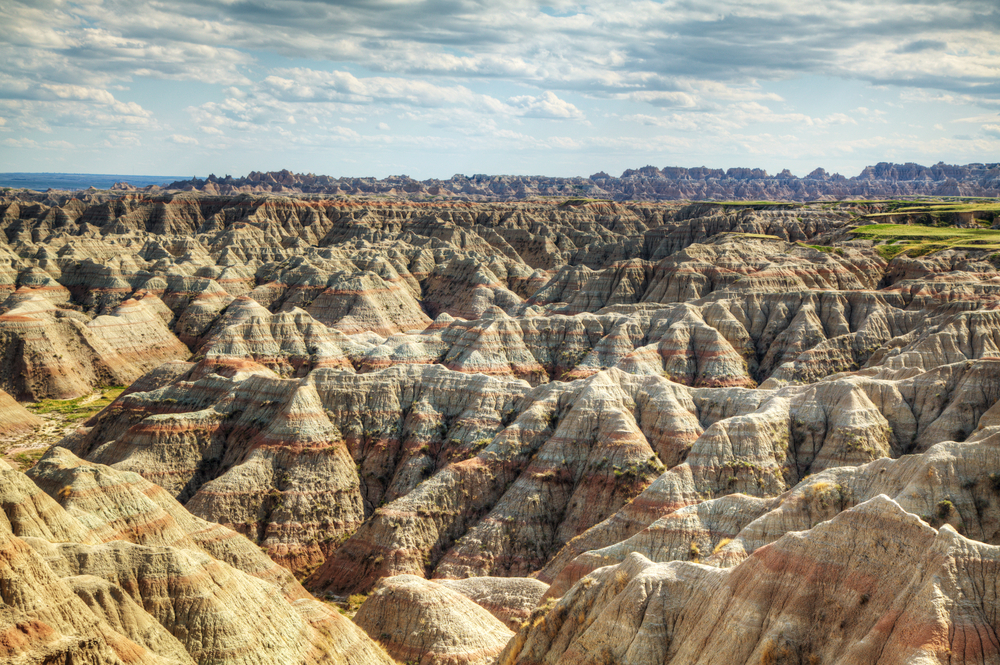
Badlands National Park is located in southwestern South Dakota in the United States. Covering approximately 379 square miles (982 sq km), the park protects one of North America’s most dramatic and scientifically important landscapes.
Originally established as a national monument in 1939 and redesignated as a national park in 1978, Badlands National Park preserves a remarkable combination of sharply eroded buttes, pinnacles, spires, canyons, mixed-grass prairie, and rich fossil deposits. Situated east of Black Hills National Forest and southeast of Mount Rushmore National Memorial, the park showcases one of the most striking geological landscapes in the American Great Plains.
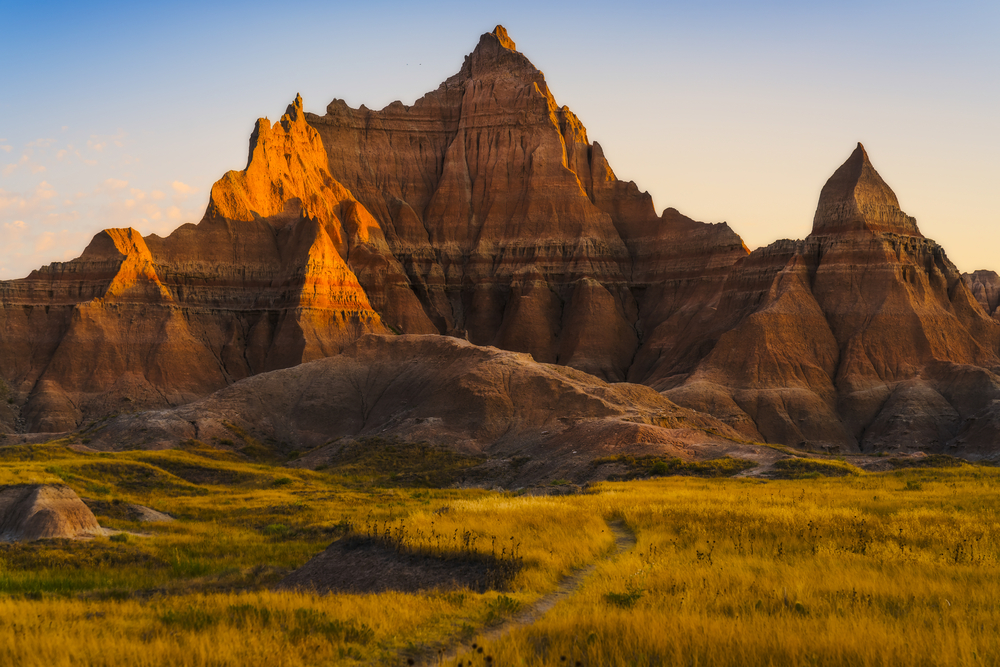
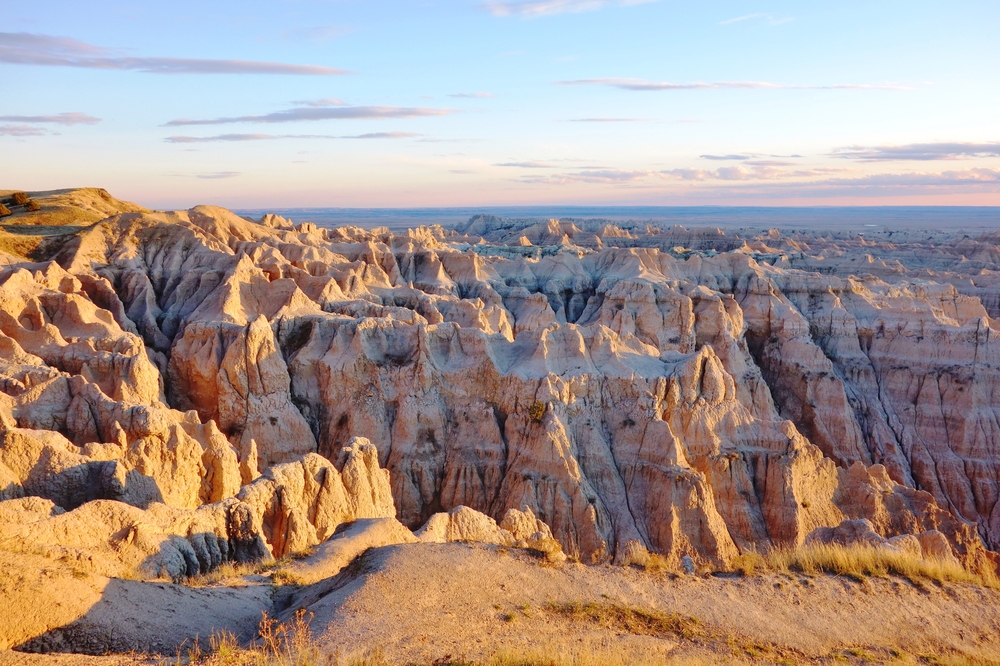
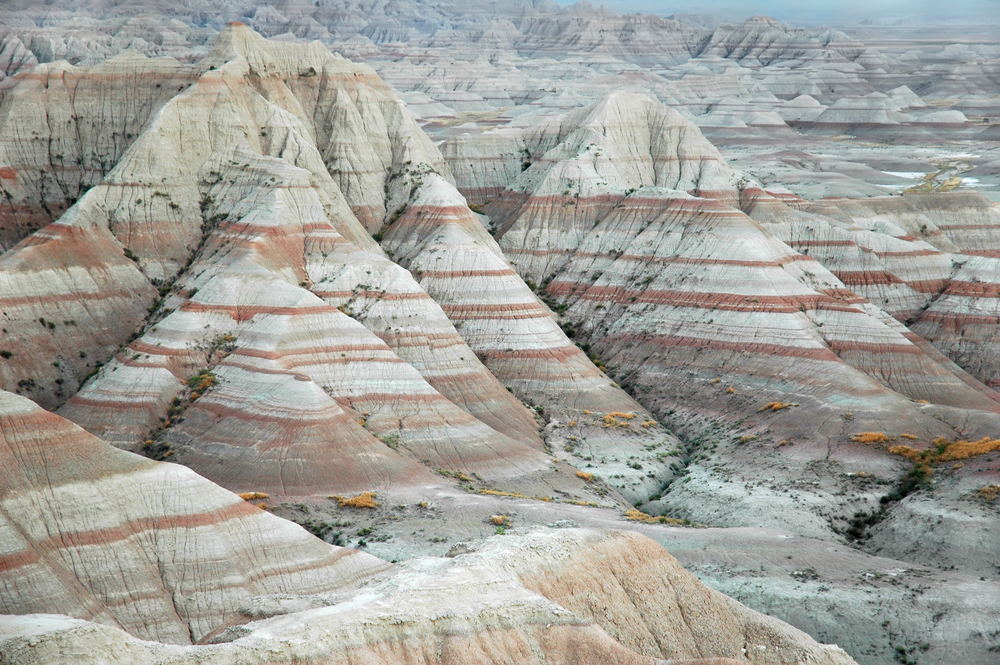
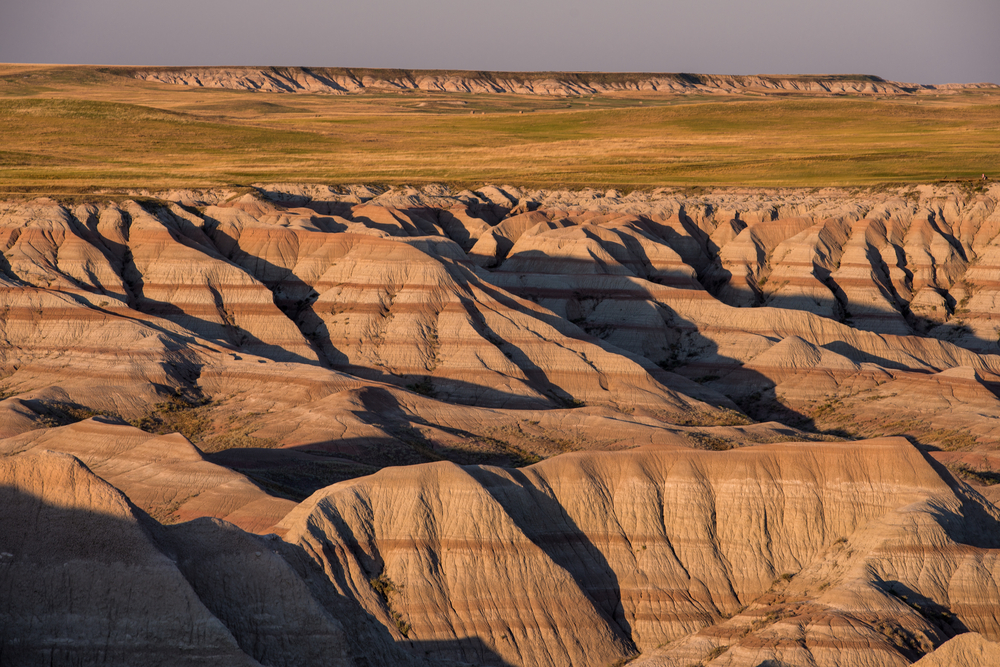
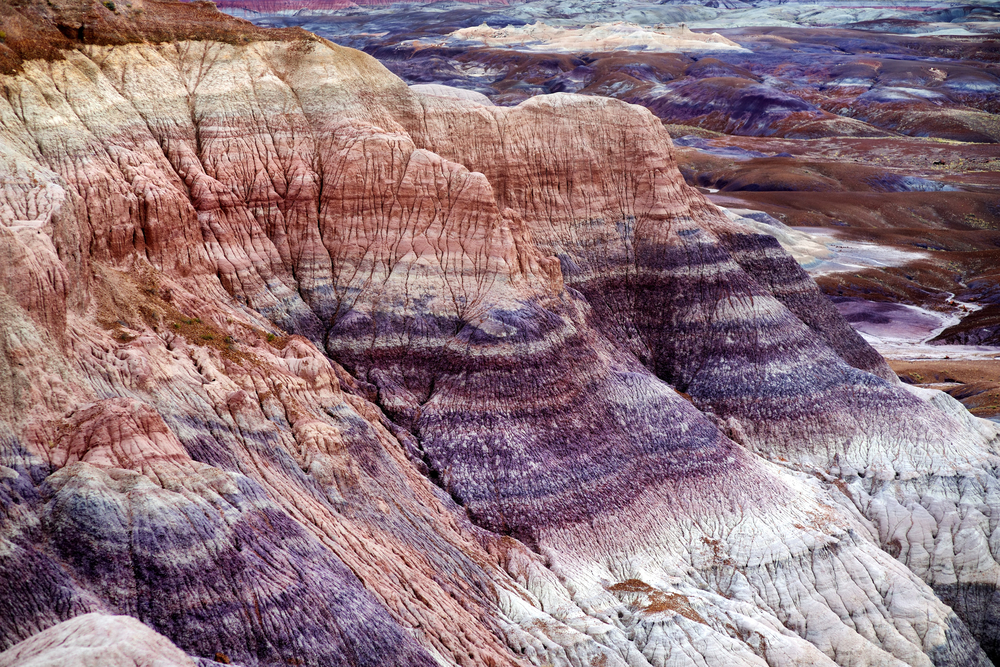
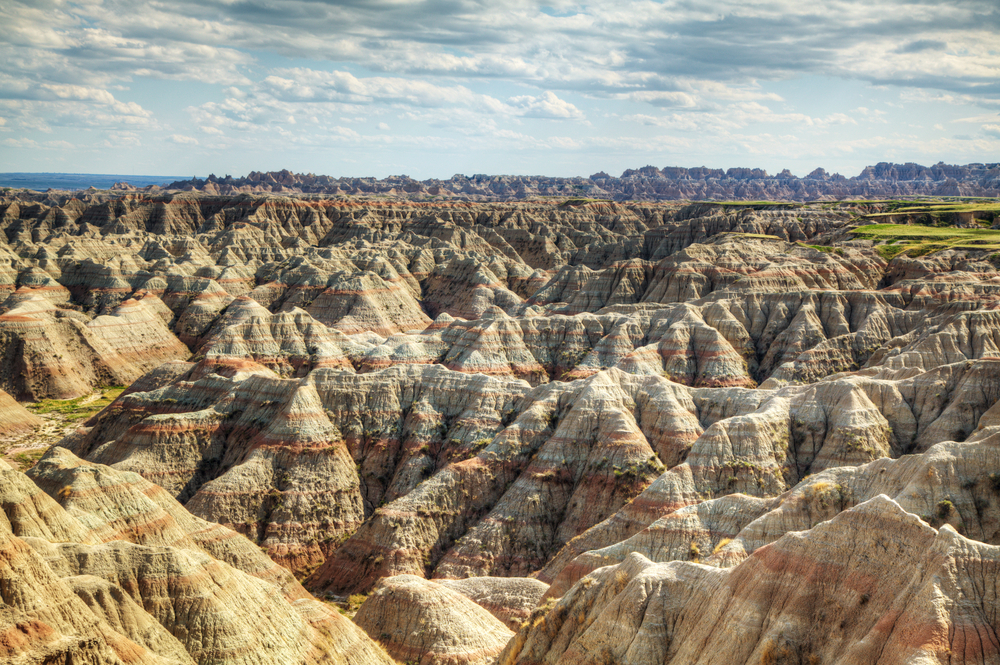
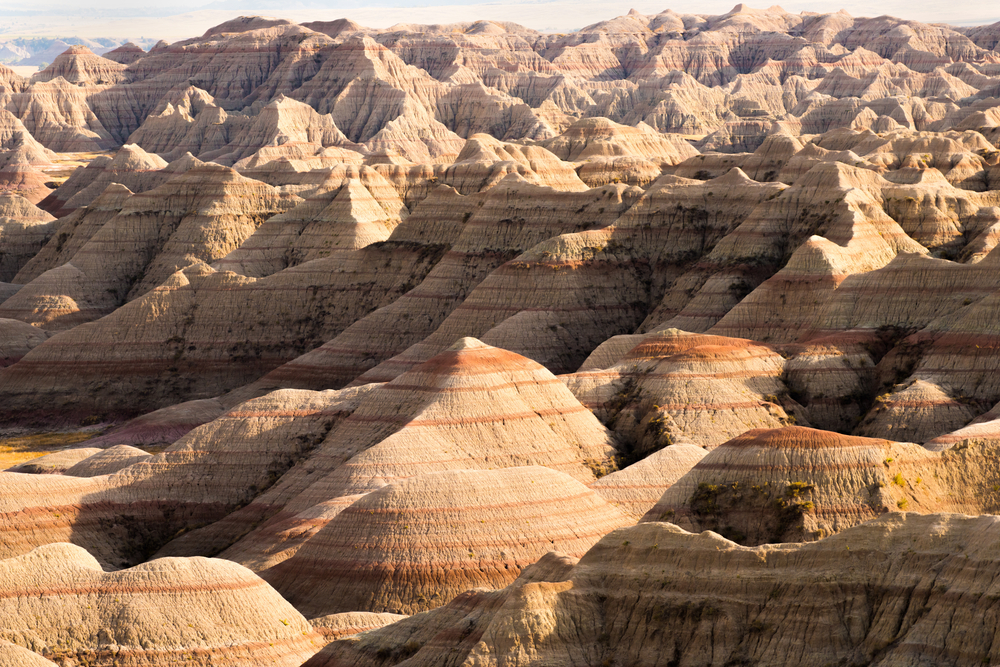
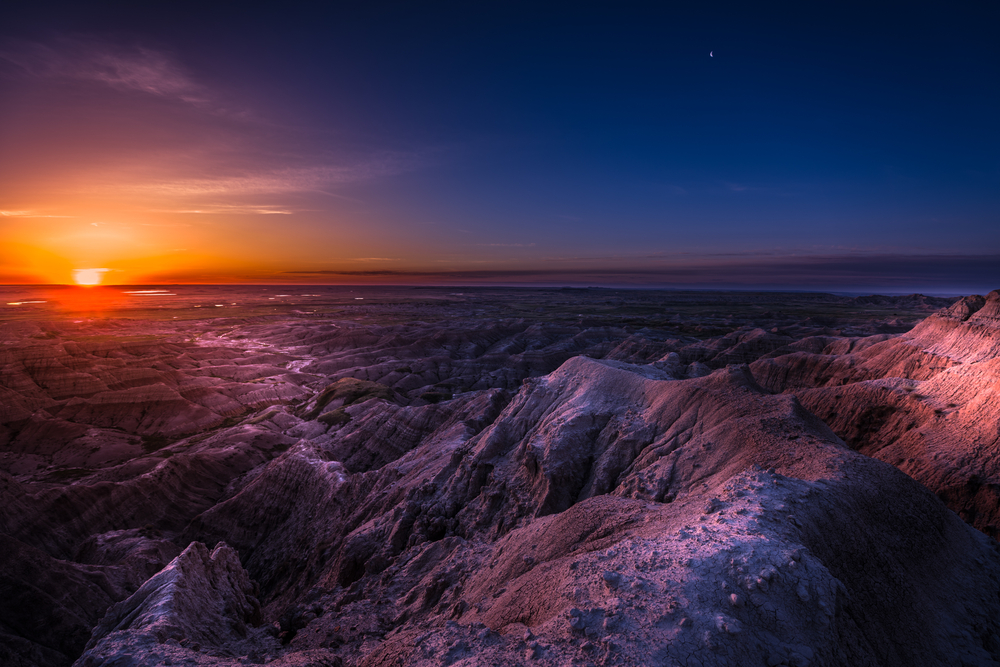
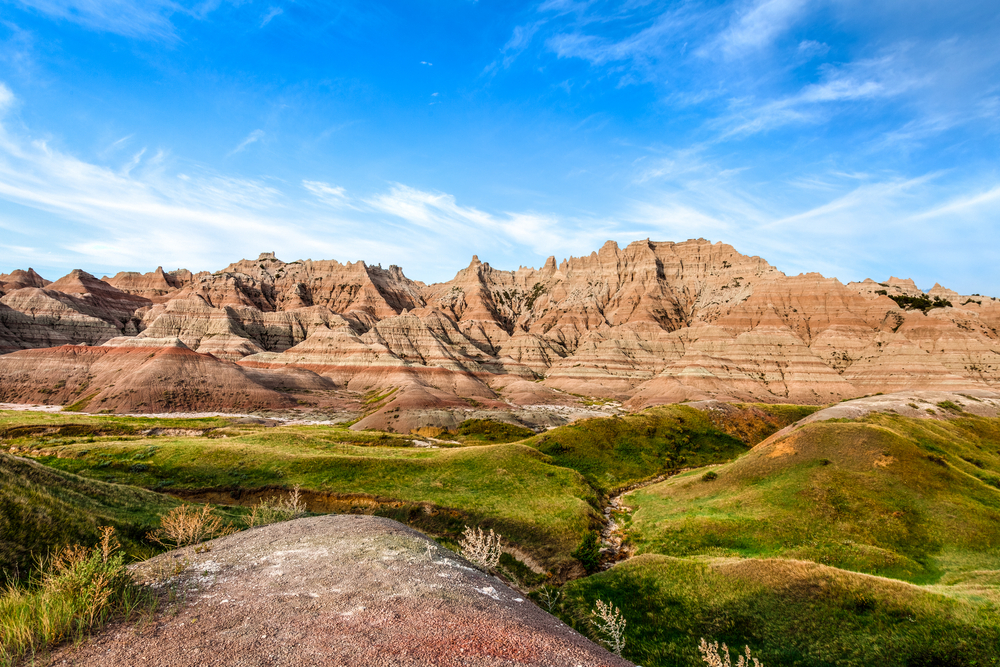
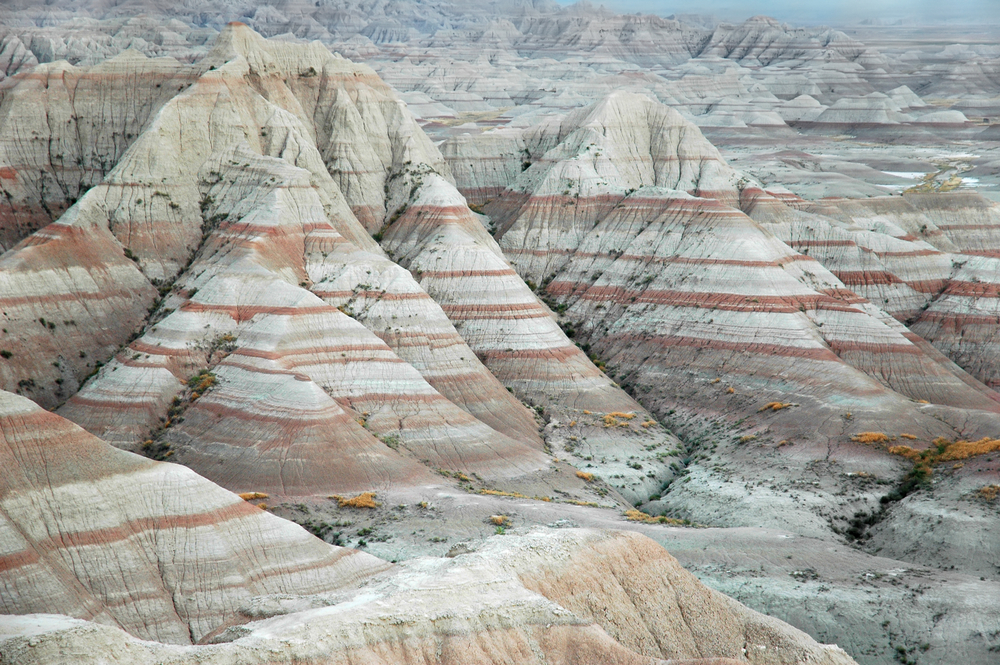
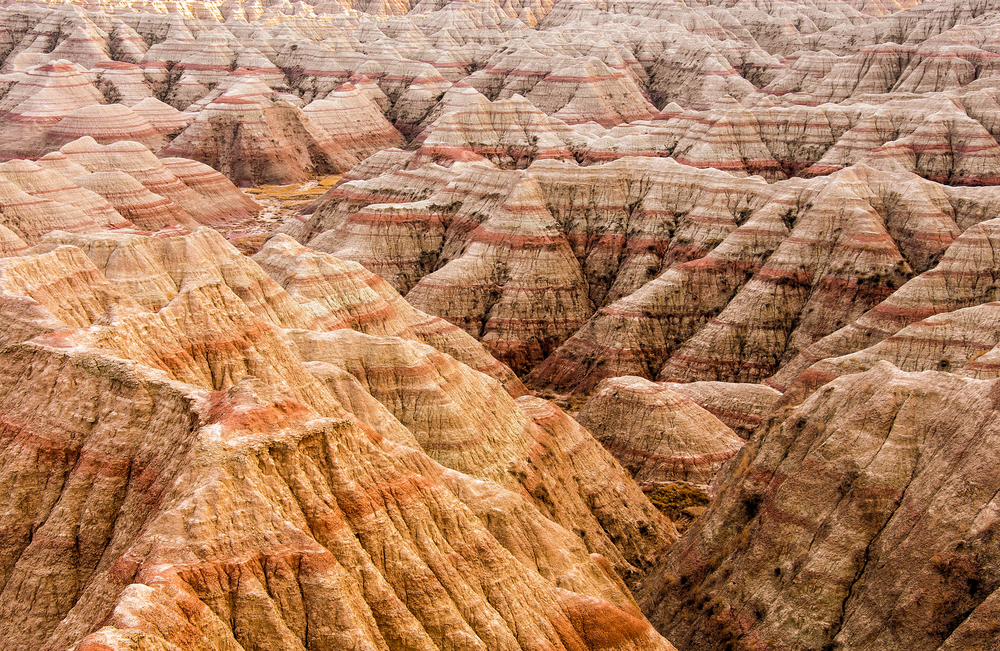
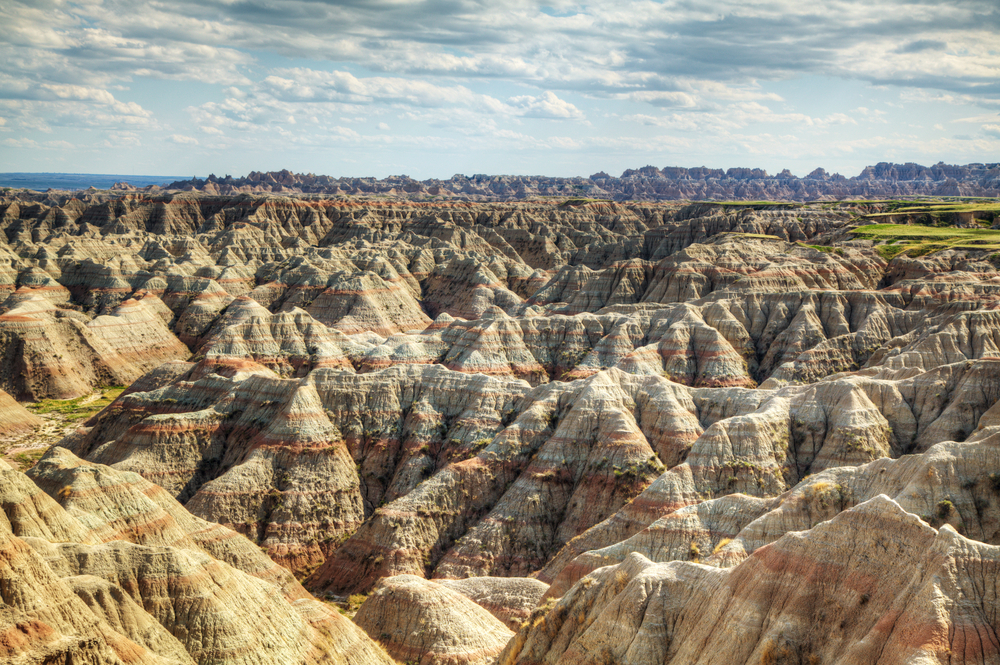
Badlands National Park is best known for its colorful rock formations and extensive fossil beds. Visitors are drawn to surreal landscapes where layers of red, orange, yellow, gray, and white sedimentary rock create an otherworldly appearance. Scenic drives such as the Badlands Loop Road offer breathtaking overlooks of the park’s rugged terrain, while hiking trails provide opportunities to explore the formations up close.
The park is also internationally recognized for its paleontological significance, containing one of the world’s richest deposits of Oligocene-era fossils. These fossils reveal a prehistoric ecosystem that once supported ancient mammals, reptiles, and other species that roamed the region millions of years ago.
The geography of Badlands National Park is characterized by highly eroded sedimentary formations that have been shaped by wind, water, and geological uplift over millions of years. The landscape consists of buttes, mesas, ravines, pinnacles, and deeply carved canyons that expose nearly 75 million years of geological history. Adjacent to the rocky badlands are vast mixed-grass prairies that represent one of North America’s most endangered ecosystems.
Elevations range from approximately 2,400 to 3,400 feet (730–1,040 meters), creating a varied environment where rugged geological features transition into open grasslands. The dramatic contrast between the eroded formations and surrounding prairie contributes to the park’s unique visual appeal.
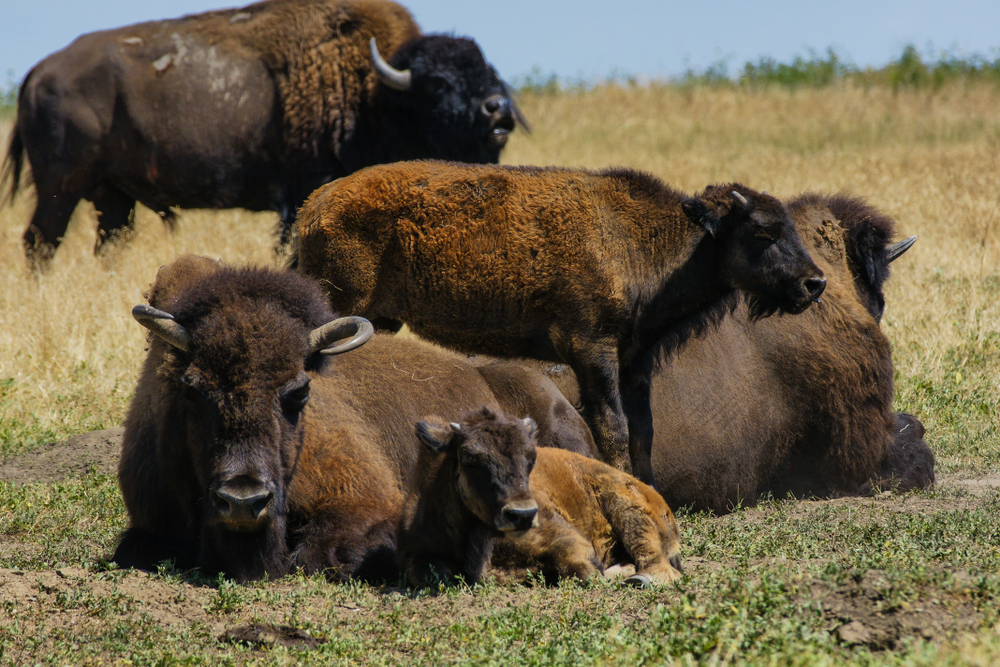
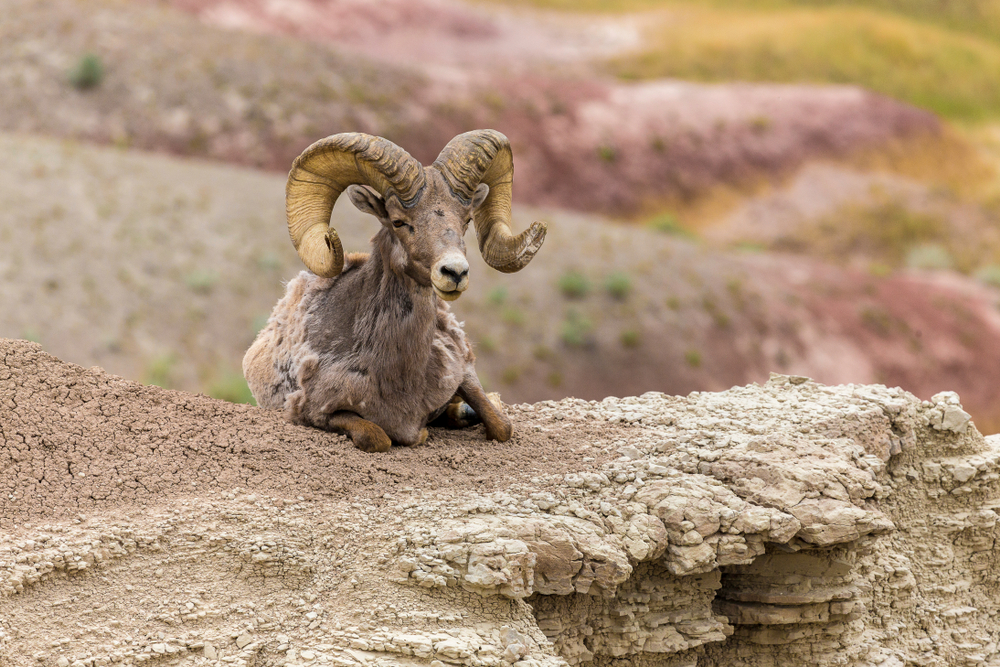
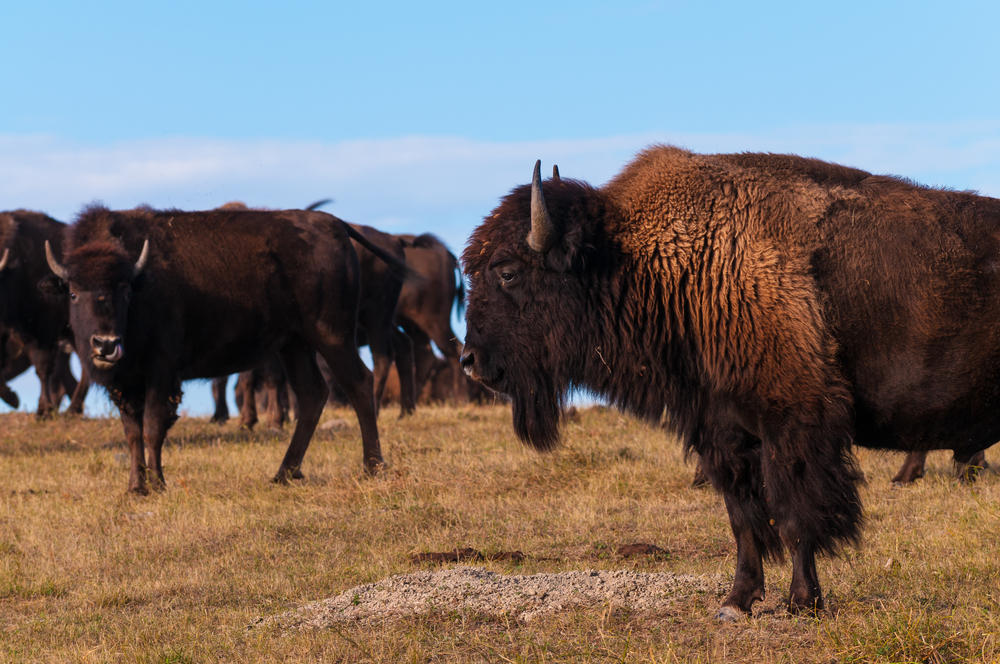
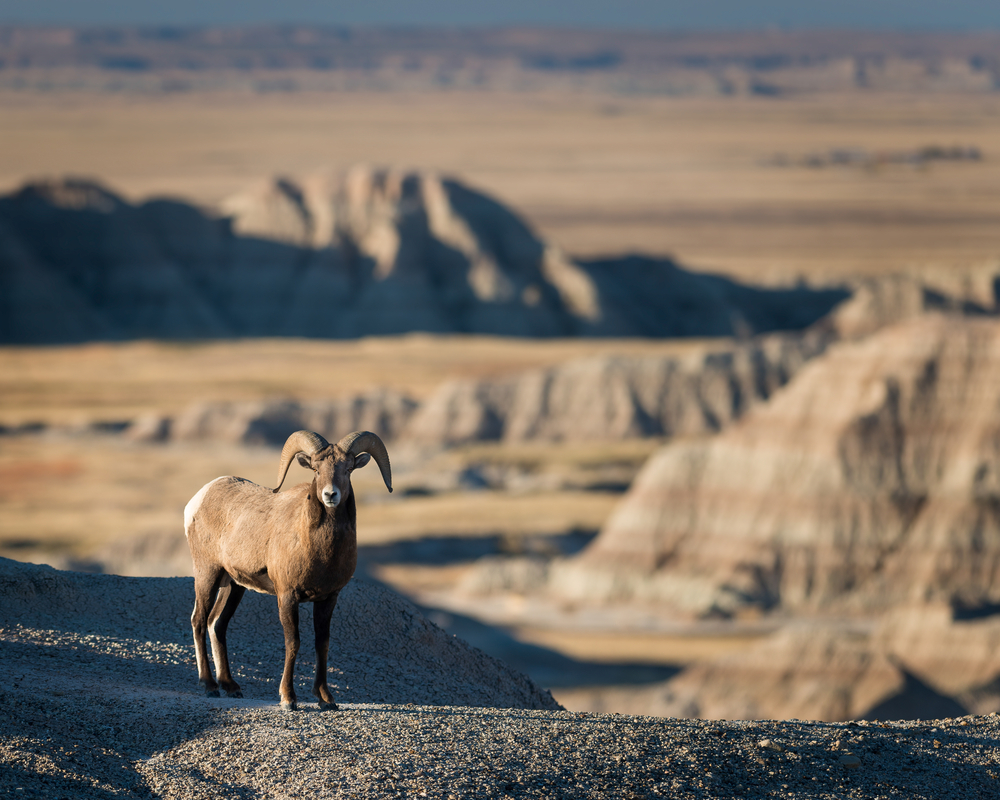
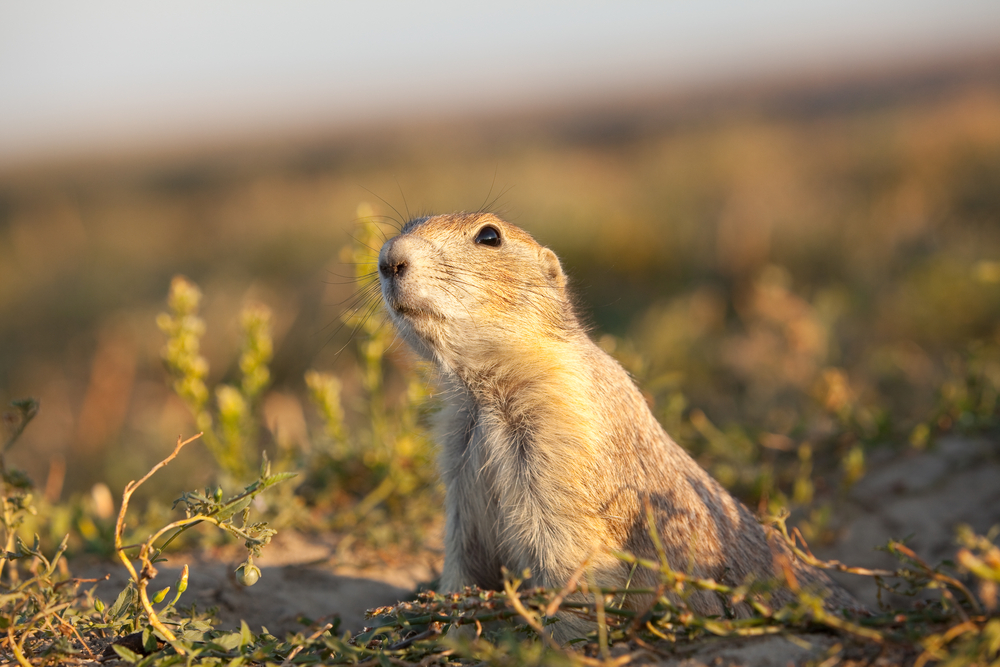
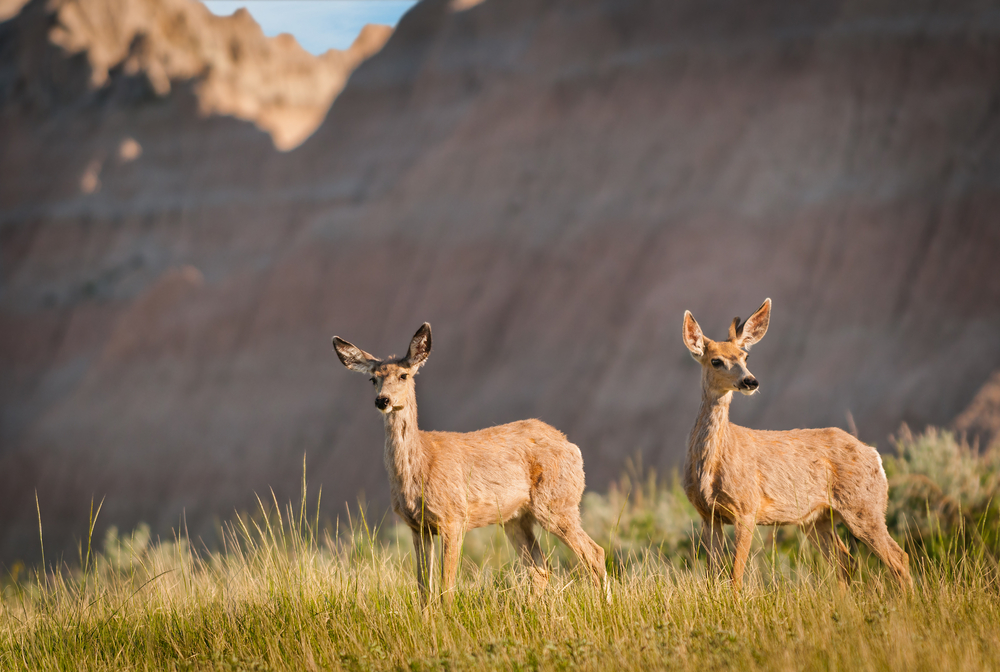
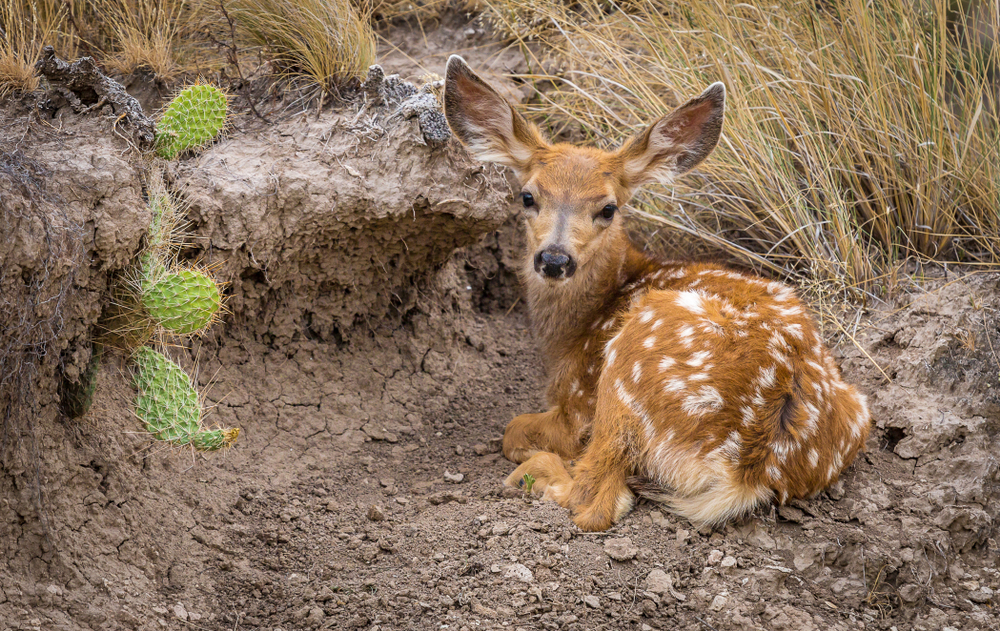
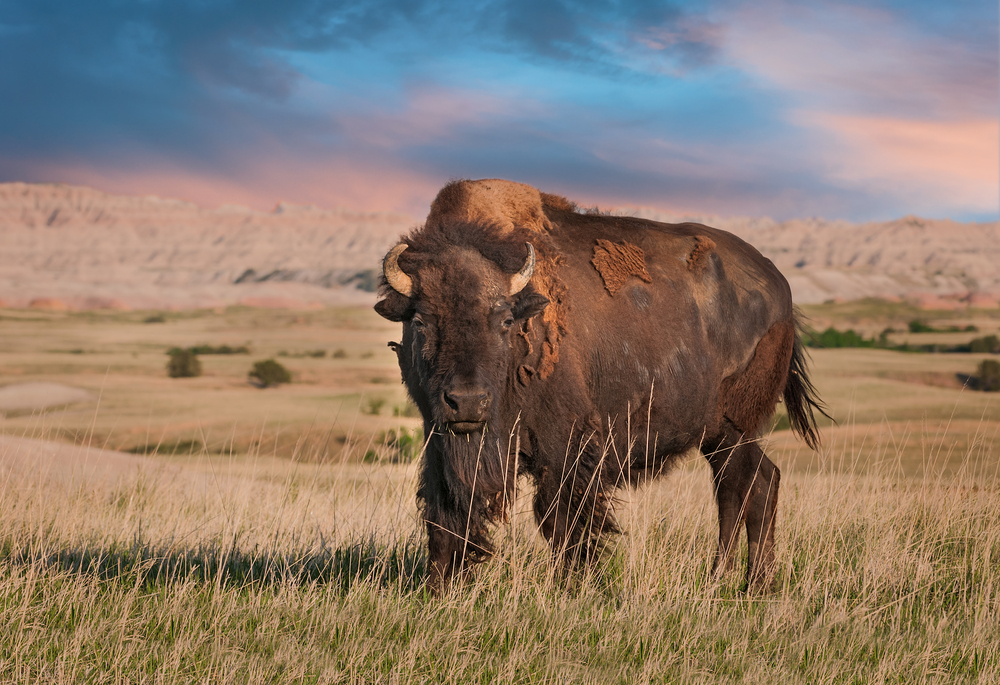
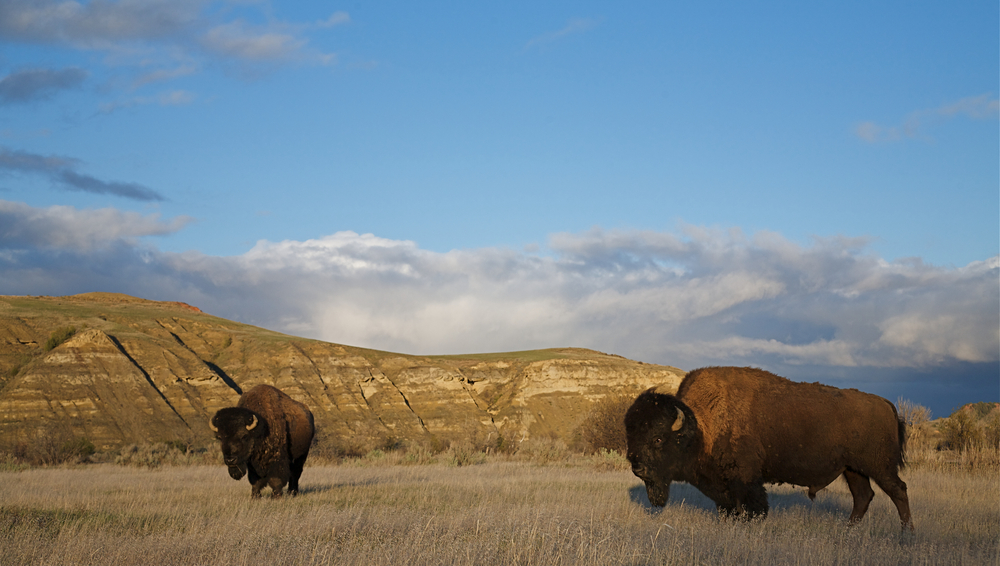
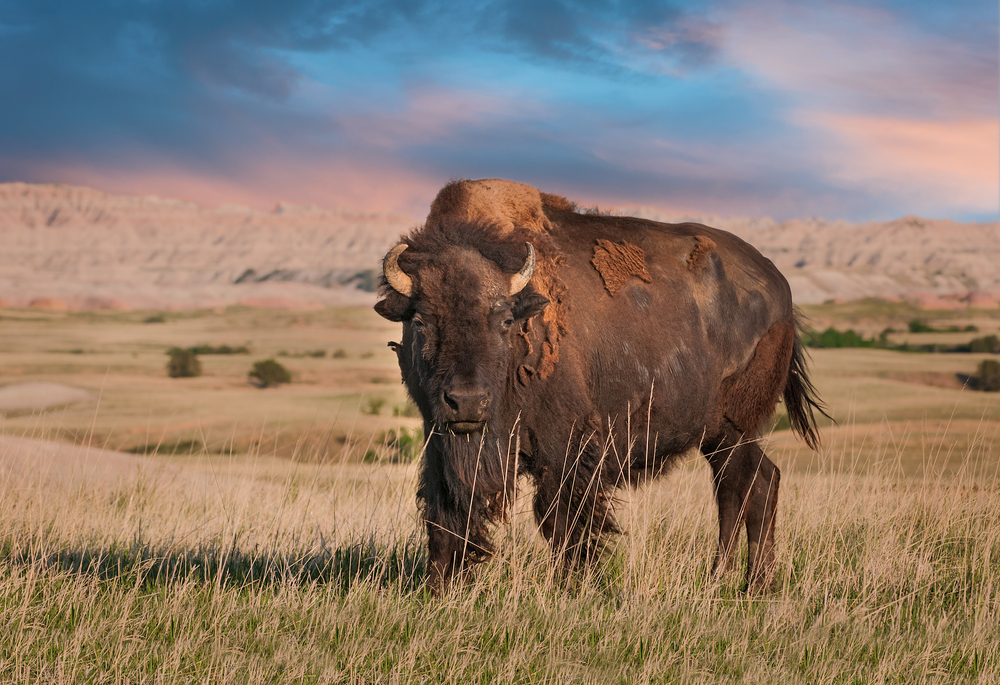
Wildlife within Badlands National Park reflects the diversity of prairie and badland habitats. Large mammals include American bison, bighorn sheep, pronghorn antelope, mule deer, coyotes, and prairie dogs. One of the park’s most notable conservation achievements has been the successful reintroduction of black-footed ferrets, one of North America’s most endangered mammals.
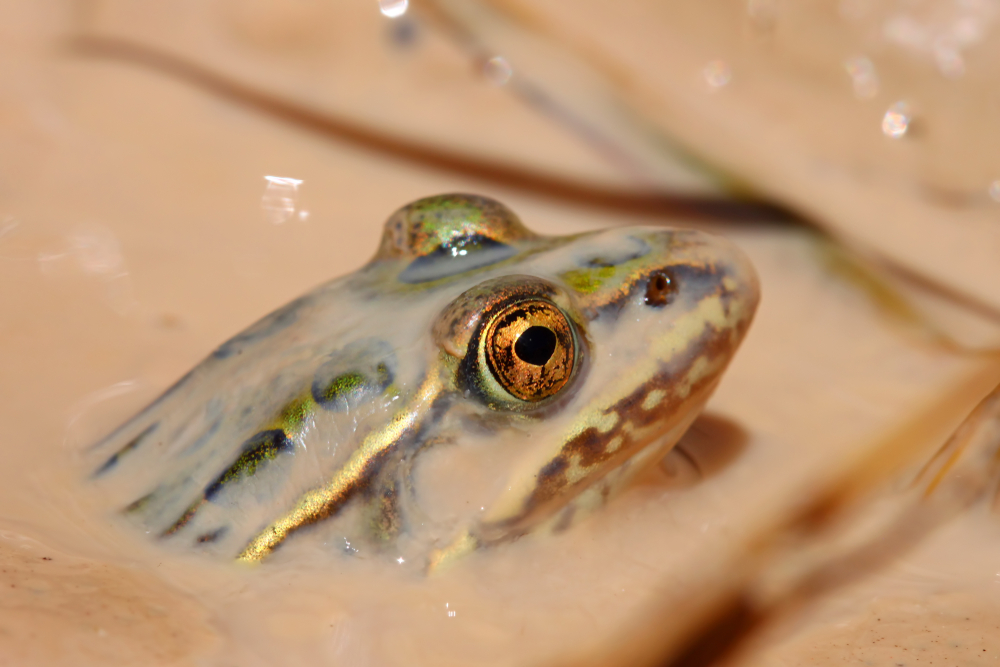
Birdlife is abundant, with species such as golden eagles, prairie falcons, burrowing owls, meadowlarks, and numerous migratory birds inhabiting the park. Reptiles, amphibians, and prairie-adapted insects contribute to the ecological richness of the region. The park’s combination of grassland and geological habitats supports a surprisingly diverse array of wildlife.
Badlands National Park plays a vital role in conserving one of North America’s most important prairie ecosystems and preserving an unparalleled fossil record. The park protects critical habitat for grassland species, safeguards significant paleontological resources, and preserves landscapes that reveal millions of years of Earth’s history. Its conservation significance is often compared to Theodore Roosevelt National Park and Petrified Forest National Park because of its geological and ecological importance.
However, Badlands’ combination of dramatic formations, extensive fossil beds, and native prairie ecosystems gives it a distinctive identity. Today, the park remains one of America’s most extraordinary natural treasures, preserving a landscape where geology, wildlife, and prehistoric history come together in spectacular fashion.
Photos



Things to See
Things To Do
Engaging the Badlands
Badlands National Park Trails
There are a good number of trails for exploring the Badlands of South Dakota. Below are some of the more popular.

FAQ’s
What is the main reason people visit Badlands National Park?
Badlands National Park is primarily visited for its dramatic rock formations, colorful layered landscapes, rich fossil deposits, and abundant wildlife. Located in southwestern South Dakota, the park protects one of the world’s most extensive mixed-grass prairie ecosystems alongside striking eroded buttes, pinnacles, canyons, and spires.
Visitors come to enjoy scenic drives, hiking, wildlife viewing, photography, stargazing, and the opportunity to explore one of North America’s most unique geological landscapes.
What animals can visitors hope to see in Badlands National Park?
Badlands National Park supports approximately 40 mammal species and more than 20 reptile species. The park’s mixed-grass prairie and rugged badlands provide habitat for a wide variety of wildlife.
Some of the most notable mammals found in Badlands National Park include:
- American Bison
- Bighorn Sheep
- Pronghorn
- Mule Deer
- White-tailed Deer
- Coyote
- Red Fox
- Swift Fox
- Bobcat
- Mountain Lion
- American Badger
- Striped Skunk
- Long-tailed Weasel
- Black-footed Ferret
- Raccoon
- Porcupine
- Black-tailed Prairie Dog
- White-tailed Jackrabbit
- Desert Cottontail
- Eastern Cottontail
- Thirteen-lined Ground Squirrel
- Richardson’s Ground Squirrel
- Deer Mouse
- Meadow Vole
- Prairie Vole
- Northern Grasshopper Mouse
- Ord’s Kangaroo Rat
- Pocket Gopher
- Harvest Mouse
- Woodland Jumping Mouse
- Little Brown Bat
- Big Brown Bat
- Hoary Bat
- Silver-haired Bat
- Eastern Red Bat
- Long-legged Myotis
- Fringed Myotis
- Shrew Species
- Muskrat
- Various Small Mammals
- Prairie Rattlesnake
- Bullsnake
- Western Hognose Snake
- Garter Snake
- Racer Snake
- Milk Snake
- Prairie Lizard
- Six-lined Racerunner
- Painted Turtle
- Snapping Turtle
What birds can visitors hope to see in Badlands National Park?
Badlands National Park is home to more than 240 bird species. The park’s grasslands, cliffs, and prairie habitats attract a diverse range of raptors, songbirds, and migratory species.
Some of the most popular birds seen in Badlands National Park include:
- Golden Eagle
- Bald Eagle
- Ferruginous Hawk
- Swainson’s Hawk
- Red-tailed Hawk
- Rough-legged Hawk
- American Kestrel
- Prairie Falcon
- Peregrine Falcon
- Turkey Vulture
- Burrowing Owl
- Great Horned Owl
- Long-eared Owl
- Short-eared Owl
- Western Meadowlark
- Horned Lark
- Lark Bunting
- Grasshopper Sparrow
- Baird’s Sparrow
- Vesper Sparrow
- Savannah Sparrow
- Brewer’s Sparrow
- Chipping Sparrow
- Field Sparrow
- Eastern Bluebird
- Mountain Bluebird
- American Robin
- Loggerhead Shrike
- Brown Thrasher
- Black-billed Magpie
- Common Raven
- American Crow
- Red-winged Blackbird
- Western Kingbird
- Eastern Kingbird
- Say’s Phoebe
- Cliff Swallow
- Barn Swallow
- Violet-green Swallow
- Rock Wren
- House Wren
- Canyon Wren
- Upland Sandpiper
- Killdeer
- Ring-necked Pheasant
- Sharp-tailed Grouse
- Wild Turkey
- Mourning Dove
- Northern Flicker
- Yellow Warbler
Is Badlands National Park worth visiting?
Yes, Badlands National Park is absolutely worth visiting and is one of the most distinctive landscapes in the United States.
The park’s colorful rock formations, abundant wildlife, scenic overlooks, fossil resources, and expansive prairie vistas create an experience unlike any other national park. Visitors often combine Badlands with nearby attractions such as Mount Rushmore National Memorial, Custer State Park, and Wind Cave National Park.
What is the best time to visit Badlands National Park?
The best time to visit Badlands National Park is:
- May through June
- September through October
During these months:
- Temperatures are comfortable.
- Wildlife is active.
- Scenic drives are enjoyable.
- Hiking conditions are ideal.
Summer can be hot, while winter offers solitude but may bring snow and icy roads.
How many days do you need to visit Badlands National Park?
Most visitors should plan for 1 to 2 days.
- Half day: Scenic overlooks and wildlife viewing.
- 1 day: Major viewpoints and short hikes.
- 2 days: Hiking, photography, and fossil exhibits.
- 3+ days: In-depth exploration and nearby attractions.
Many travelers visit Badlands as part of a broader South Dakota road trip with usually only one day dedicated to visiting the park.
How do you get to Badlands National Park?
Badlands National Park is located in southwestern South Dakota near Wall.
Most visitors:
- Fly into Rapid City.
- Drive approximately one hour east to the park.
- Access the park via Interstate 90 and the Badlands Loop Road.
The park is easily accessible and frequently included in Black Hills travel itineraries.
Who is involved in protecting and supporting Badlands National Park?
Several organizations help protect Badlands National Park:
- National Park Service – manages Badlands National Park.
- Badlands Natural History Association – supports educational and conservation programs.
- National Park Foundation – supports projects throughout the National Park System.
- Oglala Sioux Tribe – partners with the National Park Service in managing portions of the park and preserving cultural resources.
- Scientists, volunteers, and conservation organizations that help protect the park’s fossil and wildlife resources.
Why is Badlands National Park called the Badlands?
The name comes from early travelers and Indigenous peoples who found the rugged terrain difficult to cross. The area’s steep canyons, sharp ridges, limited water sources, and extreme weather conditions earned it a reputation as “bad lands” for travel and settlement.
Sources
- Black Hills & Badlands, Badlands National Park, https://www.blackhillsbadlands.com/parks-monuments/badlands-national-park&l…, retrieved March 2020.
- Black Hills Visitor, Top 5 hiking Trails in Badlands National Park, https://blackhillsvisitor.com/see-and-do/top-5-hiking-trails-in-badlands-na…, retrieved March 2020.
- Britannica, Badlands National Park, https://www.britannica.com/place/Badlands-National-Park, retrieved March 2020.
- National Park Foundation, Nature’s Surreal Masterpiece, https://www.nationalparks.org/explore-parks/badlands-national-park, retrieved March 2020.
- National Park Service, Badlands National Park, https://www.nps.gov/badl/index.htm, retrieved March 2020.
- South Dakota State Parks, Badlands National Park, https://www.stateparks.com/badlands_national_park_in_south_dakota.html, retrieved March 2020.
- Travel South Dakota, Badlands National Park, https://www.travelsouthdakota.com/explore-with-us/great-8/badlands, retrieved March 2020.