

About
Petrified Forest National Park is located in northeastern Arizona in the United States and covers approximately 346 square miles (896 sq km). Established as a national monument in 1906 and redesignated as a national park in 1962, the park protects one of the world’s largest and most colorful concentrations of petrified wood.
It lies east of Flagstaff and near the western edge of the Painted Desert. Nearby protected areas include Grand Canyon National Park to the northwest and Canyon de Chelly National Monument to the northeast. Petrified Forest National Park preserves an extraordinary landscape where ancient forests, colorful badlands, archaeological sites, and geological wonders reveal a fascinating chapter of Earth’s history.
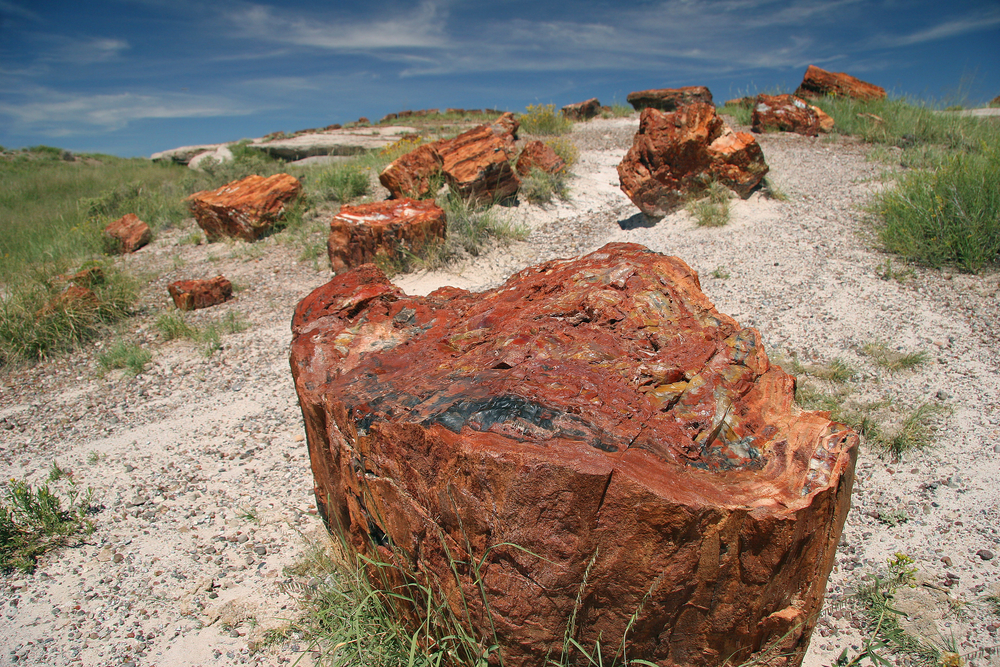
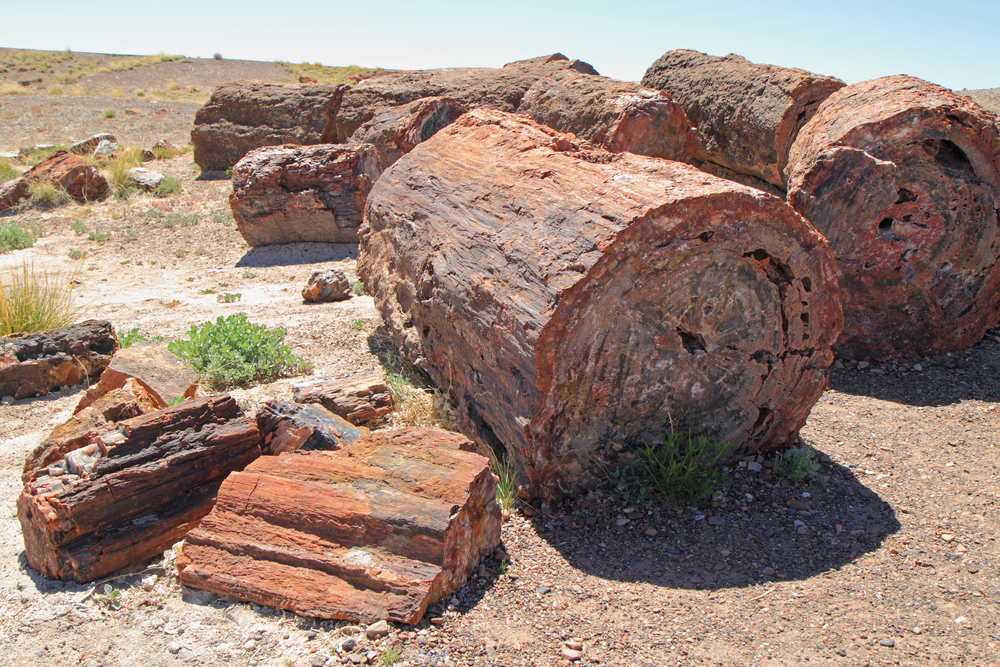
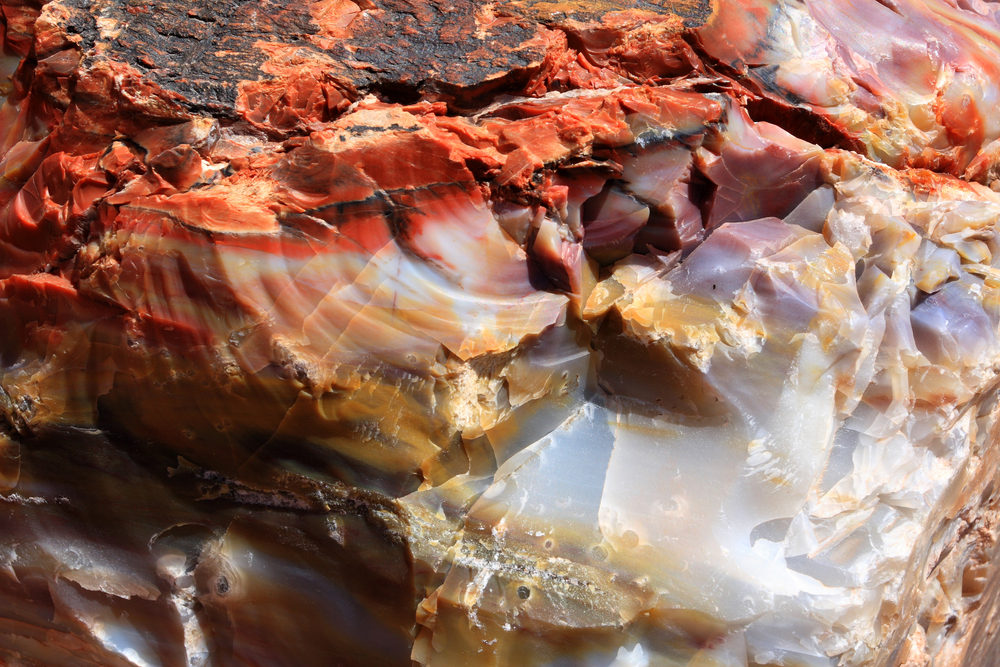
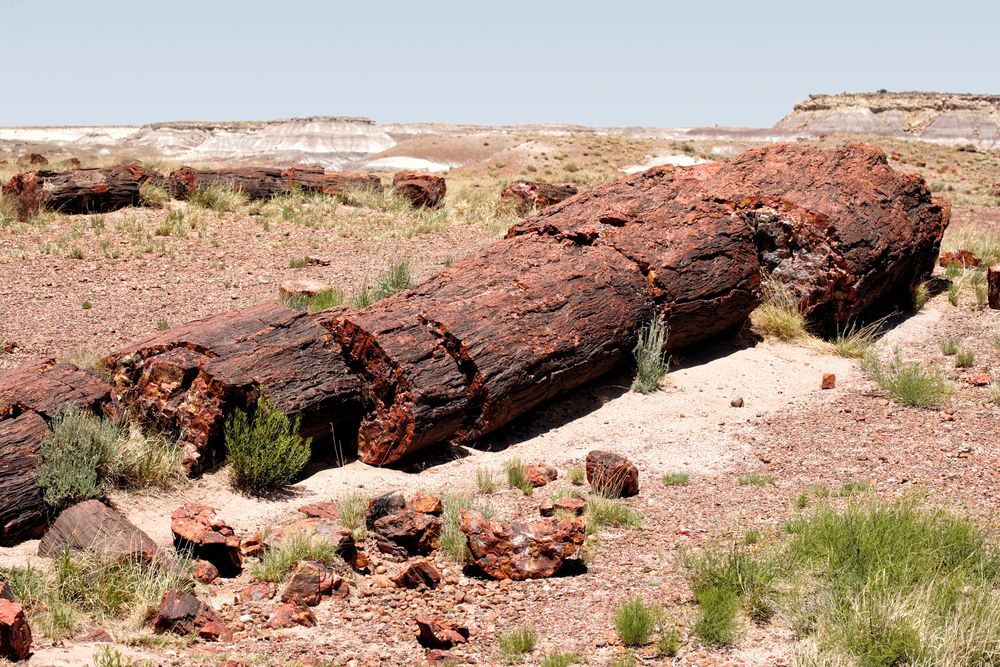
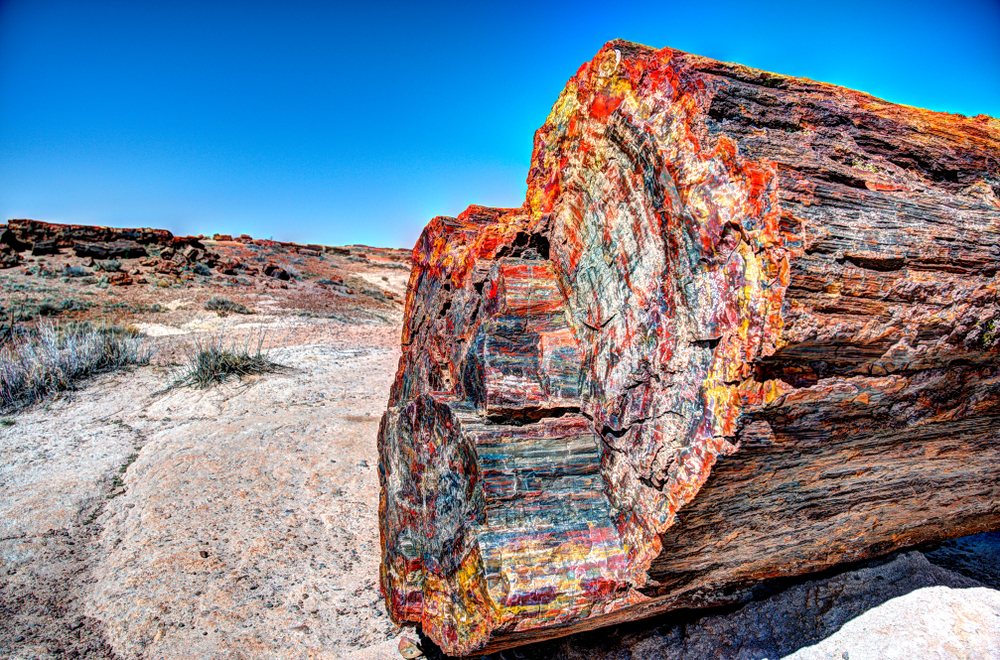
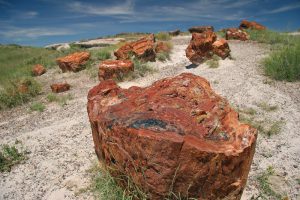
Petrified Forest National Park is best known for its vast deposits of petrified wood, some dating back thousands years. Visitors are often amazed by massive fossilized logs scattered across the landscape, their original wood replaced by colorful minerals over thousands of years. Iron, manganese, quartz, and other minerals created vibrant shades of red, orange, yellow, purple, and blue within the stone.
Popular attractions include Crystal Forest, Giant Logs Trail, Blue Mesa, and Newspaper Rock. Scenic drives and hiking trails allow visitors to explore landscapes that feel almost otherworldly. The park provides a unique opportunity to witness the transition of living forests into stone through natural geological processes.
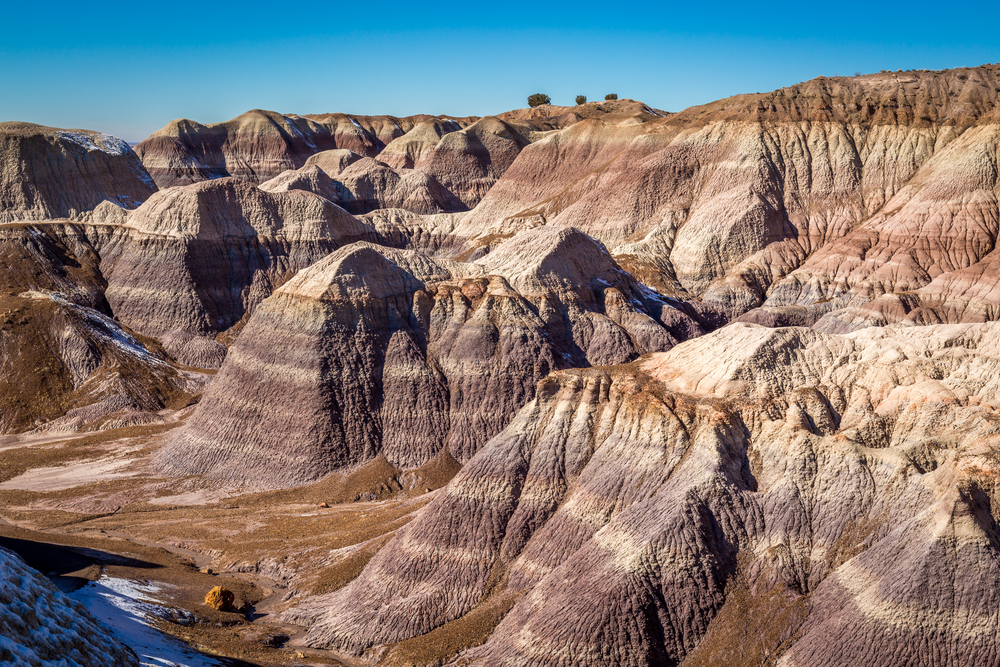
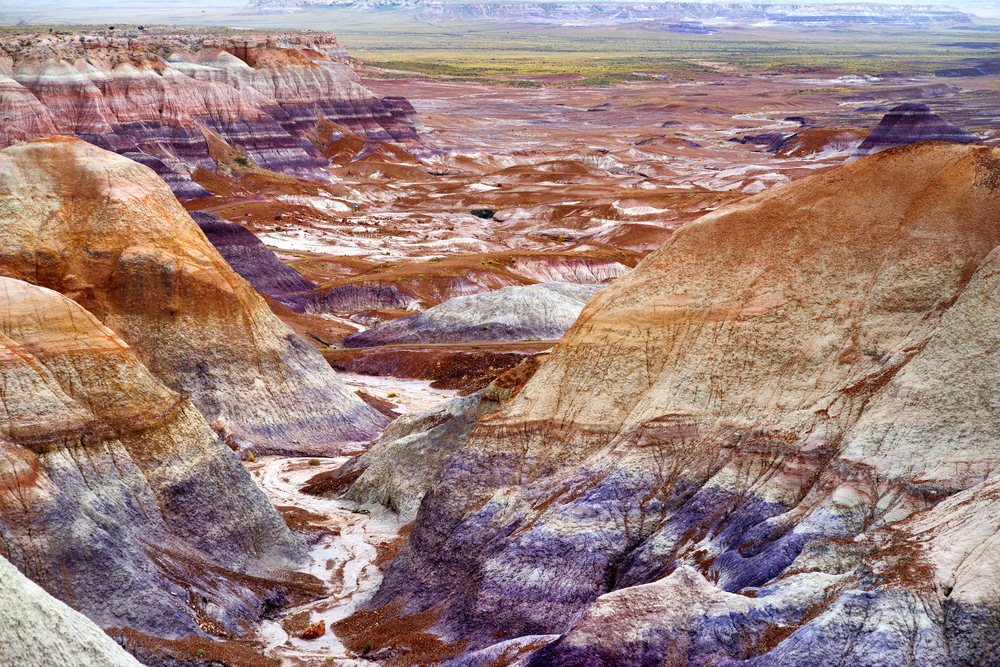
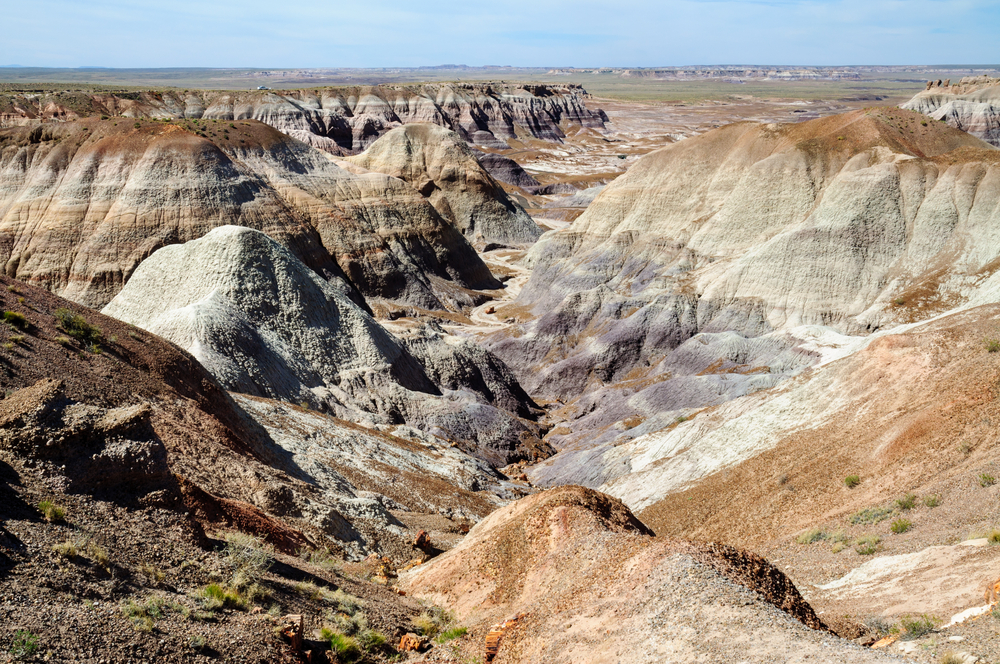
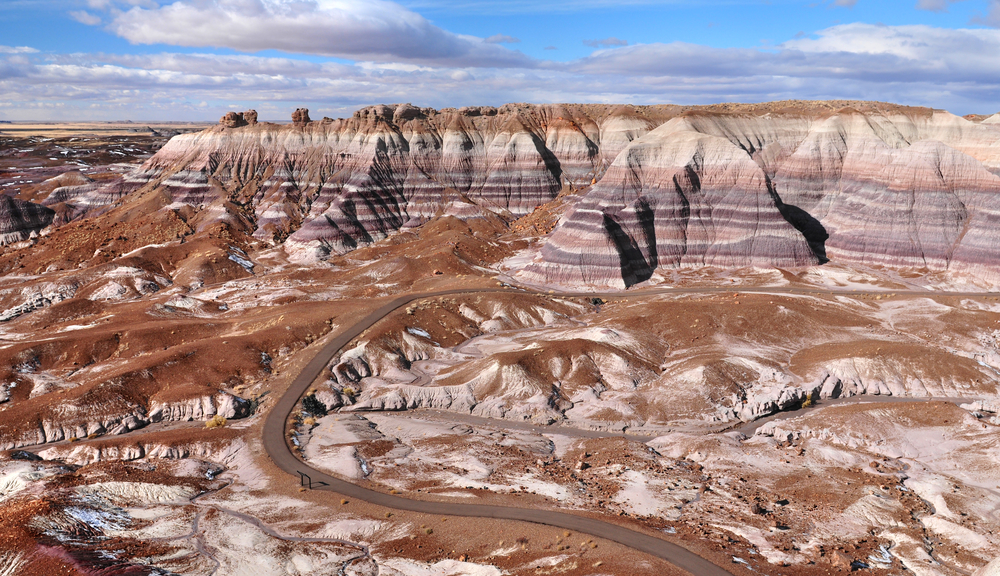
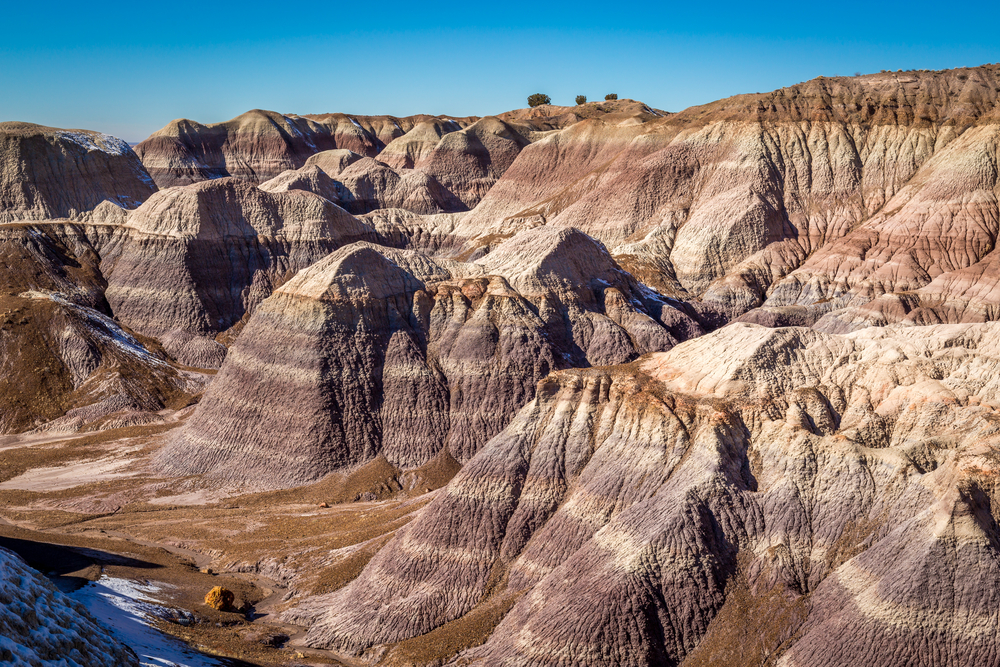
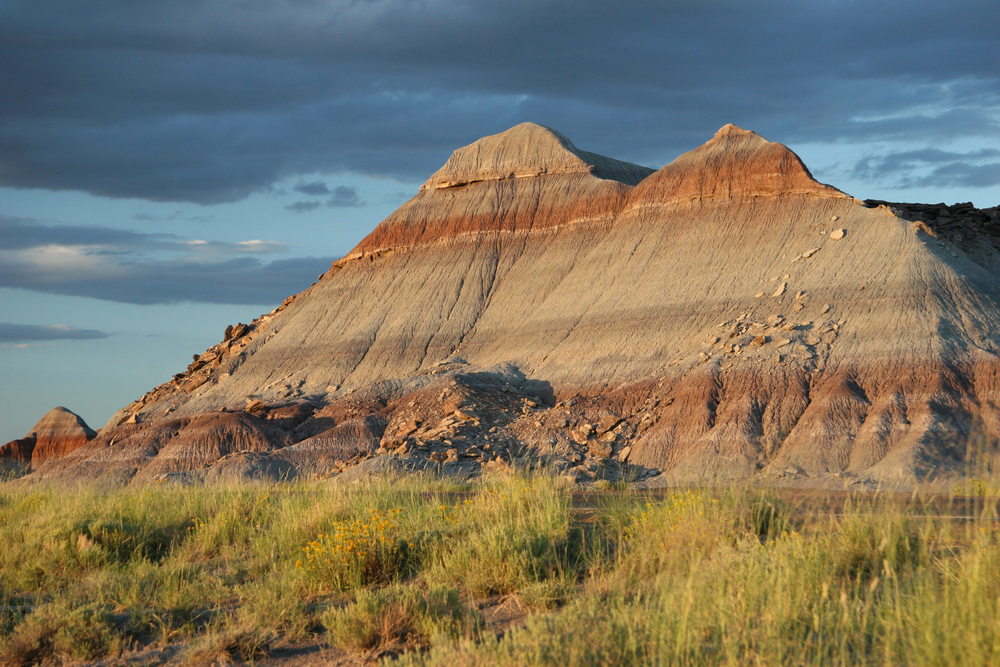
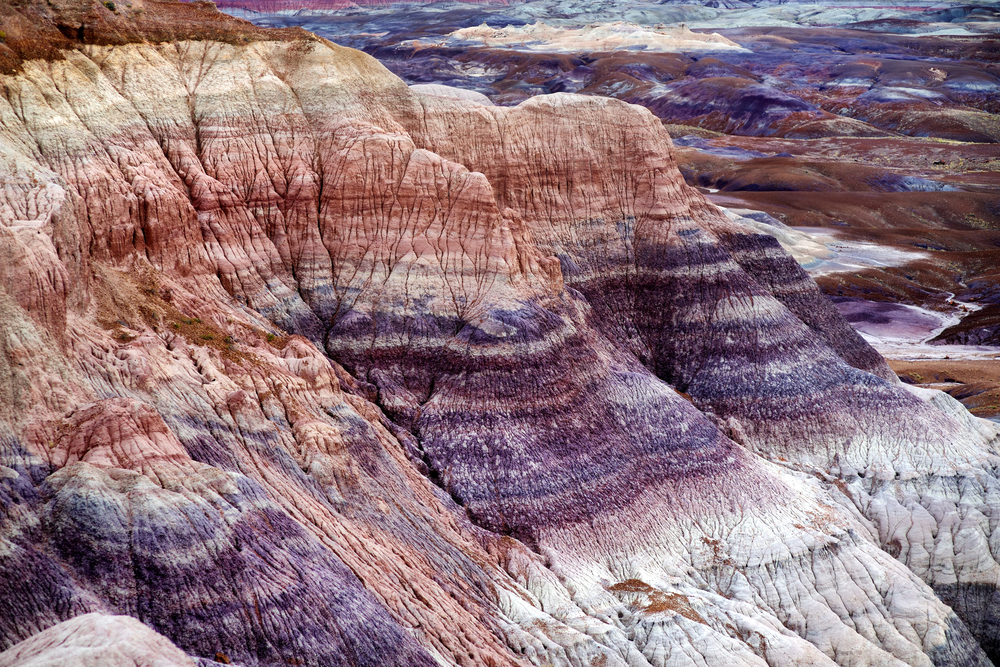
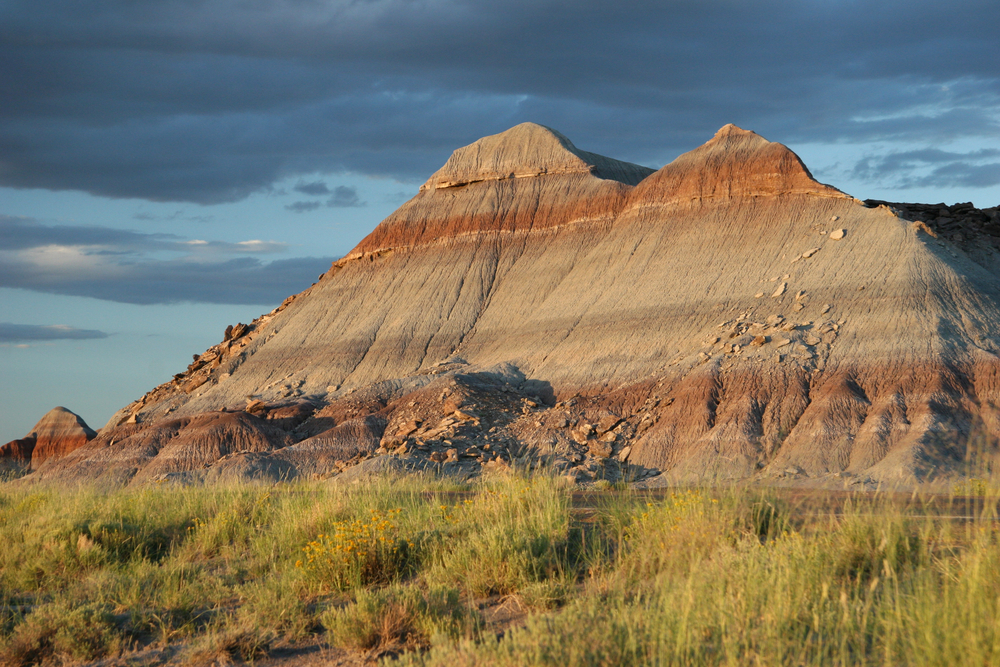
The geography of Petrified Forest National Park reflects a rich combination of desert landscapes and ancient geological formations. The park contains portions of the Painted Desert, a region famous for its colorful layers of clay, siltstone, mudstone, and volcanic ash. Erosion has sculpted the terrain into mesas, buttes, badlands, and rolling hills that display striking bands of color.
Elevations range from approximately 5,300 to 6,200 feet (1,615 to 1,890 meters). The landscape was once part of a lush tropical environment during the Late Triassic Period when rivers carried massive trees across floodplains. Today, desert grasslands, sagebrush, juniper, and hardy shrubs dominate the vegetation, creating a stark contrast to the ancient forest preserved beneath the surface.
Wildlife within Petrified Forest National Park has adapted to the region’s semi-arid environment. Mammals include pronghorn antelope, mule deer, coyotes, bobcats, black-tailed jackrabbits, and numerous smaller rodents. Birdlife is diverse, with species such as golden eagles, prairie falcons, ravens, western meadowlarks, and red-tailed hawks commonly observed throughout the park.
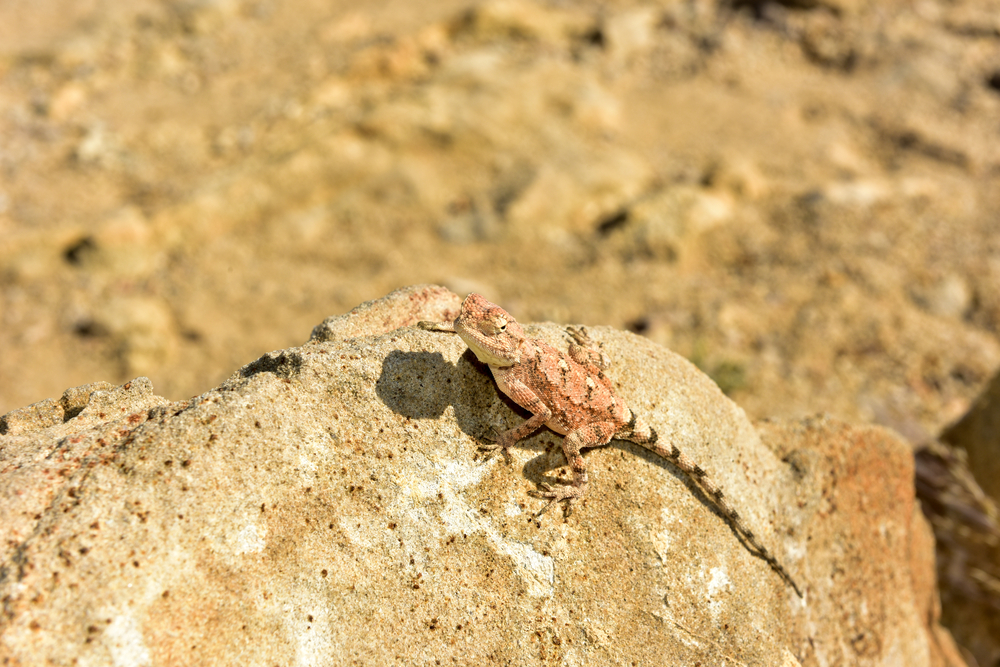
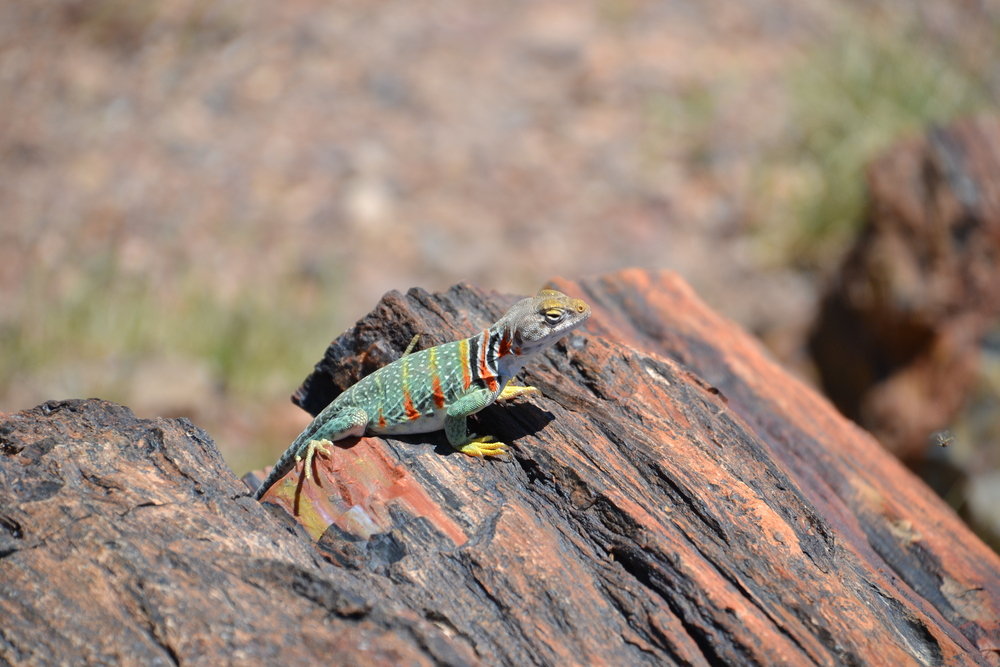
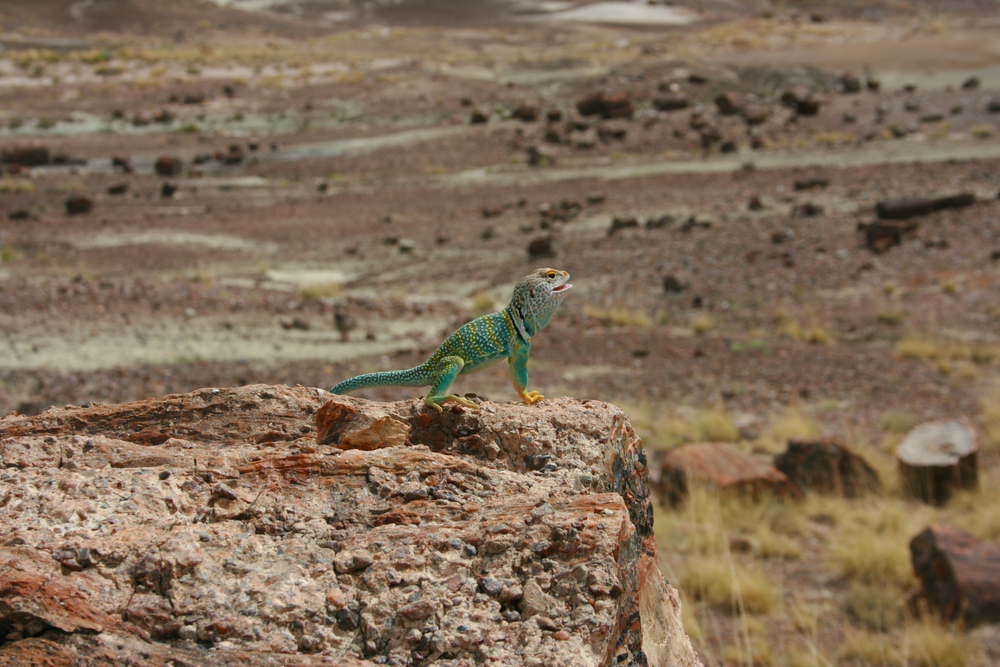
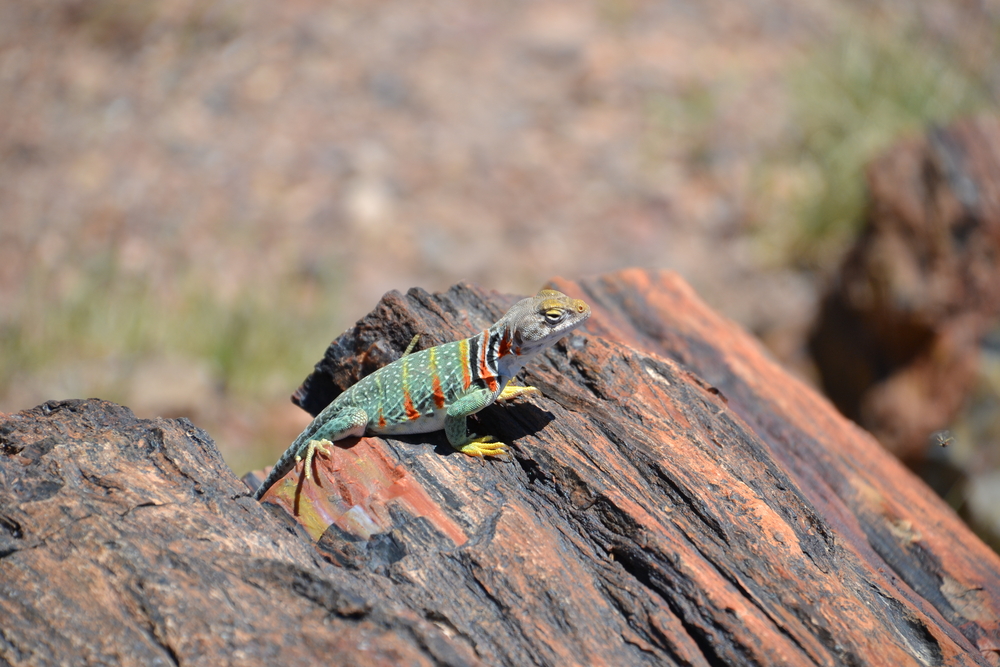
Reptiles including rattlesnakes, horned lizards, and whiptail lizards thrive in the desert habitats. Seasonal wetlands and grasslands support migratory birds and pollinators, contributing to the park’s ecological diversity. Although often associated primarily with fossils, the park continues to support a vibrant modern ecosystem.
Petrified Forest National Park plays a critical role in protecting one of the most significant fossil records from the Triassic Period. The park preserves fossilized trees, ancient reptiles, early dinosaurs, and other prehistoric organisms that help scientists understand life so many years ago. It also protects archaeological sites connected to Indigenous peoples who have lived in the region for thousands of years. Conservation efforts focus on preserving fragile fossil resources and maintaining the integrity of the Painted Desert ecosystem.
The park is often compared to Badlands National Park and Dinosaur National Monument because of its scientific importance and striking geology. Yet its combination of colorful petrified wood, painted desert landscapes, and ancient fossil resources makes it truly unique. Today, Petrified Forest National Park stands as one of America’s most remarkable geological treasures, preserving a vivid window into the distant past.
Photos



Things to See
Things To Do
Engaging Petrified Forest National Park
Petrified Forest National Park Trails
Hiking is one of the most popular activities in the park and the best way to experience much of what the park has to offer. Although there are lookouts along the scenic drive through the park that provides panoramic views of the area, hiking is the more meaningful way to engage the wilderness.
The park has seven maintained trails that vary in length from under half a mile (0.8 km) to around 3-miles (4.8 km). Backpackers can secure a permit for remote wilderness hiking and overnight stays in the park.

Park Protection
 Petrified Forest National Park was created to protect one of the world’s largest and most colorful concentrations of petrified wood, along with significant fossil resources, badlands, grasslands, and desert ecosystems in northeastern Arizona. The park preserves an extraordinary record of life from the Late Triassic Period, including fossilized plants, reptiles, and early dinosaurs that lived more than 200 million years ago. Its modern ecosystems provide habitat for pronghorn, coyotes, golden eagles, and numerous desert-adapted species.
The park is internationally renowned for its vast deposits of brilliantly colored petrified logs, created when ancient trees were gradually replaced by minerals while retaining their original structure. These fossils provide one of the most important windows into prehistoric ecosystems anywhere in the world. Together, Petrified Forest National Park safeguards globally significant fossil resources, unique geological landscapes, native grasslands, and an unparalleled record of ancient life on Earth.
FAQ’s
What is Petrified Forest known for?
Petrified Forest National Park, located in northeastern Arizona, is known for its remarkable fossilized wood, vibrant painted desert landscapes, and rich archaeological heritage.
The park preserves one of the largest and most colorful concentrations of petrified wood in the world, with logs dating back over 200 million years to the Late Triassic Period. These ancient trees have been preserved through a process of fossilization, where organic material is replaced with minerals, resulting in stunning displays of colorful crystalized wood scattered across the desert landscape.
In addition to its petrified wood, the park is renowned for its breathtaking badlands scenery, characterized by colorful layers of sedimentary rock, eroded buttes, and deep gullies.
Visitors to Petrified Forest National Park can explore a network of hiking trails that wind through the painted desert, offering opportunities to marvel at the vibrant hues of red, orange, purple, and blue that adorn the landscape.
The park also contains significant archaeological sites, including ancient petroglyphs and the remains of ancestral Puebloan villages, providing insights into the human history of the region. Overall, Petrified Forest National Park offers visitors a chance to experience the wonders of geology, paleontology, and archaeology in a stunning desert setting.
What is the main reason people visit Petrified Forest National Park?
Petrified Forest National Park is primarily visited for its extraordinary deposits of petrified wood, colorful badlands, ancient fossils, archaeological sites, and unique desert landscapes.
Located in northeastern Arizona, the park protects one of the world’s largest and most colorful concentrations of petrified wood, much of which dates back thousands of years to the Late Triassic Period.
Visitors come to see fossilized logs transformed into stone, explore the Painted Desert, learn about prehistoric ecosystems, hike scenic trails, and experience one of the most geologically significant landscapes in North America.
What animals can visitors hope to see in Petrified Forest National Park?
Petrified Forest National Park supports approximately 40 mammal species and more than 20 reptile species. The park’s grasslands, badlands, desert scrublands, and washes provide habitat for a variety of wildlife adapted to the arid Southwest.
Some of the most notable animals found in Petrified Forest National Park include:
- Pronghorn
- Coyote
- Bobcat
- Gray Fox
- Kit Fox
- American Badger
- Raccoon
- Striped Skunk
- Long-tailed Weasel
- Black-tailed Jackrabbit
- Desert Cottontail
- Antelope Jackrabbit
- White-tailed Antelope Squirrel
- Rock Squirrel
- Gunnison’s Prairie Dog
- Deer Mouse
- Brush Mouse
- Pocket Mouse
- Kangaroo Rat
- Pocket Gopher
- Meadow Vole
- Northern Grasshopper Mouse
- Desert Shrew
- Big Brown Bat
- Hoary Bat
- Silver-haired Bat
- Pallid Bat
- Mexican Free-tailed Bat
- Townsend’s Big-eared Bat
- California Myotis
- Long-legged Myotis
- Fringed Myotis
- Yuma Myotis
- Western Small-footed Myotis
- Mule Deer (occasional)
- Porcupine
- Ringtail
- Mountain Lion (rare)
- Various Rodent Species
- Various Small Mammals
- Prairie Rattlesnake
- Gopher Snake
- Coachwhip
- Long-nosed Snake
- Western Whiptail
- Greater Short-horned Lizard
- Ornate Tree Lizard
- Plateau Fence Lizard
- Desert Spiny Lizard
- Ornate Box Turtle
What birds can visitors hope to see in Petrified Forest National Park?
Petrified Forest National Park is home to more than 200 bird species. The park lies along important migration routes and provides habitat for both resident and migratory birds.
Some of the most popular birds seen in Petrified Forest National Park include:
- Golden Eagle
- Bald Eagle
- Red-tailed Hawk
- Swainson’s Hawk
- Ferruginous Hawk
- Cooper’s Hawk
- Sharp-shinned Hawk
- Prairie Falcon
- American Kestrel
- Great Horned Owl
- Burrowing Owl
- Western Screech-Owl
- Common Raven
- Clark’s Nutcracker
- Pinyon Jay
- Woodhouse’s Scrub-Jay
- Black-billed Magpie
- Mountain Chickadee
- Juniper Titmouse
- White-breasted Nuthatch
- Red-breasted Nuthatch
- Rock Wren
- Canyon Wren
- Bewick’s Wren
- Mountain Bluebird
- Western Bluebird
- Townsend’s Solitaire
- American Robin
- Cedar Waxwing
- Loggerhead Shrike
- Horned Lark
- Black-throated Sparrow
- Sagebrush Sparrow
- Chipping Sparrow
- White-crowned Sparrow
- Dark-eyed Junco
- Western Meadowlark
- Yellow Warbler
- MacGillivray’s Warbler
- Wilson’s Warbler
- Western Tanager
- Black-headed Grosbeak
- Bullock’s Oriole
- Hairy Woodpecker
- Downy Woodpecker
- Northern Flicker
- Ladder-backed Woodpecker
- Say’s Phoebe
- Western Kingbird
- Greater Roadrunner
Is Petrified Forest National Park worth visiting?
Yes, Petrified Forest National Park is absolutely worth visiting and is one of the most unique geological parks in the United States.
The park offers colorful badlands, remarkable fossilized trees, prehistoric fossils, archaeological sites, scenic drives, and opportunities to explore landscapes that reveal thousands of years of Earth’s history. Visitors often find themselves surprised by the beauty of the Painted Desert and the vivid colors preserved within the petrified logs.
The primary hesitation is that many travelers underestimate the park because of its relatively small size, not realizing how much geological and historical significance it contains.
What is the best time to visit Petrified Forest National Park?
The best time to visit Petrified Forest National Park is from March through May and September through November.
Typical conditions include:
- Spring: 35–80°F (2–27°C)
- Summer: 55–95°F (13–35°C)
- Fall: 35–80°F (2–27°C)
- Winter: 20–60°F (-7–16°C)
During these periods:
- Temperatures are comfortable for hiking.
- Scenic visibility is excellent.
- Wildlife is active.
- Crowds are generally moderate.
Summer can bring afternoon thunderstorms during the Southwest monsoon season.
How many days do you need to visit Petrified Forest National Park?
Most visitors should plan for 1 to 2 days.
- Half day: Scenic drive and major viewpoints.
- 1 day: Main overlooks, petrified wood sites, and short hikes.
- 2 days: Additional trails, archaeology sites, and photography opportunities.
- 3+ days: Extensive hiking and deeper geological exploration.
A full day is sufficient for most visitors to experience the park’s primary attractions.
How do you get to Petrified Forest National Park?
Petrified Forest National Park is located in northeastern Arizona along Interstate 40 between Holbrook and Gallup.
The closest airports include:
- Flagstaff Pulliam Airport – approximately 2 hours away.
- Phoenix Sky Harbor International Airport – approximately 3.5 to 4 hours away.
- Albuquerque International Sunport – approximately 3 hours away.
Most visitors follow this route:
- Fly into Phoenix, Flagstaff, or Albuquerque.
- Rent a vehicle.
- Travel via Interstate 40.
- Enter through either the north or south entrance.
North Entrance – Painted Desert
The northern entrance provides access to:
- Painted Desert Visitor Center
- Painted Desert overlooks.
- Historic Route 66 exhibits.
- Visitor information and services.
This is the preferred entrance for visitors traveling eastbound from Flagstaff.
South Entrance – Rainbow Forest
The southern entrance provides access to:
- Rainbow Forest Museum
- Major petrified wood deposits.
- Fossil exhibits.
- Hiking trails.
Many visitors enter through one entrance and exit through the other.
Scenic Park Road
The park’s main scenic drive stretches approximately 28 miles (45 km) between the north and south entrances.
Major stops include:
- Painted Desert
- Blue Mesa
- Crystal Forest
- Agate Bridge
- Newspaper Rock
- Puerco Pueblo
Travel Times
Typical travel times include:
- Holbrook to the north entrance: approximately 25 minutes.
- Flagstaff to the park: approximately 2 hours.
- Albuquerque to the park: approximately 3 hours.
- Phoenix to the park: approximately 3.5–4 hours.
- Driving through the park with stops: approximately 3–5 hours.
Because the park is directly accessible from Interstate 40, it is one of the easiest national parks in the Southwest to visit.
Who is involved in protecting and supporting Petrified Forest National Park?
Several organizations help protect and support Petrified Forest National Park:
- National Park Service – manages Petrified Forest National Park.
- Western National Parks Association – supports education, interpretation, and research programs.
- National Park Foundation – supports projects throughout the National Park System.
- Friends of Petrified Forest National Park – supports preservation and educational initiatives.
- Indigenous communities including the Hopi Tribe, Navajo Nation, and Zuni Pueblo, who maintain deep cultural connections to the region.
What is petrified wood?
Petrified wood forms when buried trees are gradually replaced by minerals, particularly silica, over millions of years. The process preserves the original structure of the wood while transforming it into stone.
Sources
- American Southwest, Petrified Forest National Park, https://www.americansouthwest.net/arizona/petrified_forest/national_park.html, retrieved June 2020.
- Britannica, Mesa Verde National Park, https://www.britannica.com/place/Petrified-Forest-National-Park, retrieved June 2020.
- National Geographic, Complete National Parks of the United States, National Geographic Publishing, Washington DC.
- National Geographic, Guide to the National Parks of the United States, National Geographic Society, 2003.
- National Geographic, National Parks of North America, Canada-United States-Mexico, National Geographic Society, 1995.
- National Park Service, Petrified Forest, https://www.nps.gov/pefo/index.htm, retrieved June 2020.
- UNESCO, Petrified Forest National Park, https://whc.unesco.org/en/tentativelists/5253/, retrieved June 2020.
- USA Today, Petrified Forest National Park 10 tips for your visit, https://www.usatoday.com/story/travel/experience/america/national-parks/2018/03/28/petrified-forest-national-park-10-tips-your-visit/463822002/, retrieved June 2020.
- Visit Arizona, Petrified Forest National Park, https://www.visitarizona.com/uniquely-az/parks-and-monuments/petrified-forest-national-park, retrieved June 2020.