About

Kootenay National Park is located in the southeast corner of Alberta, Canada.  The park covers an area of 543 square miles (1,406 sq km) and is one of Canada’s most popular national parks.

The park is part of the larger Canadian Rocky Mountain Parks World Heritage Site which includes Banff National Park and Jasper National Park in Alberta and Yoho National Park in British Columbia along with three other neighboring provincial parks in British Columbia

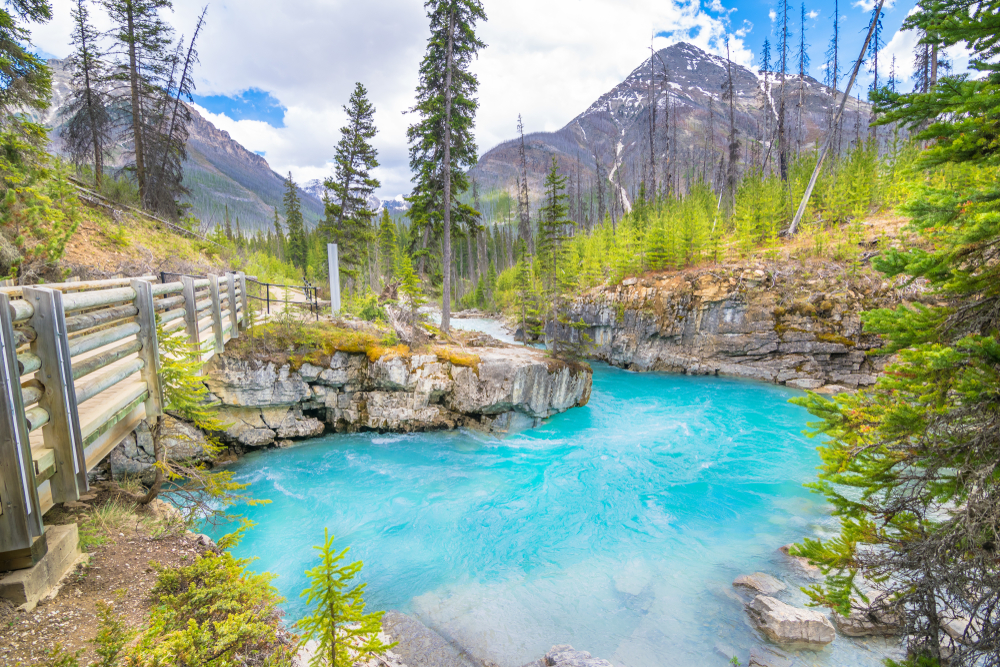
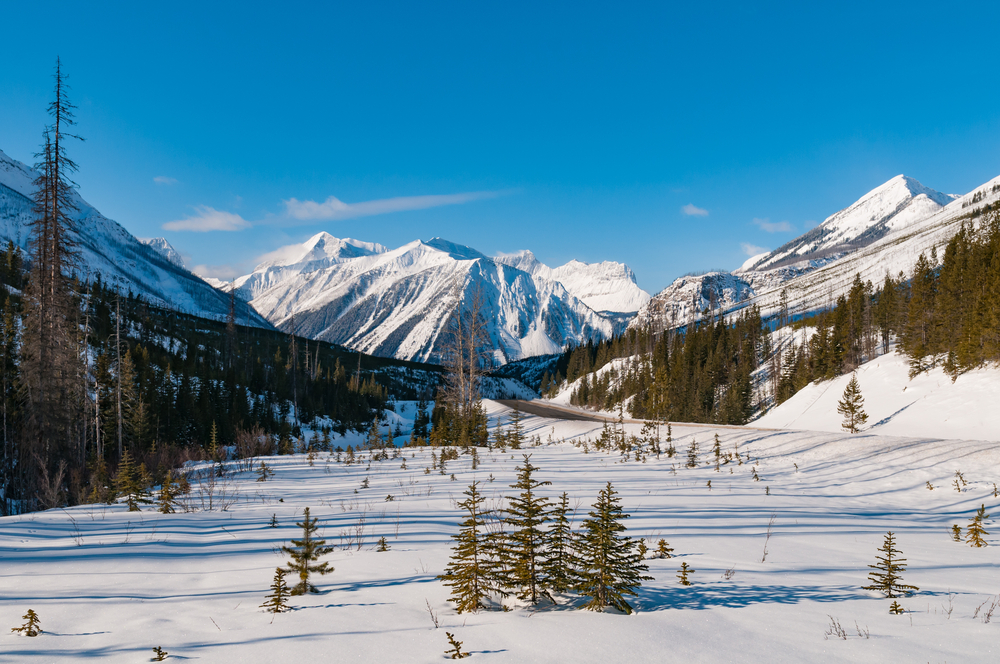
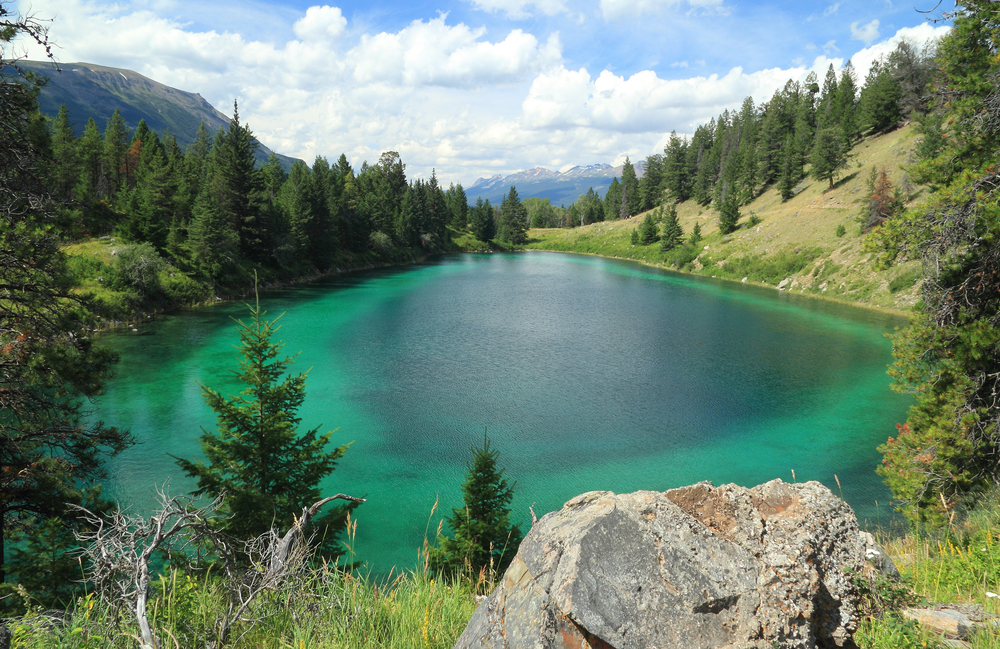
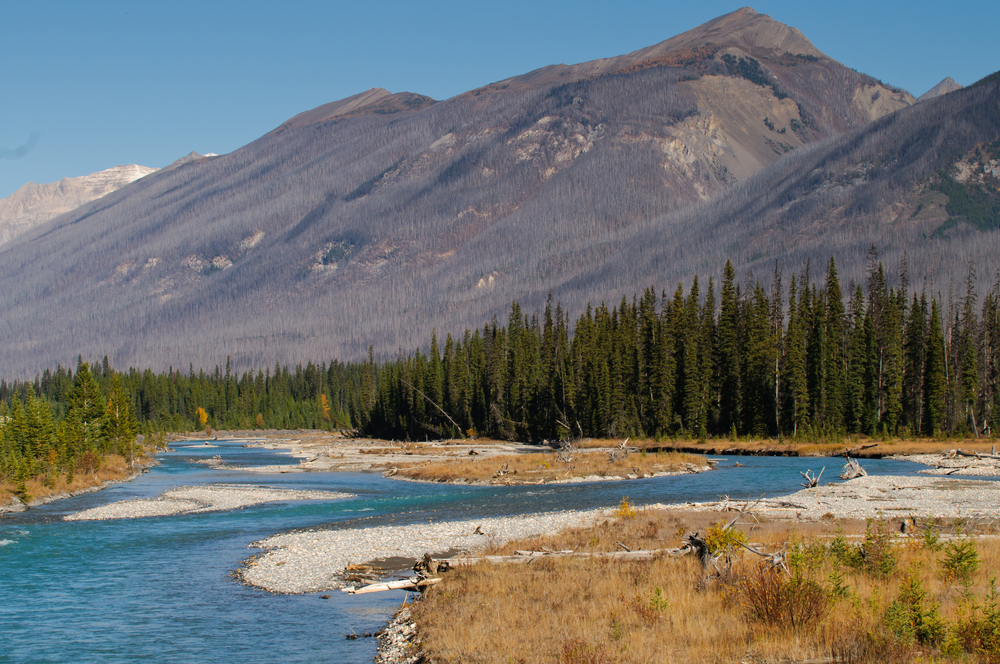
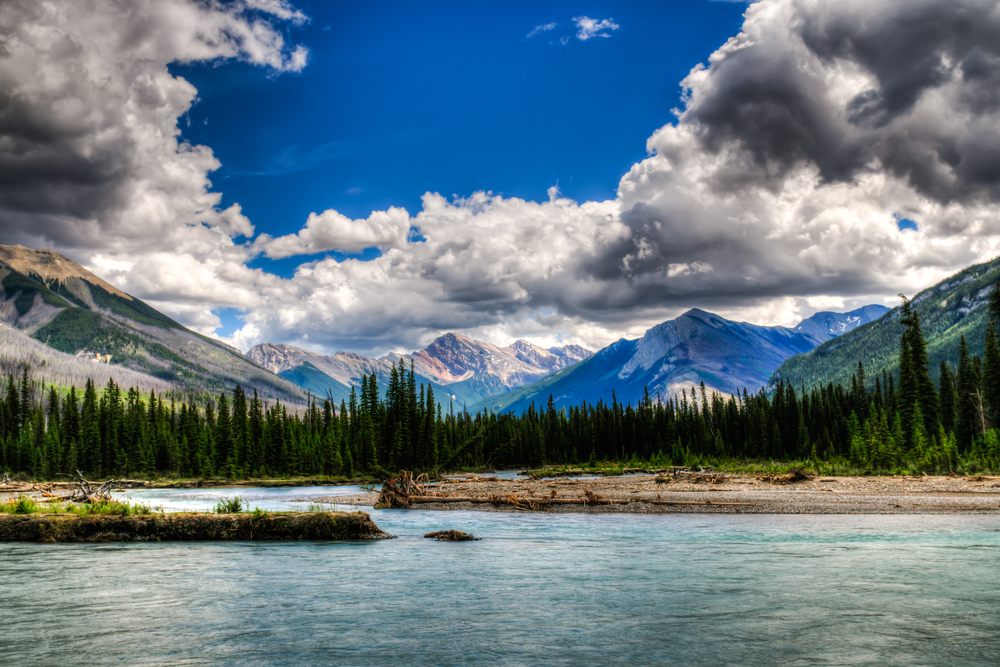
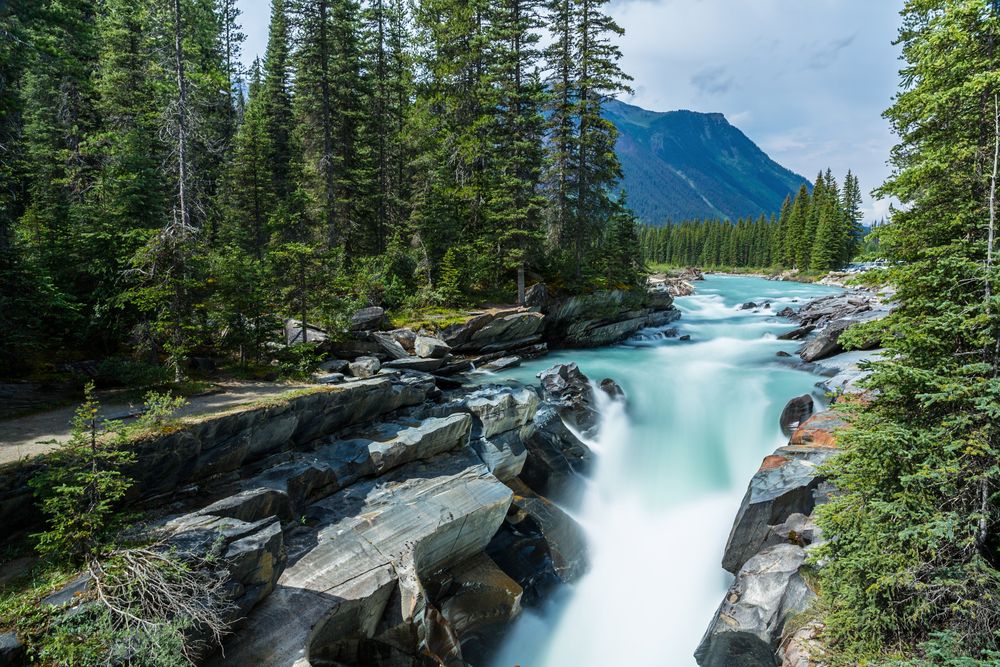
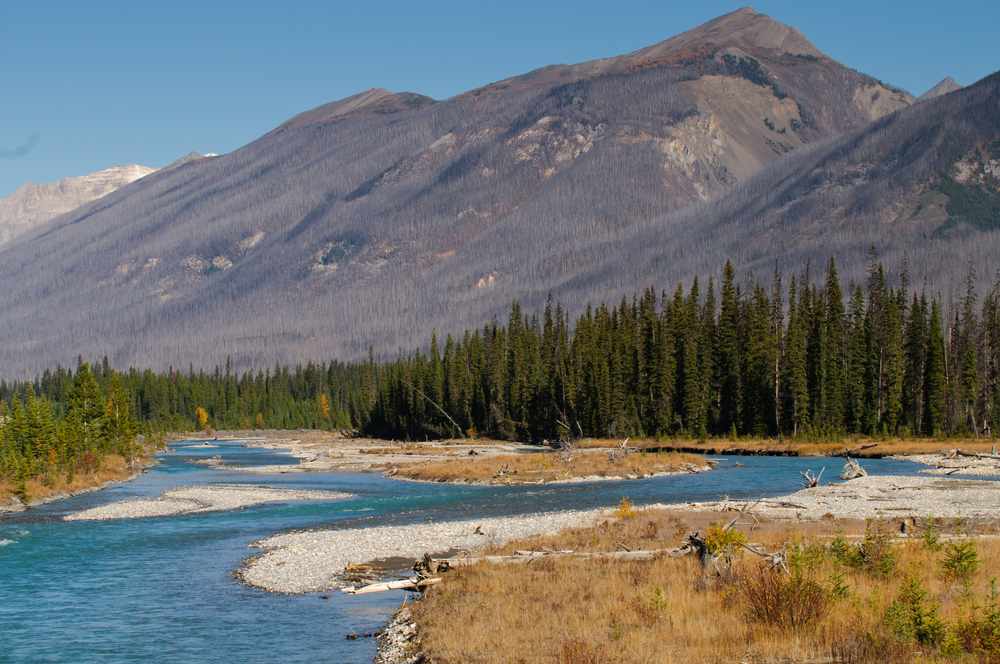
Kootenay is a land of extreme wilderness comprised of mountains, deep canyons, towering waterfalls, meandering rivers, and forests that blanket the area.  The Canadian Park Service describes Kootenay as “a place of unique contrasts, from icy mountain rivers to steamy hot springs.”

Much of the park is accounted for by the Canadian Rockies as well as parts of the Kootenay and Park mountain ranges.  Deltaform Mountain is the highest summit in the park at 11,234 feet (3,102 m) with elevations dropping down to 3,012 feet (918 m) in the valley of the southwestern entrance into the park.

The lower elevations feature a montane spruce ecosystem with Douglas fir, lodgepole pine, trembling poplar, and western red cedar.  The higher elevations are dominated by Englemann spruce and subalpine fir.

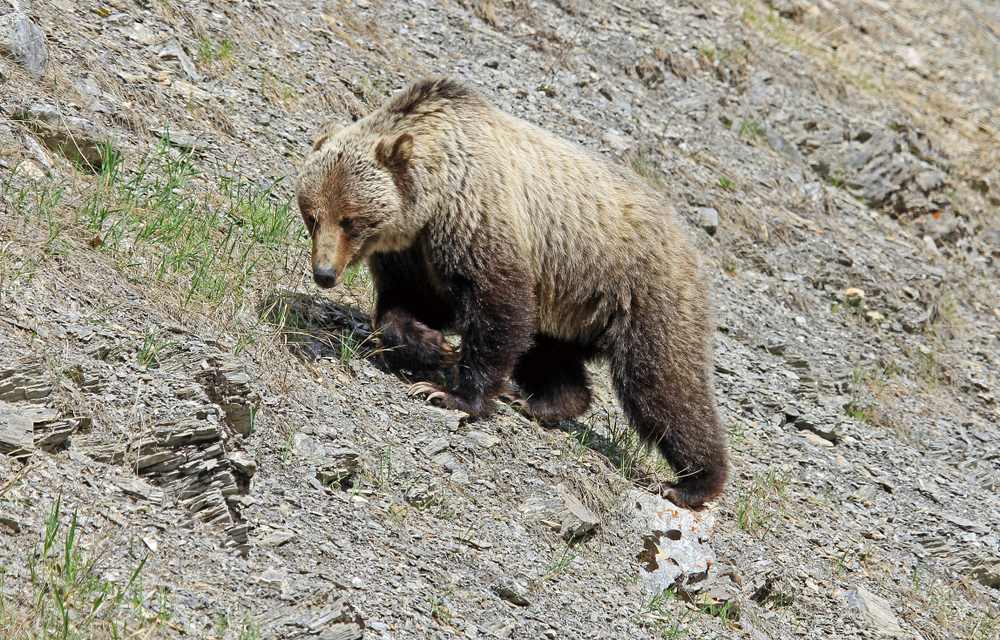
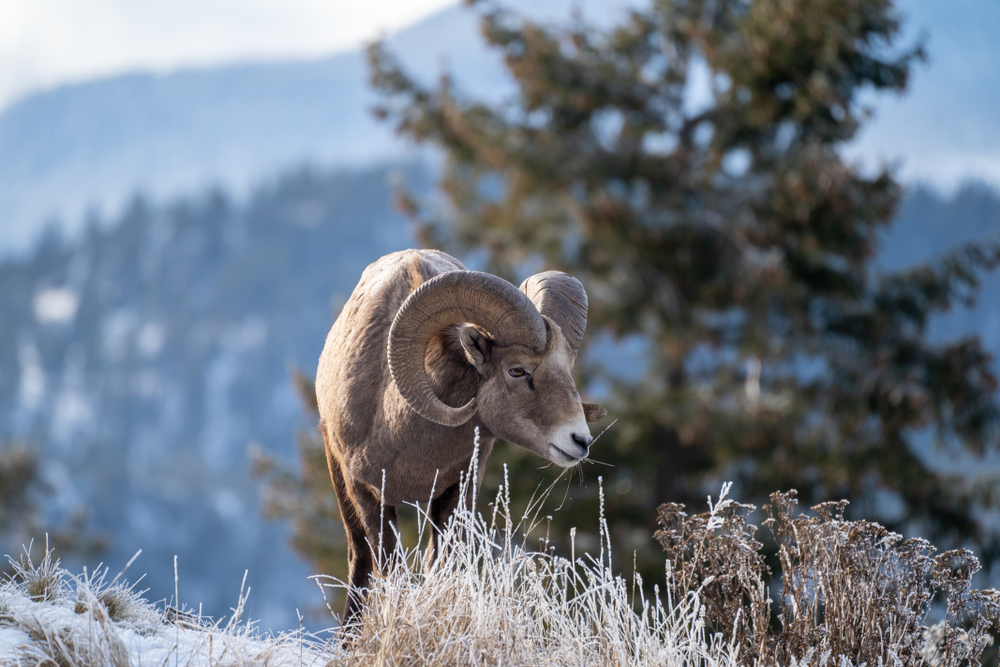
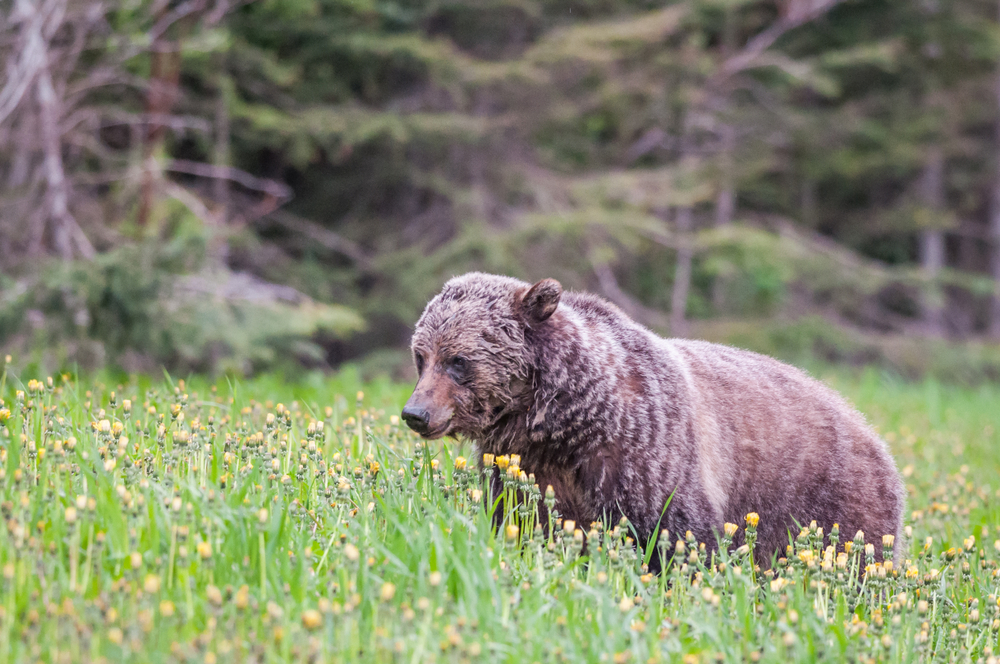
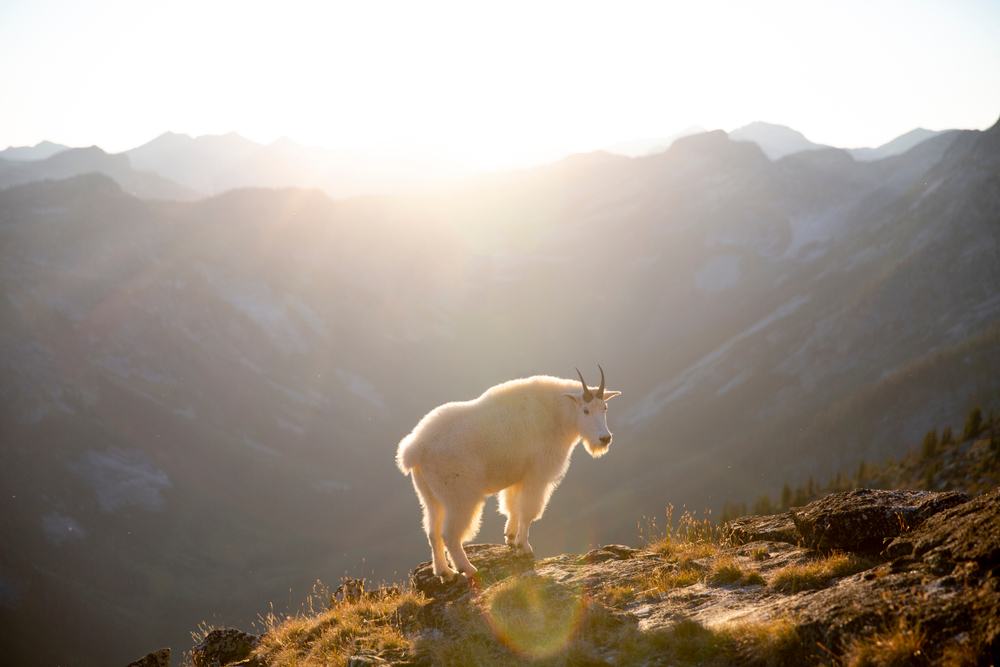
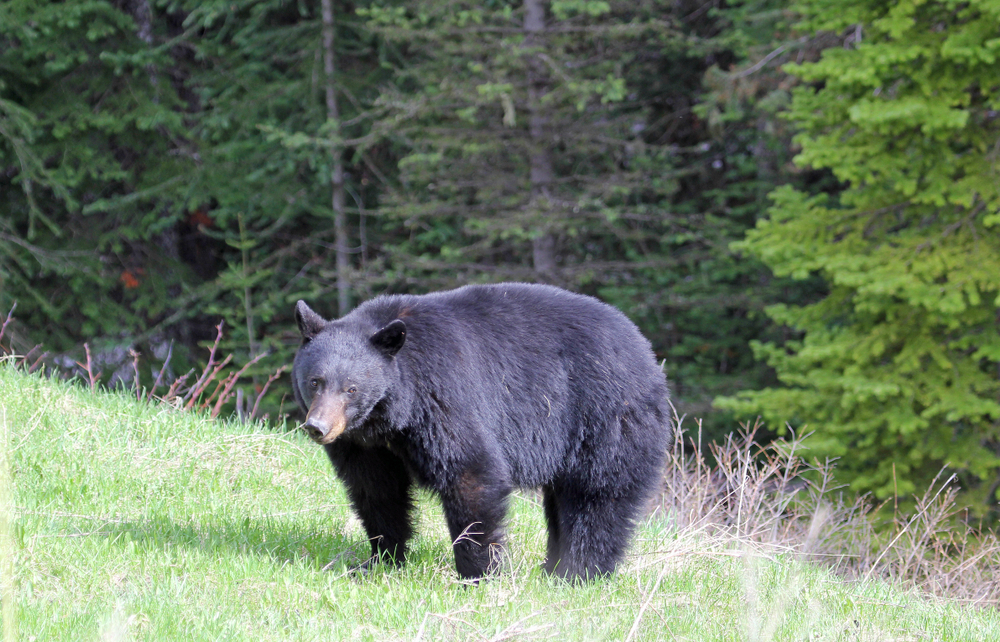
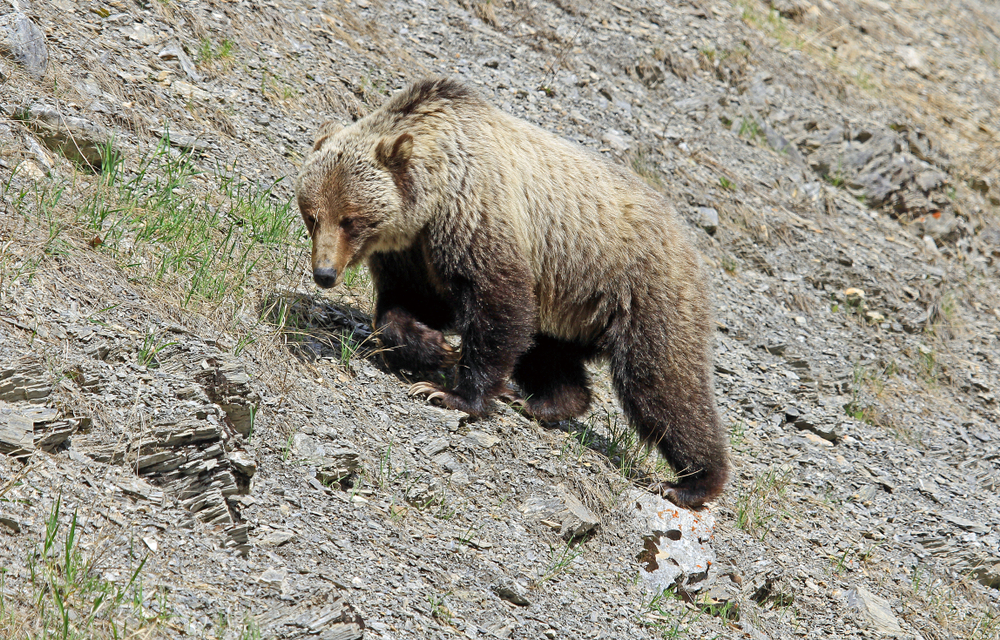
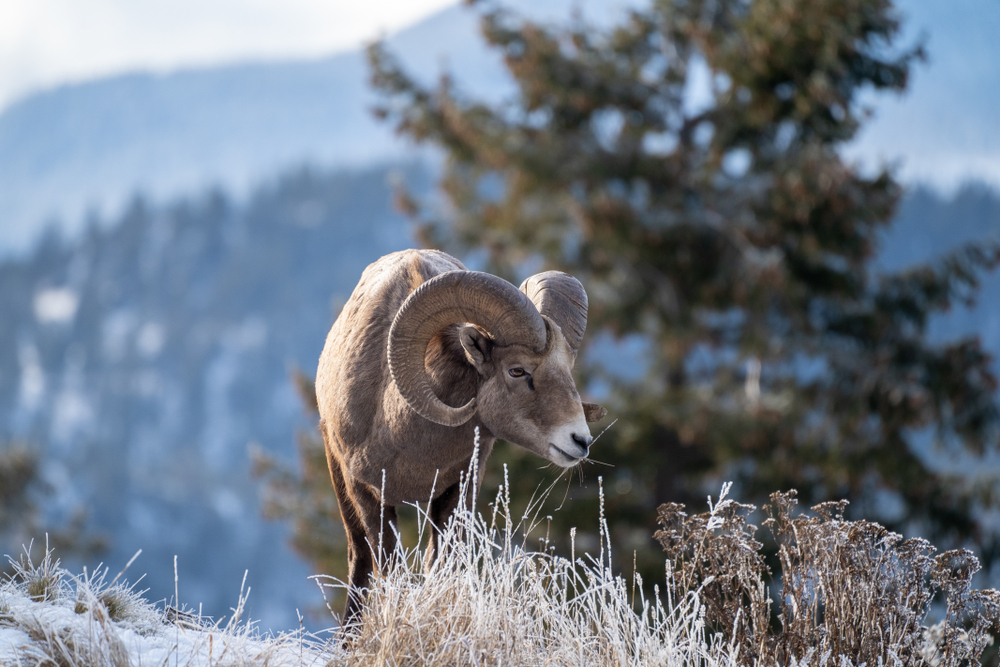
The grizzly bear and black bear are probably the most exciting wildlife sightings, however, the ungulates account for the majority of larger species that you might see including bighorn sheep, moose, mountain goat, mule deer, red deer, and white-tailed deer. Some of the predator species include badger, bobcat, cougar, lynx, timber wolf, and wolverine.

The park is not known for bird species with only 32 species calling the park home.  The rest of the wildlife and wilderness is what draws most people to explore Kootenay National Park.

Things to See

The diversity and extreme nature and contrasts of the park make almost any exploration a highlight.  However, some of the most favored attractions include Deltaform Mountain, Radium Hot Springs, Marble Canyon, and the Paint Pots.

Radium Hot Springs

Radium Hot Springs is a quaint village on the skirts of the national park.  There are just over 770 residents living in the town.  The town is used as the primary access point to the hot springs located in the park.

The hot springs vary in temperatures ranging from 95 to 117oF (35 to 47oC).  Some look for therapeutic enhancements while others just like relaxation.  It attracts both the locals and visitors who want to taste nature’s natural heaven.

Paint Pots

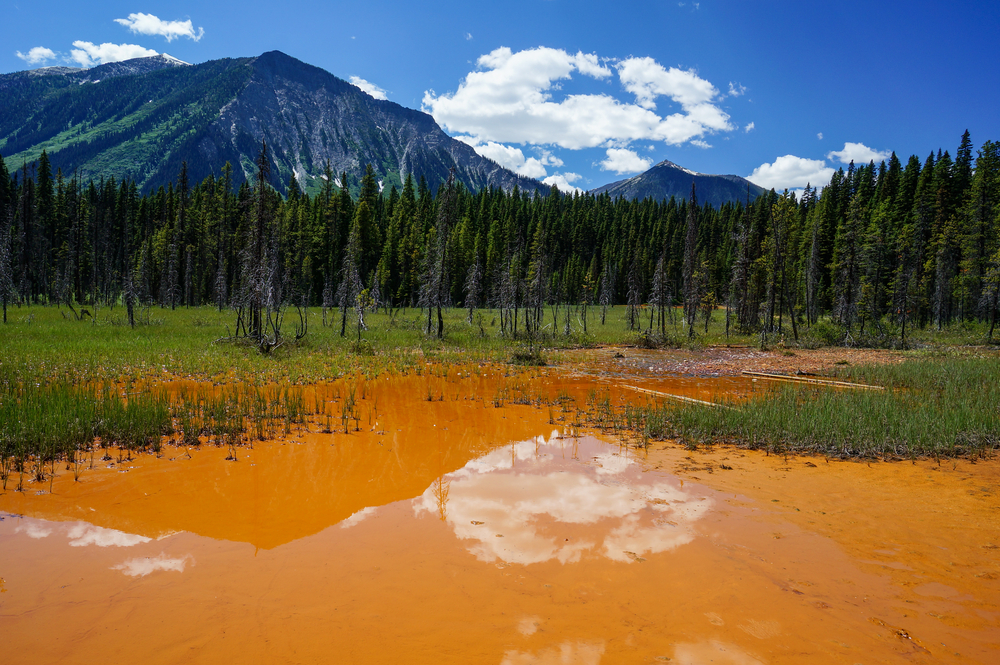
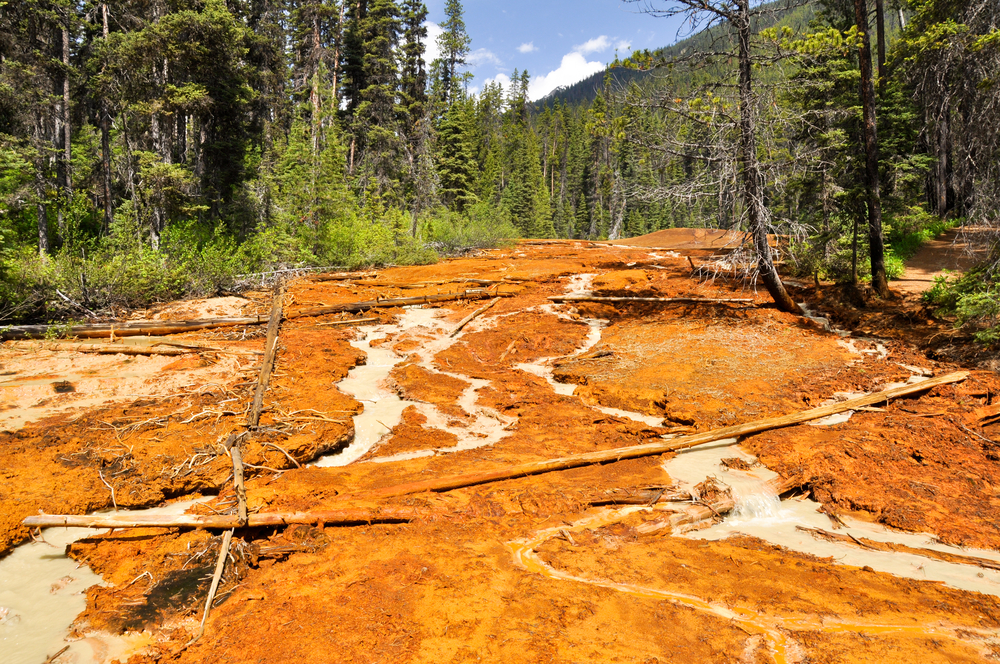
The Paint Pots is a mineral spring featuring acidic cold water.  The deposits contain iron oxide and other minerals that cause the water to turn reddish, with shades of yellow and brown mixed in.  There are 14 species of algae living amongst the paint pots adding color to the character of the landscape.  

Marble Canyon

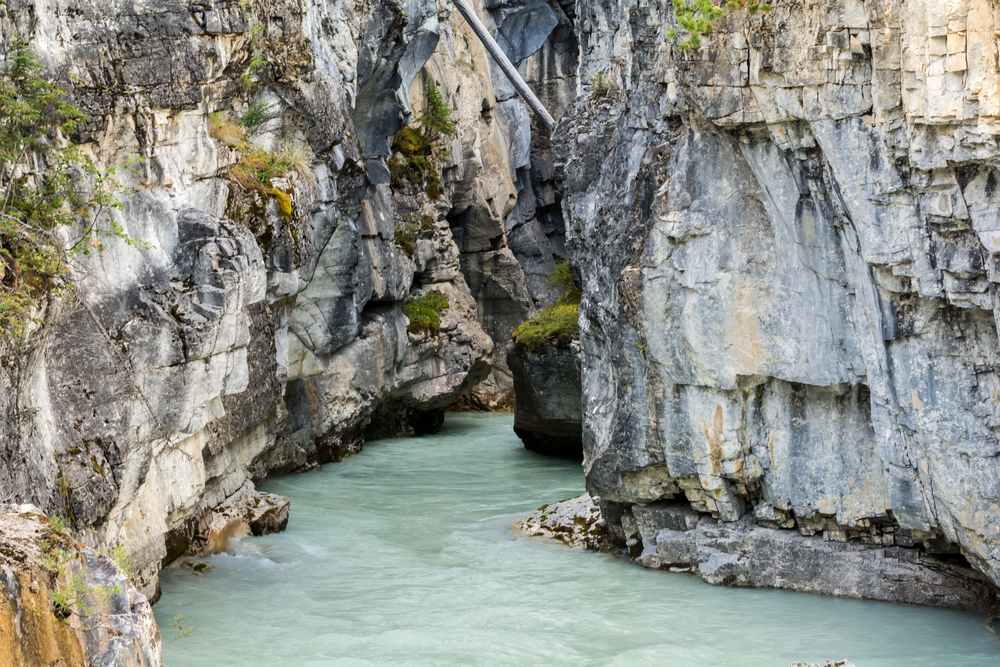
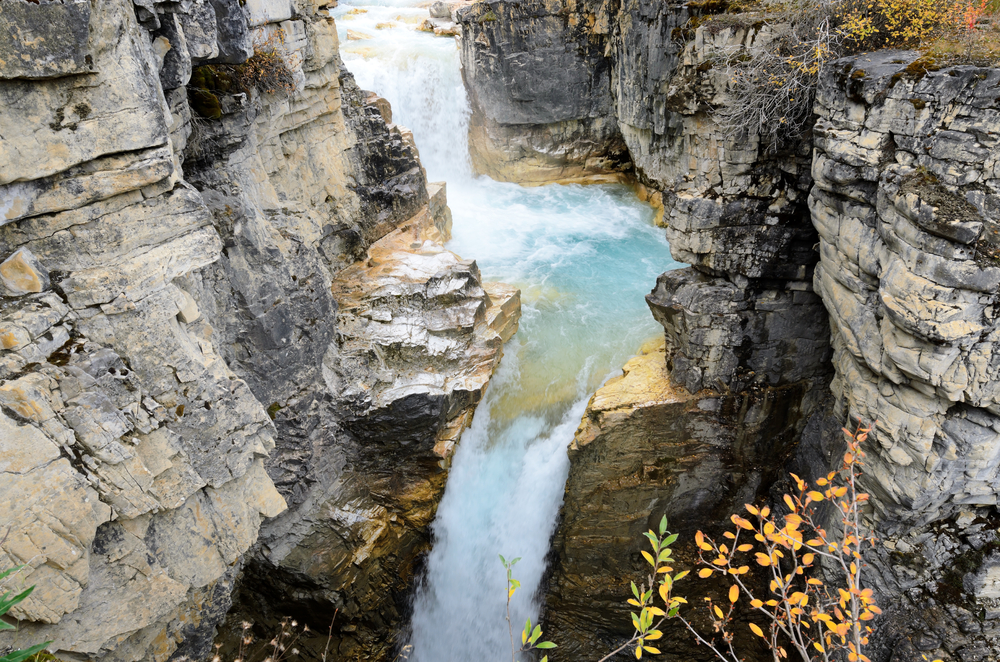
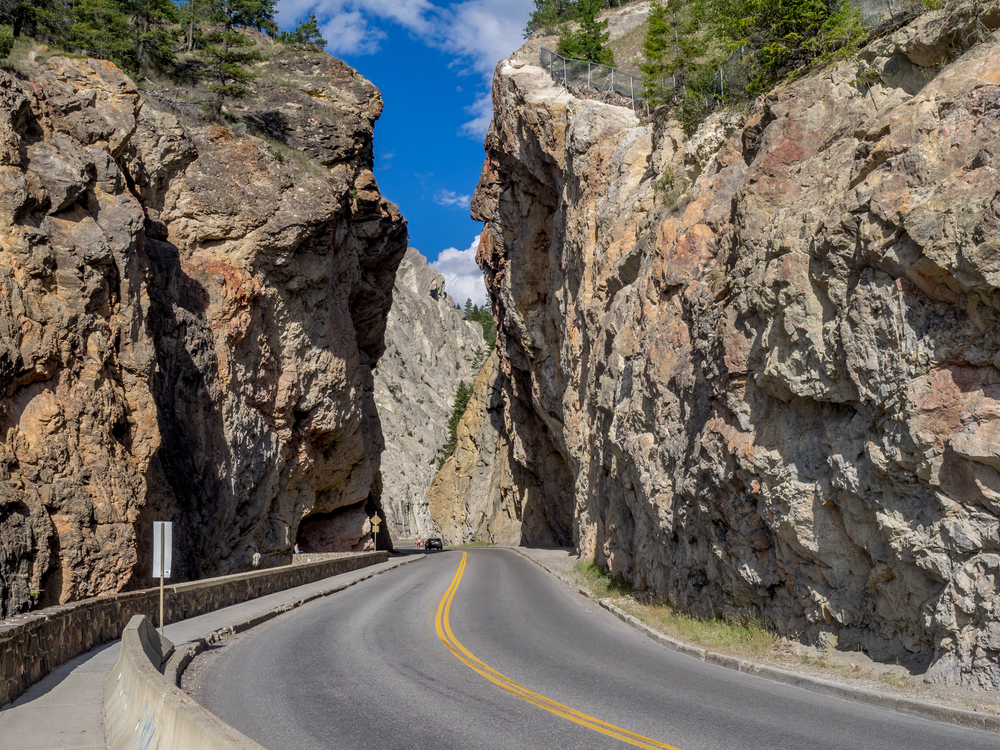
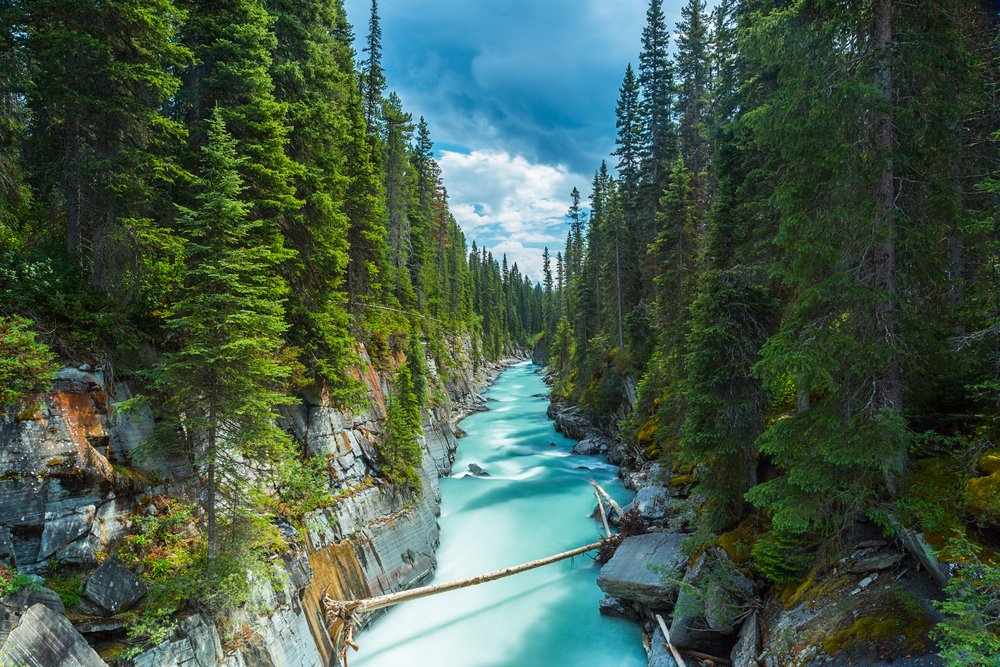
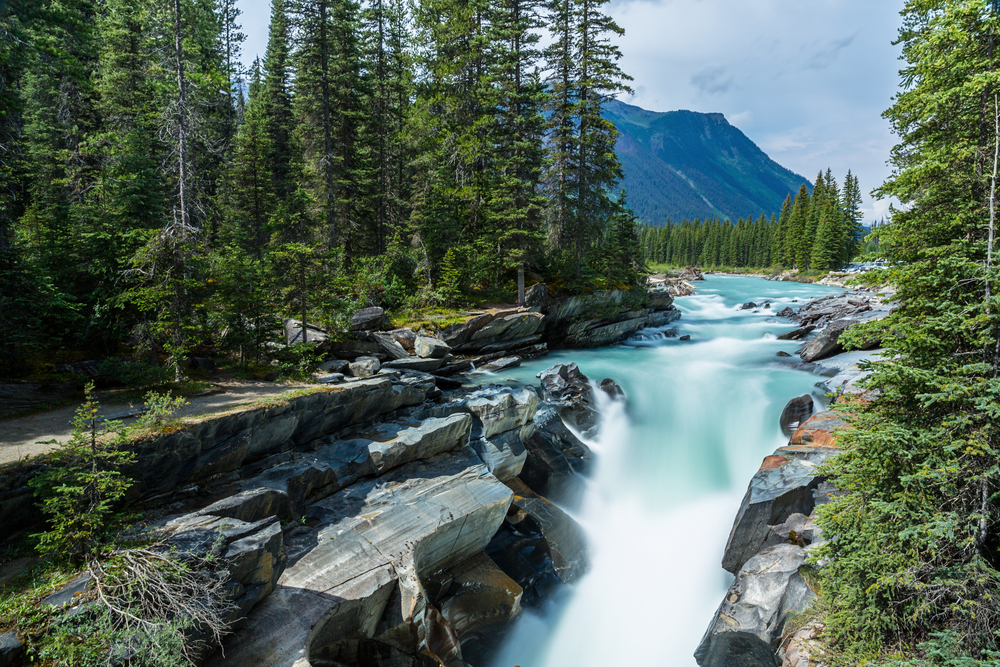
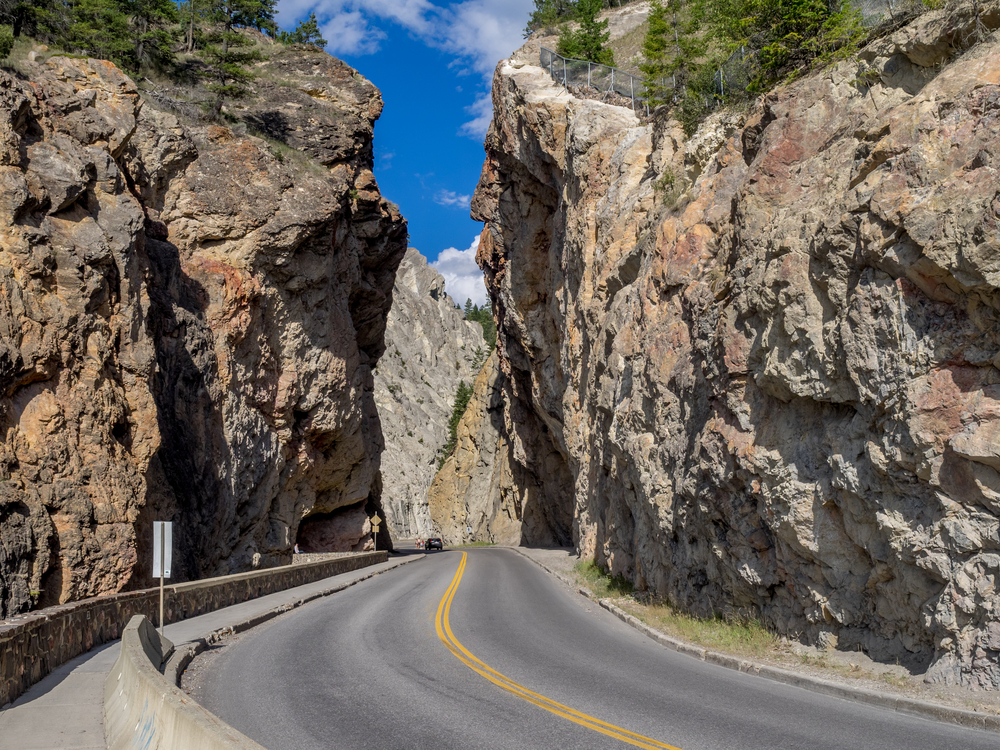
Tokumm Creek runs through Marble Canyon located on the north side of the park.  The canyon and the forested area around the creek are surrounded by stunning mountains that create astounding backdrops to this impressive landscape.  This also gives way to the neighboring Huma Falls further downstream where the creek merges with the Vermilion River. 

Predators

Predators

Kootenay National Park, nestled in the Canadian Rockies, is a landscape of stunning contrasts, where predators roam freely, playing essential roles in the park’s diverse ecosystems and offering visitors a glimpse into the complex web of natural relationships that define this majestic wilderness.

Grizzly Bear A symbol of the wilderness, Grizzly Bears are apex predators in Kootenay, respected for their strength and for their role in maintaining ecological balance.

Black Bear More common than their grizzly counterparts, Black Bears adapt easily to various habitats within the park, from forests to alpine meadows, foraging for a wide range of foods.

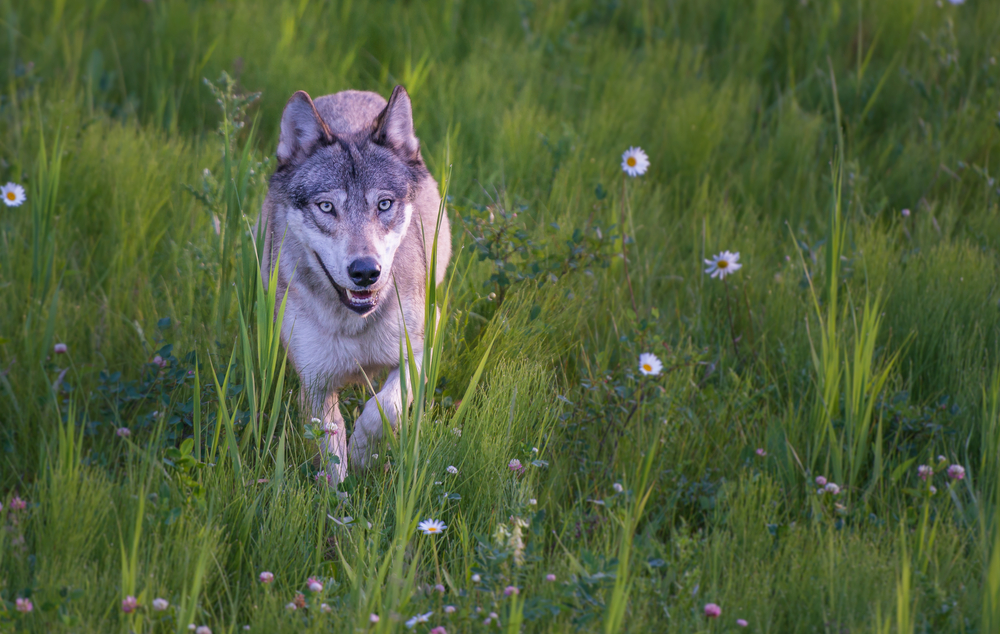
Wolf The elusive Wolf is a key predator in Kootenay, moving in packs to hunt deer, elk, and other animals, their presence vital to the natural order.

Cougar Silent and powerful, Cougars are solitary hunters that roam the park’s vast landscapes, their agility and strength allowing them to take down larger prey.

Coyote Adaptable and intelligent, Coyotes thrive in Kootenay, hunting small mammals and birds, their howls a haunting soundtrack to the park’s night.

Bald Eagle Majestic Bald Eagles patrol the skies over Kootenay, their keen eyesight and powerful talons making them formidable hunters of fish and small mammals.

Kootenay National Park’s predators, from the formidable Grizzly Bear to the soaring Bald Eagle, illustrate the park’s wild heart, inviting visitors to witness the beauty and brutality of nature in balance.

Popular

Popular

Kootenay National Park, a jewel in the Canadian Rockies, not only boasts dramatic landscapes but also shelters a variety of wildlife, each species playing a crucial role in the park’s vibrant ecosystem and offering visitors a chance to marvel at nature’s interconnectedness and diversity.

Elk A common sight in the park, Elk are admired for their majestic antlers and are often seen grazing in meadows or crossing rivers in groups.

Bighorn Sheep Renowned for their impressive curved horns, Bighorn Sheep navigate the park’s rocky terrain with ease, a testament to their adaptability and resilience.

Mountain Goat Iconic residents of the high crags, Mountain Goats are easily recognized by their white coats and sure-footedness, epitomizing the rugged beauty of Kootenay.

Hoary Marmot Often heard before seen, the whistle of the Hoary Marmot is a familiar sound in alpine areas, where they sun themselves on rocks.

Pika The small but hardy Pika is a vital part of the alpine ecosystem, collecting plants for winter in the rocky landscapes of Kootenay.

Columbia Ground Squirrel Columbia Ground Squirrels are a common and sociable presence, their burrows dotting the park’s grasslands, contributing to the soil’s health and aerating the earth.

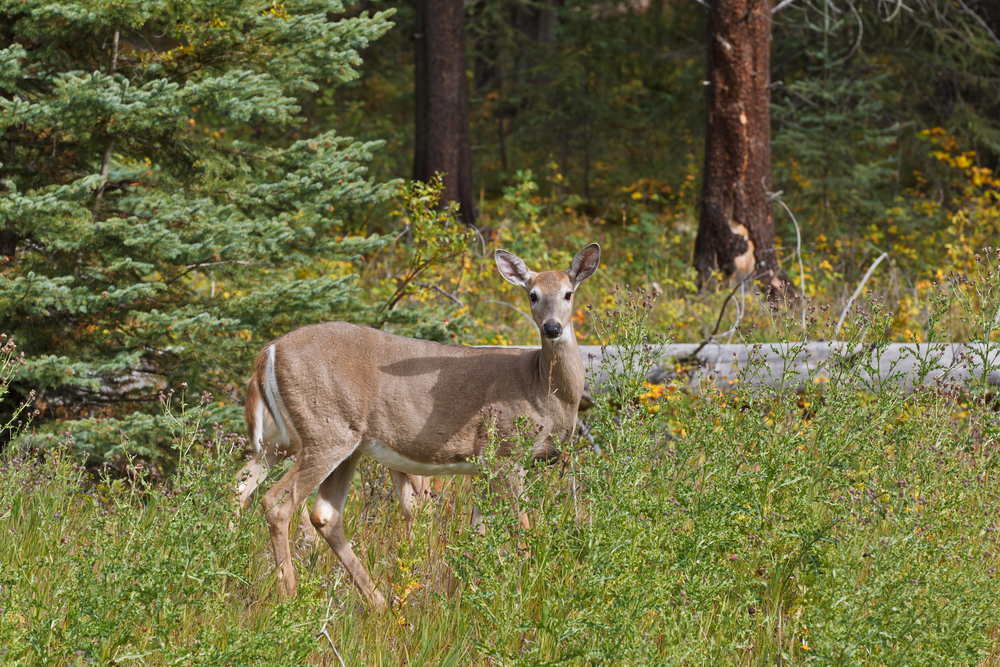
White-tailed Deer Graceful White-tailed Deer move silently through the park’s forests and clearings, their distinctive tails flashing as they flee from perceived threats.

American Dipper Unique for its aquatic lifestyle, the American Dipper dives into the park’s cold streams, searching for insects and small fish beneath the surface.

Harlequin Duck Brightly colored Harlequin Ducks navigate the swift, clear waters of Kootenay’s rivers and streams, a vibrant splash of color in the natural landscape.

Common Loon The haunting call of the Common Loon over the park’s lakes and ponds is an iconic sound of the Canadian wilderness, especially at dusk.

Kootenay National Park’s diverse wildlife, from the grazing Elk to the diving Common Loon, highlights the ecological richness of this spectacular Canadian park, inviting visitors to explore and appreciate the wonders of the natural world.

Things To Do

Engaging Kootenay National Park
Hiking

Explore the diverse landscapes of Kootenay National Park on its extensive network of hiking trails. From leisurely strolls to challenging treks, the park offers options for hikers of all abilities. Discover hidden waterfalls, alpine meadows, and panoramic viewpoints as you immerse yourself in the park’s pristine wilderness.

Highlights include the Stanley Glacier Trail, which leads to a stunning glacier viewpoint, and the Floe Lake Trail, a scenic trek to a picturesque alpine lake. Hiking in Kootenay provides opportunities to connect with nature, spot wildlife, and experience the beauty of the Canadian Rockies up close.

Scenic Drives

Experience the breathtaking beauty of Kootenay National Park from the comfort of your car on one of its scenic drives. Cruise along the famous Kootenay Highway, which winds through spectacular mountain scenery, deep river valleys, and dense forests.

Stop at scenic viewpoints and pullouts along the way to capture photographs of the park’s iconic landmarks, including the Vermilion River, Marble Canyon, and Radium Hot Springs. Scenic drives in Kootenay offer a leisurely and immersive way to explore the park’s natural beauty and diverse ecosystems, with opportunities for wildlife viewing and sightseeing.

Kootenay National Park Trails

Hiking is one of the favored ways to explore all that Kootenay has to offer.  There is an abundant number of trails that can be accessed in many different places throughout the park.  There are easy, moderate, and difficult rated trails giving everyone a chance to discover and explore the wildlife and wilderness.

placeholder

Helmet-Ochre Junction Trail

This is a (12.6 km) trail that meanders through a forest and up to a river.  It has (50 m) of elevation gain and takes about four hours.

placeholder

Simpson River Trail

This is an easy rated trail that covers a distance of (17.6 km) as it meanders through forests and along a three-valley confluence.  Opportunities to see wildlife exist.

placeholder

Stanley Glacier Trail

This is a moderate rated trail with an elevation gain of (365 m).  This trail meanders through forests and along talus slopes while providing views of cliffs and glaciated summits.  It takes about 3 hours to travel the (8.4 km) point to point trail.

placeholder

Kindersley-Sinclair Loop Trail

This is a (17.5 km) difficult loop trail with feet (1,055 m) of elevation gain as it tracks along rugged ridges and avalanche slopes.  The area is renowned for grizzly bear and recommendations for hikers is to go in groups of four or more.

placeholder

Marble Canyon Trail

Rating: Easy

Distance and Elevation Gain: 0.6 miles round trip with minimal elevation gain

Description: This short, accessible trail offers an up-close look at the dramatic Marble Canyon, a deep, narrow gorge carved by the Tokumm Creek. Boardwalks and bridges span the canyon, allowing hikers to gaze into the turquoise waters below and appreciate the geological forces at work. The trail also passes through an area recovering from wildfire, showcasing nature’s resilience.

placeholder

Paint Pots Trail

Rating: Easy

Distance and Elevation Gain: 1.7 miles round trip with about 49 feet (15 meters) elevation gain

Description: The Paint Pots Trail leads to ochre beds—natural mineral deposits that have been used by First Nations for thousands of years for ceremonial paint. Surrounded by striking iron-rich red and orange earth, the trail crosses a scenic bridge over the Vermilion River, offering a gentle walk through open meadows and forest.

placeholder

Floe Lake Trail

Rating: Difficult

Distance and Elevation Gain: 13.1 miles round trip with about 2,300 feet (700 meters) elevation gain

Description: One of Kootenay’s most challenging and rewarding hikes, the Floe Lake Trail climbs through a burn area with spectacular wildflower displays, into the heart of the Rockies, and ends at the stunning Floe Lake, set against the backdrop of the Rockwall.

This demanding hike rewards with panoramic views and the serene beauty of Floe Lake’s crystal-clear waters.

placeholder

Dog Lake Trail

Rating: Easy to Moderate

Distance and Elevation Gain: 3.1 miles round trip with about 164 feet (50 meters) elevation gain

Description: Starting from the Kootenay National Park Visitor Centre, this trail meanders through dense forest to the tranquil Dog Lake. The path offers a peaceful forest walk, ideal for families and those looking for a less strenuous hike. Dog Lake is a serene spot for a picnic, surrounded by nature’s quiet and the occasional wildlife sighting.

FAQ’s

What is Kootenay National Park known for?

Kootenay National Park, located in British Columbia, Canada, is known for its stunning mountain landscapes, turquoise glacial lakes, and abundant wildlife. The park is part of the Canadian Rocky Mountain Parks UNESCO World Heritage Site, recognized for its outstanding natural beauty and ecological significance.

Visitors come to Kootenay to explore its diverse ecosystems, including dense forests, alpine meadows, and rugged mountain peaks. The park is also renowned for its scenic drives along the famous Kootenay Highway, which winds through breathtaking landscapes and offers opportunities to spot wildlife such as elk, bighorn sheep, and black bears.

Additionally, Kootenay offers opportunities for hiking, camping, fishing, and hot springs soaking, making it a popular destination for outdoor recreation and nature appreciation.

Sources