About

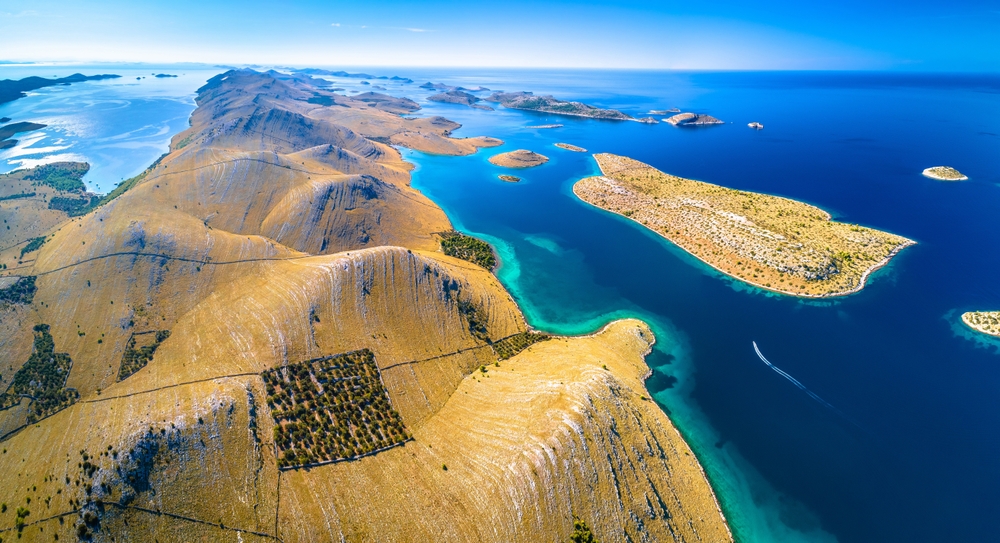
Kornati National Park, known as Nacionalni park Kornati in Croatian, is located in the central Adriatic Sea off the coast of Croatia near the city of Zadar. The park covers approximately 85 square miles (220 sq km), of which the vast majority is marine environment.

Established in 1980, Kornati National Park protects the most densely clustered island archipelago in the Mediterranean. The park encompasses 89 islands, islets, and reefs that form part of the larger Kornati Archipelago, creating one of Europe’s most extraordinary coastal landscapes. Situated northwest of Krka National Park and west of Paklenica National Park, the park preserves a unique blend of marine ecosystems, geological formations, and cultural heritage.

Kornati National Park is best known for its stunning collection of barren limestone islands scattered across crystal-clear Adriatic waters. Often described as a nautical paradise, the park attracts sailors, divers, kayakers, photographers, and nature enthusiasts from around the world. Visitors are drawn to dramatic coastal cliffs, secluded coves, turquoise bays, and pristine marine environments.

Unlike many national parks known for forests or large mammals, Kornati’s appeal lies in its striking seascapes and island wilderness. Boating is one of the primary ways to explore the park, allowing visitors to navigate through narrow channels and experience the beauty of one of the Mediterranean’s most unique island systems.

The geography of Kornati National Park is dominated by rugged karst limestone formations shaped by tectonic activity, erosion, and centuries of exposure to wind and sea. The islands are characterized by rocky terrain, sparse vegetation, steep slopes, and dramatic sea cliffs known locally as “crowns.”

Some of these cliffs rise more than 250 feet (75 meters) directly from the sea, creating spectacular coastal scenery. The surrounding waters are equally important, featuring underwater reefs, seagrass meadows, caves, and diverse marine habitats. The combination of terrestrial and marine geological features makes Kornati one of the most distinctive landscapes in the Adriatic region.

Wildlife within Kornati National Park is concentrated primarily in its marine ecosystems. The waters support hundreds of fish species, octopuses, crustaceans, mollusks, and colorful reef communities. Bottlenose dolphins are occasionally observed throughout the archipelago, while loggerhead sea turtles visit surrounding waters. Seagrass meadows provide essential habitat for numerous marine organisms and contribute to the health of the Adriatic ecosystem.

Birdlife is also significant, with gulls, cormorants, peregrine falcons, shearwaters, and various migratory seabirds utilizing the islands and surrounding waters. Although terrestrial wildlife is limited due to the rocky environment, the marine biodiversity of the park is among the richest in Croatia.

Kornati National Park plays a vital role in conserving one of the Mediterranean’s most important marine and island ecosystems. The park protects fragile coastal habitats, underwater communities, and geological features that are unique to the Adriatic Sea. Its conservation significance is often compared to marine protected areas such as Mljet National Park and Cabrera Archipelago National Park because of its exceptional marine biodiversity and island landscapes.

However, the sheer concentration of islands and dramatic limestone formations make Kornati unlike any other protected area in Europe. Today, Kornati National Park remains one of Croatia’s most treasured natural destinations, preserving an extraordinary maritime wilderness where sea, stone, and sky combine to create one of the Mediterranean’s most unforgettable landscapes.
Things to See

Popular

Popular

Kornati National Park, located in the Adriatic Sea of Croatia, is a stunning marine park encompassing numerous islands, reefs, and rich underwater ecosystems. Its crystal-clear waters and rugged terrain support a variety of fascinating marine and terrestrial wildlife.

Common Bottlenose Dolphin
The common bottlenose dolphin is frequently seen in the waters of Kornati. These highly social and intelligent marine mammals are known for their playful behavior and acrobatics, often riding the waves created by boats.

Loggerhead Sea Turtle
A regular visitor to Kornati’s waters, the loggerhead sea turtle is a marine reptile that can grow quite large. They are recognized by their strong jaws and reddish-brown shells and are often spotted near seagrass meadows.

European Conger
The European conger is a large, eel-like fish that inhabits the deep underwater caves and rocky seabeds of the park. It can grow up to 3 meters long and plays a crucial role in the marine food chain.

Mediterranean Monk Seal
Once more prevalent, the critically endangered Mediterranean monk seal is occasionally sighted in secluded coves of Kornati. They are shy animals, known for their round faces and silky fur, and are a rare treasure to encounter.

Moray Eel
The moray eel, with its slender, snake-like body, is a common inhabitant of the rocky seabeds and coral reefs in the park. It is known for its sharp teeth and striking patterns, often hiding in crevices during the day.

Dusky Grouper
The dusky grouper is a robust, territorial fish found among the park’s underwater cliffs and caves. It is an important predator in the ecosystem and is recognizable by its brownish coloration and large mouth.

Mediterranean Shag (Marine Fish)
This cormorant-like fish species thrives in the coastal waters, using its streamlined body to dive deep in search of prey such as small fish and crustaceans. They are agile swimmers and crucial to the marine biodiversity.

Gilt-head Bream
The gilt-head bream is a prized species among Kornati’s marine fauna. With its distinctive golden stripe between the eyes, it is a common inhabitant of the shallow waters and seagrass beds.

Octopus Vulgaris
The common octopus, known for its intelligence and adaptability, is a frequent resident of the park’s underwater habitats. It can camouflage itself seamlessly into its surroundings and is fascinating to observe.

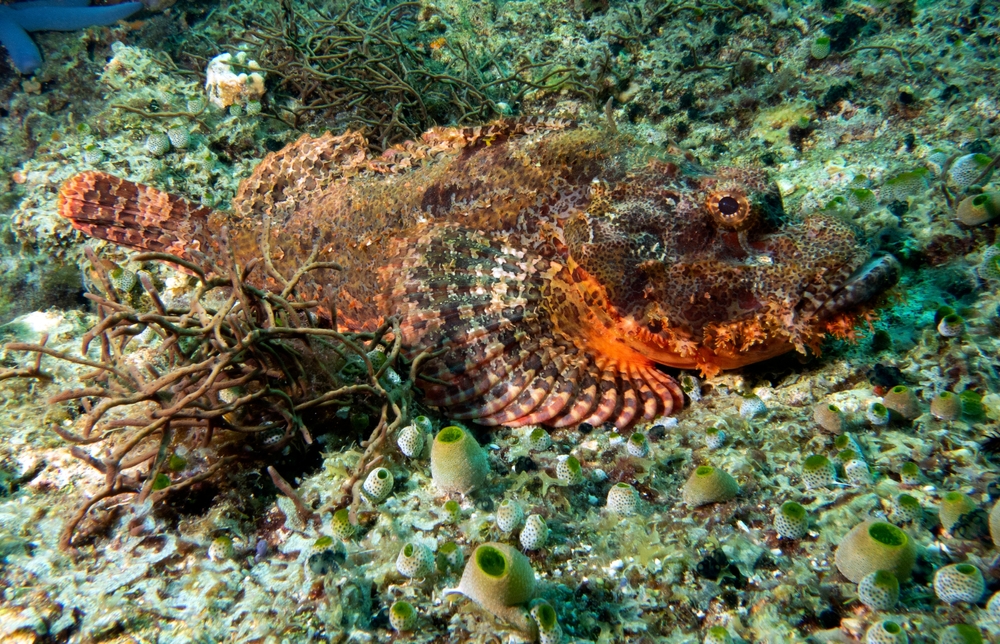
Scorpionfish
This camouflaged predator blends into the rocky reefs and sandy bottoms of Kornati. Its venomous spines serve as a defense mechanism, making it both a striking and formidable presence in the marine ecosystem.

Birds

Birds

The islands and rocky cliffs of Kornati National Park provide sanctuary to many bird species, making it a haven for bird enthusiasts and conservationists. These birds contribute to the park’s diverse avian life and natural beauty.

Eleonora’s Falcon
This rare and elegant falcon nests on Kornati’s cliffs, hunting insects and small birds. It is a migratory species, spending summers in the park and winters in Africa.

Audouin’s Gull
A rare Mediterranean gull, Audouin’s gull breeds along the rocky islands of Kornati. Known for its striking white body and red beak, it symbolizes the park’s pristine marine environment.

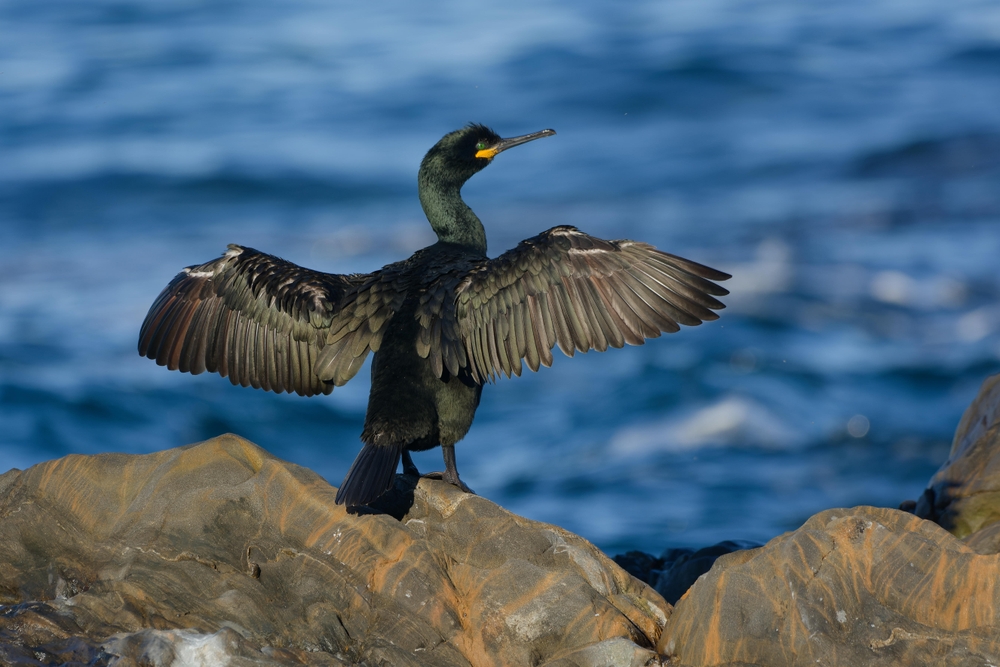
Shag (European)
The European shag is a striking black seabird found along the rocky shores. Known for its diving prowess, it feeds primarily on fish and is a common sight in the park.

Peregrine Falcon
The peregrine falcon, the world’s fastest bird, nests on Kornati’s cliffs. Its sharp vision and speed make it a highly effective predator of smaller birds.

Yellow-legged Gull
This large gull is a frequent presence along the islands, known for its adaptability and omnivorous diet. Its pale gray wings and yellow legs make it easily recognizable.

Little Egret
The little egret is a graceful white heron often seen wading in the shallow waters around the islands. It feeds on small fish and crustaceans and adds a touch of elegance to the park.

Common Tern
A sleek seabird with a black cap and forked tail, the common tern can often be spotted diving into the waters to catch fish. It is a seasonal visitor to Kornati.

Great Cormorant
The great cormorant is a large, dark waterbird that thrives along the coasts and rocky cliffs. It is known for its impressive diving abilities and social nesting habits.

Eurasian Kestrel
A small bird of prey, the Eurasian kestrel hovers over open areas of the park, searching for insects and small mammals. Its distinct reddish-brown plumage makes it a beautiful sight.

Blue Rock Thrush
The blue rock thrush is a songbird that inhabits the cliffs and rocky terrains of Kornati. Its melodious call and striking blue feathers make it a favorite among bird watchers.