About
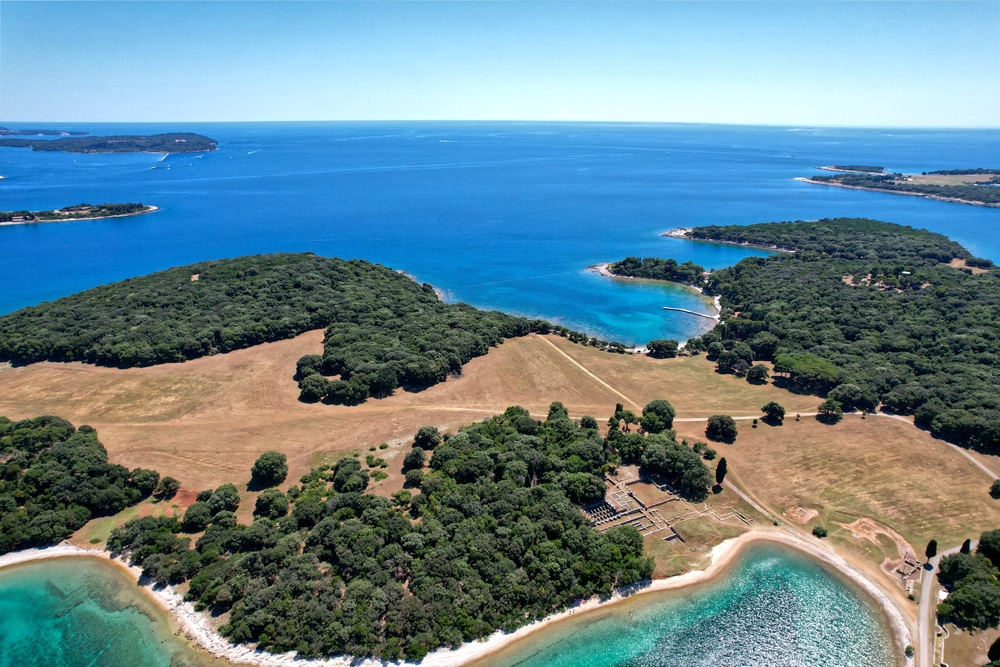
Brijuni National Park, locally known as Nacionalni Park Brijuni, is located off the western coast of Croatia’s Istrian Peninsula in the northern Adriatic Sea. The park covers approximately 13 square miles (34 sq km), including both land and surrounding marine areas.
Established as a national park in 1983, Brijuni protects an archipelago of 14 islands and islets known for their exceptional natural beauty, archaeological significance, and cultural heritage. Situated southwest of Pula, the park combines Mediterranean landscapes, historic sites, and coastal ecosystems into one of Croatia’s most distinctive protected areas. Throughout history, the islands have served as a retreat for aristocrats, statesmen, and world leaders, adding a unique cultural dimension to their natural appeal.
Brijuni National Park is best known for its blend of natural beauty, archaeological treasures, and historical landmarks. Visitors are attracted by scenic coastlines, ancient Roman ruins, Mediterranean forests, and beautifully maintained landscapes that differ from Croatia’s more rugged national parks. The islands offer opportunities for walking, cycling, wildlife observation, boating, and cultural exploration.
Among the park’s most famous attractions are the remains of a Roman villa complex, Byzantine sites, dinosaur footprints preserved in rock formations, and historic residences associated with former Yugoslav leader Josip Broz Tito. The combination of history and nature makes Brijuni one of the most unique destinations in the Adriatic region.
The geography of Brijuni National Park is characterized by low-lying limestone islands, sheltered bays, rocky coastlines, and gently rolling terrain. The largest island, Veliki Brijun, contains meadows, forests, olive groves, and landscaped parklands that contribute to its distinctive appearance. The surrounding waters are remarkably clear and support important marine ecosystems.
Mediterranean vegetation dominates much of the archipelago, including holm oak forests, pine groves, cypress trees, and native shrublands. The mild coastal climate supports year-round plant growth and creates favorable conditions for both terrestrial and marine biodiversity.
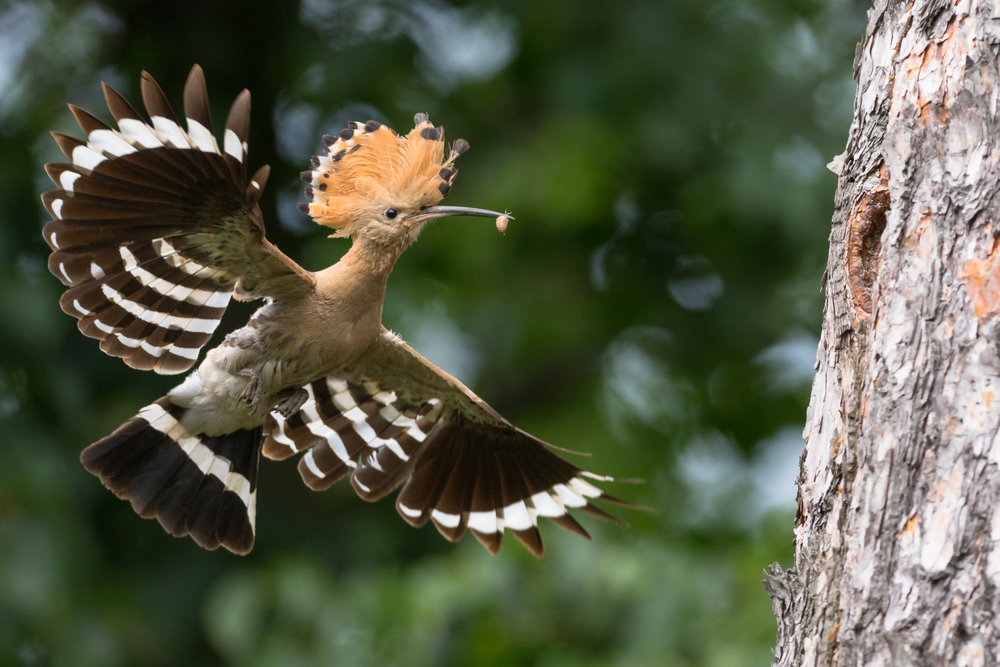
Wildlife within Brijuni National Park reflects the diversity of its island and marine environments. Native mammals include deer, hares, and several small mammal species, while birdlife is particularly abundant. Herons, cormorants, gulls, owls, and numerous migratory birds utilize the islands as nesting and resting habitats.
The surrounding Adriatic waters support fish, crustaceans, mollusks, and other marine organisms typical of Mediterranean ecosystems. The park is also home to a safari park established during the twentieth century, which contains several non-native species gifted by international leaders. While these animals are not part of the native ecosystem, they contribute to the park’s distinctive historical character.
Brijuni National Park plays a vital role in conserving important coastal ecosystems while preserving some of Croatia’s most significant archaeological and historical resources. The park protects marine habitats, Mediterranean forests, and cultural landmarks that span thousands of years of human history.
Its conservation significance is often compared to Mljet National Park and Kornati National Park because of its combination of natural and cultural heritage. However, Brijuni’s unique blend of Roman archaeology, island biodiversity, and modern historical significance gives it a character unlike any other national park in Croatia. Today, Brijuni National Park remains one of the country’s most treasured protected areas, preserving a landscape where nature, history, and culture coexist in remarkable harmony.