About

Wilderness National Park is located along South Africa’s renowned Garden Route in the Western Cape Province between the towns of George and Knysna. The park covers approximately 75 square miles (195 sq km) and protects a remarkable network of lakes, rivers, estuaries, wetlands, forests, and coastal habitats.

Established in 1983, Wilderness National Park later became one of the core components of the larger Garden Route National Park. Situated along one of Africa’s most scenic coastal corridors, the park preserves ecosystems that support exceptional biodiversity while providing visitors with opportunities to experience some of South Africa’s most beautiful natural landscapes.

Wilderness National Park is best known for its interconnected lakes and estuarine systems, which create one of the most important freshwater and wetland environments in southern Africa. Visitors are attracted by opportunities for canoeing, kayaking, hiking, birdwatching, and nature photography. The park’s tranquil waterways wind through reed beds, indigenous forests, and scenic valleys, offering a peaceful contrast to the rugged coastline found elsewhere along the Garden Route.

Popular attractions include the Touw River, Island Lake, Langvlei, and Rondevlei, all of which provide outstanding opportunities for wildlife observation and outdoor recreation. The combination of calm waters and lush scenery makes the park a favorite destination for nature enthusiasts.

The geography of Wilderness National Park is defined by a series of lakes, estuaries, rivers, wetlands, dunes, and forested hills situated between the Outeniqua Mountains and the Indian Ocean. Seasonal rainfall and river systems create a dynamic landscape where freshwater and coastal ecosystems interact.

Extensive wetlands and reed beds provide critical habitat for aquatic species and migratory birds, while indigenous forests and fynbos-covered slopes add ecological diversity. Sand dunes along the coast help shape the estuarine systems and protect inland habitats from ocean influences. The variety of landscapes within a relatively small area contributes significantly to the park’s ecological importance and scenic appeal.

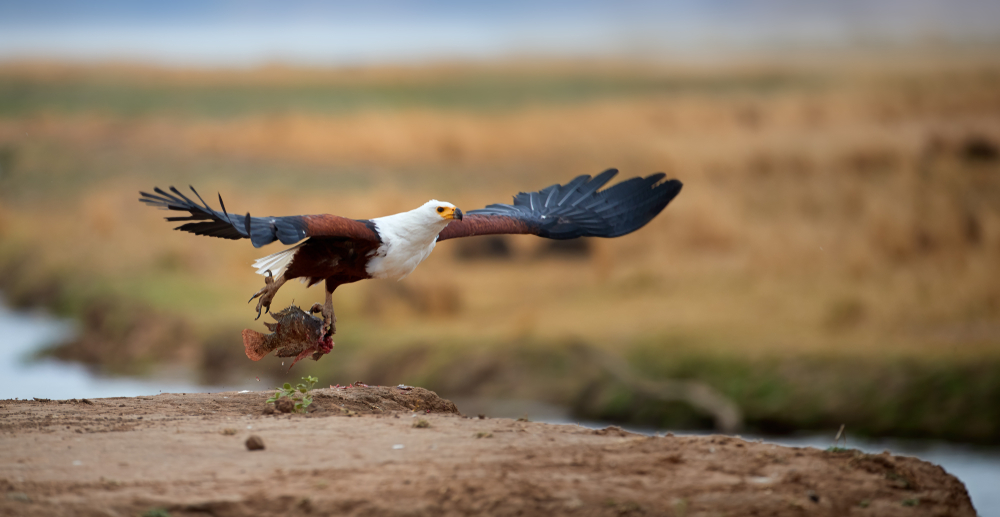
Wildlife within Wilderness National Park is especially rich in birdlife and aquatic species. More than 300 bird species have been recorded, making the park one of South Africa’s premier birdwatching destinations. Visitors may encounter African fish eagles, malachite kingfishers, African jacanas, herons, cormorants, and numerous migratory waterbirds.

Mammals include bushbuck, Cape clawless otter, vervet monkeys, baboons, and several smaller forest and wetland species. The lakes and estuaries support diverse fish populations, amphibians, reptiles, and aquatic invertebrates. The abundance of water and varied habitats creates a thriving ecosystem that supports wildlife throughout the year.

Wilderness National Park plays a vital role in conserving one of South Africa’s most important wetland and estuarine ecosystems. The park protects critical freshwater resources, migratory bird habitats, and ecological processes that support biodiversity across the Garden Route region.

Its conservation significance is often compared to protected wetland areas such as iSimangaliso Wetland Park and West Coast National Park, where water-based ecosystems provide essential habitat for wildlife. Today, Wilderness National Park remains a cornerstone of conservation along South Africa’s southern coast, preserving a unique landscape where rivers, lakes, forests, and wetlands combine to create one of the country’s most ecologically valuable natural environments.

Things to See

Popular

Wilderness National Park, part of South Africa’s Garden Route National Park, is known for its lush forests, tranquil lakes, and estuarine wetlands that provide habitats for a wide variety of wildlife.

Cape Clawless Otter (Aonyx capensis)
These playful mammals are often seen along rivers and estuaries in the park. They feed on crabs, fish, and other aquatic creatures and are known for their agility and semi-aquatic lifestyle.

Bushbuck (Tragelaphus scriptus)
Bushbuck thrive in the park’s dense forests and thickets. This shy antelope feeds on leaves, fruits, and grasses and is most active during dawn and dusk.

Caracal (Caracal caracal)
This elusive predator is occasionally spotted in the park’s forested areas and fynbos. It hunts small mammals and birds, using its speed and agility to capture prey.

Vervet Monkey (Chlorocebus pygerythrus)
Vervet monkeys are commonly seen in the park’s forests, where they feed on fruits, seeds, and insects. They are highly social and exhibit complex behaviors.

Porcupine (Hystrix africaeaustralis)
Cape porcupines are nocturnal foragers that feed on roots, tubers, and bark. Their sharp quills provide excellent defense against predators.

Honey Badger (Mellivora capensis)
Known for their fearless nature, honey badgers are occasional visitors to Wilderness National Park. They forage for small mammals, insects, and honey in the park’s forests and grasslands.

Rock Hyrax (Procavia capensis)
Rock hyraxes inhabit rocky outcrops and dense vegetation. They feed on grasses, leaves, and fruits and are closely related to elephants despite their small size.

Leopard Tortoise (Stigmochelys pardalis)
This large tortoise is often seen in the park’s grasslands and woodlands. It feeds on grasses, fruits, and succulents and plays a role in seed dispersal.

Cape Grysbok (Raphicerus melanotis)
A small, shy antelope, the Cape grysbok is found in the park’s dense vegetation. It feeds on a variety of plants and is primarily nocturnal.

Marsh Terrapin (Pelomedusa subrufa)
These freshwater turtles inhabit the park’s wetlands and rivers. They feed on aquatic plants, insects, and small fish and are an integral part of the aquatic ecosystem.

Birds

Wilderness National Park is a birdwatcher’s haven, with its diverse ecosystems supporting a variety of resident and migratory bird species, including rare and endemic species.

African Fish Eagle (Haliaeetus vocifer)
This iconic raptor is often seen near the park’s lakes and estuaries, hunting fish with its powerful talons. Its distinctive call is a signature sound of the wilderness.

Malachite Kingfisher (Corythornis cristatus)
A small and brightly colored bird, the malachite kingfisher is commonly found near rivers and wetlands, diving for fish and aquatic insects.

Knysna Turaco (Tauraco corythaix)
This vibrant bird is a highlight of the park’s forests, feeding on fruits and moving gracefully through the canopy.

Pied Kingfisher (Ceryle rudis)
Often seen hovering over water before diving to catch fish, the pied kingfisher is a common sight in the park’s aquatic habitats.

Little Egret (Egretta garzetta)
This elegant wader frequents the park’s wetlands, feeding on fish and small invertebrates with its quick, darting movements.

African Black Oystercatcher (Haematopus moquini)
A striking black bird with bright red legs and beak, it forages along the rocky shores, feeding on mollusks and crustaceans.

Greater Flamingo (Phoenicopterus roseus)
These iconic birds are occasionally seen in the park’s estuaries, feeding on algae and small invertebrates with their specialized beaks.

Knysna Woodpecker (Campethera notata)
An endemic species, the Knysna woodpecker is found in the park’s forests, feeding on insects beneath tree bark.

Yellow-billed Egret (Egretta intermedia)
This medium-sized egret is often seen in the park’s wetlands, hunting small fish, frogs, and insects.

Cape Cormorant (Phalacrocorax capensis)
A coastal bird often spotted near the park’s estuaries, the Cape cormorant dives for fish and rests in large colonies.

Things To Do

Engaging Wilderness National Park

placeholder

Canoeing

placeholder

Hiking

placeholder

Birdwatching