About

Marsabit National Park is located in northern Kenya within Marsabit County. The park covers approximately 595 square miles (1,541 sq km) and surrounds the volcanic slopes of Mount Marsabit, an extinct volcano that rises dramatically above the surrounding arid landscapes.

Established in 1949, the park protects a unique ecological island within northern Kenya’s dry savanna and desert regions. Nearby protected areas include the Sibiloi National Park to the northwest and the vast wilderness areas that stretch toward Lake Turkana. The contrast between the park’s lush forests and the surrounding semi-desert landscapes makes it one of Kenya’s most distinctive national parks.

Marsabit National Park is best known for its mist-covered mountain forests, volcanic craters, and historical elephant populations. Rising from an otherwise dry landscape, Mount Marsabit creates a cooler and wetter environment that supports dense vegetation and permanent water sources.

Visitors are drawn to the park’s scenic crater lakes, forested trails, and panoramic viewpoints overlooking the surrounding plains. One of the most famous attractions is Lake Paradise, a beautiful crater lake that attracts wildlife and birdlife throughout the year. The park gained international recognition through the work of conservationists who studied its large-tusked elephants, some of the most impressive ever recorded in Africa.

The geography of Marsabit National Park is dominated by the volcanic massif of Mount Marsabit, which reaches approximately 5,600 feet (1,707 meters) above sea level. The mountain’s elevation intercepts moisture from passing air currents, creating a cooler climate and supporting forests that stand in sharp contrast to the surrounding drylands.

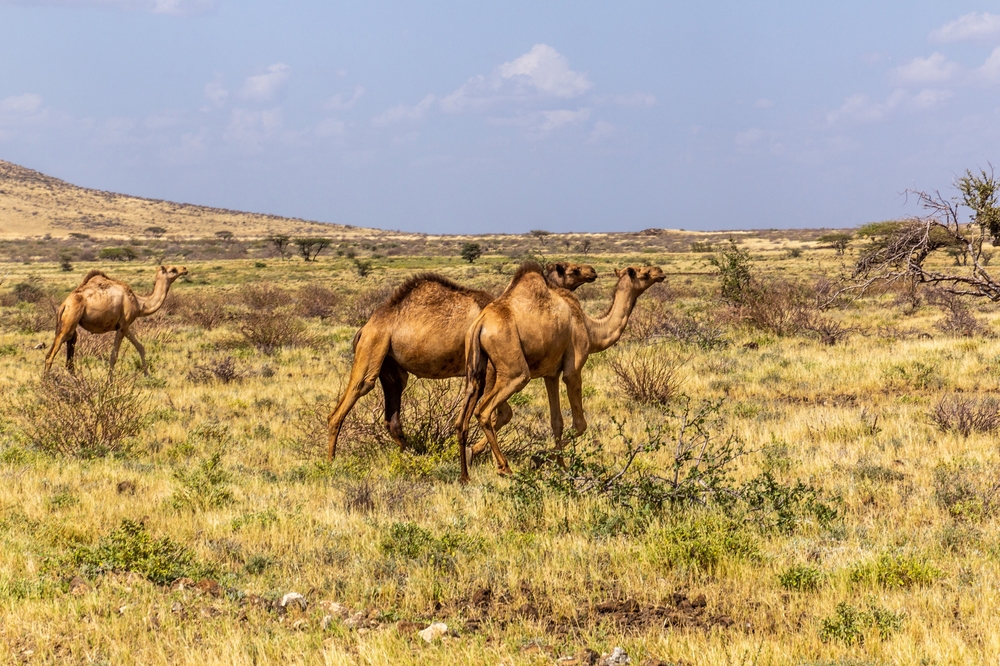
Dense montane forests cover much of the higher elevations, while lower slopes transition into bushland and savanna. The landscape includes volcanic craters, crater lakes, rocky outcrops, and rolling hills. This remarkable variety of habitats creates a unique ecosystem that supports an impressive diversity of plant and animal life within a relatively isolated setting.

Wildlife is one of the park’s greatest attractions. African elephants remain among the park’s most iconic species, although their numbers have declined from historic levels. Other large mammals include buffalo, giraffe, zebra, greater kudu, bushbuck, and warthog. Predators such as lion, leopard, and spotted hyena also inhabit the park’s forests and surrounding savannas.

Primates including baboons and vervet monkeys are frequently observed. Birdlife is especially diverse due to the park’s varied habitats, with more than 350 recorded species. Waterbirds gather around crater lakes, while forest birds, raptors, hornbills, and sunbirds thrive throughout the park. The combination of forest and dryland species makes Marsabit an exceptional destination for wildlife enthusiasts and birdwatchers alike.

Marsabit National Park plays a critical conservation role by protecting a rare montane forest ecosystem within northern Kenya’s arid region. The park safeguards important watersheds, crater lakes, and habitats that support numerous species dependent on this isolated mountain environment.

Its ecological significance is often compared to other highland refuges such as Bale Mountains National Park and Aberdare National Park, where elevation creates biodiversity hotspots surrounded by very different landscapes. Today, Marsabit National Park remains a vital refuge for wildlife and a remarkable example of how mountains can create thriving ecosystems in otherwise challenging environments.

Things to See

Predators

The rugged terrains and forested slopes of Marsabit National Park provide an ideal habitat for a variety of predators, showcasing the delicate balance of nature’s hunters and their prey.

Leopards are elusive hunters that silently stalk their prey through dense forests, relying on their incredible agility and keen senses.

Lions, often seen lounging under acacia trees, dominate the savannah areas with their imposing presence and complex social dynamics.

Spotted Hyenas, nocturnal scavengers, roam the park in clans, their eerie calls echoing through the night.

Cheetahs, built for speed, traverse the open plains in search of gazelles and other fast-moving prey.

Caracals are small yet formidable cats, recognizable by their tufted ears and stealthy hunting techniques.

African Wild Dogs, endangered but resilient, roam in packs, relying on coordinated strategies to capture their prey.

Honey Badgers, though small, are fearless predators known for their aggressive demeanor and versatility in hunting.

Bat-eared Foxes, with their large ears, are adept at detecting underground prey such as insects and small mammals.

Striped Hyenas are rarer sightings, with their solitary habits and scavenging expertise making them a unique part of the ecosystem.

Servals, slender and agile, hunt in grasslands, relying on their sharp vision and precision pounces to catch rodents and birds.

Popular

Marsabit’s ecosystem supports a variety of non-predator species that thrive in its diverse habitats, from forested areas to open grasslands.

Grevy’s Zebras, distinguished by their narrow stripes, graze in herds across the park’s grassy expanses.

Reticulated Giraffes, with their unique coat patterns, move gracefully through wooded areas in search of acacia leaves.

Elephants frequently gather at the park’s waterholes, their social behaviors and immense size leaving a lasting impression on visitors.

Beisa Oryx, adapted to arid conditions, wander the plains with their strikingly long, straight horns.

Greater Kudus, recognizable by their spiral horns, prefer the forested areas, blending seamlessly with the foliage.

Buffalos, often seen in herds, graze near water sources and demonstrate their formidable strength when threatened.

Grant’s Gazelles move gracefully through the savannah, their elegant horns adding to their striking appearance.

Warthogs, known for their tusks and rugged demeanor, forage in the grasslands and are often spotted near burrows.

Rock Hyraxes, despite their small size, are agile climbers often seen basking on rocky outcrops.

Bushbucks are shy forest dwellers, typically seen near thickets or water sources, their sleek coats blending into the environment.

Birds

Marsabit’s avian diversity is a highlight for birding enthusiasts, with its unique blend of forest and savannah birds.

Superb Starlings, with their iridescent blue and orange feathers, are a common sight near wooded areas.

Crowned Eagles, majestic raptors, soar above the forest canopy in search of prey.

White-headed Buffalo Weavers add bursts of color to the park’s bushes and low trees.

Hartlaub’s Turacos are vibrant forest residents, their green and red plumage brightening the dense foliage.

Eastern Yellow-billed Hornbills, with their distinctive curved beaks, call loudly from tree branches.

Secretary Birds, striding elegantly through grasslands, hunt for reptiles and small mammals.

White-throated Bee-eaters, agile flyers, dazzle with their colorful plumage and swift movements.

African Fish Eagles, often perched near water, are skilled hunters with a distinctive cry.

Speckled Pigeons inhabit rocky outcrops and open areas, their spotted feathers providing effective camouflage.

Rosy-patched Bushshrikes, elusive and striking, add a splash of pink to the park’s dry shrubs.

Things To Do

Engaging Marsabit National Park

placeholder

Game Drives

placeholder

Crater Lake Tours

placeholder

Cultural Heritage